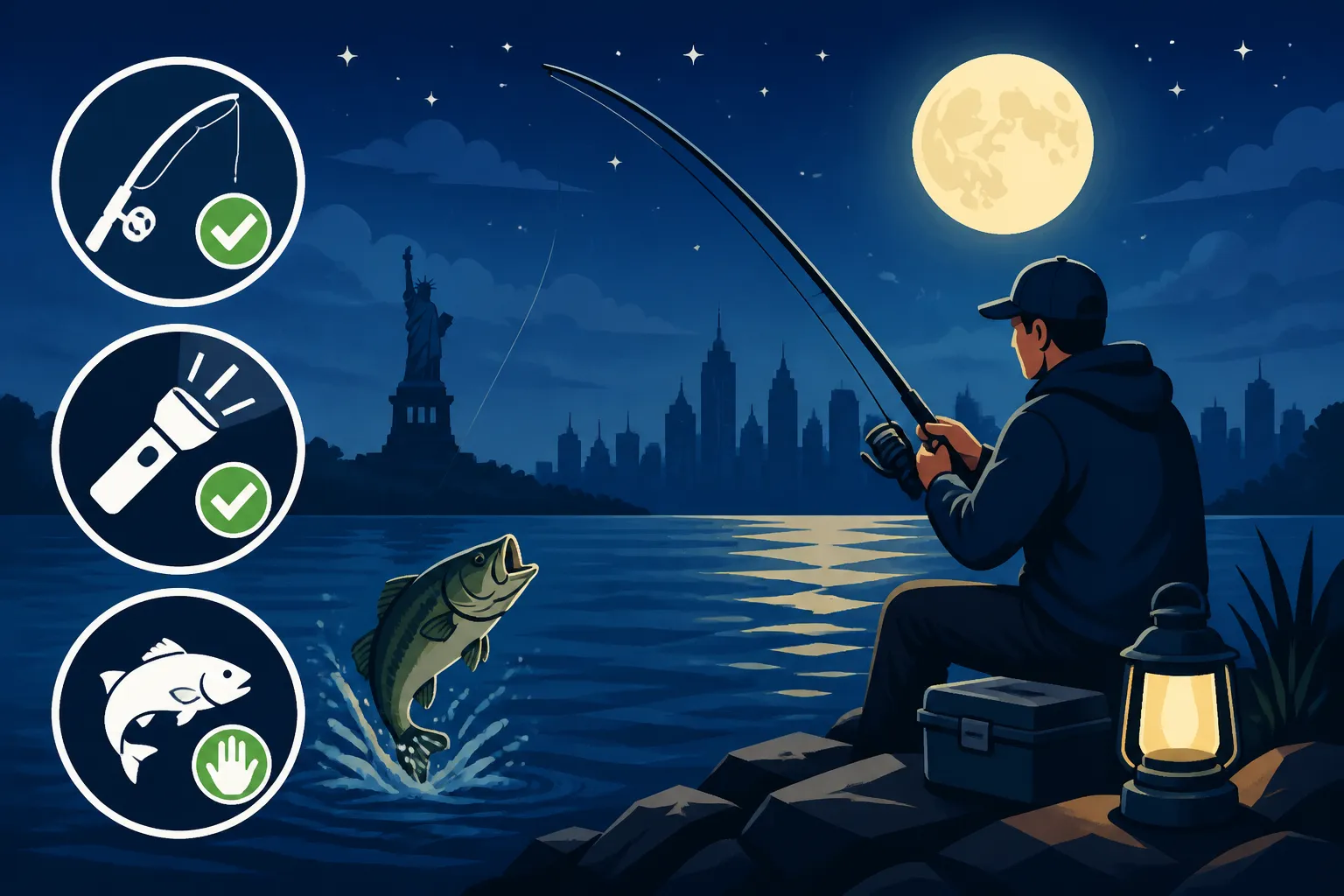
Rules on Fishing at Night in New York
The thrill of fishing under the stars, with the world quiet around you and the water reflecting the moon, is truly something special. But if you’re anything like me, that excitement can quickly turn into a nagging worry: "Am I even allowed to fish here at night? What are the rules?" It’s a totally valid concern, as New York's fishing regulations can feel like a labyrinth even in broad daylight. This guide is here to clear up that confusion, offering a comprehensive look at what you need to know about fishing at night in New York State.
Understanding General Night Fishing Regulations in New York
Let's face it, the New York State Department of Environmental Conservation (DEC) rulebook can be a dense read. When it comes to night fishing, there isn't one single, universally applicable rule that says "all waters are open 24/7" or "everything closes at dusk." Instead, it's a patchwork of general guidelines, specific waterbody rules, and local ordinances that you need to be aware of. The biggest takeaway here is: always double-check the specific location you plan to fish, because what's allowed on one lake might be completely different on a river just a few miles away.
The good news is that for many public waters, especially large lakes and rivers, night fishing is generally permitted unless explicitly stated otherwise. This permission often comes with some important caveats, especially regarding safety and lighting, which we'll dive into soon. The trick is knowing where those "explicitly stated otherwise" situations exist.
Your Fishing License is Still Your Ticket
First things first, your fishing license doesn't suddenly become invalid when the sun sets. Whether you’re casting lines at noon or midnight, you absolutely need to possess a valid New York fishing license if you're 16 years of age or older. This is non-negotiable. Don't think that just because it's dark, you're exempt from carrying it or from an environmental conservation officer checking in on you. In fact, sometimes night patrols are even more stringent in certain areas. Make sure you understand the nuances of the various New York Fishing License Types Explained and that you have the right one for your target species and water type.
It’s always a good idea to keep your physical license or an official digital copy readily accessible. While some officers might accept a digital display on your phone, it's safer to have a printed copy, especially if you're in an area with poor cell service or if your phone battery decides to call it a night before you do. Remember, fishing without a license can lead to significant penalties, so it's not a risk worth taking.
Navigation and Lighting Requirements for Boaters
If you're heading out on the water in a boat for some night fishing, this section is crucial for your safety and legal compliance. New York State follows federal navigation rules, which means certain lighting is required for all vessels from sunset to sunrise. This isn't just a suggestion; it's a legal obligation designed to prevent collisions and ensure everyone's safety on the water.
- Power-driven vessels (underway): You'll typically need red and green sidelights and a white all-around masthead light or stern light. The specifics depend on your boat's length.
- Manually propelled vessels (like kayaks or canoes): While they don't always need fixed navigation lights, you must have an unlit flashlight or lantern on board showing a white light that can be displayed in time to prevent a collision. However, for serious night fishing, a proper all-around white light is a much smarter and safer choice, easily found on Amazon.
- Vessels at anchor: If you're anchored outside of a designated mooring area, you typically need to display an all-around white light visible from all directions.
Beyond the legal requirements, adequate lighting on your boat is a lifesaver. Think about task lighting for tying knots, unhooking fish, or moving around the deck. A good headlamp is indispensable for anyone on board, and having a few portable LED lanterns can make your fishing experience much more comfortable and safe. The last thing you want is to be fumbling in the dark with a sharp hook or a thrashing fish.
Freshwater Night Fishing Rules: What You Need to Know
New York's freshwater system is vast and diverse, ranging from the Great Lakes to tiny Adirondack ponds. This diversity means that night fishing rules in freshwater can be the most variable and, frankly, the most confusing. You really have to do your homework for specific locations.
Public Access and Park Hours
One of the biggest hurdles for freshwater night fishing often isn't the fishing regulation itself, but rather public access rules. Many state parks, county parks, and even local municipal parks have specific operating hours, often closing at dusk. If a park closes at sunset, then fishing from its shores or launching from its ramps at night is generally prohibited, regardless of whether the fish themselves are fair game.
For instance, many of the DEC's Public Fishing Rights (PFR) access points along rivers and streams are technically open 24/7, as they are easements over private land for fishing purposes. However, if you're parking in an adjacent state park lot, you might run into issues with park closing times. Always check the specific signage at your chosen access point. If you're planning an overnight trip, consider private campgrounds or properties that explicitly allow 24-hour access to their waterfront. Places like the Finger Lakes and Lake Ontario often have more liberal public access points that allow night fishing, but even then, it's wise to verify.
Special Regulations and Specific Waterbodies
While a general "no night fishing" rule is rare for an entire species in freshwater, certain water bodies do have unique rules that can impact night anglers. These "Special Regulations Waters" are detailed in the New York Fishing Regulations Explained guide and are crucial to consult. For example, some small, heavily stocked trout streams might have specific regulations on fishing hours, especially during the early season.
Another consideration is species-specific rules. While you can generally pursue most warmwater species like bass, walleye, and panfish at night, understanding the New York Fishing Season Dates and Catch Limits is still critical. For example, during a catch-and-release only period for bass, night fishing for them is allowed, but obviously, you can't keep them. Some waters might also have specific bait restrictions or gear limitations that apply equally day and night.
| Aspect | General Freshwater Night Fishing | Specific Considerations |
|---|---|---|
| License Required | Yes, always | Same as daytime |
| Boating Lights | Required if underway or anchored | USCG regulations apply |
| Shore Angling | Generally allowed | Check park/public access hours |
| Species Regulations | Same as daytime | Check specific daily limits, seasons, and size limits |
| Bait Restrictions | Same as daytime | Verify if live bait is restricted in certain waters |
| Number of Lines | Same as daytime | Generally 2-3 lines per angler, check local rules |
| Special Water Rules | Variable | Crucial to check DEC regulations for specific lakes/rivers |
It’s a hassle, I know, but taking the time to review the DEC's official fishing guide for the specific county or water body you intend to fish is paramount. It’s often available as a free download, or you can pick up a physical copy at most license vendors. This small effort can save you a lot of headache and potential fines.
Saltwater Night Fishing Regulations: More Lenient, But Still Rules
Compared to the intricacies of freshwater, saltwater night fishing in New York is often a bit more straightforward, generally with fewer time-of-day restrictions. The vast expanse of the ocean, bays, and estuaries means that access is less about park hours and more about public waterways and navigation.
Marine and Coastal Access
For anglers hitting the surf, fishing from docks, piers, or jetties, night fishing is widely accepted. Popular spots like Montauk Point, the Long Island Sound, and various public piers around New York City see anglers out all night long, particularly for species like striped bass, bluefish, and even some bottom fish. The primary concern for shore anglers here is ensuring you're not trespassing on private property or violating any local municipal curfews that might apply to specific boardwalks or beaches.
If you're heading out on a boat, the general navigation lighting requirements we discussed earlier are critical. The waters of Long Island Sound or the Atlantic Ocean are busy, even at night, and visibility is paramount. Always ensure your vessel is properly lit according to U.S. Coast Guard regulations. Don't forget, if you're fishing in marine waters, even from shore, you likely need to register with the New York Recreational Marine Fishing Registry, which is free and typically lasts for a year.
Species-Specific Considerations in Saltwater
While the act of night fishing is largely unregulated in saltwater, the species you target are still subject to strict seasonal, size, and bag limits. Striped bass, a highly popular night target, have specific slot limits and seasons that apply around the clock. The same goes for fluke, bluefish, and other common catches.
One unique rule that often applies to saltwater bait fishing, especially for striped bass, is the circle hook requirement. If you are fishing with natural bait for striped bass, you are required to use a non-offset, non-stainless steel circle hook. This rule is in place to reduce gut-hooking and improve the survival rate of released fish. This applies whether you're fishing during the day or in the dead of night. Always consult the most current DEC regulations for saltwater species before you cast your line.
Safety First: Prioritizing Your Well-being in the Dark
Okay, so we've covered the rules, but rules are just one piece of the puzzle. When you're fishing at night, safety moves from being a recommendation to an absolute necessity. The challenges of reduced visibility, potential wildlife encounters, and colder temperatures demand extra caution and preparation.
Essential Illumination and Personal Safety Gear
This might seem obvious, but proper lighting is your first line of defense. A high-quality headlamp is non-negotiable. Look for one with a red light setting, which preserves your night vision and is less likely to spook fish. Have spare batteries or a portable charger for all your electronic devices. In addition to your headlamp, a powerful handheld flashlight can be invaluable for scanning the area or signaling.
Beyond light, consider personal safety equipment. Always let someone know where you're going and when you expect to be back. A fully charged cell phone is a must, but remember that service can be spotty in remote areas. A whistle can be used for signaling for help. If you're on a boat, ensure all required Life Jacket Requirements While Fishing are met and that they are easily accessible for everyone on board. Even if you're a strong swimmer, an unexpected fall into cold water at night can quickly become a dire situation without proper flotation.
Carry a basic first-aid kit, especially one equipped for common fishing injuries like hook punctures or minor cuts. Bug spray is also a lifesaver, as mosquitoes and other biting insects can be particularly aggressive after dark, making an otherwise peaceful night miserable.
Navigating the Environment in Low Light
Walking along unfamiliar terrain, whether it's a rocky shoreline, a muddy riverbank, or even a dimly lit pier, becomes inherently more dangerous at night. Take it slow. Use your headlamp to illuminate your path, paying close attention to footing. Slippery rocks, uneven ground, and unexpected obstacles are everywhere. It’s always best to scout your fishing spot during the day if you plan to fish it at night. Know where the drop-offs are, where the snags might be, and where you have clear, safe egress.
If you’re boating, remember that navigating by GPS or chart plotter in the dark is different than in daylight. Buoys and channel markers are harder to spot, and other vessels might not be as well-lit as they should be. Keep a sharp lookout, reduce your speed, and stay alert. Understanding the local currents and tides, especially in saltwater, is also crucial, as they can feel much stronger and more disorienting in the dark.
Gearing Up for a Successful Night Fishing Expedition
Now that we've covered the legalities and safety, let's talk about making your night fishing trip productive and enjoyable. The right gear can make all the difference, transforming a frustrating fumbling session into a memorable angling adventure.
Illumination Tools Beyond the Headlamp
While a headlamp is your primary personal light source, other lights can greatly enhance your experience. For boaters, having spreader lights or floodlights (used sparingly and pointed away from the water to avoid spooking fish) can be helpful for tasks like baiting up or netting a fish. Portable, waterproof LED lanterns are fantastic for illuminating your immediate workspace on a boat or providing ambient light at a shore fishing station. You can find a wide variety of reliable, bright, and long-lasting options on Amazon, often with magnetic bases for easy attachment.
For shore anglers, a strong lantern can illuminate your tackle box or a small area for re-rigging. Consider investing in glow sticks or small LED lights that can be attached to your rod tips. These make it much easier to see subtle bites, especially if you're using multiple rods. Speaking of multiple rods, make sure you're aware of the How Many Fishing Rods Can I Use at Once? regulations in New York, as these rules apply equally day or night.
Specialized Tackle and Baits for Night Conditions
Fish behave differently at night, and your tackle choices should reflect that. Low light conditions can make certain lures incredibly effective.
- Darker Lures: Believe it or not, black, purple, or dark blue lures can often create a more defined silhouette against the moonlight or ambient light, making them easier for predatory fish to see.
- Glow-in-the-Dark Lures: These are a classic for a reason. Everything from soft plastics to spoons and jigs comes in glow versions. A quick charge with a flashlight or camera flash makes them irresistible to curious fish.
- Scented Baits: When visibility is low, fish rely heavily on their sense of smell. Using heavily scented soft plastics or natural baits like cut bait or worms can be incredibly effective.
- Noise-Making Lures: Topwater lures with propellers or rattles, and crankbaits with internal bearings, can attract fish by creating vibrations and sounds that travel well through the dark water.
- Lighted Bobbers: For still-fishing, a lighted bobber is a game-changer. These battery-operated bobbers light up when they tilt or go under, giving you a clear visual indication of a bite. You can find various models on Amazon, from simple lighted floats to more advanced strike-alert versions.
Always carry a good pair of fishing pliers and a headlamp. Handling fish in the dark can be tricky, and having the right tools to quickly and safely remove hooks is essential, both for the fish's well-being and your own.
Staying Comfortable and Prepared
Night fishing, especially in New York, often means cooler temperatures, even in summer. Layered clothing is your best friend. A good base layer, an insulating fleece or down jacket, and a waterproof/windproof outer shell will keep you comfortable. A warm hat and gloves are also highly recommended, as you lose a lot of body heat through your head and extremities.
Bring plenty of hydration, and some snacks or a hot drink in a thermos can really boost morale during a long night. A comfortable chair can also make a huge difference if you're shore fishing. Remember, being prepared for the elements and having the right gear aren't just about comfort; they contribute directly to your safety and enjoyment of the experience. After all, the goal is to create great memories, not endure a miserable night.
So, the next time you feel the pull of the night on the water, you'll be armed with the knowledge and preparation to make it a safe, legal, and truly unforgettable New York fishing adventure.
Disclaimer
The information provided in this guide is for general informational purposes only and does not constitute legal advice. Fishing regulations in New York State are subject to change, and local ordinances can vary. Always consult the most current New York State Department of Environmental Conservation (DEC) fishing regulations guide or contact a local DEC office for the most accurate and up-to-date information for your specific fishing location and target species. Compliance with all applicable laws and regulations is the sole responsibility of the angler.