Panfish and Sunfish Limits in New York
It can feel like a real head-scratcher sometimes, trying to keep all the fishing regulations straight, especially when you're just hoping for a peaceful day reeling in some delicious panfish. You might be wondering, "Do I even need to worry about limits for sunfish and crappie?" or "Are there special rules for yellow perch in my favorite lake?" This guide is specifically designed to unravel all that complexity, giving you a crystal-clear understanding of the daily catch limits and possession rules for panfish and sunfish across New York State so you can fish confidently and legally.
Decoding New York's General Panfish Regulations
New York State takes its fisheries management seriously, even for species that seem abundant, like panfish. The goal is always to ensure healthy populations for future generations of anglers. While some highly prized game fish like trout and bass often have very specific, sometimes intricate, rules, panfish regulations are generally more straightforward, but they are not non-existent. Overlooking these limits can lead to unwanted fines and a spoiled fishing day, which nobody wants.
The New York State Department of Environmental Conservation (DEC) sets these limits, and they can sometimes vary slightly by region or even specific body of water, making it crucial to always double-check the latest guide. However, there are broad statewide regulations that apply to most waters unless otherwise specified. These general rules are your first line of defense against accidentally breaking the law. They cover not just the number of fish you can keep, but sometimes also minimum size limits, though these are less common for panfish.
Statewide Daily Limits for Common Panfish Species
When you're out there enjoying the tranquil waters of a New York lake or pond, the general rule of thumb for panfish is a generous daily creel limit. This limit often encompasses a combined total of certain species, meaning you can mix and match until you hit the maximum number. It's designed to allow for a good haul for dinner while still protecting the overall health of the fishery. Always remember, a "daily limit" means the maximum number of fish you can take in a 24-hour period, and a "possession limit" typically mirrors the daily limit, meaning it's the total number of fish you can have on hand at any given time, including those from previous days' fishing if you haven't eaten them yet. For most panfish species, these two limits are usually the same.
Let's look at some of the most commonly targeted panfish species in New York and their general statewide limits. This table provides a quick overview, but we'll dive deeper into the specifics for each species below.
| Species Group | Statewide Daily Limit (Unless otherwise specified) | Minimum Size Limit (Unless otherwise specified) | Notes |
|---|---|---|---|
| Sunfish (Bluegill, Pumpkinseed, Redbreast, Green, Longear, Warmouth) | 50 fish (combined species) | None | Primarily found in freshwater. Very common and popular for all ages. |
| Crappie (Black & White) | 25 fish (combined species) | 9 inches | Statewide minimum size of 9 inches is important to remember. |
| Yellow Perch | 50 fish | None | Widespread in both cool and warm waters. |
| Rock Bass | 25 fish | None | Often caught incidentally while targeting other species. |
| White Perch | 25 fish | None | Found in tidal portions of rivers and coastal areas. Often confused with yellow perch. |
This table highlights the general rules, but it's important to remember that local exceptions can and do exist. For instance, while most sunfish don't have a minimum size, certain waters might impose one to promote larger fish.
Understanding the "Combined Species" Rule
The concept of a "combined species" limit can sometimes throw new anglers for a loop. It simply means that for a group of fish listed together, like "Sunfish," you can catch any combination of those specific types until you reach the total numerical limit. For example, if the limit for sunfish is 50, you could catch 25 bluegill and 25 pumpkinseed, or 40 bluegill and 10 green sunfish, and still be within the limit. You don't have to hit 50 of each species, but 50 total for that entire group. This flexibility is great because it means you don't have to perfectly identify every single sunfish on the fly, which can be tricky for beginners.
However, species like crappie have their own distinct combined limit, separate from other panfish. So, if you're targeting both sunfish and crappie, you'd adhere to the 50-fish sunfish limit and the 25-fish crappie limit concurrently. It's a system designed to manage different fish populations based on their unique biology and abundance. Always ensure you consult the official New York Freshwater Fishing Rules before heading out to a specific body of water, as these details are critical for a successful and legal trip.
Specific Limits for Popular Panfish Species in New York
While the general table gives you a great starting point, let's zoom in on some of the most beloved panfish in New York. Each of these species offers unique angling experiences, and understanding their specific regulations ensures you're playing by the rules.
Sunfish (Bluegill, Pumpkinseed, and their Cousins)
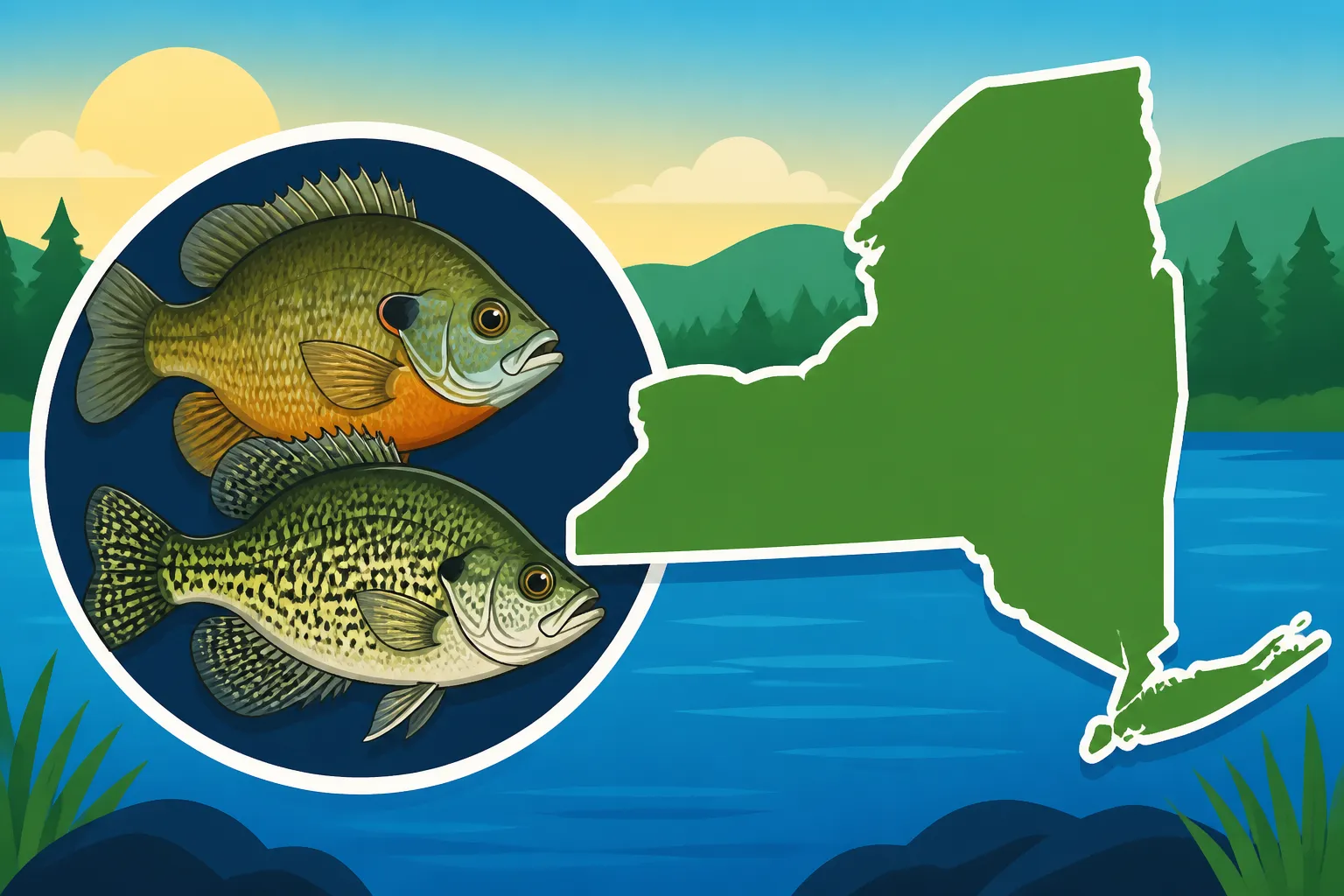
Oh, sunfish! These little guys are often the gateway fish for many young anglers, and for good reason. They're abundant, eager to bite, and provide endless entertainment. In New York, this category includes species like the venerable bluegill, the colorful pumpkinseed, the less common redbreast sunfish, and even green sunfish, longears, and warmouths.
For this entire family of sunfish, the statewide daily limit is a generous 50 fish. The best part? There is generally no minimum size limit for these species, which means you can keep even the smaller ones that are perfect for a family fish fry. This absence of a size limit makes them incredibly popular for kids and beginners, as every catch can potentially go into the cooler. Imagine a sunny afternoon on a small, quiet pond in the Adirondacks; you're casting a small worm under a bobber, and kids are just pulling in pumpkinseed after pumpkinseed. With a limit of 50, you can fill a bucket quickly, making for a memorable and rewarding outing. When stocking up on small hooks, bobbers, and light tackle for these little fighters, check out options on Amazon which often has great beginner fishing kits.
Crappie (Black Crappie and White Crappie)
Crappie, both black and white, are another prized panfish species in New York, revered for their delicious white meat. These fish tend to school, so when you find them, you can often catch quite a few in short order. This is why their regulations are a bit more specific than other sunfish.
The statewide daily limit for crappie, combining both black and white species, is 25 fish. However, and this is a big "however," crappie in New York generally have a minimum size limit of 9 inches. This means if you catch a crappie shorter than 9 inches, it must be immediately released unharmed. This regulation is crucial for allowing crappie to mature and reproduce, contributing to a sustainable population. Picture yourself jigging for crappie on Oneida Lake in the spring; you might be pulling in fish constantly, but you need to have a ruler handy to measure each one. It's a common scenario where anglers can get carried away with the action and forget about the size rule, so always be mindful. This 9-inch rule is designed to ensure that the crappie populations remain healthy, allowing these fast-growing fish to reach a good size before being harvested.
Yellow Perch
Yellow perch are another staple for New York anglers, especially popular during the ice fishing season. Their distinctive vertical bars and tasty fillets make them a sought-after catch. They are incredibly widespread, found in many lakes, ponds, and even larger river systems across the state.
Good news for perch enthusiasts: the statewide daily limit for yellow perch is also 50 fish, and there is generally no minimum size limit. This means you can keep a substantial number of these feisty fish for a meal. Think about a winter morning on Lake Erie, surrounded by ice shanties; anglers are often dropping small jigs tipped with bait, and when the yellow perch bite is on, it's not uncommon to catch dozens. The generous limit acknowledges their abundance and reproductive capacity, allowing for ample harvest while maintaining healthy stocks. However, always remember that while the general rule is 50, some specific bodies of water might have special regulations for Yellow Perch in New York, so a quick check of the local rules is always a good idea.
Navigating Special Regulations and Local Exceptions
While general statewide rules provide a solid foundation, New York State has a vast and diverse aquatic landscape, meaning that blanket regulations don't always fit every body of water perfectly. This is where special regulations and local exceptions come into play. Ignoring these can be just as problematic as ignoring the statewide rules, so it's paramount to be informed about the specific water you're fishing.
Why Do Some Waters Have Different Rules?
The New York DEC manages fisheries based on scientific data, ecological conditions, and conservation goals for individual lakes, rivers, and ponds. A small, heavily fished pond might have different rules than a vast, interconnected lake system. Factors influencing these special regulations include:
- Population Density: Some waters might have an overpopulation of certain panfish, in which case the DEC might even encourage higher harvest rates to thin the population and promote healthier growth for the remaining fish. Conversely, a struggling population might have stricter limits or even a temporary closure.
- Species Composition: Some waters are managed primarily for game fish like trout or bass, and panfish might be a secondary consideration, or their populations could impact the primary target species.
- Unique Habitats: Specific water bodies might have unique environmental conditions or genetic strains of fish that require tailored management approaches.
- Fishing Pressure: Heavily fished areas, particularly those close to urban centers, might see more restrictive limits to spread the harvest among more anglers or protect against overfishing. For example, some urban ponds that are part of the "I FISH NY" program might have very specific, often more lenient, catch-and-release rules or even special allowances for children.
This is why, as a responsible angler, your most important tool, besides your rod and reel, is the current New York Fishing Regulations Explained guide. You can usually find a printed copy wherever you buy your fishing license, or access it digitally on the DEC's website. It's also critical to check for any updates or emergency regulations before your trip.
Identifying Waters with Unique Panfish Rules
So, how do you know if the water you're planning to fish has special panfish limits? The first and most reliable place is the official DEC fishing regulations guide. This document lists specific waters and their unique rules by region. For instance, you might find that while crappie usually have a 9-inch minimum, a particular lake might waive that size limit for a period to encourage harvest, or conversely, impose a stricter size or lower daily limit if the population is struggling.
Sometimes, these special regulations are posted directly at public access points, boat launches, or popular fishing piers. It’s always a good idea to take a moment to read any signs you see. Imagine you're heading to a lesser-known spot you found on a map; before casting a line, quickly checking the DEC's online guide for that specific body of water can save you a lot of trouble. You can search by county or specific water body name to ensure you're compliant. Don't rely solely on word-of-mouth or what you remember from last year; regulations can and do change. If you're using a fishing app on your phone, many of them pull directly from the DEC data, making it super convenient.
What About Marine District Waters and Brackish Zones?
It's also worth noting that some panfish, especially white perch, are often found in brackish water – a mix of fresh and saltwater – or even fully marine environments, like portions of the Hudson River, Long Island Sound, or other coastal estuaries. While white perch typically fall under the freshwater panfish regulations when found inland, their presence in marine waters can sometimes blur the lines. For marine fishing, you generally need to register with the New York Recreational Marine Fishing Registry, even if it's typically free.
However, for white perch, the freshwater limits (25 fish, no size limit) usually apply statewide regardless of whether they are caught in fresh or brackish water. It's a common point of confusion. Always default to the freshwater regulations for white perch unless the marine regulations specifically list a different limit for them, which is uncommon for this species. For other saltwater species, the rules are entirely different, often with more complex slot limits and open seasons.
Responsible Angling for Sustainable Panfish Populations
Beyond simply following the rules, responsible angling practices are crucial for ensuring that New York's panfish populations remain healthy and vibrant for everyone to enjoy. It's about being a good steward of our natural resources and contributing positively to the fishing community.
Practicing Selective Harvest
With generous limits on many panfish, it’s easy to fill a cooler. However, practicing selective harvest means choosing which fish to keep and which to release, even if they are legal size. For many panfish species, especially in smaller ponds or lakes where they can become overpopulated, keeping a good number of medium-sized fish can actually benefit the fishery. Removing some of the abundant smaller fish reduces competition for food, allowing the remaining fish to grow larger and healthier.
Conversely, in waters where larger panfish are rare, or if you're targeting a trophy-sized crappie, releasing the biggest specimens to allow them to continue spawning can be a great conservation practice. These larger fish are often the most prolific breeders, and letting them go helps produce more big fish for the future. It’s a delicate balance, and your actions, combined with those of other anglers, truly make a difference. Consider taking home enough for a meal, but not necessarily filling your entire limit every single time. This approach helps sustain the population and can actually improve the quality of fishing over time.
Proper Catch-and-Release Techniques
Even if you intend to keep fish, you’ll inevitably release some, whether they’re undersized, or you’re practicing selective harvest. Knowing how to properly release a fish gives it the best chance of survival. This is especially important for crappie, given their 9-inch minimum size limit in most waters. Here are a few quick tips:
- Minimize Handling: Try to keep the fish in the water as much as possible. If you must handle it, do so quickly and gently.
- Wet Hands: Always wet your hands before touching a fish. Dry hands can remove the protective slime layer, making the fish susceptible to disease.
- Support the Fish: Support the fish horizontally, especially larger ones, to avoid damaging internal organs or the spine. Don't hold them vertically by the mouth or gills.
- Remove Hook Quickly: Use pliers or a hook remover, especially if the hook is deeply set. If a fish is gut-hooked and bleeding heavily, it might be better to keep it if it's legal size, as its chances of survival are low. Many anglers who prioritize catch-and-release will crimp down the barbs on their hooks to make removal easier and faster. You can find specialized long-nose pliers or de-hookers for this purpose on Amazon.
- Revive If Needed: If the fish seems stunned or disoriented, hold it gently in the water, facing into a gentle current, until it regains strength and swims away on its own.
Understanding and applying these Catch-and-Release Handling Rules not only minimizes stress on the fish but also contributes to healthier fisheries.
Respecting the Ecosystem and Other Anglers
Beyond the fish themselves, responsible angling means respecting the entire ecosystem and fellow outdoor enthusiasts. This includes:
- Leaving No Trace: Pack out everything you pack in, including fishing line, bait containers, and any other trash. Leave the shoreline or boat launch cleaner than you found it.
- Proper Bait Usage: Understand and follow the Rules on Using Live Bait in New York. Some waters have restrictions on live bait to prevent the spread of invasive species or diseases. Always source your bait legally and locally if possible.
- Following Boat and Shoreline Etiquette: Be mindful of other anglers, give them space, and keep noise levels down. If you're on a boat, observe no-wake zones and be courteous to other boaters and shore anglers.
- Knowing Gear Limits: While panfish often don't require heavy gear, understanding "How Many Fishing Rods Can I Use at Once?" is important. New York generally allows up to three lines per angler in freshwater, but always confirm any specific exceptions. This is particularly relevant when targeting panfish, as many anglers like to spread out a few lines with different baits.
By embracing these practices, you not only enjoy your time on the water more fully but also contribute to a positive experience for everyone and the long-term health of New York's fantastic panfish fisheries. And don't forget, panfish are often the perfect target when you're thinking about How to Fish With Kids in New York, offering plenty of action and a good chance for success.
Disclaimer
The information provided in this guide is intended for general informational purposes only and is based on current New York State fishing regulations as understood at the time of writing. Fishing regulations, including daily limits and size restrictions, are subject to change by the New York State Department of Environmental Conservation (DEC). It is the angler's responsibility to consult the most current and official DEC Fishing Regulations Guide before engaging in any fishing activity. Local rules and emergency closures can override general statewide regulations. Neither the author nor the publisher assumes any liability for actions taken based on the information contained herein. Always prioritize safety and legal compliance on the water.