Fishing License Rules for Nonresident College Students
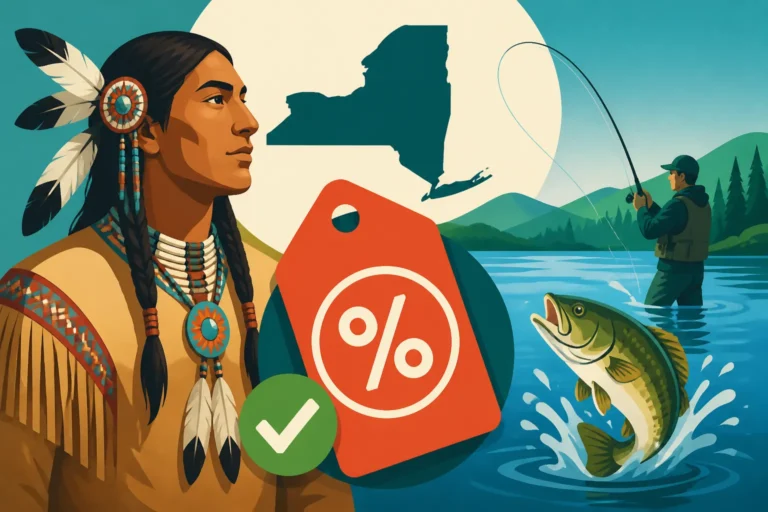
It can be incredibly confusing trying to figure out the ins and outs of fishing regulations, especially when you're a college student living in New York but your permanent address is still back home. You're probably asking yourself, "Do I count as a resident, or do I need to shell out for a nonresident license?" This guide is here to untangle that knot, walking you through the specific rules for nonresident college students so you can hit the water with confidence, not anxiety.
Understanding New York Residency for Fishing Licenses
When you're a college student, life often exists in a bit of a limbo state – you're living in a new place, but your roots might still be firmly planted elsewhere. This makes understanding residency for things like fishing licenses particularly tricky. New York State has clear definitions, and unfortunately for many nonresident students, simply living in the state for school doesn't automatically qualify you for a resident fishing license.
The General Rule for Residency
For the purpose of obtaining a New York fishing license, the term "resident" has a very specific legal meaning. It’s not just about where you’re physically located at any given moment, but rather where your true, fixed, and permanent home – your domicile – is, and where you intend to return whenever you are absent. The New York State Department of Environmental Conservation (DEC), which oversees fishing licenses, defines a resident as someone who has lived in New York State for more than 30 days immediately prior to applying for a license and who does not claim residency in any other state, country, or jurisdiction for any purpose.
This definition is crucial. It means that even if you've been living in a dorm in Syracuse for nine months out of the year, if your driver's license, voter registration, or tax filings are still tied to your parents' address in, say, Pennsylvania or New Jersey, then New York State likely considers you a nonresident for fishing license purposes. The intent to permanently reside in New York, coupled with actual physical presence, is what truly establishes residency. It's a common misconception that being a student automatically grants you resident status for all state services, but that's rarely the case for things like hunting and fishing licenses. For a deeper dive into the overall requirements, you can check out our comprehensive New York Fishing License Guide.
Special Considerations for College Students
This is where the rubber meets the road for college students. Most students attending a college or university in New York, but who maintain their permanent home elsewhere, are considered nonresidents by the DEC. You might be paying New York State tuition as an in-state student, but that doesn't necessarily translate to fishing license residency. The key factor is your legal domicile. If your "true home" is still considered to be outside of New York, even if you spend the majority of your year here for educational pursuits, you'll need to purchase a nonresident license.
Think of it this way: if you plan to move back to your home state after graduation, or if you return there during summer breaks and holidays, then your domicile has not shifted to New York. The DEC isn't trying to make things difficult; they're simply applying a consistent legal standard. While there isn't a specific "student fishing license" that bridges this gap, understanding this distinction helps you choose the correct license and avoid potential fines. This is a common area of confusion, but understanding these basic tenets will save you a lot of hassle.
Navigating Nonresident College Student Fishing License Options
So, if you're a nonresident college student in New York, what are your options? The good news is that the DEC offers several license types designed for those who don't permanently reside in the state, ensuring you can still enjoy New York's fantastic fisheries. You just need to select the one that best fits your fishing plans and budget.
The Nonresident Annual Fishing License
For many nonresident college students who plan to fish regularly throughout their academic year, the nonresident annual fishing license is the most straightforward and often most economical choice in the long run. This license typically covers you for freshwater fishing for a full year from the date of purchase. It provides the broadest coverage, allowing you to fish anytime within legal seasons without worrying about daily or weekly renewals. While the upfront cost is higher than a resident license, it’s designed for individuals like you who are committed to spending significant time on New York's waters.
This license is valid for a wide array of species, from trout in the Catskills to bass in the Finger Lakes. Before you cast your line, however, always make sure to review the specific New York Freshwater Fishing Rules for the waters you plan to visit, as regulations can vary by location and species. The cost for a New York Nonresident Fishing License Cost varies slightly each year, but it's generally a set fee that provides extensive access to the state's diverse fishing opportunities. If you anticipate multiple fishing trips during your semesters, this annual option provides peace of mind and simplifies your angling adventures.
Short-Term Nonresident License Alternatives
Perhaps you're only planning a quick fishing trip during a long weekend, or maybe you just want to try fishing in New York before committing to a full year. In these scenarios, the DEC offers convenient short-term nonresident licenses that might be a better fit. These typically include the New York 7-Day Fishing License and the New York 1-Day Fishing License.
These short-term licenses are perfect for students who:
- Are visiting for a short period: If your family comes to visit and you want to take them fishing, or if you're only in New York for a specific tournament or event, a shorter duration license makes sense.
- Want to test the waters: New to fishing, or new to fishing in New York? A 1-day or 7-day license allows you to experience the sport without a larger annual investment.
- Have limited fishing opportunities: Maybe your course load is heavy, and you only foresee one or two opportunities to fish throughout the year. In such cases, the cumulative cost of short-term licenses might still be less than an annual one.
While the daily cost of these short-term options is often higher than if you broke down the annual fee, their flexibility is their main advantage. It’s always a good idea to compare the New York Fishing License Costs and Options based on your anticipated fishing frequency. Just remember, these licenses are also for freshwater fishing. If you plan to explore the saltwater opportunities, like fishing on Long Island Sound, you'll also need to register for the New York Recreational Marine Fishing Registry, which is separate and generally free.
Here’s a quick overview of nonresident license options for college students:
| License Type | Typical Duration | Best Use Case | Considerations |
|---|---|---|---|
| Nonresident Annual | 365 Days | Frequent fishing throughout the academic year | Highest upfront cost, most convenient for avid anglers |
| Nonresident 7-Day | 7 Consecutive Days | Short fishing trips, trying out local spots | Cost-effective for vacations or specific week-long events |
| Nonresident 1-Day | 1 Specific Day | Single fishing outing, very occasional fishing | Most affordable for a one-time experience, least flexible |
Proving Residency and Avoiding Pitfalls
The last thing you want to do when you're out enjoying a peaceful day of fishing is run into trouble with a DEC Environmental Conservation Officer (ECO). Understanding what documentation is required, and the serious consequences of misrepresenting your residency, is paramount for a stress-free experience.
What Documentation You Might Need
When purchasing a fishing license, regardless of whether it's resident or nonresident, you'll typically need to provide some form of identification. For nonresident college students, this usually means a valid driver's license or state ID from your home state. This helps confirm your identity and nonresident status. While you won't be asked for utility bills or New York tax forms to prove you're a nonresident, it's important to understand that if you were to incorrectly claim New York residency, those are the types of documents the DEC would typically look for to verify your claim.
The key takeaway here is to be honest about your residency. If your primary residence is out-of-state, then confidently purchase the nonresident license. When you're fishing, always carry your license with you. Many anglers opt to keep a printed copy in a waterproof holder, or you can even keep a digital copy on your phone, though it's always wise to have a backup in case your phone battery dies. Did you know you can often Can I Print My Fishing License at Home? after purchasing it online? That's a huge convenience for many anglers.
Consequences of Misrepresenting Residency
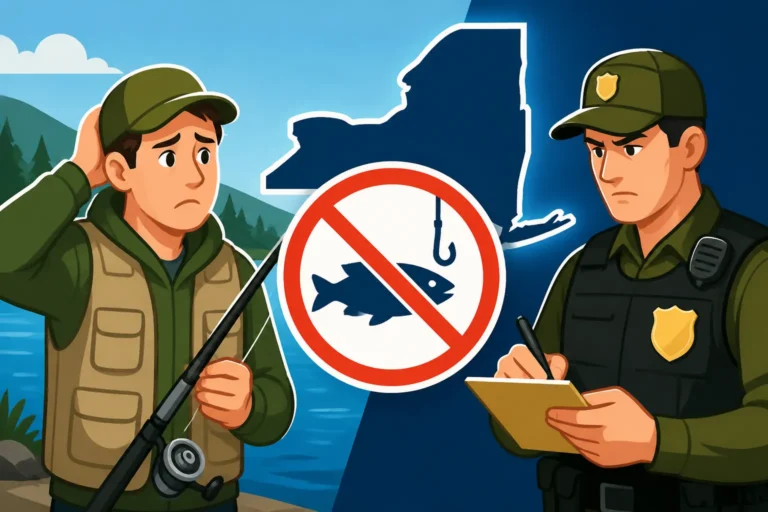
Fishing without the proper license, or intentionally misrepresenting your residency to obtain a cheaper resident license when you don't qualify, can lead to significant penalties. This isn't just a slap on the wrist; it can result in substantial fines, potentially confiscation of your fishing gear, and even the suspension of your fishing privileges in New York State. The DEC takes these regulations seriously, as they are fundamental to managing and funding the state's natural resources.
Imagine you're fishing a beautiful stream in the Adirondacks, having a great day, and an ECO approaches for a routine license check. If you've purchased a resident license without actually qualifying as a New York resident, you could face legal trouble. The consequences of Fishing Without a License in New York: What Happens can be far-reaching, including a court appearance and a permanent mark on your record. It's simply not worth the risk to save a few dollars. Always err on the side of caution and purchase the appropriate nonresident license. This ensures you're fishing legally and contributing to the conservation efforts that make New York such a fantastic place to cast a line.
Practical Tips for Nonresident Student Anglers
Being a nonresident college student in New York doesn't have to be a barrier to enjoying the state's incredible fishing opportunities. With a little planning and understanding of the rules, you can easily integrate fishing into your academic life.
Planning Your Fishing Trips in New York
Before you even think about buying a license, consider how often and where you truly plan to fish. Are you hoping to hit the Great Lakes tributaries for salmon and steelhead during specific runs, or are you more interested in casual bass fishing on a local pond? Your fishing ambitions will dictate which license type makes the most sense. If you're only going to fish once or twice a semester, a 1-day or 7-day nonresident license might be perfect. But if you envision yourself escaping the library every other weekend for some quality time on the water, the annual nonresident license will undoubtedly be your best value.
Also, think about what kind of fishing you'll be doing. Freshwater fishing requires a standard license, but if you're near the coast and want to try for striped bass or fluke, remember the additional New York Recreational Marine Fishing Registry requirement. You don't want to find yourself ready to fish only to realize you're missing a key piece of paper. A little foresight goes a long way in ensuring your fishing trips are enjoyable and compliant.
Where to Purchase Your License
Buying your fishing license in New York is thankfully a very straightforward process. The most convenient method for most nonresident college students is often online. The New York State DEC website offers a user-friendly portal where you can purchase your license from the comfort of your dorm room or apartment. This is fantastic because you can do it anytime, day or night, and often print a temporary copy right away to get you on the water faster. For detailed instructions, check out our guide on How to Buy a Fishing License Online in New York.
Beyond online purchases, there are numerous authorized vendors throughout the state. These include many sporting goods stores, local town or county clerk offices, and even some bait shops. Places like Dick's Sporting Goods or independently owned tackle shops are common spots. You can find a list of New York Fishing License Vendor Locations on the DEC website if you prefer to buy in person or need to pick up some tackle at the same time. If you're ordering gear online from Amazon for your trips, you might find it convenient to grab a few accessories like a waterproof license holder or a new tackle box at a physical store when you pick up your license. Just make sure to bring your out-of-state ID!
Disclaimer
Please note that fishing regulations and license requirements are subject to change. While this guide provides current and accurate information as of its publication, it is always your responsibility to verify the most up-to-date rules directly with the New York State Department of Environmental Conservation (DEC) before engaging in any fishing activities.