Fishing Without a License in New York: What Happens
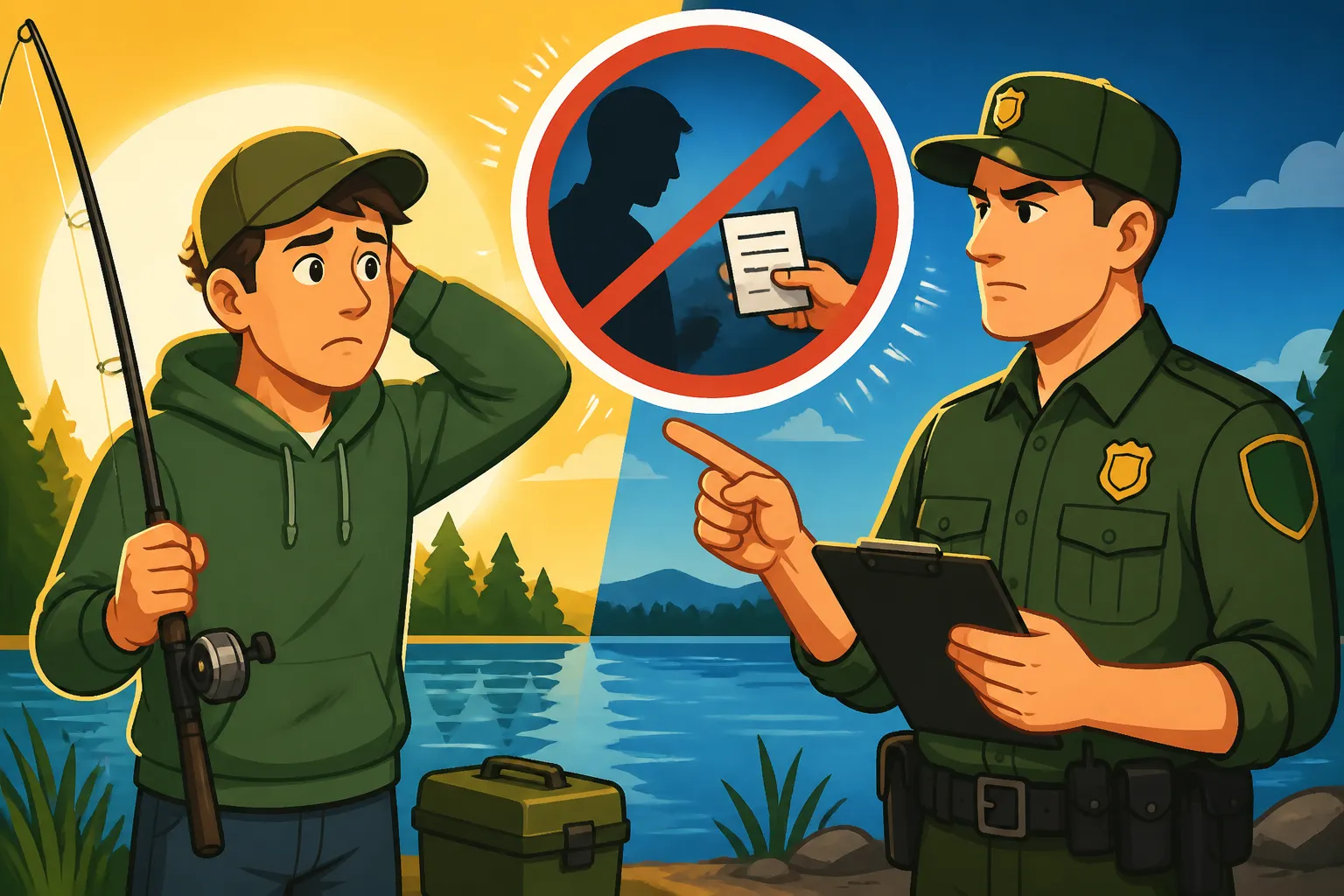
Many anglers find themselves enjoying a peaceful day on the water, only to have it abruptly interrupted by a New York Environmental Conservation Officer asking to see their fishing license. It’s an uncomfortable moment, and for those without the proper documentation, it can quickly turn a relaxing outing into a stressful legal predicament. This guide is here to help you understand exactly what can happen if you're found fishing without a valid license in New York State, and how to avoid such situations.
Why Bother with a Fishing License in the First Place?
It’s easy to feel like buying a fishing license is just another fee or a bureaucratic hurdle, especially when you’re just looking to cast a line and relax. You might wonder, "Where does my money even go?" or "Does it really make a difference?" But the truth is, fishing licenses are the backbone of aquatic conservation efforts here in New York, and understanding their purpose can shift your perspective from a chore to a contribution. Every dollar spent on a New York fishing license is an investment in the health and future of our beloved lakes, rivers, and streams.
The Purpose of Fishing Licenses and Conservation
Your fishing license isn't just a piece of paper; it's a vital funding mechanism for the New York State Department of Environmental Conservation (DEC). These funds are earmarked specifically for programs that directly benefit fish populations and their habitats. Think about it: without these dedicated resources, we wouldn't have the extensive fish stocking programs that replenish species in popular spots like the Finger Lakes or Lake Ontario tributaries. The stocking of millions of trout, salmon, and other game fish each year ensures that anglers have vibrant populations to pursue.
Beyond stocking, license revenues support critical habitat restoration projects. This might involve improving water quality, restoring spawning grounds, or managing aquatic vegetation to create healthier environments for fish to thrive. It's a continuous, often unseen effort that keeps our fisheries robust and accessible. These funds also support scientific research, allowing the DEC to monitor fish health, study migration patterns, and make informed decisions about catch limits and seasons, all of which are crucial for sustainable fishing. It's a comprehensive approach that safeguards the very resource we all enjoy. If you're looking for a more in-depth understanding of the state's requirements, our comprehensive guide, "New York Fishing License Guide", can walk you through all the essentials.
Common Misconceptions About Fishing Licenses
There are so many myths and misunderstandings floating around about when and where a fishing license is required, and these often lead well-meaning anglers into trouble. One of the most prevalent is the idea that if you’re fishing on private land, you don’t need a license. While some very specific, completely landlocked private ponds might be exempt, the vast majority of water bodies in New York, even those partially bordered by private property, are considered public waters or are connected to public waters. This connection means that fish can migrate in and out, making state regulations applicable for conservation purposes. So, if you're casting a line in a pond that eventually drains into a stream or a larger lake, you’ll likely need that license.
Another common misconception revolves around age or intent. Many assume that young children or seniors are entirely exempt, or that simply practicing catch-and-release negates the need for a license. While there are age exemptions, they aren’t universal – for instance, children under 16 generally don't need a license, but it's important to confirm the specifics, which are detailed in our article, "Do Kids Under 16 Need a Fishing License in New York?". For adults, even if you intend to release every fish you catch, the act of fishing itself requires a license because you are interacting with a public resource that the state manages. Similarly, the notion that a license from a neighboring state offers reciprocity in New York is largely false. New York has its own distinct regulations and licensing requirements, and an out-of-state license won't typically cover you here. Each state manages its resources independently, so it's always best to secure a New York-specific license.
The Legal Ramifications: What You're Really Facing
Getting caught fishing without a license isn't just an embarrassing moment; it carries very real, tangible legal consequences that can put a serious damper on your angling aspirations and your wallet. It’s not simply a slap on the wrist. The state takes its conservation efforts seriously, and fishing licenses are a cornerstone of that system. Understanding the potential penalties can certainly make you think twice before heading out unprepared.
Fines and Monetary Penalties
The most immediate consequence of fishing without a valid New York license is typically a fine. These aren't just minor nuisance fees; they can range significantly depending on the exact circumstances, location, and whether it's a first offense or a repeat violation. For a first offense of fishing without a freshwater license, you could be looking at a minimum fine of around $50 to $75, but with various court costs, administrative fees, and state surcharges, that initial figure can quickly swell to $150 or more. If you're caught fishing without the proper marine registry in saltwater, the penalties can be similar.
Now, if you're cited for additional violations on top of no license – say, exceeding the daily catch limit, fishing out of season, or using illegal bait – those penalties stack up. Each violation carries its own set of fines, and the total cost can become quite substantial, easily running into several hundreds of dollars for a single outing. It’s crucial to remember that these aren't merely tickets; they are official citations that can have consequences beyond the financial, impacting your record.
Potential Loss of Fishing Privileges
Beyond the financial hit, one of the most disheartening consequences for a true angler is the potential loss of fishing privileges. Depending on the severity of the offense, and especially in cases of repeat violations, the New York State DEC has the authority to suspend or even revoke your privilege to purchase a fishing license for a specified period. Imagine being told you can't fish for a year, or even longer. For many of us, fishing isn't just a hobby; it's a passion, a way of life, and a source of peace.
A suspension means you are legally prohibited from obtaining a fishing license anywhere in New York State for that duration. If you were to be caught fishing during a suspension, the penalties would be far more severe, escalating the fines and potentially leading to more serious charges. This consequence highlights how seriously the state views its role in managing and protecting its natural resources. It’s not just about money; it’s about ensuring responsible participation in the sport. Information on "New York Fishing License Costs and Options" can help you understand the small investment required to avoid these much larger repercussions.
Other Legal Consequences
While less common for a simple first-time offense of fishing without a license, other legal consequences can arise, particularly for egregious or repeat violations. In more severe cases, fishing without a license, or repeated disregard for fishing regulations, can escalate from a mere violation to a misdemeanor charge. A misdemeanor is a criminal offense, and it can result in a criminal record, which can have implications for employment, housing, and other aspects of your life. It’s a far cry from the relaxing day you envisioned on the water.
Furthermore, Environmental Conservation Officers (ECOs) have the authority to seize any fishing equipment used in the commission of a violation. This could mean your prized fishing rod and reel, tackle box, or even your boat if it was integral to the offense. While it might sound extreme, it's a measure intended to deter serious and repeat offenders. Imagine having your favorite gear confiscated—it’s a stark reminder of the importance of adhering to the rules.
The DEC's Role and Enforcement Methods
When you're out enjoying New York's beautiful waters, you might not always see them, but the New York State Department of Environmental Conservation (DEC) officers are often present, ensuring that everyone is following the rules. These dedicated individuals, known as Environmental Conservation Officers (ECOs), play a crucial role in protecting our natural resources and maintaining fair and safe conditions for all outdoor enthusiasts.
How DEC Officers Operate
Environmental Conservation Officers are fully empowered law enforcement officials with a broad range of responsibilities beyond just checking fishing licenses. They patrol New York's vast network of lakes, rivers, coastlines, forests, and public lands, looking for violations of environmental laws, including hunting, fishing, and boating regulations. They're not just waiting at boat launches; you might encounter an ECO on foot along a remote trout stream, in a patrol boat on Lake Erie, or even responding to calls about pollution or poaching.
Their patrols are often proactive, meaning they'll approach anglers to conduct routine license checks, especially in popular fishing spots or during peak seasons. They are highly trained in identifying various fish species, understanding complex regulations, and enforcing the law fairly. While their presence might feel intrusive to some, their primary goal is to educate the public, prevent illegal activities, and ensure the long-term health of New York's precious ecosystems. They are essential for upholding the "New York Freshwater Fishing Rules" and all other aquatic regulations.
Identifying a DEC Officer
It's important to be able to identify a legitimate DEC officer. Like any law enforcement personnel, ECOs will typically be in uniform, drive marked vehicles (often green trucks or SUVs with "NYS ENFORCEMENT" or "ENVIRONMENTAL CONSERVATION POLICE" emblazoned on them), and operate marked patrol boats. They carry official badges and identification, and they are required to present it upon request. If you're ever approached by someone claiming to be an officer in plain clothes or an unmarked vehicle, and you have doubts, you have the right to ask for their identification and badge number.
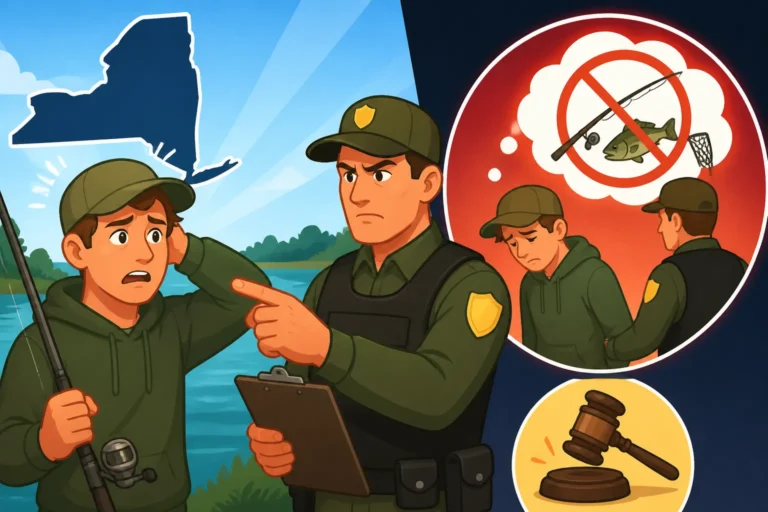
During a stop, an ECO will usually introduce themselves, state the reason for the interaction (e.g., "routine fishing license check"), and ask to see your license and identification. They are generally courteous and professional, and a calm, cooperative demeanor on your part will always lead to a smoother interaction. Understanding who they are and what their role is can help alleviate any anxiety during these encounters.
What to Do During a Stop
If an Environmental Conservation Officer approaches you for a license check or any other reason, the best course of action is to remain calm and be completely cooperative. Your hands should be visible, and you should follow any instructions they give you. The officer will ask to see your fishing license and a form of personal identification, such as a driver's license. Have these readily accessible. If you have a digital version of your license on your phone, you can present that. Our article, "Can I Show a Digital Fishing License on My Phone?", confirms this is generally acceptable.
Answer any questions truthfully and respectfully. Do not argue, become confrontational, or attempt to conceal anything. While you have certain rights, resisting an officer's lawful commands can escalate the situation unnecessarily and lead to additional charges. Even if you believe there's a misunderstanding or you're being unfairly targeted, the time to dispute a ticket is not on the water. Present your case calmly and follow the proper legal channels later. Cooperation is always the best policy.
Real-Life Scenarios: When Things Go Wrong
Even the most seasoned anglers can sometimes find themselves in a sticky situation regarding their fishing license. Life happens, and mistakes are made. However, ignorance or forgetfulness doesn't typically excuse you from the law. Let's look at a few common scenarios that anglers face and what usually happens when an ECO is involved.
The "Oops, I Forgot It at Home" Situation
This is perhaps the most common scenario for anglers who are genuinely licensed but simply left their documentation behind. You had every intention of bringing it, maybe it slipped out of your wallet, or you just grabbed the wrong jacket on your way out the door for a quick trip to the local fishing spot on the Mohawk River. You know you paid for your "New York Fishing License Guide", but it's physically not with you. When the ECO approaches and asks to see your license, your heart sinks.
In this situation, the outcome can vary. Many ECOs understand that honest mistakes happen. They might be able to look up your license on their system using your personal identification. If they can verify your valid license, they might issue a warning, especially for a first-time offense. However, they are entirely within their rights to issue you a ticket for "failure to carry license." This is usually a smaller fine than fishing without a license entirely, but it's still a penalty. To avoid this, consider having your license on your phone, or if you prefer a physical copy, tuck it into a dedicated, waterproof fishing wallet that you can easily find on Amazon and always keep in your tackle box or fishing vest.
The "I Didn't Think I Needed One" Scenario
This scenario often involves a fundamental misunderstanding of New York's licensing requirements. Perhaps you're new to the state, or you've always fished a specific pond that you believed was entirely private. Maybe you're a parent who assumed your teenager, who just turned 16, still fell under the youth exemption. Ignorance of the law, however, is not a valid defense. The onus is on every angler to know and comply with the regulations before casting a line.
A classic example involves anglers fishing in small, seemingly isolated farm ponds. If that pond has any connection, even via a small stream or culvert, to a larger public waterway, then state fishing license laws apply. Another common instance is fishing in marine waters without the "New York Recreational Marine Fishing Registry". While the registry itself is free, many anglers mistakenly believe no "license" is required for saltwater fishing, forgetting the mandatory registration step. When caught in these situations, an ECO will likely issue a full ticket for fishing without a license. This scenario underscores the importance of thoroughly checking the "New York DEC Fishing Regulations Guide" before every outing, especially if you're exploring new waters.
The Repeat Offender
This is where the consequences become significantly more severe. An angler who has been previously cited for fishing without a license or other related violations and is caught again enters a different category of legal trouble. The state views repeat offenses as a pattern of disregard for conservation laws, not just an honest mistake. This is when the penalties can escalate beyond simple fines.
For repeat offenders, fines will likely be much higher, potentially reaching into the hundreds of dollars for the violation itself, plus court costs and surcharges. More importantly, the likelihood of a license suspension or even revocation increases dramatically. You might find yourself banned from purchasing a New York fishing license for a year, two years, or even longer, effectively ending your ability to legally fish in the state. In some extreme cases of chronic non-compliance, misdemeanor charges could even be filed, leading to a criminal record. This is why understanding "Penalties for Fishing Without a License in New York" is so critical – it's about protecting your privilege to enjoy the sport.
Beyond the Legal: Ethical and Environmental Impacts
While the legal and financial consequences of fishing without a license are certainly compelling reasons to adhere to the rules, there's a deeper, more profound impact that unlicensed fishing has—one that touches upon ethics and environmental stewardship. When we choose to fish, we become part of a larger community that shares a responsibility to protect and preserve the very resources we enjoy. Ignoring the license requirement isn't just breaking a rule; it's shortchanging the future of New York's fisheries.
Funding Conservation Efforts
The most direct ethical impact of purchasing a fishing license is your contribution to conservation. Every single license fee collected by the New York State DEC goes directly back into managing and maintaining our state's fish and wildlife resources. This funding is crucial for a myriad of programs that are essential for healthy ecosystems. For example, your license dollars support the operation of fish hatcheries, which rear millions of trout, salmon, and other species that are stocked annually into waters across the state, from the Catskill mountain streams to the Great Lakes tributaries.
Beyond stocking, these funds are vital for habitat restoration projects. Imagine efforts to improve water quality in the Hudson River, restore crucial spawning grounds for walleye in Oneida Lake, or protect sensitive wetlands that serve as nurseries for countless aquatic species. These are tangible projects that rely heavily on license revenue. Without these contributions, the DEC's capacity to conduct scientific research, monitor fish populations, enforce regulations, and educate the public would be severely hampered. Fishing without a license is, in essence, enjoying the benefits of these conservation efforts without contributing your fair share, placing a greater burden on responsible anglers.
Maintaining Healthy Fish Populations
Responsible angling is a partnership between individual fishermen and the state's conservation agencies. The data collected from license sales, combined with angler surveys, helps the DEC understand fishing pressure and patterns. This information is critical for making informed management decisions, such as setting appropriate "New York Fishing Season Dates and Catch Limits" for different species and waterways. By regulating who fishes and how many fish are harvested, the state can prevent overfishing and ensure that fish populations remain healthy and sustainable for generations to come.
Unlicensed fishing undermines this delicate balance. When individuals fish without a license, they become invisible to the system. Their catches aren't accounted for, and their presence adds pressure to fish stocks without contributing to the management efforts designed to protect them. This can lead to localized depletion of fish, disrupt ecological balances, and ultimately diminish the quality of fishing for everyone. It's about collective responsibility; each license is a commitment to the health of the resource.
The Impact on the Angling Community
There’s also a significant social and ethical impact within the angling community. Most anglers are passionate about their sport and deeply invested in conservation. They willingly pay for their licenses, understand the regulations, and strive to be good stewards of the environment. When they see others fishing illegally, it breeds a sense of unfairness and resentment. It feels like someone is cutting in line or freeloading off the efforts of others.
This erosion of community spirit can be detrimental. It can lead to less willingness to participate in voluntary conservation efforts, report violations, or support future fishing initiatives. A strong, cohesive angling community, united in its commitment to responsible practices, is far more effective in advocating for fisheries and ensuring access for all. Fishing without a license not only damages the environment but also erodes the trust and camaraderie that should define the sport. It's a reminder that we're all in this together, and our actions, both individually and collectively, shape the future of New York fishing.
How to Ensure You're Always Legal
Staying on the right side of New York's fishing regulations is actually quite straightforward once you understand the basics. It's all about being proactive, getting the right paperwork, and staying informed. Trust me, a little preparation goes a long way in avoiding any unpleasant surprises from an ECO.
Buying and Carrying Your License
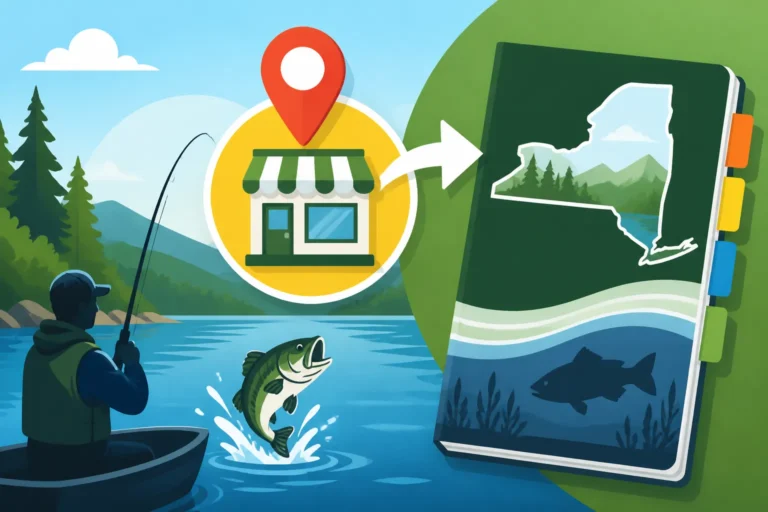
The first and most crucial step is to buy the correct fishing license. New York offers various "New York Fishing License Types Explained", including annual, 7-day, and 1-day options, for both residents and non-residents. You'll need to decide if you primarily fish freshwater or if you also need to register for marine (saltwater) fishing, which is a separate, albeit free, requirement. The most convenient way to purchase your license is online through the New York State DEC website. It’s quick, efficient, and you can often print a temporary license right from home.
If you prefer to buy in person, you can visit any of the numerous authorized license-issuing agents across the state. These include many Walmart stores, local bait and tackle shops, and some town or county clerk offices. Our guide on "Where to Buy a New York Fishing License" offers a detailed list of options. Once you have your license, always carry it with you when you're fishing. Whether it's the physical card, a printout, or a digital copy on your smartphone, ensure it's accessible. Many anglers use a small, waterproof holder for their license and other essential documents, which can easily be found and purchased on Amazon, keeping everything safe and dry.
Understanding Exemptions and Special Cases
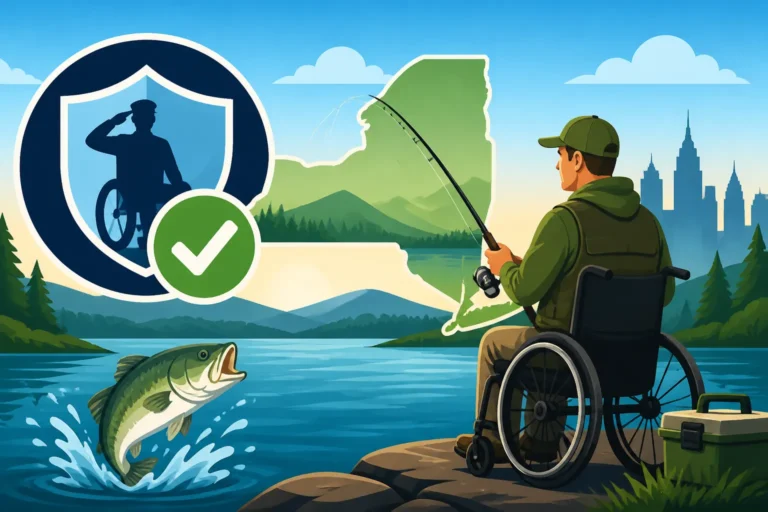
While most adults need a fishing license, New York State does have specific exemptions and special cases that are important to be aware of. The most common exemption is for children under the age of 16. Generally, if you are under 16, you do not need a fishing license to fish in New York State. This is a wonderful initiative to encourage youth participation in the sport without adding a financial barrier. However, it's worth noting that if an adult assists a child in fishing and the adult does not have a license, the adult could still be cited for fishing without a license, even if they claim not to be actively fishing themselves.
Another notable exemption occurs during New York's designated Free Fishing Days. These are specific dates, usually a few weekends throughout the year, when anyone can fish in New York's waters without a fishing license. These days are fantastic opportunities for beginners to try fishing or for families to enjoy the outdoors together without the upfront cost of a license. However, all other fishing regulations, such as size limits, catch limits, and season dates, remain in effect during these periods. It's important to consult the "New York Free Fishing Days Calendar" annually, as the dates change each year. There are also specific exemptions for those fishing on their own confined, private property, but these are very limited and generally do not apply to waters that connect to public systems.
Staying Updated on Regulations
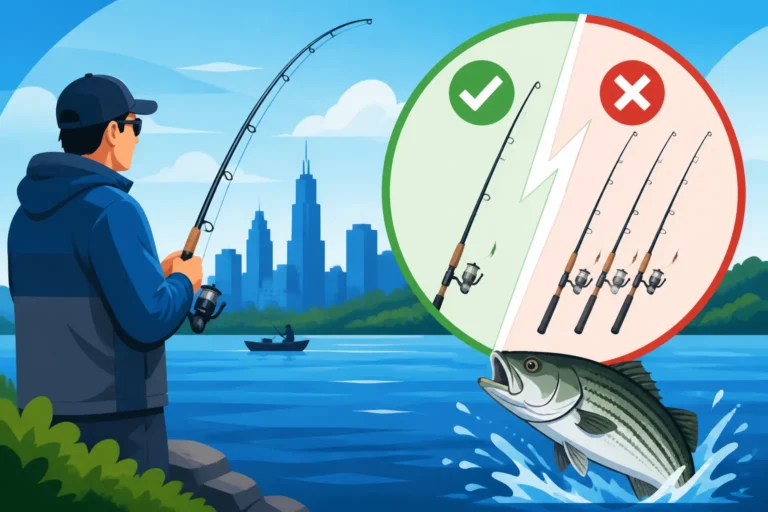
Fishing regulations are not static; they can change annually, and sometimes even within a season, for various species and specific water bodies. It is the angler's personal responsibility to know and understand the current rules for the waters they are fishing. Relying on old information or hearsay from a friend is a recipe for potential violations. Regulations cover everything from open seasons for certain fish like bass or walleye, to minimum and maximum size limits, daily creel (catch) limits, and even specific gear restrictions (like circle hook requirements for striped bass bait fishing).
The absolute best resource for staying updated is the official "New York DEC Fishing Regulations Guide". This guide is published annually and is available both online on the DEC website and in physical booklet form wherever licenses are sold. Take the time to read it, especially the sections pertaining to the areas and species you plan to target. Many of our articles, like "New York Fishing License Guide", constantly reference these official regulations to ensure accuracy. It's a small investment of your time that can prevent significant headaches and fines later on. You can even find previous versions or summaries of these guides on platforms like Amazon, useful for understanding historical changes or if you prefer a digital reference in addition to the official DEC site.
What to Do If You Get Caught
No one ever wants to be in this situation, but if you find yourself being approached by an Environmental Conservation Officer and you know you're not fully compliant with New York's fishing license requirements, how you handle that encounter can make a significant difference in the outcome. Panicking or being confrontational will only make things worse.
Cooperating with Officers
If an ECO stops you, the most important thing you can do is remain calm and be cooperative. Immediately make your hands visible and avoid any sudden movements that might be misinterpreted. When asked, calmly provide your identification and explain the situation regarding your license, even if you don't have one. While it might be tempting to try and talk your way out of it or make excuses, honesty and respect are typically the best approaches. An officer is more likely to be lenient, or at least professional, if you are cooperative.
Listen carefully to what the officer says. They will inform you of the reason for the stop and what violation they believe has occurred. If you genuinely forgot your license at home but can prove you purchased one, respectfully offer to provide proof if they can look it up or if you have a digital copy. Being polite, answering questions directly, and not arguing can sometimes result in a warning instead of a ticket, especially if it's a minor or genuine oversight. Remember, their job is to enforce the law, but they are also people.
Understanding Your Rights
While cooperation is key, it's also important to understand your basic rights during an interaction with a law enforcement officer, including an ECO. You have the right to remain silent, but generally, answering basic questions about your identity and the situation is advisable. You do not have to answer questions that might incriminate you beyond what is legally required (e.g., admitting to other, more serious violations not related to the stop). You have the right to know what violation you are being cited for and to receive a copy of any ticket issued.
Do not resist any lawful commands, even if you disagree with them. If an officer asks to see your license, ID, or certain fishing gear, you should comply. However, if they ask to search your personal belongings without probable cause or a warrant, you have the right to decline. If you are issued a ticket, signing it typically acknowledges receipt, not guilt. You will have an opportunity to address the charges in court. If you feel your rights have been violated, document the incident thoroughly with details like the officer's name, badge number, time, and location, and seek legal counsel afterward.
Contesting a Ticket
If you believe you were wrongly cited, or if there are extenuating circumstances you wish to present, you absolutely have the right to contest the ticket in court. The citation itself will provide instructions on how to plead and appear in the appropriate municipal or town court. Before your court date, gather all relevant documentation, such as proof of your license purchase (if you had one but didn't carry it), any photos, witness statements, or other evidence that supports your case.
It's often a good idea to consult with legal counsel, especially if the penalties are severe or if you face multiple or repeat charges. An attorney can help you understand the specific charges, navigate the legal process, and present your defense effectively. Sometimes, even if you are technically guilty, a lawyer might be able to negotiate a plea bargain that reduces the fine or avoids a license suspension, especially for a first offense. While going to court can be time-consuming and stressful, it's your right, and it can be worthwhile if you have a strong case or if the consequences of the ticket are significant.
| Violation Type | Typical Initial Fine Range | Other Potential Consequences |
|---|---|---|
| Fishing Without a License | $50 – $250 + surcharges | License suspension, possible gear seizure |
| Failure to Carry License | $25 – $100 + surcharges | Warning possible, at officer's discretion |
| Exceeding Daily Catch Limit | $75 – $500 + surcharges per fish | License suspension, gear seizure, public humiliation |
| Fishing Out of Season | $100 – $750 + surcharges | License suspension, gear seizure, potential species endangerment |
| Using Illegal Bait or Gear | $75 – $500 + surcharges | Gear seizure, license suspension, environmental damage |
| Fishing in Closed Waters | $100 – $750 + surcharges | License suspension, gear seizure, habitat disruption |
| Repeat Offenses | Significantly higher fines, up to misdemeanor charges | Extended license revocation, jail time (rare), criminal record |
Note: These are approximate values and can vary based on specific circumstances, local court policies, and whether prior offenses exist. Always consult the official NYSDEC regulations and the specific charges on your ticket. The penalties for fishing without a license in New York can vary depending on the specific court and circumstances.
Disclaimer
The information provided in this guide is for general informational purposes only and does not constitute legal advice. Fishing regulations and associated penalties in New York State can change, and interpretations may vary. Always consult the official New York State Department of Environmental Conservation (DEC) regulations or seek legal counsel for specific situations.