New York Catch-and-Release Trout Fishing Rules
The world of fishing regulations can feel like navigating a labyrinth, especially when you're trying to do the right thing for our precious trout populations. Many anglers, myself included, have stood by the water, scratching their heads over what's allowed, what's required, and what truly makes a difference. This comprehensive guide is here to untangle the nuances of New York's catch-and-release trout fishing rules, ensuring you're well-equipped to enjoy your time on the water responsibly and effectively.
Understanding Catch-and-Release for Trout in New York
Catch-and-release fishing isn't just a trendy phrase; it's a critical conservation practice, particularly for sensitive species like trout in New York's diverse waterways. For many, it's a personal commitment to preserving the sport for future generations, recognizing that the fish we enjoy catching today are a finite resource. It’s about more than just tossing a fish back; it's about doing so in a way that maximizes its chances of survival, contributing to healthy, thriving ecosystems.
What "Catch-and-Release" Truly Means
At its heart, "catch-and-release" signifies the act of capturing a fish and then immediately returning it to its environment with the least possible harm. This isn't just about avoiding a fine or adhering to a rule; it's about minimizing stress, injury, and physiological shock to the fish. Think about it from the fish's perspective: being hooked, fought, netted, handled, and then released is a traumatic experience. Our goal as anglers is to make that experience as brief and gentle as possible, allowing the trout to recover quickly and continue its life cycle. It means consciously choosing gear, techniques, and handling methods that prioritize the fish's well-being above all else.
This practice becomes even more important when we consider the ecological balance. Healthy trout populations contribute to the overall health of rivers and streams, impacting everything from insect populations to water quality. When regulations mandate catch-and-release, it's often because a particular fishery is either stressed, recovering, or holds a population of highly valued, slow-growing, or breeding fish that need protection. Understanding this underlying purpose can help us appreciate why these rules are in place and why our adherence to them is so vital. It’s a shared responsibility that allows us all to continue enjoying the beauty of New York's angling opportunities.
The Purpose Behind Catch-and-Release Regulations
New York's Department of Environmental Conservation (DEC) doesn't just pull these rules out of thin air. There's a scientific and ecological basis for every regulation, especially when it comes to catch-and-release for trout. The primary purpose is to manage and conserve fish populations, allowing them to thrive and reproduce naturally. For instance, some trout streams might be designated as catch-and-release only to protect wild, naturally reproducing brook trout populations, which are particularly sensitive to overfishing. By eliminating harvest, these regulations allow these wild strains to maintain strong numbers and genetic diversity.
Another key reason is to create trophy fisheries or sustain high-quality angling experiences. On certain stretches of water, catch-and-release rules might be implemented to allow trout to grow to larger sizes, providing more challenging and rewarding fishing opportunities for anglers. This strategy ensures that these waters can consistently produce larger fish year after year, offering a unique draw for those seeking big browns or rainbows. These regulations also serve as a tool to rehabilitate fisheries that have been impacted by environmental changes, pollution, or past overharvesting. By temporarily restricting harvest or making it entirely catch-and-release, the DEC gives these populations a chance to recover and rebuild, eventually leading to more robust and resilient ecosystems. It's a long-term investment in the health of our waters and the future of fishing in New York. You can learn more about the broader context in our guide to New York Fishing Regulations Explained.
Specific New York Catch-and-Release Trout Seasons
Navigating the various trout seasons in New York can sometimes feel like a puzzle, with different rules applying to different waters at different times of the year. It's crucial for every angler to understand these distinctions, especially when it comes to catch-and-release periods, which are specifically designed to protect trout during vulnerable times or in sensitive habitats. The general statewide rules are a good starting point, but always remember that many specific waters have their own, often stricter, regulations.
Statewide General Catch-and-Release Season
Generally speaking, New York's primary open season for trout fishing begins on April 1st. However, even within this general season, catch-and-release aspects come into play, particularly concerning size and creel limits. Beyond the standard open season, there's a specific, statewide catch-and-release trout season that runs from October 16th through March 31st. During this crucial period, anglers can still pursue trout, but all trout caught must be immediately released back into the water. This extended season provides angling opportunities during the colder months while ensuring that trout, especially those preparing to spawn or recovering from spawning, are protected from harvest.
This catch-and-release window is vital for the long-term health of our trout populations. It allows fish to feed, grow, and reproduce without the added pressure of being removed from the system. For instance, brown trout often spawn in the fall, and rainbow trout in the spring. The statewide catch-and-release period effectively safeguards these fish during these critical biological phases. It's a fantastic opportunity to enjoy the solitude of winter fishing or the crisp air of early spring without impacting the reproductive success of these magnificent fish. Always consult the official DEC regulations to confirm the specific dates for the current year, as these can sometimes be adjusted. Our article, New York Catch-and-Release Trout Season Runs October 16 Through March 31, offers even more detail on this specific period.
Special Regulations Waters and Their Unique Rules
While the statewide regulations provide a baseline, many of New York's most cherished and productive trout waters fall under "Special Regulations." These specific rules often include year-round catch-and-release requirements, bait restrictions, or tackle limitations designed to protect exceptionally sensitive or valuable fisheries. For example, certain stretches of the Esopus Creek in the Catskills or the Salmon River tributaries might have very specific windows where only artificial lures with single, barbless hooks are allowed, and all trout must be released. These special regulations are critical for maintaining the genetic integrity of wild trout strains or for developing premier trophy fisheries.
It's imperative to always check the DEC's official fishing regulations guide for the specific waterbody you plan to fish. You can usually find a detailed list of these "Special Regulations Waters" within the guide, often organized by region or county. Ignoring these localized rules can not only harm the fishery but also lead to significant penalties. A good example might be a popular section of a stream near Ithaca or Cooperstown where a specific minimum size limit and a reduced daily creel limit might apply during the open season, but then transitions to strict catch-and-release during other times, sometimes with gear restrictions. These nuanced rules exist for a reason, and understanding them is part of being a responsible angler. Our guide on New York Special Regulations Waters List provides a great overview of where you might encounter these unique stipulations.
Here's a simplified table comparing general and special regulation scenarios for trout:
| Regulation Type | Open Season (General) | Catch-and-Release Season (Statewide) | Special Regulations Waters (Example) |
|---|---|---|---|
| Dates | April 1 – Oct 15 | Oct 16 – Mar 31 | Varies greatly by waterbody; can be year-round C&R |
| Harvest Allowed | Yes, within daily limits & size | No, all trout must be released | Varies; often no harvest or highly restricted |
| Gear Restrictions | Generally none (check bait) | Generally none (check bait) | Often artificial lures, single barbless hooks only |
| Daily Creel Limit | Typically 5 (check species) | 0 (all released) | 0 or significantly reduced (e.g., 1 trout) |
| Purpose | General angling opportunity | Protect spawning/recovering fish | Protect unique wild strains, create trophy fisheries |
Essential Gear and Techniques for Effective Catch-and-Release
Practicing effective catch-and-release goes beyond just following the rules; it involves choosing the right tools and employing specific techniques that prioritize the fish's well-being. The goal is to minimize stress, injury, and handling time, ensuring that the trout you release has the best possible chance of survival. This means thinking critically about every step of the fishing process, from your initial hook-set to the final release.
Choosing the Right Tackle for Minimal Harm
When it comes to catch-and-release, your tackle choices are paramount. The number one consideration is often hooks. Opt for single hooks whenever possible, and if you can, choose barbless hooks. Barbless hooks greatly reduce tissue damage and make removal much quicker and easier. Many popular artificial lures are available with treble hooks, but it's a simple task to swap them out for single, barbless replacements. You can often find a good selection of these on platforms like Amazon or at your local tackle shop. If you're fishing with barbed hooks, a small pair of pliers or forceps can easily flatten the barb, achieving the same effect.
Beyond hooks, consider your line and rod. Using line that is too light can prolong the fight, exhausting the fish to the point of no return. Conversely, excessively heavy line might overpower the fish too quickly, making it difficult to detect subtle bites. A good rule of thumb is to use the lightest practical tackle that still allows you to land the fish relatively quickly and safely. For instance, if you're targeting sizable brown trout in a strong current, a 4-pound test fluorocarbon might be more appropriate than a 2-pound test monofilament, even if the latter feels sportier. Rod action also plays a role; a moderately flexible rod helps absorb shocks and prevents the line from breaking too easily, reducing sudden jerks that can injure a fish. For fly anglers, matching your rod weight to the size of the trout you anticipate catching, such as a 5-weight rod for average stream trout, is a good practice to ensure an efficient fight.
Best Practices for Handling and Releasing Trout
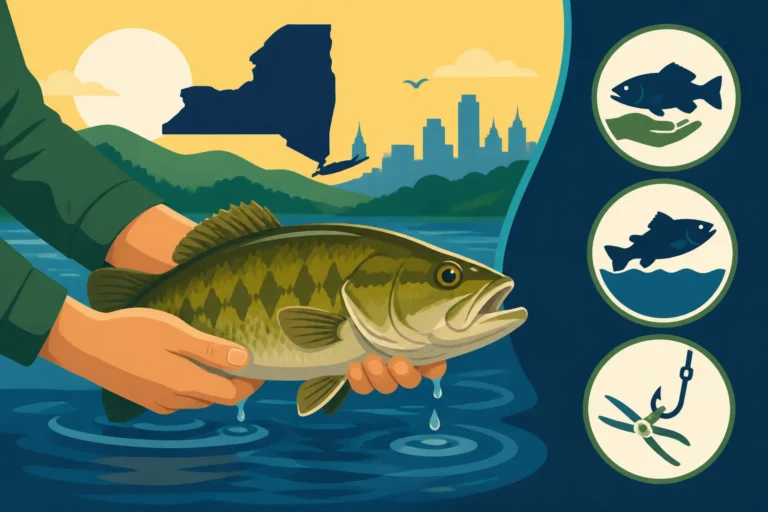
The moment of truth for catch-and-release often comes down to how you handle the fish. The less direct contact, the better. If possible, try to unhook the fish while it's still in the water, especially if it's small. If you must remove the fish from the water, do so quickly and gently. Always wet your hands thoroughly before touching a trout. Dry hands can remove the protective slime coat, leaving the fish vulnerable to infection and disease. Avoid squeezing the fish, particularly around the gills or belly, as this can damage internal organs.
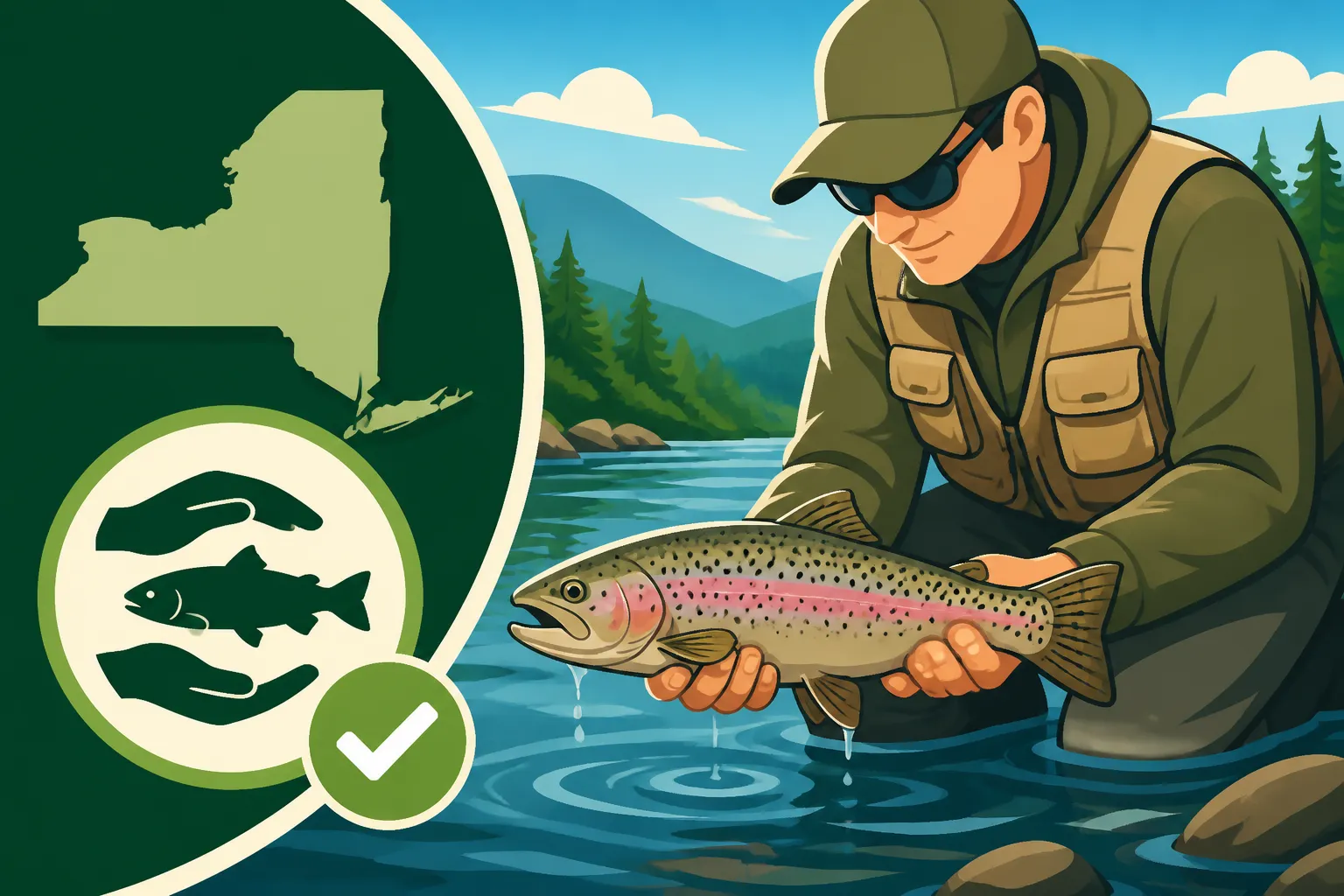
When landing a fish, a rubber-mesh net is an invaluable tool. It cradles the fish, prevents it from thrashing, and its soft mesh is far less damaging to fins and scales than traditional knotted nylon nets. Once in the net, keep the fish submerged as much as possible while removing the hook. Use a pair of long-nosed pliers or hemostats to quickly and carefully remove the hook. If the hook is deeply ingested, it's often best to cut the line as close to the hook as possible, as attempting to extract a deep hook can cause fatal damage. Finally, when releasing the trout, gently hold it upright in the water, facing upstream into the current, until it regains its strength and swims away on its own. Never just toss or drop a fish back into the water. Patience here is key, and it directly impacts the fish's survival chances. Our article on Catch-and-Release Handling Rules goes into further detail on these critical steps.
Avoiding Common Pitfalls and Misunderstandings
Even with the best intentions, anglers can sometimes inadvertently harm trout or misinterpret regulations, leading to less effective conservation and potential legal issues. Being aware of these common mistakes and how to avoid them is just as important as knowing the rules themselves. Proper education and a cautious approach are your best allies on the water.
The Dangers of Improper Release Techniques
One of the biggest pitfalls in catch-and-release is what happens after the fish is unhooked. An improper release can negate all the good intentions. For instance, many anglers, in their haste, will simply toss a seemingly energetic fish back into the current. This can be disastrous. The fish, though appearing lively, might be deeply stressed and disoriented, unable to orient itself against the current or avoid predators. It's like throwing someone who just ran a marathon into a mosh pit; they might be moving, but they're not fully functional.
Another common mistake is excessive handling for photographs. While we all love a good photo with our catch, prolonged exposure to air, especially in warm weather, significantly reduces a trout's survival rate. The fish’s gills need water to function, and being out of water for more than a few seconds can cause irreversible damage. If you must take a photo, prepare your camera beforehand, keep the fish submerged as much as possible, lift it for only a quick second or two, and then immediately return it to the water. Avoid holding fish by their jaw or tail in an unnatural position; a two-handed cradle is always best. Understanding these subtle dangers can dramatically improve the post-release survival of the fish you catch.
Distinguishing Between General and Special Regulations
A frequent source of confusion for anglers in New York is the difference between general statewide fishing regulations and the specific rules that apply to certain "Special Regulations Waters." It's easy to assume that if you have a valid fishing license and know the general trout season dates, you're good to go anywhere. However, this is a significant misunderstanding that can lead to unintentional violations. The DEC maintains a comprehensive list of these special waters, and their rules often supersede the general statewide regulations.
Imagine you're fishing a beautiful stream in the Adirondacks. While the statewide trout season might be open with a five-fish limit, that particular section could be designated as "Catch-and-Release Only, Artificial Lures, Single Barbless Hooks." If you're using bait and keeping fish, you'd be in violation, despite having a valid license and fishing during the general season. These special rules are often posted at access points, but it's your responsibility as an angler to check the official DEC fishing guide before heading out. This guide, often referred to as the "Regs Guide," is available online, at DEC offices, and at most tackle shops. Failing to consult it is a gamble with both the health of the fishery and your wallet. Checking the New York DEC Fishing Regulations Guide is always the first step for any fishing trip.
Conservation and the Future of New York's Trout Fisheries
The health and abundance of New York's trout fisheries aren't just a matter of luck or natural resilience; they are a direct result of thoughtful management and the collective efforts of conservation-minded anglers. Every decision we make on the water, from how we approach catch-and-release to our general environmental awareness, plays a role in shaping the future of these precious resources. It's a partnership between the state and its citizens, all working towards a common goal of sustainable angling.
How Anglers Contribute to Trout Conservation
Anglers are often at the forefront of conservation efforts, and our contributions extend far beyond simply following catch-and-release rules. One of the most direct ways we contribute is through the purchase of our fishing licenses. A significant portion of these funds goes directly to the DEC to support fisheries management, habitat restoration, fish stocking programs, and enforcement. So, when you purchase your annual New York Fishing License Guide, you're directly investing in the future of the sport.
Beyond financial contributions, active participation in local conservation groups is incredibly impactful. Organizations like Trout Unlimited or regional watershed councils often organize stream cleanups, habitat improvement projects, and educational outreach programs. Volunteering your time to remove invasive species, plant riparian buffers, or monitor water quality directly benefits trout populations. Even simple acts like picking up litter along the stream bank or reporting pollution incidents to the DEC make a difference. Every responsible angler who practices ethical catch-and-release, respects private property, and adheres to regulations serves as an ambassador for conservation, inspiring others to do the same.
Supporting Sustainable Fishing Practices
True conservation goes hand-in-hand with sustainable fishing practices, ensuring that there will be fish for generations to come. This means being mindful of your impact every time you step into or near a stream. Beyond catch-and-release techniques, consider the broader implications of your actions. For instance, avoid wading unnecessarily through known spawning beds (redds), which can disturb eggs. Be aware of the environmental conditions; during periods of low water or high water temperatures, trout are under extreme stress. In these situations, even a perfectly executed catch-and-release can be fatal. Sometimes, the most sustainable practice is to simply not fish at all.
Education is also a critical component. Take the time to understand the life cycles of different trout species, their habitat needs, and the specific challenges they face in your local waters. Share your knowledge and passion for conservation with new anglers, teaching them not just how to fish, but how to fish responsibly. By choosing to use lead-free weights and jigs, opting for non-invasive cleaning methods for your gear between waterbodies, and advocating for strong environmental policies, you're actively supporting a sustainable future for New York's incredible trout fisheries. Every small action, multiplied by thousands of dedicated anglers, creates a powerful force for positive change.
Disclaimer
The information provided in this guide is for general informational purposes only and is subject to change. While we strive to provide accurate and up-to-date content, fishing regulations, seasons, and local rules can be complex and are regularly updated by the New York State Department of Environmental Conservation (DEC). It is the sole responsibility of the angler to consult the official, current New York State Freshwater Fishing Regulations Guide prior to fishing any waters in New York to ensure full compliance with all applicable laws and regulations. Failure to do so may result in penalties.