Ice Fishing in New York: A Complete Guide
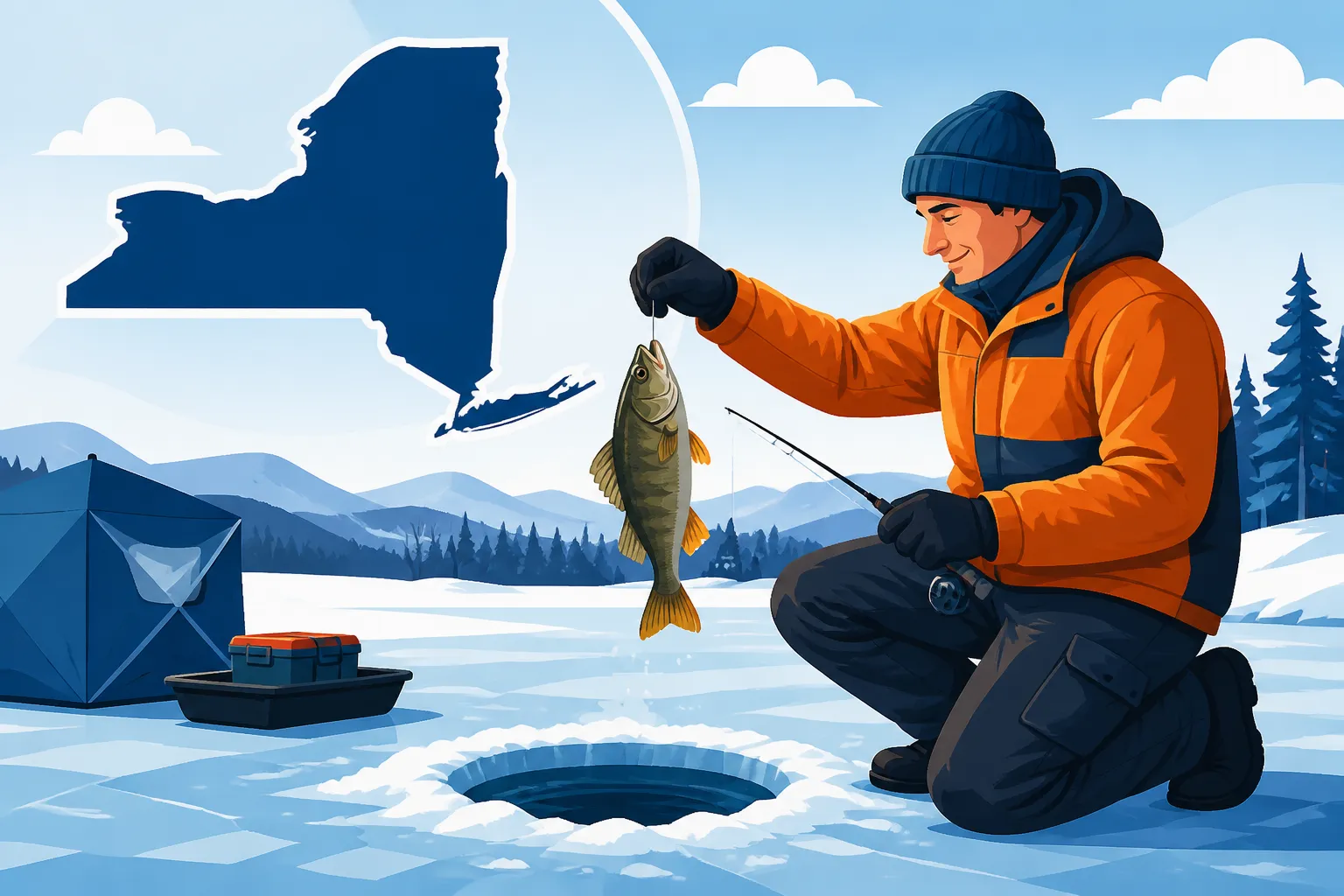
The biting cold of a New York winter often means putting away the open-water gear, but for those in the know, it heralds the start of an exhilarating season: ice fishing. If you've ever felt that cabin fever creeping in, or wished you could still get out on the water when everything's frozen solid, you're in the right place. This comprehensive guide is designed to transform you from a winter-weary angler into a confident ice fishing enthusiast, covering everything from essential safety protocols to the hottest ice fishing spots and proven techniques across the Empire State.
Embracing the Chill: The Allure of Ice Fishing in New York
For many, the idea of sitting on a frozen lake with a tiny rod might seem strange, perhaps even a bit extreme. But trust me, there's a unique magic to ice fishing that captivates thousands of anglers every year. It’s not just about catching fish; it’s about embracing the serenity of a winter landscape, the camaraderie with fellow ice warriors, and the challenge of outsmarting fish in their cold, quiet world.
Why Anglers Love the Frozen Waterways
You might be wondering, "Why bother?" Well, for starters, ice fishing offers access to parts of lakes and ponds that are often unreachable by boat during the open water season. Those deep offshore humps or expansive weed flats that are a nightmare to navigate in a boat? They become prime ice fishing real estate, just a drill bit away. It’s a chance to explore new territory and target species that might be harder to find when the water isn't covered in a thick, inviting sheet of ice.
Beyond accessibility, there’s a distinct tranquility to ice fishing. Picture this: a vast expanse of white, the air crisp and clean, the only sounds being the gentle creak of the ice and perhaps the distant laughter from another shanty. It’s a peaceful escape from the hustle and bustle, allowing for quiet contemplation or lively conversation with friends and family. There's also a fantastic community aspect; ice shanties often become mini-villages, with anglers sharing tips, stories, and even a hot cup of coffee. It’s truly a special kind of outdoor experience that you just can't get any other way.
A Season of Opportunity: When to Hit the Ice
The ice fishing season in New York typically kicks off in late December and can stretch well into March, depending heavily on the region and the whims of Mother Nature. Upstate, especially in the Adirondacks, lakes tend to freeze over earlier and maintain solid ice longer, sometimes even into April. However, as you move south towards the Hudson Valley or Long Island, reliable, safe ice might be a rarer commodity, with shorter windows of opportunity.
It’s absolutely crucial to understand that these are general timelines, not guarantees. The start and end of the season can fluctuate wildly year to year based on temperature trends, snow accumulation, and even underwater currents. That's why constant vigilance is key. Always keep an eye on local weather forecasts, listen to reports from local bait and tackle shops, and check the New York State Department of Environmental Conservation (DEC) website for any specific advisories or warnings. Never assume the ice is safe just because it's January. We'll dive much deeper into safety in the next section, but always remember that patience and caution are your best companions when chasing that winter bite.
Safety Above All: Navigating New York's Frozen Waters
Let's get one thing straight: safety is not just a suggestion when it comes to ice fishing; it's a non-negotiable commandment. The allure of a big catch can make us all a little eager, but impatience on the ice can lead to incredibly dangerous situations. Frozen water, while seemingly solid, is inherently unstable, and conditions can change rapidly. Don't let a great day turn into a tragedy.
The Absolute Must-Knows of Ice Thickness
This is the golden rule of ice fishing, and it bears repeating: never assume the ice is safe. There are widely accepted guidelines for minimum ice thickness, but these are just starting points, and they depend on clear, solid, newly formed ice, not compromised ice.
Here’s a general rundown of what the New York State DEC recommends for new, clear ice:
- 2 inches or less: STAY OFF. This is incredibly dangerous.
- 3 inches: Okay for a single person to walk or fish, but I wouldn't recommend it. This is pushing the limits.
- 4 inches: Generally considered safe for individual anglers walking or ice fishing. This is the absolute minimum you should even consider.
- 5-7 inches: Good for snowmobiles or ATVs.
- 8-12 inches: Supports small cars or light trucks (though many seasoned ice anglers will still advise against driving on anything less than 12-15 inches, and only on designated ice roads).
But here's the kicker: ice rarely forms uniformly. Snow cover can insulate ice, preventing it from thickening. Currents, underground springs, and even submerged structures can create thinner spots, often referred to as "soft spots" or "honeycombed ice," even on a lake that generally has thick ice. Pressure cracks can develop quickly, and they can be incredibly treacherous.
The only way to truly know is to check as you go. Use a spud bar (a long metal chisel) to continually test the ice in front of you as you venture out. Drill test holes with your auger frequently, especially if you're exploring a new area or after a significant temperature change. Always be on the lookout for discolored ice; dark spots often indicate thin ice, while cloudy or white ice might be "snow ice," which is much weaker than clear, black ice. Educating yourself about ice safety is part of being a responsible angler, and you can find comprehensive information in the How to Read Ice Thickness for Safe Ice Fishing guide.
Essential Safety Gear and Practices
Even with the thickest ice, things can go wrong. Being prepared with the right safety gear and following smart practices can literally be the difference between life and death.
Here’s your essential safety checklist:
- Ice Picks: These are small, sharp handheld devices connected by a string worn around your neck. If you break through, you can use them to pull yourself back onto the ice. They are inexpensive and absolutely non-negotiable.
- Rope: A long, sturdy rope (at least 50 feet) can be thrown to someone who has gone through the ice, allowing them to be pulled to safety without putting others at risk.
- Flotation Device (PFD): Wearing a life vest, even over your winter clothing, provides critical buoyancy if you fall in, giving you precious extra minutes to react.
- First Aid Kit: Accidents happen, from cuts to sprains. A well-stocked first aid kit is crucial.
- Whistle: For signaling for help if you're in distress.
- Buddy System: Never, ever fish alone on the ice. Always go with at least one other person, and ensure someone on shore knows where you are going and when you expect to return.
- Dress in Layers: Hypothermia is a serious risk. Wear several layers of clothing, including a waterproof and windproof outer shell. Wool or synthetic base layers are key, as they wick moisture away from your body and retain warmth even if damp. Avoid cotton, which loses its insulating properties when wet.
- Communication: Bring a fully charged cell phone in a waterproof bag, but don't rely solely on it, as cold can drain batteries quickly and signal might be spotty.
- Change of Clothes: Keep a dry set of clothes in a waterproof bag in your vehicle, just in case.
Remember, conditions like strong winds or deep snow can make even relatively safe ice feel more perilous. Always err on the side of caution. No fish is worth risking your life over.
Gearing Up for Success: Essential Ice Fishing Equipment
Once you've got the safety aspect locked down, it's time for the fun part: thinking about gear! Ice fishing requires specialized equipment that can stand up to the cold and help you pinpoint fish under the ice. While you can start simple, investing in quality gear will make your experience much more enjoyable and productive.
Your Portable Shelter and How to Stay Warm
When the wind howls and the temperatures plummet, a good shelter can make all the difference between a miserable trip and a memorable one. Ice fishing shelters, often called shanties or shacks, come in several forms:
- Pop-up Shelters: These are incredibly popular for their portability and ease of setup. They're like giant pop-up tents, often insulated, and can comfortably fit two to four anglers. Brands like Eskimo, Clam, and Frabill offer excellent options. You can find a wide variety of these on online retailers like Amazon. They pack down small and are perfect for anglers who like to move around.
- Flip-over Shelters: These are often built onto a sled, allowing for quick deployment. You simply "flip" the tent over, and it's ready to go. They're great for mobility and offer excellent protection from the elements. Otter Outdoors makes some robust flip-over models that are highly regarded.
- Permanent Shanties: These are typically small, wooden structures that are left on the ice for the entire season (where allowed by local regulations). They offer the most comfort, often with stoves and beds, but lack portability. You’ll usually see these on larger, well-established ice fishing communities.
To truly stay comfortable, a portable propane heater is a game-changer. Models like the Mr. Buddy Heater are compact, efficient, and have safety features like tip-over shut-offs. Always ensure proper ventilation when using a heater inside a closed shelter to prevent carbon monoxide buildup. Beyond heat, consider comfortable folding chairs, good lighting (LED lanterns are great), and maybe even a small piece of carpet or foam flooring to insulate your feet from the ice.
Rods, Reels, and Lines: The Right Tools for the Job
Ice fishing setups look a bit different from their open-water counterparts. The fundamental principle is still the same – rod, reel, line, and lure – but adapted for the unique conditions.
- Ice Rods: These are much shorter than traditional rods, typically ranging from 24 to 36 inches. The shorter length is ideal for fishing in a confined space inside a shanty or close to the ice hole. They have a sensitive tip to detect subtle bites from lethargic cold-water fish, and a strong backbone to handle bigger fish. Different actions and powers are available for different species, from ultralight for panfish to heavy for pike or lake trout.
- Reels: Small spinning reels are common and versatile, but specialized inline ice reels are gaining popularity. Inline reels reduce line twist, which is a common nuisance with small jigs and light lines. Brands like 13 Fishing and Clam make excellent ice-specific reels.
- Line: Light monofilament or fluorocarbon lines are popular choices. Monofilament offers good knot strength and stretch, while fluorocarbon is nearly invisible underwater and has less stretch for better sensitivity. Line weights typically range from 2-pound test for panfish to 10-20 pound test for larger predatory fish like pike or walleye. Consider a braided line with a fluorocarbon leader for improved sensitivity and strength, especially when targeting larger fish.
- Tip-ups: These are ingenious devices that allow you to fish multiple lines simultaneously (within legal limits, of course – New York typically allows up to five lines per angler during ice fishing). A tip-up consists of a spool of line submerged in the water, with a flag that "tips up" when a fish takes the bait. This allows you to spread out your efforts, covering more area and depths, increasing your chances of finding active fish. They're particularly effective for larger, less active fish like pike, walleye, or lake trout that might cruise through an area. You can find comprehensive sets of quality tip-ups, often including line and leaders, on Amazon.
Augers, Electronics, and Other Must-Haves
To get to the fish, you first need to get through the ice. And that's where the mighty auger comes in.
- Augers:
- Hand Augers: These are human-powered and perfect for thin to moderate ice (up to 12-18 inches) and for those who enjoy the workout. They are lightweight and quiet.
- Propane/Gas Augers: These offer power and speed, making quick work of thick ice. Brands like Strikemaster and Eskimo are well-known. They can be a bit heavy and require fuel.
- Electric Augers: Powered by rechargeable lithium-ion batteries, these are a fantastic modern option. They're lighter than gas augers, quieter, and don't produce fumes, making them ideal for use inside a shanty. Brands like ION and Strikemaster Lithium are top contenders.
- Electronics: A flasher (like a Vexilar or Marcum) is arguably the most valuable piece of ice fishing equipment after an auger. It provides a real-time display of what's directly beneath your hole – your lure, the fish, and how they react to your presentation. This instant feedback is invaluable for fine-tuning your technique. Underwater cameras also offer a fascinating glimpse into the fish's world, helping you identify species and understand their behavior. A portable GPS unit can also be very useful for marking productive spots and navigating safely on large, featureless expanses of ice.
- Sleds: A sturdy sled is essential for hauling all your gear across the ice, especially if you have a shanty, auger, and tackle. Look for one with high sides and a durable tow rope.
- Ice Scoop/Skimmer: This simple tool is critical for clearing slush and ice chunks from your hole.
- Bait Bucket: Keep your live bait (minnows, worms) alive and accessible.
- Other Essentials: A small tackle box with a variety of jigs and spoons, needle-nose pliers for hook removal, a tape measure and scale for recording catches, and a comfortable, insulated pair of boots are also vital. Don't forget a thermos of hot coffee or soup to keep you warm from the inside out! Investing in these smaller items, perhaps through a convenient one-stop shop like Amazon, can really elevate your comfort and efficiency on the ice.
Target Species and Their Icy Lairs in New York
New York offers a remarkable diversity of fish species for ice anglers. From feisty panfish to trophy walleye and powerful lake trout, there’s a challenge and a reward for every preference. Knowing what you're targeting and where they prefer to hang out under the ice is half the battle.
Walleye and Perch: Sought-After Winter Bites
These two species are often found in similar habitats and are incredibly popular targets for New York ice anglers, particularly because they offer excellent table fare.
- Walleye: Often called "marble eyes," walleye are a prized catch, especially during the winter. They tend to be found on deep structure like humps, points, and drop-offs. They are low-light feeders, so early mornings, late afternoons, and even after dark are often the most productive times. In New York, prime walleye ice fishing destinations include Oneida Lake, Lake Erie, and Chautauqua Lake. These fish respond well to jigging spoons tipped with a minnow head or small minnow baits worked slowly near the bottom. The key is often patience and precise depth control using a flasher.
- Yellow Perch: A schooling fish, yellow perch are a favorite for their aggressive bites and delicious fillets. They are often found in shallower water than walleye, congregating near weed lines, submerged timber, or sandy flats where they can ambush smaller prey. Lake Erie, Chautauqua Lake, and many of the Finger Lakes like Cayuga and Seneca are renowned for their robust perch populations. They readily hit small jigs (often tungsten jigs for faster fall) tipped with wax worms, spikes, or small minnows. If you catch one perch, chances are there are many more below your hole, so stay put! For a broader look at common catches, check out New York's Most Popular Freshwater Fish.
Panfish and Trout: Reliable Action for All Skill Levels
If you're looking for consistent action or a great way to introduce kids to ice fishing, panfish are your go-to. And for those seeking a deeper challenge, New York's trout populations offer thrilling encounters.
- Panfish (Bluegill, Crappie, Sunfish): These species are abundant in many New York waters and provide fantastic, steady action. They are generally found in shallower water, typically less than 20 feet deep, relating to submerged vegetation, docks, or brush piles. Bluegill and sunfish are often caught closer to shore in bays and protected areas, while crappie tend to suspend in slightly deeper water or around fallen trees. They have relatively small mouths, so tiny jigs, often tipped with a wax worm, spike, or a micro-plastic, are incredibly effective. Many smaller ponds, reservoirs, and the shallower bays of larger lakes are excellent for panfish.
- Trout (Lake, Brown, Rainbow): New York boasts excellent trout fishing through the ice.
- Lake Trout: These powerful fish inhabit deep, cold, clear lakes like the Finger Lakes (Seneca, Cayuga, Keuka) and many Adirondack lakes. They typically suspend over deep basins or cruise along underwater ledges and humps, often near the bottom in 50-100+ feet of water. Larger jigging spoons, substantial bucktail jigs, or dead bait (like whole smelt) fished on tip-ups are effective.
- Brown and Rainbow Trout: These are often found near inlets, stream mouths, or shallower humps, especially in waters that receive regular stocking. They can be caught jigging with spoons or small swimbaits, or on tip-ups with minnows or PowerBait. The Adirondacks offer numerous lakes and ponds with excellent brook trout, brown trout, and rainbow trout ice fishing. Keep an eye on New York Trout Season Opening Day and other trout-specific regulations, as they can be quite detailed for different waters.
Predatory Pike and Muskie: The Ultimate Ice Challenge
For anglers who love a hard fight and the chance at a true monster, northern pike and muskellunge offer an unparalleled ice fishing experience.
- Northern Pike: Pike are aggressive, ambush predators found in many of New York's lakes and larger river systems. They prefer shallow, weedy bays, points, and submerged timber, often lurking near drop-offs where they can dart out and grab unsuspecting prey. Their sharp teeth necessitate heavy fluorocarbon or wire leaders to prevent bite-offs. Large live minnows or suckers fished on robust tip-ups are the go-to method. Many smaller lakes and the backwaters of the St. Lawrence River are excellent for pike.
- Muskellunge: While less commonly targeted through the ice due to their elusive nature and specific habitat requirements, catching a muskie through the ice is a bucket-list item for many. Chautauqua Lake is famously known for its muskie population, and some anglers do pursue them through the ice there. These fish require extreme patience, heavy-duty gear, and very large baits, often large suckers, on heavily spooled tip-ups with strong leaders. Always handle muskellunge with care, as they are a revered trophy species. For a deeper dive into these toothy critters, read our guide on Muskellunge in New York. Regardless of the species, always make sure you're aware of the New York Fishing Season Dates and Catch Limits for the waters you intend to fish.
Mastering the Ice: Effective Ice Fishing Techniques in New York
Once you know what you’re after and where they might be lurking, the next step is understanding how to present your bait or lure effectively. Ice fishing techniques are generally simpler than open-water methods, but precision and understanding fish behavior are key to success.
Jigging for Active Fish
Jigging is perhaps the most active and engaging form of ice fishing. It involves using short, rhythmic motions to impart action to a lure, mimicking a wounded baitfish or an insect.
The core idea behind jigging is to attract fish through movement and then entice them to strike. You'll typically drop your lure to the desired depth, then use a series of short lifts, drops, and subtle shakes of your wrist to make the lure dance. The "pause" is often the most critical part, as many fish will strike when the lure is falling or momentarily suspended. Pounding your jig on the bottom can kick up sediment, mimicking a feeding minnow and attracting attention.
For lures, small jigging spoons (like a Swedish Pimple, Kastmaster, or Acme Little Cleo) are incredibly popular, often tipped with a minnow head, a wax worm, or a grub to add scent and appeal. Small tungsten jigs, which are denser and fall faster than lead, are fantastic for panfish and trout, allowing you to get back down to the fish quickly. Soft plastic micro-baits, often infused with scent, are also very effective. Your flasher or fish finder will be your best friend here, showing you how fish are reacting to your presentation in real-time. If they approach but don't commit, try a different jigging cadence or a different lure color.
The Patience of Tip-Up Fishing
Tip-up fishing is a more passive, yet highly effective, method, especially when targeting larger, cruising fish or when you want to cover a broader area. It allows you to relax a bit, watch for flags, and socialize while your lines are working for you.
Setting up a tip-up correctly is important. Spool your tip-up with strong, abrasion-resistant line (often braided or Dacron), then add a fluorocarbon or wire leader, depending on the target species (wire for toothy pike!). Use a hook size appropriate for your bait and target fish – typically a larger treble or circle hook. Live bait, such as shiners, large fatheads, or suckers, are commonly used for pike, walleye, and lake trout. The bait should be hooked in a way that allows it to swim naturally, often just behind the dorsal fin.
Once deployed, spread your tip-ups out strategically. Fish them at varying depths, along drop-offs, near weed edges, or over humps to find where the fish are active. The beauty of tip-ups is that when a fish takes the bait, the flag "tips up," signaling a bite! This is when the excitement really builds. When a flag goes up, approach cautiously, let the fish run for a bit (allowing it to fully commit to the bait), then set the hook by hand-lining the fish in. Patience is key, but don't wait too long, as the fish might swallow the bait deeply. This method is often how many anglers catch their biggest pike or walleye, making it an essential part of the ice fishing arsenal.
Strategic Hole Placement and Scouting
Drilling holes is more than just punching through the ice; it's about strategic placement. Smart hole placement can put you directly over active fish, while haphazard drilling can leave you staring at an empty screen.
Before you even drill your first hole, do some homework. Study contour maps of the lake you're fishing. Look for submerged points, humps, sharp drop-offs, deep weed lines, or areas where tributaries enter the lake. These are all prime locations where fish congregate or ambush prey. You can also glean valuable information from past experience or by observing where other successful anglers have set up (while respecting their space, of course!). Our guide on How to Find Fish Under the Ice offers more detailed advice on this crucial topic.
Once on the ice, don't be afraid to drill multiple holes. A good strategy is to drill a "grid" of holes along a contour line or across a promising structure. Start with a few holes, fish them for 15-20 minutes, and if you don't find any action, move to the next hole. Mobility is a huge advantage in ice fishing, especially if you have an electric auger that makes drilling effortless. Your portable sonar unit or flasher will tell you immediately if fish are present in a hole, or if it's a dead zone. The goal is to locate active fish, not just sit patiently in one spot hoping they find you. The more you move and explore, the better your chances of encountering a hungry fish.
Navigating the Rulebook: New York Ice Fishing Regulations
Just like open-water fishing, ice fishing in New York comes with its own set of rules and regulations. These are put in place to protect fish populations, ensure fair chase, and keep anglers safe. Failing to understand and adhere to these regulations can result in fines and legal trouble, so it's absolutely crucial to do your homework before you head out.
Licensing and General State Regulations
The most fundamental requirement for ice fishing in New York is a valid fishing license. This applies to almost everyone over the age of 16, whether you're a resident or an out-of-state visitor. There are different types of licenses, from annual to short-term, so make sure you have the appropriate one for your trip. If you're unsure about the process, our New York Fishing License Guide is an excellent resource, and you can also check out How to Get a Fishing License in New York.
Beyond the license, there are several general regulations that apply statewide:
- Age Requirements: While adults almost always need a license, children and young teens have different requirements. For instance, Do Kids Under 16 Need a Fishing License in New York? covers this in detail, but generally, kids under 16 do not need a license.
- Number of Lines: For ice fishing, New York generally allows anglers to use up to five lines. These can be any combination of jigging rods or tip-ups. However, this is a general rule, and specific waterbodies might have different limits, so always double-check.
- Daily Limits and Minimum Sizes: These are species-specific and vary wildly from fish to fish and even from one waterbody to another. For example, the daily creel limit for walleye on Oneida Lake might be different from that on Lake Erie. The same goes for minimum length requirements. Keeping fish that are too small or over the daily limit can lead to significant penalties. Always refer to the current New York Fishing Season Dates and Catch Limits for the specific species you are targeting and the waterbody you are fishing.
- Bait Regulations: There are strict rules regarding the use of live bait, particularly concerning the transport of baitfish to prevent the spread of invasive species. Ensure your bait is legally acquired and used in accordance with DEC guidelines.
Special Regulations and Waterbody-Specific Rules
Here's where it gets a little more complex, and where many anglers can accidentally run afoul of the law. New York has a significant number of "special regulations waters" – lakes, rivers, and ponds that have rules that deviate from the general statewide regulations.
- Why Special Regulations? These rules are often implemented to protect fragile fish populations, manage specific fisheries (like trophy trout or muskie lakes), or address unique ecological conditions. For example, some waters might be artificial lures only, or have specific slot limits (where only fish within a certain size range can be kept). Others might have different season dates for certain species or require specific hook types.
- Examples: Certain Adirondack ponds might have stricter rules for brook trout, while sections of the Great Lakes tributaries could have unique regulations for steelhead or salmon. Even within a single lake system, different bays or sections might have varying rules.
- The DEC Freshwater Fishing Regulations Guide: This publication is your bible for New York fishing. It's updated annually and provides an exhaustive list of all regulations, organized by region and then by specific waterbody. You can pick up a physical copy at any bait shop or DEC office, or download it from the DEC website. Our guide, New York DEC Fishing Regulations Guide, provides a great overview of how to interpret this critical document. Always consult it before you go fishing, and if possible, keep a copy (digital or physical) with you on the ice. Understanding New York Fishing Regulations Explained in its entirety is an ongoing process, but staying informed about your specific fishing location is paramount.
When in doubt, always assume stricter regulations apply, or better yet, make a quick call to a local bait shop or the regional DEC office for clarification. It's always better to be safe than sorry.
Premier Ice Fishing Destinations in New York
New York is truly a treasure trove for ice anglers, offering a staggering array of lakes and ponds that provide fantastic winter fishing opportunities. From the massive Great Lakes to the secluded Adirondack wilderness, there’s an icy paradise waiting for everyone.
Western New York's Frozen Bounty: Lake Erie and Chautauqua Lake
Western New York boasts some of the state's most popular and productive ice fishing grounds, primarily due to its proximity to the Great Lakes system.
- Lake Erie: This vast Great Lake is legendary for its yellow perch and walleye ice fishery. While much of the lake is too large and dangerous to ice fish, safe conditions often develop in protected bays and nearshore areas, particularly off the harbors of Dunkirk and Buffalo. Anglers flock here for the chance to fill coolers with plump perch and battle robust walleye. Depths can vary, but perch are often found in 20-40 feet of water, while walleye might be a bit deeper or cruising shallower flats during low light. Local bait shops in Dunkirk and Buffalo can provide up-to-the-minute ice conditions and hot spots. Our guide on Lake Erie Fishing in New York: Where to Go provides a more detailed look at this incredible fishery.
- Chautauqua Lake: Nestled in the southwestern corner of the state, Chautauqua Lake is a renowned multi-species fishery through the ice. It's particularly famous for its incredible walleye and panfish (perch, bluegill, crappie) populations. What sets Chautauqua apart, however, is the very real possibility of hooking into a trophy muskellunge, even through the ice. While rare, it happens, and it's an exhilarating experience. The lake offers a mix of shallow, weedy bays for panfish and pike, and deeper basins and structure for walleye and muskie. Access points are plentiful around towns like Bemus Point and Mayville. For those specifically chasing the biggest fish, Chautauqua Lake Muskellunge Fishing is a must-read.
Central and Northern Gems: Oneida Lake and the Adirondacks
As you move eastward and northward in New York, more fantastic ice fishing opportunities emerge, offering diverse landscapes and target species.
- Oneida Lake: Located just north of Syracuse, Oneida Lake is often referred to as New York's "Walleye Factory," and it certainly lives up to the name, especially through the ice. It's a relatively shallow, expansive lake, making it one of the first major lakes to safely freeze over. Beyond walleye, Oneida also offers excellent fishing for yellow perch, crappie, and northern pike. Key areas include the numerous shoals, bars, and bays that dot the lake. Weekends during the peak season often see a small city of ice shanties spring up on Oneida.
- The Adirondacks: This vast wilderness region is home to thousands of lakes, ponds, and reservoirs, offering an unparalleled ice fishing experience, often with stunning scenery. You can find everything from abundant brook trout in secluded ponds (often requiring a hike) to sizable lake trout, landlocked salmon, northern pike, and panfish in larger lakes. Popular Adirondack destinations include Lake Placid, Long Lake, Great Sacandaga Lake, and Tupper Lake. The Adirondacks provide a more rugged, adventurous ice fishing experience, often with excellent opportunities for solitude. Always check specific regulations for individual Adirondack waters, as many are managed for wild trout. Our comprehensive guide to the Best Adirondack Lakes for Fishing can help you narrow down your choices, and Top New York Lakes for Ice Fishing provides a broader overview of prime destinations.
Finger Lakes and Beyond: Diverse Opportunities Statewide
The Finger Lakes region and other smaller waterbodies scattered across the state offer even more diverse ice fishing experiences.
- The Finger Lakes: While known for their incredible depth, the larger Finger Lakes like Seneca, Cayuga, and Keuka offer excellent deep-water ice fishing for lake trout and sometimes rainbow trout and brown trout, particularly in their shallower bays or near stream inlets. Anglers here often target lake trout in 50-100+ feet of water using heavy jigging spoons or dead bait on tip-ups. The shallower Finger Lakes, like Owasco and Honeoye, provide more consistent action for panfish, pike, and bass. Be aware that safe ice can take longer to form on these deep lakes and may not be as widespread as on shallower bodies of water. For a detailed exploration of the region, see Fishing New York's Finger Lakes: A Complete Guide.
- Smaller Lakes and Ponds: Don't overlook the countless smaller lakes, reservoirs, and public access ponds scattered across New York. These often offer fantastic ice fishing for panfish, bass, and pickerel, and are generally quicker to freeze and safer to access for beginners or family outings. Many regional parks and wildlife management areas have ponds that are regularly stocked and open to ice fishing. Areas like the Capital Region (around Albany) and the Catskills also have numerous smaller waterbodies with good ice fishing potential. Always consult local DEC regulations for specific water bodies, as rules can vary greatly.
Maximizing Your Ice Fishing Adventure: Tips and Best Practices
Ice fishing is more than just drilling a hole and dropping a line; it's an art and a science, honed by experience and a bit of local knowledge. To truly make the most of your time on the frozen water, a few extra tips and advanced strategies can go a long way.
Weathering the Conditions and Timing Your Trips
Understanding how weather impacts fish behavior is crucial for open-water angling, and it's equally, if not more, important when ice fishing.
- Cold Front Effects: A sudden, significant drop in temperature often precedes a cold front. This can make fish lethargic and less willing to bite. During and immediately after a strong cold front, fish often move deeper or become less active. Don't be discouraged, but be prepared to slow down your presentation, use smaller baits, and focus on subtle jigging motions. Conversely, a warming trend or stable weather often leads to more active fish.
- Barometric Pressure: Many experienced anglers swear by the barometric pressure. A stable or slowly rising barometer is generally considered favorable for fishing, indicating active fish. A rapidly falling barometer, often associated with approaching storms, can sometimes trigger a feeding frenzy right before the weather turns, but can also shut fish down. After the storm passes and the pressure stabilizes, fishing can improve. For more insights into these patterns, check out How Weather Affects Fishing in New York.
- Time of Day: Just like open water, certain times of day are often more productive. For predatory fish like walleye and pike, early morning and late afternoon into dusk are prime feeding windows. Panfish, like perch and bluegill, can often be caught throughout the day, though they might have peak activity periods. Lake trout, especially in very deep lakes, can be caught at various times, but often a mid-morning bite is strong.
- Wind: While not directly affecting fish under the ice, strong winds can make your experience miserable, even in a shanty. It makes setting up difficult, whips snow around, and drains body heat quickly. If it's a very windy day, try to find a sheltered bay or a spot where tree lines can block some of the wind's force.
From Packing to Persistence: Advanced Strategies
Beyond just getting to the ice, thinking about efficiency and persistence will greatly increase your chances of success.
- Portable Power: In today's world, portable power is invaluable. Consider a portable power station or a dedicated battery pack to charge your cell phone, run an LED light strip in your shanty, or keep your flasher battery topped up. Many modern electric augers also have long-lasting batteries, but a backup is always smart.
- Stay Hydrated and Fuelled: The cold can be deceptive; you might not feel as thirsty as in summer, but staying hydrated is crucial for warmth and mental focus. Bring plenty of water, and a thermos full of hot coffee, tea, or soup is a morale booster on a frigid day. High-energy snacks like granola bars, nuts, or even a hot meal cooked on a small portable stove can keep your energy levels up.
- Mark Productive Holes: Whether you use a GPS unit or simply tie a piece of brightly colored flagging tape to a nearby branch (if allowed), mark any holes where you catch fish or see significant activity on your flasher. Fish often return to specific feeding lanes or structure, so these spots can be productive again on future trips or even later the same day.
- Patience and Observation: Don't be afraid to watch what other successful anglers are doing (from a respectful distance, of course). Sometimes a slight change in lure color, jigging cadence, or depth can make all the difference. And while tip-ups require patience, jigging requires persistence. Keep trying different presentations until you crack the code. For specific techniques, our Best Ice Fishing Techniques for New York Panfish offers some great starting points.
- Drill More Holes: This cannot be stressed enough. Don't marry your first hole! If you haven't seen any activity on your flasher or had any bites in 15-20 minutes, drill another hole 20-50 feet away and try again. Fish often move in schools or relate to very specific pieces of structure. Being mobile and actively seeking out fish is often more productive than waiting them out.
Planning a Group Outing: Fun and Safety in Numbers
Ice fishing is a fantastic activity to share with friends and family. A group outing enhances the fun and also adds an extra layer of safety.
- Designate a Safety Leader: In any group, it's wise to have one person who is most experienced with ice conditions and safety protocols. This person can lead the way onto the ice, checking thickness, and ensuring everyone follows safe practices.
- Sharing Gear: A group can share the load, both literally and figuratively. One person might bring the auger, another the shanty, someone else the flasher. This lightens individual burdens and makes the sport more accessible.
- Communication: Establish clear communication within the group. Use whistles if you get separated, and ensure everyone knows the plan for the day, including where you'll be fishing and when you plan to head back.
- Teaching New Anglers: Ice fishing is a wonderful way to introduce beginners and children to fishing. The relatively contained environment and often consistent action (especially for panfish) make it less intimidating than some open-water techniques. Take the time to show them how to use the gear, identify fish on the flasher, and safely handle their catch.
- Workload Distribution: Setting up and breaking down a larger ice camp can be a significant task. With a group, everyone can pitch in, making the process much quicker and more enjoyable. From hauling sleds to drilling holes and deploying tip-ups, many hands make light work. The shared experience of a hot meal in a warm shanty or celebrating a flag going up together truly makes ice fishing a memorable group adventure.
| Species Targeted | Typical Habitat for Ice Fishing | Best Baits/Lures | General Depth (feet) |
|---|---|---|---|
| Walleye | Deep structure, humps, drop-offs, low-light areas | Jigging spoons (tipped with minnow head), lipless crankbaits, swimbaits | 20-60+ |
| Yellow Perch | Weed lines, submerged timber, sandy flats, schooling | Small jigs (tungsten), teardrops (tipped with wax worm, spike, minnow) | 10-40 |
| Bluegill/Sunfish | Shallow weeds, brush piles, docks | Tiny jigs (tipped with wax worm, spike), small spoons | 5-20 |
| Crappie | Suspended over deeper water, brush piles, fallen trees | Small jigs, micro-plastics, minnows | 15-30 |
| Lake Trout | Deep basins, humps, ledges | Large jigging spoons, bucktail jigs, dead bait (smelt) on tip-ups | 50-150+ |
| Northern Pike | Shallow, weedy bays, points, submerged timber | Large live minnows (shiners, suckers) on tip-ups | 5-25 |
| Brown/Rainbow Trout | Inlets, stream mouths, shallower humps, open basins | Small spoons, small minnow baits, PowerBait on tip-ups | 10-40 |
Disclaimer
The information provided in this guide is for general informational purposes only and does not constitute legal advice. Fishing regulations, ice conditions, and safety recommendations can change frequently. Always consult the most current New York State Department of Environmental Conservation (DEC) regulations guide and local advisories before engaging in any ice fishing activity. Exercise extreme caution on ice, verify ice thickness yourself, and prioritize safety above all else. The author and publisher are not responsible for any accidents, injuries, or legal consequences that may arise from the use of this information.