When Is Steelhead Fishing Best on New York’s Salmon River?
It's incredibly frustrating when you're planning a fishing trip, especially for a prized species like steelhead, and you're left wondering when you should actually go to maximize your chances. The Salmon River in New York is legendary, but its steelhead runs can feel mysterious, leaving many anglers scratching their heads about the perfect timing. This comprehensive guide is designed to demystify the steelhead seasons, helping you understand precisely when steelhead fishing is at its absolute best on New York's Salmon River, along with the nuances of each season.
Understanding the Salmon River Steelhead Migrations
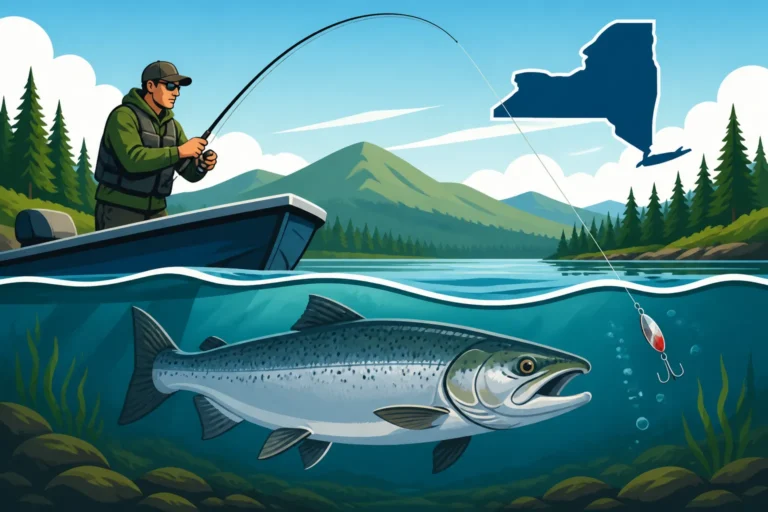
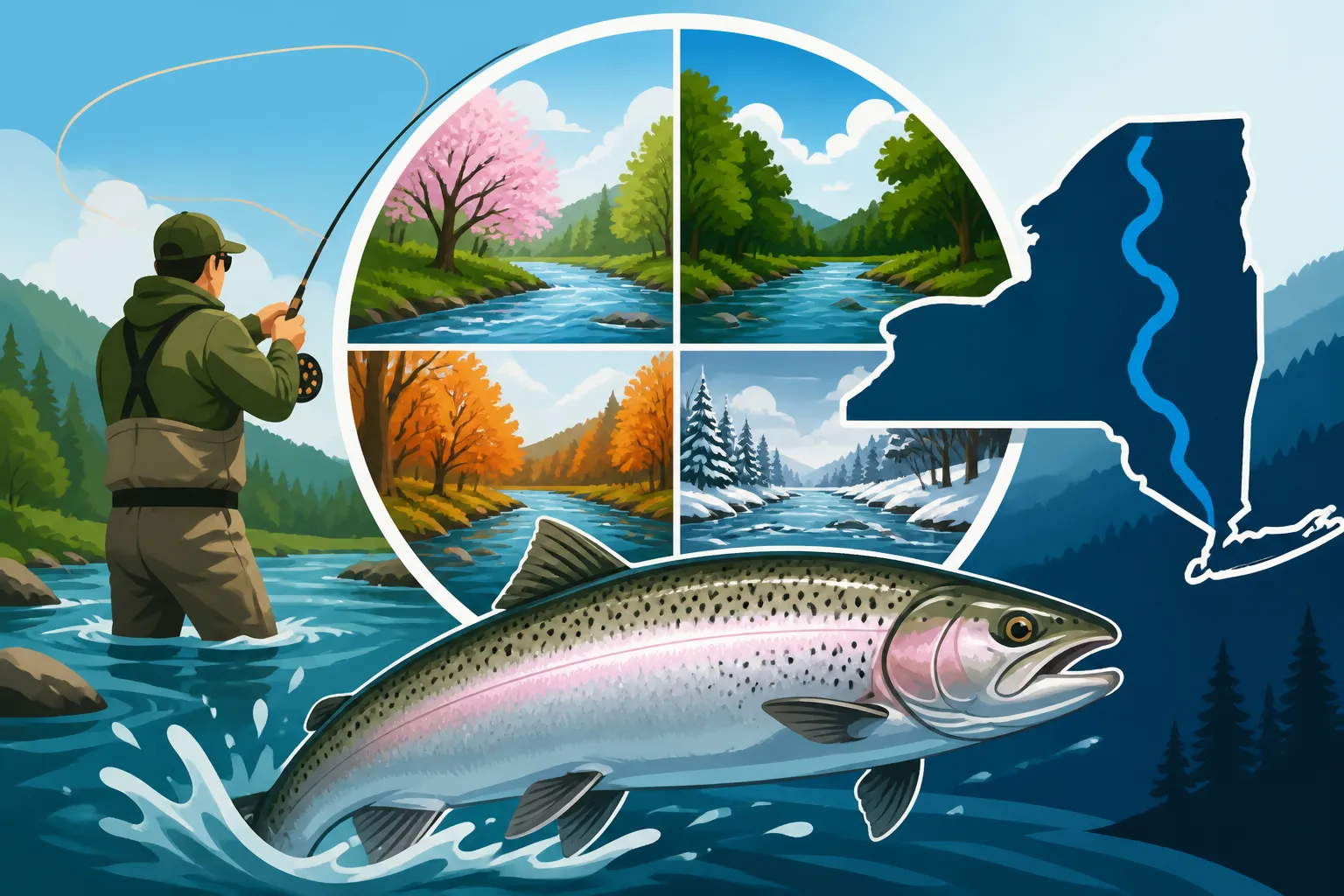
The Salmon River, flowing into Lake Ontario, is one of New York's premier steelhead destinations. These magnificent fish, essentially rainbow trout that migrate from Lake Ontario to spawn in the river, offer an exhilarating challenge for anglers. They don't just show up on one specific day; their migration is a complex dance dictated by water conditions, temperature, and instinct, creating distinct "runs" throughout the fall, winter, and spring. Pinpointing the "best" time often depends on what you're looking for in terms of fishing experience and fish behavior.
The Energetic Fall Steelhead Run
For many, the fall run is when the Salmon River truly comes alive with steelhead. These fish start entering the river from Lake Ontario as early as September, often following the Chinook and Coho salmon that have already made their way upstream to spawn. The steelhead are initially drawn in by the cooler water temperatures and the bounty of salmon eggs, which provide a critical food source.
The initial wave of steelhead is often characterized by aggressive, fresh-from-the-lake fish, full of fight and energy. As October progresses, and especially into November, the numbers of steelhead in the river swell considerably. The vibrant fall foliage creates a stunning backdrop, making for an incredibly picturesque fishing experience. During this time, the steelhead are actively feeding on salmon eggs, making egg imitations, small beads, and subtle nymph patterns highly effective. Anglers will find fish spread throughout the system, from the lower river stretches near Port Ontario up to Altmar, but the holding water will change with fluctuating flows. You'll want to stay updated on the local conditions, as a good rain event can trigger a significant push of new fish into the system. This is a time when having a good pair of waders and layering clothing becomes essential, and many experienced anglers check online retailers like Amazon for deals on their favorite brands of waterproof gear.
The Challenging, Yet Rewarding, Winter Steelhead Season
As the calendar turns to December and the temperatures truly drop, the Salmon River takes on a different character. Ice begins to form in slower sections, and the river's flow often becomes more consistent, but also much colder. While many fair-weather anglers pack up their gear, the winter months, typically December through March, can offer some of the most rewarding steelhead fishing for those brave enough to endure the elements.
During winter, the steelhead tend to move into deeper, slower pools and runs, conserving energy in the frigid water. They become less aggressive, and their bites are often incredibly subtle. This requires a different approach, often favoring slower drifts, lighter line, and smaller, more natural bait presentations like wax worms, single eggs, or tiny nymphs. The crowds are significantly smaller, offering a sense of solitude that's hard to find during the peak fall and spring runs. However, access can be challenging due to snow and ice, and safety is paramount. Learning how to Fish Cold Water in New York is crucial, and having proper winter fishing attire, including insulated boots and gloves, is not just a comfort – it's a necessity. This period often sees larger, more mature fish that have been in the river for a while, providing an opportunity for truly memorable catches if you have the patience and dedication.
The Powerful Spring Steelhead Push
When spring arrives in New York, usually starting in March and extending into April and even early May, the Salmon River undergoes another dramatic transformation. As snowmelt begins and water temperatures gradually rise, the steelhead, now physiologically ready to spawn, become much more active and aggressive. This is often considered another "peak" time by many anglers, rivaling or even surpassing the fall run in terms of fish activity.
The spring run sees a strong push of fresh steelhead entering the river from Lake Ontario, joining the fish that have overwintered in the system. These spawning-focused fish are incredibly powerful and will strike a variety of presentations. Traditional egg sacs, beads, worms, and even larger streamer patterns become highly effective as the fish complete their spawning rituals and begin their journey back to the lake. The higher, often stained, water conditions from snowmelt can make finding fish challenging at times, but also provide cover for the fish as they move upstream. Knowing the intricacies of Spring Steelhead Run Timing in New York can be the difference between a good day and a fantastic one. As the season progresses into late April and May, some of the post-spawn "drop-back" steelhead can offer incredible fights as they gorge themselves before heading back to Lake Ontario, often providing some of the strongest battles of the year.
Key Factors Influencing Steelhead Behavior
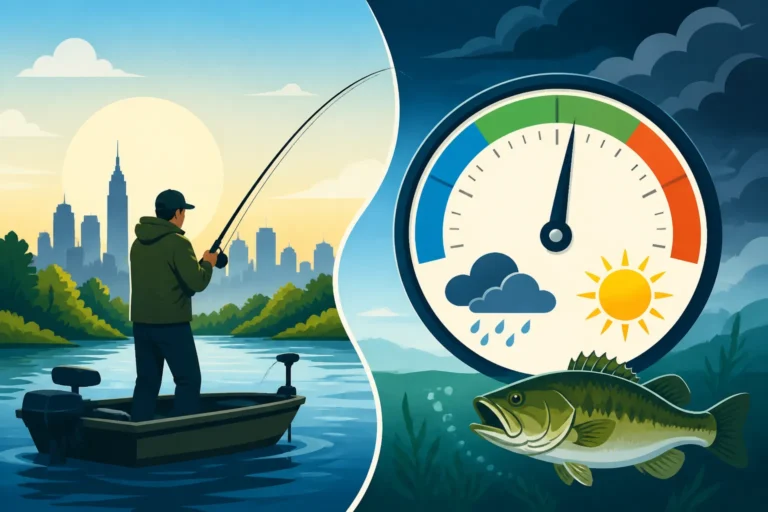
While knowing the general seasonal patterns is a great start, the "best" time is truly a dynamic target, heavily influenced by specific environmental conditions. Steelhead are incredibly sensitive to their surroundings, and understanding these factors will give you a significant edge, regardless of the season.
Water Temperature and Flow Rates
These two elements are arguably the most critical determinants of steelhead activity and migration. Steelhead prefer cooler water, typically in the 38-55°F range, but their behavior within that range varies greatly.
- Temperature: In early fall, a significant drop in Lake Ontario's temperature, usually triggered by a cold snap, will often signal the first major push of steelhead into the Salmon River. As winter sets in, lower temperatures (below 40°F) make fish more lethargic, moving them to deeper, slower pools. In spring, warming water invigorates them, prompting spawning activity and aggressive feeding. Monitoring real-time water temperatures, often available through USGS gauges, is a game-changer for serious steelhead anglers. A rise of just a few degrees can spark a feeding frenzy, while a sudden drop can shut down the bite.
- Flow Rates: The flow rate, or volume of water, in the Salmon River is managed by the New York Power Authority (NYPA) and the New York State Office of Parks, Recreation and Historic Preservation, affecting the fishing conditions profoundly. Stable flows are generally preferred, as fish become accustomed to specific holding lies. However, a significant bump in flow from increased precipitation or dam releases can trigger a fresh run of fish from Lake Ontario, providing a "reset" for the river. Conversely, extremely low flows can make fish spooky and concentrated in fewer areas, making them harder to approach without spooking. High flows can also make wading dangerous and fishing techniques like drift fishing challenging. Always check the Salmon River flow rates before you head out, and if you're planning a trip, be sure to review the New York Fishing Regulations Explained for any flow-related access restrictions.
Precipitation and Snowmelt Impact
Rainfall and snowmelt are direct drivers of the river's flow and clarity, and thus, steelhead movement. A good rainstorm can be both a blessing and a curse, depending on its intensity and duration.
- Rain Events: Moderate rainfall often triggers fresh pushes of steelhead into the river, especially in the fall and spring. The increased flow provides cover and makes it easier for fish to navigate upstream. However, heavy, prolonged rain can blow out the river, turning it into a muddy torrent and making fishing nearly impossible for a day or two until it begins to drop and clear. Many anglers eagerly await these post-rain "drop-offs" when the water starts to clear, and fish are actively feeding.
- Snowmelt: In the spring, snowmelt significantly contributes to increased river flows and rising water temperatures. This natural process is a primary catalyst for the spring steelhead run. However, rapid snowmelt can also lead to temporary high, turbid water, similar to heavy rain. Anglers learn to gauge the rate of snowmelt and look for those sweet spots when the river is dropping and clearing after a fresh influx. During these times, visibility can be low, and using brighter, more contrasting egg sacs or beads can be particularly effective. You can often find these specialized items, along with robust fishing line, available on Amazon.
Seasonal Techniques and Essential Gear for Steelhead
Successfully fishing the Salmon River for steelhead requires adapting your techniques and gear to the prevailing conditions of each season. What works in a chilly fall morning might be completely ineffective in the dead of winter or a raging spring runoff.
Fall Steelhead Strategies and Tackle
The fall run is often about capitalizing on the steelhead's aggressive feeding instincts as they follow the salmon.
- Drift Fishing with Egg Patterns: This is arguably the most popular and effective method. Using a float (or bobber) to present a salmon egg imitation, a natural egg sac, or a bright bead pattern along the bottom is key. The idea is to mimic the natural salmon eggs drifting downstream. You'll want a sensitive rod, a good quality reel, and fluorocarbon leader to ensure a natural drift and detect subtle takes. Many anglers use longer rods, like 10-11 foot models, to manage line and achieve better drifts. Consider checking out our guide on How to Drift Fish for Steelhead for more in-depth tips.
- Fly Fishing: Fly anglers find great success in the fall, especially during stable flows. Nymphing with egg patterns, stoneflies, or caddis larvae imitations is highly effective. As the run progresses, streamer patterns can also entice aggressive strikes, particularly from larger fish. Swinging flies can also be productive in certain runs.
- Gear: Expect water temperatures to drop from the 50s into the low 40s. Good quality, breathable waders are essential. Layering clothing, including fleece and waterproof outer shells, is critical. A reliable fishing vest or pack to carry your assortment of egg patterns, split shot, and indicators is a must. Don't forget polarized sunglasses to spot fish in clearer water.
Winter Steelhead Tactics and Cold-Weather Essentials
Winter fishing demands patience, specialized gear, and a slow, methodical approach. The fish are less active, but often larger and less pressured.
- Slow, Subtle Presentations: Steelhead in winter are not chasing down food. They want an easy meal. Focus on extremely slow drifts with small, natural presentations. Tiny egg patterns, wax worms, small stonefly nymphs, or even a single kernel of corn can be deadly. Minimize your split shot to ensure the most natural, unhindered drift possible.
- Finding Deep, Slow Water: Target the deepest, slowest pools and runs, often areas with less current. These are where steelhead congregate to conserve energy. Fish these spots thoroughly, making multiple drifts through the same areas.
- Gear: This is where top-tier cold-weather gear truly shines. Invest in high-quality insulated waders, often neoprene or insulated breathable models. Layering is even more critical; think wool or synthetic base layers, heavy fleece mid-layers, and a waterproof, insulated outer shell. Insulated gloves and a warm hat are non-negotiable. Many anglers swear by hand warmers, which you can often buy in bulk on Amazon. A portable shelter can even make bank fishing more comfortable in extreme conditions.
Spring Steelhead Approaches and Post-Spawn Focus
Spring brings renewed aggression from steelhead preparing to spawn or recovering from it. Anglers can often be more assertive in their presentations.
- Aggressive Egg & Bead Fishing: Similar to fall, egg patterns and beads are king, but you might find success with slightly larger, brighter patterns due to often stained water conditions from snowmelt. Don't be afraid to experiment with different color combinations.
- Worm Patterns: Imitation plastic worms, especially in natural or pink hues, can be incredibly effective for aggressive pre-spawn and post-spawn steelhead. They offer a larger profile and often trigger a strong reaction strike.
- Fly Fishing with Larger Nymphs and Streamers: Fly anglers can switch to larger stonefly nymphs, larger egg patterns, and even small streamer patterns, particularly when targeting aggressive fish. The Steelhead Trout in New York are renowned for their powerful fights, and spring fish are no exception.
- Gear: As temperatures rise, you might shed a layer or two, but waterproof and windproof outerwear is still vital. The weather can be highly variable in spring, from sunny and mild to cold and rainy in a single day. Reliable waders and good wading boots are always a necessity, as spring flows can be powerful.
When Is Steelhead Fishing Best on New York's Salmon River?
Alright, let's cut to the chase and answer the big question. While "best" can be subjective and depend on your preferences, we can identify prime windows based on fish numbers, activity levels, and overall angling experience.
Generally, the Salmon River sees two peak periods for steelhead fishing, though fish are present throughout the cooler months:
-
Late October to Early December (Fall Run Peak): This period is often cited as the absolute prime time by many anglers for sheer numbers of fresh, aggressive steelhead. The fish are actively entering the river, gorging on salmon eggs, and are full of fight. The fall foliage provides a beautiful setting, and while crowds can be significant, the fishing can be exceptional. You'll encounter a mix of aggressive chrome-bright fish straight from Lake Ontario and those that have been in the river for a short time. Conditions are typically not as brutally cold as winter, making for a more comfortable experience for many. This is an excellent time to fish if you enjoy active, often visual, fishing and don't mind sharing the river with other passionate anglers.
-
Mid-March to Mid-April (Spring Run Peak): As the river wakes up from winter, the spring run offers another incredible opportunity. Steelhead that have overwintered in the river, along with new waves of fresh fish entering from the lake, become highly active and focused on spawning. This period can see some of the largest fish caught, as they are at their peak physical condition for reproduction. The fights are often epic, and the fish can be very responsive to a variety of presentations. While the weather can still be unpredictable, the longer daylight hours and warming trend make it an attractive time for many. The sense of anticipation and the raw power of a spring steelhead are hard to beat.
The Nuances of the "Best" Time
It's important to remember that "best" can be personal.
- For solitude and big fish: The heart of winter (January and February) might be your "best" time. While fish are fewer and more lethargic, the river is quiet, and the fish you do hook are often large, mature specimens that have proven their resilience. It's a true test of patience and skill.
- For consistent action and vibrant scenery: Late October through November is hard to beat. The fish are numerous, aggressive, and the river is visually stunning.
- For powerful fights and spawning activity: March and April offer a dynamic experience with highly active, pre-spawn, and spawning fish.
Steelhead Fishing Peak Seasons at a Glance
| Season | Typical Duration | Steelhead Activity & Behavior | Key Considerations |
|---|---|---|---|
| Early Fall | Mid-September – Mid-October | First pushes, following salmon, aggressive, egg-focused | Lower numbers, but fresh fish; stable water preferred, watch for rain |
| Late Fall | Mid-October – Early December | Peak numbers, highly active, strong fights, widespread | Crowds can be heavy; dynamic flows, cooler temps; often considered overall "best" |
| Early Winter | Mid-December – January | Fish settling into deeper, slower pools; lethargic, subtle bites | Minimal crowds; cold, stable flows; challenging but rewarding |
| Late Winter | February – Early March | Slowest fishing, but often large overwintered fish; very subtle | Deepest cold; difficult access; extreme weather gear essential |
| Early Spring | Mid-March – Mid-April | Peak spawning activity, aggressive, powerful new fish | Melting snow; variable flows & clarity; increasing crowds; another "best" window |
| Late Spring | Late April – Early May | Post-spawn "drop-backs"; aggressive feeding as they exit | Fewer fish, but often large and very active; warming water |
Ultimately, the best time for you will depend on what you prioritize: solitude, quantity of fish, size of fish, or comfortable weather. The good news is that from mid-September right through early May, the Salmon River holds the promise of a magnificent steelhead.
Maximizing Your Chances: Beyond Just Timing
Knowing when to go is crucial, but equally important is knowing how to approach the river. Steelhead fishing on the Salmon River is a dynamic pursuit that rewards preparation, adaptability, and a respect for the environment.
Reading the River and Locating Fish
Steelhead don't just hang out anywhere. They seek specific types of water based on conditions, cover, and food availability. Learning to "read the river" is a skill developed over time but can significantly improve your success.
- Holding Water: Look for seams where faster current meets slower water, deep pools, current breaks behind large rocks or logs, and the tail-outs of larger pools. These areas offer fish a place to rest out of the main current while still being close to potential food sources. During colder periods, fish will often hold in the deepest, slowest parts of these pools.
- Travel Lanes: Steelhead use specific lanes to move upstream. These are often slightly deeper channels or troughs that offer cover and an easier path. Identifying these lanes, especially during fresh pushes of fish, can lead to intercepting actively moving steelhead.
- Riffles and Runs: While spawning, steelhead might be found in shallower, gravelly riffles. During other times, the heads and tails of runs can be productive, particularly when they are actively feeding. You'll find detailed insights into these dynamics in our comprehensive New York Salmon River Fishing Guide.
Local Knowledge and Resources
Never underestimate the value of local expertise. The Salmon River is a complex system, and conditions can change by the hour.
- Bait and Tackle Shops: Local shops like All Season Sports in Pulaski or the Whitakers Sport Store are goldmines of information. The folks working there live and breathe the river. They can give you up-to-the-minute reports on water levels, clarity, recent catches, and what baits or flies are working. Supporting these local businesses is also a great way to ensure they continue to provide these invaluable services.
- Fishing Guides: For those new to the river or looking to drastically shorten their learning curve, hiring a local fishing guide is an excellent investment. A guide knows the river intimately, understands the nuances of various techniques, and can quickly put you on fish. They also ensure you're fishing legally and ethically, adhering to all the New York Fishing Regulations Explained.
- Online Forums and Reports: Several online communities and forums dedicated to Salmon River fishing provide real-time reports and discussions among anglers. While some information might be anecdotal, it can still offer clues about general conditions and fish activity.
- DEC Website: The New York State Department of Environmental Conservation (DEC) website provides crucial information on regulations, stocking reports, and sometimes even real-time stream gauge data, which is vital for monitoring water levels and temperatures.
Ethical Angling and Conservation
Steelhead are a precious resource, and practicing responsible angling is paramount to ensuring their future.
- Catch and Release: Many anglers on the Salmon River practice catch and release, especially for steelhead. Handle fish gently, keep them in the water as much as possible, and use barbless hooks to minimize harm. Understanding proper Catch-and-Release Handling Rules is part of being a responsible angler.
- Respect Other Anglers: The Salmon River can get crowded, particularly during peak runs. Maintain a respectful distance from other anglers, avoid "spot burning" (revealing specific fishing locations publicly), and share the resource.
- Know the Regulations: Regulations can change. Always carry a current copy of the New York State fishing regulations or have access to them digitally. This includes understanding specific rules for the Salmon River, such as bait restrictions, hook rules, and season dates. Being aware of rules like the New York Statewide Trout Bag Limit and how it applies to steelhead is important.
By combining an understanding of the prime seasonal windows with a keen eye on environmental factors, adapting your techniques, and utilizing local knowledge, you'll be well-equipped to experience the incredible steelhead fishing the Salmon River has to offer. Whether you prefer the vibrant fall, the serene winter, or the explosive spring, there's a "best" time for every angler.
Disclaimer
Fishing conditions and regulations in New York State can change frequently. While this guide provides comprehensive information, always consult the most current New York State Department of Environmental Conservation (DEC) fishing regulations before planning any fishing trip. Safety should always be your top priority, especially when fishing in rivers with strong currents or during cold weather.