Washington Strain Steelhead Enter New York Tributaries in Mid-September
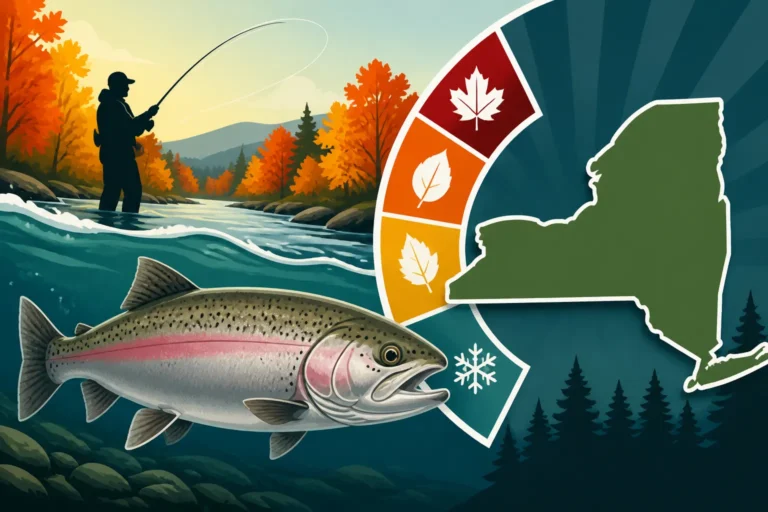
It’s that bittersweet time of year when summer’s warmth starts to wane, and anglers like us begin to feel that familiar itch for the fall run. While many associate fall with Chinook and Coho salmon, there’s another incredible fight just beginning to unfold on New York’s tributaries: the arrival of Washington Strain Steelhead. Knowing exactly when these powerful fish start pushing into our rivers is key to getting a jump on the season, and for many dedicated anglers, mid-September is the magic window to start paying close attention. This guide will walk you through what to expect and how to prepare for this exciting early steelhead action.
Understanding Washington Strain Steelhead in New York
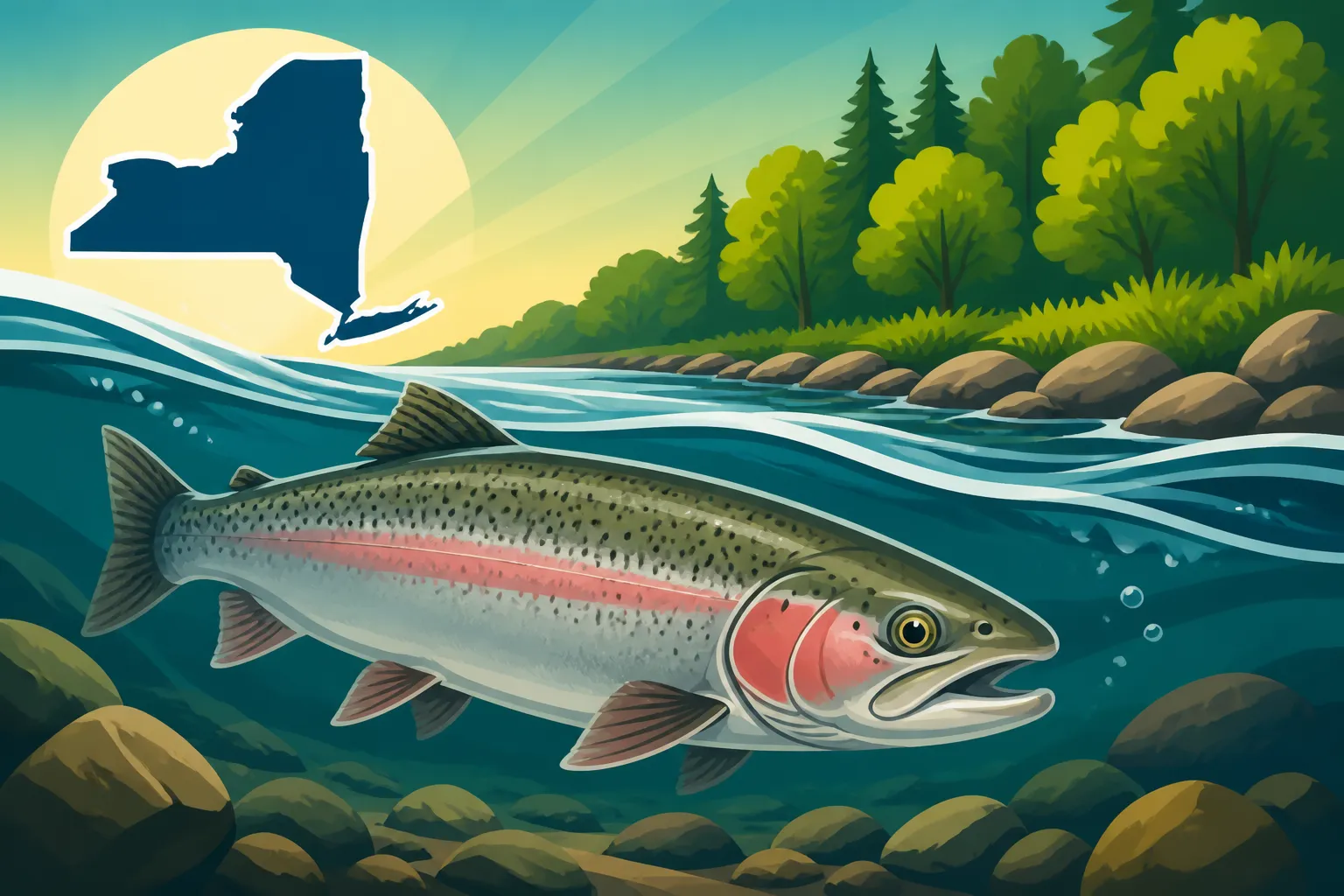
For those new to the steelhead game, or even seasoned veterans who haven't delved into the specifics, the term "Washington Strain" might raise an eyebrow. It's not just a fancy name; it refers to a specific lineage of steelhead that New York's Department of Environmental Conservation (DEC) has actively stocked for decades to enhance our fishery, particularly in the Lake Ontario tributaries. These aren't your typical rainbow trout that stay in freshwater; steelhead are anadromous, meaning they migrate from freshwater rivers to the vast feeding grounds of Lake Ontario, where they grow large and powerful before returning to their natal streams to spawn.
The "Washington Strain" refers to steelhead originally sourced from rivers in Washington State, specifically selected for certain characteristics like their early run timing and aggressive fighting nature. Unlike some other strains that might wait for colder water or significant rain events later in the fall, Washington Strain steelhead often exhibit an earlier migratory urge. They’re like the eager beavers of the steelhead world, often making their appearance when other species are just starting to stage. This early push means anglers can sometimes find phenomenal action even before the leaves have fully turned, offering a unique opportunity to target these magnificent fish. Their vibrant colors and incredible acrobatics make them a favorite among those who seek a true challenge on the line.
Why Mid-September Matters for These Early Runners
Mid-September isn't an arbitrary date; it's a window that savvy anglers mark on their calendars for a very specific reason. The water temperatures in Lake Ontario and its tributaries begin to drop noticeably around this time. While still relatively warm compared to later in the fall, this slight cooling is often enough to trigger the initial migratory instinct in the Washington Strain steelhead. They sense the changing conditions – shorter daylight hours, cooler lake temperatures – and start to move towards the mouths of rivers like the Salmon River, Oswego River, and Oak Orchard Creek. These initial movements are usually exploratory, with fish staging in the deeper pools and slower sections of the lower rivers, sometimes even venturing a bit into the estuary areas before committing to a full upstream push.
What this means for you, the angler, is that while the main "run" of steelhead might not peak until October or even November, mid-September offers the chance to intercept these first waves of aggressive fish. They haven't been pressured by hundreds of other anglers yet, and they're often incredibly eager to strike. It's a prime time for those who prefer to avoid the crowds that can sometimes descend upon popular steelhead rivers later in the season. Being present during this initial movement can lead to some truly memorable fishing, as these early arrivals are often among the biggest and strongest of the year.
Factors Influencing the Early Steelhead Run
While mid-September is a general guideline, the exact timing and intensity of the Washington Strain steelhead run can fluctuate from year to year. These fish are incredibly sensitive to environmental cues, and understanding these factors can significantly improve your chances of success. It’s not just about the calendar; it’s about reading the water and the weather.
The biggest drivers are water temperature and flow. Steelhead, especially these early runners, prefer water that’s cooling down but not yet frigid. Ideal temperatures for these early pushes are typically in the high 50s to low 60s Fahrenheit. If summer lingers longer with warmer temperatures, the run might be slightly delayed. Conversely, an early cold snap could accelerate it. Rain is another critical component. Significant rainfall events, especially after a dry spell, will raise water levels and increase flow, acting as a natural highway for steelhead to move upstream from the lake. The increased flow provides cover, makes navigation easier, and often stirs up insects and dislodges bait, making the fish more active.
Impact of Water Levels and Temperature
When the tributaries are low and clear, steelhead tend to be very wary. They’ll often hold in deeper, darker pools or stay out in the lake, waiting for conditions to improve. A good rain not only brings higher water but often discolors it slightly, providing a sense of security for the migrating fish. This reduced visibility allows them to be more aggressive and less cautious, making them more willing to chase a swung fly or strike a drifting bait. Pay close attention to local weather forecasts and stream gauges for your target rivers. A bump in water flow, even a moderate one, following a period of stable low water can be the trigger that gets those early steelhead moving. You can often track these conditions on the New York DEC website or through local fishing reports.
For example, on the Salmon River near Pulaski, a good rain in mid-September often fills the river to a more fishable level, and that's when you'll start seeing those first eager steelhead moving into popular sections. Similarly, on the Niagara River, slight temperature changes in the lower river can concentrate fish before they make a more defined push upstream. It's about being observant and responsive. If the conditions are right, even if it's only the second week of September, those early fish might already be there.
The Role of Lake Ontario's Conditions
It’s easy to focus solely on river conditions, but let’s not forget where these fish are coming from: Lake Ontario. The massive expanse of the lake is their summer home, where they gorge on baitfish and grow to impressive sizes. The temperature stratification in the lake and the presence of baitfish schools heavily influence when steelhead decide to stage near river mouths. As the lake's surface waters begin to cool, the thermocline (the layer where water temperature changes rapidly) might break down, causing baitfish to disperse or move closer to shore. This can signal to the steelhead that it’s time to start thinking about their upstream journey.
Sometimes, strong winds blowing towards shore can also push cooler surface waters and baitfish closer to the tributary mouths, which can act as another natural attractant for staging steelhead. Understanding these larger lake dynamics, even broadly, can help predict the initial waves of fish. When conditions are unsettled on the lake, the rivers often become a more appealing, stable environment for these powerful migratory trout. Many anglers keep an eye on marine forecasts and fishing reports from the open lake to gauge what's happening just beyond the river mouth. This macro perspective can be surprisingly insightful.
Early Season Steelhead Tactics and Gear
Fishing for Washington Strain steelhead in mid-September is a different ballgame than later in the fall or winter. The water is often warmer, and the fish might behave differently. This means adapting your techniques and gear to match the conditions and the fish's mood.
Presentation is Key in Warmer Water
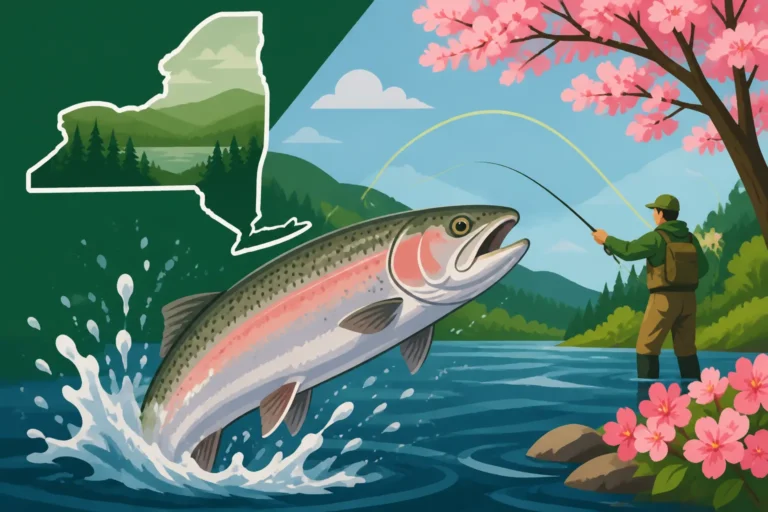
In warmer water, steelhead tend to be more active and aggressive, but they can also be more wary if the water is clear and low. Fly fishing, particularly with egg patterns, nymphs, or even small streamers, can be incredibly effective. For those who prefer spinning gear, drifting small egg sacs, beads, or tiny jigs under a float is often the most productive method. The key is to present your offering naturally, allowing it to drift freely with the current. This "dead drift" is often irresistible to steelhead holding in seams and pools. Don't be afraid to experiment with brighter colors in slightly stained water, or more natural, subdued tones if the water is gin clear.
A lighter fluorocarbon leader (6-8 lb test) might be necessary for clear water conditions, but always be prepared to step up your line strength if you're consistently breaking off big fish in heavy current. These early steelhead are often fresh from the lake and incredibly strong. When setting up your rig, consider using a good quality fishing line. Brands like [Spiderwire] or [Berkley] offer lines with excellent abrasion resistance, which is crucial when fishing around rocky riverbeds. For those new to these techniques, there are countless tutorials available on platforms like YouTube, and many local tackle shops offer basic lessons.
Essential Gear for Early Fall Steelhead
When heading out in mid-September, you'll want to pack a versatile arsenal. For spin anglers, a medium-light to medium power spinning rod, around 8-10 feet in length, paired with a reliable spinning reel spooled with 8-12 lb monofilament or braid (with a fluorocarbon leader), is a great starting point. Fly anglers will find a 7-8 weight rod, 9-10 feet long, with a weight-forward floating line, to be ideal. Bring an assortment of flies: various egg patterns (roe bags, glo-bugs), stonefly nymphs, caddis larvae, and even some small baitfish patterns. For bait, fresh or cured salmon eggs are almost always a winner. Small beads that mimic eggs, in sizes 8mm to 12mm, can also be highly effective.
Don't forget the essentials: waders and wading boots (the water, while warmer than winter, is still cool), polarized sunglasses to spot fish and protect your eyes, a good pair of line nippers, and a net with a rubber mesh to safely land and release fish. A small backpack or vest to carry your tackle, extra leaders, and snacks is also crucial. If you're looking to stock up on gear without making multiple trips, many reliable fishing supplies can be found online through retailers like Amazon, which often carries a wide selection of rods, reels, lines, and terminal tackle from various brands. Getting equipped before you hit the water means more time fishing and less time scrambling.
Navigating New York's Top Tributaries in Early Fall
New York boasts an incredible network of tributaries flowing into Lake Ontario, each with its own character and prime spots for early steelhead. Knowing which rivers to target and where to focus your efforts can make all the difference.
The Mighty Salmon River
When most people think of steelhead fishing in New York, the Salmon River immediately comes to mind, and for good reason. This river, particularly the stretch from the Light House Hill reservoir downstream to Lake Ontario, is a major magnet for all migratory species, including the Washington Strain steelhead. In mid-September, the lower sections, including the Douglaston Salmon Run and other public access points near Pulaski, often see the first signs of steelhead. These fish will typically hold in deeper pools, behind current breaks, or in slower stretches where they can rest before tackling the rapids upstream.
Focus on areas where there's a distinct change in current, like the tailouts of pools or where a fast run transitions into deeper, slower water. These are natural holding lies. Early in the season, before the main push of salmon, the steelhead have less competition for prime lies. As the season progresses, and Chinook salmon start filling the river, the steelhead might tuck into different areas, but in mid-September, they're often more spread out and willing to move for a presentation. Remember to check the New York Fishing Season Dates and Catch Limits for the Salmon River, as special regulations often apply to certain sections. Also, be aware of specific rules on using live bait in New York.
Other Productive Waterways
While the Salmon River is famous, don't overlook other significant tributaries that also see excellent early steelhead runs. The Oswego River, with its urban setting but surprisingly productive waters, can be a fantastic spot. The lower sections, especially below the Varick Dam, are often among the first to see fresh steelhead pushing in from the lake. Its larger flow means it can handle more pressure and often holds fish even when other rivers are low.
Further west, rivers like Oak Orchard Creek, Eighteenmile Creek, and Irondequoit Creek also experience early steelhead runs. These smaller to medium-sized tributaries can be incredibly rewarding, especially if you prefer a more intimate fishing experience away from the larger crowds. Pay attention to estuary areas and deeper pools near the lake on these smaller systems. A good rain can quickly turn these unassuming creeks into steelhead highways. Before heading out, always consult the New York DEC Fishing Regulations Guide for the specific body of water you plan to fish, as rules can vary significantly from one tributary to another.
Planning Your Early Fall Steelhead Trip
Getting ready for an early fall steelhead trip involves more than just packing your rods and reels. Proper planning ensures a safe, enjoyable, and successful outing. Think about logistics, timing, and conditions.
Monitoring Conditions and Forecasts
I can't stress this enough: flexibility is your best friend when chasing early season steelhead. While mid-September is a good starting point, the weather and water conditions can be unpredictable. Keep a close eye on weather forecasts for the specific region you plan to fish. Look for predicted rainfall and temperature trends. Even more critically, monitor stream flow gauges (often available online through USGS or state environmental sites) for the rivers you’re interested in. A rising or stable, moderate flow after a rain event is usually ideal.
If the forecast calls for several days of heavy rain, you might want to wait a day or two after the rain subsides for the river to drop and clear slightly. Conversely, if it’s been dry and the rivers are low and clear, you might need to reconsider your approach or target a larger river like the Oswego that can maintain better fishable conditions. Being able to pivot your plans based on real-time information will significantly increase your odds of finding active fish. Don't be afraid to postpone or move locations if conditions aren't favorable; sometimes, waiting for the perfect window is better than forcing a trip into poor conditions.
Lodging, Licenses, and Local Intel
If you're traveling a significant distance, book your lodging in advance, especially around popular destinations like Pulaski or Oswego. Fall fishing season can get busy, and good accommodations fill up quickly. Before you even think about casting a line, make sure your New York fishing license is current. You can often get or renew your license online through the DEC website. If you're an out-of-state visitor, be sure to understand the Fishing License Requirements for Out-of-State Visitors to New York.
Finally, don't underestimate the value of local intel. Stop by a local bait and tackle shop. These folks are often on the water daily and know exactly what's biting, where, and on what. They can provide invaluable real-time advice on conditions, hot spots, and effective patterns or baits. Many shops, like Port City Outfitters in Oswego or Whitakers in Pulaski, are community hubs where anglers share tips and camaraderie. Supporting these local businesses also helps sustain the fishery you love.
| Factor | Impact on Early Steelhead Run (Mid-September) | Ideal Conditions |
|---|---|---|
| Water Temperature | Triggers initial migration from lake | High 50s to low 60s Fahrenheit |
| Rainfall | Increases flow, aids migration, provides cover | Moderate, steady rain after dry spell |
| River Flow | Facilitates upstream movement, stirs food | Moderate to slightly elevated, stable flow |
| Lake Conditions | Influences staging and initial push | Cooling surface temps, baitfish near river mouth |
| Daylight Hours | Longer nights signal seasonal change | Shortening days, leading to colder water |
| Angler Pressure | Less pressure than peak season | Often lower in mid-September |
Disclaimer
Fishing regulations and conditions can change rapidly. Always consult the official New York State Department of Environmental Conservation (DEC) website or local authorities for the most up-to-date regulations, advisories, and licensing requirements before engaging in any fishing activities. This guide is for informational purposes only and does not supersede official regulations.