When Does Steelhead Fishing Start in the Fall?
It’s a feeling many of us know all too well: that sudden crispness in the air, the leaves starting to turn, and an undeniable itch to get back out on the water. You know the fall steelhead run is coming, but pinpointing exactly when these magnificent fish will show up in New York’s tributaries can feel like trying to solve a cryptic puzzle. This guide aims to clear up that mystery, offering realistic insights into when you can expect the first wave of fall steelhead to arrive and what factors truly drive their migration.
Understanding the Fall Steelhead Migration
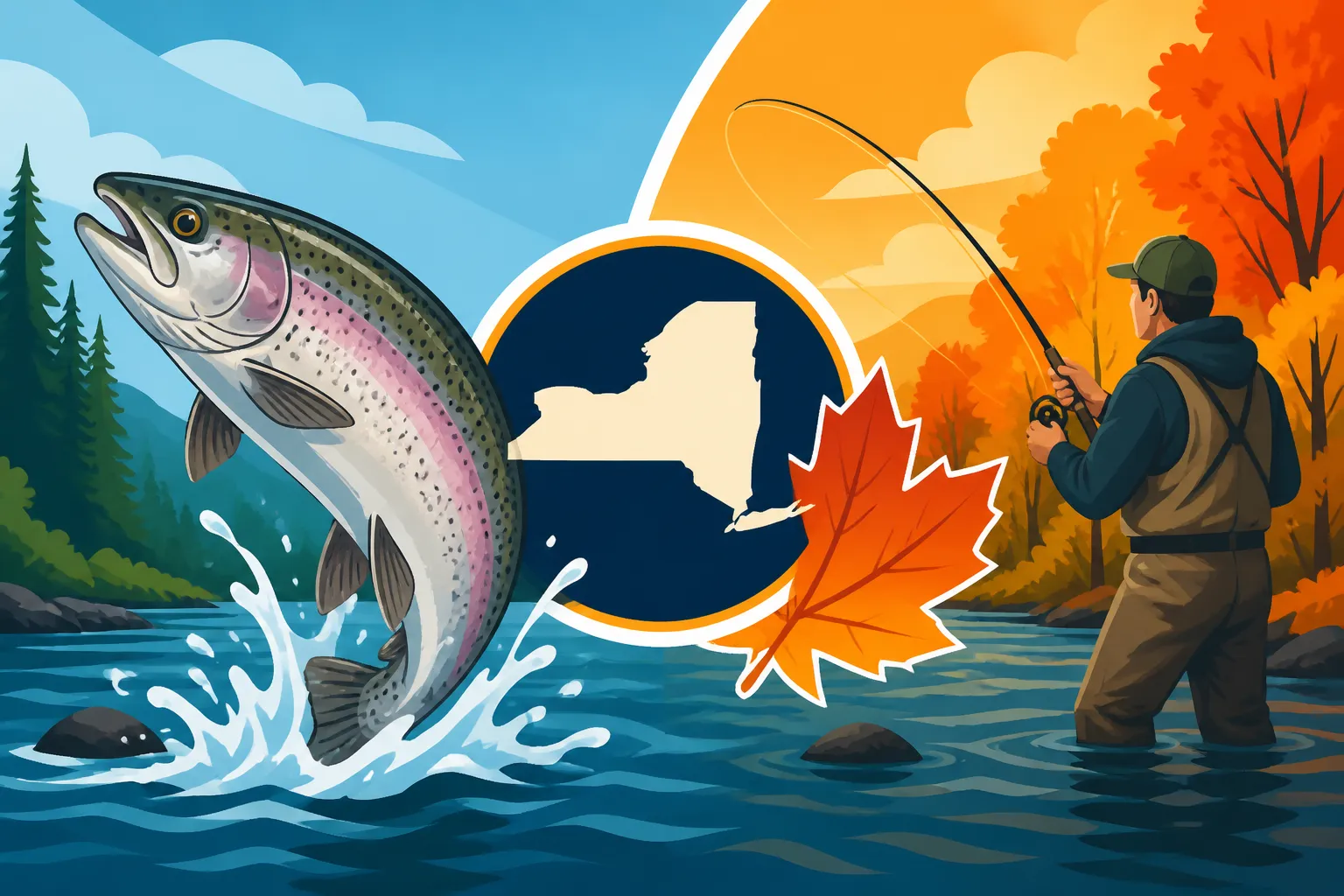
When we talk about steelhead in New York, we’re primarily referring to the anadromous rainbow trout that migrate from the Great Lakes (Lake Ontario and Lake Erie, mainly) into their tributary streams to spawn. While their primary spawning instinct kicks in during the spring, a significant portion of these fish, driven by cooler water temperatures and the allure of salmon eggs, begin their journey upstream in the fall. It’s a complex dance dictated by nature, but understanding the triggers can dramatically improve your chances of intercepting them.
The fall migration isn't a single, unified event across the state. Instead, it's a staggered process influenced by localized conditions and the specific characteristics of each river system. These powerful fish leave the vastness of the Great Lakes, where they've spent their summer growing fat on baitfish, and begin to stage near the mouths of rivers. This staging phase is crucial, as it builds their numbers, waiting for the perfect window to push upstream. They aren't in a rush to spawn just yet, but the instinct to move into cooler, oxygen-rich flowing water and feast on the bounty of salmon eggs is a strong motivator. If you're wondering how these powerful fish manage such journeys, it's a testament to their incredible biology, a trait that also makes them such a prized catch for anglers. For a deeper dive into the species itself, check out our guide on Steelhead Trout in New York.
The "Why" Behind the Fall Movement
Steelhead are opportunistic feeders, and the fall brings a literal buffet to the rivers in the form of migrating salmon. As Chinook and Coho salmon enter the tributaries to spawn, they lay millions of eggs. These nutrient-rich eggs are a primary food source for incoming steelhead, which gorge themselves to build energy reserves for the colder months and the eventual spring spawn. This "egg bite" is a major draw. Furthermore, as Lake Ontario and Lake Erie waters begin to cool, the rivers and streams often offer more stable temperatures and oxygen levels, providing a more comfortable environment for the steelhead.
Think of it like this: the lake has been their summer home, full of food and space. But as autumn arrives, the lake undergoes significant changes. Temperatures drop, storms become more frequent, and the river mouths, with their promise of food and shelter from the harsher lake conditions, become increasingly attractive. This combination of feeding opportunity and environmental comfort is what truly kickstarts the fall steelhead migration. It's not just about spawning yet; it's about survival and opportunity.
Typical Steelhead Run Timing in New York's Key Tributaries
While every season brings its own nuances, there are general patterns to when steelhead begin to appear in New York's most famous tributaries. Anglers often refer to an "early run" and a "main run," with subtle variations depending on the river system. Patience is certainly a virtue, but so is knowing what to look for on specific bodies of water. For a general overview of all fishing seasons, you might find our article on New York Fishing Seasons Explained helpful.
Lake Ontario Tributaries
The rivers flowing into Lake Ontario are arguably the most famous steelhead destinations in New York. From the Niagara River to the Salmon River, these waterways see intense action.
- Early Fall (Late September – Early October): This is often when the first "scouts" of steelhead start to trickle into the lower stretches of the rivers. These fish are usually smaller, often "half-pounders" or those that didn't go far into the lake. They're often following the vanguard of Chinook salmon. Rain events during this time can draw in more fish rapidly. Rivers like the Oswego River and the Genesee River often see early activity.
- Main Fall Run (Mid-October – November): This is typically the peak of the fall run. As major rain events occur and lake temperatures drop significantly, large schools of steelhead, often referred to as "chrome," push deep into the rivers. The Salmon River, with its massive salmon runs, becomes a magnet for steelhead during this period. Other productive Lake Ontario tributaries include Sandy Creek, Oak Orchard Creek, and Eighteenmile Creek, all of which will have significant numbers of steelhead by late October. Anglers frequently target these fish using various methods, and understanding How to Fish for Steelhead in New York is key to success.
Lake Erie Tributaries
The streams that feed into Lake Erie also host impressive steelhead runs, though often with a slightly different character due to the shallower, warmer nature of Lake Erie itself compared to Lake Ontario.
- Early Fall (October): Similar to Lake Ontario, the initial pushes on Lake Erie tributaries often coincide with rain and cooler weather. Streams like Cattaraugus Creek, Chautauqua Creek, and Eighteenmile Creek (different from the Lake Ontario one) will see their first waves of steelhead entering. These early fish are actively seeking out salmon eggs and available forage.
- Main Fall Run (November – Early December): The heaviest concentrations of steelhead in Lake Erie tributaries typically occur later in the fall, often extending well into early winter. Lake Erie’s tributaries tend to hold fish longer into the cold season, sometimes even through the ice-over, making them excellent choices for late-season anglers. Big rain events are crucial for these rivers, as many of them are smaller and require significant water flow to allow steelhead to ascend. Many anglers find that these fish are quite aggressive, making for exciting fights. If you're looking for gear, a good selection of specialized steelhead rods and reels can be found on Amazon.
Table: Typical Fall Steelhead Run Timing in New York (General)
| Region/River System | Early Fall Activity | Main Fall Run (Peak) | Key Factors |
|---|---|---|---|
| Lake Ontario Tributaries | Late Sep – Early Oct | Mid Oct – Late Nov | Salmon presence, lake temp, heavy rain |
| Lake Erie Tributaries | Early Oct – Mid Oct | Late Oct – Early Dec | Rain volume, stream flow, lake temp drops |
This table provides a general guideline. Remember, Mother Nature always has the final say!
Factors Influencing the Start of the Fall Steelhead Run
Predicting the exact day steelhead will show up in force is a fool's errand. However, knowing the critical environmental factors that trigger their migration can help you plan your trips and hit the water when conditions are prime. It’s like waiting for the perfect alignment of stars, but instead of stars, we’re watching river gauges and temperature apps.
Water Temperature: The Primary Driver
Steelhead are cold-water fish, and temperature is arguably the most significant factor influencing their movements. As lake temperatures begin to drop, steelhead become more active and start moving towards the cooler, incoming river flows.
- Optimal Temperature Range: While they can tolerate a wide range, steelhead typically become most active in the rivers when water temperatures are between 40°F and 55°F (4°C to 13°C). When lake temperatures dip into this range, usually in late September or October, it’s a strong signal for the fish to begin staging near river mouths.
- Rapid Cooling Events: A sudden drop in lake temperature, often after a strong cold front or a period of sustained cool weather, can trigger a mass migration. This is especially true if combined with increased river flow. These rapid cooling events reduce the thermal shock as fish move from the lake to the colder river, making the transition more appealing.
Rainfall and River Levels: Opening the Gates
Rain is often the "gate opener" for fall steelhead. Many of New York's tributaries are relatively low and clear during the late summer, making it difficult for fish to ascend.
- Increased Flow: Significant rainfall raises river levels, providing the necessary depth and current for steelhead to move upstream. High water also offers cover from predators and can scour out accumulated debris, making their journey easier. A good "push" of water can bring in hundreds, if not thousands, of fish in a matter of days.
- Turbidity: While excessively muddy water can deter fish, a slight increase in turbidity (cloudiness) from runoff can actually be beneficial. It provides additional cover for steelhead, making them feel safer as they move into new, shallower environments. This also often coincides with the dislodging of salmon eggs and other food sources, making them more available. You might want to brush up on New York Freshwater Fishing Rules to ensure you're fishing legally during these fluctuating conditions.
Salmon Runs: The Dinner Bell
The migrations of Chinook and Coho salmon are inextricably linked to the fall steelhead run.
- Egg Source: As discussed, salmon eggs are a vital food source for steelhead. When salmon enter the rivers to spawn, they bring with them a massive influx of calories in the form of eggs. Steelhead follow this food source, often positioning themselves downstream from spawning salmon to feast on dislodged eggs.
- Timing Correlation: The peak of the salmon run often precedes or coincides with the main steelhead run. If salmon are already present in good numbers and actively spawning, it’s a strong indicator that steelhead won’t be far behind. Anglers specifically targeting steelhead during this time will often use egg imitations or actual cured salmon eggs as bait. Learning How to Fish Egg Sacs for Steelhead can be a game-changer during this period.
Preparing for the Fall Steelhead Season
Once you have a handle on the timing and the influencing factors, the next step is to ensure you're ready when the fish decide to show up. Proper preparation can make all the difference between a frustrating outing and a memorable day on the water.
Essential Gear and Tackle
Steelhead fishing requires specialized gear capable of handling powerful, hard-fighting fish in often challenging river conditions. Don't show up with your ultralight panfish rod unless you're looking for a good laugh or a broken rod.
- Rods and Reels: A medium-heavy spinning rod (8'6" to 10'6") or a float rod (11' to 13' for drift fishing) is ideal. Longer rods help with line management, casting light presentations, and fighting fish in current. Pair this with a reliable spinning reel in the 2500-4000 size range, spooled with 8-12 lb monofilament or fluorocarbon main line, or 15-20 lb braid with a fluorocarbon leader. You can find excellent options for these setups, including brands like Shimano and Daiwa, on Amazon, often with helpful reviews from other anglers.
- Line and Leaders: Fluorocarbon leaders are a must due to their invisibility underwater and abrasion resistance. Carry a range of leader sizes from 6-10 lb test, adjusting based on water clarity and fish aggressiveness.
- Baits and Lures:
- Egg Imitations: Soft plastic eggs, beads, and flies that mimic natural salmon eggs are incredibly effective, especially when salmon are present. Colors like natural roe, peach, and chartreuse are popular.
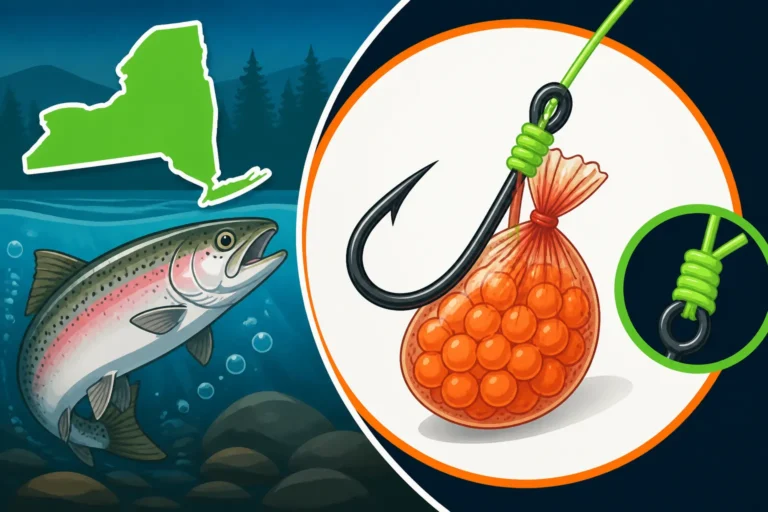
- Egg Sacs: Cured salmon eggs, often tied into small mesh bags, are a traditional and highly effective bait.
- Jigs: Small marabou or chenille jigs in white, black, or various "steelhead candy" colors can be deadly, often fished under a float.
- Spoons and Spinners: While more common in higher, off-color water or for covering water quickly, small spoons and spinners (e.g., Little Cleos, Mepps) can also entice aggressive steelhead.
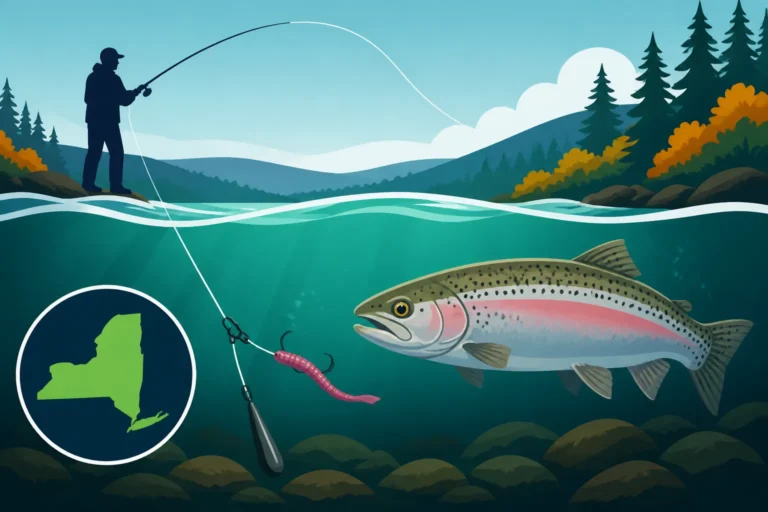
- Soft Plastics: Worms, grubs, and even small tubes can be effective, particularly when fish are pressured or water is clear.
- Terminal Tackle: A variety of hooks (sizes #6-#10 octopus or egg hooks), split shots, bobber stops, and floats are essential. For drift fishing, specific floats designed for river current, like Drennan or Thill floats, are highly recommended.
Access Points and Regulations
Before you even think about casting a line, make sure you know where you can legally fish and what the rules are. Public access points on many popular steelhead rivers are well-marked, but some areas may be private.
- Public Access: Many state-managed Public Fishing Rights (PFR) sections provide ample bank access. Familiarize yourself with these areas through the New York State Department of Environmental Conservation (DEC) website or fishing maps.
- Regulations: Steelhead regulations can vary by specific tributary, including daily creel limits, minimum size requirements, and special gear restrictions (e.g., single-hook artificial lures only). Always consult the current New York Fishing Regulations Explained before heading out. Don't forget that you'll need a valid New York fishing license, and knowing New York Fishing License Costs and Options can help you prepare.
- Respect Private Property: If an area is marked private, respect the landowner's wishes. Trespassing can lead to fines and harm relations between anglers and property owners.
Planning Your Outing
Fall steelhead fishing is rarely a "set it and forget it" affair. Successful anglers are often those who are flexible and willing to adapt.
- Weather Monitoring: Keep a close eye on the weather forecast, especially rainfall and temperature. A significant rain event can change river conditions drastically in a short amount of time.
- Water Level Reports: Many rivers have online USGS stream gauges that provide real-time water level and flow data. Learning to interpret these can help you identify prime fishing windows.
- Scouting: If possible, spend some time scouting a river before you fish. Look for promising holding water like deep runs, pools, current seams, and areas with structure (boulders, downed trees).
- Timing Your Trip: While early morning and late evening are often prime times, fall steelhead can be caught throughout the day, especially if conditions (like water clarity or cloud cover) are favorable. Don’t be afraid to try different times, or even adjust your trip if conditions change unexpectedly. Remember that Fall Steelhead Run Timing in New York is often fleeting and depends on these dynamic conditions.
Ultimately, the start of the fall steelhead run in New York is less about a single date on a calendar and more about a combination of environmental cues. By understanding these triggers and preparing appropriately, you can greatly increase your chances of being there when the powerful, chrome-bright steelhead make their much-anticipated return to New York’s rivers.
Advanced Strategies for Early Fall Steelhead
Once you’ve got a handle on the timing and essential gear, you might find yourself wanting to refine your approach, especially during the challenging early fall period. These initial pushes of steelhead can be a bit finicky, requiring a more nuanced strategy. They haven't seen heavy fishing pressure yet, but they might not be in full "egg-eating" mode either.
Targeting Staging Fish
Before a major rain event, steelhead will often congregate in the lower river sections or just outside the river mouths in the lake. These staging fish can be caught, but it often requires a different approach than targeting actively migrating fish far upstream.
- Lake Mouths: On calm days, some anglers will cast spoons, stickbaits, or even fly fish with streamers at the very mouth of the river, where the river current meets the lake. These fish are often cruising and looking for baitfish as much as eggs.
- Lower River Pools: Large, deep pools in the very lowest sections of the river can hold significant numbers of staging steelhead. They might not be aggressively feeding, so presenting baits naturally and precisely is key. Scented soft plastics or small egg sacs drifted through these pools can be effective. Consider using a sensitive rod to detect subtle bites. For those interested in the full lifecycle and characteristics of these fish, our guide on Steelhead vs Rainbow Trout: What's the Difference? offers valuable insights into their biology.
Adapting to Water Conditions
Early fall can see a wide range of water conditions, from low and clear to rapidly rising and colored. Being able to adapt your presentation is crucial.
- Low and Clear Water: When rivers are low and clear, steelhead become incredibly wary. Use lighter leaders (6-8 lb fluorocarbon), smaller baits (single beads, tiny jigs), and make longer casts to avoid spooking fish. Stealth is paramount; wear subdued clothing, move slowly, and avoid loud noises. Sometimes, a well-placed nymph or a small worm imitation can be more effective than egg patterns.
- High and Stained Water: After a substantial rain, the river will likely be high and off-color. This is when larger, brighter baits can shine. Steelhead will be less wary in these conditions, and the increased flow encourages them to move. Larger egg sacs, brighter colored jigs (chartreuse, pink, orange), or even larger plastic worms can be effective. The added current also means you'll need more weight to get your presentation down to the fish, but be mindful of snags. Drift fishing techniques, covered in our article How to Drift Fish for Steelhead, become particularly effective here.
The Importance of Water Temperature in the River
While lake temperature drives the initial push, the river temperature itself plays a huge role in how active the steelhead will be once they're in the tributary.
- Ideal Feeding Zone: Steelhead are generally most active and willing to chase or strike when the river temperature is in that sweet spot between 45°F and 55°F. Within this range, their metabolism is high, and they're actively feeding. Our guide on Best Water Temperature for Steelhead Fishing expands on this critical factor.
- Cold Snaps: A sudden cold snap can drop river temperatures quickly, making steelhead lethargic. They might still be in the river, but they'll be holding tight to cover, less willing to move for a bait. During these times, slowing down your presentation, focusing on deep pockets, and using subtle baits can yield results.
- Warm Ups: Conversely, a warming trend in late fall can invigorate fish and trigger another push. Always check a real-time thermometer if you can; it's one of the most valuable pieces of information you'll have.
By understanding these nuances and adapting your approach, you can significantly improve your success rate during the often-tricky early fall steelhead period. Being flexible and observant of conditions will always be your greatest assets. Especially on iconic waters like the New York's Salmon River Fishing Guide, these strategies can be crucial.
Beyond the Initial Push: Fall Steelhead Throughout the Season
While the focus is often on when the fall run starts, it’s important to remember that steelhead fishing doesn’t just begin and end in a short window. The fall run often extends well into winter, providing angling opportunities for months. Knowing this can help you maximize your time on the water, even as the mercury drops. Furthermore, understanding the Steelhead Average Weight in New York's Lake Ontario Tributaries can give you an idea of the quality of fish you might encounter throughout the season.
Sustained Runs and Overwintering Fish
Once steelhead enter the tributaries in the fall, many will remain in those rivers through the winter, especially in larger systems like the Salmon River, Oswego River, or Cattaraugus Creek. They find deep pools, slow runs, and areas with stable temperatures and good overhead cover to "overwinter."
- Mid-to-Late Fall: As November gives way to December, the initial frenzy of the salmon run might subside, but the steelhead are still very much present. They continue to feed, albeit perhaps less aggressively than when salmon eggs were abundant. During this time, traditional egg patterns, stonefly nymphs, and small jigs are often productive. The crowds tend to thin out too, offering a more peaceful angling experience.
- Winter Steelhead: New York is famous for its winter steelhead fishery. Many dedicated anglers brave the cold for these powerful fish. Steelhead will hold in deep, slow pools and runs during the coldest months. When a warming trend occurs, or during a slight bump in water levels from snowmelt, they can become quite active. Ice fishing for steelhead isn't typically the norm in tributaries, but they will certainly be present beneath any skim ice that forms.
Environmental Variability Year-to-Year
It's impossible to provide an exact date for the start of the fall steelhead run because natural systems are inherently variable. What was true last year might not be true this year.
- Mild vs. Cold Falls: A mild fall with extended warm weather will delay the lake cooling and, consequently, the major pushes of steelhead. Conversely, an early cold snap can bring them in ahead of schedule.
- Rainfall Patterns: Drought conditions can severely limit steelhead access to upstream areas, concentrating them in the lower river sections. A consistently wet fall, however, will keep rivers high and fish distributed throughout the system.
- Lake Conditions: Strong winds on Lake Ontario or Lake Erie can create rough conditions, making it difficult for steelhead to stage or enter the rivers. A period of calm after a storm can often trigger a significant run.
The key takeaway here is to remain vigilant and adaptable. Use the general timing as a guide, but always pay attention to the real-time conditions. Websites like the DEC, local bait shops, and online fishing forums are invaluable resources for current conditions and reports. Staying informed is just as important as having the right gear. And speaking of gear, always make sure you have appropriate cold-weather clothing if you're venturing out in late fall or winter. Quality layering systems and waterproof outer shells, readily available from retailers like Amazon, are essential for comfort and safety.
By considering these factors and being prepared for a dynamic season, you’ll not only know when steelhead fishing starts in the fall but also how to maximize your opportunities throughout the entire cold-weather period in New York's amazing steelhead waters.
Disclaimer
Fishing regulations, conditions, and fish behavior can change rapidly. Always consult the latest New York State Department of Environmental Conservation (DEC) regulations before fishing. This guide is for informational purposes only and does not constitute legal advice. Adhere to all local, state, and federal laws and practice safe angling.