Best Water Temperature for Steelhead Fishing
There's nothing quite as frustrating as hitting your favorite New York tributary, perfectly rigged, with all the right bait, only to find the steelhead just aren't biting. We've all been there, wondering what secret ingredient we're missing. Often, the answer lies hidden beneath the surface, in something as fundamental as the water temperature. This guide will dive deep into understanding how water temperature impacts steelhead behavior and how you can use this knowledge to significantly improve your chances of success on the water.
The Crucial Role of Water Temperature for Steelhead
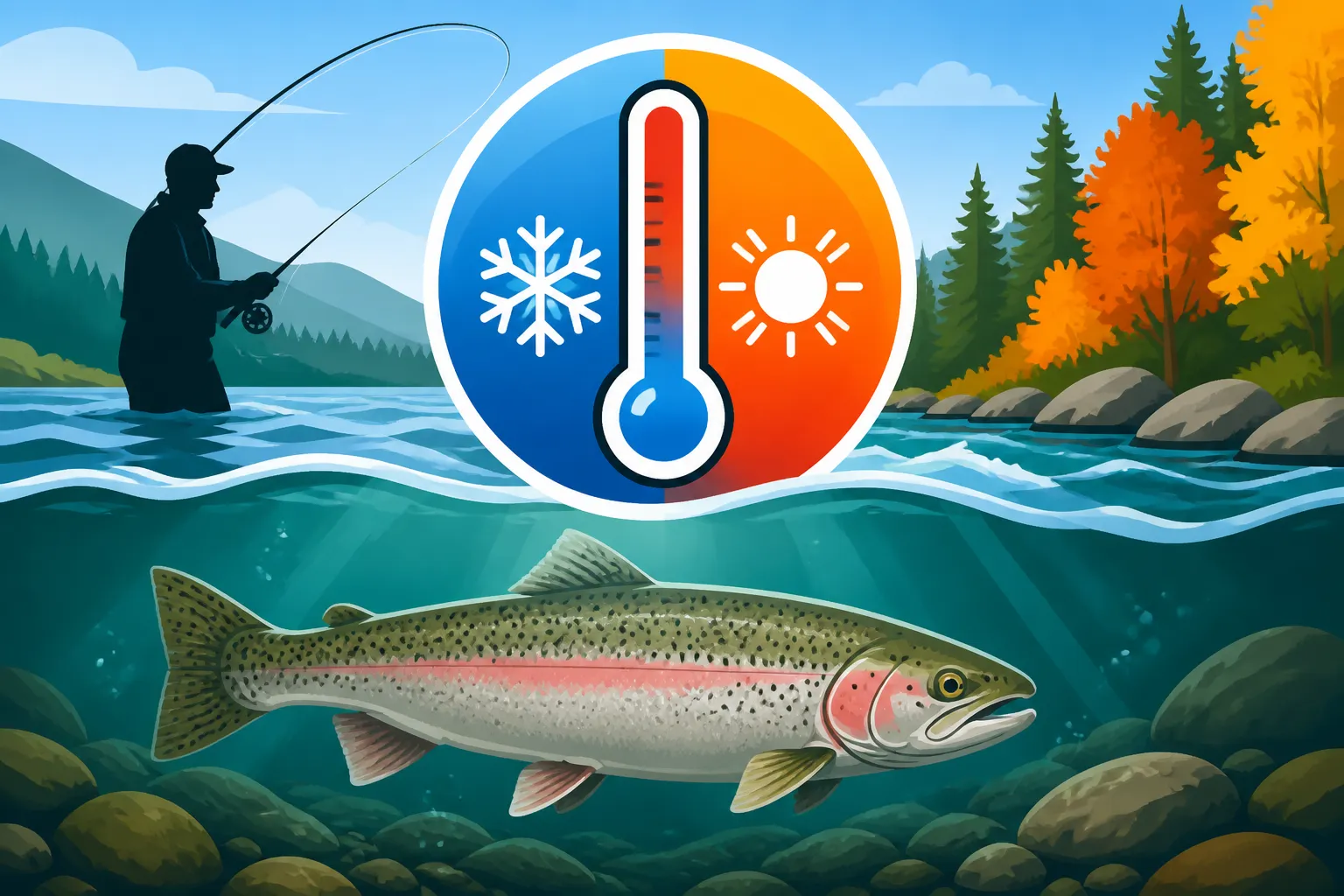
When it comes to steelhead fishing in New York, understanding water temperature isn't just a nicety; it's a non-negotiable part of becoming a consistently successful angler. These migratory rainbow trout are incredibly sensitive to changes in their environment, and temperature is arguably the biggest trigger for their movements, feeding, and overall activity levels.
Why Steelhead Are Temperature-Sensitive
Think of steelhead as living thermometers. Their cold-blooded nature means their body temperature directly mirrors the water around them. Unlike warm-blooded creatures that can regulate their internal temperature, a steelhead's metabolism, energy levels, and even their immune system are inextricably linked to the surrounding water. If the water is too cold, they become sluggish, their digestion slows, and they expend more energy just to stay alive, making them less likely to chase a bait. If it's too warm, they can become stressed, lethargic, and struggle to find enough oxygen, especially in rivers with lower flow.
This sensitivity is particularly pronounced for Steelhead Trout in New York because they undertake long, arduous migrations from the Great Lakes into tributary rivers to spawn. These journeys require immense energy, and they time their runs precisely with water temperature cues. A sudden cold snap can halt a run in its tracks, while a gradual warming trend can kickstart it. Anglers who ignore this crucial factor are essentially fishing blind, hoping for a chance encounter rather than strategically targeting active fish.
How Temperature Influences Metabolism and Behavior
Water temperature dictates nearly every aspect of a steelhead's life cycle and daily routine. When the water is within their preferred range, steelhead are active, energetic, and feeding aggressively. Their metabolism is humming, allowing them to digest food efficiently and build up the energy reserves needed for spawning. This is when they're most likely to strike a fly, an egg sac, or a lure with gusto.
However, once temperatures swing outside that optimal zone, their behavior shifts dramatically. In colder water, their metabolism slows down, making them less hungry and less willing to exert energy. They'll often seek out deeper, slower pools where they can conserve energy. Their bites can become incredibly subtle, almost imperceptible. Conversely, in excessively warm water, typically above 60-65°F, steelhead become stressed, and their ability to absorb oxygen from the water decreases. They might retreat to colder thermal refuges, become disoriented, or even die if exposed to prolonged high temperatures. This is why knowing the current water temperature is so vital – it tells you what the fish are likely doing, and whether they're even in the mood to eat.
Identifying the Ideal Temperature Range for Steelhead
The "perfect" water temperature for steelhead isn't a single magic number, but rather a range where these fish are most comfortable, active, and willing to bite. Understanding this range is paramount for any angler hoping to intercept them during their migratory runs.
The Sweet Spot: 40-55°F
Generally speaking, the ultimate "sweet spot" for active steelhead in New York's tributaries, particularly those feeding Lake Ontario and Lake Erie, falls between 40°F and 55°F (approximately 4°C to 13°C). This is the temperature band where their metabolism is optimal, they feel secure, and they are most inclined to feed and stage for spawning.
- 40-45°F: In the lower end of this range, often during early fall or late spring, steelhead are definitely active. They might be a bit more subtle in their takes, and you might need to slow down your presentation, but they are absolutely catchable. This is a common temperature range during good Fall Steelhead Run Timing in New York.
- 45-50°F: This is arguably the prime feeding temperature. Steelhead are often aggressive, willing to chase, and their strikes can be solid. If you hit the river when the water is in this range, you're in for a treat, assuming other conditions are also favorable.
- 50-55°F: While still excellent, as you approach the upper end of this range, especially in late spring, steelhead might start focusing more on spawning activities than active feeding. However, post-spawn "dropbacks" can be incredibly hungry as they head back to the lake, and they'll feed hard in these temperatures to regain strength. This range is also key during Spring Steelhead Run Timing in New York.
Anglers using methods like drifting egg sacs or fly fishing with nymphs will find fish responsive in these ranges. The fish are less sluggish and more likely to move to intercept a presentation.
Understanding the Extremes: Too Cold and Too Warm
Just as there's a sweet spot, there are also temperature zones that spell trouble for steelhead activity, or even their survival. Recognizing these extremes helps you manage your expectations and adjust your tactics, or even decide if it's worth fishing at all.
- Below 40°F: When water temperatures dip below 40°F, steelhead become notably lethargic. Their metabolism slows to a crawl, and they conserve energy by finding the slowest, deepest pools. They might still bite, but it will often be a soft, almost imperceptible take, and you'll need to present your bait or fly with extreme slowness, almost ticking it right off their nose. Think small presentations and minimal movement. This is when fishing techniques like slowly dragging egg sacs or small jigs can sometimes coax a bite. They're not actively feeding out of hunger as much as reacting to something bumping them or being an easy meal. This is a common scenario when you're How to Fish Cold Water in New York.
- Above 55°F: As temperatures climb past 55°F, steelhead activity can start to decline, particularly their willingness to feed aggressively. Once temperatures hit the low 60s, steelhead can become significantly stressed. They may seek out cooler pockets of water, often near cold spring seeps or deep pools. In these conditions, catch-and-release mortality can also increase dramatically. The oxygen content in warmer water is lower, making it harder for fish to recover from a fight. If you encounter water consistently in the mid-60s or higher, it's often best to put away your gear and wait for cooler conditions to protect the fish. Prolonged exposure to these temperatures can be fatal for steelhead.
Seasonal Temperature Shifts and Steelhead Activity in New York
New York is blessed with incredible steelhead fisheries, especially on the tributaries flowing into Lake Ontario and Lake Erie. The seasonal changes in water temperature are the primary drivers of when and where these magnificent fish can be found.
Fall Runs: Cooling Waters Bring Them In
The magic of the fall steelhead run in New York is intricately tied to the cooling waters of the Great Lakes and their tributaries. As summer fades and autumn arrives, air temperatures drop, causing the tributary rivers to cool faster than the vast expanse of the lakes. This temperature differential acts like a magnet, drawing steelhead, particularly the Washington Strain Steelhead, into the rivers.
Typically, the first pulses of fish will enter the rivers when tributary temperatures start consistently dropping into the low to mid-50s, usually by late September or early October. For example, on the famed New York's Salmon River Fishing Guide near Pulaski or Sandy Creek, these cooling trends signal to the fish that it's time to begin their journey upstream. As temperatures continue to fall into the 40s through October and November, more fish will stack up, often aggressively feeding on salmon eggs (from spawning Chinook and Coho salmon) and other forage. This is a prime time for using egg sacs or brightly colored flies. A sudden heavy rain can bring a surge of fresh, cooler water, triggering a new wave of fish to run, so staying informed on weather patterns and river conditions is crucial.
Winter Steelheading: The Chilly Grind
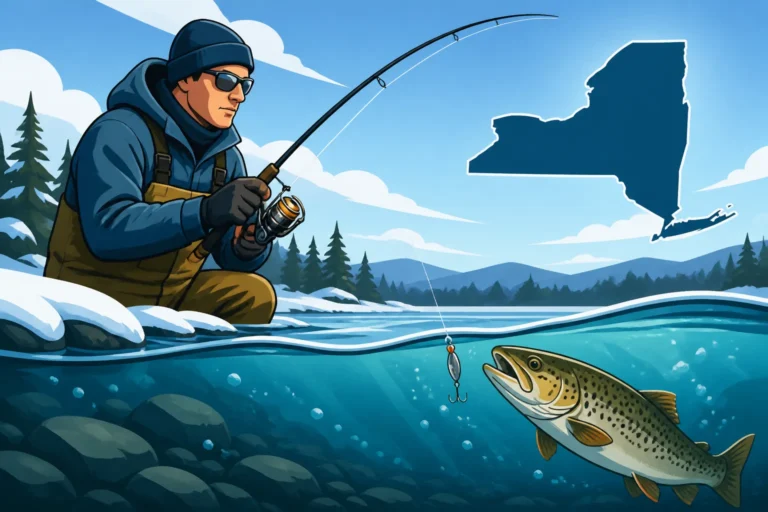
Winter steelhead fishing in New York is a test of patience, persistence, and proper temperature interpretation. Once the mercury truly plummets, and water temperatures in the rivers consistently sit in the low 40s or even upper 30s, steelhead behavior changes significantly. They transition from active feeding to energy conservation.
During the coldest months, from December through February, steelhead will often hold in the slowest, deepest pools, expending as little energy as possible. They aren't actively chasing food, but they can still be enticed by a perfectly presented, slow-moving bait. This is when techniques like dead-drifting small egg patterns, tiny jigs, or subtle stonefly nymphs become incredibly effective. The bites will be soft, often just a slight hesitation in your line or a subtle tick on your indicator. You really have to hone your senses and be hyper-aware. The key is to understand that while their metabolism is slow, they still need to feed occasionally, and they won't pass up an easy meal if it floats right into their strike zone. Ice cover on rivers or extreme cold snaps can shut down fishing entirely, so monitoring daily temperatures is vital for safety and success.
Spring Migration: Warming Trends Trigger Spawning
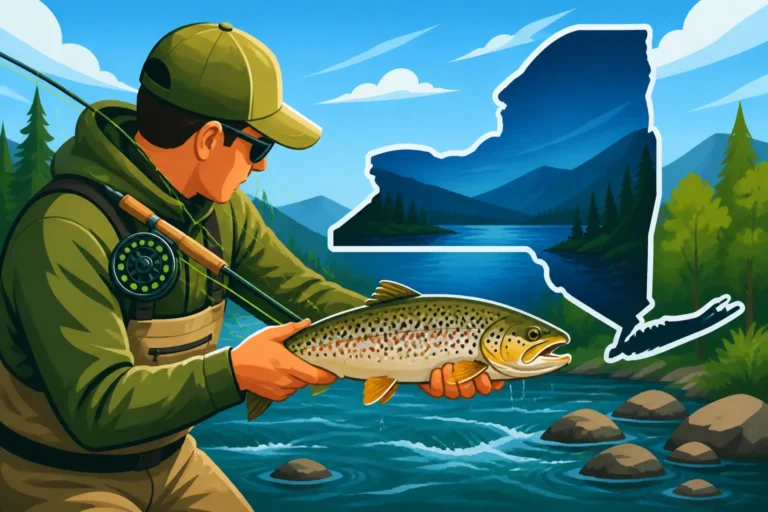
Spring breathes new life into New York's steelhead rivers. As the days lengthen and air temperatures rise, the rivers slowly begin to warm, typically from late March through May. This warming trend, pushing water temperatures back into the 40s and then 50s, is the primary trigger for the main spawning push.
Steelhead that overwintered in the rivers, along with fresh waves of "spring run" fish, will move onto gravel beds to spawn. Their focus shifts from feeding to reproduction, but they can still be incredibly aggressive, especially post-spawn fish that are "dropping back" to the lake. These dropbacks are often ravenous, having depleted massive amounts of energy during spawning, and will readily hit a variety of presentations as they gorge themselves before returning to the lake. Streamers, large egg patterns, and even aggressive lures can be very effective during this period. The warming water also means fish are more active and willing to move, making for exciting fights. Pay attention to sudden cold snaps, however, as they can temporarily stall a run, making fish sluggish again until the warming trend resumes.
Practical Tips for Measuring and Using Water Temperature
Knowing the ideal temperature range is one thing; actually measuring and applying that knowledge on the water is another. Modern angling offers several tools and strategies to help you stay ahead of the curve.
Essential Gear: Water Thermometers
You absolutely cannot guess water temperature. It's often vastly different from the air temperature, and subtle changes can have profound effects on fish activity. Investing in a good quality water thermometer is crucial.
There are several types available:
- Stem Thermometers: These are basic, inexpensive glass or metal thermometers that you simply dip into the water. They are accurate but require a few minutes to get a true reading. You can find reliable options on Amazon for under $20.
- Digital Thermometers: More advanced versions offer quick digital readouts, sometimes with features like holding the last temperature. Many outdoor and fishing brands offer these.
- Integrated Thermometers: Some high-end fish finders and depth sounders, particularly those designed for boat fishing, will have integrated water temperature sensors. If you're using a boat to fish larger river sections or near the lake mouth, this can be incredibly handy. Even if you're not in a boat, some portable fish finders (like those from Deeper or Humminbird, also available on Amazon) designed for shore or kayak use can provide accurate temperature readings.
When you're out on the river, make it a habit to check the water temperature at different times of the day and in different sections of the river. You'll be surprised how much it can vary from one pool to the next, or from morning to afternoon.
Reading the Water: Where to Measure
It’s not enough to just dip your thermometer anywhere. Where you take your reading significantly impacts its usefulness.
- Mid-Column Readings: Ideally, you want to measure the temperature a few feet below the surface, in the main flow where fish are likely to be holding or moving. Surface temperatures can fluctuate wildly due to sun exposure or cold air, and may not accurately reflect the temperature where the fish are.
- Checking Different Water Types: Take readings in various types of water. Check a fast riffle, a slow, deep pool, and a side channel. Fish will often gravitate to areas where the temperature is most comfortable for them. For instance, in colder conditions, deep pools tend to be more thermally stable and slightly warmer, offering refuge. In warmer conditions, fish might seek out faster, oxygenated water or areas with cold spring inputs.
- After Significant Weather Events: Always re-check the temperature after a major rain event, a sudden snowmelt, or a prolonged cold snap. These events can drastically alter river temperatures and trigger or halt fish movement. For instance, a big rain can bring in a flush of colder water from the watershed, sometimes shutting down a bite temporarily or, conversely, bringing in new fish.
Adjusting Your Approach Based on Temperature
Once you have an accurate temperature reading, you can then strategically adapt your fishing techniques. This is where the real art of steelhead fishing comes in.
- In the Sweet Spot (40-55°F): This is prime time. Fish are generally active and aggressive. You can often get away with a wider range of presentations. Experiment with brighter colors like chartreuse or orange egg sacs, or more active retrieve patterns with flies or small lures. Don't be afraid to cover water, as fish are likely to be spread out and willing to move for a meal. This is also when techniques like How to Drift Fish for Steelhead become particularly effective, allowing your bait to cover ground naturally.
- In Cold Water (Below 40°F): Slow down, really slow down. Fish are lethargic and conserving energy. They won't chase. Focus on presenting your bait or fly directly into their likely holding areas: deep, slow pools, behind large rocks, or in seams out of the main current. Use smaller, more subtle presentations like a single salmon egg, a tiny nymph, or a small jig. Ensure your offering is drifting at the exact speed of the current, almost rubbing their nose. Try techniques like using an extremely light split shot to ensure your bait stays in the strike zone for as long as possible. Sometimes, a tiny bit of scent can make a difference in coaxing a reluctant bite. You might also want to review resources on How to Fish Egg Sacs for Steelhead for optimal presentation in colder water.
- In Warm Water (Above 55°F): As mentioned, be cautious. If the water is approaching 60°F, consider fishing early mornings or late evenings when temperatures are coolest, or target different species. If you do fish, focus on areas with cooler water inputs, deeper oxygenated holes, or faster water. Fight fish quickly and release them gently, taking extra care to minimize their stress. Avoid prolonged handling and ensure they swim away strong. If temperatures consistently reach the mid-60s, it's often best to switch to a different fishery or simply wait for cooler weather to preserve these magnificent fish.
By incorporating water temperature into your steelhead fishing strategy, you're not just fishing; you're actively hunting, using data and understanding fish behavior to make informed decisions. This scientific approach, combined with your intuition and experience, will undoubtedly lead to more successful and rewarding days on the water.
Disclaimer
Fishing regulations, seasons, and recommended practices can change. Always consult the latest New York State Department of Environmental Conservation (NYS DEC) regulations before heading out on the water. This guide is for informational purposes only and does not supersede official government regulations.