Fishing New York’s Finger Lakes: A Complete Guide
For anglers in New York, the Finger Lakes region presents a truly unique, yet often overwhelming, challenge. With eleven long, deep, and distinct bodies of water, it's easy to feel lost trying to figure out where to cast your line, what fish you might find, and what techniques actually work. This comprehensive guide is here to untangle that complexity, offering a realistic, in-depth look at how to successfully fish these incredible upstate New York gems, helping you plan your next memorable outing with confidence.
Understanding the Finger Lakes Region for Anglers
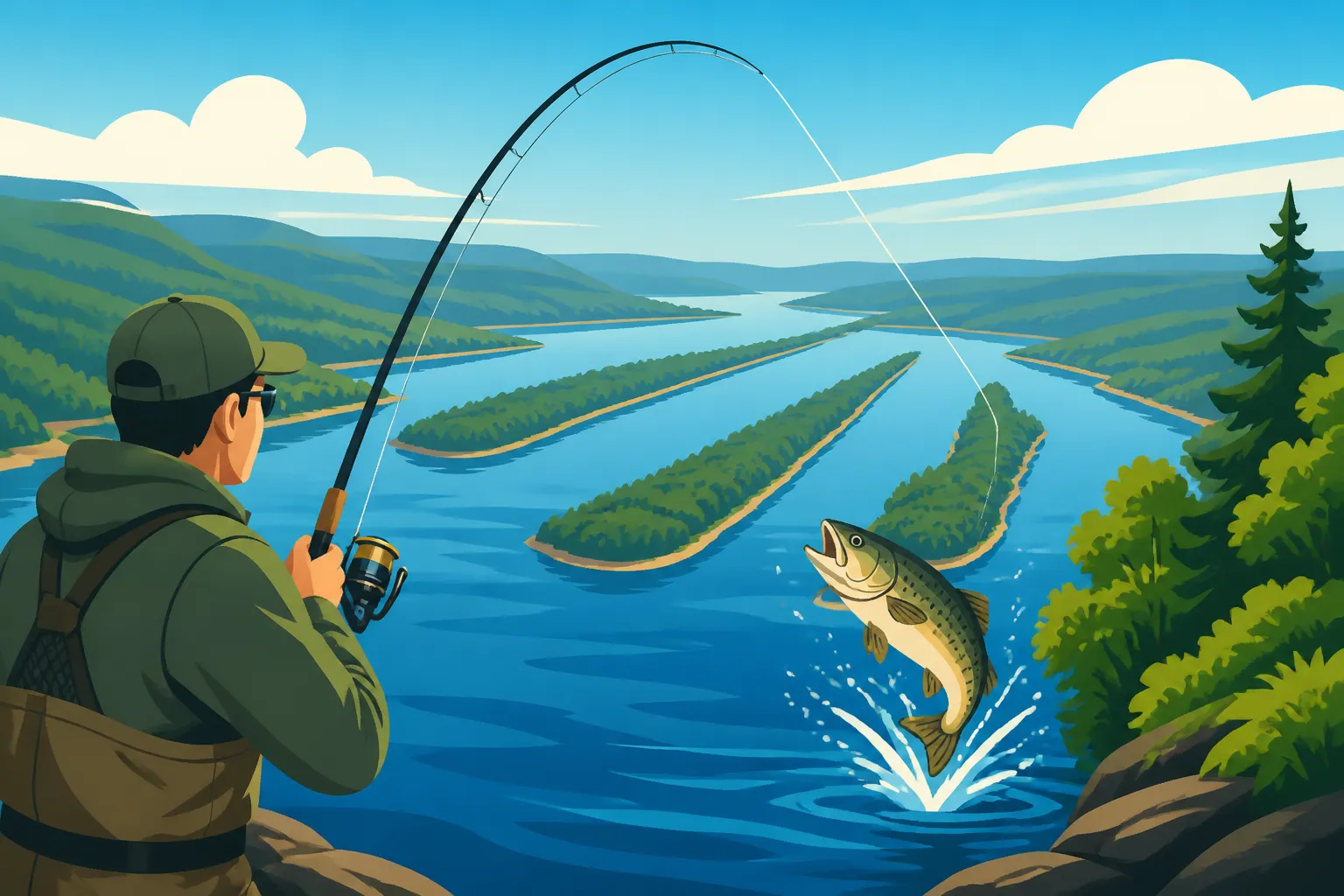
The Finger Lakes are a geographical marvel, a series of eleven narrow, roughly north-to-south oriented lakes carved by glaciers, stretching across the heart of upstate New York. From the bustling shores of Cayuga and Seneca to the more serene, almost tucked-away waters of Hemlock and Canadice, each lake possesses its own distinct personality, influencing the species that thrive there and the best ways to approach them with a rod and reel. Their sheer size and varying depths mean that what works on one lake might not be the best strategy for another just a few miles down the road.
A Geographic Overview
These lakes vary dramatically in size and depth, which directly impacts their ecosystems and, by extension, the fishing opportunities. Seneca Lake, for instance, is the deepest of them all, plunging to over 600 feet in places, making it a prime habitat for coldwater species like lake trout and Atlantic salmon. Cayuga Lake, though slightly less deep, is the longest, stretching over 38 miles and offering a vast expanse for both cold and warmwater species. The smaller, shallower lakes like Honeoye or Conesus, on the other hand, are warmer and thus better suited for bass, pike, and panfish. Understanding these fundamental differences is the first step to becoming a successful Finger Lakes angler.
This geological legacy of glacial carving has created deep, clear waters in most of the major lakes, which can make fishing a bit more challenging than shallower, murkier impoundments. Fish often suspend at specific depths, reacting to temperature changes, baitfish movements, and light penetration. The steep drop-offs and complex underwater structures, a direct result of their formation, provide ample cover and feeding grounds but also demand specific techniques and a good understanding of sonar technology to truly unlock their potential. It's a landscape that rewards preparation and persistence.
Why the Finger Lakes are a Fishing Paradise
Despite their challenges, the Finger Lakes are undeniably a fishing paradise, drawing anglers from all over the Northeast and beyond. The primary reason is the incredible diversity of fish species available. Whether you're a dedicated fly-fisherman chasing wild brook trout in a tributary, a trophy hunter after giant lake trout or muskie, or a family looking to catch a bucket full of panfish, there's a lake and a species for you. This variety ensures that no matter your preference or skill level, you'll find something to get excited about.
Beyond the sheer number of species, the natural beauty of the region itself adds immeasurably to the angling experience. Rolling hills covered in vineyards, picturesque small towns dotting the shorelines, and vibrant fall foliage create a stunning backdrop for any fishing trip. It’s not just about the catch; it’s about the entire outdoor adventure. Furthermore, many of these lakes are relatively well-maintained and offer public access points, boat launches, and even dedicated fishing piers, making them accessible to a wide range of anglers. For a detailed look at the aquatic residents, you might want to check out our guide on Fish Species You Can Catch in New York.
Key Fish Species Found in the Finger Lakes
The Finger Lakes are truly a mixed bag when it comes to fish populations, hosting both robust coldwater fisheries and thriving warmwater species. This dual nature means that anglers can pursue different targets throughout the year, adapting their strategies to the season and the specific lake they're fishing. It's this biological richness that makes the region so compelling and keeps anglers coming back season after season.
Coldwater Favorites
The deep, cool waters of the larger Finger Lakes are ideal for a variety of coldwater species, many of which were introduced or are sustained by robust stocking programs by the New York State Department of Environmental Conservation (DEC). These fish often require specialized techniques, like deep trolling or ice fishing in the winter, but the reward of a powerful fight and a beautiful catch is well worth the effort. They represent some of the most sought-after game fish in the state.
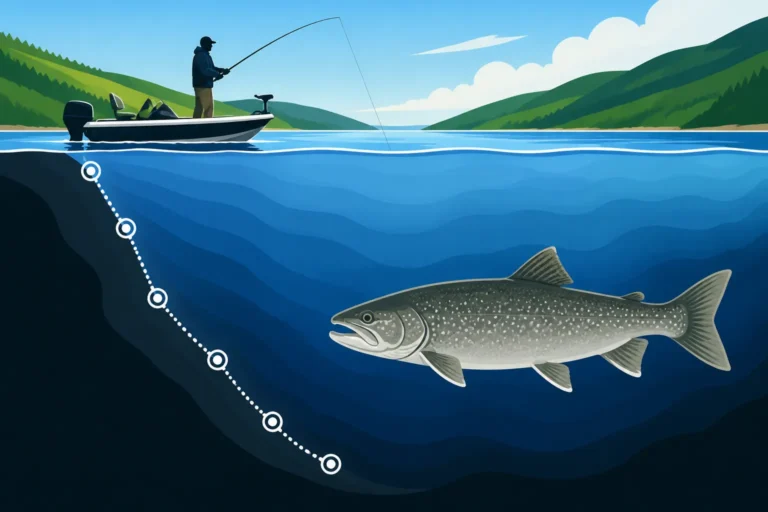
Lake Trout (Salvelinus namaycush): These native coldwater predators are the undisputed kings of the deeper Finger Lakes, especially Seneca, Cayuga, and Keuka. They can grow to impressive sizes, with individuals over 20 pounds not uncommon. Lake trout spend most of their lives in the frigid depths, often targeting schools of alewives or other baitfish. Anglers typically pursue them by trolling deep with downriggers, using large spoons, stickbaits, or even live bait. Winter offers excellent ice fishing opportunities for lakers, often found suspended over deep water. To learn more about targeting these fascinating fish, refer to our How to Trout Fish in New York guide.
Landlocked Atlantic Salmon (Salmo salar): While not native to the region, these magnificent fish have been successfully introduced into several Finger Lakes, notably Cayuga and Seneca, offering an incredible sport fishery. Landlocked salmon are known for their acrobatic fights and brilliant silver flanks. They feed primarily on alewives and smelt and can be targeted through trolling with spoons or stickbaits, often shallower than lake trout during certain times of the year, particularly in spring and fall. The Seneca Lake fishery for landlocked salmon is particularly strong, providing a unique experience for anglers.
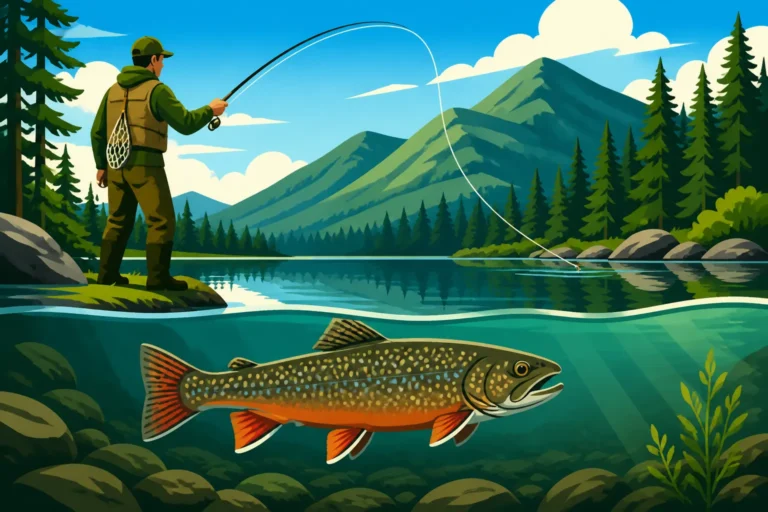
Brown Trout (Salmo trutta): Often found in the slightly shallower, cooler sections of the larger lakes and their tributaries, brown trout are prized for their wary nature and strong fighting ability. Stocked extensively by the DEC, they provide excellent opportunities for both trolling in the lakes and stream fishing during their spawning runs. Many Finger Lakes tributaries receive significant brown trout stockings, creating fantastic spring and fall runs for fly and spin anglers alike. Early spring trolling with small spoons or stickbaits near structure or tributary mouths can be very productive.
Rainbow Trout (Oncorhynchus mykiss): Also heavily stocked, rainbow trout are another coldwater favorite, known for their beautiful colors and spirited fights. They thrive in many of the same environments as brown trout, often making their way into the lakes from stocked tributaries. Like brown trout, they offer diverse fishing opportunities, from trolling in the open water to casting in tributary streams during spawning migrations. Some of the best action for rainbows can be found in the spring as they migrate up feeder streams, making for exciting sight-fishing.
Warmwater Wonders
While the deep lakes grab headlines for their trout and salmon, many of the Finger Lakes, especially the shallower ones or the bays and coves of the larger lakes, offer fantastic warmwater fishing. These species provide year-round action and are often more accessible to casual anglers or those fishing from shore.
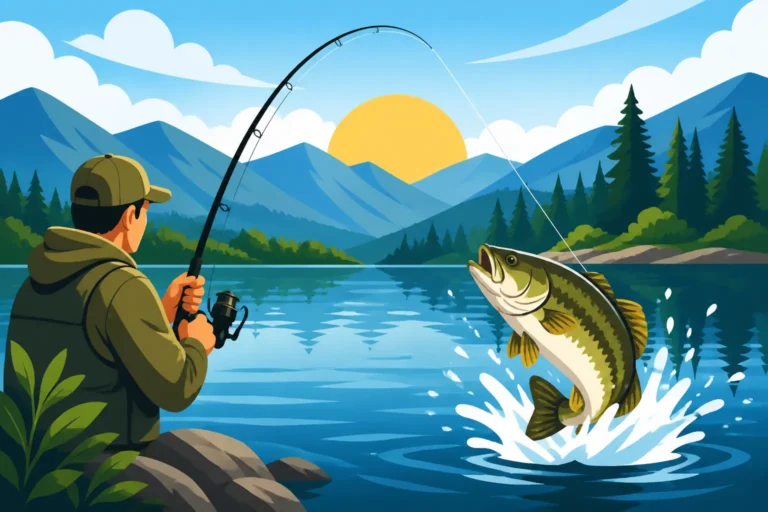
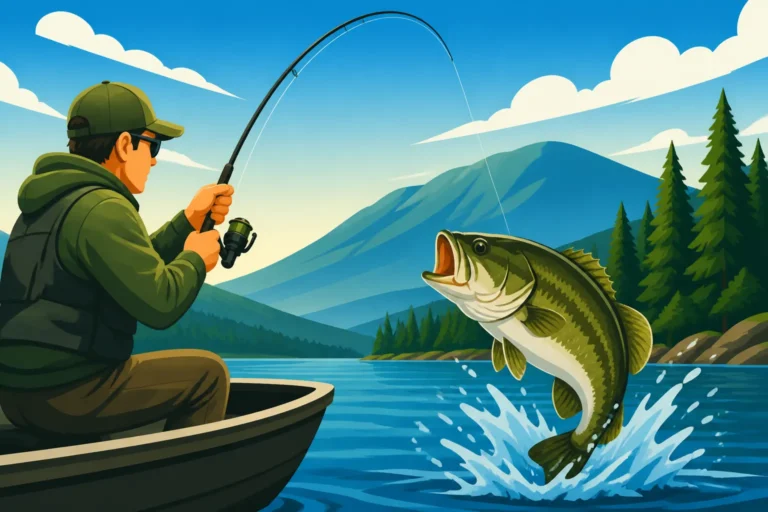
Largemouth Bass (Micropterus salmoides): Found throughout the Finger Lakes, largemouth bass prefer the warmer, weedier shallows, bays, and coves. Lakes like Oneida (though not technically a Finger Lake, it's often grouped geographically), Honeoye, and the shallower sections of Cayuga and Canandaigua are prime largemouth habitat. They are aggressive feeders and can be caught using a variety of techniques, from topwater lures in the early morning and evening to soft plastics and jigs pitched into heavy cover during the day. Bass fishing really heats up from late spring through early fall.
Smallmouth Bass (Micropterus dolomieu): If largemouth are the kings of the weeds, smallmouth are the champions of rocky points, ledges, and deeper clear water. They are abundant in almost all the Finger Lakes and are renowned for their incredible fighting power and aerial acrobatics. Smallmouth bass readily strike crankbaits, tube jigs, drop-shot rigs, and even topwater presentations. They can be found in deeper water during the heat of summer but move shallower to feed during spring and fall. For an in-depth guide on fishing for smallmouth in rivers (which often applies to rocky lake shores too), consider reading How to Fish for Smallmouth Bass in Rivers.
Walleye (Sander vitreus): Though not as widespread as in some other regions of New York (like Lake Erie or Oneida Lake), walleye have a strong presence in some Finger Lakes, particularly Oneida Lake (again, honorary mention), Canandaigua, and Owasco. They are highly prized for their delicious table fare and challenging nature. Walleye are light-sensitive ambush predators, often found near deeper structure, humps, or points. They are best targeted at dawn, dusk, or at night using jigs, crankbaits, or by slow-trolling with worm harnesses. Ice fishing for walleye can also be incredibly productive.
Panfish (Perch, Bluegill, Crappie): Don't overlook the panfish! Yellow perch, bluegill, and various sunfish species are abundant in virtually all the Finger Lakes and their connecting waters. They are excellent targets for beginners and families, providing consistent action and often making for a tasty meal. They can be caught year-round, often in shallower water near docks, weed beds, or submerged structure, using simple bait like worms, minnows, or small jigs. Crappie often school up around brush piles or submerged trees, especially in spring and fall.
Navigating the Major Finger Lakes for Anglers
Each of the major Finger Lakes offers a unique angling experience, shaped by its size, depth, and specific habitat features. Understanding these individual characteristics is crucial for planning a successful trip. You wouldn't approach Seneca Lake the same way you would a smaller, shallower body of water, and knowing the nuances can save you a lot of time and effort on the water.
Cayuga Lake: Deep Waters and Diverse Opportunities
As the longest of the Finger Lakes, Cayuga Lake stretches over 38 miles and reaches depths of more than 430 feet, creating a diverse fishery. Its northern end is shallower and marshier, providing excellent habitat for largemouth bass, northern pike, and a variety of panfish. As you move south, the lake deepens, becoming prime territory for coldwater species.
For coldwater enthusiasts, Cayuga is a major destination for lake trout and landlocked Atlantic salmon. Trolling with downriggers at depths ranging from 60 to 150 feet is a popular and effective method, especially during the warmer months when these fish descend to cooler waters. Anglers often use flashy spoons like Suttons, Northern King, or Michigan Stinger, or various stickbaits. The presence of abundant alewives, a key forage base, keeps these predators healthy and aggressive. In spring and fall, the lake trout and salmon might be found shallower, chasing baitfish closer to the surface or near tributary mouths. For those targeting salmon specifically, a great starting point would be our detailed guide on How to Fish for Salmon in New York.
Warmwater fishing also shines on Cayuga, particularly in its northern end and shallower bays like Myers Point or Taughannock Creek mouth. Here, largemouth bass can be found amidst weed beds and lily pads, responding well to topwater frogs, plastic worms, and spinnerbaits. Smallmouth bass patrol the rocky shorelines and points throughout the lake, eager to hit tube jigs, grubs, or small crankbaits. The sheer size of Cayuga means there's always a new section to explore, and local knowledge or a good chart plotter can be invaluable for finding productive spots.
Seneca Lake: The Deepest and Its Secrets
Seneca Lake is not just the deepest of the Finger Lakes but also one of the deepest freshwater lakes in the United States, plunging to over 600 feet. This extreme depth, combined with its large volume, allows it to hold a massive population of coldwater fish year-round, making it a premier destination for lake trout and landlocked Atlantic salmon. It also hosts brown trout and rainbow trout, particularly near its numerous feeder streams and stocked areas.
Lake trout fishing on Seneca is a serious affair, often requiring specialized gear like electric downriggers to reach the depths where these fish reside. Anglers commonly target them from 80 to 200 feet, or even deeper, depending on the season and baitfish location. Large spoons, flasher-fly combinations, and even cut bait or live minnows are effective. The annual National Lake Trout Derby, held on Seneca Lake, attests to the incredible lake trout fishery here. For those looking to dive deeper into Seneca-specific strategies, consult our New York's Seneca Lake Fishing Guide.
While known for its coldwater species, Seneca Lake also offers good opportunities for smallmouth bass along its rocky points and shoals, especially in the spring and fall. Perch and other panfish can be found closer to shore, particularly around docks and submerged structure. The sheer size and depth of Seneca mean that conditions can change rapidly, and understanding prevailing winds and thermoclines is key to success. Boat anglers dominate the fishing here, though some shore access is available, especially around the towns of Geneva and Watkins Glen.
Keuka Lake: The Y-Shaped Gem
Keuka Lake stands out with its distinctive "Y" shape, splitting into two branches. This unique geography creates a diverse array of habitats, despite it being smaller and slightly shallower than Seneca or Cayuga. Keuka is another fantastic coldwater fishery, boasting excellent populations of lake trout, brown trout, and landlocked Atlantic salmon. The two branches also offer varied depths and structures for different species.
Lake trout and salmon fishing mirror that of Seneca and Cayuga, with deep trolling being the primary method. However, Keuka's narrower branches can sometimes make it easier to locate fish concentrated in certain areas, especially during cooler water periods when they might be found shallower than their counterparts in the larger lakes. Spring and fall are prime times to troll for brown trout and salmon near tributary mouths and along the ledges, often with smaller spoons and stickbaits that imitate baitfish.
Keuka also offers a robust warmwater fishery, particularly for smallmouth bass. Its numerous rocky points, ledges, and transition areas between deep and shallow water are perfect smallmouth habitat. Anglers targeting smallmouth will find success with tube jigs, drop shots, and small crankbaits, especially around the steeper drop-offs. The lake's clear waters often mean a subtle presentation can be more effective. For more targeted advice on this unique lake, check out our New York's Keuka Lake Fishing Guide.
Canandaigua Lake: Scenic Beauty and Productive Waters
Known as the "Chosen Place" by Native Americans, Canandaigua Lake is revered for its stunning natural beauty and high water quality. It's another deep, oligotrophic (nutrient-poor) lake, making it an excellent coldwater fishery. Canandaigua holds healthy populations of lake trout, brown trout, and rainbow trout, with stocking programs regularly bolstering these populations. It also has a growing reputation for walleye.
Lake trout fishing here is consistent, with trolling spoons and stickbaits at varying depths being the most common method. The lake's clear waters mean that lure color and presentation can be critical. Brown trout often cruise the shallower fringes, particularly during low light conditions or in cooler weather, providing exciting opportunities for trolling or casting from shore near public access points. Rainbow trout runs in tributaries during spring can be very productive.
What sets Canandaigua apart for some is its solid walleye fishery. While not as famous as Oneida, walleye here can grow to impressive sizes. They are typically found near deeper structure, humps, and points, and are often targeted at night or during low light with jigs, worm harnesses, or crankbaits. For bass anglers, smallmouth bass thrive along the lake's rocky shores and drop-offs, especially around Squaw Island and other prominent features. The balance of cold and warmwater species makes Canandaigua a versatile fishing destination.
Owasco, Skaneateles, and Otisco Lakes: Hidden Treasures
While perhaps not as widely known as the "big three," these slightly smaller Finger Lakes offer fantastic, often less pressured, fishing experiences. They are each distinct and provide excellent opportunities for both cold and warmwater species, appealing to a variety of anglers.
Owasco Lake: Owasco is a moderately deep lake, reaching over 170 feet, and offers a good mix of species. It's known for its strong populations of lake trout and brown trout, which are effectively targeted by trolling. However, Owasco also boasts an excellent walleye fishery, with many anglers specifically seeking them out during low light conditions. The shallower north end of the lake provides good largemouth bass and northern pike habitat, while smallmouth bass patrol the deeper rocky areas.
Skaneateles Lake: Renowned for its exceptional water quality (it's unfiltered drinking water for Syracuse!), Skaneateles Lake is primarily a coldwater fishery. It's home to some truly massive lake trout, as well as good numbers of landlocked Atlantic salmon and rainbow trout. Due to its clarity and depth, fishing here can be challenging but incredibly rewarding. Trolling with light tackle and subtle presentations is often key. Shore fishing opportunities are somewhat limited due to extensive private property, but public access points exist.
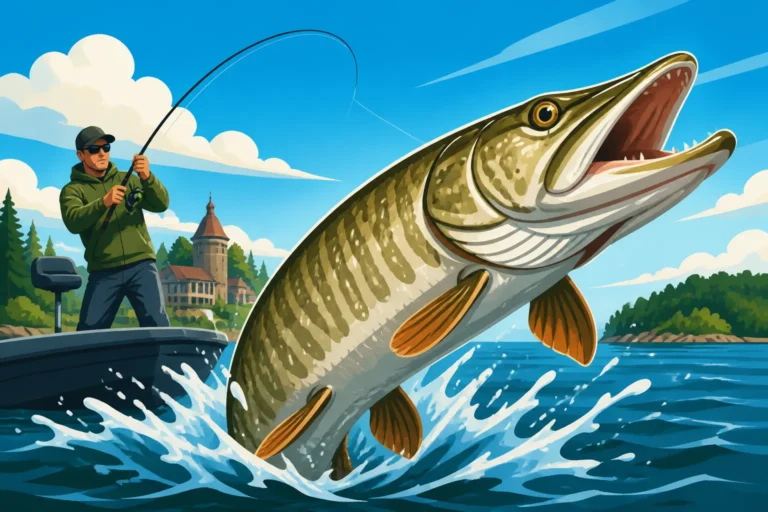
Otisco Lake: The smallest and easternmost of the major Finger Lakes, Otisco is a warmer, shallower lake (max depth around 40 feet) that truly shines as a warmwater fishery. It's famous for its excellent populations of largemouth bass, tiger muskellunge (a sterile hybrid of northern pike and muskellunge), and walleye. Otisco also has good numbers of crappie and other panfish. Due to its size and abundant weed growth, it's a fantastic lake for targeting bass with topwater lures and spinnerbaits, and for casting large bucktails for tiger muskie. It's often less intimidating for smaller boats and offers a different kind of Finger Lakes experience.
Essential Fishing Techniques for the Finger Lakes
Mastering the Finger Lakes means understanding the techniques specific to their unique underwater environments and the species that inhabit them. It's not just about casting a line; it's about precision, adaptation, and often, patience. From the deep-water pursuit of lake trout to the shallow-water hunt for bass, each method has its nuances that can make all the difference between a slow day and a successful one.
Trolling for Lake Trout and Salmon
Trolling is undeniably the most effective and popular method for targeting the deep-dwelling lake trout and landlocked Atlantic salmon in the larger Finger Lakes. These fish spend most of their lives in the cold, dark depths, making surface presentations largely ineffective for consistent success. The key to successful trolling lies in accurately presenting your lures at the correct depth, where the fish are actively feeding.
Downriggers: These are essential pieces of equipment for deep-water trolling. A downrigger uses a heavy cannonball to carry your fishing line (which is attached to a release clip) to a predetermined depth. When a fish strikes, the line pops free from the clip, allowing you to fight the fish directly without the weight of the cannonball. Modern downriggers often have digital readouts for depth and can be incredibly precise. The ability to precisely control your depth is paramount because lake trout and salmon often congregate in very specific temperature bands or around schools of baitfish at certain depths. You might be targeting fish at 80 feet one day and 120 feet the next, so flexibility is key.
Spoons and Stickbaits: A wide array of artificial lures is effective for trolling. Thin, flashy trolling spoons that flutter and dart, mimicking distressed baitfish like alewives or smelt, are a top choice. Brands like Suttons, Northern King, Dreamweaver, and Michigan Stinger are popular. Color patterns often vary depending on water clarity and light conditions, but combinations of silver, blue, green, and chartreuse are frequently productive. Stickbaits, especially those designed for deep diving or used with lead core line, can also be very effective, particularly for salmon and brown trout that might be found slightly shallower. Experimenting with different lure sizes, colors, and speeds is crucial, as fish preferences can change daily.
Lead Core and Copper Line: For anglers without downriggers, or as an additional presentation, lead core and copper lines are excellent alternatives for reaching moderate to significant depths. These specialized lines are weighted, allowing your lure to sink without additional weight directly on the leader. Lead core line is segmented by color, with each color typically representing about 5-7 feet of depth at a certain trolling speed. Copper line is even heavier and can reach greater depths. While less precise than downriggers, they offer a stealthier presentation and can be very effective, especially for fish that are wary of the downrigger cables. To further refine your technique for specific conditions, you may want to consult our guide on Trolling Techniques for New York's Lakes.
Bass Fishing Strategies
Bass fishing in the Finger Lakes offers a complete contrast to deep-water trolling, often focusing on shallow to moderate depths, structure, and vegetation. Both largemouth and smallmouth bass are abundant, and adapting your strategy to their preferred habitats is key.
Jigging and Drop-Shotting: For smallmouth bass, especially those relating to rocky points, humps, and submerged ledges, jigging and drop-shotting are incredibly effective. Tube jigs, grubs, and finesse worms rigged on a drop-shot rig allow you to present bait directly in the strike zone near structure. The drop-shot rig, in particular, keeps your bait suspended above the bottom, making it highly visible to smallmouth patrolling rocky underwater terrains. Slow, subtle movements are often all it takes to entice a strike from these hard-fighting fish.
Topwater and Crankbaits: Largemouth bass, especially in the shallower, weedier bays of lakes like Otisco, Owasco, or the northern end of Cayuga, absolutely crush topwater lures during low-light conditions. Frogs, poppers, and walking baits thrown over lily pads or dense weed beds can trigger explosive strikes that are incredibly exciting. During the day, or when fish are slightly deeper, crankbaits that mimic baitfish or crawfish are excellent choices. Shallow-diving cranks for weed lines, and medium to deep-diving cranks for targeting ledges and drop-offs, can be very productive for both largemouth and smallmouth.
Flipping and Pitching: When bass bury themselves deep in heavy cover like thick weed mats, fallen trees, or dock pilings, flipping and pitching become indispensable techniques. This involves using heavy line, stout rods, and weedless jigs or soft plastics to drop your bait into tight, inaccessible spots where bass hide. It's a precise, close-quarters combat style of fishing that requires accuracy and quick reflexes but can produce some of the biggest largemouth in the lakes.
Ice Fishing Adventures
When the Finger Lakes freeze over, a whole new world of angling opportunities emerges. Ice fishing is extremely popular on many of the shallower lakes and in the bays of larger ones, offering a chance to target a wide array of species, often in relative comfort with modern ice shanties and heaters. However, always prioritize safety and check ice thickness before venturing out. For a detailed safety and technique guide, our Ice Fishing in New York: A Complete Guide is an invaluable resource.
Walleye through the Ice: Some Finger Lakes, notably Owasco and Canandaigua, offer excellent ice fishing for walleye. These fish are often found near deeper structure, reefs, or points, especially around dawn, dusk, or at night. Jigging spoons tipped with minnow heads or small minnow-imitating lures are popular choices. Tip-ups, baited with live minnows, are also highly effective, allowing you to cover more ground and present a more natural offering. The bite can be subtle, so paying close attention to your electronics and tip-up flags is essential.
Perch and Panfish: For consistent action and family-friendly fun, targeting yellow perch, bluegill, and crappie through the ice is hard to beat. These schooling fish are found in shallower bays and weed lines, often congregating in large numbers. Small jigs tipped with wax worms, spikes, or small minnows are incredibly effective. A sensitive ultra-light rod can make even a small perch feel like a trophy. Portable sonar units (fish finders) are invaluable for locating schools of fish and monitoring their activity directly beneath your hole.
Trout through the Ice: While less common than for walleye or panfish, ice fishing for lake trout and even brown trout is possible on the deeper Finger Lakes. Lake trout can be found suspended over deep water, often requiring larger jigs or spoons tipped with bait, actively worked to attract their attention. Brown trout might cruise shallower shelves, especially early and late in the ice season. This often involves a mix of active jigging and passive tip-up fishing, covering different depths and areas.
Best Times to Fish the Finger Lakes
Understanding the seasonal patterns and daily rhythms of the Finger Lakes is paramount to consistent fishing success. Fish behavior is heavily dictated by water temperature, light conditions, and spawning cycles. Being in the right place at the right time with the right presentation can dramatically improve your chances of a memorable catch.
Seasonal Breakdown
Each season in the Finger Lakes brings its own unique set of opportunities and challenges for anglers. The drastic temperature swings from winter to summer reshape the aquatic environment and influence where fish are found and what they’re willing to bite. Adapting your approach with the changing seasons is a hallmark of a seasoned Finger Lakes angler.
Spring (April – May): Spring is a season of transition and often explosive fishing action. As ice recedes and water temperatures slowly begin to climb, many fish become more active after a long winter. Trout and salmon, especially brown trout and rainbow trout, can be found shallower than any other time of year, often congregating near tributary mouths as they stage for or return from spawning runs. This is an excellent time for trolling spoons and stickbaits closer to the surface or casting in the lower reaches of rivers. Bass fishing also picks up as largemouth move into warming shallow bays and smallmouth begin to stage for their spawn around rocky points. Walleye become more active in pre-spawn areas. The Finger Lakes' New York Fishing Season Dates and Catch Limits are vital to review for opening days and species-specific regulations.
Summer (June – August): Summer brings stable, warmer temperatures, which drive coldwater species deeper into the thermocline. Lake trout and landlocked salmon will be found in the coldest, deepest parts of the lakes, requiring downriggers and deep-water trolling techniques. While challenging, this is when some of the biggest lake trout are caught. Warmwater species, however, are in their prime. Largemouth and smallmouth bass are highly active, feeding aggressively in shallow cover (early and late in the day) and deeper structures during midday. Topwater action is fantastic, and jigging for smallmouth on deep points can be very productive. Panfish are also abundant and easily accessible for family fishing trips near docks and weed beds.
Fall (September – November): Fall is often considered by many to be the absolute best time to fish the Finger Lakes. As water temperatures begin to drop, coldwater species become incredibly active. Lake trout and salmon move shallower, chasing baitfish that are pushed to the surface or into bays by cooler temperatures. Brown trout and rainbow trout make their legendary runs up tributaries for spawning, creating world-class stream fishing opportunities. Bass fishing remains strong as they feed heavily in preparation for winter. Walleye also enter a feeding frenzy. The changing foliage and crisp air make for an incredibly picturesque and productive fishing experience. It's truly a prime season to target trophy fish across multiple species.
Winter (December – March): Once the lakes freeze over, winter transforms the Finger Lakes into an ice angler's paradise, at least on the safe, shallower bodies of water. While deep-water trolling stops, ice fishing allows access to fish in ways not possible from a boat. Walleye, yellow perch, crappie, and even lake trout can be caught through the ice. Walleye are often caught during low light, while perch and panfish provide consistent daytime action. Always exercise extreme caution when ice fishing, ensuring the ice is thick enough and stable. For a comprehensive overview of winter fishing, including safety tips, our guide on New York Ice Fishing Rules is an essential read.
Daily Considerations
Beyond the seasons, daily factors like time of day, weather, and barometric pressure play a huge role in fish activity. Successful anglers pay close attention to these nuances.
Time of Day: For most species, low-light conditions are often the most productive. Dawn and dusk are prime times for predatory fish like bass, walleye, and even trout and salmon, as they move into shallower water to feed or become more active. Midday sun often drives fish deeper or into heavy cover, making them harder to entice. However, deep-water lake trout can be caught throughout the day with proper presentation, and panfish are often active during daylight hours, making them excellent targets for family outings.
Weather Impacts: Weather patterns significantly influence fish behavior. Cold fronts typically shut down active feeding, making fish lethargic and less willing to strike. Warm fronts can stimulate activity. Overcast days can extend productive feeding periods for many species, as the reduced light allows them to feel safer in shallower water. Wind can also be a factor, creating current and oxygenating water, which can sometimes turn on a bite, but also making boat control challenging.
Barometric Pressure: Experienced anglers often pay attention to barometric pressure. A steady or rising barometer is generally associated with stable weather and active fish, while a falling barometer (often signaling an approaching storm) can trigger a feeding spree before the front hits, followed by a noticeable slowdown once the pressure stabilizes after the storm.
Gear and Equipment Recommendations
Approaching the Finger Lakes without the right gear is like trying to climb a mountain in flip-flops—you might get somewhere, but it won't be easy or efficient. Given the diverse species and techniques involved, having a versatile setup or specialized tackle for your target species is essential.
Rods, Reels, and Lines for Different Species
Matching your tackle to your target species and fishing method is crucial for both effectiveness and enjoyment. A heavy trolling setup for lake trout is vastly different from a finesse rod for panfish.
Trolling Rods and Reels: For lake trout and salmon trolling, you'll want sturdy, medium-heavy to heavy action trolling rods, typically 7 to 9 feet long, capable of handling the stress of downriggers or heavy lines. Paired with line counter baitcasting reels spooled with 20-30 lb monofilament or braid, these setups allow you to precisely track your line out and absorb the powerful runs of large coldwater fish. The line counter is particularly important when deploying lead core or copper to replicate successful depths.
Bass Rods and Reels: Bass fishing often calls for a more diverse arsenal. For largemouth in heavy cover, a medium-heavy to heavy power, fast action casting rod (6'6" to 7'6") paired with a baitcasting reel spooled with 15-20 lb fluorocarbon or braid is ideal. For smallmouth on rocky structures, medium power, fast action spinning rods (6'6" to 7'0") with 6-10 lb fluorocarbon or braided line with a fluorocarbon leader are excellent for finesse techniques like drop-shotting or throwing tube jigs. Having a selection allows you to adapt to various presentations.
Panfish Rods and Reels: For yellow perch, bluegill, and crappie, ultralight spinning combos are the way to go. A light power, fast action spinning rod (5'6" to 6'6") paired with a small spinning reel spooled with 4-6 lb monofilament or light braid offers maximum sensitivity and fun with smaller fish. These setups also work well for lighter trout fishing in smaller streams.
Ice Fishing Gear: When the lakes freeze, specialized ice fishing gear takes over. Short, sensitive ice fishing rods (24-36 inches) paired with small spinning reels are used for jigging. For tip-up fishing, traditional wooden or plastic tip-ups with heavy braided line and a monofilament leader are standard for catching walleye and larger trout, allowing you to set multiple lines over a spread. An ice auger, either hand-powered, gas-powered, or electric, is obviously a critical piece of equipment to cut holes through the ice.
Essential Lures and Baits
The specific lures and baits you choose will depend heavily on your target species and the time of year. Having a well-stocked tackle box that covers a range of options is key.
Coldwater Lures: For lake trout and salmon, a selection of trolling spoons in various sizes and colors (e.g., silver/blue, silver/green, copper/orange), deep-diving stickbaits (e.g., Rapala Down Deep Husky Jerks, Bombers), and flasher-fly combinations are essential. Natural bait, particularly alewives or dead smelt, can also be highly effective when fished on special rigs or tipped on spoons.
Warmwater Lures: Bass anglers should carry a variety of soft plastics (worms, creature baits, tubes, senkos), jigs (flipping jigs, football jigs), crankbaits (shallow, medium, and deep diving), spinnerbaits, and topwater lures (frogs, poppers, walking baits). For walleye, bucktail jigs, blade baits, worm harnesses, and medium-diving crankbaits are staples.
Panfish Baits: Keep it simple for panfish: small jigs (1/32 oz to 1/16 oz) in various colors (chartreuse, pink, white) tipped with live bait like wax worms, spikes, minnows, or even Gulp! products are highly effective. A container of worms is always a good idea for bluegill and perch.
Regulations and Licensing for Finger Lakes Fishing
Navigating fishing regulations can sometimes feel like a puzzle, but it’s absolutely essential for ensuring a legal and sustainable fishing experience in the Finger Lakes. New York State has specific rules that apply statewide, as well as special regulations for certain waters or species. Always make sure you're up-to-date before heading out.
New York State Fishing License Requirements
First and foremost, almost every angler over the age of 16 needs a valid New York State fishing license to fish in the Finger Lakes. There are a few exceptions, such as during designated free fishing days or for specific properties, but generally, if you're casting a line, you need a license. This applies to both residents and non-residents, though the costs differ. Licenses can be purchased online through the New York State Department of Environmental Conservation (DEC) website, at town clerk offices, or at many sporting goods stores like Walmart or local bait and tackle shops.
The type of license you need depends on how long you plan to fish. Options typically include annual licenses, 7-day licenses, or 1-day licenses, which are great for short trips or visitors. There are also specific privileges for seniors, disabled anglers, and military veterans that might offer reduced costs or free licenses. It's not just about having the license; you must carry it with you while fishing, either a physical copy or a digital version on your phone. Ignoring this fundamental rule can lead to significant fines. For all the details on obtaining your permit, see our extensive New York Fishing License Guide.
Specific Finger Lakes Regulations and Advisories
While the statewide regulations provide a baseline, many of the Finger Lakes and their tributaries fall under "special regulations" that can modify general rules regarding season dates, minimum size limits, and daily creel (bag) limits for specific species. These special regulations are put in place to manage particular fisheries, protect spawning populations, or enhance certain angling experiences. For example, some lakes might have different regulations for lake trout than the statewide standard, or a specific tributary might have catch-and-release only rules during certain times.
It's critical to consult the most current New York State Freshwater Fishing Regulations Guide, published annually by the DEC. This guide provides a comprehensive list of all statewide and special regulations, including those for each of the Finger Lakes. You can often pick up a physical copy wherever licenses are sold, or access it digitally on the DEC website. Pay close attention to sections on species like lake trout, brown trout, walleye, and bass, as these are frequently subject to specific lake-by-lake rules. Ignorance of the law is not an excuse, and game wardens actively patrol these popular fishing destinations to ensure compliance. Additionally, always check for any current fish consumption advisories for specific lakes, especially if you plan to eat your catch. These advisories are issued to inform the public about potential contaminants in fish.
Hiring a Guide or Charter on the Finger Lakes
The Finger Lakes, with their immense size, complex depths, and diverse fisheries, can be incredibly intimidating for newcomers or even experienced anglers unfamiliar with these particular waters. This is where a professional fishing guide or charter captain can become an invaluable asset, transforming a potentially frustrating day into a highly successful and educational one. They offer local expertise that simply can't be gained from a map or a few online articles.
Benefits of a Local Expert
A professional Finger Lakes fishing guide brings a wealth of knowledge and experience to your trip. They spend countless hours on the water, meticulously tracking fish movements, understanding seasonal patterns, and perfecting their techniques for specific species. This intimate knowledge means they know where the fish are, what they're biting on, and how to best present your bait or lure. This isn't just guesswork; it's a deep understanding of the lake's ecosystem, currents, and fish behavior.
Beyond just finding fish, a good guide will also provide all the necessary gear and tackle, often including specialized equipment like downriggers for deep-water trolling that many recreational anglers might not own. They can teach you the intricacies of different techniques, from reading sonar to setting trolling spreads, dramatically shortening your learning curve. For instance, understanding the subtle nuances of New York Catch-and-Release Trout Fishing Rules and proper handling to ensure fish survival is something a good guide can expertly demonstrate. Furthermore, they are up-to-date on all the current regulations and ensure you stay legal throughout your trip, handling all the logistical headaches so you can focus purely on fishing.
Finding Reputable Guides
Finding a reputable guide or charter on the Finger Lakes requires a bit of research, but it's well worth the effort. Word-of-mouth recommendations from fellow anglers are always a great starting point. Local bait and tackle shops are also excellent resources, as they often work closely with local guides and can provide honest recommendations based on customer feedback. Online platforms are increasingly popular for booking, offering convenient ways to browse options. For example, sites like FishingBooker list numerous Finger Lakes guides, allowing you to compare their specialties, read reviews from past clients, and check their availability.
When choosing a guide, consider their specialization. Some guides focus primarily on deep-water trolling for lake trout and salmon, while others might specialize in bass fishing the shallower bays or even ice fishing. Make sure their expertise aligns with your fishing goals. Don't hesitate to contact potential guides directly to discuss your expectations, ask about what's included (e.g., bait, tackle, fish cleaning), and inquire about their licensing and insurance. A good guide will be enthusiastic, patient, and committed to providing a safe, enjoyable, and productive experience for anglers of all skill levels, from seasoned veterans to those just learning How to Fish With Kids in New York.
| Finger Lake | Max Depth (feet) | Primary Coldwater Species | Primary Warmwater Species | Key Characteristics |
|---|---|---|---|---|
| Seneca Lake | 618 | Lake Trout, Landlocked Salmon | Smallmouth Bass, Perch | Deepest, clear water, major coldwater fishery |
| Cayuga Lake | 435 | Lake Trout, Landlocked Salmon | Largemouth Bass, Northern Pike | Longest, diverse north (warm) and south (cold) ends |
| Keuka Lake | 187 | Lake Trout, Brown Trout | Smallmouth Bass, Panfish | Unique Y-shape, balanced cold/warmwater opportunities |
| Canandaigua Lake | 276 | Lake Trout, Brown Trout | Walleye, Smallmouth Bass, Perch | Scenic, good walleye fishery, clear water |
| Owasco Lake | 177 | Lake Trout, Brown Trout | Walleye, Largemouth Bass, Panfish | Moderately deep, excellent mixed fishery |
| Skaneateles Lake | 325 | Lake Trout, Landlocked Salmon | Rainbow Trout (near tributaries) | Exceptionally clear, deep, primarily coldwater, drinking water source |
| Otisco Lake | 40 | (Limited) | Largemouth Bass, Tiger Muskie, Walleye | Smallest major, shallow, prime warmwater fishery |
Disclaimer
Fishing conditions and regulations are subject to change. While this guide provides comprehensive information, always consult the most current New York State Department of Environmental Conservation (DEC) fishing regulations before your trip. The DEC website is your best source for up-to-date season dates, size limits, creel limits, and any special regulations that may apply to specific Finger Lakes or their tributaries.