Clayton New York Muskie Fishing
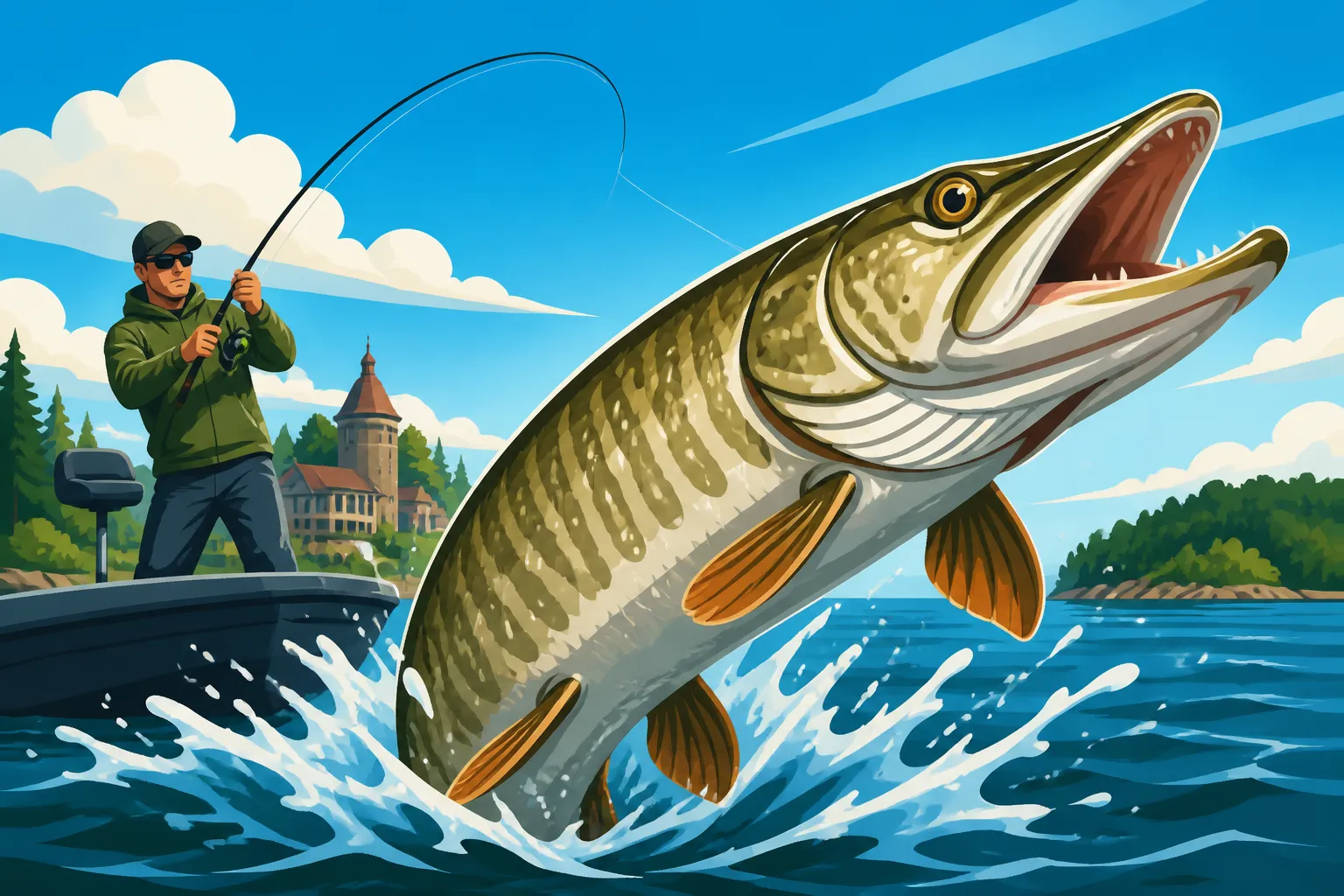
There’s a certain thrill that comes with chasing a true freshwater giant, a fish often dubbed the "fish of 10,000 casts." We're talking about the muskellunge, or muskie, and if you’ve ever dreamed of landing one of these apex predators, you know the quest can be as frustrating as it is exhilarating. Many anglers arrive in New York with hopes of tangling with a monster muskie, only to be overwhelmed by the sheer size of the waters and the elusive nature of the fish. This guide is dedicated to unraveling the mystique of muskie fishing in Clayton, New York, helping you understand why this specific spot on the St. Lawrence River is a prime destination and how you can increase your chances of success.
Why Clayton, New York, is a Premier Muskie Destination
When you mention muskie fishing in New York, the conversation almost immediately turns to the St. Lawrence River, and specifically, the charming village of Clayton. It's not just a beautiful spot in the New York's St. Lawrence River and Thousand Islands region; it's a muskie factory, a place where these magnificent creatures thrive in abundance and grow to impressive sizes. For anglers, this means a legitimate shot at catching the fish of a lifetime, though it still requires skill, patience, and a bit of luck.
The St. Lawrence River around Clayton offers an incredibly diverse and rich ecosystem that muskies absolutely adore. You're looking at a vast waterway characterized by deep channels, dramatic rock structures, sprawling weed beds, and countless islands that form the iconic Thousand Islands archipelago. This intricate habitat provides everything a muskie needs: ample ambush points for hunting prey, diverse forage like perch, walleye, and suckers, and plenty of sanctuary from both predators and extreme weather. The flow of the St. Lawrence also keeps the water well-oxygenated, which is vital for these large, active fish. Generations of muskie anglers have honed their craft in these waters, passing down knowledge of prime feeding grounds and seasonal patterns that make Clayton a truly special place. It’s no wonder many record-setting catches, including the world record catch-and-release muskie, have come from this very river system.
Timing Your Muskie Adventure for Success
Muskie fishing in Clayton isn't a one-size-fits-all endeavor; understanding the seasons and how they influence muskie behavior is paramount to success. These fish are highly sensitive to water temperature, light conditions, and bait availability, and their patterns shift dramatically throughout the year. Knowing when and where to focus your efforts can drastically reduce those "10,000 casts."
Early Season Excitement: Post-Spawn Patterns
Typically, the muskie season in New York opens in early summer, often around the third Saturday in June, after these fish have completed their spawning rituals. This period, stretching into July, can be incredibly productive if you know what to look for. Post-spawn muskies are often recuperating and hungry, but they might be spread out. They’ll often gravitate towards shallower bays with emerging weed growth, transition areas where they can ambush baitfish moving between deep and shallow water, and the edges of larger weed flats. The water temperatures are rising, stimulating their metabolism and making them more active.
During this time, casting large bucktails and shallower-running jerkbaits or glide baits can be highly effective. The key is to cover water efficiently and look for areas with good cover and active baitfish schools. Sometimes, these early-season fish can be found cruising just outside spawning bays, ready to put on the feedbag. It's an exciting time because the fish are often aggressive, though they may not be in their prime physical condition just yet. Being one of the first boats out after the opener can give you a significant advantage, as the fish haven't seen as much pressure.
Mid-Summer Strategies: Deeper Water and Night Moves
As summer progresses through August and into early September, the St. Lawrence River's water temperatures will continue to climb. This often pushes muskies out of the shallower, warmer bays and into deeper, cooler haunts. You'll find them holding tight to main river channel drop-offs, deep rock reefs, underwater points, and the cooler thermocline areas in larger, deeper sections of the river. This is where your electronics become invaluable, helping you pinpoint structure and baitfish schools in deeper water.
Trolling becomes a dominant strategy during mid-summer. Using deep-diving crankbaits or large, weighted spoons that can reach depths of 20 to 40 feet (or even more, depending on the spot) is essential. The bite can often be slower during the bright midday sun, leading many dedicated anglers to pursue muskies during low-light conditions, particularly at dawn, dusk, or even throughout the night. How to Fish for Muskellunge at night with large topwater baits or dark-colored crankbaits can be incredibly productive and provides an unforgettable experience as a giant muskie explodes on your lure under the moonlight. This period demands a lot of patience and persistence, but the rewards can be massive trophy fish.
Fall Feeding Frenzy: The Prime Time for Giants
Without a doubt, fall (from late September through November) is the most celebrated and often most productive time for chasing trophy muskies in Clayton. As air and water temperatures begin to drop, muskies enter a pre-winter feeding frenzy, trying to pack on as much weight as possible before the cold sets in. Their metabolism is high, and they become incredibly active and aggressive. This is when the largest fish are typically caught, as they are actively hunting and less hesitant to strike big baits.
Muskies will often move shallower again during the fall, particularly to sun-warmed rock piles, weed edges adjacent to deep water, and areas where large schools of baitfish are congregating for the winter. Trolling remains highly effective, with anglers often using even larger baits, including magnum crankbaits and oversized stickbaits. Casting heavy bucktails and large rubber baits can also entice ferocious strikes. This is the time when guides in the Thousand Islands Fishing Guides in New York region are in high demand, as the window for landing a true giant is at its peak. If you're planning a trip, booking in advance, especially for October and November, is crucial. It’s cold, demanding work, but the chance of hooking into a truly monstrous muskie makes it all worthwhile.
Here’s a quick overview of the seasonal shifts for muskie fishing in Clayton:
| Season | Typical Dates | Muskie Behavior | Prime Locations | Recommended Techniques & Lures |
|---|---|---|---|---|
| Early Summer | Late June – Mid-July | Post-spawn, recuperating, hungry | Shallower bays, weed edges, transition areas | Casting bucktails, jerkbaits, glide baits |
| Mid-Summer | Late July – Early September | Deeper, cooler water, less active | Deep channels, rock reefs, thermocline | Trolling deep-diving crankbaits, spoons, night fishing |
| Fall Feeding Frenzy | Late September – November | Highly active, aggressive, packing on weight | Shallow rock piles, weed lines near deep water | Trolling magnum baits, casting large bucktails, rubber baits |
Essential Gear, Techniques, and Lures for Clayton Muskie
Chasing muskies in Clayton isn’t for the faint of heart, nor for light tackle. These are powerful, intelligent fish that demand specialized equipment and a strategic approach. If you're serious about landing one, you need to be prepared.
The Right Rod, Reel, and Line
Forget your bass rod; muskie fishing requires heavy-duty gear. You'll want a sturdy, fast-action muskie rod, typically 8 to 9.5 feet long, capable of handling large lures and powerful fish. Rods are usually rated for 3-8 ounce lures and 30-80 pound line. Paired with this, a robust baitcasting reel designed for muskie or saltwater use is essential. Look for models with high gear ratios (around 6.1:1 or higher) for quick lure retrieval and impressive drag systems.
For line, braided superline is the undisputed champion. A minimum of 65-pound test, often going up to 80 or even 100-pound test, is standard. The braid offers incredible strength, minimal stretch for solid hooksets, and excellent abrasion resistance. Always, and I mean always, attach a heavy-duty fluorocarbon or steel leader (at least 80-pound test, up to 150-pound test) to prevent these toothy critters from biting through your line. The Muskellunge Lifespan Explained means these fish have a lot of time to grow big teeth!
Mastering Muskie Techniques
Two primary techniques dominate muskie fishing in Clayton: casting and trolling.
-
Casting: This is a physically demanding method but often incredibly rewarding. It involves repeatedly casting large lures to productive cover like weed beds, rock piles, and shoreline structure. Precision casting is key, placing your bait exactly where a muskie might be hiding. The retrieve needs to be varied—fast, slow, with pauses and jerks—to mimic an injured baitfish. A crucial component of casting is the "figure-eight" maneuver. As your lure approaches the boat, instead of simply reeling in, plunge your rod tip into the water and sweep the lure in a wide "figure-eight" pattern next to the boat. Muskies are notorious for following lures right to the boat, and this maneuver can trigger a last-second strike from a hesitant fish. Learning How to Figure-Eight a Muskie Boatside is a non-negotiable skill.
-
Trolling: This technique is particularly effective in larger water bodies like the St. Lawrence, especially when targeting deeper-holding fish during mid-summer or covering vast expanses in the fall. Trolling involves dragging multiple lures behind the boat at specific speeds (typically 2-5 mph) and depths. Using planer boards helps spread out your lines, covering a wider swath of water. Trolling allows you to present multiple baits at different depths and speeds, increasing your chances of finding active fish. It’s also less physically taxing than casting all day.
Lures That Entice Clayton Muskies
Muskies aren't picky about what they eat, but they are picky about presentation and size. When it comes to Best Lures for Muskellunge, you're generally looking at large, attention-grabbing baits.
- Bucktails: These are perhaps the most iconic muskie lures. Spinnerbaits with large, flashy blades (Colorado, Indiana, or magnum willow blades) and a skirt of deer hair or synthetic material create tremendous flash and vibration, irresistible to muskies. Top brands include Musky Mania Tackle and Mepps Musky Killers.
- Jerkbaits/Glide Baits: These hard-bodied lures are designed to be retrieved with a jerking motion, creating an erratic, wounded-fish action. They can be incredibly effective, especially when muskies are sluggish. Sinking models like the Salmo Slider or Drifter Tackle are popular.
- Crankbaits: Both shallow-running and deep-diving crankbaits are essential. Deep divers are critical for trolling in summer and fall, reaching those deeper thermoclines and channel edges. Brands like Grandma Lures, Believer, and Bagley’s are mainstays.
- Soft Plastics/Rubber Baits: Large soft plastics, often 8-12 inches or more, rigged on heavy jig heads or weighted hooks, can imitate baitfish and offer a different profile. Bulldawgs and Medusas are common choices for their enticing action and large presence.
- Topwater Lures: While not always the primary choice, surface lures can provide explosive, heart-stopping strikes, particularly during low-light conditions. Walk-the-dog style baits or prop baits create commotion that can call up muskies from the depths.
Remember, the New York Muskellunge Minimum Size Limit is 48 inches on the St. Lawrence River, so any fish you encounter below that threshold must be safely released. This regulation helps ensure the health of the population and the opportunity for these magnificent fish to grow to trophy sizes.
Finding Expert Guidance in Clayton
Let's be real: muskie fishing is hard. It's often called the "fish of 10,000 casts" for a reason. While I’ve armed you with a lot of information, there’s no substitute for local knowledge, especially when you’re venturing into complex waters like the St. Lawrence River. This is where a professional fishing guide becomes an invaluable asset, transforming a potentially frustrating trip into an educational and often successful one.
Why Hire a Clayton Muskie Guide?
A local guide brings years, sometimes decades, of experience fishing these specific waters. They know the subtle nuances of the river, the ever-changing patterns of the muskie, and the exact spots where fish are likely to be holding based on current conditions, water temperature, and time of year. Think about it:
- Local Hotspots: They know the secret reefs, the productive weed lines, and the best channel edges that aren't on any map.
- Reading the Water: They can interpret current breaks, baitfish activity, and weather patterns to put you on fish.
- Proper Techniques & Gear: They have all the right, often expensive, specialized muskie tackle and can show you how to use it effectively, including perfecting your retrieve or that critical figure-eight.
- Safety: Navigating the St. Lawrence River requires expertise, especially with its strong currents and numerous submerged hazards. A guide ensures your safety.
- Education: Beyond just catching fish, a good guide teaches you about muskie behavior, conservation, and effective fishing strategies, making you a better angler. This is particularly valuable for first-time muskie anglers who might not even know How to Tell a Muskie From a Pike.
For those looking to book a guided trip, online platforms are a fantastic starting point. Sites like FishingBooker specialize in connecting anglers with reputable captains and guides. You can browse various Clayton New York Muskie Charters and guides in the Thousand Islands area, read reviews from other anglers, and compare prices and services. This takes the guesswork out of finding a reliable professional.
What to Look for in a Muskie Guide
When choosing a guide, consider a few key factors to ensure a productive and enjoyable experience:
- Experience: How long have they been guiding specifically for muskies on the St. Lawrence? Experience is crucial for these challenging fish.
- Reputation: Check online reviews and ask for references. A guide’s track record speaks volumes. FishingBooker provides a great way to vet guides based on past client experiences.
- Boat and Equipment: Ensure they have a well-maintained, safe boat suitable for muskie fishing, and top-tier rods, reels, and a wide selection of lures.
- Personality: You'll be spending a full day or more with your guide, so a good personality and clear communication style are important. You want someone who is patient, knowledgeable, and passionate about muskie fishing.
- Conservation Ethic: A truly great muskie guide prioritizes the health of the fishery. They should practice catch-and-release with extreme care, ensuring fish are revived properly. Remember, the Muskellunge Minimum Length to Keep is 48 inches here, so respectful handling is paramount for all fish.
- Licensing and Insurance: Confirm they are properly licensed by New York State and carry appropriate insurance.
While researching, you might see many excellent options for New York's St. Lawrence River Muskie Guides. Taking the time to find the right fit can make all the difference between a disappointing trip and an unforgettable encounter with a St. Lawrence River muskie. The best time to book a St. Lawrence muskie guide is often several months in advance, especially for prime fall dates, as their calendars fill up quickly.
Disclaimer
Fishing conditions, regulations, and access can change. Always consult the latest New York State Department of Environmental Conservation (DEC) regulations before heading out on the water. This guide is for informational purposes only and should not replace official sources. Practice safe boating and fishing at all times.