Wellesley Island Largemouth Bass Fishing in New York
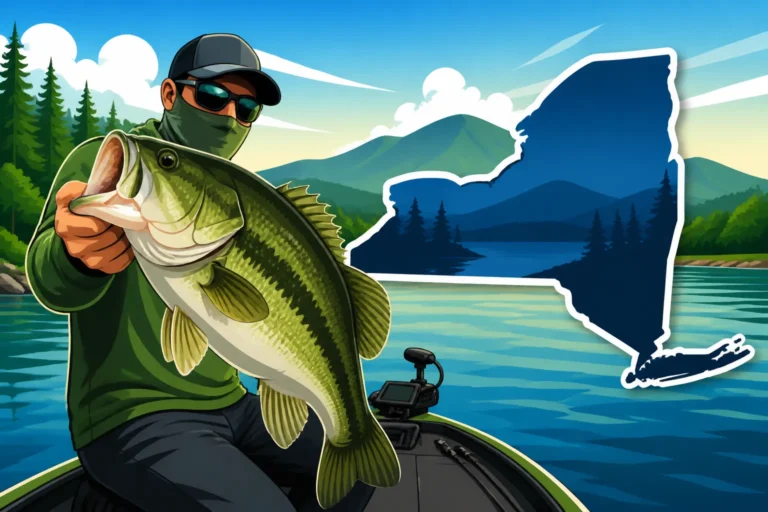
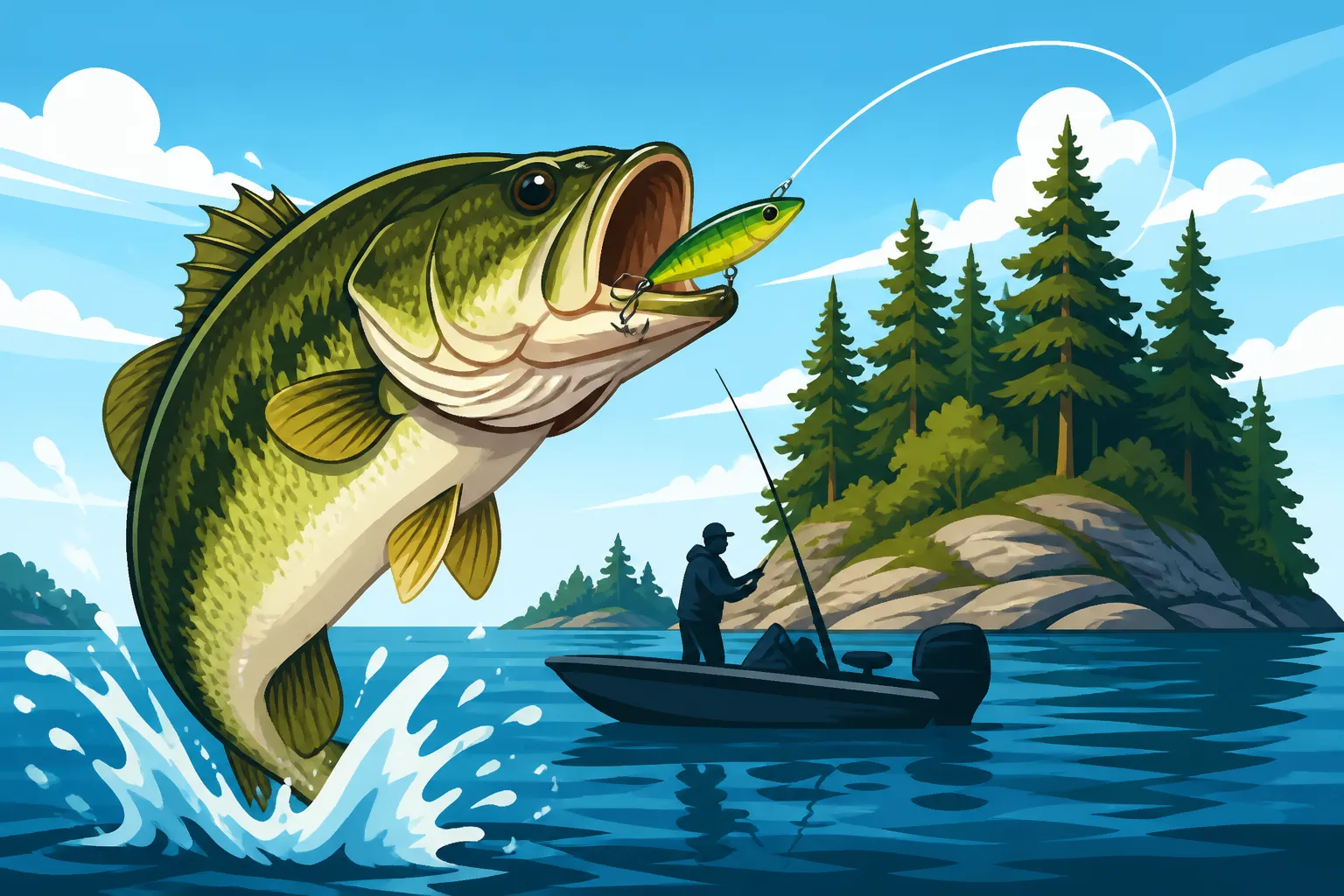
For many anglers, the thought of fishing the mighty St. Lawrence River and its iconic Thousand Islands region immediately conjures images of massive muskellunge or hard-fighting smallmouth bass. But don't let those giants overshadow a truly fantastic opportunity: the superb largemouth bass fishing around Wellesley Island. This guide is dedicated to helping you unlock the secrets of catching these bucket-mouthed beauties in one of New York's most picturesque fishing destinations, navigating the unique challenges and incredible rewards of this specific area.
Understanding Wellesley Island's Largemouth Bass Haven
Wellesley Island, nestled right in the heart of the St. Lawrence River, offers a complex and rich environment that largemouth bass absolutely thrive in. Unlike the more open, rocky expanses where smallmouth reign, largemouth here seek out the warmer, shallower, and heavily vegetated bays and coves. It's a prime example of how different species carve out their own niches in the same magnificent fishery. The nuances of the island’s geography create diverse habitats, from secluded lily pad fields to intricate submerged weed lines, all critical for finding these ambush predators.
Geographic Overview and Prime Largemouth Zones
Wellesley Island isn't just one big landmass; it's a network of channels, inlets, and bays that provide endless opportunities for largemouth. On the western side, you have areas that are more exposed to the main river current, but even here, pockets of calmer water exist. As you move towards the interior and eastern sides, the bays become more protected, shallower, and much warmer – exactly what largemouth prefer. Consider places like Eel Bay, which is renowned for its extensive weed beds and lily pads. This large, relatively shallow bay provides perfect cover and feeding grounds. Other promising areas include the numerous smaller coves and backwater sections that dot the island's shoreline, especially those shielded from heavy boat traffic and strong currents. These less disturbed spots allow vegetation to grow dense, forming impenetrable fortresses for big bass.
When you're out exploring, look for the transition zones where the rocky St. Lawrence character gives way to softer bottoms and lush aquatic growth. These often occur at the mouths of smaller creeks or where bays meet the main river. These areas are largemouth highways, allowing them to move between their preferred shallow cover and deeper water as conditions change. The presence of docks, boathouses, and even small islands within these bays can further concentrate fish, offering artificial cover in addition to the natural vegetation.
Key Structural Elements that Attract Largemouth
Largemouth bass are ambush predators, and their entire existence revolves around cover and structure. On Wellesley Island, this means a few key elements you absolutely need to be looking for. First and foremost are the sprawling weed beds. These aren't just random patches; they form intricate underwater labyrinths of cabbage, coontail, and milfoil. Bass use these weeds for shade, protection from predators, and, most importantly, as a staging ground to ambush baitfish like perch, shiners, and sunfish. Focusing on the edges of these weed beds, as well as openings or "pockets" within them, can be incredibly productive.
Beyond weeds, fallen timber and laydowns are goldmines. Whether it's a massive tree that has toppled into the water or smaller branches creating a brush pile, these provide excellent overhead cover and attract baitfish, which in turn draws in largemouth. Look for these along steeper banks or in areas where the current might deposit natural debris. Finally, man-made structures like docks, piers, and boat lifts are often overlooked but can hold surprisingly large bass. These structures offer vertical cover, shade, and often have associated submerged objects or cribs that bass will relate to. The pilings themselves can act as ambush points, especially during brighter parts of the day. Remember, the more complex and varied the cover, the more likely it is to hold a trophy largemouth.
Essential Techniques and Baits for Wellesley Island Largemouth
Fishing for largemouth bass on Wellesley Island requires a versatile approach, adapting your techniques to the diverse cover and conditions. It's not a one-lure-fits-all scenario, and the most successful anglers are those who can quickly switch gears based on what the bass are telling them. From aggressive topwater blow-ups to subtle bites in dense cover, understanding these techniques will put more fish in your boat.
Topwater Action and Frogging in Dense Cover
There’s nothing quite as exhilarating as a largemouth exploding on a topwater lure, and Wellesley Island offers plenty of opportunities for this heart-stopping action. This technique shines in the shallow, vegetated bays and coves, particularly during low-light conditions like early morning, late evening, or on overcast days. When you see expansive mats of lily pads, duckweed, or thick emergent vegetation, that's your cue to tie on a frog. Hollow-bodied frogs, like those from Booyah or Spro, are designed to glide over this heavy cover without snagging, allowing you to target bass hiding deep within the thick stuff. Work them with short twitches and pauses, mimicking a frog or mouse struggling across the surface.
Beyond frogs, poppers and walking baits are excellent choices for fishing around the edges of weed beds, submerged timber, or near docks. A popper, with its cupped face, creates a commotion on the surface that can call bass from a distance, while a walking bait (like a Heddon Super Spook) walks side-to-side, imitating a distressed baitfish. The key to successful topwater fishing is patience and observation. Watch for subtle disturbances on the water or holes in the weeds where a bass might be waiting to strike.
Flipping, Pitching, and Jigging Heavy Cover
When the bass are buried deep in the heaviest cover, topwater lures simply won't get to them. This is where flipping, pitching, and jigging become indispensable. These techniques allow you to precisely present your bait into tight spots, under docks, into dense brush piles, or in thick matted vegetation where big bass often reside. You’ll need stout gear – a heavy-action rod, a high-speed baitcasting reel, and strong, abrasion-resistant braided line (at least 30-50 lb test, if not heavier) – to pull bass out of the junk. For a deeper dive into these techniques, check out our guide on how to fish for largemouth bass in weeds, or specific strategies like how to flip and pitch for bass in heavy cover.
Jigs, especially those with weed guards, paired with plastic trailers like craws or creature baits, are incredibly effective. A common setup involves a 1/2 oz to 1 oz jig, allowing it to penetrate through dense cover. Texas-rigged soft plastics, such as worms, senkos, or craws, with a heavy bullet weight are another go-to. The weight helps punch through cover, and the weedless rigging prevents snags. The presentation is all about stealth and accuracy. You're not casting; you're gently dropping or "pitching" your bait into a specific target, letting it fall naturally, and watching your line for any subtle twitch or movement that indicates a bite. Many times, these bites are incredibly soft, so keen observation is crucial.
Crankbaits and Spinnerbaits for Transition Areas
While heavy cover techniques are crucial, sometimes bass are more spread out or actively feeding along transition lines. This is where moving baits like crankbaits and spinnerbaits excel. They allow you to cover a lot of water quickly, searching for active fish. Crankbaits are particularly useful when targeting bass around submerged rock piles, humps, or the deeper edges of weed lines. Different crankbaits are designed to dive to various depths, so choosing one that reaches the depth where the bass are holding is key. Lipless crankbaits, which can be ripped through grass, also shine here, often triggering reaction strikes.
Spinnerbaits, with their flashing blades and vibrating skirts, are fantastic for working through scattered cover, over submerged grass, or along rocky shorelines. Their weedless design means they can come through snags where a crankbait would hang up. They create a lot of vibration and flash, which can be irresistible to active bass. Experiment with different blade combinations (Colorado for thump, Willowleaf for flash) and skirt colors to see what the fish prefer on a given day. These lures are also excellent for covering water when you're trying to locate schools of feeding largemouth before settling in with slower, more precise presentations.
| Technique/Lure Type | Preferred Habitat | Best Conditions | Example Baits | Key Gear |
|---|---|---|---|---|
| Topwater (Frogs/Poppers) | Dense lily pads, matted vegetation, weed edges, docks | Low light (dawn/dusk), overcast, calm water | Hollow-body frogs, poppers, walking baits | Medium-Heavy Rod, Baitcasting Reel, 30-50lb Braid |
| Flipping/Pitching Jigs | Thick brush piles, fallen timber, deep under docks, dense grass | Any time bass are holding tight to cover | Jig with creature/craw trailer, Texas-rigged plastics | Heavy Rod, High-Speed Baitcasting Reel, 50-80lb Braid |
| Crankbaits (Diving/Lipless) | Submerged humps, rock piles, deeper weed edges, open water | Active fish, searching large areas, post-spawn, fall | Diving crankbaits, lipless crankbaits | Medium-Heavy Rod, Baitcasting Reel, 12-20lb Fluorocarbon |
| Spinnerbaits | Scattered weeds, shallow rocky points, stained water, sparse cover | Active fish, wind, cloudy days, searching large areas | Single/double Colorado, willowleaf spinnerbaits | Medium-Heavy Rod, Baitcasting Reel, 15-20lb Fluorocarbon/Mono |
Navigating Seasons and Conditions for Success on Wellesley Island
The St. Lawrence River, and by extension Wellesley Island, experiences distinct seasons that dramatically influence bass behavior. Understanding these seasonal shifts is paramount to consistent success. Largemouth bass are highly sensitive to water temperature and light conditions, and knowing how these factors affect their location and feeding habits will help you plan your fishing trips more effectively.
Spring Spawning and Post-Spawn Strategies
As the ice retreats and water temperatures slowly climb into the 50s Fahrenheit (around 10-15°C), largemouth bass begin to stir from their winter lethargy. This is the pre-spawn period, a time when bass feed heavily to build energy for the upcoming spawn. They'll typically stage in shallower bays and coves that warm up first, often around the first significant breaklines or isolated patches of cover just outside their eventual bedding areas. Spinnerbaits, jerkbaits, and medium-diving crankbaits can be incredibly effective during this time, allowing you to cover water and find these actively feeding fish.
When water temperatures reach the low to mid-60s (around 18-20°C), the spawn kicks off. Largemouth will move into very shallow, protected areas with hard bottoms – think sandy or gravelly spots amidst the weeds, or even clearings near submerged timber. During the spawn, male bass guard the nests, and while they can be caught, many anglers practice catch-and-release to protect the future of the fishery. After the spawn, bass enter a post-spawn phase, often retreating to slightly deeper cover to recover before resuming more aggressive feeding. Topwater lures, weightless worms, and finesse jigs can coax bites from these recuperating fish, especially near emergent vegetation or shaded docks. Remember to consult the New York Bass Season Dates for specific regulations and open seasons, as they can sometimes have catch-and-release-only periods before the full season opens.
Summer Patterns and Locating Deeper Fish
Wellesley Island summers bring warm water and bright sunshine, which often pushes largemouth bass into different patterns. During the heat of the day, bass will seek refuge in the densest, shadiest cover they can find. This means they'll often be buried deep in thick weed mats, under docks, or nestled in heavy fallen timber. This is prime time for flipping and pitching jigs and Texas-rigged plastics directly into these dark, cool hideouts. The bites can be subtle, so pay close attention to your line.
Early mornings and late evenings, however, can offer fantastic topwater action as bass move out of their daytime cover to feed more aggressively in shallower water. On cloudier days or when there's a good chop on the water from a breeze, bass may remain active in shallower zones for longer, making crankbaits, spinnerbaits, and even swim jigs effective choices for covering water along weed lines and points. If you're struggling to find fish shallow, don't be afraid to use your electronics to search for deeper weed lines or isolated rock piles, especially if you're fishing near the main St. Lawrence River channels. Understanding how to read a fish finder for New York lakes will be a huge advantage.
Fall Feeding Frenzy on Wellesley Island
As autumn arrives and water temperatures begin to drop, Wellesley Island's largemouth bass enter a major feeding frenzy. They know winter is coming, and they need to pack on the pounds. This is often one of the most exciting times to fish, as bass become incredibly aggressive and will chase down a variety of lures. They'll often school up and actively patrol baitfish congregations along deeper weed edges, points, and even some of the rockier flats.
Larger crankbaits, bigger spinnerbaits, and even swimbaits become highly effective as bass target bigger meals. Jerkbaits are also deadly in the fall, imitating a dying baitfish, which bass can't resist. Look for areas where baitfish are abundant, often relating to the remaining green weed beds before they die back. The fall bite can be some of the best of the year for catching both numbers and quality fish, as they are actively foraging throughout the day. Pay attention to changes in barometric pressure, as stable weather often means a more consistent bite, while rapidly dropping pressure can sometimes shut them down temporarily.
Planning Your Wellesley Island Bass Fishing Adventure
A successful fishing trip to Wellesley Island involves more than just knowing what lures to throw. Proper preparation, understanding local nuances, and respecting the fishery are all critical components. This beautiful region demands a thoughtful approach to maximize your enjoyment and success.
Essential Gear and Boat Considerations
For serious largemouth bass fishing on Wellesley Island, your gear matters. You'll want a selection of rods and reels to cover different techniques. At least one heavy-action baitcasting setup with 50-65 lb braided line is essential for flipping and pitching in heavy cover. Another medium-heavy baitcasting rod with 15-20 lb fluorocarbon or monofilament will be good for crankbaits, spinnerbaits, and topwater. A medium-action spinning rod with 8-12 lb fluorocarbon or braided line with a fluorocarbon leader is also handy for finesse techniques like drop-shotting or wacky rigging when the bite gets tough.
Your boat choice is also important. While any fishing boat can get you out there, a bass boat or a multi-species boat with a strong trolling motor (preferably with GPS spot-lock capabilities) will significantly enhance your ability to navigate the shallow, weedy bays and hold position on promising spots. Good electronics, including a fish finder and GPS, are invaluable for mapping out weed lines, identifying subtle depths changes, and marking productive spots. Don't forget your basic safety gear: life jackets, throwable cushions, paddle, and a first-aid kit. A quality pair of polarized sunglasses will help you spot submerged cover and cruising bass, giving you a crucial edge.
Local Resources and Professional Guidance
Even with the best information, nothing beats local knowledge. If you're new to Wellesley Island, consider connecting with local bait shops or marine centers; they can offer up-to-the-minute reports on what's biting, current water conditions, and specific hot spots. Stores like those found in Clayton or Alexandria Bay are usually great resources. For those who want to jump straight into the action with an expert, booking a local fishing guide can be an invaluable investment.
Many experienced guides specialize in bass fishing on the St. Lawrence River and Thousand Islands region, including the areas around Wellesley Island. A guide will not only put you on fish but also teach you specific techniques and patterns relevant to the local waters. Websites like FishingBooker can be an excellent platform to find reputable guides operating in the Clayton or Alexandria Bay area who specialize in largemouth bass. These guides often provide all the necessary gear, meaning you can show up ready to fish and learn from a pro. They can save you hours of searching and experimenting, and significantly increase your chances of landing that trophy largemouth.
Regulations and Conservation on Wellesley Island
Before you even wet a line, it's crucial to understand and adhere to New York fishing regulations. This includes having a valid fishing license and knowing the specific rules for freshwater fishing in this region. You can easily obtain a New York Fishing License Guide online or at various license vendors. Pay close attention to the Bass Daily Limit and Minimum Size in New York, as these can vary by water body and season. For Wellesley Island and the St. Lawrence River, specific regulations may apply that differ from general statewide rules.
Conservation is paramount to maintaining the incredible fishery that Wellesley Island offers. Practicing responsible catch-and-release, especially for larger breeding-size bass, helps ensure healthy populations for future generations. When releasing fish, handle them gently, minimize their time out of the water, and ensure they are revived before letting them go. The St. Lawrence River is a precious resource, and by adhering to regulations and practicing good stewardship, we can all contribute to its continued vitality.
Disclaimer
The information provided in this guide is for general informational purposes only and is subject to change. Fishing regulations, season dates, and local conditions can vary. Always consult the most current New York State Department of Environmental Conservation (DEC) regulations before fishing. It is the angler's responsibility to know and follow all applicable laws. Fishing involves inherent risks; please prioritize safety on the water.