Best Backcountry Fishing in the Adirondacks
There's nothing quite like the call of the wild, especially when it whispers promises of untouched waters and fish that rarely see a hook. But let's be honest, the thought of venturing deep into the Adirondack backcountry for fishing can feel a little daunting. It’s not your average roadside stop-and-cast; it’s an immersive experience that demands preparation, respect for nature, and a certain adventurous spirit. This guide is here to walk you through everything you need to know to confidently plan and execute an unforgettable backcountry fishing trip in New York's magnificent Adirondack Park, helping you bypass common pitfalls and truly connect with the wilderness.
The Unmatched Allure of Adirondack Backcountry Fishing
When we talk about backcountry fishing in the Adirondacks, we’re not just talking about catching fish. We’re talking about an experience – the rustle of leaves underfoot, the crisp scent of pine, the absolute silence broken only by birdsong or the ripple of water. It's a journey into solitude, a chance to escape the crowds and find peace in nature's grand cathedral. But this unparalleled reward comes with its own unique set of challenges that distinguish it from roadside fishing.
Why Backcountry is Different: Solitude and Self-Reliance
One of the biggest draws, and simultaneously the biggest hurdle, is the solitude. Unlike popular fishing spots where you might find fellow anglers every few yards, the backcountry offers a profound sense of isolation. You might hike for hours, sometimes even a full day, to reach your chosen pond or stream, and once you’re there, you could be the only human for miles. This means total self-reliance. There are no convenience stores, no cell service in many areas, and help is often a long way off. You are responsible for your own safety, navigation, and comfort. This can be intimidating, but it's also incredibly liberating. It pushes you to truly understand your gear, your capabilities, and your connection to the environment. The fish here are often wild, less pressured, and offer a fight that seasoned anglers dream of. The satisfaction of landing a brook trout from a remote, crystal-clear pond that few people ever visit is a memory that truly lasts a lifetime.
The Fish You'll Find: Native Brook Trout and More
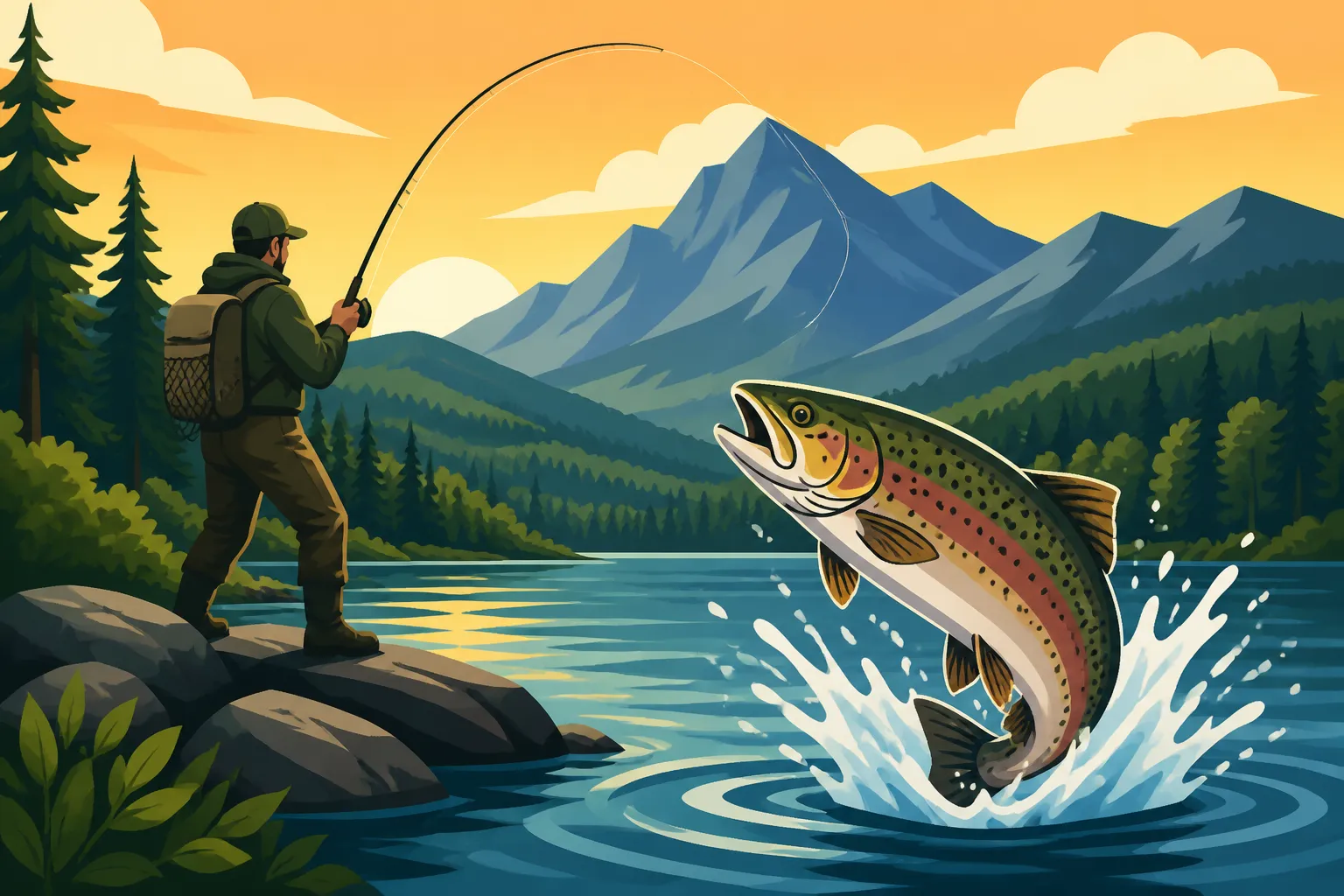
The Adirondack backcountry is a haven for native brook trout. These vibrant, speckled beauties thrive in the cold, oxygen-rich waters of remote ponds and streams. Many of these waters are managed as "heritage trout waters," specifically protected for their native brook trout populations, ensuring a pristine fishing experience. Beyond brook trout, you might also encounter other species, depending on the specific water body. Some larger, more accessible backcountry ponds or remote sections of rivers might hold brown trout, rainbow trout, or even smallmouth bass. However, the true gems of the Adirondack backcountry are often those wild brook trout.
For instance, imagine reaching a hidden pond after a challenging ascent, the only sound the buzz of a dragonfly, and then casting a dry fly to a rising brook trout. It’s a moment of pure magic, a testament to the wildness of the place and the fish. Identifying these specific fish species is an important part of the experience, and knowing about fish species you can catch in New York can certainly enhance your appreciation for the local fauna. Understanding a guide to New York's trout species will undoubtedly elevate your backcountry adventure.
Essential Preparation for Your Adirondack Backcountry Fishing Trip
Venturing into the Adirondack backcountry unprepared is not just uncomfortable; it can be dangerous. The wildness that makes these areas so appealing also demands respect and thorough planning. Think of your preparation as building a robust bridge between the comfort of civilization and the raw beauty of the wilderness.
Gear Up: Beyond Just Rod and Reel
Your gear list for the backcountry will look a bit different than for a day trip to a local lake. Every item needs to be considered for its weight, durability, and multi-functionality.
- Fishing Gear:
- Lightweight Rod & Reel: A 4- or 5-weight fly rod is often perfect for brook trout in tight quarters. If spinning, a light action rod with 4-6 lb test is ideal. Portability is key, so consider a multi-piece rod.
- Tackle: Keep it minimal. A small fly box with dries, nymphs, and streamers if fly fishing; a small assortment of spinners, spoons, and maybe some soft plastics if spinning. Focus on universal patterns and colors.
- Waders/Wading Boots: Depending on the water you're targeting, lightweight waders or sturdy wading boots (or even just quick-drying pants and water shoes) might be necessary for crossing streams or getting into prime casting positions on ponds.
- Net: A small, collapsible net is useful for safely landing and releasing fish.
- Backpacking Essentials:
- Backpack: A comfortable, appropriately sized backpack (typically 40-70 liters, depending on trip length) is crucial.
- Shelter: A lightweight tent, tarp, or hammock system.
- Sleeping System: Sleeping bag rated for expected night temperatures and a sleeping pad for insulation and comfort.
- Navigation: A physical map (USGS topo maps are excellent) and compass are non-negotiable. Don't rely solely on your phone; batteries die. A GPS device or app is a great backup. Familiarize yourself with using a map and compass before you go.
- First-Aid Kit: A comprehensive kit for minor injuries, blisters, and emergency situations.
- Water Filtration/Purification: A reliable filter, purification tablets, or a portable UV purifier.
- Food: Lightweight, high-calorie, non-perishable food. Think dehydrated meals, nuts, energy bars.
- Headlamp/Flashlight: With extra batteries.
- Knife/Multi-tool: Always essential.
- Fire Starter: Waterproof matches, lighter, fire steel.
- Sun Protection: Hat, sunglasses, sunscreen.
- Insect Repellent: The Adirondacks are famous for black flies and mosquitoes in warmer months. A strong repellent or even a head net can be a lifesaver.
- Permits & Regulations:
- Fishing License: Make sure you have a valid New York fishing license. You can’t fish without it, and even in the backcountry, wardens do patrol. Understanding the New York Fishing License Guide is paramount.
- Backcountry Permits: While most areas don't require specific permits for hiking and camping, always check the current DEC regulations for the specific area you plan to visit. Some popular areas or lean-tos may have special rules.
- Knowing the Rules: Familiarize yourself with New York Fishing Regulations Explained, especially concerning catch limits, size restrictions, and special regulations for specific waters. Some remote ponds might have unique rules to protect fragile native brook trout populations.
Planning Your Route: Maps, Trails, and Water Access
This is where the adventure truly begins, and where proper planning prevents misery. Choosing your route involves more than just picking a pretty spot on a map; it requires careful consideration of terrain, trail conditions, and potential access points to the water.
When selecting a backcountry destination, consider the distance you’re willing to hike versus the potential reward. Some of the most pristine ponds require multi-day treks, while others are a manageable day trip away. The Adirondack Park boasts an extensive network of trails, but not all of them lead to ideal fishing spots. You'll often need to combine marked trails with bushwhacking or navigating through less-traveled areas.
Online resources like the NYS DEC website and specialized hiking and fishing forums are invaluable for scouting locations. Look for ponds designated as "wilderness ponds" or "native trout waters." Pay close attention to topographic maps to understand elevation changes, potential wetlands, and the existence of feeder streams or outlets that might influence fish behavior.
Sometimes, gaining access to certain remote bodies of water is best done with local expertise. While FishingBooker is often associated with coastal or lake charters, it can also be a valuable resource for finding specialized backcountry guides in the Adirondacks who know the terrain, the hidden ponds, and the best ways to reach them. A seasoned guide can significantly reduce the planning burden and ensure a safer, more productive trip, especially for those new to the true wilderness experience.
The Art of Leave No Trace
The backcountry's magic lies in its untouched nature. It is our collective responsibility to keep it that way. Practicing Leave No Trace principles is non-negotiable. Pack out everything you pack in, and then some – if you see trash, pick it up. Stay on established trails where possible to prevent erosion. Camp on durable surfaces at least 150 feet from water sources. Minimize campfire impact, or better yet, use a stove. Bury human waste properly. Respect wildlife. These principles are not just guidelines; they are the bedrock of responsible outdoor ethics and ensure that these pristine fishing grounds remain for future generations to enjoy.
Top Backcountry Fishing Destinations in the Adirondacks
The Adirondack Park is vast, covering over 6 million acres, and within it lies an untold number of remote ponds, streams, and wilderness lakes just waiting to be explored. While I won't give away anyone's secret honey hole, I can certainly point you toward some types of areas and specific regions renowned for their backcountry fishing opportunities.
Wilderness Ponds and Remote Lakes
The true gems of Adirondack backcountry fishing are often the countless remote ponds and small lakes nestled deep within the wilderness. These waters are typically accessible only by foot, sometimes involving significant hikes over challenging terrain. The effort is almost always rewarded with wild, native brook trout (and sometimes splake or other trout species) that see minimal fishing pressure.
- The High Peaks Wilderness Area: While famous for its challenging hiking, the periphery and some interior areas of the High Peaks Wilderness offer incredible opportunities for remote pond fishing. Ponds like those near the Santanoni Range or the Seward Range often require multi-day backpacking trips but can yield spectacular results. The solitude here is profound.
- The Pharaoh Lake Wilderness Area: Located in the southeastern Adirondacks, this wilderness area is a bit more accessible than some High Peaks regions but still offers a fantastic backcountry experience. Pharaoh Lake itself is popular, but venturing off into the smaller, surrounding ponds can lead to excellent brook trout fishing. The trails are well-maintained, yet there's a strong sense of wilderness.
- The West Canada Lakes Wilderness: This remote region, often requiring extended hikes from trailheads, is a classic Adirondack backcountry destination. It's known for its many interconnected ponds and streams, offering a true wilderness fishing and camping experience. This is where you might find some of the largest wild brook trout in the park.
When planning for these ponds, remember that some might be specifically managed for catch-and-release only, or have special regulations to protect native strains. Always consult the New York DEC's Special Regulations Waters List before heading out.
Untamed Streams and Rivers
While ponds get a lot of the attention, the Adirondacks also boast an incredible network of smaller, untamed streams and headwaters that wind their way through dense forests. These can be trickier to fish due to thick bankside vegetation and tight casting quarters, but they often hold impressive populations of wild brook trout.
- Headwaters of the Ausable River and Hudson River: The upper reaches and smaller tributaries of these major rivers, especially within the High Peaks and surrounding wilderness areas, offer incredible fly fishing opportunities for wild trout. These are often small, technical waters where stealth and accurate casting are paramount. You'll find yourself navigating through dense woods, crossing beaver ponds, and carefully approaching pools that might hold a wary brook trout. For those interested in this kind of fishing, learning how to fly fish in New York can be incredibly rewarding.
- The West Branch of the Sacandaga River (upper sections): This area, particularly within the Silver Lake Wilderness and West Canada Lakes Wilderness, offers excellent opportunities for stream fishing away from the crowds. The river flows through rugged terrain, creating a mix of riffles, runs, and deep pools where trout can thrive.
Fishing these smaller streams requires a different approach. Forget the big, sweeping casts. Think short, accurate presentations, often "dapping" a fly or jig into tight pockets. Understanding how to trout fish in New York, especially in these challenging conditions, is a skill that develops over time and with practice.
Considerations for Remote Access and Overnights
Reaching many of these truly remote fishing spots will often necessitate an overnight stay, or even multiple nights, in the backcountry. This means carrying a full backpacking load, including shelter, sleeping gear, and enough food for the duration of your trip. The payoff, however, is being able to fish during prime times – dawn and dusk – when fish are often most active, without having to rush back to the trailhead.
When planning an overnight, always prioritize safety. Check weather forecasts rigorously, pack for all eventualities, and tell someone your itinerary, including your expected return time. Establishing a base camp near your chosen fishing water allows you to explore multiple spots without constantly breaking down and setting up camp. Remember, when you're this deep in the Adirondacks, services like those offered by FishingBooker to connect you with a local guide can be invaluable if you're venturing into extremely challenging terrain or trying to locate specific, hard-to-find honey holes. A guide can not only get you there safely but also teach you specific techniques for those waters.
Navigating Regulations and Responsible Backcountry Angling
The Adirondack Park's unique blend of public and private lands, coupled with its ecological significance, means that fishing here comes with specific rules and a heightened need for responsible practices. Understanding these isn't just about avoiding fines; it's about preserving these precious resources for everyone.
Understanding DEC Regulations and Special Designations
The New York State Department of Environmental Conservation (DEC) is the primary authority for fishing regulations in the Adirondacks. It's absolutely crucial to consult their official regulations guide annually, as rules can change. Many backcountry waters have special regulations that differ from statewide rules, often implemented to protect fragile native fish populations or unique ecosystems.
Here’s what you need to pay close attention to:
- Season Dates and Catch Limits: While the general New York trout season opens on April 1st, specific backcountry ponds or streams might have extended catch-and-release seasons, shorter general seasons, or unique daily creel limits. For instance, some waters might only allow one fish per day, or none at all, strictly for catch-and-release. Always check the New York fishing season dates and catch limits for your target waters.
- Size Restrictions: Minimum or maximum size limits are common, especially for brook trout, to allow fish to reach spawning maturity or to protect larger, trophy-sized specimens.
- Bait Restrictions: Many remote ponds and streams are "artificial lures and flies only" waters. This is a critical regulation designed to prevent the introduction of invasive species through live bait and to reduce mortality rates for caught-and-released fish. Never use live bait unless explicitly permitted.
- Public vs. Private Lands: While most backcountry fishing happens on state-owned Forest Preserve lands, some areas may border or require passage through private property. Always be aware of property boundaries and respect landowners' rights. Do not trespass. The DEC provides maps that delineate these boundaries, and understanding them is part of being a prepared angler.
The Role of Catch and Release in Backcountry
For many backcountry anglers, especially when targeting native brook trout, catch and release is the preferred, and often required, practice. These fish populations can be delicate, slow-growing, and easily impacted by overfishing. When practicing catch and release, do so with the utmost care:
- Minimize Handling: Touch the fish as little as possible. Keep it in the water.
- Barbless Hooks: Crimp down the barbs on your hooks or use barbless hooks to make removal easier and reduce injury.
- Quick Release: Release the fish as quickly as possible. If it's exhausted, hold it gently in flowing water until it swims away on its own.
- Avoid Photos if Stressful: While a photo is tempting, if the fish is showing signs of stress, skip the picture and prioritize its survival.
Remember, the goal of backcountry fishing is often less about filling a cooler and more about the experience and the challenge. Preserving these wild populations ensures that the next time you, or another angler, ventures into the wilderness, those fish will still be there.
Finding Local Expertise and Staying Connected
Even with all the preparation, the backcountry can throw curveballs. Weather can change rapidly, trails can be washed out, and fish can be finicky. This is where local knowledge truly shines. While cell service is spotty to non-existent, before you head out, connect with local bait shops, sporting goods stores, or fly shops in towns bordering the Adirondacks (like Lake Placid, Saranac Lake, Old Forge, or Indian Lake). They often have up-to-date information on trail conditions, recent fish activity, and specific regulations for certain waters.
Sometimes, especially for first-timers or those looking to explore truly remote or technically challenging areas, hiring an experienced Adirondack fishing guide can be an invaluable investment. They know the terrain, the fish, and the regulations inside out. Websites like FishingBooker can help you find reputable guides who specialize in wilderness excursions and have the necessary permits and expertise to lead you safely and successfully into the heart of the Adirondack backcountry. They can provide not just local fishing insights but also critical safety information and often even the gear needed for the specific conditions.
| Backcountry Water Type | Primary Fish Species | Typical Access | Recommended Gear | Conservation Focus |
|---|---|---|---|---|
| Remote Ponds/Lakes | Native Brook Trout | Long hike (1-2+ hrs) | Light fly rod (3-5wt) or spinning rod (light action), small backpack, headlamp, water filter | Catch & release, artificial lures only |
| Untamed Headwater Streams | Wild Brook Trout | Bushwhacking, challenging terrain | Shorter fly rod (2-4wt) or ultralight spinning rod, minimalist tackle, wading boots | Minimal handling, avoid bait |
| Larger Wilderness Rivers | Brook, Brown, Rainbow Trout, Bass | Moderate to long hike (1+ hr) | Versatile fly/spinning setup, waders for deeper crossings, map/compass | Know specific regulations, respect private land |
Fishing in the Adirondack backcountry is a profound journey, offering not just the chance to catch beautiful wild fish but also an unparalleled opportunity to reconnect with nature and yourself. It demands respect, preparation, and a commitment to conservation, but the rewards are truly immeasurable.
Disclaimer
The information provided in this guide is for general informational purposes only and is subject to change. Fishing regulations, safety guidelines, and environmental conditions can vary. Always consult the official New York State Department of Environmental Conservation (DEC) website or local authorities for the most current and accurate information before planning any fishing trip. Backcountry travel inherently carries risks; proper preparation, navigation skills, and adherence to safety protocols are essential.