Fishing New York’s Ausable River for Trout
It's no secret that New York offers some incredible fishing, but for trout anglers, the Ausable River is often whispered about with a reverence that hints at both its beauty and its challenges. If you've ever felt overwhelmed trying to decipher where to cast your line on such an iconic waterway, you're not alone. This comprehensive guide is designed to demystify fishing New York's Ausable River for trout, giving you the practical insights and confidence to experience its legendary waters.
Understanding the Legendary Ausable River Fishery
The Ausable River, winding through the majestic Adirondack Mountains, is more than just a waterway; it's a living legend among trout anglers. Its reputation precedes it, drawing fly fishermen and spin casters alike to its clear, cold waters. But like many great rivers, the Ausable holds its secrets close, revealing them only to those who take the time to understand its unique character. This isn't just one river, but a complex system with distinct personalities that demand different approaches.
A River of Two Halves: West and East Branches
One of the most crucial distinctions to grasp when planning your Ausable River adventure is that it's fundamentally divided into two main arteries: the West Branch and the East Branch. Each possesses its own unique ecosystem, trout populations, and angling experience, almost feeling like two entirely different rivers. Understanding these differences is the first step to successful fishing.
The West Branch of the Ausable is often considered the more wild and remote of the two. It flows from the High Peaks region, carrying the pristine, cold waters of the mountains. Here, you'll encounter a rugged landscape, with dense forest lining many stretches and challenging access points. This branch is particularly famous for its native brook trout, a true gem of the Adirondacks, alongside healthy populations of brown and rainbow trout. Fishing pressure here can be significant in popular areas, but solitude can still be found for those willing to hike a bit further. The water is typically swift and rocky, demanding precise casting and careful wading. Anglers often find themselves navigating deep pools, riffles, and challenging runs, making it an ideal proving ground for experienced fly fishermen. The wildness here isn't just about the fish; it's about the entire experience of being immersed in true wilderness, often far from the hum of civilization. The riverbed is primarily rocky, with large boulders and gravel, providing excellent habitat and structure for wild trout.
In contrast, the East Branch of the Ausable tends to be more accessible and, in some sections, more forgiving, especially for those newer to river fishing. Flowing down from the slopes of Whiteface Mountain, this branch is often wider and has sections with more open terrain, making for easier casting. While it also holds wild trout, including brook, brown, and rainbow, it benefits from stocking efforts by the New York State Department of Environmental Conservation (DEC), particularly around more populated areas. This often means a higher density of fish, especially early in the season, which can be fantastic for consistent action. The East Branch offers a more diverse fishing experience, from fast-moving stretches to slower, meandering pools that are perfect for drifting nymphs or even casting small spinners. Its accessibility means it sees more fishing pressure, especially closer to towns like Keene Valley, but it also means more amenities and services are close at hand. Both branches eventually converge near the town of Ausable Forks, becoming a larger, powerful river that flows toward Lake Champlain, offering even more diverse fishing opportunities.
Why the Ausable is a Trout Angler's Dream
For many, the Ausable isn't just another river; it's a destination that calls to the soul of a trout angler. Its allure lies in a combination of factors that elevate it beyond mere fishing spot status. Firstly, the sheer biodiversity of trout species available makes every outing an exciting prospect. The chance to hook into a vibrant native brook trout, a robust brown, or a leaping rainbow in the same day is a rare treat. This variety ensures that no two trips are exactly alike, keeping anglers constantly engaged and learning. You can truly experience the full spectrum of trout fishing within its bounds.
Secondly, the stunning Adirondack setting provides an unparalleled backdrop for your angling pursuits. Imagine casting your line with towering peaks, dense forests, and crystal-clear waters surrounding you. The raw, unspoiled beauty of the region adds an almost spiritual dimension to the act of fishing. It's a place where you can truly disconnect from the daily grind and reconnect with nature. The sound of the rushing water, the scent of pine, and the sight of a hawk circling overhead all contribute to an unforgettable experience. Whether you're navigating the challenging currents of the West Branch or enjoying the more gentle flows of the East, the scenery itself is a powerful draw. You might even discover why many consider the Ausable to be among the Best Trout Streams in the Adirondacks.
Finally, the Ausable offers a spectrum of challenges that cater to every skill level. For the seasoned veteran, the technical demands of matching complex hatches or navigating difficult wading conditions on the West Branch present an endless pursuit of mastery. For the beginner, the stocked sections of the East Branch provide ample opportunity to hone skills and build confidence, often with the added benefit of easier access. This river truly pushes you to grow as an angler, from understanding trout behavior to perfecting your cast. It's a place where legends are born and where new memories are forged with every bend in the river.
Essential Gear and Techniques for Ausable Trout
Successfully fishing the Ausable River for trout requires more than just knowing where to go; it demands understanding how to approach its waters and what gear will give you the best chance of success. While the river offers diverse conditions, a few fundamental principles and specific tackle choices will significantly improve your odds. Whether you're a dedicated fly fisher or prefer the versatility of spin casting, having the right setup is paramount.
Fly Fishing Fundamentals for the Ausable
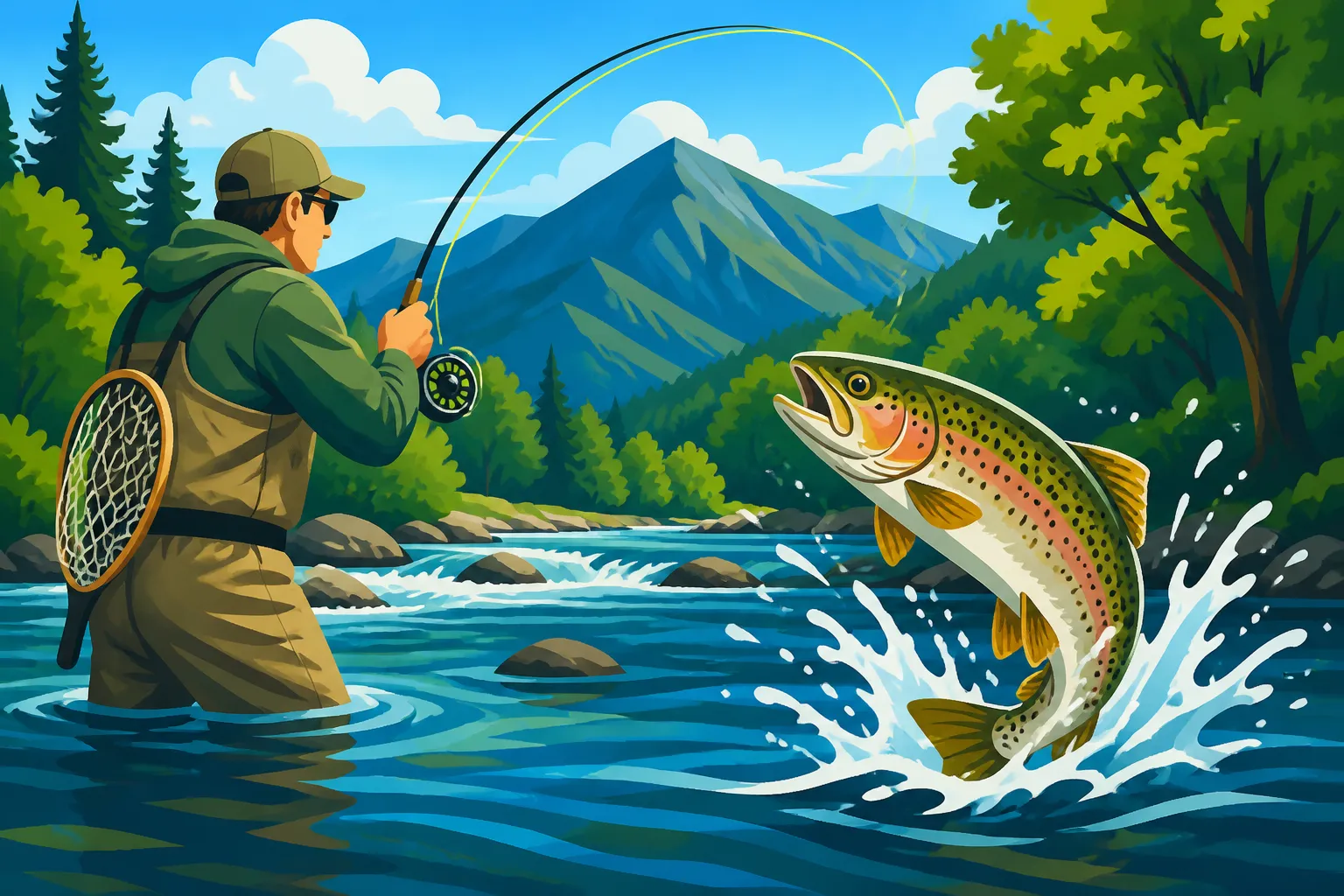
For many, the Ausable River is synonymous with fly fishing, and for good reason. Its clear waters and abundant insect life make it an ideal destination for presenting delicate dry flies or precisely drifted nymphs. If you're looking to learn How to Fly Fish in New York, the Ausable is an excellent classroom.
When it comes to rods, reels, and lines, a versatile setup is key. Most anglers find a 3-weight to 5-weight fly rod, typically 7.5 to 9 feet long, to be perfect for the Ausable. A 3-weight is fantastic for smaller streams and delicate presentations on the West Branch, while a 5-weight offers more power for casting larger flies, handling wind, and battling bigger fish in faster currents, especially on the East Branch. Pair your rod with a matching reel that has a smooth drag system and a good capacity for backing. A weight-forward floating line is the standard choice for most trout situations, allowing for easy casting and mending. For leaders, a 9-foot tapered leader ending in 4x or 5x tippet is a good starting point, but always carry spools of finer tippet (6x or 7x) for exceptionally spooky fish or when fishing tiny dry flies during delicate hatches.
The heart of successful fly fishing on the Ausable lies in matching the hatch. This means selecting fly patterns that imitate the aquatic insects currently emerging or present in the water. The Ausable experiences prolific insect hatches throughout the season. In spring, expect to see early black stoneflies and Quill Gordons, followed by the iconic Hendricksons and March Browns. As summer progresses, Caddisflies become incredibly active, and later, the famous Sulphurs and Light Cahills will bring fish to the surface. For subsurface fishing, especially when no visible hatch is occurring, a variety of nymph patterns are essential. Classics like the Pheasant Tail, Hare's Ear, Prince Nymph, and Squirmy Wormy are perennial producers. Don't forget a few small streamers, such as Woolly Buggers in olive or black, for when you want to target larger, more aggressive trout. Being prepared with a diverse fly box is crucial. While the Best Dry Fly Patterns for Catskills Trout might offer some relevant ideas, always consult local fly shops for the most up-to-date information on what's hatching.
Spin Fishing Strategies for Success
While fly fishing often takes center stage on the Ausable, spin fishing remains a highly effective and enjoyable method, particularly for those who prefer a different approach or are just starting out. Modern spin fishing tackle has evolved, offering incredible sensitivity and presentation options that can tempt even the wariest trout.
When selecting lures and bait, the key is to think small and natural. Small inline spinners are incredibly effective on the Ausable. Brands like Mepps (Aglia or Black Fury), Panther Martin, and Roostertail in sizes #00 to #2 are consistent producers. Colors like silver, gold, black, or fire tiger can be deadly. Small spoons, such as a Kastmaster or Little Cleo, weighing 1/8 to 1/4 ounce, can also imitate baitfish and are excellent for casting into deeper pools or faster runs. Soft plastics, especially small grubs or trout worms rigged on a light jig head, can mimic natural forage and are fantastic for finesse presentations. For bait fishing, traditional choices like worms (nightcrawlers or garden worms), corn, or salmon eggs are often productive, especially in stocked sections of the East Branch. However, always double-check the current New York State DEC regulations, as some sections of the Ausable may have bait restrictions or "artificials only" rules.
Tackle considerations for spin fishing should focus on light action rods (5 to 6.5 feet) paired with small spinning reels spooled with 4 to 6-pound test monofilament or fluorocarbon line. This lighter line allows for better casting distance with small lures and offers a more natural presentation. Carrying a small selection of split shot weights and small swivels is also wise for adjusting your presentation when using bait or soft plastics. Knowing when to use spin gear often comes down to personal preference and river conditions. Spin fishing can be particularly effective in faster, deeper runs where it's hard to get a natural drift with a fly, or in situations where trout are aggressively feeding on baitfish. It's also an excellent choice when teaching beginners or fishing with kids, as it tends to have a shorter learning curve than fly casting, allowing for more immediate enjoyment and success.
Navigating Access Points and Prime Spots
The Ausable River, while vast, offers numerous access points for anglers. However, not all access is created equal, and knowing where to go can significantly impact your fishing experience. From remote wilderness stretches to easily accessible roadside spots, the river caters to every angler's preference. Getting a lay of the land, especially regarding public versus private property, is critical for a smooth outing.
Public Access Points on the West Branch
The West Branch of the Ausable, known for its wilder character, also boasts some incredible public access, particularly in and around areas managed by the state. One of the most famous and accessible sections is near Wilmington. Here, the river runs alongside Route 86 for a considerable distance, offering numerous roadside pull-offs and designated public fishing rights (PFR) access points. Look for the distinctive brown and yellow DEC signs indicating public access. While these spots can see heavy pressure, especially on weekends, the sheer length of accessible water means you can often find a quiet stretch if you're willing to walk a bit.
Further upstream from Wilmington, the river flows through more rugged terrain, including the iconic Ausable River Flume. This section is visually stunning, characterized by a narrow gorge and powerful, cascading water. While the Flume itself is mostly impassable for fishing, the stretches just above and below it can hold exceptional trout. Access here often requires more effort, involving hikes along state land trails. Anglers seeking a true wilderness experience might venture into the backcountry of the High Peaks Wilderness, where the Ausable's headwaters offer pristine, native brook trout fishing for those willing to trek deep into the forest. These areas often have minimal signs, so a good map and compass (or GPS) are essential. When exploring these wilder areas, it's always wise to let someone know your plans. For more general guidance on finding productive waters in the region, check out our guide on the Best Fishing Spots in the Adirondacks.
East Branch Hotspots for Anglers
The East Branch of the Ausable, with its somewhat gentler flow and greater accessibility, offers excellent opportunities, particularly for those looking for less strenuous access or family-friendly options. The region around Keene Valley is a prime example, where the river winds through agricultural lands and forested sections. Numerous public access points are available, often marked clearly by DEC signs. These areas frequently benefit from stocking, making them great choices for consistent action, especially earlier in the season. You'll find a mix of riffles, runs, and deeper pools, providing varied conditions to explore.
Another popular spot on the East Branch, particularly for beginners or those with young anglers, is Lake Everest in Wilmington. While technically a lake formed by a dam on the Ausable, it offers easily accessible shore fishing and boat launches, often stocked with trout. The sections of the East Branch immediately above and below Lake Everest also offer excellent opportunities, with many roadside pull-offs directly off Route 9N. These spots are fantastic for a quick stop or for anglers who prefer to fish from the bank without extensive wading. The East Branch's ease of access and diverse water types make it a welcoming environment for all skill levels, ensuring that everyone can find their own productive piece of this renowned river. For more on general trout fishing advice, our guide on How to Trout Fish in New York might be helpful.
Key Regulations and Conservation for the Ausable
Before you even think about casting a line in the Ausable, it's absolutely crucial to understand the rules of the road – or, in this case, the rules of the river. New York State has a robust set of fishing regulations, and the Ausable River, being such a special and sensitive fishery, often has specific rules that differ from general statewide guidelines. Ignoring these can lead to fines and negatively impact the very fishery you've come to enjoy.
Understanding Special Regulations
The New York State Department of Environmental Conservation (DEC) publishes a comprehensive fishing regulations guide annually, and it's your bible when fishing anywhere in the state. For the Ausable River, it's particularly important to pay attention to the "Special Regulations by County" section, as Essex and Clinton Counties (where the Ausable flows) will detail specific rules for this river. These special regulations can dictate everything from tackle type to specific size and creel limits, and even designated catch-and-release sections. You can easily find the full details in the New York Fishing Regulations Explained or New York Freshwater Fishing Rules guides, which we highly recommend reviewing before any trip.
For example, certain stretches of the Ausable River, especially those on the West Branch or highly prized sections, might be designated "Artificial Lures Only" or "Catch and Release Only." This means no live bait whatsoever, and any fish caught must be immediately and carefully returned to the water. The rationale behind these special regulations is usually to protect wild trout populations, particularly native brook trout, or to manage fishing pressure in high-quality trophy sections. Failing to adhere to these rules isn't just a minor infraction; it can significantly impact the health and sustainability of the fishery for future generations. Always check the most current DEC fishing regulations guide, as rules can change from year to year. Having a valid New York fishing license is also non-negotiable, and our New York Fishing License Guide is a great resource to ensure you're squared away before hitting the water.
Practicing Responsible Angling
Beyond simply following the law, responsible angling is about embracing an ethical approach that prioritizes the health of the fish and the pristine environment of the Ausable. The "Leave No Trace" principles are incredibly important here. This means packing out everything you pack in, including all trash, broken fishing line, and any other litter. The Adirondacks are a treasure, and we all have a role in keeping them wild and clean.
Proper fish handling, especially in catch-and-release sections, is paramount to ensuring the survival of the fish you release. Wet your hands before touching a fish to protect its delicate slime coat, use a knotless, rubberized landing net, and minimize the time the fish is out of the water. If you plan to take pictures, do so quickly and efficiently, keeping the fish as submerged as possible. Our guide on Catch-and-Release Handling Rules offers a deeper dive into best practices. Furthermore, respecting private property is crucial. While many parts of the Ausable have public access, large sections run through private land. Always be mindful of posted signs and never trespass. Ethical anglers understand that maintaining good relationships with landowners is vital for preserving access to these incredible resources. By practicing these responsible angling habits, you contribute to the longevity and quality of the Ausable River fishery for everyone.
Best Times to Visit and What to Expect
Timing your visit to the Ausable River can make all the difference in your fishing success and overall experience. Each season offers unique opportunities and challenges, from the excitement of spring hatches to the serene beauty of fall fishing. Understanding these seasonal shifts, along with planning logistical aspects, will help you make the most of your trip.
Seasonal Breakdown of Ausable Fishing
The Ausable River, like most trout streams in New York, undergoes significant changes throughout the year, impacting trout behavior and the techniques required to catch them. For a broader overview, you might want to consult our New York Fishing Seasons Explained guide.
Spring (April-May): This is often considered prime time by many anglers. As the snow melts and water temperatures begin to rise, trout become more active after their winter sluggishness. Early spring can mean higher, colder water, making nymphing or throwing small streamers effective. As April progresses, the river bursts to life with insect hatches. The famous Hendrickson mayflies are a highlight, bringing larger trout to the surface for dry fly action. Caddisflies and March Browns follow, creating fantastic opportunities. The air is crisp, the foliage is just beginning to green, and the trout are hungry. This season offers some of the most consistent and exciting fishing.
Summer (June-August): Summer fishing on the Ausable requires a more nuanced approach. Water levels typically drop and temperatures rise, especially in late July and August. This often pushes trout into deeper, cooler pockets, shaded areas, or oxygenated riffles. Early morning and late evening become the most productive times, as midday sun can make fishing challenging. Dry fly fishing can still be excellent during evening caddis or sulphurs hatches. Terrestrial patterns, imitating grasshoppers, ants, and beetles, become highly effective as these insects fall into the water. Anglers often need to employ longer, finer leaders and tippets for wary summer trout. While potentially more challenging, the beauty of the Adirondack summer makes any time on the river worthwhile.
Fall (September-October): As temperatures cool and the leaves turn vibrant shades, the Ausable experiences a resurgence in trout activity. This is a truly spectacular time to be on the river. Trout, especially brown trout, become more aggressive as they prepare for their spawning rituals, making them more receptive to streamers and larger nymph patterns. Fall hatches, though less prolific than spring, can still provide excellent dry fly opportunities with smaller caddis and blue-winged olives. The crisp air, vibrant colors, and often fewer anglers create a serene and productive fishing experience. Many consider fall to be among the Best Time of Year to Fish in New York, and the Ausable certainly lives up to that reputation.
Planning Your Ausable Adventure
A successful fishing trip to the Ausable isn't just about what happens on the water; it's also about comfortable accommodations, local knowledge, and potentially a little expert guidance.
The Ausable River flows through and near charming Adirondack towns that offer various amenities. Wilmington, nestled right on the river, is a popular choice, offering easy access to both branches. Nearby Lake Placid is a larger hub with more dining and lodging options, from cozy cabins to luxurious resorts, and is still just a short drive from prime Ausable fishing. Keene Valley is another picturesque option, providing a quieter, more immersed Adirondack experience closer to the East Branch. Booking accommodations in advance, especially during peak season or leaf-peeping season, is highly recommended.
Tapping into local resources can significantly enhance your trip. Local fly shops, like the Hungry Trout Fly Shop in Wilmington, are invaluable. Their staff can provide up-to-date information on current hatches, river conditions, and effective fly patterns or lures. They often carry detailed maps and can point you to specific access points or tell you which sections are fishing best. These local insights are often more reliable than anything you'll find online.
For those new to the Ausable or looking to maximize their chances, especially on a shorter trip, considering a guided trip can be a game-changer. A knowledgeable local guide can put you on fish quickly, teach you specific techniques for the river, and navigate you to the best spots, often accessing private water. They also provide all the necessary gear and usually clean your catch (if keeping is allowed). If you're looking to explore options for experienced local guides, online platforms like FishingBooker can connect you with reputable Ausable River guides. Simply search for New York fishing guides and specify the Ausable River. This can save you a lot of trial and error, ensuring a memorable and productive outing. For more general information on finding a professional, check out our guide on New York Fishing Charters and Guides. Utilizing a service like FishingBooker takes the guesswork out of finding a reliable guide, especially when exploring a new destination.
Disclaimer
Please remember that fishing regulations, conditions, and fish populations can change. Always consult the most current New York State Department of Environmental Conservation (DEC) regulations guide before heading out on the water. This guide is for informational purposes only and does not constitute legal advice. Safe boating and fishing practices are essential for everyone's enjoyment and safety.