New York Fishing Charters and Guides
For many anglers in New York, the dream of a perfect day on the water can sometimes feel out of reach, burdened by questions of where to go, what to use, or how to navigate unfamiliar waters. This comprehensive guide is here to demystify the world of New York fishing charters and guides, showing you how these professionals can transform a perplexing fishing trip into a truly memorable and successful adventure.
Why Consider a Fishing Charter or Guide in New York?
Venturing out onto New York's vast and varied fishing grounds, from the churning depths of Lake Ontario to the serene currents of a Catskills trout stream, can be daunting. You might have all the gear, but without the right knowledge or vessel, your chances of success dwindle. This is where a professional fishing charter or guide truly shines, offering an unparalleled advantage.
Unlocking Local Knowledge and Expertise
Imagine trying to navigate the intricate currents of the Hudson River or pinpoint the subtle thermoclines where Lake Trout lurk on Seneca Lake without ever having done it before. It’s tough, right? New York’s waters are incredibly diverse, and what works in one lake might be completely useless in another, even just a few miles away. A seasoned local guide possesses a wealth of generational knowledge, having spent countless hours on specific bodies of water. They understand the nuances of weather patterns, how particular tides affect fish behavior, and where the fish are holding based on the time of year or even the hour of the day. This isn't just about finding a secret fishing hole; it's about understanding the entire ecosystem and applying that deep insight to put you on the fish. They know the current bite, the best bait, and the most effective techniques for species like Striped Bass Fishing on New York's Hudson River or Chinook Salmon in New York.
Accessing Specialized Equipment and Boats
Let's be honest, not everyone has access to a fully-equipped 30-foot offshore fishing vessel for chasing salmon on Lake Ontario, or a specialized drift boat designed for navigating shallow trout streams. Investing in such high-end equipment can be prohibitively expensive for many casual anglers. Charters and guides provide all the necessary, high-quality gear – from rods and reels perfectly matched for the target species to advanced electronics like sonar and GPS that help locate fish and navigate safely. This means you don't have to worry about whether your reel is strong enough for a trophy muskie or if your line can handle a powerful steelhead. They often use specialized tackle and lures that are proven to work in their specific area, saving you the headache and expense of trial-and-error.
Safety and Stress-Free Experience
Safety is paramount on the water, especially in large bodies of water like Lake Erie or the unpredictable Long Island Sound. Professional charter captains and guides are not just fishing experts; they are licensed, experienced mariners or outdoor professionals. They have an intimate understanding of maritime rules, local hazards, and emergency procedures. They constantly monitor weather conditions, making informed decisions to ensure your trip is not only productive but also safe. Beyond safety, the entire experience is designed to be stress-free. You don't have to worry about boat maintenance, launching, navigation, or even cleaning the boat afterward. Your only job is to relax, enjoy the scenery, and focus on fishing. It's a true getaway, where all the logistical burdens are handled for you, allowing you to fully immerse yourself in the angling experience.
Targeting Specific Species and Locations
Maybe you've always dreamed of battling a monster Chinook salmon, or perhaps you want to experience the thrill of fly fishing for wild brook trout in a remote Adirondack stream. New York offers an incredible array of fish species and fishing environments. Trying to tackle these specialized pursuits on your own, especially as an infrequent visitor, can be a shot in the dark. Charters and guides are often specialists themselves. They might be known for their prowess in finding Muskellunge Fishing in New York's Thousand Islands, or for guiding clients to the best spots for Walleye Fishing on New York's Lake Erie. By booking a guide, you're tapping into their focused expertise, significantly increasing your chances of success for that bucket-list fish or specific angling experience you've always wanted. They'll ensure you're in the right place, at the right time, with the right gear, to make your specific fishing dreams a reality.
Understanding Different Types of Fishing Charters and Guides
New York's fishing landscape is as varied as its geography, meaning there's a huge range of charter and guide services available. Understanding the different types can help you narrow down your choices and find the perfect fit for your next fishing adventure. Each offers a distinct experience, tailored to specific environments and target species.
Full-Service Offshore and Great Lakes Charters
When you think of a "fishing charter," often an image of a larger vessel heading out into vast open water comes to mind. This is precisely what full-service offshore and Great Lakes charters offer. In New York, this usually means heading out onto the expansive waters of Lake Ontario or Lake Erie, targeting formidable species like Chinook salmon, Coho salmon, steelhead, and massive lake trout. On the marine side, these charters operate out of ports along the Atlantic coast and Long Island Sound, chasing tuna, sharks, bluefish, fluke, and striped bass in deeper, open waters.
These boats are typically larger, often 25 to 40 feet or more, equipped with multiple downriggers, outriggers, powerful engines, advanced navigation systems, and sophisticated fish finders. The captains are typically U.S. Coast Guard licensed, ensuring a high level of professionalism and safety. They manage complex trolling spreads, deploy various baits and lures at precise depths, and handle the boat while you focus on the fight. This type of charter is ideal for groups, for those seeking a big-water adventure, or for anglers who want to target hard-fighting, often migratory, fish species that require covering a lot of ground. You'll often find these services operating out of popular fishing hubs like Oswego and Pulaski on Lake Ontario, or Montauk on Long Island.
Inshore and Nearshore Guides
In contrast to the big-water experience, inshore and nearshore guides focus on shallower, more protected waters. This could mean fishing the bays, estuaries, and nearshore reefs of Long Island, or exploring the vast river systems like the St. Lawrence River, the Hudson River, or even larger Finger Lakes. The vessels are typically smaller, ranging from 18 to 25 feet, often bay boats, center consoles, or specialized bass boats. They're designed for maneuverability in tighter spaces and shallower depths.
These guides specialize in species such as striped bass, bluefish, fluke, weakfish, northern pike, walleye, and both largemouth and smallmouth bass. The techniques often involve casting, jigging, or still fishing with live bait, rather than elaborate trolling setups. An inshore guide offers a more intimate fishing experience, often allowing for more hands-on participation in casting and retrieving. They are excellent for those who prefer calmer waters, shorter boat rides, or targeting specific species that inhabit these environments. Many families or anglers new to the sport find inshore trips less intimidating and highly rewarding.
Fly Fishing and Wade Guides for Trout Streams
For a truly immersive and traditional angling experience, fly fishing and wade guides are the way to go, especially in New York's renowned trout waters. Think of the legendary rivers of the Catskills – the Beaverkill, Willowemoc, and Esopus – or the pristine streams winding through the Adirondacks. These guides often don't use large boats; instead, they might employ drift boats or rafts to float down a river, or more commonly, they guide you on foot, wading into the stream itself.
Their expertise lies in reading water, understanding insect hatches, and teaching specific fly casting and presentation techniques. They'll help you select the right flies to "match the hatch," teach you how to nymph, dry fly, or streamer fish, and identify prime holding water for brook, brown, and rainbow trout. This is a highly specialized service that appeals to anglers looking for a more engaging, skill-based, and often solitary fishing experience. It's less about catching a huge quantity of fish and more about the artistry and challenge of the pursuit. These guides provide a unique opportunity to connect deeply with nature while honing your fly-fishing skills.
Specialty Trips: Ice Fishing, Muskie Hunts, and More
New York's diverse seasons and species also open doors to a variety of highly specialized guiding services.
-
Ice Fishing Guides: When winter blankets the state in snow and ice, dedicated ice fishing guides become invaluable. They operate on frozen lakes like Oneida Lake, Chautauqua Lake, or various Adirondack ponds, using specialized equipment like portable shanties, power augers, and electronic flashers to locate fish beneath the ice. They target species such as walleye, perch, pike, and crappie. An ice fishing guide ensures safety on the ice, knows where the hot spots are, and provides all the gear to keep you warm and successful. For anyone wanting to experience Ice Fishing in New York: A Complete Guide, a guide is a fantastic resource.
-
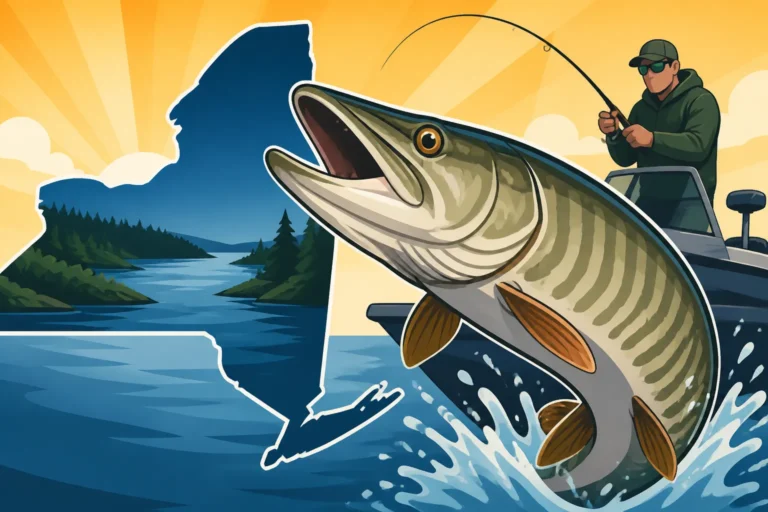
Muskie Hunts: For the elusive and massive muskellunge, particularly in the St. Lawrence River and its Thousand Islands region, specialized muskie guides are almost a necessity. These guides often use large, powerful boats and focus on throwing massive lures or trolling for hours, sometimes days, to entice one of these "fish of 10,000 casts." Their knowledge of muskie behavior, preferred habitats, and the sheer patience required is unmatched.
-
Bowfishing, Kayak Fishing, or Niche Species: Other guides might specialize in bowfishing for carp, guiding kayak anglers to serene hidden coves, or targeting less common species. The beauty of the guide industry in New York is its adaptability and the ability to find an expert for almost any angling pursuit you can imagine.
Choosing the Right Charter or Guide for Your New York Adventure
Selecting the perfect fishing charter or guide in New York is a crucial step toward a successful and enjoyable trip. It's not just about finding someone with a boat; it's about finding the right personality, expertise, and operational style that matches your expectations. Many resources, like FishingBooker, can help you compare options, read reviews, and get a sense of what different operators offer.
Researching Reputable Operators
Before you commit, invest some time in thorough research. Start by looking for guides and charters with a strong online presence and clear, professional communication. Check out their websites, social media pages, and any online listings. Look for guides who are passionate about conservation and responsible fishing practices, aligning with New York's New York Fishing Regulations Explained. A reputable operator will openly share information about their licensing, insurance, and safety protocols. Don't hesitate to contact them directly with questions about their experience, their specific boat, or their approach to guiding. You want someone who is transparent and instills confidence. A good sign is a guide who is also an educator, willing to teach you new techniques and share their knowledge, rather than just passively taking you fishing.
Matching Your Target Species and Fishing Style
New York offers an incredible variety of fish and fishing environments. Are you dreaming of a powerful salmon run on Lake Ontario, a peaceful day fly fishing for trout in the Catskills, or battling striped bass in the Hudson River? Each of these experiences requires different expertise and equipment.
- Species Focus: Look for guides who explicitly state their specialty for the species you want to catch. A guide who primarily targets bass might not be the best choice for a deep-sea fluke trip, even if they have a versatile boat. Many guides are passionate about one or two specific species and have perfected techniques for them.
- Fishing Style: Consider your preferred fishing style. Do you want to learn how to fly fish? Are you eager to troll with multiple lines? Or do you prefer casting artificial lures? Some guides are excellent teachers of specific techniques, while others excel at orchestrating a complex spread of lines for maximum hookups. Be clear about what kind of experience you're hoping for.
Considering Group Size and Experience Level
These factors play a significant role in determining the type of charter or guide that's suitable for you.
- Group Size: Fishing charters and guides have strict limits on the number of passengers they can legally and safely accommodate. If you're planning a trip with a large family or a group of friends, you'll need a larger charter vessel. For a more intimate, one-on-one or two-on-one experience, a smaller guide service, particularly for fly fishing or inshore trips, might be ideal. Be upfront about your group size when inquiring.
- Experience Level: Are you a seasoned angler looking for a challenge, or a complete beginner hoping to catch your first fish? Many guides are fantastic with beginners and families, offering patient instruction and a relaxed atmosphere. Others might cater to more experienced anglers seeking trophy fish or advanced techniques. Ensure the guide understands your experience level so they can tailor the trip accordingly. Don't be shy about stating you're a novice; a good guide will appreciate the honesty and adjust their approach to make sure you have a great time and learn something too. Some charters specifically market themselves as "family-friendly," which is a great indicator if you're bringing kids.
Reading Reviews and Checking Credentials
In today's digital age, online reviews are an invaluable resource for vetting fishing charters and guides. Platforms like FishingBooker, Google, and social media pages often feature testimonials from previous clients.
- Look for patterns: Don't just focus on isolated glowing reviews or a single negative one. Look for consistent themes. Do people consistently praise the captain's patience, knowledge, or success rate? Are there recurring complaints about punctuality, equipment, or communication?
- Check for specifics: Reviews that mention specific species caught, techniques used, or how the guide handled unexpected situations (like bad weather) are particularly helpful.
- Credentials: Beyond reviews, always confirm the guide's credentials. For saltwater and Great Lakes charters, captains should be USCG (U.S. Coast Guard) licensed. Freshwater guides should also have appropriate state licensing and certifications. Don't hesitate to ask about their experience level and years in business. These certifications aren't just bureaucratic hurdles; they ensure a standard of safety and professionalism that protects you as a client. The How to Choose a New York Fishing Charter article might offer more specific considerations.
What to Expect on Your New York Fishing Trip
Booking a fishing charter or guide is an exciting prospect, but knowing what to expect can help ease any pre-trip anxieties and ensure you arrive prepared for a fantastic day on the water. From initial communication to the actual fishing, every step is designed to maximize your experience.
Pre-Trip Communication and Preparation
Once you've booked your trip, good communication from your guide or charter captain is key. They should provide clear instructions on where and when to meet, what to bring, and any specific items you might need.
- Confirmation and Details: Expect an email or call confirming your booking, often including the exact meeting location (e.g., a specific dock, marina, or roadside pull-off for wade trips), start time, and contact information for the captain or guide.
- What to Bring: Typically, charters and guides provide all necessary fishing gear, but you'll almost always need to bring your New York State fishing license. You should also plan for personal items like appropriate clothing layers (it's often colder on the water than on land!), rain gear, sunscreen, sunglasses, a hat, snacks, drinks, and a cooler to transport your catch home (if you plan to keep fish). Don't forget any personal medications. Check out What to Bring on a New York Fishing Charter for a more detailed checklist.
- Weather Check: Reputable operators will monitor the weather closely and communicate any potential changes or cancellations well in advance. Be prepared for them to make the call regarding safety.
Onboard Etiquette and Safety Briefings
Once you arrive, your guide will typically greet you and get you settled.
- Welcome and Introductions: You'll be introduced to the captain, any first mates, and other anglers if it's a shared charter.
- Safety Briefing: A crucial first step on any boat trip is a safety briefing. The captain will point out life jackets (and ensure children are wearing them), emergency exits, fire extinguishers, and explain basic boat rules. Pay close attention – this information is vital for everyone's safety.
- Onboard Rules: Guides will often explain basic rules for fishing from their vessel, such as where to store your bags, how to move around safely, and how to handle lines and bait to avoid tangles or accidents. Respecting their vessel and instructions is part of a smooth, enjoyable trip.
Gear, Bait, and Techniques Provided
One of the major benefits of a charter is the professional setup.
- All Gear Ready: You'll step aboard to find rods, reels, and tackle already rigged and ready to go. The guide will likely have a variety of setups for different techniques and species.
- Fresh Bait/Lures: Depending on the target species, fresh live bait (like bunker for striped bass or emerald shiners for walleye) or a selection of effective artificial lures will be on hand. The guide will know exactly what the fish are biting on.
- Instruction and Assistance: For beginners, guides are invaluable instructors, showing you how to cast, reel, and fight a fish. For experienced anglers, they'll offer tips to refine your technique. They'll actively help with baiting hooks, untangling lines, and netting fish. This hands-on assistance is part of the package.
Handling Your Catch (Keeping, Cleaning, or Catch-and-Release)
The moment of truth – you've landed a fish! What happens next depends on several factors.
- Regulations First: Your guide is an expert on New York Fishing Season Dates and Catch Limits and will immediately confirm if your catch is legal to keep (size, season, bag limits). There are often very specific rules, especially for species like striped bass or trout.
- Keeping Fish: If the fish is legal and you wish to keep it, the guide or mate will typically place it in a cooler or fish box to keep it fresh. At the end of the trip, many charters offer cleaning and filleting services, either included in the price or for a small additional fee. This is a huge convenience!
- Catch-and-Release: Many anglers, especially those targeting trophy species like muskellunge or certain trout, prefer catch-and-release. Your guide will demonstrate proper handling techniques to ensure the fish's survival, minimizing stress and injury. They're usually passionate about conservation and will encourage best practices. Make sure to communicate your preference for keeping or releasing fish at the beginning of the trip.
| Aspect | Charter/Guide Provides | Angler Should Bring |
|---|---|---|
| Fishing Gear | Rods, reels, tackle, bait, lures, nets, gaffs, specialized electronics | Personal lucky lure (optional), any specific comfort gear |
| Safety Equipment | Life jackets (especially for kids), first-aid kit, emergency signaling devices, fire ext. | Personal medications, any specific safety items you prefer |
| Refreshments | Sometimes water/soda; check beforehand | Snacks, drinks, lunch for longer trips, a small cooler |
| Comfort Items | Sun shelter on some boats | Sunscreen, hat, sunglasses, appropriate layers of clothing (rain gear!), seasickness meds |
| Catch Handling | Fish box/cooler for storage, cleaning/filleting (often for a fee) | Cooler for transport home, ice (if not provided by charter) |
| Documentation | Boat registration, captain's license | Valid New York Fishing License (mandatory for most cases) |
| Expertise & Service | Local knowledge, fishing techniques, assistance, safety oversight | Positive attitude, willingness to learn, respect for guide/rules, tip money |
Costs and Booking for New York Fishing Charters and Guides
Understanding the financial aspects and booking process for fishing charters and guides in New York is essential for planning your trip. While exact figures vary wildly based on location, duration, and type of service, knowing the typical structures will help you budget effectively.
Understanding Pricing Structures (Half-Day, Full-Day, Per Person)
Charter and guide services typically price their trips in a few common ways:
- Half-Day vs. Full-Day: This is the most common distinction. A half-day trip usually lasts 4-5 hours, while a full-day trip is 7-9 hours. Half-days are generally more affordable and great for beginners, families, or those with limited time. Full-day trips offer more time on the water, often allowing for longer travel to prime spots or more diverse fishing opportunities. The cost difference is usually significant, with full-day trips often costing less per hour than half-day.
- Per Boat vs. Per Person: Many charters, especially larger ones targeting Great Lakes salmon or offshore species, charge a flat rate for the entire boat, regardless of how many people are in your group (up to their legal capacity). This can be a great value if you have a full group to split the cost. Smaller guide services, particularly for fly fishing or wade trips, might charge per person, sometimes with a discounted rate for a second or third angler. Always clarify this when inquiring.
- What's Included: The base price typically includes the boat, captain/guide, all fishing gear, and bait. Some might include bottled water or light snacks. Exclusions almost always include your fishing license, food/drinks beyond basic provisions, fish cleaning services (sometimes an extra charge), and gratuities for the crew. Always ask for a clear breakdown of what's included to avoid surprises. You can learn more about general pricing in New York Fishing Charter Costs.
The Importance of Deposits and Cancellation Policies
Just like booking any other professional service, fishing charters and guides require deposits and have cancellation policies in place.
- Deposits: A non-refundable deposit is standard practice. This secures your date and covers the guide's time and potential lost bookings if you cancel last minute. Deposits typically range from a few hundred dollars to a percentage of the total trip cost. This deposit is generally applied to your final payment.
- Cancellation Policy: This is critical to understand. Most guides have clear policies regarding weather-related cancellations versus client cancellations.
- Weather Cancellations: If the captain deems the weather unsafe (e.g., high winds, severe thunderstorms), they will cancel the trip. In this scenario, you'll typically receive a full refund of your deposit or the option to reschedule. This decision is solely at the captain's discretion, as safety is their top priority.
- Client Cancellations: If you cancel, the refund policy will depend on how much notice you give. Short-notice cancellations (e.g., within 48-72 hours) often mean forfeiting your deposit. Longer notice periods might allow for a refund or rescheduling. Always read and understand this policy before booking.
Tipping Etiquette for Guides and Mates
Tipping is an important part of the fishing charter and guide industry, similar to tipping in restaurants or other service industries.
- Why Tip?: Guides and mates work incredibly hard to ensure your safety, comfort, and success. They're often up hours before you arrive, preparing bait and gear, and then work tirelessly throughout the trip, baiting hooks, untangling lines, gaffing fish, and cleaning up afterward. A significant portion of their income often comes from tips.
- How Much?: A standard tip for good service is 15-20% of the total trip cost. If the crew went above and beyond, or if you had an exceptional day, a higher tip is always appreciated. Even on tough fishing days, if the crew worked hard and provided excellent service, a tip is still customary.
- When and How?: Tips are usually given in cash directly to the captain (who then shares with the mate) at the end of the trip.
How to Book Your Trip
Booking a New York fishing charter or guide has become incredibly convenient.
- Directly with the Guide/Charter: Many experienced anglers prefer to book directly. This allows for direct communication, personalized discussions about trip details, and sometimes more flexibility. You can often find contact information through local marinas, sporting goods stores, or by word-of-mouth.
- Online Booking Platforms: Platforms like FishingBooker have revolutionized the booking process. They allow you to browse hundreds of charters and guides across New York, filter by location, target species, price range, and boat type. You can read reviews, compare availability, and book securely online. This is particularly useful for those new to charter fishing or exploring unfamiliar regions of New York.
- Tourist Information Centers/Marinas: In popular fishing destinations, local tourist centers or marina offices often have lists of reputable charters and guides, and sometimes even facilitate bookings.
When booking, be ready to provide your preferred dates, group size, target species, and any special requests or requirements (e.g., wheelchair access, child-friendly). Be clear about whether you want a private or shared trip, if available.
Top Regions for Charter and Guide Fishing in New York
New York is a fishing paradise, offering an incredibly diverse range of waters, each with its own character and species. Knowing which regions excel for guided trips can help you narrow down your choices and plan your dream fishing adventure.
Great Lakes: Lake Ontario and Lake Erie
These two vast freshwater seas offer world-class fishing, primarily for salmon, trout, and walleye. Charter boats operating here are typically large, well-equipped vessels designed to handle big water.
- Lake Ontario: Renowned for its phenomenal salmon and trout fishery. Anglers flock here for powerful Chinook (King) salmon, acrobatic Coho salmon, hard-fighting steelhead (rainbow trout), brown trout, and deepwater lake trout. The tributaries feeding into Lake Ontario, like the Salmon River and Oswego River, are also famous for their fall and spring runs of salmon and steelhead, often fished with specialized drift boat or wade guides. Popular charter hubs include Oswego, Olcott, and the Henderson Harbor/Sackets Harbor area. If you're looking for Lake Ontario Fishing in New York: Where to Go, a charter is often the best way to experience it.
- Lake Erie: This lake is famous for its abundant walleye population, offering some of the best walleye fishing in the country. Charters here primarily target walleye, especially during the spring and summer months, but also find good numbers of smallmouth bass and yellow perch. Cities like Dunkirk and Buffalo serve as key launching points for Lake Erie charters. Check out Lake Erie Fishing in New York: Where to Go to find specific charter recommendations.
Finger Lakes and Inland Waters
New York's interior is dotted with numerous lakes, large rivers, and reservoirs, providing exceptional freshwater angling opportunities.
- Finger Lakes: This chain of eleven long, narrow lakes offers diverse fishing. Seneca Lake, Cayuga Lake, and Keuka Lake are particularly well-known for lake trout, landlocked salmon, and smallmouth bass. Guides here often employ trolling techniques for the deepwater species or focus on casting for bass along structure. These lakes are also popular for ice fishing in winter.
- St. Lawrence River and Thousand Islands: This iconic border water is a trophy hunter's dream, particularly for muskellunge and smallmouth bass. Guides in this region are often highly specialized, dedicating themselves to chasing these giants. The Thousand Islands area is especially picturesque and offers fantastic multi-species opportunities. For those after Muskellunge in New York, a guide is a must.
- Oneida Lake: Known as one of New York's premier walleye fisheries, Oneida Lake also boasts excellent bass and panfish populations. Guides here are expert at jigging and trolling for walleye, and it's a popular spot for guided ice fishing trips as well.
- Adirondack Lakes and Rivers: The vast wilderness of the Adirondack Park is home to countless lakes, ponds, and streams, offering incredible opportunities for brook trout, lake trout, and various warmwater species. Many guides here specialize in remote, backcountry trips, often involving canoes or hiking to access pristine waters.
Long Island Sound and Atlantic Ocean
For saltwater enthusiasts, the waters surrounding Long Island provide a thrilling experience with a wide array of marine species.
- Long Island Sound: This estuary is a rich fishing ground for striped bass, bluefish, fluke (summer flounder), porgy (scup), and blackfish (tautog). Charters here range from larger party boats to smaller, faster center consoles, depending on the target species and desired experience. The calm waters generally make for comfortable fishing. Fishing Long Island Sound in New York: A Complete Guide will give you an idea of the species and seasons.
- Atlantic Ocean (Offshore Long Island): Heading further offshore from ports like Montauk, Shinnecock, or Freeport, you can find charters targeting larger pelagic species. This includes tuna (bluefin, yellowfin), shark species, mahi-mahi, and cod. These are typically full-day or even multi-day trips requiring larger, more robust vessels and experienced captains.
Hudson River and Upstate Rivers
The mighty Hudson River offers unique fishing opportunities, especially for its renowned spring striped bass run, and other upstate rivers provide diverse experiences.
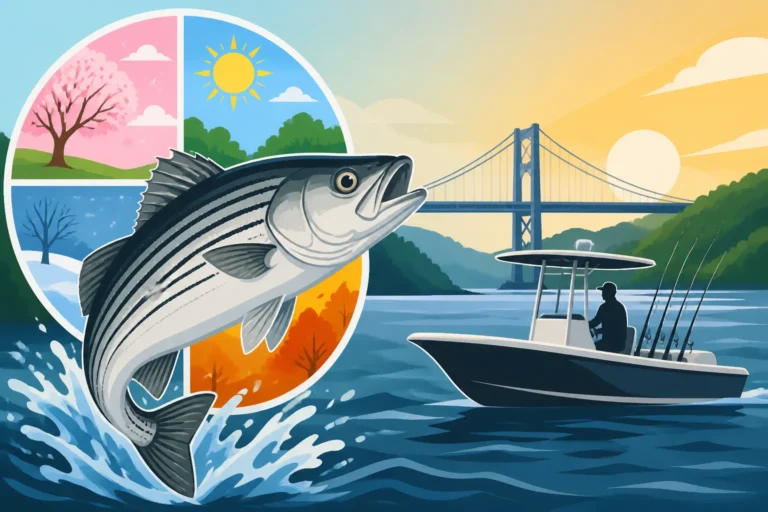
- Hudson River: From its tidal sections near New York City all the way up into the freshwater stretches, the Hudson is a fantastic fishery. It's most famous for its spring striped bass run, where countless migrating stripers move upriver to spawn. Guides here specialize in targeting these fish with live bait or artificials. Beyond stripers, the Hudson also offers good fishing for largemouth bass, smallmouth bass, northern pike, and various panfish. Discover more about Fishing the Hudson River in New York: Where to Go.
- Catskill Mountains Rivers: The legendary Beaverkill, Willowemoc, Esopus, and Delaware River tributaries are Mecca for fly anglers. These rivers are famous for their wild and stocked trout populations (brown, rainbow, brook trout). Fly fishing guides here are highly specialized, focusing on reading currents, understanding insect hatches, and teaching precise fly presentation.
- Great Lakes Tributaries: Rivers like the Salmon River, Oswego River, Genesee River, and others that flow into Lake Ontario and Erie become hotbeds for salmon and steelhead during their migratory runs. Drift boat and wade guides are extremely popular here, helping anglers navigate currents and target these powerful fish in often challenging conditions.
Maximizing Your Experience with a New York Fishing Professional
Hiring a New York fishing charter or guide is an investment in a memorable day. To ensure you get the most out of your trip, it helps to go in with the right mindset and clear communication. These professionals are there to facilitate your success and enjoyment, but a little effort on your part goes a long way.
Communicating Your Expectations Clearly
This might be the most important tip. Before, during, and after booking, be absolutely clear about what you hope to achieve.
- Target Species: State your primary target species. If you're flexible, say so. "I'd really love to catch a big Lake Ontario King Salmon, but I'd be happy with anything biting" is a great way to communicate.
- Desired Experience: Are you after a trophy, or just want to catch some fish for dinner? Are you looking for a relaxing day, or an intense learning experience? Do you want to try fly fishing, or stick to spinning gear?
- Group Dynamics: If you're bringing kids or less experienced anglers, mention this. A good guide can adjust their approach to make sure everyone has a fun and engaging time, perhaps focusing on action rather than just trophy fish.
- Learning Goals: If you want to learn a new technique or understand more about fish behavior, tell your guide. They are a wealth of information and often love to teach.
Don't assume your guide can read your mind. Open communication helps them tailor the trip to your specific desires and manage expectations realistically, especially concerning New York Fishing Season Dates and Catch Limits.
Being Prepared for All Weather Conditions
New York weather, especially on large bodies of water or in the mountains, can change rapidly. Being prepared makes a huge difference in your comfort and enjoyment.
- Layer Up: Always dress in layers, even on what seems like a warm day. It's almost always cooler on the water, and conditions can shift quickly.
- Rain Gear: A waterproof jacket and pants are essential, even if the forecast looks clear. A sudden shower can ruin an otherwise perfect day if you're soaked through.
- Sun Protection: Sunscreen, a wide-brimmed hat, and polarized sunglasses are non-negotiable. The reflection off the water amplifies UV rays.
- Appropriate Footwear: Wear comfortable, non-slip shoes or boots. Depending on the trip (e.g., wade fishing), specialized footwear might be required.
- Motion Sickness: If you're prone to seasickness, take preventative medication before the trip, as directed. Don't wait until you're feeling ill.
A comfortable angler is a happy angler, and a prepared angler gets to focus on the fishing rather than shivering or squinting.
Learning from Your Guide
Your guide is a seasoned professional with years of experience on these specific waters. View the trip not just as a fishing excursion, but as an educational opportunity.
- Ask Questions: Don't be afraid to ask why they're using a particular lure, how they read their electronics, or why they're positioning the boat in a certain way. Most guides love to share their knowledge.
- Observe and Absorb: Pay attention to their techniques, how they handle the rod, how they set the hook, and how they fight a fish. Observe how they interact with the environment.
- Practice: If they offer casting tips or demonstrate a new technique, try it! The more engaged you are, the more you'll learn and the more satisfying the experience will be.
- Respect Their Expertise: They know the water conditions, the fish behavior, and the local regulations best. Trust their judgment, especially when it comes to safety or when they suggest a change in tactic.
Following Regulations and Conservation Practices
Good guides are often passionate conservationists and operate strictly within the law. Your cooperation is crucial.
- Fishing License: Ensure you have a valid New York fishing license for the waters you'll be fishing before you step on the boat. This is a non-negotiable requirement. For example, understanding the requirements from the New York Fishing License Guide is your responsibility. Also, if you're targeting marine species, ensure you are registered with the New York Recreational Marine Fishing Registry if required.
- Bag and Size Limits: Listen carefully to your guide regarding what fish can be kept, how many, and their minimum or maximum size. Regulations can be complex and vary by species and location.
- Catch-and-Release Best Practices: If releasing fish, handle them carefully and quickly. Keep them in the water as much as possible, use wet hands, and revive them properly. Your guide will demonstrate this.
- Respect the Environment: Don't litter, damage vegetation, or harass wildlife. Leave no trace. Responsible angling ensures these resources remain healthy for future generations.
By working collaboratively with your guide, respecting the rules, and being prepared, you're set for an exceptional and rewarding fishing adventure in New York.
Common Questions About New York Fishing Charters
It's completely normal to have a few lingering questions when considering booking a fishing charter or guide in New York. Let's tackle some of the most common concerns that come up for anglers, whether they're seasoned veterans or planning their very first trip.
Do I Need My Own Fishing License?
Yes, almost universally, you will need your own valid New York State fishing license. This is perhaps the most frequently asked question and one of the most important regulations for any angler to understand.
- The Law: New York State law requires anyone aged 16 and older to possess a valid fishing license to fish in freshwater. For saltwater fishing, while a specific "license" isn't always needed, anglers typically must register with the New York State Department of Environmental Conservation's (DEC) Marine Recreational Fishing Registry. Your charter captain or guide cannot provide you with a license; it's your personal responsibility.
- Where to Get One: You can purchase a fishing license online through the DEC website, at various sporting goods stores like New York Fishing License at Walmart, or at most town/city clerk offices. It's a quick and straightforward process, but make sure to do it before your trip.
- Exemptions: There are very limited exemptions, such as fishing on Free Fishing Days or for children under 16, who generally do not need a license to fish in New York (but still need to follow regulations). Check out Do Kids Need a Fishing License to Fish in New York? for more details.
- Why It Matters: Having your license handy demonstrates compliance and respect for New York's fishing resources. Conservation officers do conduct checks, and being caught without a license can result in fines and legal penalties. Your guide will expect you to have it ready.
Are Charters Family-Friendly?
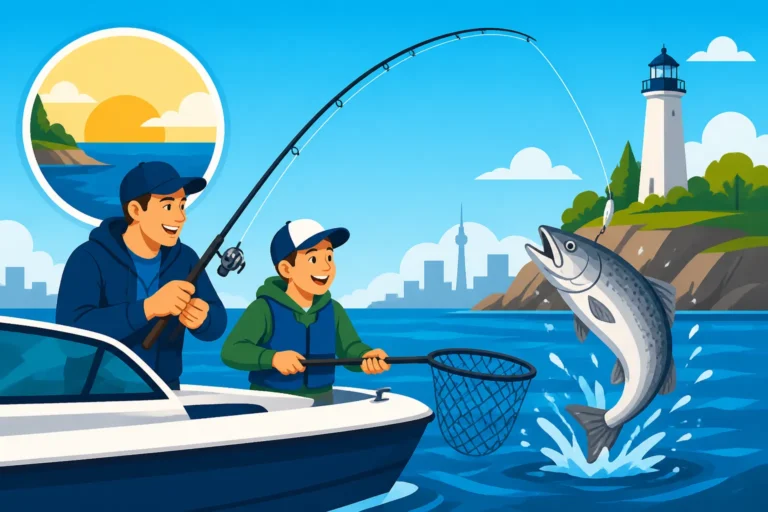
Absolutely! Many New York fishing charters and guides actively market themselves as family-friendly and genuinely enjoy introducing kids and beginners to the joys of fishing.
- Creating a Positive Experience: A good family-friendly charter captain understands that kids might have shorter attention spans, need more hands-on help, and value action over trophy size. They'll often adjust techniques to maximize bites, even if it's for smaller, abundant species like perch or sunfish, to keep everyone engaged.
- Safety First for Kids: Reputable charters will have appropriately sized life jackets for children and prioritize their safety throughout the trip. They'll also explain rules in a kid-friendly manner.
- Educational Opportunity: It's a fantastic chance for children to learn about marine life, fishing ethics, and outdoor recreation. Many guides are excellent educators and make the experience fun and informative.
- Considerations for Families:
- Half-Day Trips: Often a better choice for younger children, as full days can be long.
- Calmer Waters: Inshore or nearshore trips in protected bays or rivers are usually more comfortable than offshore excursions for those prone to seasickness.
- Communication: Discuss your family's needs with the captain when booking. Ask about onboard restrooms, shaded areas, and their approach to fishing with kids.
- Flexibility: While a specific target species might be desired, sometimes an abundance of smaller, easier-to-catch fish can make the day more exciting for little ones.
Booking a family-friendly charter can create lasting memories and potentially spark a lifelong love for fishing in your children.
What Happens if the Weather is Bad?
Weather is an unavoidable factor in outdoor activities, and fishing is no exception. Reputable New York fishing charters and guides prioritize safety above all else.
- Captain's Discretion: The decision to cancel or reschedule a trip due to unsafe weather conditions (like high winds, heavy seas, fog, or severe thunderstorms) rests solely with the captain or guide. They are constantly monitoring forecasts and have the most experience navigating local conditions.
- Communication: If a weather cancellation is necessary, your guide will contact you as far in advance as possible. This is why providing accurate contact information during booking is crucial.
- Rescheduling or Refund: In most cases, if the captain cancels due to weather, you will be offered the option to reschedule your trip for another available date or receive a full refund of your deposit.
- Client Cancellation vs. Captain Cancellation: It's important to differentiate between the two. If you decide to cancel due to a personal preference for clearer skies, but the captain deems conditions safe to fish, you may forfeit your deposit according to their cancellation policy. Always understand their policy upfront.
- "Fishable" vs. "Comfortable": Sometimes, conditions might be safe to fish, but not necessarily comfortable (e.g., choppy waters). Discuss your comfort level with the captain. While they won't risk safety, they might be able to suggest alternative, more sheltered locations if available.
Flexibility and understanding regarding weather are key when booking any outdoor adventure. Trusting your captain's judgment on safety is paramount.
Can I Bring My Own Gear?
Generally, yes, you can often bring your own fishing gear, but it's always best to confirm this with your charter captain or guide beforehand.
- Provided Gear is Standard: One of the main benefits of a charter is that all high-quality, specialized gear is provided. The rods, reels, and tackle are specifically chosen for the target species and conditions, and they're meticulously maintained by the crew.
- Personal Preference: Many experienced anglers have their "lucky" rod or a preferred setup. Bringing your own gear can be a way to enjoy your familiar equipment.
- Compatibility Issues: Be aware that your gear might not be appropriate for the type of fishing being done. For instance, a light freshwater bass rod won't cut it for offshore salmon trolling on Lake Ontario. Your guide might also have specific line requirements or terminal tackle preferences.
- Space and Logistics: On smaller boats, space can be limited, so bringing multiple bulky rod cases might not be feasible. Discuss what you intend to bring to ensure it's manageable.
- Breakage/Loss: If you bring your own gear, you are typically responsible for it. If something breaks or goes overboard, the guide is usually not liable.
- When to Ask: The best time to inquire about bringing your own gear is when you're booking the trip or during the pre-trip communication. Your guide can advise you on what would be appropriate and what might be better left at home.
Ultimately, while bringing your own gear is often allowed, relying on the charter's provided equipment ensures you're using the most effective tools for the job, personally selected by an expert.
Disclaimer
This article is for general informational purposes only and does not constitute professional advice. Laws, prices and regulations vary by location and change over time. Consult a qualified professional for guidance on your specific situation.