Best Month to Book a Hudson River Striped Bass Guide
Trying to figure out the absolute best time to book a Hudson River striped bass guide can feel like trying to solve a complicated puzzle, especially when you're dreaming of landing that trophy fish. It's not just about picking a random weekend; it's about understanding the subtle dance between fish migration, water temperatures, and angler pressure. This guide will cut through the confusion, helping you understand the seasonal patterns of these incredible fish and empowering you to pick the prime month for your ultimate striped bass adventure.
Understanding the Hudson River Striped Bass Season
The Hudson River is legendary for its striped bass fishery, attracting anglers from all over for a chance at these powerful game fish. However, "striped bass season" isn't a static thing; it's a dynamic period driven by the fish's migratory patterns. Knowing when the stripers are actively running up and down the river is key to timing your guide trip perfectly.
The Spring Migration: The Trophy Chase
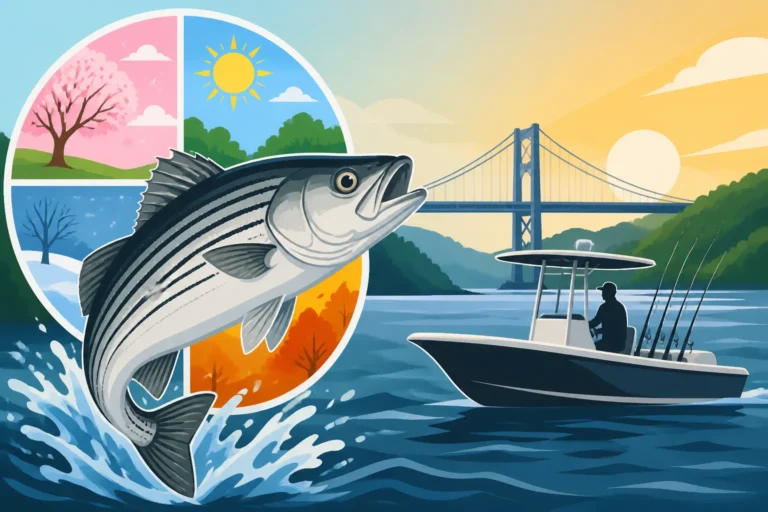
Without a doubt, the spring migration is the most highly anticipated and often considered the "best" time to target striped bass on the Hudson River. As the waters begin to warm after the long New York winter, large migratory stripers push upriver from their wintering grounds, heading towards their spawning grounds.
This period typically kicks off in April, with the action really heating up in late April and throughout May. During these weeks, the river can be teeming with fish, including some of the largest "cow" stripers of the year. Anglers flock to the river with hopes of landing a true trophy. The fish are often aggressive as they prepare to spawn, making them more willing to hit a variety of baits and lures. A seasoned guide during this time is invaluable; they know the specific currents, eddies, and structure where these big fish hold as they move upriver. It's a truly exhilarating experience, often characterized by fast-paced action and the chance for a fish of a lifetime. The sheer numbers and size of the fish make this period incredibly popular, so be prepared for busy waters if you venture out without a guide. For a deeper dive into the spring run, you might want to read How to Fish for Striped Bass in the Spring Run.
Summer Patterns and Challenges
As the spring migration wraps up and the temperatures soar into June and July, the fishing dynamics on the Hudson River shift dramatically. Many of the large migratory striped bass that spawned upriver begin their journey back towards the cooler, saltier waters of the Atlantic Ocean and Long Island Sound. While some fish will remain in the Hudson through the summer, especially further north or in deeper, cooler pockets, the consistent, fast-paced action of spring usually tapers off.
Fishing during the summer months can be more challenging and requires a different approach. Guides often focus on targeting resident fish or those that haven't yet left the system. This might mean fishing earlier in the morning, later in the evening, or even at night when water temperatures are cooler and stripers are more active. Anglers might find success by targeting specific structures, deep channels, or areas with good current. Smaller baitfish patterns and live bait can be effective. While you might not encounter the same density of large migratory fish as in spring, summer still offers opportunities for good fishing, especially for those who enjoy a more technical approach or aren't necessarily chasing a monster striper. Just be aware that the mid-day heat can make for less comfortable fishing conditions and slower action.
The Fall Retreat: A Second Chance
Just when you think the best of the striped bass action is over, the Hudson River lights up again with the fall migration. As autumn sets in and water temperatures begin to drop, striped bass, both those that remained in the river and those returning from ocean foraging grounds, begin to stage for their journey south. This period offers another fantastic opportunity to hook into some excellent stripers.
The fall run typically gets underway in September and continues strong through October, sometimes into early November. The fish are often focused on feeding heavily, gorging themselves on baitfish like bunker (Atlantic menhaden) to build up reserves for their winter migration. This "blitz" feeding behavior can lead to explosive topwater action, making for incredibly exciting fishing. While the average size might trend slightly smaller than the behemoths of the spring spawn, there are still plenty of substantial fish to be caught. Booking a guide during the fall can be just as rewarding as in the spring, as they know where the baitfish are concentrated and where the stripers will be ambushing them. It's a fantastic time for both quantity and quality, often with fewer crowds than the frantic spring period, making for a more relaxed yet still action-packed experience. This migration is covered in more detail in When Do Striped Bass Run Up New York's Hudson River?.
Factors Influencing Your Booking Choice
Choosing the "best" month isn't just about when the fish are biting; it's also about understanding the environmental factors driving their behavior and considering your own preferences. Each season has its unique set of pros and cons that can impact your overall experience.
Water Temperature and Fish Activity
Striped bass are highly sensitive to water temperature, which is the primary driver of their migratory patterns and feeding behavior. In the spring, as the Hudson River warms from winter's chill and approaches the ideal spawning temperature range (typically in the low to mid-50s Fahrenheit), stripers become incredibly active. They are physiologically primed to move upriver, spawn, and feed aggressively. This creates that "trophy chase" window we talked about.
Conversely, once summer temperatures climb into the 70s Fahrenheit, striped bass can become lethargic and seek out cooler, deeper water or areas with more current and oxygen. This is why summer fishing can be tougher, often requiring nocturnal excursions or targeting specific, cooler thermal refuges. In the fall, as water temperatures begin to cool back down into the 50s and 60s Fahrenheit, stripers once again become highly active, feeding voraciously to prepare for winter. Understanding these temperature preferences helps you align your trip with periods of peak activity. Your guide will be monitoring these conditions constantly, using their knowledge to put you on the fish.
Spawning Cycles and Conservation
The spring run is directly tied to the striped bass spawning cycle. These fish travel miles upriver to release their eggs and milt in the freshwater sections of the Hudson. While this period offers incredible fishing opportunities, it's also a critical time for the species' reproduction. Many anglers and guides practice diligent Catch-and-Release Handling Rules during this sensitive period to ensure the health of the fishery for future generations.
It's important to be aware of any specific regulations or slot limits that may be in place, especially during the spawning season. The New York State Department of Environmental Conservation (DEC) regularly updates New York Fishing Regulations Explained to protect fish stocks. A good guide will always be up-to-date on these rules and will emphasize responsible angling practices. While the thrill of a big fish is undeniable, knowing you're contributing to the sustainability of the fishery makes the experience even more rewarding.
Crowds and Guide Availability
The popularity of Hudson River striped bass fishing means that certain times of the year can get quite busy. The spring trophy season, in particular, attracts a significant number of anglers, both guided and unguided. This can mean more boats on the water and more competition for prime fishing spots. While a reputable guide will always know how to navigate these conditions and find fish, it's something to consider.
| Season | Striped Bass Activity | Guide Availability | Crowds on Water | Chance for Trophy Fish | Fishing Experience |
|---|---|---|---|---|---|
| Spring (Late Apr-May) | Very High (Spawning Run) | Low (Booked Early) | High | Excellent | Fast-paced, intense |
| Summer (Jun-Aug) | Moderate (Resident Fish) | Moderate | Low | Moderate | Slower, technical |
| Fall (Sep-Oct) | High (Feeding Blitz) | Moderate to Low | Moderate | Good | Action-packed, varied |
| Winter (Nov-Mar) | Very Low | Very Low (Limited) | Very Low | Very Low | Minimal |
Conversely, during the peak spring and fall runs, the most experienced and sought-after guides book up incredibly fast. If you're targeting a specific month like May or October, you'll need to plan well in advance – often 6-12 months out – to secure your preferred guide and date. Waiting until the last minute will severely limit your options. This is especially true for popular weekends. The fall season, while still popular, sometimes offers a slightly easier booking window compared to the frantic spring. For guides specializing in Hudson River Fishing Guides, early booking is almost always the rule rather than the exception.
Maximizing Your Chances: When and How to Book a Guide
You've learned about the peak times for Hudson River striped bass. Now, let's talk about the practical side of turning that knowledge into a successful fishing trip. Booking the right guide at the right time can make all the difference.
The Importance of Early Booking
I can't stress this enough: if you want to fish during the prime windows of late April, May, September, or October, you absolutely must book your guide well in advance. These are the busiest times, and the best guides are often booked solid months, sometimes even a year, ahead of time. Think about it like booking a popular hotel for a major holiday – you wouldn't expect to just show up and get a room. The same applies to top fishing guides.
Booking early ensures you get your preferred dates and allows you to choose from a wider selection of reputable captains. It also gives you peace of mind, knowing your trip is secured. Don't underestimate the demand for New York Fishing Charters and Guides during these hot seasons. If you try to book a May trip in March, you're likely to find very limited availability, or you might end up settling for a less experienced guide. Planning ahead is your best strategy for success and enjoyment.
What to Discuss with Your Guide
Once you've identified a potential guide, don't be afraid to ask questions! A good guide will welcome your curiosity and be happy to share their expertise. Here are a few things you should discuss:
- Target Species and Techniques: Confirm that their specialty aligns with your goal of catching striped bass. Ask about the techniques they typically employ (e.g., live bait, lures, trolling) during your chosen month.
- Trip Inclusions: Clarify what's included in the trip cost. Does it cover bait, tackle, and fuel? Are snacks and drinks provided, or should you bring your own? Remember, New York Fishing Charter Costs can vary.
- Licensing and Regulations: While many guides will have a boat license that covers passengers, always double-check if you need to purchase your own New York Fishing License Guide or a specific recreational marine fishing registry if fishing saltwater sections. Ask about current catch limits and conservation practices.
- Experience Level: Let them know your fishing experience. Are you a seasoned angler looking for a challenge, or a beginner hoping to learn the ropes? A good guide can tailor the trip to your skill level.
- Cancellation Policy: Understand their policy regarding weather cancellations or other unforeseen circumstances. Life happens, and it's good to know what to expect.
Having a clear conversation upfront ensures everyone is on the same page and helps manage expectations, leading to a much more enjoyable day on the water.
Leveraging Online Booking Platforms
In today's digital age, online booking platforms have become incredibly useful tools for finding and reserving fishing guides. Websites like FishingBooker, for instance, allow you to browse a wide array of Hudson River fishing guides, compare their services, read reviews from other anglers, and check their availability.
These platforms often provide detailed profiles for each captain, outlining their experience, the type of boat they run, and the species they target. This transparency makes it easier to find a guide that perfectly matches your preferences for a striped bass trip. You can often filter by location, date, and even specific fish species. Using a platform like FishingBooker can streamline the process, allowing you to easily see which guides are available in your desired month and book directly. It’s a convenient way to navigate the options and secure your spot on the water without making a dozen phone calls. After all, your goal is to spend more time fishing and less time coordinating!
Disclaimer
This article is for general informational purposes only and does not constitute professional advice. Laws, prices and regulations vary by location and change over time. Consult a qualified professional for guidance on your specific situation.