Fly Fishing Guides in the Catskills
The Catskills, with their pristine rivers and storied fly fishing history, call to many anglers. But for newcomers or even seasoned veterans looking to truly unlock the secrets of these legendary waters, the sheer complexity of local currents, hatches, and access points can feel incredibly daunting. This comprehensive guide is here to demystify the process and help you understand the immense value that a dedicated fly fishing guide brings to your Catskills adventure, ensuring a memorable and successful trip.
Why Hire a Fly Fishing Guide in the Catskills?
Stepping into the Catskill Mountains with a fly rod for the first time, or even the tenth, can be an overwhelming experience. These aren't just any streams; they are the cradle of American dry fly fishing, steeped in tradition and brimming with nuance. Hiring a local fly fishing guide isn't just about catching fish; it's about gaining an unparalleled education and access to an experience you simply can't replicate on your own.
Navigating the Legendary Waters
The rivers of the Catskills, like the Beaverkill, Willowemoc, and Esopus, are famous for a reason, but their fame also means they can be tricky. Public access points are well-known, but often the best fishing lies in lesser-known stretches, private waters (with permission), or subtle features that only a local eye can spot. A good guide knows every bend, every riffle, and every deep pool, understanding how water levels, currents, and recent weather patterns affect fish behavior in specific locations. They can help you navigate these often-challenging terrains safely and efficiently.
Imagine spending precious hours of your trip hiking miles up and down a river, only to find the "perfect" spot completely devoid of activity or, worse, already occupied by other anglers. A guide eliminates this frustration. They'll take you directly to productive water, sometimes even accessing private sections or remote pockets that require specific knowledge to reach. This local expertise is invaluable, especially if your time on the water is limited, ensuring you spend less time searching and more time fishing. It's like having a trusted friend who knows every secret nook and cranny of the watershed.
Mastering Local Techniques and Hatches
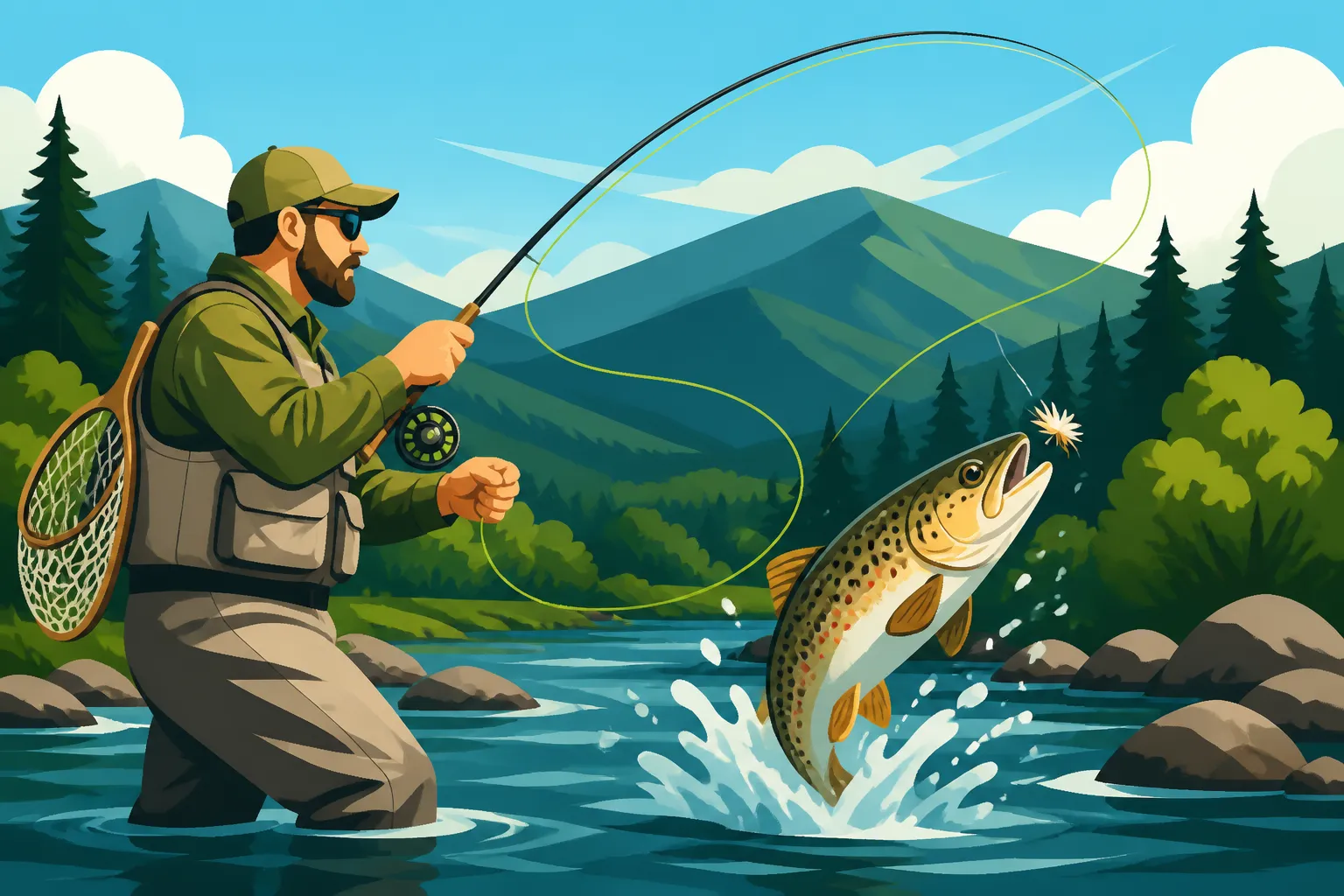
Fly fishing is as much an art as it is a science, and nowhere is this more true than in the Catskills. The fish here are often wild, wary, and highly attuned to the environment. What worked last week in a different state might not work today on the Esopus. Local guides live and breathe these waters, intimately understanding the seasonal insect hatches, from early spring Quill Gordons to late summer Tricos. They know exactly what flies to use, what size, and how to present them to finicky trout. This knowledge goes far beyond what you can glean from a general fishing report.
Beyond just fly selection, a guide will instruct you on the subtle nuances of presentation unique to these challenging rivers. Whether it's the precise drag-free drift needed for a selective brown trout in a slow pool or the delicate upstream mend required to fool a wild brook trout in a fast riffle, their hands-on coaching will refine your skills. They can teach you how to "read the water" – identifying holding lies, feeding lanes, and potential fish habitat – a skill that will serve you well on future trips. Learning from a guide ensures you're using the most effective techniques for the specific conditions you encounter.
Boosting Your Learning Curve
For beginners, the world of fly fishing can be intimidating. There are so many knots, casting techniques, different types of flies, and an entirely new vocabulary to learn. A guide acts as a patient, hands-on instructor, breaking down complex skills into manageable steps. They'll teach you the basics of casting, mending, fly selection, and proper fish handling, accelerating your learning curve dramatically. Instead of struggling through trial and error, you'll benefit from years of experience poured into a single day.
Even experienced anglers can benefit from a guide's insights. Perhaps you want to master nymphing techniques or learn how to effectively fish streamers in high water. A guide can tailor the day to your specific goals, offering advanced instruction and tips you might never discover on your own. They can help you break bad habits, refine your presentation, and push you to the next level of your fly fishing journey. It's an investment in your long-term angling prowess, transforming a mere fishing trip into a truly educational experience. For more on improving your skills, check out How to Fly Fish in New York.
What to Look for in a Catskills Fly Fishing Guide
Choosing the right fly fishing guide in the Catskills is paramount to a successful and enjoyable trip. It's not just about finding someone who can put you on fish; it's about finding a personality that matches yours, an instructor who can communicate effectively, and a professional who prioritizes your safety and experience.
Experience and Local Knowledge
The Catskills are iconic for a reason, and the best guides here have a deep, almost instinctual connection to the rivers. You want a guide who has spent countless hours on these specific waters, not just general experience. Ask about their favorite rivers, how long they've guided in the area, and what species they specialize in. A guide who lives locally will have real-time knowledge of water conditions, recent hatches, and fish activity, which is invaluable. They'll know the subtle differences between the Beaverkill and the Willowemoc, or how the Esopus fishes after a big rain.
Experienced guides also understand the history and ecology of the region, adding a rich layer of context to your trip. They can tell you stories of legendary anglers, explain conservation efforts, and even identify local flora and fauna. This deep immersion enhances the entire experience, turning a simple fishing trip into a true outdoor adventure. Don't be shy about asking for references or checking out reviews on platforms like FishingBooker, where past clients share their experiences with specific guides. Their intimate knowledge of Best Trout Streams in the Catskills can make all the difference.
Teaching Style and Patience
A great fly fishing guide isn't just a good angler; they're an excellent teacher. Everyone learns differently, and a patient guide who can adapt their instruction to your skill level and learning style is crucial. If you're a beginner, you'll need someone who can break down casting mechanics and fly presentation clearly and without frustration. If you're more advanced, you'll appreciate a guide who can offer subtle tweaks and insights into complex situations. Ask potential guides about their teaching philosophy and how they handle different skill levels.
Consider whether you prefer a more hands-on approach, where the guide is constantly adjusting your cast and explaining every detail, or a more laid-back style, where they offer advice as needed. A guide's personality should complement yours – a day on the river is meant to be relaxing and enjoyable, not stressful. A patient and encouraging guide can turn potential frustrations into learning opportunities, making the entire experience positive and memorable.
Gear, Logistics, and Professionalism
Before booking, clarify what gear the guide provides. Most guides will offer rods, reels, and a selection of flies, which is incredibly helpful, especially for beginners or those traveling light. However, you'll generally be expected to bring your own waders, boots, and appropriate clothing. Discuss logistics like meeting points, lunch arrangements, and transportation during the trip. A professional guide will have all these details sorted out and communicate them clearly beforehand.
| Aspect | What to Look For | Why It Matters |
|---|---|---|
| Experience | Years guiding in the Catskills, specific river knowledge | Real-time conditions, secret spots, historical context |
| Teaching Style | Patient, adaptable, clear communication | Effective learning, enjoyable experience, tailored instruction |
| Inclusions | Rods, reels, flies, lunch, transportation | Convenience, reduces your packing, sets expectations |
| Safety | First aid, river safety knowledge, emergency plan | Your well-being is paramount, especially on slippery or swift waters |
| Reputation | Positive reviews, references, professional affiliations | Assurance of quality service, reliable experience |
A truly professional guide will also prioritize safety, especially when dealing with slippery rocks, swift currents, or changing weather conditions. They should have a solid understanding of first aid and an emergency plan. Furthermore, confirm that they are properly licensed and insured – a non-negotiable for your peace of mind. A guide who communicates clearly, responds promptly, and runs their business professionally will ensure a smooth and enjoyable experience from start to finish. Remember that you will still need your own New York Fishing License Guide.
Types of Fly Fishing Trips Offered by Catskills Guides
Fly fishing in the Catskills isn't a one-size-fits-all experience. Guides often tailor their offerings to cater to different skill levels, time commitments, and specific angling goals. Understanding the various trip types can help you choose the perfect adventure for your needs.
Full-Day vs. Half-Day Excursions
One of the most common decisions you'll face is whether to book a full-day or half-day trip. A half-day trip typically lasts around 4-5 hours and is a great option for beginners, families with younger children, or those with limited time or budget. It's enough time to learn the basics, get some casting practice in, and potentially catch a few fish without feeling overwhelmed. It's also perfect for anglers who want to target a specific hatch window, such as an evening rise, without committing to an entire day on the water.
A full-day trip, usually 8+ hours, offers a much more immersive experience. This allows for travel to multiple sections of a river, targeting different types of water, and adapting to changing conditions throughout the day. You'll have ample time for in-depth instruction, to explore more remote areas, and to truly settle into the rhythm of the river. Full-day trips are ideal for serious anglers looking to significantly improve their skills, target larger or more challenging fish, or simply enjoy a longer, more comprehensive day on the water. Many guides include lunch and snacks on full-day trips, making it a truly all-inclusive experience.
Beginner-Focused Instructionals
If you're brand new to fly fishing, or perhaps you've tried it once or twice and felt lost, a beginner-focused instructional trip is your best bet. These trips are specifically designed to introduce you to the fundamentals in a patient and supportive environment. Your guide will start with the absolute basics, covering proper grip, casting mechanics, line management, knot tying, and basic fly selection. They'll emphasize safety and river etiquette, ensuring you feel comfortable and confident on the water.
The goal of these instructional trips isn't necessarily to catch the biggest fish, but rather to build a solid foundation of skills that will serve you for years to come. Guides will often choose easier-to-access sections of the river with ample casting room and a good chance for some action, boosting your confidence. You'll learn the crucial elements of reading water and understanding trout behavior, turning your initial apprehension into genuine excitement for the sport. This is a fantastic way to quickly get up to speed without the trial and error that can often discourage new anglers.
Advanced Techniques and Targeting Specific Species
For experienced fly anglers, a guided trip can be an opportunity to refine specialized techniques or target specific, challenging species. Perhaps you want to master Euro nymphing in swift currents, perfect your dry-fly presentation to finicky risers, or learn how to effectively swing streamers for aggressive brown trout. Guides with specialized knowledge can offer advanced insights and coaching tailored to your goals. They might take you to more demanding sections of the river, where presentation and accuracy are paramount.
Furthermore, if you have a specific species in mind – a trophy brown trout, for instance, or perhaps a native brook trout in a secluded tributary – a guide can focus the entire day on achieving that goal. They know the habits, preferred lies, and seasonal movements of different fish and can put you in the best position for success. These trips are less about basic instruction and more about fine-tuning existing skills, exploring new strategies, and pushing the boundaries of your angling abilities. Knowing the New York Freshwater Fishing Rules regarding trout is essential.
Understanding the Cost of a Catskills Fly Fishing Guide
Investing in a guided fly fishing trip in the Catskills is an investment in an experience, education, and potentially, unforgettable memories. Like any specialized service, the cost can vary, and it's helpful to understand what factors influence these rates and what you can expect your money to cover.
Factors Influencing Guide Rates
The price of a fly fishing guide in the Catskills is generally influenced by several key factors. First, the duration of the trip is a major determinant; full-day trips will naturally cost more than half-day excursions. The number of anglers can also affect the price, with many guides offering a base rate for one or two people, and an additional charge for a third. Solo trips often command a similar rate to two-person trips because the guide's time and resources are still fully dedicated.
A guide's experience and reputation also play a significant role. Highly sought-after guides with years of local knowledge, a strong track record of success, and excellent teaching skills might charge a premium. Similarly, specialized trips, such as those focusing on specific advanced techniques or targeting trophy fish, could be priced higher due to the increased expertise and effort required. Additionally, the time of year can influence rates, with peak seasons (like spring hatches or fall foliage runs) sometimes seeing slightly higher demand and prices. You can often find a breakdown of Fly Fishing Guide Rates in New York's Catskills through various booking platforms.
What's Typically Included (and What's Not)
Most reputable Catskills fly fishing guides offer a fairly comprehensive package. Typically included in the base rate are:
- Instruction: Hands-on coaching tailored to your skill level.
- Rods and Reels: High-quality gear appropriate for the target species and conditions.
- Flies and Leaders: A selection of effective patterns and fresh leaders.
- Transportation: From a designated meeting point to and from the river.
- Lunch/Snacks/Drinks: Usually provided on full-day trips (always confirm).
What's generally not included, and which you'll need to budget for separately, are your personal items such as waders, boots, appropriate clothing, sunglasses, and a hat. Most importantly, you are responsible for purchasing your own New York Fishing License Guide and any necessary stamps, like a trout stamp, before the trip. Some guides might have spare waders or boots, but it's best to confirm this well in advance. Alcohol is also typically not provided, though you might be able to bring your own in moderation (again, check with your guide beforehand).
Tipping Your Guide
Tipping your fly fishing guide is customary and a very important way to show appreciation for their hard work, expertise, and dedication to your experience. Guides work incredibly long hours, often starting well before sunrise and ending long after sunset, to scout water, prepare gear, and ensure you have a successful day. The general guideline for tipping a fishing guide is between 15-20% of the total trip cost.
If your guide went above and beyond – perhaps putting you on fish during challenging conditions, offering exceptional instruction, or making the day particularly enjoyable despite a slow bite – feel free to tip closer to the 20% mark or even more. Conversely, if you felt the service was adequate but not exceptional, a 10-15% tip is still appropriate. Always give the tip directly to the guide at the end of the trip, in cash if possible. This small gesture goes a long way in acknowledging their efforts and making them feel valued.
Preparing for Your Guided Fly Fishing Trip
A successful guided fly fishing trip to the Catskills starts long before you even cast a line. Proper preparation, both in terms of gear and mindset, can make a huge difference in your comfort, enjoyment, and overall success on the water.
Essential Gear and Clothing
Even if your guide provides rods and flies, there's crucial personal gear you'll need to bring to ensure you're comfortable and safe. First and foremost, you'll need waders and wading boots. The Catskill rivers can be cold, and getting wet can quickly make for an unpleasant day. Opt for breathable chest waders for versatility, and wading boots with good ankle support and felt or rubber soles for traction on slippery riverbeds. Consider a wading staff for added stability, especially if you're venturing into swift currents or unfamiliar terrain.
Beyond waders, layering is key. The weather in the Catskills can change rapidly, so pack layers of quick-drying clothing. A moisture-wicking base layer, a fleece or wool mid-layer, and a waterproof/windproof outer shell are essential. Don't forget a hat for sun protection and polarization, and polarized sunglasses are an absolute must – they help you see into the water to spot fish and structure, and protect your eyes from stray hooks. A small backpack or sling pack can be handy for carrying personal items, water, and extra layers. For a more general packing list, consider reviewing What to Bring on a New York Fishing Charter.
Physical Preparation and Expectations
Fly fishing, especially wade fishing in a river, can be more physically demanding than some people realize. You'll be walking on uneven riverbanks, wading through currents, and potentially hiking to reach prime fishing spots. While your guide will typically tailor the trip to your physical abilities, being in reasonably good shape will make the day much more enjoyable. Work on your balance and stamina a bit beforehand if you're concerned.
Manage your expectations for the day. While a guide greatly increases your chances of success, fishing is still fishing. There will be days when the fish are finicky, the weather is challenging, or the bite is just slow. Embrace the process, the beauty of the surroundings, and the learning experience. Focus on improving your cast, understanding the environment, and enjoying the tranquility of the Catskills. Your guide's primary goal is to make your day memorable, regardless of the fish count. Remember, it's about the journey, not just the catch.
Licensing and Regulations
This is absolutely non-negotiable: you must have a valid New York State fishing license before you step foot on the water with your guide. Your guide cannot provide this for you, and fishing without one carries hefty fines. Make sure to purchase the appropriate freshwater fishing license. Depending on where you're fishing and what you're targeting, you might also need additional endorsements, like a trout stamp. It's best to purchase your license online or at a local bait and tackle shop a few days before your trip.
Familiarize yourself with basic New York Freshwater Fishing Rules, especially catch-and-release practices for trout, minimum size limits, and daily creel limits for the specific waters you'll be fishing. While your guide will be knowledgeable about all regulations, it's ultimately your responsibility to adhere to them. Your guide will emphasize proper fish handling techniques, especially for the delicate wild trout of the Catskills, to ensure they swim away healthy. Respecting the resource is a core tenet of responsible angling.
Booking Your Catskills Fly Fishing Adventure
So you've decided to experience the magic of fly fishing in the Catskills with a professional guide. Now comes the exciting part: booking your trip! A little research and proactive communication will ensure a smooth and successful booking process.
Researching and Contacting Guides
The first step is to identify potential guides. Word-of-mouth recommendations are excellent, so ask friends, family, or fellow anglers if they have any personal favorites. Many local fly shops in towns like Roscoe ("Trout Town, USA") or Livingston Manor also have lists of recommended guides or even employ their own. You can find guides through online searches, looking specifically for "Catskills fly fishing guides" or "Beaverkill guides." When reviewing options, pay attention to their stated experience, areas of specialization, and any testimonials or reviews.
Once you have a shortlist, reach out directly. Most guides prefer initial contact via email or phone. Be prepared to share your preferred dates, the number of anglers in your party, your skill level (beginner, intermediate, advanced), and any specific goals you have for the trip (e.g., learning to cast, targeting trophy browns, fishing a specific river like the Beaverkill River). This information helps the guide determine if they're a good fit and available for your needs. Be flexible with your dates if possible, as popular guides book up quickly, especially during prime seasons like New York Trout Season Opening Day Is April 1 and the fall.
Utilizing Booking Platforms
Online booking platforms can be a convenient way to find and secure a fly fishing guide. One such platform, FishingBooker, offers a wide selection of guides across various locations, including the Catskills. These platforms often allow you to filter by location, target species, trip duration, and even specific amenities offered by the guide. You can read reviews from past clients, view photos, and often see a clear breakdown of pricing and availability. This transparency can be incredibly helpful when making your decision.
Using a platform like FishingBooker can streamline the booking process by allowing you to compare multiple guides side-by-side, read verified reviews, and often book directly through the site. It also provides a level of security and customer service that might not be available when booking directly with an individual guide, especially if there are cancellations or unforeseen issues. While it's always good to communicate directly with your chosen guide once booked to discuss specific trip details, these platforms serve as an excellent starting point for your search.
Important Questions to Ask Before You Book
Before you commit to a booking, have a list of questions ready to ensure you and your guide are on the same page. Don't hesitate to ask!
- What's included in the price? (Clarify rods, reels, flies, leaders, lunch, drinks, transportation).
- What should I bring? (Waders, boots, clothing layers, sunglasses, hat, valid New York fishing license, personal snacks/drinks).
- What is your cancellation policy? (Especially important for weather-related cancellations or unforeseen circumstances).
- What rivers or sections will we likely be fishing? (This can vary based on conditions, but a general idea is good).
- What kind of fish can I expect to target? (Confirming species and expected sizes).
- Do you offer instruction for my specific skill level? (Reiterate your experience and learning goals).
- What's the plan for lunch on a full-day trip? (Packed lunch, riverside stop, etc.).
- Are you licensed and insured? (A critical question for your peace of mind).
Asking these questions upfront ensures there are no surprises on the day of your trip and helps build a trusting relationship with your guide. It shows you're engaged and serious about having a great experience, which guides appreciate.
Disclaimer
This article is for general informational purposes only and does not constitute professional advice. Laws, prices and regulations vary by location and change over time. Consult a qualified professional for guidance on your specific situation.