Ice Fishing Guides in New York
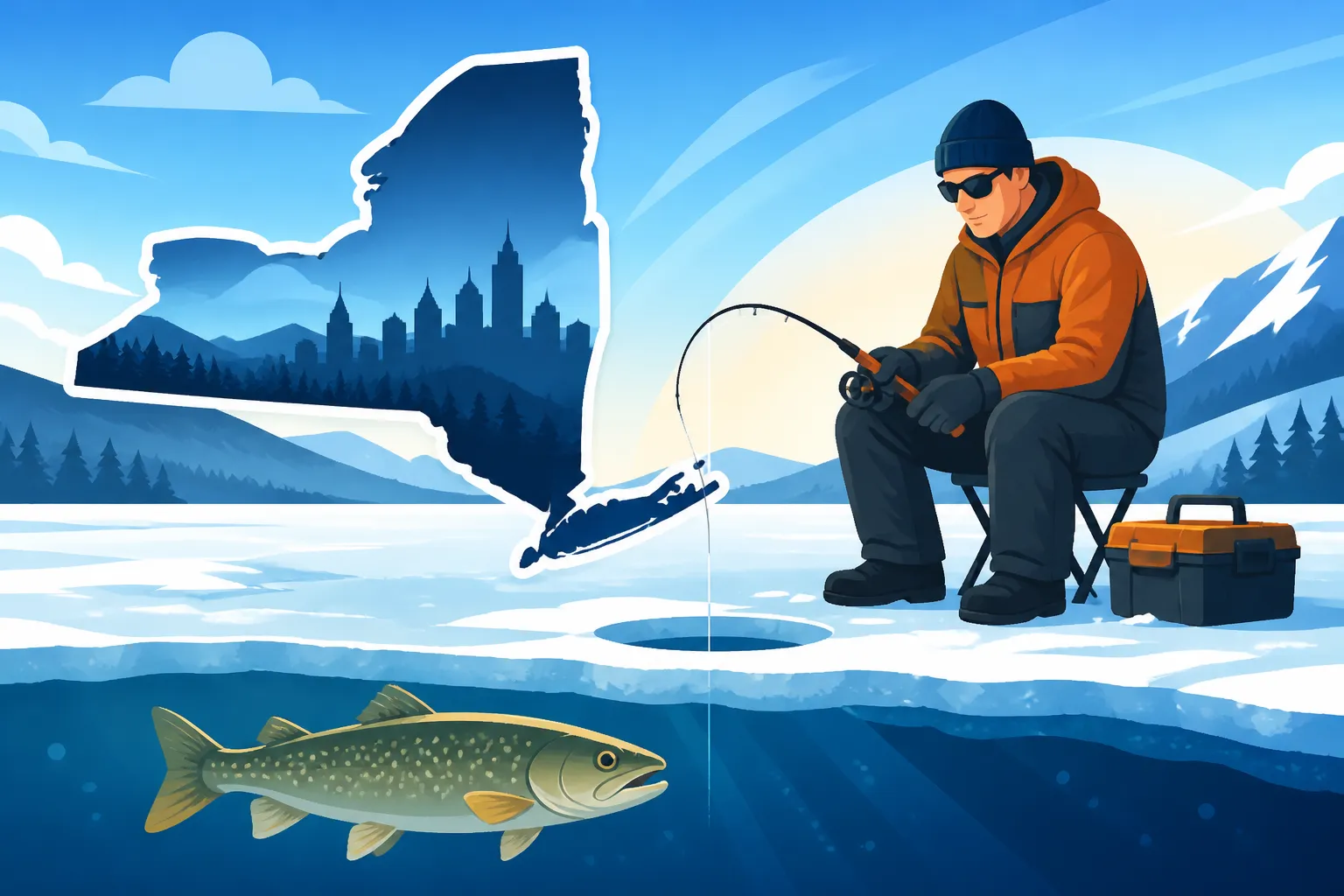
The biting cold, the vast expanse of frozen water, and the thrill of pulling a feisty fish through a small hole in the ice – ice fishing in New York is an unforgettable experience. But let's be honest, it can also be intimidating, especially if you're new to the game or unfamiliar with local conditions. Navigating ice safety, finding productive spots, and having the right gear can feel overwhelming. This comprehensive guide will walk you through everything you need to know about hiring a professional ice fishing guide in New York, helping you turn those winter fishing dreams into a safe, successful, and incredibly fun reality.
Why Consider an Ice Fishing Guide in New York?
Venturing out onto the ice can be an incredible adventure, but it comes with a unique set of challenges and risks. For many, the idea of drilling holes, setting up shelters, and understanding fish behavior under the ice is a steep learning curve. This is precisely where an experienced ice fishing guide becomes an invaluable asset, transforming a potentially daunting day into a seamless and successful outing.
Navigating Safety and Ice Conditions
One of the biggest anxieties for any ice angler, especially beginners, is ice safety. The ice can look deceptively solid, but conditions can change rapidly due to temperature fluctuations, currents, or underlying springs. An unseasonably warm spell or even just a few feet of distance can mean the difference between safe, solid ice and dangerously thin patches. You might find yourself staring at a vast frozen lake, wondering where it's safe to even take your first step.
This is where local guides truly shine. They spend countless hours monitoring local ice conditions, often having daily reports from their network and intimate knowledge of specific bodies of water. They know the tell-tale signs of unsafe ice, where currents might weaken it, and how to interpret various ice formations. Hiring a guide isn't just about catching fish; it's first and foremost about ensuring your safety on the ice, providing peace of mind that allows you to fully enjoy the experience. They'll know exactly where it's safe to set up, sparing you the dangerous guesswork. They often have spud bars or other tools to check ice thickness as they move, making sure every step is on solid ground. Understanding How Thick Does Ice Need to Be to Fish Safely? is crucial, and a guide lives by this knowledge.
Maximizing Your Catch with Local Expertise
Let's face it, fishing can be tough, and ice fishing adds another layer of complexity. Fish behave differently under the ice than in open water. They might school up in specific thermal layers, hug bottom structure, or move along subtle contours that are invisible from above. Without a deep understanding of these patterns and the particular body of water you're fishing, you could spend hours drilling holes and never find a bite. It's frustrating to sit over a hole, shivering, knowing the fish are somewhere but having no idea where.
An experienced ice fishing guide brings years of local knowledge to the table. They know the subtle nuances of each lake or pond they fish—where the drop-offs are, the location of submerged weed beds, the favorite haunts of walleye in the mornings, or where perch school up in the afternoon. They have an intimate understanding of species behavior in that specific environment, what baits are working, and what depths are productive. They can quickly assess conditions, set you up over active fish, and teach you the specific jigging techniques that tempt a strike. Guides are experts at understanding How to Find Fish Under the Ice, using their knowledge of structure, depth, and fish behavior.
Access to Gear and Comfortable Setups
One of the biggest barriers to entry for ice fishing is the sheer amount of specialized gear required. You need an auger to drill holes, tip-ups or specialized rods, a portable shelter to escape the wind, a heater to stay warm, and electronics like flashers or live-scope systems to locate fish. Buying all this equipment can be a significant investment, especially if you're unsure how often you'll go or if you'll even enjoy it. The thought of hauling all that heavy gear out onto the ice, setting it up in freezing temperatures, and then packing it all back up again can be enough to deter even the most enthusiastic angler.
When you book with an ice fishing guide, all that heavy lifting and equipment worry vanishes. Guides provide everything you need for a comfortable and productive day. They'll have their reliable power auger, often already having holes drilled before you even arrive. You'll likely fish from a warm, insulated portable shanty, complete with a heater, chairs, and even a table. They'll supply rods, reels, bait, and often advanced electronics to show you what's happening beneath the ice. This means you can show up, step into a ready-made fishing setup, and focus solely on the experience. For those wondering about the best tools, a guide will definitely have the Best Auger for New York Ice Fishing for efficiency.
What to Expect from an Ice Fishing Guide in New York
So, you've decided to book an ice fishing guide – excellent choice! Now, what does a typical day look like, and what kind of experience should you anticipate? Knowing what's generally included and what you might need to bring yourself can help you prepare mentally and physically for a fantastic outing on New York's frozen waters.
Typical Services and Inclusions
When you book an ice fishing guide in New York, you're not just paying for a ride to the lake. You're investing in a full-service experience designed to make your day on the ice as enjoyable and successful as possible. Most reputable guides pride themselves on providing a comfortable and well-equipped setup, ensuring that all you need to worry about is dropping a line.
You can usually expect your guide to provide all the essential ice fishing gear. This typically includes a heated, insulated ice fishing shanty or portable shelter, which is a lifesaver on bitter cold days. Inside, you'll find comfortable seating, pre-drilled holes, and often some sort of lighting. They'll supply ice fishing rods, reels, and tackle tailored to the target species and local conditions. Live bait, a crucial component for many ice fishing techniques, is almost always included. More advanced guides will also bring along electronics like sonar or underwater cameras, which allow you to see fish activity below your holes and truly enhance the experience. Some even offer hot beverages or snacks, adding to the comfort.
Species You'll Target with a Guide
New York State boasts an incredible diversity of fish species, and ice fishing allows you to pursue many of them. The particular species you target will often depend on the lake you're fishing and the guide's specialization, so it's a good idea to discuss your preferences beforehand.
Many guides in Central New York, particularly on lakes like Oneida, focus on walleye. Walleye are incredibly popular for their fighting spirit and delicious table fare, and ice fishing for them is a truly exhilarating experience. A guide specializing in these fish will know their preferred depths, jigging presentations, and the best times to target them. If you're looking for these elusive fish, your guide will be an expert on How to Ice Fish for Walleye in New York. In other regions, especially the Adirondacks, guides might focus on a variety of trout species, including brook trout, brown trout, and lake trout. These cold-water species provide a different kind of challenge and reward. How to Ice Fish for Trout can be a delicate art, and a guide can teach you the subtle nuances. Panfish, such as yellow perch, bluegill, and crappie, are also immensely popular, especially for family outings or those just starting out. They are often abundant and provide consistent action, making for a fun day. Guides have specific strategies and gear for these smaller, but no less exciting, catches. For abundant action, your guide will have plenty of tricks up their sleeve for Best Ice Fishing Techniques for New York Panfish. Northern pike and even muskellunge are also pursued through the ice in certain larger lakes, offering the chance for a true trophy catch.
Preparing for Your Guided Ice Fishing Trip
While your guide will handle most of the gear, there are a few personal items you'll definitely want to bring to ensure your comfort and legal compliance. Dressing appropriately is paramount – New York winters are no joke!
Layers are your best friend. Start with a moisture-wicking base layer, add a warm fleece or wool mid-layer, and finish with a waterproof and windproof outer layer. Don't forget warm socks, insulated waterproof boots, a heavy hat, and insulated gloves or mittens. It's much easier to take off a layer if you get too warm than to magically conjure up more warmth if you're underdressed. Even with a heated shanty, you'll be exposed to the elements when moving between spots or tending to tip-ups. Beyond clothing, you absolutely must have a valid New York State fishing license. This is a legal requirement for anyone aged 16 and older, and your guide cannot provide one for you. You can purchase these online, at bait shops, or at many sporting goods stores beforehand. Don't risk getting caught without one; it's easy to check Do I Need a Fishing License to Fish in New York?. Bring any personal medications you might need, sunscreen (the sun reflects off the snow and ice intensely), sunglasses, and perhaps a small bag for any personal snacks or drinks you prefer. A camera is also a great idea to capture those memorable moments!
Popular New York Ice Fishing Destinations and Their Guides
New York State is a true ice angler's paradise, offering a diverse range of frozen waters from massive Great Lakes bays to secluded Adirondack ponds. Each region and specific lake often holds a reputation for certain species, attracting guides who specialize in those particular fisheries. Knowing where to look can help you narrow down your guide search.
Central New York's Walleye Hotbeds
Central New York is arguably the epicenter for walleye ice fishing, primarily due to the expansive and productive waters of Oneida Lake. This large, relatively shallow lake is renowned for its robust walleye population, offering some of the best hardwater action for this sought-after species. Guides operating on Oneida Lake are typically masters of finding walleye schools, often moving their portable shanties frequently to stay on top of active fish. They'll use various jigging techniques, sometimes incorporating tip-ups with live minnows, to tempt these finicky eaters. The beauty of Oneida is its accessibility and the sheer number of walleye, making it a prime destination for both seasoned anglers and those new to the pursuit of walleye through the ice. Learning How to Ice Fish for Walleye on Oneida Lake from a pro can be a game-changer. Other productive central New York lakes, like Cazenovia Lake and Tully Lake, also offer good walleye opportunities, though often on a smaller scale. These lakes are often less pressured and can provide a more intimate ice fishing experience. Guides here might also target yellow perch, which are abundant and provide excellent action between walleye bites.
Adirondack & Northern New York Trout and Pike Havens
For those who crave the serene beauty of a wilderness setting combined with excellent fishing, the Adirondack Park and Northern New York offer unparalleled ice fishing adventures. Lakes like Lake George, a stunning gem in the Adirondacks, are famous for their lake trout, landlocked salmon, and northern pike. Ice fishing on Lake George involves specialized tactics for deep-water lake trout, often using heavy jigs or tip-ups set with large baitfish. Guides in this region are experts at navigating the often complex deep-water structure and understanding where these predatory fish lurk. The scenery alone is worth the trip, but the potential for a trophy fish adds an extra layer of excitement. These lakes are truly some of the Best Adirondack Lakes for Fishing, especially during winter.
Further north, lakes like Cranberry Lake, Black Lake, and the bays of the St. Lawrence River offer fantastic opportunities for northern pike and panfish. Pike are aggressive predators that provide an exciting fight through the ice. Guides here often set out multiple tip-ups, covering a wider area to entice these toothy fish. The winter landscape in these northern regions is breathtaking, and the chance to pull a large pike onto the ice is a thrilling reward. These areas also hold a variety of panfish, ensuring consistent action throughout the day.
Western New York's Panfish and Walleye Opportunities
Western New York also presents a diverse ice fishing landscape, with Lake Erie and its tributaries, along with Chautauqua Lake, standing out as premier destinations. While Lake Erie is renowned for its open-water walleye fishery, its bays and protected areas can offer excellent ice fishing, particularly for yellow perch and occasional walleye. Guides operating near Buffalo or Dunkirk will know the safest and most productive ice in these areas, often targeting large schools of perch that provide fast-paced action. These perch are often fat and delicious, making for a great meal after a cold day on the ice.
Chautauqua Lake, a large, beautiful lake south of Lake Erie, is a legendary destination for muskellunge, northern pike, and yellow perch. While catching a muskie through the ice is a rare feat, guides on Chautauqua specialize in putting anglers onto respectable pike and plentiful perch. The lake's unique ecosystem supports a healthy population of these species, and a guide's local knowledge is crucial for navigating its vastness and finding the active fish. For those interested in exploring various winter fisheries, these are among the Top New York Lakes for Ice Fishing. Many of these guides are also highly skilled at finding large schools of panfish, ensuring a fun day of steady action.
Finding and Booking Your New York Ice Fishing Guide
Once you've decided on the general region and target species, the next step is finding the right guide. This can feel like a daunting task, but with a bit of research and knowing what questions to ask, you can secure an unforgettable ice fishing experience.
Researching Reputable Guides
The best place to start your search for an ice fishing guide in New York is often through word-of-mouth recommendations. Ask fellow anglers, check local bait shops, or browse online fishing forums. You'll quickly notice certain names or services consistently come up with positive reviews. Online search platforms are also incredibly useful. Websites like FishingBooker, for example, aggregate listings for guides and charters, allowing you to filter by location, target species, and even specific types of trips, including ice fishing. These platforms often include detailed profiles, customer reviews, and photos, giving you a good sense of a guide's experience and style before you even reach out.
When researching, look for guides with solid experience specifically in ice fishing. Open-water expertise doesn't always translate directly to hardwater success. Check their safety records and ensure they are properly licensed and insured. Pay attention to reviews that mention a guide's patience, instructional ability (especially if you're a beginner), and their knowledge of local ice conditions. Some guides specialize in certain lakes or species, so if you have a specific goal, make sure their expertise aligns. Finding a reputable guide is key to a great experience, and platforms like FishingBooker can help simplify the search. You definitely want to follow tips on How to Find a Reputable Fishing Guide in New York.
Understanding Pricing and Packages
Ice fishing guide pricing in New York can vary significantly based on several factors, including the duration of the trip (half-day vs. full-day), the number of anglers, the target species, and the level of service provided. It's important to understand the shape of these costs, rather than focusing on specific numbers, as these can fluctuate.
Generally, guides offer both half-day and full-day trips. Half-day excursions are great for beginners, families with young children, or those with limited time, typically lasting around 4-5 hours. Full-day trips, usually 7-8 hours, allow more time to move between spots, experiment with different techniques, and maximize your chances of success. Most guides price their trips based on a certain number of anglers (e.g., "up to 3 people") with an additional fee for extra participants. Trips targeting more challenging or sought-after species, like muskie or deep-water lake trout, might command a slightly higher rate due to the specialized equipment and expertise required. Always ask exactly what is included in the price – gear, bait, heaters, and any amenities like snacks or drinks. Some guides might offer multi-day packages for those looking to extend their adventure. Platforms like FishingBooker often display transparent pricing structures, which helps in comparing options. For more specific insights into what you might encounter, looking up Ice Fishing Guide Cost in New York can provide a general idea, but always confirm directly with the guide.
Essential Questions to Ask Before Booking
To ensure a smooth and successful ice fishing trip, it's wise to have a list of questions ready for potential guides. This helps manage expectations and confirms that the guide's service aligns with your needs.
Here’s a table of essential questions to consider asking:
| Category | Key Questions to Ask |
|---|---|
| Logistics | What time do we meet and where? What's the plan if ice conditions are unsafe? What's your cancellation policy for bad weather? |
| Inclusions | What equipment do you provide (rods, reels, bait, shanty, heater, electronics)? Are snacks or drinks included? Do I need to bring anything specific beyond warm clothing? |
| Licensing | Do I need a New York State fishing license? (Answer is always YES for ages 16+, but it's good to confirm). |
| Species/Limits | What species are we primarily targeting? What are the current daily bag limits and size restrictions for those species? Do you practice catch-and-release, or can we keep our catch? |
| Comfort/Safety | What kind of shelter do you use? Is it heated? What are your safety protocols on the ice? What happens if someone gets seasick (ice-sick?) or needs to leave early? |
| Post-Trip | Do you clean and bag the fish we keep? What's the typical gratuity for your services? |
Asking these questions beforehand can prevent misunderstandings and help you prepare thoroughly for your adventure. A good guide will be happy to answer all your queries in detail.
Making the Most of Your Guided Experience
Booking a guide is just the first step; maximizing the value of that experience comes from being prepared, engaged, and respectful. An ice fishing trip with a guide isn't just about catching fish; it's a fantastic opportunity to learn, enjoy the outdoors, and create lasting memories.
Learning from Your Guide
One of the greatest benefits of hiring a professional ice fishing guide, especially if you're new to the sport or a particular body of water, is the opportunity to learn. Think of your guide as a walking, talking encyclopedia of local fishing knowledge and techniques. Don't be shy – ask questions! Ask why they chose a particular spot, how they decided on a specific bait or lure, or what that blip on the sonar screen means.
Observe their techniques closely. How do they jig their rod? What cadence do they use? How do they handle a fish once it's through the hole? A good guide will be an enthusiastic teacher, eager to share their passion and knowledge. They can teach you about different fish species, their behaviors under the ice, and the nuances of various presentations. This hands-on instruction can dramatically shorten your learning curve and make you a more confident and skilled ice angler for your future solo adventures. Every bit of information you gain about New York Fishing Seasons Explained or specific techniques for How to Fish Cold Water in New York will be invaluable.
Tipping Etiquette and Appreciation
Just like in other service industries, tipping your ice fishing guide is customary and a great way to show your appreciation for their hard work and expertise. Guides work long hours, often in challenging conditions, to ensure you have a safe and successful trip. They invest heavily in equipment, maintenance, and their specialized knowledge.
A general guideline for tipping a fishing guide is typically around 15-20% of the total trip cost. If your guide went above and beyond – maybe they battled through tough conditions to get you on fish, were exceptionally patient with beginners, or provided extra amenities – consider leaning towards the higher end of that range. Present the tip directly to the guide at the end of the trip, ideally in cash. It's a small gesture that goes a long way in acknowledging their dedication. For more details on what's expected, you can always check out Tipping Etiquette for New York Fishing Charters.
Respecting the Environment and Regulations
When you're out on the ice, whether with a guide or on your own, it's crucial to be a responsible angler. This means adhering strictly to all New York State fishing regulations, including catch limits, size restrictions, and specific rules for certain bodies of water. Your guide will be well-versed in these rules and will help ensure you comply, but it's always good to be aware yourself.
Beyond regulations, practicing good stewardship of the environment is vital. Always pack out everything you pack in – don't leave any trash, discarded line, or bait containers on the ice or shoreline. Dispose of fish carcasses properly. If you're practicing catch and release, handle fish gently to maximize their survival chances. Respecting wildlife and other anglers on the ice ensures that these precious resources remain vibrant for generations to come. Your guide will lead by example, but your participation in these practices is key to maintaining the integrity of New York's beautiful winter fisheries. Understanding New York Ice Fishing Rules is everyone's responsibility.
DIY vs. Guided Ice Fishing: A Comparison
Deciding whether to venture out on your own or hire a guide often comes down to experience, budget, and comfort level. Here's a quick comparison to help you weigh your options:
| Feature/Aspect | DIY Ice Fishing | Guided Ice Fishing |
|---|---|---|
| Cost | Initial high investment in gear, ongoing bait/fuel costs, cheaper per trip over time. | Higher upfront cost per trip, but no personal gear investment; all-inclusive experience. |
| Equipment | Must purchase, maintain, transport your own auger, shanty, rods, electronics, etc. | All top-tier gear provided by the guide; no need to buy, transport, or maintain anything. |
| Safety | Relies on personal knowledge of ice safety; higher risk for beginners. | Guide provides expert knowledge of local ice conditions and ensures safe locations; significantly reduced risk. |
| Local Knowledge | Requires extensive personal research, trial-and-error to find fish. | Guide knows the best spots, fish behavior, and effective techniques for the specific body of water. |
| Learning Opportunity | Primarily self-taught, often through online resources or trial and error. | Hands-on instruction from an expert, learning local nuances and advanced techniques. |
| Comfort/Convenience | Requires setting up/tearing down all gear, exposed to elements without proper setup. | Shanty often set up and heated before arrival, comfortable seating, focus entirely on fishing. |
| Flexibility | Complete control over schedule, location (within safety limits), and target species. | Schedule and locations are typically set by the guide based on conditions and target species, less personal freedom. |
| Best For | Experienced anglers with own gear, or those on a very tight budget willing to learn. | Beginners, those seeking maximum success, comfort, safety, learning, or a special experience. |
Ultimately, both approaches can lead to incredible winter memories in New York. A guided trip offers a streamlined, educational, and often more successful introduction, while DIY fishing appeals to the independent, experienced angler who enjoys the full challenge.
Disclaimer
This article is for general informational purposes only and does not constitute professional advice. Laws, prices and regulations vary by location and change over time. Consult a qualified professional for guidance on your specific situation.