How to Ice Fish for Walleye in New York
Winter in New York brings a unique challenge and thrill for anglers: ice fishing for walleye. Many of us know the frustration of drilling hole after hole, battling the biting wind, and coming up empty-handed. This comprehensive guide is designed to cut through that frustration, offering proven strategies and detailed insights to help you consistently find and catch those elusive walleye under the hard water of New York's frozen lakes and rivers.
Understanding New York Walleye and Their Winter Habits
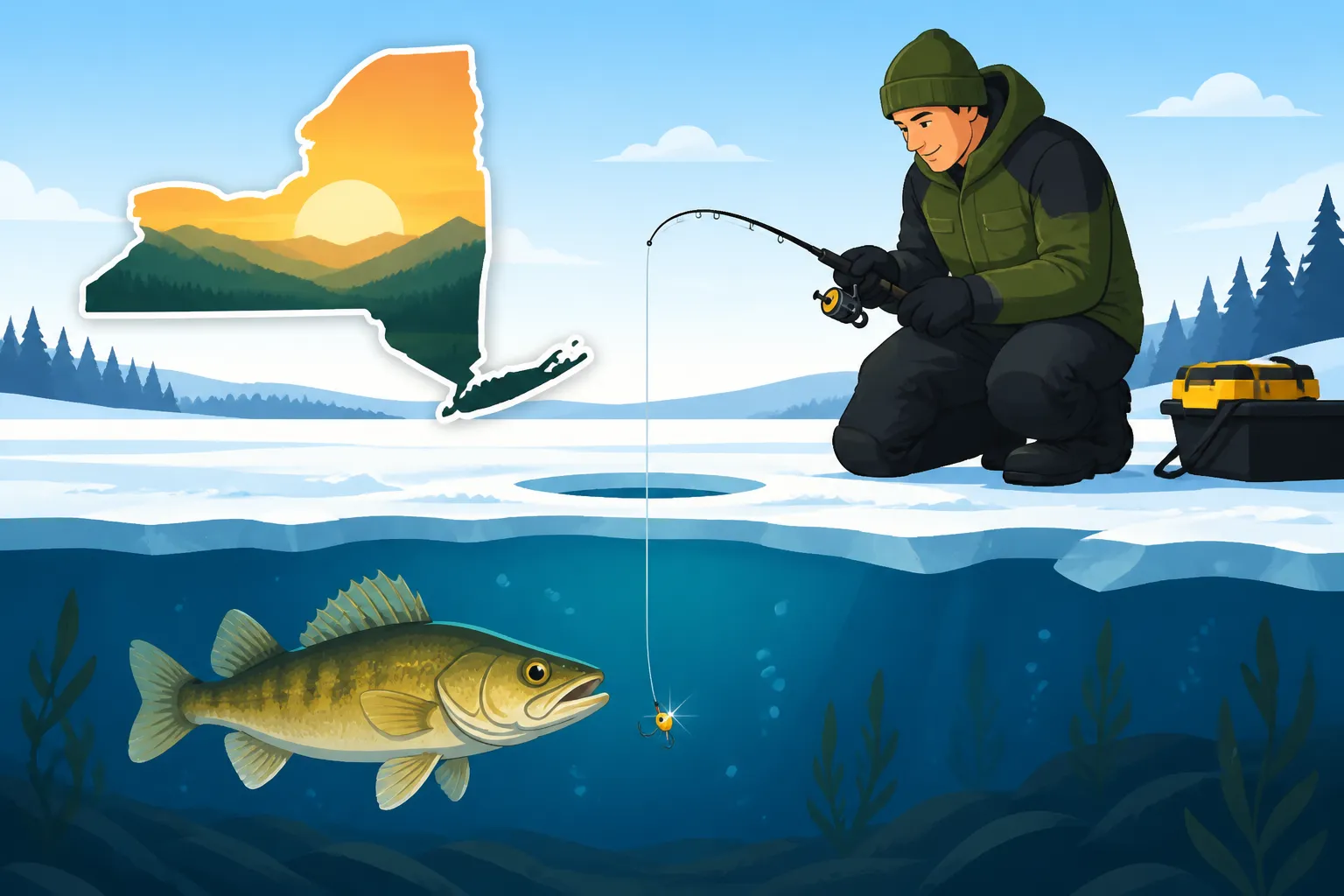
Walleye, with their distinctive glassy eyes, are a prized catch through the ice, offering a delicious meal and a satisfying fight. But catching them in winter requires a deep understanding of how these fish adapt to the cold, often low-light conditions beneath a layer of ice and snow. They don't just disappear; they simply change their routines.
Where Walleye Hide Under the Ice
When the water temperature plummets and ice forms, walleye generally become less active than their open-water counterparts. However, they still need to feed, and they'll position themselves in specific areas where they can ambush prey efficiently. Think about structure – anything that breaks up the bottom contour or provides cover.
For starters, look for deep breaks. These are areas where the lake bottom drops off sharply from a shallower flat to a deeper basin. Walleye often patrol these transitions, moving up onto the flats to feed during low-light periods and retreating to the security of deeper water during brighter conditions. Another prime location is along the edges of weed beds, especially green weeds that still produce oxygen. These act as natural cover and ambush points for baitfish, which in turn attract walleye. Sunken islands, humps, points, and even old river channels are also magnets for winter walleye. These features create current breaks or provide vertical relief, concentrating baitfish and, consequently, the walleye that prey on them. Don't overlook submerged timber or rock piles, as these offer excellent cover for both predator and prey.
The Walleye's Winter Diet and Behavior
During the colder months, a walleye's metabolism slows down significantly. This means they don't need to eat as frequently or exert as much energy to hunt. Their feeding windows tend to be shorter and more concentrated around dawn, dusk, and even into the night. They become more opportunistic, often preferring smaller, easier-to-catch prey.
Their diet shifts towards readily available baitfish like shiners, perch, and even juvenile walleye. Because they're less active, a slow, subtle presentation is often far more effective than an aggressive jigging motion. They're more likely to "mouth" or "suck" at a bait rather than hitting it with a forceful strike, which can make detecting bites incredibly challenging. Understanding this reduced aggression is key to selecting the right lures and baits, and to fine-tuning your presentation. They're conserving energy, so you need to present an irresistible, easy meal directly in front of them. This is especially true for the larger, older walleye that have learned to be efficient predators.
Key Walleye Waters for Ice Fishing
New York boasts some fantastic waters for chasing walleye through the ice. Knowing where to start your search can save you a lot of time and effort. While many smaller lakes and reservoirs hold walleye, some stand out as consistent producers.
Oneida Lake is arguably New York's premier walleye factory, famous for its abundant population and generous size limits. Its relatively shallow, fertile waters freeze reliably, making it an ice fishing hotspot. Here, walleye can be found over vast shallow flats, especially near the numerous shoals and weed lines. Lake Erie, particularly the eastern basin near Buffalo and Dunkirk, offers world-class walleye fishing, though its vastness and unpredictable ice conditions can be challenging. When the ice is safe, the walleye fishing can be phenomenal, often found on deeper breaks and structure. The Bay of Quinte, though technically in Ontario, is easily accessible from many New York access points on Lake Ontario and is renowned for trophy walleye, with many anglers crossing the border to fish its prolific waters. Beyond these giants, smaller lakes like Chautauqua Lake, Black Lake, and even parts of the St. Lawrence River offer excellent walleye ice fishing opportunities, particularly in bays and shallower sections with good forage bases. Always check the current New York Walleye Season Dates and limits for any specific water body you plan to fish, as regulations can vary.
Essential Gear for New York Walleye Ice Fishing
Ice fishing for walleye isn't just about showing up with a rod; it's about having the right tools for the job. From specialized rods to the right electronics, your gear plays a significant role in your success and comfort on the ice. Investing in quality equipment can truly make or break your day.
Rods, Reels, and Line Selection
For walleye ice fishing, you’ll want a setup that offers a balance of sensitivity and backbone. A good walleye ice rod is typically 28 to 36 inches long, with a medium-light to medium action. This length allows for proper jigging motion without hitting the sides of your ice fishing shelter, while the action provides enough flex to detect subtle bites but still has the power to handle a decent-sized walleye. Graphite rods are often preferred for their sensitivity.
Pair your rod with a small spinning reel, typically a 500 or 1000 series, which is comfortable to handle with gloved hands and provides a smooth drag. For line, a strong, low-stretch monofilament or fluorocarbon in 4 to 8-pound test is ideal. Many anglers opt for fluorocarbon leaders when using braid, as it's nearly invisible underwater and helps with abrasion resistance against sharp ice edges. The low stretch is crucial for feeling those incredibly light walleye bites, which often feel like nothing more than extra weight on the line or a slight pause in your jigging motion. Some anglers even prefer a braided line with a fluorocarbon leader for ultimate sensitivity, especially when fishing in deeper water or strong currents. You can find excellent options on Amazon, often in specialized ice fishing combos.
Must-Have Lures and Baits
When it comes to lures for walleye, variety is key. Walleye can be incredibly finicky, and what works one day might not get a sniff the next. Start with a selection of jigging spoons, like the Rapala Jigging Rap or Northland Forage Minnow. These lures are designed to mimic wounded baitfish and can be jigged aggressively to attract attention, then slowly allowed to flutter down. Colors often depend on water clarity and light conditions; natural minnow patterns, gold, silver, and glow-in-the-dark are all popular choices.
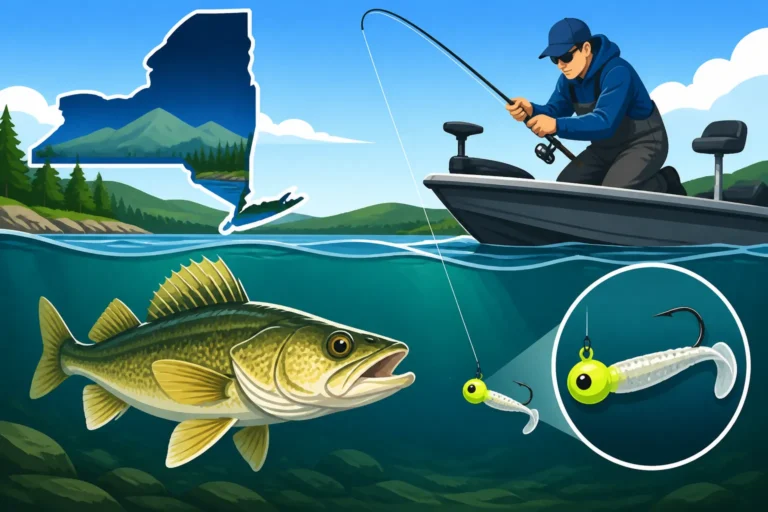
Soft plastics rigged on small lead head jigs, like a Berkley Gulp! Minnow or a Mister Twister Sassy Shad, can be deadly when walleye are lethargic. Tip these with a piece of live bait for added scent and attraction. Speaking of live bait, shiners, fatheads, and small suckers are absolute gold for walleye, especially when fished on tip-ups or deadsticked. Present them on a plain hook or a small jig head, just above the bottom. Don't forget glow-in-the-dark lures, as the low light under the ice, especially during dawn, dusk, or night fishing, makes them irresistible. Small Rapala or Salmo crankbaits can also be effective, especially when fished near the bottom.
Augers, Shelters, and Electronics
These aren't just luxuries; they're vital for comfort, safety, and efficiency. A good ice auger is non-negotiable. Whether you opt for a hand auger, a propane-powered auger, or an electric auger, it needs to cut through several inches of New York ice quickly and efficiently. For walleye, a 6- to 8-inch hole is standard. Larger holes might be needed for trophy fish or to run multiple lines through one opening, but they also compromise ice integrity.
An ice fishing shelter, whether a pop-up shanty or a flip-over model, provides much-needed protection from the brutal New York winter winds and elements. Staying warm and comfortable allows you to fish longer and stay focused. Finally, electronics are a game-changer. A flasher or an LCD fish finder is invaluable for identifying depth, seeing your lure, and detecting fish. These devices show you exactly what's happening beneath the ice, allowing you to adjust your presentation in real-time. An underwater camera can also be fascinating and instructional, letting you observe walleye behavior directly. Many reputable brands offer these, and you can compare models and prices on platforms like Amazon. For serious anglers, learning How to Find Fish Under the Ice with these tools is crucial.
Mastering Walleye Ice Fishing Techniques
Ice fishing for walleye isn't just about drilling a hole and dropping a line. It's a nuanced art that involves understanding various techniques and knowing when to apply them. Adaptability is your best friend when faced with finicky winter walleye.
Jigging Strategies for Walleye
Jigging is perhaps the most active and engaging way to target walleye through the ice. The goal is to imitate a struggling baitfish, drawing the walleye in and provoking a strike. A common strategy involves dropping your lure to the bottom, then reeling up 6-12 inches. Start with a few sharp lifts of the rod tip, maybe 1 to 2 feet, then let the lure fall back on a semi-slack line. This creates an erratic, darting motion.
After a few aggressive lifts, slow down. Walleye often hit on the fall or when the lure is paused. Experiment with different pauses: a few seconds, 10 seconds, even 30 seconds. Sometimes, simply holding the lure perfectly still is what triggers a bite. Subtle rod tip quivers, barely moving the lure, can also be incredibly effective, especially for sluggish walleye. If you see fish on your flasher but they're not committing, try downsizing your lure or changing colors. Remember, the goal is to make the walleye expend as little energy as possible for a meal, so a gentle, easy target is often best.
Tip-Up Tactics for Patient Anglers
While jigging keeps you active, tip-ups are the epitome of passive fishing and often account for the biggest walleye. A tip-up allows you to cover more water by fishing multiple holes simultaneously (within legal limits, of course, which are covered in the New York Ice Fishing Rules). When a fish takes the bait, a flag springs up, signaling a bite.
The key to effective tip-up fishing for walleye is proper bait presentation and placement. Use live bait – shiners or small suckers are excellent choices. Hook them lightly through the back or lips to keep them lively. Set your bait just off the bottom (6-12 inches) or suspend it at the depth where you've seen fish on your electronics. Make sure your line unspools easily from the reel under the tip-up, with minimal resistance, so a walleye can run freely without feeling tension. Spread your tip-ups across different depths or structures, giving you a better chance of intercepting traveling walleye. When the flag goes up, approach cautiously, let the fish run for a few seconds to ensure it has fully taken the bait, then gently pick up the line and set the hook with a smooth, firm pull.
Drifting and Deadsticking for Finicky Bites
Sometimes, walleye are so lethargic they won't chase a jigged lure. This is where deadsticking or very subtle presentations come into play. Deadsticking involves simply dropping a live bait or a jig/plastic combo down a hole and leaving it completely still or with minimal movement. This method is fantastic when walleye are holding tight to the bottom or structure and are unwilling to move much.
You can combine deadsticking with jigging by having one jigging rod working actively in one hole, and a deadstick rod with live bait in another hole nearby. Often, a walleye might be attracted by the active jigging but decides to eat the easy meal presented by the deadstick. Another variation is a very slow, almost imperceptible drift of your lure or bait. This can be achieved in areas with slight current or by occasionally lifting and dropping your rod tip by an inch or two over several minutes. This minimal movement can sometimes be just enough to entice a non-committal walleye. These methods require patience and a sensitive rod tip to detect the faint "thump" or "pressure" of a walleye bite.
Locating and Interpreting Walleye Activity
Finding walleye under a blanket of ice is often the hardest part of ice fishing. It's a game of hide-and-seek, but with the right tools and observational skills, you can significantly improve your odds of success. Understanding how to interpret what you see (or don't see) is critical.
Using Sonar and Underwater Cameras
Modern ice fishing electronics are truly revolutionary. A flasher, like those made by Vexilar or Marcum, provides real-time sonar feedback, showing you the bottom, your lure, and any fish swimming by. You'll see your lure as a distinct mark and fish as separate signals. The key is to interpret these signals. A "hard" return (thick band) often indicates a larger fish or multiple fish. If you see a fish mark rising to meet your lure, that's a positive sign. You can then adjust your lure presentation to match its interest, whether that means jigging more aggressively or letting it sit still.
Underwater cameras, such as those from Aqua-Vu or MarCum, offer a visual confirmation, which can be incredibly educational. You can actually see the walleye, observe how they react to your lure, and even verify if your bait is presented correctly. This visual feedback can teach you a tremendous amount about walleye behavior, their preferred depths, and how subtle movements can trigger a strike. However, cameras can be less effective in stained or cloudy water. Both sonar and cameras help answer the crucial question: "Are there even fish here?" before you spend too much time in a barren spot.
Reading the Ice and Weather Conditions
Beyond electronics, learning to "read" the natural conditions can give you a significant advantage. Ice conditions are paramount for safety. You should always check the ice thickness regularly, especially early and late season. Safe ice for foot travel is generally considered 4 inches or more of clear, solid ice. Snow cover on the ice can make a big difference for walleye. Heavy snow cover reduces light penetration, making walleye more active during midday. On clear ice, walleye tend to be more active during low-light periods like dawn and dusk.
Weather patterns, particularly barometric pressure, influence fish behavior. A stable or slowly rising barometer often signals a good bite. A rapidly falling barometer, associated with approaching storms, can sometimes trigger a pre-front feeding frenzy, but a sustained low-pressure system can shut fish down. Pay attention to wind direction and speed, too. While it impacts your comfort, wind can also create currents under the ice, concentrating baitfish and driving walleye to specific areas. Remember to always prioritize safety when venturing onto the ice; understanding How Thick Does Ice Need to Be to Fish Safely? is a fundamental skill.
The Best Times for Walleye Action
Walleye are notoriously light-sensitive, and this trait intensifies under the ice. Their large, reflective eyes are designed for low-light conditions, giving them a distinct advantage over their prey during dawn, dusk, and into the night. These twilight hours are consistently the most productive times for walleye ice fishing in New York. Plan to be on the ice an hour before sunrise and stay for an hour after, and definitely consider evening fishing.
However, don't completely discount midday, especially on overcast days or when there's heavy snow cover on the ice, which effectively dims the underwater environment. On these "darker" days, walleye might be more active throughout the day. Additionally, specific lunar phases, often referred to as "moon phases," are believed to influence feeding activity. Many anglers swear by the periods around new and full moons, as well as the minor and major feeding times predicted by solunar tables. For more detailed insights, check out our guide on the Best Time to Fish for Walleye in New York.
Safety and Regulations for New York Ice Fishing
While the allure of catching walleye through the ice is strong, it's absolutely crucial to prioritize safety and adhere to all New York fishing regulations. Ignoring these can lead to dangerous situations or hefty fines. A responsible angler is a safe and legal angler.
Ice Safety First
This cannot be stressed enough: no fish is worth risking your life. Always assume the ice is unsafe until you have thoroughly checked it yourself. Carry ice picks or spikes around your neck, never fish alone, and tell someone where you're going and when you expect to return. A spud bar or ice chisel is your best friend for checking ice thickness as you walk. Tap it firmly in front of you; if it breaks through easily, turn back.
Remember the acronym "ICE":
- Intelligence: Know the recent weather history.
- Consistency: Ice thickness can vary greatly on the same body of water due to springs, currents, and sun exposure.
- Escape: Know how to get out if you fall in, and have safety gear like a rope throw bag and ice picks readily accessible.
Blue or clear ice is generally the strongest. White or opaque ice, often caused by refrozen slush or snow, is weaker. Grey or rotten ice is extremely dangerous. Always be especially wary around inlets, outlets, bridge pilings, and areas with moving water. Even if it looks safe, a quick check with a spud bar or auger hole can confirm it. For a deep dive into safety, consult How Thick Does Ice Need to Be to Fish Safely?
New York Walleye Regulations and Limits
Before you even step on the ice, you need to be familiar with the New York Fishing Regulations Explained. Every angler aged 16 and older needs a valid New York fishing license. Walleye seasons, size limits, and daily creel limits can vary significantly by water body, so always check the specific regulations for the lake or river you intend to fish. For instance, the general statewide Walleye Season Dates might apply, but certain waters might have special regulations.
Typically, there's a minimum length requirement for walleye (often 15 inches), and a daily limit (commonly three to five fish). These regulations are in place to manage fish populations sustainably, ensuring healthy fishing for future generations. Not knowing the rules is not an excuse. You can find the most up-to-date information on the New York State Department of Environmental Conservation (DEC) website or in their annual fishing regulations guide. Penalties for Fishing Without a License in New York or violating catch limits can be substantial, including fines and the confiscation of your gear.
Respecting the Environment and Fellow Anglers
Part of being a responsible angler is showing respect for the environment and other people enjoying the outdoors. This means practicing "Leave No Trace" principles. Pack out everything you pack in, including any trash, broken line, or bait containers. Don't leave discarded fish remains on the ice; dispose of them properly or take them home.
When setting up your ice fishing shelter, be mindful of other anglers and their space. Avoid drilling holes too close to others, especially if they're actively fishing a spot. Noise can travel far on the ice, so keep voices down and avoid loud music. Be courteous and helpful, especially to new anglers or those who might need assistance. If you're fishing with live bait, be aware of rules regarding baitfish transport to prevent the spread of invasive species. This collective respect ensures that everyone can enjoy New York's fantastic ice fishing opportunities.
Advanced Tips and Tricks for Consistent Success
Once you've got the basics down, there are always ways to refine your approach and increase your catch rate. Consistent success in walleye ice fishing often comes down to adaptability, observation, and a willingness to experiment.
The Art of Hole Hopping
One of the biggest mistakes novice ice anglers make is sticking to one hole all day, even if they're not seeing any action. Walleye are often on the move, especially in larger bodies of water, and if they're not in front of you, you need to go find them. This is where "hole hopping" comes in.
Drill a series of holes, perhaps 10-20 yards apart, across a suspected walleye travel lane or structure. With your flasher in hand, quickly check each hole for activity. If you don't see any fish within a few minutes, move to the next hole. This aggressive searching strategy drastically increases your chances of intercepting active walleye. Don't be afraid to cover significant ground. A good electric auger, like those from Strikemaster or Ion, makes this much easier. Remember, fish schools move, and the more ground you cover, the better your chances of encountering them. Often, the fish are just a short distance away from where you originally set up.
Adapting to Changing Conditions
No two days on the ice are exactly alike. The weather changes, the fish's mood changes, and what worked yesterday might not work today. The most successful walleye ice anglers are masters of adaptation. If you're not getting bites with an aggressive jigging motion, slow it down. If that doesn't work, try a deadstick. Change your lure size, color, or bait type.
Pay close attention to what your electronics are telling you. Are fish hugging the bottom? Are they suspended? Are they rising to your lure but not hitting? Each of these observations demands a different approach. If the bite shuts down completely, consider moving to a different spot entirely – maybe deeper water, shallower flats, or a different type of structure. Even the smallest changes in weather, like increased cloud cover or a slight breeze, can affect walleye behavior. Staying flexible and being willing to experiment are crucial for consistent success.
Night Fishing for Walleye
While dawn and dusk are prime times, night fishing for walleye can be incredibly productive, especially for larger fish. Walleye, being primarily sight feeders with excellent low-light vision, become much more confident and aggressive after dark when the lack of light gives them an even greater advantage over their prey.
When night fishing, glow-in-the-dark lures are incredibly effective. You'll need a small UV flashlight or headlamp to "charge" them regularly. Jigging spoons and glow-jig and live bait combinations are popular choices. Safety is even more critical at night. Ensure you have proper lighting, mark your holes, and be extra cautious when moving around. Consider using a heated ice shelter for comfort. Many trophy walleye are caught between sunset and midnight, making the extra effort of night fishing well worth it for those willing to brave the cold and dark. Just remember to check for specific night fishing regulations on the waters you intend to fish.
Ice Fishing Lure Comparison for Walleye
Choosing the right lure can make a huge difference in your walleye ice fishing success. Here's a quick comparison of some popular options:
| Lure Type | Best Use Case | Jigging Style | Pros | Cons |
|---|---|---|---|---|
| Jigging Spoon | Active walleye, triggering strikes | Aggressive lifts, erratic fall | Strong vibration, wide darting action, good for attracting | Can spook finicky fish with too much movement |
| Blade Bait | Searching for fish, reaction bites | Short, sharp snaps | High vibration, mimics fleeing baitfish, covers water | Can be too aggressive for very sluggish walleye |
| Jig with Live Bait | Finicky walleye, slow bite, scent attraction | Subtle quivers, deadsticking | Natural scent, lifelike movement, highly appealing | Live bait requires proper storage, potential for light bites |
| Jig with Soft Plastic | Versatile, mimics minnows, subtle presentation | Slow lifts, pauses | Realistic profile, various colors, good for matching hatch | Lacks natural scent without added attractant |
| Swimming Lure (e.g., Jigging Rap) | Aggressive walleye, mimics minnows | Sweeping lifts, gliding fall | Unique swimming action, covers a wide area | Requires specific jigging cadence, can tangle easily |
Disclaimer
Always prioritize safety when ice fishing. Ice conditions can be unpredictable and vary greatly. Consult local regulations from the New York State Department of Environmental Conservation (DEC) before venturing onto any frozen water body. This guide provides general information and should not replace professional advice or personal judgment regarding ice safety and fishing regulations.