How to Catch Crappie in the Spring
Springtime fishing for crappie can be one of the most rewarding experiences in New York, but it also comes with its fair share of head-scratching moments. One day they're biting everything you throw, the next they've seemingly vanished, leaving you wondering if you've done something wrong. It's a common frustration, but don't worry! This comprehensive guide is here to unravel the mysteries of spring crappie, helping you understand their seasonal movements and master the techniques to consistently fill your livewell.
Understanding Crappie Behavior in Spring
Crappie in New York are fascinating fish, and their behavior shifts dramatically as the waters warm up in spring. It's not just about tossing a line in; it's about understanding their biology and instincts during this crucial time of year. Knowing why they do what they do will be your biggest asset in finding and catching them.
The Influence of Water Temperature
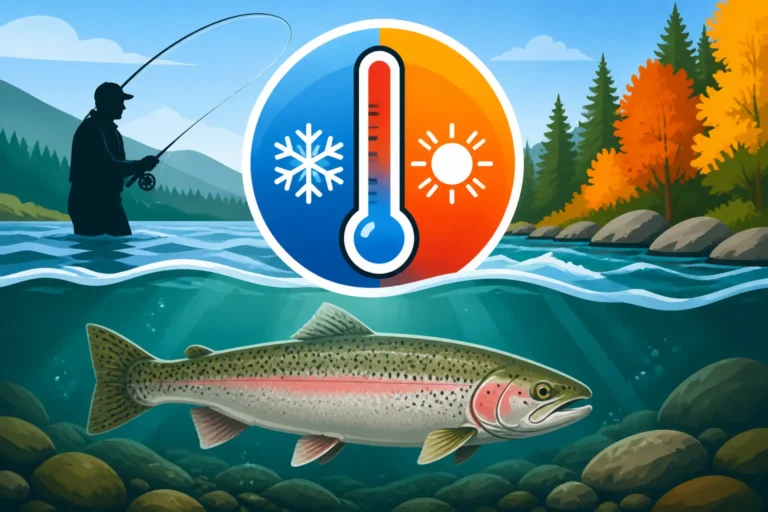
Water temperature is arguably the single most important factor dictating crappie movement and activity in the spring. As winter's chill recedes, the water slowly begins to warm, first in the shallowest areas of lakes, ponds, and slow-moving rivers. Crappie are cold-blooded, meaning their metabolism is directly tied to the water temperature. This warming trend kickstarts their feeding activity and, more importantly, their spawning cycle.
Think about it: after a long, cold winter, crappie are hungry and looking to bulk up. The sun's rays penetrating those shallower zones warm the water just a few degrees, making insects and baitfish more active. This creates a food source that draws crappie in like a magnet. You'll often find them just a few feet deep in these warm pockets, especially on sunny days. How to Fish Cold Water in New York covers more on temperature-related fishing, but for crappie, that 50-60 degree Fahrenheit range is often ideal for pre-spawn staging.
Pre-Spawn Staging and Spawning Habits
Before crappie actually move onto their beds to spawn, they go through a crucial "pre-spawn" staging phase. During this time, they gather in deeper water adjacent to the shallow spawning flats they intend to use. These staging areas are typically transitions zones – think creek channels, submerged timber, or even the edges of weed lines where the depth quickly drops off. They're waiting for the water to hit that perfect temperature, usually between 60 and 68 degrees Fahrenheit, before committing to the shallows.
Once the water temperature is just right and daylight hours lengthen, crappie will move into very shallow water, sometimes only a foot or two deep, to build their nests and spawn. They often favor areas with some form of cover, like submerged brush, fallen trees, dock pilings, or even dense aquatic vegetation. These spots offer protection for their eggs and fry. This is when they can be most concentrated, but also a bit finicky if disturbed. Understanding this cycle—from deep staging to shallow bedding—is key to predicting their whereabouts. For more insights on fish behavior, check out New York Fishing Seasons Explained.
Essential Gear and Tackle for Spring Crappie
Having the right tools for the job can make all the difference, especially when crappie fishing in the spring. You don't need a boatload of expensive equipment, but a thoughtful selection of rods, reels, lines, and lures will significantly boost your success rate. Crappie are known for their delicate bite, so sensitivity is paramount.
Rods and Reels for a Light Touch
When it comes to crappie, you want tackle that offers sensitivity and a light touch. An ultralight or light-action spinning rod, typically between 5 and 7 feet long, is perfect. The softer tip allows you to detect those subtle crappie bites that feel like nothing more than a faint tick or added weight. A fast-action tip is also beneficial as it provides enough backbone to set the hook quickly without ripping it out of their soft mouths.
Pair that with a small spinning reel, size 1000 or 2000, spooled with light line. A good quality reel will have a smooth drag, which is important when fighting larger crappie on ultralight gear. Many reputable brands offer excellent ultralight combos that are surprisingly affordable. If you're looking to explore options, you'll find a wide selection of these setups available on Amazon, often with helpful customer reviews to guide your choice. How to Set Up a Rod for Panfish provides more detail on ideal configurations.
Choosing the Right Line
For spring crappie, light line is non-negotiable. Monofilament lines in the 4 to 6-pound test range are common and offer good knot strength and shock absorption. The slight stretch in mono can be forgiving when a crappie makes a sudden run. However, some anglers prefer a superline like braided line (4-8 pound test equivalent) for its zero stretch and incredible sensitivity, which helps detect even the faintest bites.
If you go with braid, consider tying a 2-4 foot fluorocarbon leader (4-6 pound test) to the end. Fluorocarbon is nearly invisible underwater, making your presentation more natural, and its abrasion resistance is a plus around cover. The combination gives you the best of both worlds: sensitivity from the braid and stealth from the fluorocarbon. Always check your knots and leaders regularly, especially after fishing around snags.
Lures and Baits Crappie Can't Resist
Crappie are primarily sight feeders, and in the spring, they can be quite aggressive. Your lure selection should reflect both their aggressive nature and their sometimes finicky preference.
-
Jigs: Small jigs are the bread and butter of crappie fishing.
- Marabou Jigs: These offer a pulsating action in the water, even when barely moved, mimicking small baitfish or insects.
- Tube Jigs: Soft plastic tubes, typically 1.5 to 2 inches long, are incredibly versatile. They can be fished vertically, cast, or trolled.
- Grub Tail Jigs: Single or double tail grubs rigged on a small jig head create enticing vibrations.
- Crappie Magnets/Spider Grubs: These are popular for a reason, providing a lifelike presentation.
- Jig head weights typically range from 1/32 to 1/8 ounce, depending on depth and current. For a wide variety of crappie jigs, Amazon can be a convenient place to browse different colors and styles from various manufacturers.
-
Minnows: Live minnows are a classic crappie bait and often outperform artificials, especially when crappie are lethargic. Hook them lightly through the lips or just behind the dorsal fin.
-
Small Crankbaits: As crappie become more aggressive and move into slightly deeper water after the spawn, small crankbaits that dive a few feet can be very effective, especially those with tight wobbles.
-
Bobbers: A small, sensitive slip bobber or fixed bobber is invaluable for presenting jigs or minnows at a precise depth. The key is to use one that offers minimal resistance to a biting crappie.
Table: Popular Spring Crappie Lure & Bait Guide
| Lure/Bait Type | Best Spring Phase | Key Advantage | Typical Sizes | Best Conditions |
|---|---|---|---|---|
| Marabou Jigs | Pre-spawn, Spawn | Subtle, lifelike pulsing action | 1/32 – 1/8 oz | Finicky fish, slow presentation, clear water |
| Tube Jigs | All spring phases | Versatile, good profile, variety of colors | 1.5 – 2 inches | Vertical jigging, casting, light current |
| Grub Tail Jigs | All spring phases | Vibration, wider action than tubes | 1/32 – 1/8 oz | Active fish, casting, faster retrieve |
| Live Minnows | All spring phases | Natural bait, irresistible to lethargic fish | 1 – 2.5 inches | Tough bites, colder water, fishing under a bobber |
| Small Crankbaits | Post-spawn | Cover more water, target active fish | 1.5 – 2.5 inches | Searching for fish, deeper flats, trolling |
| Crappie Magnets | Pre-spawn, Spawn | Specifically designed, good darting action | 1 – 2 inches | Precise vertical jigging, brush piles |
Mastering Spring Crappie Techniques
Once you've got your gear dialed in and an understanding of crappie behavior, it's time to put it all into practice with effective fishing techniques. Spring crappie can be caught in a variety of ways, and often, combining methods or being willing to switch it up is what makes the difference.
Vertical Jigging Around Cover
Vertical jigging is perhaps the most fundamental and effective technique for spring crappie, especially when they are concentrated around specific cover. This method involves positioning your boat directly over or very close to submerged structure like brush piles, fallen trees, dock pilings, or bridge abutments, and dropping a small jig or minnow straight down. The goal is to present your bait right into the strike zone.
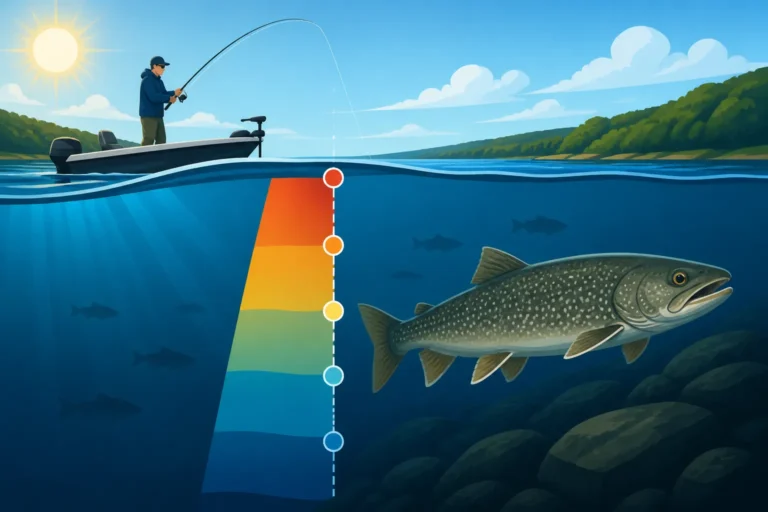
The key is to use your electronics (fish finder) to identify these structures and mark schools of crappie. Once you're in position, drop your bait to the depth where the fish are holding, or slightly above them. A common retrieve involves gently lifting and lowering your rod tip, causing the jig to "dance" in place. Pay close attention to your line; crappie bites can be incredibly subtle, often feeling like a slight slackening of the line or just a bit of added weight. This technique is highly effective when targeting crappie that are tightly grouped in specific areas, a common scenario during the pre-spawn and even during the spawn around bedding sites. For finding the best spots, consider reading Best Fishing Spots in New York.
Casting to Shallows and Structure
As spring progresses and crappie move into shallower waters for spawning, casting becomes an incredibly effective technique. This allows you to cover more water and target areas like weed lines, lily pad edges, submerged grass, and shallow timber where crappie are likely to be nesting or actively feeding.
Use a light jig, often tipped with a minnow or a soft plastic grub, and cast it to likely holding areas. Let the jig sink slowly, then retrieve it with a slow, steady pace, occasionally adding a twitch or pause to mimic a struggling baitfish. The retrieve should be just fast enough to impart action to your lure but slow enough to keep it in the strike zone. Fan-casting, where you make multiple casts to cover a wide area from a single position, is a great way to locate active fish. Don't be afraid to experiment with different retrieve speeds and jig colors until you find what the crappie are responding to.
Spider Rigging and Trolling for Active Fish
For those days when crappie are spread out or when you're trying to cover large expanses of water, spider rigging or slow trolling can be incredibly productive. Spider rigging involves using multiple rods (often up to six or eight, depending on local regulations) extending out from the front of the boat, each rigged with a different bait or jig. This allows you to present several offerings at various depths and with different presentations simultaneously.
Slow trolling, whether with spider rigs or just a couple of rods out the back, involves moving your boat at a very slow speed (often less than 1 mph) to drag your jigs or minnows through potential crappie holding areas. This is particularly effective in pre-spawn, when crappie might be suspended over deeper flats or along channel edges, or in post-spawn when they start to disperse. Experiment with different depths until you find where the fish are active. This method requires a bit more patience and attention to detail, but it can be a game-changer on those tougher days.
Locating Spring Crappie Hotspots in New York
Knowing the techniques is one thing, but knowing where to apply them is another. New York offers a fantastic array of freshwater fisheries, and crappie can be found in many of them. Identifying the specific types of locations they prefer in spring will significantly increase your chances of success.
Shallow Bays and Coves
As the sun gains strength in early spring, the first places to warm up are shallow, protected bays and coves. These areas, often sheltered from the main body of water's colder currents, act like natural solar collectors. The warmer water attracts baitfish and insects, which in turn draws in hungry crappie eager to feed after the long winter. Look for bays with dark bottoms, as these absorb more sunlight.
These areas also serve as crucial staging grounds before crappie move onto their actual spawning beds. You'll find them along the deeper edges of these bays, often near any available cover. As the water warms further, they'll push right into the shallowest reaches, sometimes in water barely a foot deep, to begin their spawning rituals. Don't overlook these easily accessible spots; they can hold incredible numbers of fish. Many of New York's Finger Lakes, like Cayuga Lake and Seneca Lake, have excellent shallow bays for spring crappie. You can explore more about these areas in New York's Finger Lakes Fishing Guide.
Submerged Brush Piles and Timber
Crappie are undeniably drawn to cover, and submerged brush piles, fallen trees, and timber are absolute magnets for them, especially during the spring. This cover provides them with a sense of security from predators, offers ambush points for feeding, and serves as ideal structure for spawning beds. Many lakes and ponds in New York feature natural woody debris along their shorelines or in deeper pockets.
If you know of any man-made brush piles or fish attractors in your local waters, those are prime targets. Otherwise, use your sonar to scan for irregular contours on the bottom. When you find a good brush pile, vertical jigging is usually the most effective method, dropping your bait right into the heart of the cover. Be prepared for snags, but also for explosive bites from slab crappie hiding within the branches.
Docks, Piers, and Bridge Pilings
Artificial structures like docks, piers, and bridge pilings are often overlooked but can be crappie goldmines in the spring. These structures offer excellent vertical cover, shade, and often attract algae and smaller baitfish, creating a miniature ecosystem that crappie love. The pilings themselves can also absorb heat, creating slightly warmer water pockets.
During the pre-spawn, crappie might hold in the deeper water around the ends of longer docks or bridge pilings. As spawning approaches, they'll move closer to shore, using the shade and protection of boat docks and floating platforms. Skipping jigs under docks or casting to the shady side of pilings can be incredibly productive. These spots are particularly fantastic for shore anglers or those fishing from kayaks, offering easy access to prime crappie real estate. Check out Best Fishing Piers in New York City for some specific urban angling opportunities.
Maximizing Your Spring Crappie Catch
Beyond techniques and locations, there are several other factors and habits that can make a substantial difference in your spring crappie success. Pay attention to the details, and you'll find yourself catching more fish and having more fun on the water.
Time of Day and Weather Considerations
While crappie can be caught throughout the day in spring, certain times tend to be more productive. Early mornings and late afternoons/evenings often provide the best action. The lower light conditions can make crappie more confident and active, moving out from cover to feed more aggressively. On cloudy or overcast days, this activity might extend throughout the entire day.
Sunny days, however, can be a double-edged sword. While the sun warms the shallow water, it can also drive crappie deeper into cover to avoid harsh light. On such days, focus on shady areas, deep brush piles, or the shady side of docks. Pay attention to how the weather has been, not just how it is right now. A few days of consistent warm, sunny weather can really get the crappie moving, making them easier to locate. For more on this, consider Best Time of Day to Catch Crappie.
Presentation and Experimentation
Crappie can be finicky, and what worked yesterday might not work today. Therefore, don't be afraid to experiment with your presentation. This means trying different jig colors, sizes, and retrieve speeds. If crappie aren't hitting a chartreuse jig, try a white one, or maybe something with a bit of sparkle. Sometimes a subtle color like black or brown can be surprisingly effective.
Vary your retrieve. If a slow, steady retrieve isn't working, try twitching your jig, letting it fall, then twitching again. Or try a quicker retrieve to trigger a reaction strike. The depth at which you present your bait is also critical. Start by fishing at different depths until you find where the fish are holding. Crappie often suspend at a specific depth, so once you find it, try to replicate that depth with every cast or drop. The more flexible and adaptable you are, the more successful you'll be. When stocking up on various options, remember that Amazon offers an immense selection of different colors and styles of crappie jigs to keep your tackle box ready for any situation.
Using Electronics Effectively
In today's world of fishing, electronics are not just for the pros. A basic fish finder with sonar capabilities can be an invaluable tool for locating spring crappie, especially when they are staging in deeper water or clustered around submerged cover. Learn how to interpret the signals on your screen. Fish arches, bait balls, and distinct bottom contours like brush piles will all show up.
Use your fish finder to locate schools of crappie, identify their depth, and pinpoint submerged structure. Mark these waypoints on your GPS (if your unit has one) so you can return to productive spots. This technology takes a lot of the guesswork out of finding fish and allows you to focus your efforts on areas where crappie are most likely to be. Even a portable, less expensive unit can make a huge difference in your success. How to Read a Fish Finder for New York Lakes provides an excellent deep dive into this topic.
Remember, crappie fishing in the spring can be incredibly rewarding. With a bit of knowledge about their behavior, the right gear, and a willingness to experiment, you'll be well on your way to enjoying some fantastic angling experiences in New York's beautiful waters.
Disclaimer
This article is for general informational purposes only and does not constitute professional advice. Laws, prices and regulations vary by location and change over time. Consult a qualified professional for guidance on your specific situation.