Best Fishing Piers in New York City
It can feel incredibly overwhelming to think about fishing in the concrete jungle of New York City. Many anglers assume you need a boat, expensive gear, or a trip far out of the five boroughs to even dream of catching something. But that's simply not true! The city offers a surprising number of fantastic, accessible fishing piers that provide incredible opportunities for both seasoned anglers and curious beginners to cast a line and reconnect with the water. This guide will take you on a detailed tour of the best fishing piers New York City has to offer, breaking down what makes each unique, what species you can expect to encounter, and how to make the most of your urban angling adventure.
The Allure of Pier Fishing in New York City
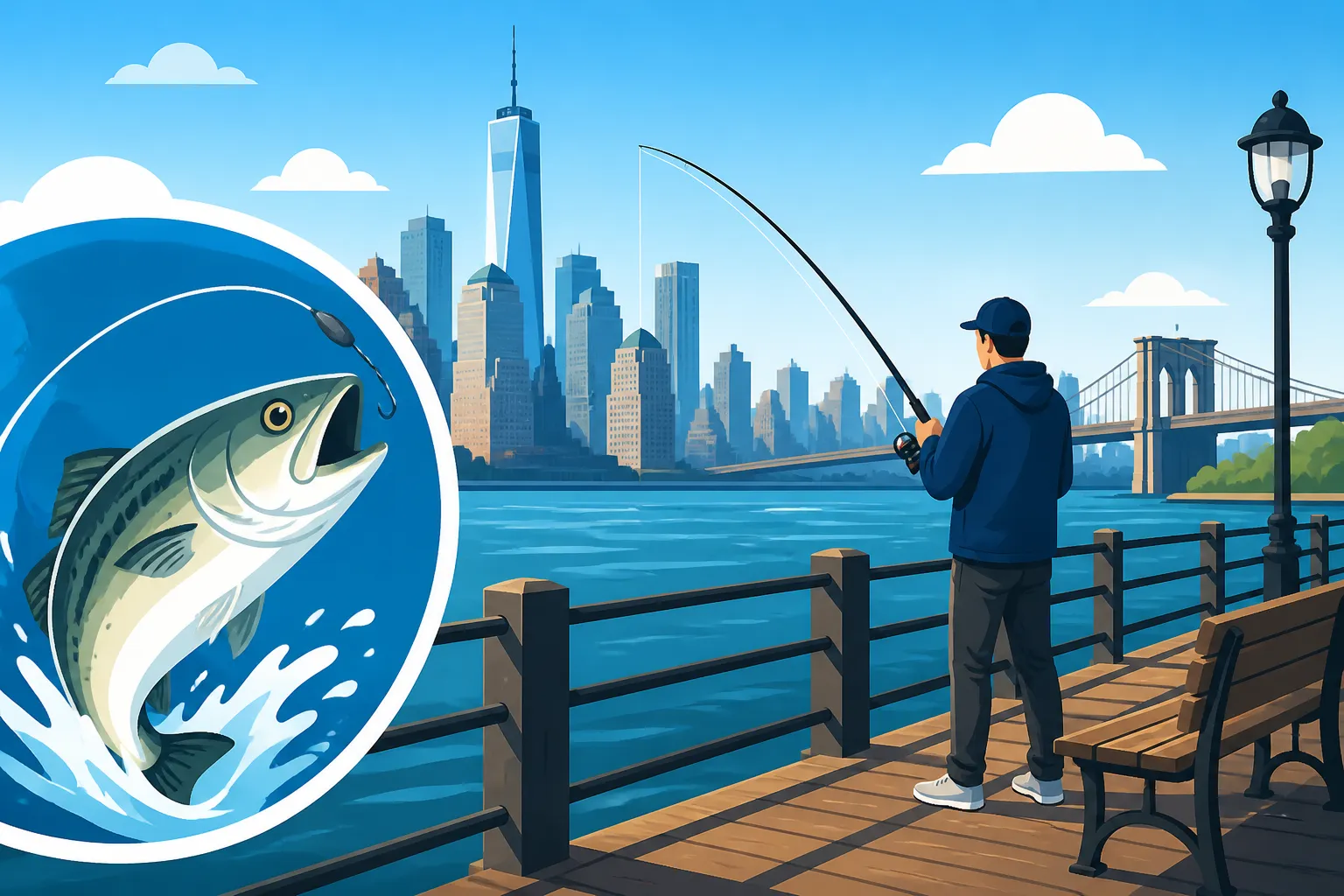
Fishing from a pier in New York City is a unique experience. It’s a blend of urban hustle and the peaceful rhythm of the water, offering a convenient and often productive way to fish without the need for a boat or extensive gear. You can literally be catching fish just steps away from skyscrapers and bustling streets, a testament to the city's diverse ecosystems.
Why Piers are Great for Urban Anglers
For city dwellers, piers are an absolute godsend. They eliminate many of the barriers that prevent people from getting into fishing. You don't need to worry about launching a boat, finding parking for a trailer, or navigating complex waterways. Most piers are easily accessible by public transport or a short walk, making them perfect for a spontaneous fishing trip after work or on a weekend morning. Furthermore, many of these piers are designed with amenities like restrooms, seating, and sometimes even bait shops nearby, enhancing the overall experience. It’s a low-cost, low-barrier entry into the sport that offers genuine chances to land some impressive fish. The social aspect is also fantastic; you'll often find a diverse community of anglers, happy to share tips and stories, creating a vibrant, welcoming atmosphere right in the heart of the city.
Common Fish Species Caught from NYC Piers
You might be surprised by the variety of fish that call New York City's waters home, and many of them are regularly caught from local piers. In the brackish and saltwater environments of the Hudson River, East River, and the surrounding bays, you'll commonly encounter species like striped bass, bluefish, flounder (including fluke and winter flounder), porgy (scup), blackfish (tautog), and even some larger species depending on the season and location. For those fishing in freshwater pockets, you might find carp, catfish, or panfish. The key is understanding the migratory patterns and habitats of these fish. For instance, "Striped Bass Fishing on New York's Hudson River" is a huge draw in the spring and fall, with anglers lining the piers hoping to catch these powerful game fish. Similarly, during the warmer months, "Bluefish Fishing on Long Island Sound, New York" becomes popular as these aggressive predators move into shallower waters.
Unique Challenges and Rewards of City Fishing
Urban fishing, especially from piers, comes with its own set of challenges that can test an angler's patience and skill. One major factor is dealing with strong currents, especially in areas like the East River or the Hudson. Debris can also be an issue, and you'll need to be mindful of heavy boat traffic. Noise and crowds are also part of the city fishing experience, so don't expect serene solitude. However, the rewards are immense. There's an incredible satisfaction in landing a respectable fish against the backdrop of the Manhattan skyline. The convenience and accessibility mean you can fish more often, honing your skills without extensive travel. Plus, you never quite know what you might pull out of the water – sometimes, unexpected species make for truly memorable catches. It's a testament to the resilience of urban ecosystems and the enduring draw of fishing.
Manhattan's Prime Pier Fishing Locations
Manhattan, surprisingly, offers several excellent piers for fishing, primarily along the Hudson River and the East River. These spots offer stunning views and a legitimate chance to catch a variety of saltwater species.
Pier 40 Hudson River Park
Located in Greenwich Village, Pier 40 is a massive structure that serves many purposes, but a significant portion of its perimeter is open to fishing. It offers ample space, meaning you're less likely to be shoulder-to-shoulder with other anglers, even on busy days. The pier juts out into the Hudson River, providing access to deeper waters and strong currents, which are ideal for migratory fish.
Anglers here often target striped bass during their spring and fall runs, using bait like bunker or clams, or casting artificial lures. Bluefish are also common, particularly in the warmer months. You can also expect to find bottom-feeders like winter flounder and occasional porgies. Because it's a bustling area, be mindful of pedestrians and cyclists, especially when casting. The pier is well-maintained and provides a great, accessible experience for those looking to fish in downtown Manhattan. Remember to check the "New York Fishing Season Dates and Catch Limits" for target species before you head out.
Pier 25 Hudson River Park
Just south of Pier 40, in Tribeca, you'll find Pier 25, another gem within Hudson River Park. This pier is known for its beautiful views and family-friendly atmosphere, but it's also a surprisingly productive fishing spot. It features a dedicated fishing area, making it easier for anglers to enjoy their sport without interfering with other pier activities. The water here is also part of the Hudson River estuary, attracting similar species to Pier 40.
Striped bass are a primary target, and many anglers enjoy casting spoons, jigs, or soft plastics. Fluke (summer flounder) can also be caught during the warmer seasons, especially if you drift bait along the bottom. The pier's proximity to the bustling Tribeca neighborhood means you can easily grab bait or snacks nearby. It's an excellent spot for a more relaxed fishing session, perhaps bringing the kids along for an introduction to fishing. Just be sure to educate yourself on "Do Kids Need a Fishing License to Fish in New York?" if you're bringing youngsters.
East River Piers
The East River, despite its swift currents, also offers several fishing opportunities from various piers along its banks, particularly on the Manhattan side. While specific piers can vary in accessibility and dedicated fishing areas, spots like Pier 15 near South Street Seaport or portions of the East River Esplanade provide legitimate casting opportunities. The East River connects to Long Island Sound and the Atlantic, bringing in a diverse range of marine species.
Here, you'll primarily be targeting striped bass, especially during peak migration. Bluefish are also very common, often schooling near the pier structure. Porgies are a reliable catch throughout the summer, providing steady action for anglers using small hooks and bait like clam or squid. Given the strong currents of the East River, heavier tackle and sinkers are often necessary to keep your bait or lure in the strike zone. It's a different kind of challenge than the Hudson, but equally rewarding. Always be mindful of boat traffic and commercial vessels in this busy waterway.
Brooklyn's Best Fishing Piers
Brooklyn's extensive waterfront offers some fantastic fishing piers, each with its own character and target species. From the iconic Coney Island Pier to the more local Canarsie Pier, these spots are beloved by Brooklyn anglers.
Coney Island Pier
No discussion of NYC fishing piers is complete without mentioning the iconic Coney Island Pier. Stretching far out into the Atlantic Ocean, this pier offers access to true open-water fishing, making it one of the most popular and productive spots in the city. The sheer length of the pier allows anglers to cast into deeper waters, often beyond the surf zone.
The species list here is impressive and varies with the seasons. Spring and fall bring impressive runs of striped bass and bluefish, with anglers employing various techniques from chunking bait to casting large plugs. Summer is prime time for "Fluke Fishing on Long Island Sound", as well as porgies and blackfish around the pier pilings. You might even hook into a weakfish or kingfish. It’s a lively, bustling atmosphere, and you'll find a strong community of experienced anglers who are often happy to share their knowledge. Remember to dress for the open exposure, as wind can be a significant factor. For those looking to maximize their chances, consider checking out local bait and tackle shops near the boardwalk for up-to-date information on what's biting.
Canarsie Pier
Situated in southern Brooklyn, overlooking Jamaica Bay, Canarsie Pier offers a very different fishing experience from Coney Island. This pier is famous for its diverse species and calmer waters, protected within the bay. It's a favorite among local families and anglers looking for consistent action.
Jamaica Bay is a rich estuary, attracting a wide variety of fish. You'll find plenty of porgies, flounder, and bluefish, especially during the warmer months. Crab traps are also a common sight here, as the bay is excellent for blue claw crabs. During the spring and fall, "Striped Bass Fishing on New York's Hudson River" (or more accurately, the Jamaica Bay estuary) can be excellent, with many anglers having success using bait like bunker or clams. This pier is well-equipped with amenities, including a bait and tackle shop right on site, making it incredibly convenient. It's an ideal spot for those who prefer a slightly less crowded, more relaxed atmosphere while still having plenty of opportunities to catch fish.
Valentino Pier Red Hook
Valentino Pier in Red Hook offers stunning views of the Manhattan skyline and the Statue of Liberty, making it a picturesque spot to cast a line. While not as large or famous purely for fishing as Coney Island or Canarsie, it provides legitimate opportunities for urban angling, especially for those in the area. The pier offers access to the waters of New York Harbor, which are part of the larger estuary system.
Anglers here can expect to catch smaller species like porgies and occasional striped bass, particularly juveniles. Flounder can also be found in the spring and fall. The waters here are influenced by the busy harbor traffic, so heavier tackle might be beneficial. It's a great spot for a casual outing, perhaps combining fishing with a picnic and enjoying the incredible views. While not a trophy fishing hotspot, it offers a peaceful urban escape and a chance to feel the tug of a fish on your line.
Queens and The Bronx: Hidden Gems
Beyond Manhattan and Brooklyn, Queens and The Bronx also boast excellent fishing piers, often offering a slightly different vibe and access to unique parts of New York's diverse waterways.
Gantry Plaza State Park Piers Queens
Gantry Plaza State Park in Long Island City, Queens, is known for its incredible panoramic views of the Midtown Manhattan skyline, but it also features several piers that offer excellent fishing opportunities. These piers extend into the East River, providing access to strong currents and a good variety of fish. The park itself is beautifully maintained, making it a pleasant environment for fishing.
Similar to the Manhattan East River piers, you can expect to target striped bass during their migratory periods. Bluefish are also frequently caught, especially when they're actively chasing baitfish. Porgies are a reliable summer staple, offering consistent action. Given the strong currents of the East River, it's advisable to use heavier sinkers and be prepared for snags. The accessibility by subway makes it a convenient option for many city residents. It’s a spot where you can combine a serious fishing session with breathtaking scenery, perfect for a photo op with your catch and the city as your backdrop.
City Island Bridge Pier Bronx
For a more distinct fishing experience that feels a little less "city" and a bit more "coastal town," head to City Island in the Bronx. The City Island Bridge Pier, located at the approach to the island, offers excellent access to the Long Island Sound. This spot benefits from being on the edge of a more open-water environment, attracting a different range of species compared to the inner harbor piers.
Here, anglers can expect a strong presence of bluefish, particularly during their summer and fall feeding frenzies. Striped bass are also a major draw, with many anglers finding success with both bait and artificials. Porgy fishing is excellent, and you might even encounter blackfish (tautog) around the bridge pilings or fluke (summer flounder) on the bottom. The community feel of City Island itself adds to the charm, with local bait shops and seafood restaurants nearby. It's a fantastic day trip destination that offers serious fishing potential without venturing too far from the city. Remember that for saltwater fishing, you'll need to register with the "New York Recreational Marine Fishing Registry" if you're not already licensed for freshwater.
Essential Gear and Regulations for NYC Pier Anglers
Before you head out to any of New York City's fantastic fishing piers, it’s crucial to be prepared with the right gear and, most importantly, a solid understanding of the regulations. Being prepared ensures both your success and compliance with the law.
Recommended Tackle and Bait
For pier fishing in NYC, versatility is key. You'll typically want a medium to heavy action spinning rod, around 7 to 9 feet long, paired with a reliable spinning reel spooled with 15-30 lb braided line. This setup provides the casting distance needed for many piers and the power to handle larger fish like striped bass and bluefish, as well as the strong currents.
- Rods & Reels: A 7-foot medium-heavy rod is a good all-around choice. For heavier currents or larger fish, an 8-9 foot surf rod might be more appropriate.
- Line: Braided line (20-30 lb test) is highly recommended for its strength and sensitivity, with a fluorocarbon leader (20-40 lb test) for abrasion resistance and stealth.
- Terminal Tackle: A variety of hooks (circle hooks are often mandatory for certain species like striped bass when using bait), sinkers (pyramid or bank sinkers from 2-6 oz depending on current), swivels, and pre-tied rigs (like hi-lo rigs for porgies or fish-finder rigs for stripers) will serve you well.
- Lures: Popular lures include bucktail jigs (various sizes and colors), metal spoons for casting, soft plastic paddletails on jig heads, and topwater plugs for aggressive fish.
- Bait: Live or cut bait is often highly effective. Bunker (menhaden), spearing, squid, clams, and sandworms are all excellent choices depending on your target species. You can usually find these at local bait and tackle shops.
- Accessories: Don't forget a sturdy landing net or a gaff (for larger fish, check regulations), pliers, a knife, a cooler for your catch, a rag or towel, and sunscreen. A small folding chair can also make your long waits more comfortable.
Navigating New York Fishing Regulations
This is perhaps the most critical aspect of fishing in New York City. The regulations can be complex, and ignorance is not an excuse. First and foremost, almost everyone over the age of 16 needs a New York fishing license to fish in freshwater or a "New York Saltwater Fishing Registration Guide" (which is free) for saltwater. Many of the city's piers fall into the saltwater category, but it’s always best to be sure.
- Licenses & Registry: If you're fishing in freshwater parks within NYC, a valid New York fishing license is required. For the tidal waters (Hudson River, East River, Long Island Sound, etc.), you must be registered with the New York State Department of Environmental Conservation (DEC) Recreational Marine Fishing Registry. This registration is free and quick to complete online. There are exceptions for "New York Free Fishing Days Calendar" and specific ages, so always check.
- Size & Bag Limits: Each species has specific minimum size limits and daily possession (bag) limits. These are strictly enforced and can change seasonally or even within specific bodies of water. For example, "New York Striped Bass Length Requirements" are very specific. You must know these rules for every fish you intend to keep.
- Gear Restrictions: Certain types of gear, like treble hooks or multiple hooks, might be restricted in specific areas or seasons. Circle hooks are often mandated when using bait for striped bass.
- Special Regulations: Some waters may have "special regulations" that supersede general statewide rules. Always consult the official New York DEC Fishing Regulations Guide, which is available online or at license vendors.
Failing to follow regulations can lead to significant fines and penalties, as outlined in "Penalties for Fishing Without a License in New York". It’s always better to be over-informed than under-prepared.
Safety Tips and Etiquette
Fishing in an urban environment like NYC requires a heightened awareness of safety and courtesy.
- Be Aware of Your Surroundings: Piers can be crowded. Be mindful of pedestrians, cyclists, and other anglers. Look behind you before casting, and be especially careful if children are present.
- Weather Conditions: Piers are exposed. Check the weather forecast for wind, rain, and temperature. Dress in layers and be prepared for sudden changes.
- Pier Condition: Watch for slippery surfaces, uneven planks, or potential trip hazards.
- Discarding Waste: Pack out everything you pack in. Dispose of fishing line, hooks, and bait containers properly. Leaving trash behind not only pollutes the environment but also reflects poorly on the angling community.
- Respect Other Anglers: Maintain a reasonable distance from others, avoid casting over their lines, and keep noise levels down. If someone is struggling with a fish, offer help if they seem to need it, but generally give them space.
- Fish Handling: Learn proper catch-and-release techniques to minimize stress on fish you don't intend to keep. If keeping fish, dispatch them quickly and humanely.
Table: NYC Fishing Piers Overview
| Pier Name | Borough | Primary Water Body | Common Target Species | Amenities/Notes |
|---|---|---|---|---|
| Pier 40 | Manhattan | Hudson River | Striped Bass, Bluefish, Winter Flounder, Porgies | Ample space, great views, active park area. |
| Pier 25 | Manhattan | Hudson River | Striped Bass, Fluke, Porgies | Dedicated fishing area, family-friendly, near Tribeca amenities. |
| Coney Island Pier | Brooklyn | Atlantic Ocean | Striped Bass, Bluefish, Fluke, Porgies, Blackfish | Iconic, very long, open ocean access, bait shops nearby. |
| Canarsie Pier | Brooklyn | Jamaica Bay | Porgies, Flounder, Bluefish, Striped Bass, Crabs | Calmer waters, bait shop on pier, family-friendly. |
| Gantry Plaza Piers | Queens | East River | Striped Bass, Bluefish, Porgies | Stunning Manhattan views, strong currents, beautiful park setting. |
| City Island Bridge Pier | The Bronx | Long Island Sound | Bluefish, Striped Bass, Porgies, Blackfish, Fluke | "Coastal town" feel, access to open sound, local shops. |
| Valentino Pier | Brooklyn | New York Harbor | Porgies, Juvenile Striped Bass, Flounder | Picturesque views of Statue of Liberty, calmer atmosphere. |
Maximizing Your Pier Fishing Success
To truly make the most of your New York City pier fishing adventures, it pays to think beyond just showing up with a rod and reel. Understanding the nuances of urban waterways and seasonal patterns can dramatically increase your chances of a memorable catch.
Best Times to Fish
Just like anywhere else, timing is everything in NYC. For most saltwater and brackish species in the city, the changing tides are your best friend.
- Tidal Influence: Fish are often most active during the incoming and outgoing tides, especially the periods around slack tide (the brief pause between incoming and outgoing). This is when currents are either bringing in new food or flushing out baitfish, making predators more likely to feed. For spots on the Hudson or East River, checking a local tide chart is absolutely essential.
- Dawn and Dusk: These low-light periods are universally productive for many predatory fish, including striped bass and bluefish. The reduced light gives fish a sense of security to move into shallower areas or feed more aggressively. Plus, it's often less crowded on the piers at these times.
- Overcast Days: Overcast or drizzly days can also be excellent. The diffused light often keeps fish active longer than on bright, sunny days, which can push them deeper.
- Summer Nights: For some species, especially striped bass, fishing at night during the summer can be incredibly productive. The fish move in closer to shore under the cover of darkness. Make sure to have a headlamp and be extra cautious.
Understanding Tides and Currents
New York City's waterways are heavily influenced by strong tidal currents, which can make or break a fishing trip. The Hudson and East Rivers, in particular, are known for their powerful flows.
- Currents as a Conveyor Belt: Think of the currents as a natural conveyor belt for bait and food. Fish will position themselves in current breaks or along current seams, waiting for food to be delivered to them. Understanding where these current breaks are around pier pilings or structure can be key.
- Adjusting Your Weight: You'll need to constantly adjust the weight of your sinkers or jigs to match the current strength. Too light, and your bait will be swept away too quickly; too heavy, and it'll just sit on the bottom, unnoticed. This is where having a variety of sinker sizes in your tackle box comes in handy.
- Reading the Water: Look for eddies, current lines, and areas where the water looks calmer or more turbulent. These visual cues can tell you a lot about where fish might be holding. For instance, "Best Tides for Striped Bass Fishing on New York's Long Island Sound" will often reveal specific periods where the fish are most actively feeding near structures.
- Using the Tide to Your Advantage: Instead of fighting the current, learn to work with it. Drift your bait or lure naturally with the flow, allowing it to cover more ground and present itself realistically to waiting fish.
Seasonal Species Targets
New York City fishing is highly seasonal. Knowing what fish are likely to be around at different times of the year is crucial for success.
- Spring (April – May): This is prime time for the striped bass run in the Hudson and East Rivers as they migrate to their spawning grounds. Flounder also become more active. Many anglers will be specifically looking for "New York Bass Season Dates" to know when the best opportunities arise.
- Summer (June – August): Bluefish are abundant and aggressive, providing exciting action. Porgies are a staple catch, offering consistent bites. Fluke are also actively feeding, especially in the bay and sound areas. You might also encounter some weakfish.
- Fall (September – November): The striped bass make their return migration, often feeding heavily. Bluefish are still around, sometimes in huge schools. Blackfish (tautog) fishing picks up around structures. This can be one of the most productive times of the year, with a wide variety of fish feeding heavily before winter.
- Winter (December – March): Fishing can slow down significantly, but persistent anglers might still find winter flounder in sheltered bays or target hardy species like cod or ling in deeper offshore waters, though these are less accessible from most city piers. Ice fishing, of course, is a whole different ballgame and not typically a pier activity within the five boroughs, but some freshwater ponds might offer opportunities for "New York Ice Fishing Rules".
By aligning your expectations and techniques with the seasonal movements of these fish, you'll greatly improve your chances of a successful and enjoyable fishing trip from any of New York City's fantastic piers. And if you're ever looking to go beyond the piers, remember that resources like FishingBooker can help you find local charters or guides who specialize in specific species or techniques, ready to take your angling to the next level.
Disclaimer
Fishing regulations, license requirements, and fish consumption advisories can change. While every effort has been made to provide accurate and up-to-date information, it is your responsibility to consult the official New York State Department of Environmental Conservation (DEC) website or publications for the most current rules and guidelines before engaging in any fishing activities.