Ice Fishing Guide Cost in New York
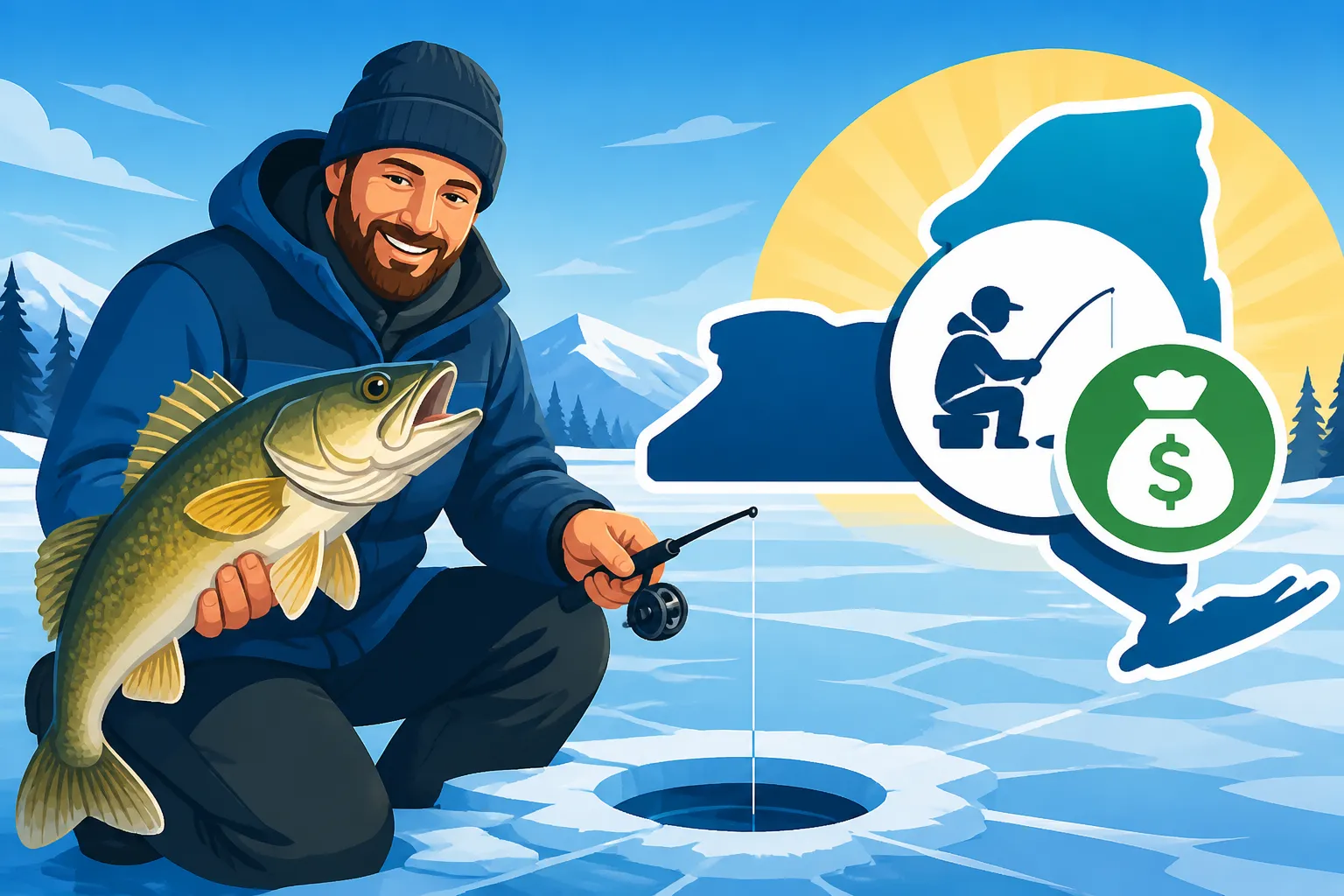
Thinking about hitting the hard water in New York but wondering what it really costs to bring along a professional ice fishing guide? It's a valid question, as the investment in a guided trip can feel like a big step. Many anglers get frustrated trying to piece together conflicting information on pricing, or they worry about hidden fees. This guide is here to cut through that confusion, giving you a realistic overview of the factors influencing ice fishing guide costs in New York and helping you understand what to expect for your hard-earned money.
Understanding the Value of an Ice Fishing Guide in New York
When you're bundling up for a day on the ice, the thought of paying someone else to lead the way might seem extravagant, especially if you're used to solo trips or fishing with buddies. However, a guided ice fishing trip in New York offers a tremendous amount of value that often goes unrecognized until you experience it firsthand. It's not just about catching fish, though that's certainly a big part of it! It’s about leveraging expertise, ensuring safety, and maximizing your enjoyment, especially if you're new to the sport or visiting an unfamiliar body of water.
Beyond Just a Boat: What You're Really Paying For
Think of an ice fishing guide as a mobile, personalized fishing school, safety expert, and local historian all rolled into one. You're not just paying for their time; you're paying for years, sometimes decades, of experience on specific New York lakes and rivers. This includes their uncanny ability to read the ice and the fish, navigating conditions that might be daunting to an inexperienced angler. They know where the fish are holding, what they're biting on, and the best techniques to entice them, whether it's jigging for walleye or subtle presentations for panfish.
Beyond their expertise, a significant portion of the cost covers the specialized equipment. Most guides provide heated shanties or shelters, a crucial comfort factor on frigid New York days. They bring high-quality ice augers, often power augers, to drill numerous holes efficiently, moving you to active fish quickly. Then there's the electronics: fish finders, flashers, and sometimes even underwater cameras, which are invaluable for locating fish and understanding their behavior under the ice. All these tools represent a substantial investment for the guide, and their maintenance and upkeep are factored into the trip cost. They're also ensuring your safety, knowing the local ice conditions, emergency procedures, and carrying appropriate safety gear, which is invaluable.
The DIY vs. Guided Experience: A Cost-Benefit Analysis
Many anglers grapple with the "should I buy my own gear or hire a guide?" question. The truth is, both have their merits, but they serve different purposes and come with different cost curves. Going the DIY route means a significant upfront investment in an ice auger, a shelter, specialized rods and reels, a portable heater, and safety equipment like ice picks and flotation suits. This can easily run into several hundred, or even a couple of thousand, dollars to get properly outfitted, not to mention the time spent researching, buying, and maintaining everything. It's a great option for those who plan to go ice fishing frequently and enjoy the process of setting up their own expeditions.
| Feature | DIY Ice Fishing (Initial Outlay) | Guided Ice Fishing (Per Trip) |
|---|---|---|
| Equipment | High upfront cost (auger, shanty, electronics, rods, tackle, safety gear) | All major equipment provided by guide |
| Expertise | Self-taught, trial-and-error, research | Immediate access to local knowledge, techniques, and fish behavior |
| Safety | Personal responsibility, self-education on ice conditions | Guide responsible for assessing safe ice, emergency preparedness |
| Convenience | Rigorous planning, packing, setup, breakdown, cleaning | Show up, fish, and leave; guide handles logistics |
| Fish Finding | Time-consuming, relies on personal scouting or community reports | Guide knows active spots and techniques for target species |
| Learning Curve | Steep for beginners | Accelerated learning from a seasoned pro |
| Cost Structure | Large initial investment, low per-trip cost (after gear bought) | Variable per-trip cost, no large upfront gear investment |
Hiring a guide, on the other hand, means you're making a per-trip investment. You avoid the initial gear purchase, the hassle of transporting and setting up heavy equipment, and the uncertainty of finding fish in a new location. It's an excellent choice for beginners who want to learn the ropes safely, for visitors who don't have their own gear, or for experienced anglers looking to quickly get on active fish in an unfamiliar body of water without the scouting time. It also makes for a fantastic gift or a unique experience for a corporate outing or family trip. You get access to top-of-the-line gear and local expertise without the commitment.
Key Factors Influencing Ice Fishing Guide Costs
The cost of an ice fishing guide in New York isn't a flat fee; it's a dynamic figure influenced by several variables. Just like planning any trip, understanding these factors will help you budget accurately and choose a guide service that best fits your needs and expectations. It's easy to look at a number and think it's too high or too low without considering what's actually included.
Trip Duration and Group Size
One of the most significant cost drivers is the length of your trip. Most guides offer both half-day and full-day excursions. A half-day trip typically lasts around 4-5 hours, while a full-day trip can extend to 7-8 hours or even longer, depending on the fishing action and conditions. Naturally, a full-day trip will cost more, but it also provides more time on the ice, more opportunities to move to different spots, and a more relaxed pace. For first-timers or those with limited time, a half-day can be a great introduction, but if you're serious about catching fish or want to truly immerse yourself, a full-day often provides better value.
The number of people in your group also plays a crucial role. Many guides offer a base rate for a certain number of anglers (e.g., one or two people) and then charge an additional fee for each extra person. Some guides, especially those with larger, more comfortable shanties or multiple guides, can accommodate bigger groups. Booking a private trip for just one or two anglers will generally have a higher per-person cost than joining a "shared" or "open boat" trip where you're paired with other individuals. Consider whether you prefer a more intimate experience or if you're happy to share the ice with new acquaintances.
Location and Target Species
New York is a vast state with incredible ice fishing opportunities, from the Great Lakes tributaries to the Finger Lakes, and smaller inland ponds. The specific body of water you choose can impact the guide's rates. Guides operating on larger, more renowned lakes known for trophy fish, such as Oneida Lake for walleye or Chautauqua Lake for muskellunge, might have higher rates due to the specialized equipment, longer travel times, and greater demand for their expertise. The remoteness of a location, which might require more effort for the guide to access and set up, could also factor into the cost.
Similarly, the species you're targeting can affect the price. Pursuing elusive or larger game fish like walleye or northern pike often requires more specialized techniques, equipment, and scouting time compared to a trip focused on abundant panfish like perch or bluegill. Guides specializing in How to Ice Fish for Walleye in New York might command a different rate than those focused on Best Ice Fishing Techniques for New York Panfish. If you have a specific fish in mind, be sure to communicate that upfront when inquiring about guide services.
Inclusions and Exclusions
What's included in the guide's fee is paramount to understanding the true cost. Many reputable guides provide almost everything you need:
- Heated Shelters: A comfortable, warm space on the ice.
- Rods, Reels, and Tackle: Often high-quality, specialized gear for ice fishing.
- Bait: Live bait, dead bait, and various artificial lures.
- Fish Finders/Electronics: Crucial for locating fish.
- Drilled Holes: No need for you to break a sweat with an auger.
- Safety Equipment: Essential for peace of mind on the ice.
Some guides might also offer additional services like:
- Fish Cleaning: Preparing your catch for the ride home.
- Hot Beverages/Snacks: A welcome comfort on a cold day.
- Photography: Capturing your memorable moments.
Conversely, it's equally important to know what's not included. For example, your New York fishing license is almost always your responsibility. Guides typically do not provide transportation to the meeting spot, nor do they usually include meals beyond basic snacks or drinks. Be sure to clarify these details when booking, so there are no surprises on the day of your trip. Understanding What to Bring on a New York Fishing Charter (or guided trip, in this case) is key, even if most gear is provided.
Typical Cost Structures for New York Ice Fishing Guides
Now, let's get into the nitty-gritty of how guides typically structure their pricing. While I can't give you exact numbers, which fluctuate based on the guide, the season, and market conditions, I can describe the general shape of what you'll encounter when you start looking into booking an ice fishing adventure in New York. Remember, always contact the guide directly or check their current listings for precise figures. Many guides list their services on platforms like FishingBooker, where you can easily compare options and see what's included.
Half-Day vs. Full-Day Rates
Most guides offer distinct pricing for half-day and full-day trips. A half-day trip usually represents a lower initial cost, making it an accessible option for many. It's perfect for a quick outing, to get a taste of ice fishing, or for those who might not have the stamina for a full day in the cold. You'll generally find these trips to be a significant percentage less than a full day, perhaps a third to half off the full-day rate.
Full-day trips, while a larger investment, often provide a better overall experience. With more time on the ice, guides have the flexibility to move to multiple spots, adapt to changing conditions, and delve deeper into specific techniques. This extended time can be particularly beneficial for targeting more challenging species or when fish activity is sporadic throughout the day. If you're looking to learn a lot or really want to maximize your chances of a substantial catch, the full-day option usually offers greater value per hour.
Per Person vs. Flat Rate Pricing
This is another common differentiator in guide pricing.
- Flat Rate Pricing: Many guides charge a set rate for the entire trip, which covers a specific number of anglers (e.g., "up to 2 anglers" or "up to 4 anglers"). If your group is smaller than the maximum, you still pay the full flat rate. If you have more people, there's usually an "add-on" fee per additional person up to the guide's maximum capacity. This structure can be very economical for groups that meet or nearly meet the specified number of anglers, as the cost per person decreases.
- Per Person Pricing: Less common for private ice fishing guides, but sometimes seen for larger "charter" style ice fishing operations or "open seat" trips. Here, each individual pays a set fee. This is often suitable for solo anglers or small groups who don't mind sharing their experience with others and splitting the cost.
When comparing, calculate the per-person cost for your specific group size under both models. Sometimes a flat rate designed for two people might be less per person than a single-person rate if you bring a friend. Don't hesitate to ask guides how their pricing works for different group sizes.
Extra Charges to Consider
While guides strive to be transparent, there are sometimes additional costs that can pop up. Being aware of these helps you budget wisely:
- Gratuity/Tips: This is perhaps the most common "extra" and something you should absolutely factor in. Tipping your guide is customary and highly appreciated, reflecting their hard work, expertise, and dedication to your experience. The standard practice for Tipping Etiquette for New York Fishing Charters generally applies to guided ice fishing trips as well, often ranging from 15-20% of the trip cost, depending on your satisfaction.
- Tackle or Bait Upgrades: While basic tackle and bait are typically included, some specialty items or an abundance of premium live bait might incur a small extra charge.
- Fish Cleaning Services: If fish cleaning isn't explicitly listed as included, some guides might offer it for a nominal fee.
- Transportation: While you're responsible for getting to the meeting point, if a guide has to travel an unusually long distance to accommodate your preferred location, they might charge a fuel surcharge. This is less common but worth clarifying.
- Food/Beverages: Beyond basic snacks or hot drinks, any special meal requests would typically be an additional cost.
Always ask for a complete breakdown of costs when you book, including any potential extras, to avoid surprises.
How to Find and Book a Reputable Ice Fishing Guide
Finding the right ice fishing guide in New York is crucial for a successful and enjoyable experience. It's more than just price; it's about finding someone knowledgeable, personable, and dedicated to client safety and satisfaction. Rushing into a booking without proper research can lead to disappointment, so take your time to vet potential guides.
Researching and Vetting Guides
Start your search by focusing on the specific region or lake you're interested in, such as Oneida Lake Fishing Guides if you're targeting that particular hotspot. Online reviews and testimonials are invaluable; look for consistent praise regarding their knowledge, patience, safety protocols, and ability to put clients on fish. Word-of-mouth recommendations from fellow anglers, local bait shops, or sporting goods stores can also lead you to hidden gems.
Don't be afraid to ask potential guides questions directly:
- How long have you been guiding on this specific body of water?
- What species do you typically target, and what are your success rates?
- What equipment do you provide, and what should I bring?
- What is your policy for bad weather or unsafe ice conditions? (It's good to know What Happens If a Charter Is Canceled for Weather?)
- Are you licensed and insured? (While ice fishing guides don't always require the same level of Coast Guard licensing as marine charters, professional insurance is a sign of a reputable business).
A good guide will be happy to answer your questions thoroughly and transparently.
Getting Quotes and Understanding Contracts
When you reach out to guides, ask for a detailed quote that clearly outlines what's included and any potential additional costs. Compare quotes from several different guides, but remember that the cheapest option isn't always the best value. Sometimes, paying a little more for an experienced guide with top-notch equipment and an excellent reputation is well worth the investment for a memorable and productive trip.
Pay close attention to the booking and cancellation policies. Ice fishing is inherently weather-dependent, and conditions can change rapidly. Understand what happens if the ice is unsafe, if a blizzard rolls in, or if you need to cancel for personal reasons. Reputable guides will have clear policies regarding deposits, refunds, and rescheduling. Get all agreements in writing, even if it's just an email confirmation summarizing the details.
Leveraging Online Platforms
Online booking platforms have made it significantly easier to find and compare fishing guides across New York. Websites like FishingBooker are excellent resources. You can filter by location, target species, and even specific amenities offered by guides. These platforms often provide:
- Detailed profiles of guides and their vessels (or ice fishing setups).
- Customer reviews and ratings.
- Clear pricing information and availability calendars.
- Secure online booking and payment processing.
Using a platform like FishingBooker can streamline your search, allowing you to easily browse multiple New York ice fishing guides in one place, read authentic reviews, and find a trip that fits your budget and preferences. It takes a lot of the guesswork out of the initial search.
Making the Most of Your Ice Fishing Guide Investment
Once you've booked your guide and are ready to hit the ice, a little preparation and the right mindset can elevate your experience from good to absolutely fantastic. Remember, you've invested in this trip, so maximize every moment!
Preparing for Your Guided Trip
The biggest rule for New York ice fishing is to dress in layers! Even in a heated shanty, you'll be exposed to the elements when moving between spots or tending lines. Warm, waterproof boots, thermal socks, insulated pants and jacket, a hat, and gloves are non-negotiable. Don't underestimate the cold that can seep through the ice. Your guide might offer advice on What to Bring on a New York Fishing Charter or an ice trip, but generally, pack more layers than you think you'll need.
Communicate any specific preferences or physical limitations to your guide beforehand. If you have a target species in mind, reiterate it. If you're a complete beginner, let them know so they can tailor their instruction. Being on time, or even a few minutes early, is also a sign of respect for your guide's schedule and allows for a smooth start to the day.
Maximizing Your Learning Experience
A guided trip is not just about catching fish; it's a prime opportunity to learn. Ask questions! How do they choose their spots? What does the fish finder tell them? Why did they select that specific lure or bait? Pay attention to their techniques for jigging, setting lines, and handling fish. They are experts in Ice Fishing in New York: A Complete Guide and often happy to share their knowledge. Many guides enjoy teaching and will patiently explain the nuances of ice fishing in New York, whether it's understanding ice thickness for safety or the subtle bite of a walleye. The insights you gain from a professional can dramatically improve your future solo trips.
Tipping Etiquette and Appreciation
As mentioned earlier, tipping your ice fishing guide is customary and expected in the service industry. It's a direct way to show your appreciation for their hard work, expertise, and effort in making your trip a success. A general guideline is to tip between 15-20% of the total trip cost. If they went above and beyond—like staying out a bit longer, patiently teaching your kids, or working tirelessly to find fish in tough conditions—consider tipping at the higher end or even a bit more.
You can give the tip directly to your guide at the end of the trip, preferably in cash. It's a simple gesture that acknowledges the long hours, preparation, and dedication that go into providing a memorable guided ice fishing experience in New York.
Disclaimer
This article is for general informational purposes only and does not constitute professional advice. Laws, prices and regulations vary by location and change over time. Consult a qualified professional for guidance on your specific situation.