Booking a Fishing Charter in New York
The idea of casting a line into New York's incredible waters, whether it's the vast expanse of Lake Ontario or the bustling channels of Long Island Sound, is truly exciting. But let's be honest, for many, the thought of actually organizing a fishing trip, especially if you're not a seasoned boat owner, can feel a little daunting. Figuring out where to go, what fish are biting, what gear you need, and who to trust can quickly turn a dream trip into a headache. This guide is here to untangle all that confusion, offering a comprehensive look at how to confidently book a fishing charter in New York so you can focus on the thrill of the catch.
Why Consider a Fishing Charter in New York?
You might be thinking, "Why can't I just rent a boat myself?" And while that's an option for some, a fishing charter offers an experience that's often miles beyond what you can achieve on your own, especially in a state as diverse and expansive as New York. It’s about leveraging local expertise and professional equipment to maximize your chances of a successful and enjoyable day on the water.
Unparalleled Local Knowledge
The waters of New York are vast and ever-changing, from the depths of the Great Lakes to the winding currents of the Hudson River and the intricate bays of Long Island. Knowing where the fish are hiding on any given day, what they’re biting on, and how to approach them takes years of experience. A good charter captain has that knowledge ingrained. They spend countless hours tracking fish movements, monitoring water temperatures, and understanding seasonal patterns that most recreational anglers simply don't have the time or resources to acquire.
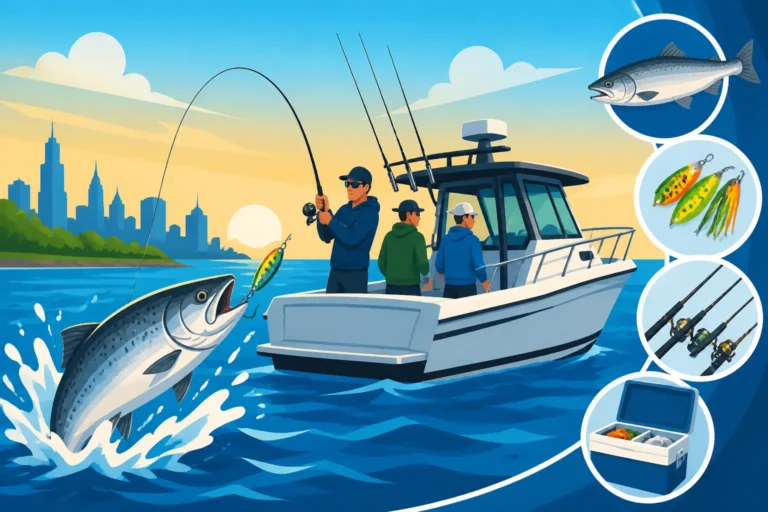
Imagine heading out on Lake Ontario in pursuit of trophy Chinook Salmon. Without a captain who knows the specific thermoclines, the preferred baitfish schools, and the most effective trolling patterns for that day, you could spend hours just looking. A charter captain, however, will likely take you directly to productive waters, drawing on their recent trips and intel from fellow guides. This local insight dramatically increases your odds of hooking into the fish of a lifetime.
Professional Equipment and Boat Access
Let's be real, acquiring and maintaining top-tier fishing gear and a seaworthy boat is a significant investment. From specialized rods and reels for specific species to advanced sonar, downriggers, and safety equipment, the costs add up quickly. When you book a charter, all that expensive gear is provided for you, meticulously maintained and ready to go. You don't have to worry about whether your reel can handle a powerful Lake Trout or if your boat is equipped for the offshore conditions of the Atlantic.
This is particularly beneficial for those who are traveling or just getting into fishing and haven't built up their arsenal yet. It eliminates the logistical nightmare of transporting tackle and ensures you're fishing with the right tools for the job. Plus, these boats are often custom-built or extensively modified for fishing, offering stable platforms, ample space, and often comfortable amenities like enclosed cabins and private heads, which make a full day on the water much more enjoyable.
Safety and Experience
Fishing, especially on larger bodies of water, comes with inherent risks. Navigating unpredictable weather, understanding marine traffic laws, and knowing how to handle emergencies are all critical aspects of a safe trip. Charter captains are typically licensed professionals, often by the U.S. Coast Guard, and are required to meet stringent safety standards. They are experienced in reading weather patterns, operating their vessels safely, and, most importantly, keeping their clients out of harm's way.
Beyond just basic safety, they're also experts at handling fish, from proper netting and de-hooking techniques to safely releasing fish you don't intend to keep. This experience is invaluable, especially if you're targeting larger, more powerful species. They ensure a smooth, enjoyable, and secure adventure, allowing you to relax and fully immerse yourself in the fishing experience.
Understanding Different Types of New York Fishing Charters
New York State boasts an incredible variety of fishing environments, from the vast freshwater lakes and rivers to the diverse saltwater coastline. This means there's a fishing charter for nearly every angler's dream, each with its own unique focus and experience. Knowing the general categories will help you narrow down your options significantly.
Freshwater vs. Saltwater Charters
The fundamental split in New York fishing is between freshwater and saltwater, and your charter choice will heavily depend on which type of environment calls to you. Freshwater charters typically operate on the Great Lakes (Ontario, Erie), the Finger Lakes, Lake Champlain, the St. Lawrence River, and numerous other large inland lakes and rivers. Here, you might target prized species like Chinook Salmon, Lake Trout, Steelhead, Walleye, Largemouth Bass, Smallmouth Bass, or even the elusive Muskellunge. These trips often involve trolling with downriggers in deep water for salmonids or casting and jigging in shallower areas for bass and walleye. A lot of anglers find the tranquility of freshwater fishing deeply appealing. If you're looking to chase giant salmon or explore the Finger Lakes, a freshwater charter is your go-to. New York's Best Lakes for Fishing is a great resource if you're still weighing your options.
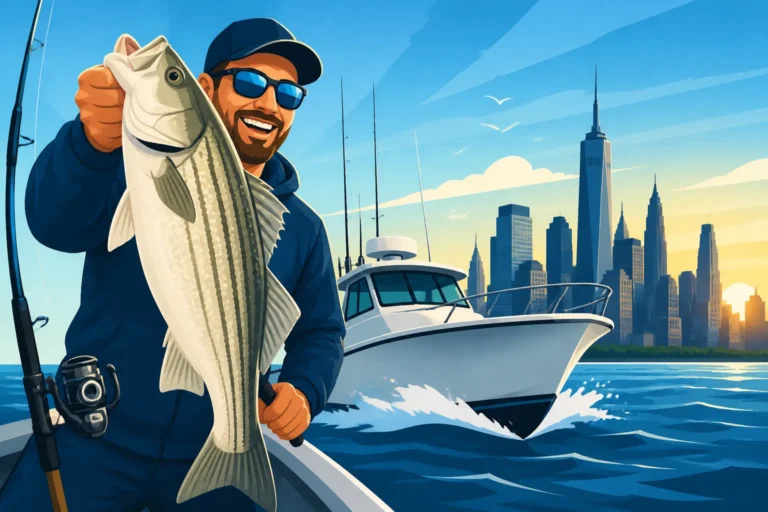
Saltwater charters, on the other hand, ply the waters of Long Island Sound, the Atlantic Ocean, and the various bays and estuaries along New York's coast. Common targets include Striped Bass, Bluefish, Fluke (Summer Flounder), Black Sea Bass, Tautog (Blackfish), and even offshore species like Tuna and Sharks. Saltwater trips can range from inshore light tackle action for stripers to offshore deep-dropping or trolling. The gear tends to be heavier, the conditions can be choppier, and the fights often more intense. Whether you prefer the thrill of a hard-fighting Striped Bass or the challenge of jigging for Black Sea Bass, a saltwater charter offers a distinct adrenaline rush. Keep in mind that for saltwater fishing in New York, you'll need to register with the New York Recreational Marine Fishing Registry even if you're on a charter.
Half-Day vs. Full-Day Charters
The duration of your trip is another key differentiator. Half-day charters typically run for 4-5 hours, making them an excellent option for beginners, families with young children, or those on a tighter schedule or budget. They provide a good taste of the fishing experience without committing to a full day on the water. While you might not cover as much ground or target as many different spots, a good captain can still put you on fish and ensure a memorable experience. These trips are often more focused on a specific species or fishing technique due to the shorter time frame.
Full-day charters, usually lasting 8-10 hours, offer a more comprehensive fishing adventure. This extended time allows the captain to travel further, explore a wider range of fishing grounds, and adapt to changing conditions. You might have the opportunity to target multiple species or try different techniques throughout the day. For serious anglers or those looking for the best chance at a trophy fish, a full-day trip is often the preferred choice. It gives you more time to learn from the captain, enjoy the scenery, and, of course, increase your hook-up opportunities. It's a bigger investment of time and money, but often yields a more rewarding overall experience.
Private Charters vs. Open/Party Boats
When you think about "booking a charter," most people envision a private charter. This means you book the entire boat for your group, whether it's just you and a friend or a larger party of four to six anglers. Private charters offer a highly personalized experience: you can often discuss your target species and preferred fishing methods with the captain beforehand, and the trip is tailored to your group's interests and skill level. It's an intimate setting, perfect for families, friends, or corporate outings, and often provides more one-on-one guidance from the captain and mate. The cost is for the entire boat, so while it might seem higher per person for a small group, it can be quite economical for a full party.
Open boats, often called party boats or head boats, operate differently. You pay a per-person fare, and you're typically fishing alongside other anglers you may not know. These boats are generally much larger, accommodating dozens of passengers. They're a more budget-friendly option and a great way to experience deep-sea fishing if you're just one or two people and don't want to spring for a private boat. While the experience is less personalized, party boats often have experienced crews who work hard to keep everyone catching fish, and they're a lively, social way to spend a day on the water. They usually target common species like Fluke, Porgies, or Black Sea Bass.
| Charter Type | Typical Duration | Group Size | Cost Structure | Customization Level | Ideal For |
|---|---|---|---|---|---|
| Private Half-Day | 4-5 hours | 1-6 people | Flat rate for boat | High | Families, beginners, short trips, focused species |
| Private Full-Day | 8-10 hours | 1-6 people | Flat rate for boat | Very High | Serious anglers, trophy hunting, multiple species |
| Open/Party Boat | 4-8 hours | Many | Per person | Low | Budget-conscious, solo anglers, social experience |
| Freshwater | Varies | 1-6 people | Flat rate/per person | Medium to High | Lake Ontario Salmon, Finger Lakes Trout, Bass |
| Saltwater | Varies | 1-6 people | Flat rate/per person | Medium to High | Striped Bass, Fluke, Offshore species |
Choosing the Right Charter for Your New York Adventure
With so many options, picking the perfect charter can feel a bit like trying to decide on the best flavor at an ice cream shop – exciting, but potentially overwhelming! The key is to think about what you and your group really want out of the experience. It’s not just about catching fish, it’s about the memories you’ll make and the adventure itself.
Determine Your Target Species and Location
First things first: what do you want to catch? Or perhaps, where do you want to go? These two questions often go hand-in-hand and will immediately help narrow down your choices. If your dream is to battle a massive Chinook Salmon, then you'll be looking at charters on Lake Ontario or its tributaries like the Salmon River. If reeling in a Striped Bass from the iconic Hudson River is on your bucket list, then you'll seek out guides in that region. Or maybe you're picturing jigging for Walleye on Lake Erie. New York's Most Popular Freshwater Fish and New York's Most Popular Saltwater Fish can give you a great idea of what's available.
Thinking about your preferred fishing style is also important. Do you want to troll for hours, waiting for a rod to bend over? Or do you prefer active casting and retrieving? Some charters specialize in fly fishing for trout in the Catskills, while others might focus on light tackle finesse for smallmouth bass. Once you have a target species and a general location in mind, it becomes much easier to filter through the myriad of available captains and boats. Don't be afraid to be specific – a charter specializing in what you want will almost always offer a better experience.
Consider Your Group Size and Experience Level
Who are you bringing along? The number of people in your party will directly influence the type of boat you need and the charter’s cost structure. Private charters often have a maximum capacity, usually between 4-6 anglers, due to boat size and safety regulations. If you have a larger group, you might need to book multiple boats or opt for a party boat if available for your desired fishing type. For example, a family of four looking for a fun day often finds a private half-day charter to be the perfect fit.
Your group's fishing experience level is also crucial. Are you all seasoned anglers looking for a challenging trophy hunt, or are you bringing kids who have never held a fishing rod? Some charters are explicitly marketed as "family-friendly" or "beginner-friendly," offering extra patience and instruction. Other captains cater more to hardcore enthusiasts who want to maximize their catch potential. Don't be shy about communicating your group's experience level when you inquire; a good captain will be able to tell you if their style is a good match. A truly patient guide can turn a beginner into a passionate angler, while a fast-paced trip might overwhelm someone new to the sport.
Budget and Inclusions
Cost is always a factor, and charter prices can vary significantly based on location, duration, boat size, and target species. Generally, a private full-day offshore saltwater charter will be more expensive than a half-day inshore freshwater trip. When comparing prices, always ask what is included. Most reputable charters will provide:
- Rods, reels, and tackle: This is standard, but it's good to confirm.
- Bait: Live bait, dead bait, or artificial lures appropriate for the target species.
- Fuel: Usually part of the flat rate.
- Professional captain and often a mate: Their expertise and service are key.
- Fish cleaning: Many charters will clean and bag your catch at the end of the day.
What might not be included, but are important to budget for, are things like your New York Fishing License Costs and Options (yes, you almost always need your own, even on a charter), food and drinks (bring your own cooler!), sunscreen, appropriate clothing, and, importantly, a tip for the captain and mate. Tipping is customary in the charter industry and is a way to show appreciation for their hard work and service. Understanding all these inclusions and potential extra costs upfront helps avoid any surprises and ensures you can stick to your budget without compromising on a fantastic experience.
What to Expect on a New York Fishing Charter
Stepping onto a charter boat for the first time can be an exhilarating mix of anticipation and perhaps a touch of uncertainty. Knowing what the typical flow of the day looks like, what’s expected of you, and what the crew will handle can help you relax and fully enjoy the adventure. Every trip is a bit different, but there's a general rhythm to most New York fishing charters.
The Typical Day: From Dock to Catch
Your day will usually begin at a designated time and location at the marina. Punctuality is key, as the tide and bite windows don't wait for anyone! When you arrive, the captain or mate will greet you, help you load any personal gear (like coolers for food and drinks), and give a brief safety talk. This is also a good time to reiterate your group's goals for the day – whether it's catching as many fish as possible, targeting a specific trophy, or simply having a relaxing time on the water.
Once underway, the journey to the fishing grounds begins. This could be a short run to a nearby reef or a longer cruise out to deeper waters. During this time, the crew will often set up the rods, prepare bait, and answer any questions you might have. When you reach the fishing spot, the real action begins. The captain will position the boat, and the crew will typically help you get your lines in the water, whether it's dropping bait, deploying trolling lures, or casting. They'll be constantly monitoring the fish finder, adjusting tactics, and moving the boat if the bite slows down. This is where their expertise truly shines.
Throughout the day, they'll assist with hooking fish, netting them, and if you plan to keep them, placing them in coolers or livewells. If you're releasing fish, they'll demonstrate proper catch-and-release techniques to ensure the fish's survival. At the end of the trip, usually a specified time, you'll head back to the dock. Most charters offer fish cleaning services, meticulously filleting and bagging your catch, ready for you to take home. This service is a huge convenience and makes preparing your fresh catch for dinner a breeze.
Inclusions and Exclusions Recap
As we touched on earlier, a standard New York fishing charter almost always includes the boat, a licensed captain (and often a first mate), all necessary fishing rods, reels, tackle, and bait. They also typically cover the cost of fuel for the trip and often provide fish cleaning services at the end of the day. You're paying for their expertise, equipment, and the entire fishing experience.
However, there are a few important exclusions to remember. The biggest one is your fishing license. Whether you're fishing freshwater or saltwater (which requires a free registry for marine fishing), you are responsible for obtaining the appropriate license before your trip. You can often buy these online or at local sporting goods stores. How to Get a Fishing License in New York has all the details. Food and beverages are also typically not provided, so pack a cooler with plenty of water, snacks, and any meals you might want for a full day. Sun protection (hat, sunglasses, sunscreen), motion sickness medication (if prone), and appropriate clothing for varying weather conditions are also your responsibility. And remember, gratuities for the captain and crew are not included in the base price and are always appreciated for good service. Tipping Etiquette for New York Fishing Charters provides more insight into this important aspect.
Safety Briefings and Onboard Rules
Before the boat even leaves the dock, your captain will conduct a safety briefing. This isn't just a formality; it's vital information. They'll cover the location of life jackets, first-aid kits, fire extinguishers, and emergency procedures. Pay close attention, as knowing this information could be critical in an unexpected situation. They'll also explain how to safely move around the boat, especially when underway or when lines are in the water. Listen to the captain and mate – they are in charge of your safety and the vessel's operation.
Beyond safety, there are usually a few general onboard rules to ensure everyone has a good time. These might include designated areas for casting, how to store personal belongings, and policies regarding alcohol consumption (some boats allow it in moderation, others may have restrictions). Respecting the crew's instructions, especially when they are handling fish or maneuvering the boat, is paramount. They’re working hard to make your trip successful, and a little cooperation goes a long way. Having everyone on the same page about expectations and rules helps ensure a smooth, enjoyable, and most importantly, safe fishing adventure for all.
Costs and Budgeting for Your New York Fishing Charter
Let's talk about the elephant in the room: how much does this all cost? It's a fair question, and the answer, as with many things in life, is "it depends." Fishing charter prices in New York are not set in stone and can vary significantly based on a number of factors. Understanding these variables will help you budget effectively and choose a trip that aligns with your financial comfort zone.
Factors Influencing Charter Prices
The primary factors that drive the cost of a fishing charter include:
- Duration of the Trip: As discussed, half-day trips are almost always less expensive than full-day excursions. A shorter time on the water means less fuel, less crew time, and therefore a lower overall price tag.
- Boat Size and Type: Larger, more luxurious boats with extensive electronics, comfortable amenities, and powerful engines often command higher prices. A smaller bay boat for inshore fishing will typically be less costly than a large offshore sportfisher or a specialized Great Lakes trolling vessel equipped with multiple downriggers.
- Target Species: Some species require more specialized gear, longer travel times to distant fishing grounds, or more intensive techniques, which can influence pricing. For example, a dedicated Tuna or Shark trip far offshore will almost always be more expensive than an inshore trip for Fluke. Similarly, chasing trophy Muskies on the St. Lawrence River might involve specialized techniques that impact cost.
- Location: Certain regions of New York, known for premier fishing or having a higher cost of living, might see slightly higher charter rates. For instance, Long Island Sound charters might have a different price structure than those on the Finger Lakes.
- Seasonality: Peak fishing seasons for popular species can sometimes influence demand and, consequently, pricing. Booking in shoulder seasons might offer a more competitive rate.
Remember, charter prices are almost always for the entire boat, not per person, for private charters. So, if a charter costs a certain amount for up to 6 people, bringing a full crew often makes the per-person cost quite reasonable.
What to Expect to Pay (General Shape)
While I can't give you exact figures, I can tell you the shape of the cost. Expect half-day private charters to be in a lower price range, while full-day private charters will be significantly more. Specialized multi-day trips or very long-distance offshore trips will naturally be at the highest end of the spectrum. Party boats, where you pay per person, will always be the most economical option if you're traveling solo or with a small group and don't need a private experience.
It's also worth noting that prices can sometimes include "hidden" costs if you're not careful. Always ask specifically about fuel surcharges (though these are often included), bait costs (usually included), and fish cleaning (most often included but worth confirming). The biggest additional cost you'll almost certainly incur is the tip for the crew, which is typically 15-20% of the trip's total cost. This is a vital part of budgeting for your trip and an important acknowledgment of the hard work the crew puts in.
Smart Budgeting Tips
To make your New York fishing charter affordable and enjoyable, here are a few budgeting tips:
- Go with a Group: Splitting the cost of a private charter among friends or family members can drastically reduce the per-person expense, making a high-quality trip much more accessible.
- Consider Half-Day Trips: If your budget is tight, a half-day trip still offers a fantastic fishing experience and is a great way to test the waters without a full-day financial commitment.
- Book in Advance: Especially for popular seasons or target species, booking early can sometimes help lock in rates and ensures you get the captain you want.
- Ask About Off-Peak or Weekday Discounts: Some captains might offer slightly reduced rates during less busy times, such as weekdays or during shoulder seasons. It never hurts to ask!
- Factor in All Expenses: Don't forget to budget for your fishing license, food, drinks, sunscreen, and the all-important tip for the crew. These small costs can add up if you don't plan for them. You might also want to budget for any souvenirs or tackle shop stops you plan to make.
By being mindful of these factors and planning ahead, you can ensure your New York fishing charter fits comfortably within your budget while still delivering an unforgettable angling adventure.
How to Research and Book Your New York Fishing Charter
So, you've got an idea of what you want to catch and where, and you've got your budget in mind. Now comes the exciting part: actually finding and booking that perfect New York fishing charter! It might seem like a maze of websites and phone numbers, but with a structured approach, you'll secure your trip with confidence.
Finding Reputable Captains and Guides
The first step is to identify captains and guides with a solid reputation. Word-of-mouth is still king in the fishing world, so ask friends, family, or local tackle shop owners for recommendations. Online reviews are also incredibly valuable. Look for consistent positive feedback regarding the captain's knowledge, friendliness, the boat's condition, and the overall fishing success. A captain who communicates well and prioritizes safety and customer experience will always stand out.
You can often find local charter listings through regional tourism boards or dedicated fishing forums for specific New York waters like Lake Ontario, the Finger Lakes, or Long Island Sound. Don't just settle for the first name you see; take a bit of time to compare options. Look at their websites, social media pages, and recent catch photos to get a feel for their operation and whether their style aligns with your group's expectations. Remember, a good guide isn't just about catching fish; it's about the entire experience.
Utilizing Online Booking Platforms
In today's digital age, online booking platforms have made it incredibly easy to find, compare, and book fishing charters. Websites like FishingBooker, for example, aggregate listings from numerous captains across New York State, from Lake Erie to Montauk. These platforms allow you to filter by location, target species, charter type (half-day, full-day, private, party boat), and even specific amenities.
The beauty of these platforms is the transparency they offer. You can typically see detailed profiles for each captain, including their licenses, boat specifications, photos, and, most importantly, authenticated customer reviews. This allows you to read firsthand accounts from previous anglers, giving you a realistic picture of what to expect. Many platforms also offer secure online payment processing and clear cancellation policies, which provides peace of mind. Using a platform like FishingBooker can streamline your search, helping you compare various New York Fishing Charters and Guides side-by-side without having to jump between dozens of individual websites.
Key Questions to Ask Before Booking
Once you've narrowed down your choices, don't hesitate to reach out to the captain or booking agent with any questions you have. This conversation is crucial for ensuring a good fit and avoiding misunderstandings. Here's a checklist of important questions:
- Availability: Is your preferred date available?
- Target Species: What species are you primarily targeting, and what are the realistic expectations for catching them during your chosen season?
- Inclusions: What exactly is included in the price (rods, reels, bait, tackle, fish cleaning, fuel, licenses)? Reconfirm this even if it's listed online.
- What to Bring: What do they recommend you bring (food, drinks, layers of clothing, sunscreen, etc.)?
- Fishing License: Do I need a New York State fishing license, and if so, what kind? (The answer is almost always yes, and it’s your responsibility).
- Deposits and Payment: What's the deposit amount, when is the final payment due, and what payment methods are accepted?
- Cancellation Policy: What happens if there's bad weather or if you need to cancel? Understanding the Cancellation Policies for New York Fishing Charters upfront is vital.
- Safety Equipment: What safety equipment is on board, and will there be a safety briefing?
- Children: If bringing kids, ask about specific policies or recommendations for them. Do Kids Need a Fishing License to Fish in New York? and Can Kids Go on New York Fishing Charters? are questions worth exploring.
Asking these questions demonstrates you're a prepared client and helps the captain gauge your expectations, leading to a smoother and more enjoyable trip for everyone involved.
Preparing for Your New York Fishing Charter Trip
You’ve booked your New York fishing charter – congratulations! Now, with the date circled on your calendar, it's time to start thinking about the practical preparations. A little planning goes a long way in ensuring your day on the water is comfortable, productive, and entirely stress-free.
Essential Gear and Clothing
Even though your charter will provide all the fishing gear, there are several personal items you'll want to bring to make your trip more enjoyable:
- Appropriate Clothing: New York weather can be famously unpredictable, especially on the water. Dress in layers, even on warm days. It's often cooler on the boat than on shore, and conditions can change rapidly. A waterproof jacket and pants are always a good idea, as are sturdy, non-slip shoes. You want to be comfortable and prepared for anything, from a sunny calm day to a brisk, choppy afternoon.
- Sun Protection: This is non-negotiable. The sun's reflection off the water amplifies its intensity, even on cloudy days. Bring a wide-brimmed hat, sunglasses (polarized are a huge plus for spotting fish!), and plenty of high-SPF sunscreen. Reapply frequently!
- Food and Drinks: Pack a cooler with enough water, juice, and snacks to last the entire trip. Full-day charters especially warrant a proper lunch. Staying hydrated is crucial for preventing fatigue and seasickness.
- Cooler for Fish: While many charters clean and bag your fish, it's a good idea to bring a separate cooler with ice to transport your fresh fillets home. This ensures your catch stays cool and fresh until you can get it into the fridge or freezer.
- Personal Medications: If you have any essential prescription medications, bring them. For those prone to motion sickness, consider taking preventative medication like Dramamine or Bonine before you even board the boat, as it's far more effective as a preventative measure than a cure.
Think of it this way: what would make you comfortable spending several hours outdoors, potentially exposed to sun, wind, and spray? Pack accordingly!
Understanding Weather and Water Conditions
Before your trip, pay close attention to the weather forecast. While your captain will make the final call on whether conditions are safe to sail, knowing what to expect helps you prepare mentally and physically. A little rain might not cancel a trip, but strong winds or thunderstorms almost certainly will. Be prepared for potential changes, as forecasts, especially for marine environments, can shift.
Rougher water conditions can affect your comfort and even the fishing. If you're sensitive to motion, rougher seas might increase the likelihood of seasickness. Discuss any concerns you have with your captain beforehand; they are often happy to provide advice or suggest alternative dates if conditions are truly unfavorable for your group. Always trust your captain's judgment regarding safety and weather cancellations – they have your best interests at heart.
Confirming License Requirements and Other Logistics
This is a critical step: ensure you have the correct New York fishing license or marine registry for everyone in your party who needs one, before your trip. Most charter captains cannot legally provide licenses, and fishing without one can result in fines and a ruined trip. Check the New York State Department of Environmental Conservation (DEC) website for current requirements and to purchase licenses online. New York Fishing License Guide is an excellent place to start. If fishing saltwater, don't forget the free New York Recreational Marine Fishing Registry.
Also, confirm the exact meeting time and location with your captain a day or two before the trip. Sometimes docks can be tricky to find, especially in larger marinas. Ensure you have the captain's contact number in case of any last-minute questions or delays. Make sure your phone is charged, but perhaps consider a waterproof bag for it on the boat. By taking these proactive steps, you'll arrive at the dock ready for an amazing day of fishing, with all the minor details handled.
Common Mistakes to Avoid When Booking a Charter
Booking a fishing charter should be an exciting and straightforward process, but sometimes, common pitfalls can turn a dream trip into a less-than-ideal experience. Being aware of these mistakes beforehand can save you headaches, disappointment, and even money.
Not Clarifying Inclusions and Exclusions
One of the biggest sources of frustration for anglers is a misunderstanding of what’s included in the charter price. You might assume bait is covered, only to find out it’s an extra charge. Or you might not realize fish cleaning isn't part of the deal. Always, always, always ask for a clear list of what is and isn't included. This isn't about being confrontational; it's about being a well-informed client. Is the tip included? (Almost never.) Do they provide lunch? (Almost never.) Are soft drinks available? (Sometimes, but often it's BYO).
This clarity extends to the fishing gear itself. While rods and reels are standard, some specialized tackle or lures might be an extra cost on certain trips, particularly for niche species or techniques. Don't be shy about asking about any potential additional fees upfront. A reputable captain will appreciate your thoroughness and provide a transparent breakdown of costs. This also applies to the New York Fishing License Cost Compared to Pennsylvania or other states if you're an out-of-state angler trying to figure out reciprocity (there usually isn't any, you need a NY license).
Overlooking the Importance of Communication
Communication is the backbone of a successful charter trip. Many issues arise from a lack of clear communication between the angler and the captain. Did you tell the captain about your group's experience level? Did you mention if you're prone to seasickness? Did you clearly state your primary fishing goal (trophy fish vs. lots of action vs. a relaxing cruise)?
Before booking, and again before the trip, have an open dialogue. If you have any specific requests or concerns, voice them. A good captain will do their best to accommodate, but they can't read your mind. Similarly, if the captain advises on weather, safety, or fishing conditions, listen to their expertise. Ignoring their advice or failing to communicate your needs can lead to a less enjoyable, or even unsafe, experience. This is especially true for things like New York Fishing Season Dates and Catch Limits – your captain knows these, but you should also be aware.
Ignoring the Cancellation Policy
Life happens, and sometimes, plans change. This is why thoroughly understanding the charter's cancellation policy before you book is absolutely crucial. What if severe weather makes the trip unsafe? What if someone in your party gets sick? Each charter will have its own rules regarding deposits, refunds, and rescheduling.
Most captains will cancel a trip due to unsafe weather conditions (high winds, lightning, heavy seas) and will either offer a full refund or the option to reschedule. However, if you cancel due to personal reasons, especially close to the trip date, you might forfeit your deposit. Don't assume anything; read the fine print or ask direct questions about their policy for both captain-initiated and client-initiated cancellations. Platforms like FishingBooker often have their own standardized policies that supplement the captain's, providing an extra layer of clarity. Knowing the Cancellation Policies for New York Fishing Charters helps you plan for the unexpected and protects your investment.
By avoiding these common mistakes, you'll ensure a smoother booking process and set yourself up for an incredible and memorable New York fishing adventure.
Disclaimer
This article is for general informational purposes only and does not constitute professional advice. Laws, prices and regulations vary by location and change over time. Consult a qualified professional for guidance on your specific situation.