How to Get a Fishing License in New York
The process of figuring out how to get a fishing license in New York can feel like navigating a maze, full of confusing regulations and different purchasing options that leave many anglers scratching their heads. You're probably just eager to get out on the water, but the red tape can be a real barrier. This comprehensive guide is here to untangle all that complexity, making the path to legally casting your line in New York's beautiful waters as clear and straightforward as possible.
Understanding New York's Fishing License Requirements
Before you even think about hooks and lines, you absolutely need to understand the fundamental requirements for fishing in New York State. It’s not just a formality; it’s about respecting the state’s conservation efforts and avoiding hefty fines that can quickly ruin a peaceful day on the water. Many folks assume a simple rod and reel means they’re good to go, but New York has specific rules to ensure healthy fish populations for generations to come.
Who Needs a Fishing License in New York?
This is often the first question on everyone's mind, and frankly, it can be a little nuanced. Generally speaking, if you're 16 years old or older, you need a valid New York fishing license to fish in the state's freshwater and most saltwater areas. This applies whether you're a seasoned angler targeting trophy fish or just dipping a line in a local pond for panfish. There are very few exceptions, and it’s always safer to assume you need one than to risk a citation.
Think about it this way: the license fees directly support the New York State Department of Environmental Conservation (DEC)'s efforts in stocking fish, managing aquatic habitats, and enforcing fishing laws. So, when you buy a license, you're not just getting permission; you're contributing to the very health of the fisheries you enjoy. Even if you're just visiting for a short while, say from Pennsylvania or Connecticut, you'll still need to secure a New York license to fish legally. The rules are pretty consistent across the board for anyone over that magical age of 16.
What Type of License Do You Need?
New York offers a variety of license types, and choosing the right one depends largely on how often you plan to fish and where you reside. Are you a lifelong New Yorker who fishes every weekend, or are you an out-of-state visitor planning a single fishing trip to the Adirondacks? The answer to these questions will guide your choice. For residents, an annual license is often the most cost-effective if you plan to fish throughout the year. For non-residents, there are annual options, but also short-term licenses like the New York 7-Day Fishing License or New York 1-Day Fishing License, perfect for vacations or quick weekend getaways.
It's crucial to differentiate between freshwater and saltwater. While a standard freshwater fishing license covers most inland waters, if you plan to venture into marine waters, you’ll also need to register with the New York Recreational Marine Fishing Registry. The good news is that the marine registry is often free for residents and included with some non-resident licenses, but it's an important step many overlook. Don't assume your freshwater license covers everything, especially when heading to Long Island Sound or the Great South Bay. Each body of water has its own set of rules, and selecting the correct license type is your first step toward compliance.
Special Considerations and Exemptions
While the age 16 rule is pretty firm, New York does have a few specific exemptions and special considerations worth noting. For instance, children under the age of 16 do not need a fishing license to fish in New York State. This is fantastic news for families looking to introduce youngsters to the joys of angling, as it removes one barrier to entry. This means a parent or guardian with a valid license can take their kids out without worrying about additional paperwork for the little ones. For more details on this, check out our guide on Do Kids Need a Fishing License to Fish in New York?.
Beyond youth, certain groups may qualify for discounted or free licenses. Seniors, particularly those over 70, can often get a reduced-cost or even free license. Disabled veterans and active-duty military personnel may also be eligible for special provisions. It’s always a good idea to check the most current DEC regulations or contact them directly if you believe you might qualify for one of these special categories. Additionally, New York often hosts New York Free Fishing Days Calendar throughout the year, during which residents and non-residents can fish without a license. These are great opportunities to try fishing before committing to a full license.
Navigating the Online Application Process
In today's digital world, buying your New York fishing license online is by far the most convenient and quickest method. Gone are the days of having to drive to a specific location and wait in line, although that's still a perfectly viable option if you prefer. The DEC has streamlined its online portal to make the process relatively pain-free, allowing you to secure your license from the comfort of your home, even while planning your next trip on a website like Amazon for new tackle.
Step-by-Step Guide to Buying Online
Getting your license online usually involves a few straightforward steps on the official New York DEC website. First, you'll need to create an account or log in if you already have one. This account will store your information, making renewals much simpler in the future. Once logged in, you’ll navigate to the license purchasing section, where you can select the specific fishing license type that suits your needs – be it an annual resident license or a short-term non-resident option.
You'll be asked to provide some personal details, including your full name, date of birth, address, and often proof of residency if you're applying for a resident license (like a driver's license number). The system will guide you through adding any necessary endorsements, such as a What Is a Trout Stamp? if you plan on targeting certain trout species in specified waters. After reviewing your selections and confirming all your details are correct, you'll proceed to payment. Most major credit cards are accepted. Once the transaction is complete, you'll typically receive an immediate confirmation and a printable temporary license. It’s really quite efficient.
Digital vs. Physical License: What to Expect
After purchasing your license online, you'll usually have immediate access to a printable version. This temporary license is perfectly valid and can be printed at home and carried with you while fishing. Many anglers prefer this instant gratification. But what about a physical card? New York generally doesn't mail out a separate physical license card for basic fishing licenses unless specifically requested or if you opt for a combination hunting/fishing license. Instead, your proof of license is primarily tied to your DEC customer ID number and the printed document.
However, the convenience doesn't stop at printing. With the rise of smartphones, many states, including New York, allow you to carry a digital copy of your license on your mobile device. This means you can often show your license directly on your phone if aDEC officer requests it, saving you the hassle of carrying a paper copy that can get wet or lost. While this can be incredibly convenient, always ensure your phone is charged and the digital document is easily accessible. If your phone dies, you might find yourself in a tricky situation, so carrying a printed backup, perhaps laminated, is never a bad idea. For more on this, check out Can I Show a Digital Fishing License on My Phone?.
Troubleshooting Common Online Issues
While the online system is generally user-friendly, sometimes things don't go as smoothly as planned. One common issue is encountering problems with the proof of residency validation. If the system can't automatically verify your New York residency based on the information you provide, it might ask for additional documentation or suggest you complete the purchase in person. This can be frustrating, but it's a necessary step to ensure that only eligible residents receive resident rates.
Another frequent snag can be payment processing errors. Double-check your credit card information, including the billing address and security code. If the issue persists, try a different payment method or contact your bank to ensure there aren't any holds. If you forget your DEC customer ID or password, there are usually "forgot ID" or "forgot password" links to help you regain access. If all else fails, don't hesitate to reach out to the New York DEC customer service line. They are there to assist with technical difficulties and can often resolve issues quickly, getting you back on track to purchasing your fishing license.
Purchasing Your License In-Person
While online purchasing has become the norm for many, there's still a significant portion of anglers who prefer the traditional method of buying their fishing license in person. For some, it's about the personal interaction, for others, it's a lack of reliable internet access, or simply a preference for a physical transaction and receiving a tangible piece of paper immediately. New York State recognizes this and maintains a robust network of authorized vendors across the state.
Where to Find Authorized License Vendors
The beauty of in-person purchases is the accessibility. You're never too far from an authorized vendor, whether you're in a bustling city or a quiet rural town. These vendors typically include sporting goods stores like DICK'S Sporting Goods, bait and tackle shops, Walmart locations with a sporting goods counter, and various town or county clerk offices. Each offers a convenient spot to pick up your license, often while also grabbing some bait or a new lure you might have just spotted on Amazon.
To find the closest vendor to you, the New York DEC website offers a searchable database. You can simply input your zip code or county, and it will list all the authorized locations nearby, along with their addresses and sometimes even their operating hours. This is incredibly helpful when you're in an unfamiliar area or planning a trip and want to know where to stop on your way to a fishing destination. Local bait shops, in particular, are fantastic resources, not only for licenses but also for up-to-the-minute local fishing reports and expert advice. Check out our guide on Where to Buy a New York Fishing License for more details.
What to Bring to an In-Person Purchase
When heading to an authorized vendor, it's best to be prepared to make the process as smooth as possible. You'll definitely need a valid form of identification. For residents, a New York State Driver's License or non-driver ID card is usually sufficient to prove residency. If you don't have one of these, you might need to bring additional documentation like a utility bill or tax statement showing your name and New York address. For non-residents, a valid driver's license from your home state is typically all that's required.
It’s also wise to know your Social Security Number, as it’s often requested for license purchases. While you might not need to physically present your Social Security card, having the number readily available will speed things up. Of course, don't forget your preferred method of payment, whether it's cash, credit card, or debit card. Most vendors accept a variety of payment types, but it never hurts to confirm if you have a specific preference. Being prepared helps the vendor get you on your way quickly and efficiently.
The Benefits of In-Person Transactions
While the online route offers speed, purchasing your license in person comes with its own unique advantages. For starters, you get a physical license printout immediately, which can be reassuring for those who prefer a tangible document over a digital one. This is especially true if you fish in remote areas where cell service might be spotty, making it difficult to access a digital license on your phone.
Beyond the physical document, in-person transactions offer a chance for human interaction. The staff at sporting goods stores or bait shops are often fellow anglers and can be a wealth of local knowledge. They might offer tips on current hot spots, recommend specific baits or lures, or even inform you about any immediate changes in local regulations that you might not have caught online. This personal touch can significantly enhance your fishing experience, providing valuable insights that go beyond simply obtaining a permit. It's a great opportunity to connect with the local fishing community.
Exploring Different New York Fishing License Types and Costs
One of the areas that can cause the most confusion is the sheer variety of fishing license types and their associated costs. New York aims to cater to different needs, from casual anglers to hardcore enthusiasts, and from state residents to out-of-state visitors. Understanding these options is key to ensuring you get the most appropriate and cost-effective license for your fishing adventures.
Resident vs. Non-Resident Licenses
The most fundamental distinction in New York fishing licenses is between resident and non-resident categories. As you might expect, New York residents typically pay significantly less for their fishing licenses, reflecting their contribution to the state's tax base and ongoing conservation efforts. To qualify as a New York resident, you must typically have resided in the state for a certain period (usually 30 days) and have a valid form of identification proving your residency. You can find specific details on the requirements for a New York Resident Fishing License Cost.
Non-residents, on the other hand, will pay a higher fee. This is common practice across most states to help fund local wildlife and fisheries management without burdening non-taxpayers. However, New York offers various non-resident options, including annual licenses and shorter-term options, providing flexibility for visitors. So, if you're planning a fishing trip to the Finger Lakes from, say, Ohio, you'll need to purchase a non-resident license. This ensures that everyone who enjoys New York's fisheries contributes to their upkeep. Learn more about New York Nonresident Fishing License Cost.
Annual, Short-Term, and Lifetime Options
Within both resident and non-resident categories, you'll find different durations for licenses:
-
Annual Licenses: These are valid for a full year, typically from March 1st to February 28th/29th of the following year, regardless of when you purchase them. For anyone who plans to fish more than a few days a year, an annual license is usually the most economical choice. It offers unrestricted access to New York's fishing opportunities for the entire season.
-
Short-Term Licenses: For those who only plan to fish for a limited time, New York offers convenient short-term options. The New York 7-Day Fishing License is popular for week-long vacations, while a New York 1-Day Fishing License is perfect for a spontaneous outing or a weekend trip. These are designed for flexibility and can be a great way for beginners to try out fishing without a large upfront commitment.
-
Lifetime Licenses: For the truly dedicated angler, or those who want to support conservation for the long haul, New York offers lifetime fishing licenses. While the initial cost is higher, it eliminates the need to renew your license every year and is often a smart investment over many decades. The cost of a lifetime license varies by age, becoming more expensive the younger you are, as it covers a longer period of fishing. It's a significant commitment but provides peace of mind and convenience for the rest of your life. This can be a great gift for a young angler who you hope will develop a lifelong passion for the sport.
Here’s a simplified table comparing typical license options and approximate costs (prices can change, always check the DEC website for current figures):
| License Type | Eligibility | Approximate Cost (Resident) | Approximate Cost (Non-Resident) | Notes |
|---|---|---|---|---|
| Annual Fishing License | Age 16-69, NY Resident | $25 | $50 | Most common, valid March 1 – Feb 28/29 |
| Annual Fishing License (70+) | Age 70+, NY Resident | $5 | N/A | Discount for seniors |
| 7-Day Fishing License | Age 16+, NY Resident | $12 | $28 | Great for short trips or visitors |
| 1-Day Fishing License | Age 16+, NY Resident | $5 | $10 | Perfect for a quick outing |
| Lifetime Fishing License | Any Age, NY Resident | Varies by age (e.g., $460 for age 0-4) | N/A | One-time purchase, valid for life |
| Marine Fishing Registry | Required for saltwater fishing | Free | Free (often bundled with license) | Mandatory, even if you have a freshwater license |
Note: Prices are illustrative and subject to change. Always verify current costs on the NYS DEC website.
Additional Endorsements and Stamps
Beyond the basic fishing license, New York requires or offers a few additional endorsements or stamps depending on what and where you plan to fish. The most common is the Trout/Salmon Stamp, often simply referred to as a "Trout Stamp." While not strictly a standalone license, it’s an add-on that enables you to legally fish for trout and salmon in designated trout and salmon waters. If you plan on pursuing species like brook trout, brown trout, rainbow trout, or various salmon in specific streams and lakes, you'll likely need this stamp in addition to your regular fishing license. It's a small additional cost, but it's vital for compliance.
Other potential endorsements might apply to specific fisheries or conservation efforts, although the Trout/Salmon Stamp is the most widely applicable. It’s always best to review the current New York Fishing Regulations Explained or the DEC website to ensure you have all the necessary permits for your chosen fishing adventure. Overlooking a required stamp could lead to a fine, even if you have your primary fishing license in hand.
Important Regulations and What to Do After Getting Your License
Obtaining your fishing license is a huge first step, but it's only part of the equation. To truly be a responsible and successful angler in New York, you also need to familiarize yourself with the myriad of regulations that govern how and where you can fish. These rules are put in place to protect fish populations, maintain ecological balance, and ensure fair sport for everyone.
Understanding New York's Freshwater Fishing Rules
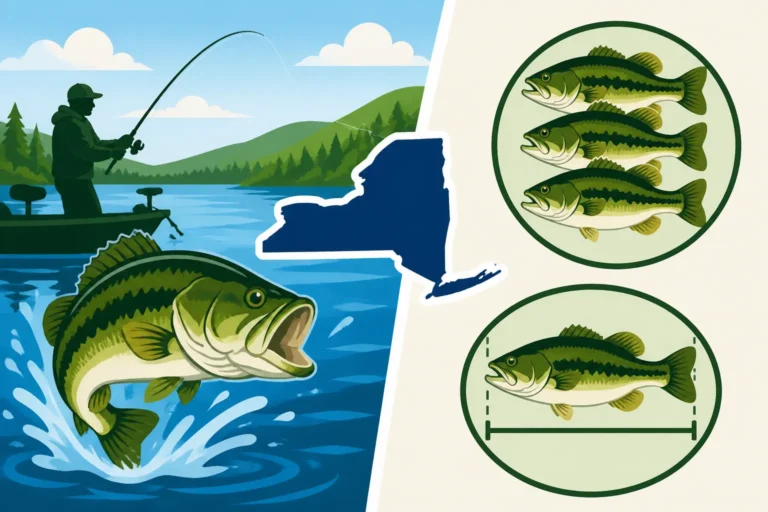
New York's freshwater fishing rules are incredibly detailed and vary significantly depending on the body of water and the species you're targeting. These regulations cover everything from season dates and catch limits to minimum size requirements and legal fishing methods. For example, the New York Bass Season Dates will dictate when you can keep largemouth or smallmouth bass, and their respective minimum size and daily limits are strictly enforced. Similarly, New York Walleye Season and Limits will be different.
The DEC publishes a comprehensive "New York Fishing Regulations Guide" annually, which is an absolute must-read for any angler. You can usually pick up a physical copy wherever licenses are sold, or download a digital version from the DEC website. This guide will outline specific rules for particular lakes, rivers, and streams, as well as general statewide regulations. Ignorance of the law is not an excuse, and DEC environmental conservation officers are vigilant in enforcing these rules to protect the state’s valuable fisheries. Familiarizing yourself with these details is just as important as having your license.
The New York Recreational Marine Fishing Registry
If your fishing plans include any saltwater adventures – think Long Island Sound, the Atlantic Ocean, or even parts of the Hudson River where tidal influence and marine species are prevalent – then your freshwater fishing license isn't enough. You will also need to enroll in the New York Recreational Marine Fishing Registry. This registration is typically free for New York residents and certain non-resident license holders, but it is mandatory.
The registry helps the DEC monitor recreational marine fishing activity and comply with federal reporting requirements. It's relatively quick and easy to sign up online through the DEC website. Failing to register can result in penalties, even if you have a valid freshwater license. So, if you're heading to the coast to chase striped bass, fluke, or bluefish, make sure this simple, yet crucial, step isn't overlooked. You can learn how to sign up for the marine registry by looking at our guide on How to Sign Up for the Marine Fishing Registry.
Carrying Your License and Proving Compliance
Once you've obtained your license, whether online or in person, the final crucial step is to always carry proof of it while fishing. This means either your physical paper license (if printed) or an accessible digital copy on your phone. If an environmental conservation officer approaches you, they will ask to see your license, and you must be able to present it. Not having your license on you, even if you’ve purchased it, is considered fishing without a license, and it carries penalties.
It’s not just about showing the license; it's about being able to access it readily. Imagine being out on a remote Adirondack lake, catching some beautiful brook trout, only to realize your phone battery is dead and your paper license is back at camp. That's a scenario you want to avoid. Many anglers laminate their paper licenses to protect them from water damage, or store a digital copy in a cloud service so it can be accessed even if their phone has intermittent service. While the DEC often allows digital presentation, a printed backup is always a smart move, especially if your fishing takes you far from civilization.
Common Questions and Expert Tips for New York Anglers
Even after understanding the basics, new questions always seem to pop up. Fishing regulations can be complex, and ensuring full compliance while maximizing your enjoyment is the goal. Here, we'll address some of the most frequently asked questions and offer some seasoned advice to help you become a confident and legal angler in New York.
What Happens If You Get Caught Fishing Without a License?
This is a question no one wants to contemplate, but it's vital to understand the ramifications. Getting caught fishing without a valid New York fishing license can lead to significant penalties. At the very least, you'll likely face a fine, which can range from dozens to hundreds of dollars, depending on the specifics and whether it's a first offense. This fine will almost certainly be more expensive than the cost of an annual license, making the risk simply not worth it.
In addition to financial penalties, you could also have your fishing equipment confiscated, and in some severe cases, face a temporary suspension of your fishing privileges. Environmental conservation officers are trained to uphold these laws, not just to generate revenue, but to protect the state's natural resources. They often patrol popular fishing spots, from the Great Lakes tributaries to small local ponds, and they are usually quite visible. The best way to avoid this unpleasant experience is simple: always buy your license and carry it with you. For a deeper dive, read about Fishing Without a License in New York: What Happens.
Renewing Your New York Fishing License Online
One of the great conveniences of the modern system is how easy it is to renew your New York fishing license. If you purchased your initial license online and created a DEC customer account, the renewal process is incredibly streamlined. You simply log back into your account on the DEC website, and the system will prompt you to renew your existing license or purchase a new one. All your previous information will typically be saved, making the process take just a few clicks.
Most annual licenses expire on February 28th or 29th of the following year, regardless of when they were purchased. So, if you buy your license in July, it still expires the following February. The DEC usually sends out renewal reminders via email if you've opted into their communications. Renewing online means you can do it anytime, anywhere, avoiding any last-minute rushes or the need to visit a vendor. It's a seamless experience designed to keep you on the water without interruption. You can find more details in our guide on How to Renew Your New York Fishing License Online.
Tips for First-Time Anglers
For those just starting their angling journey in New York, the regulations and various considerations can feel a bit overwhelming. Here are a few expert tips to help you get started on the right foot:
-
Start Simple: Don't feel pressured to buy the most expensive gear or travel to the most remote locations right away. A simple rod and reel, some basic tackle, and a local pond or calm section of a river can offer incredible learning experiences. You can find excellent starter kits and gear easily on Amazon, and then head to a local bait shop for fresh worms.
-
Read the Regulations Guide: Yes, it's dense, but it's your bible. Focus on the section pertaining to the specific body of water and the species you intend to fish. Understanding catch limits, size requirements, and season dates is paramount. Many seasoned anglers keep a copy in their tackle box or save the digital version on their phone for quick reference.
-
Talk to Locals: There’s no substitute for local knowledge. Strike up conversations with staff at bait shops, other anglers you meet on the water, or join online New York fishing forums. They can offer invaluable tips on current conditions, productive spots, and effective techniques for your area. They might even recommend specific lures they bought at a local tackle shop or found a great deal on via Amazon.
-
Practice Catch and Release: Especially when starting, practicing proper catch-and-release techniques is crucial for fish conservation. Learn how to handle fish gently, use appropriate tools like dehookers, and release them quickly to maximize their survival rates. This ensures that fish populations remain healthy for everyone to enjoy.
-
Be Patient and Enjoy the Process: Fishing is as much about patience and enjoying nature as it is about catching fish. Don't get discouraged if you don't catch anything on your first few outings. Every trip is a learning experience, and the serene beauty of New York's outdoors is a reward in itself. The more time you spend on the water, the more you'll learn and the more successful you'll become.
Ultimately, getting your New York fishing license is an easy, necessary step to unlock the incredible angling opportunities across the Empire State. With this guide, you're now well-equipped to navigate the process, understand the rules, and get out there to make some fantastic fishing memories.
Disclaimer
The information provided in this guide is intended for general informational purposes only and does not constitute legal advice. Fishing regulations and license requirements in New York State are subject to change by the New York State Department of Environmental Conservation (DEC). While we strive to provide accurate and up-to-date information, it is the sole responsibility of the angler to verify all current regulations, license requirements, and fees directly with the NYS DEC before engaging in any fishing activity. Non-compliance with fishing laws can result in fines and penalties.