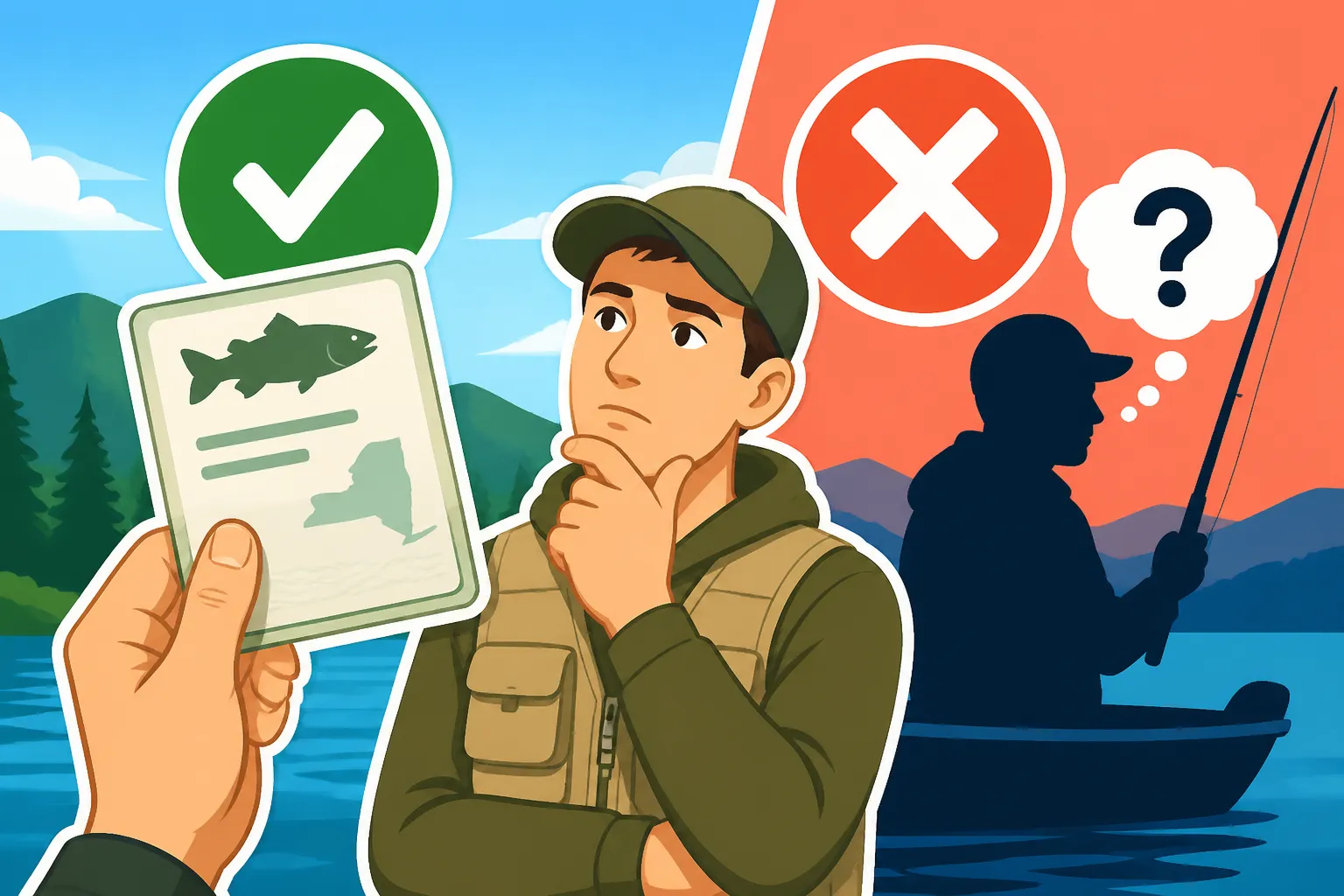
Do I Need to Carry My Physical Fishing License on the Water?
There’s nothing quite like the excitement of heading out to your favorite fishing spot in New York, tackle box packed, and hopes high for a great day on the water. But as you’re gathering your gear, a familiar question often pops into mind: do I really need to carry that physical fishing license with me? In our increasingly digital world, it’s a valid concern, and the answer isn't always as straightforward as it seems. This guide will help you understand New York’s regulations, the practicalities, and the best ways to keep your fishing license accessible and compliant.
New York's Official Stance on Your Fishing License
The New York State Department of Environmental Conservation (DEC) has specific guidelines about how you should carry proof of your fishing license. While the modern world often pushes for digital solutions, the DEC prioritizes clarity and enforceability in the field.
The Expectation of a Tangible License
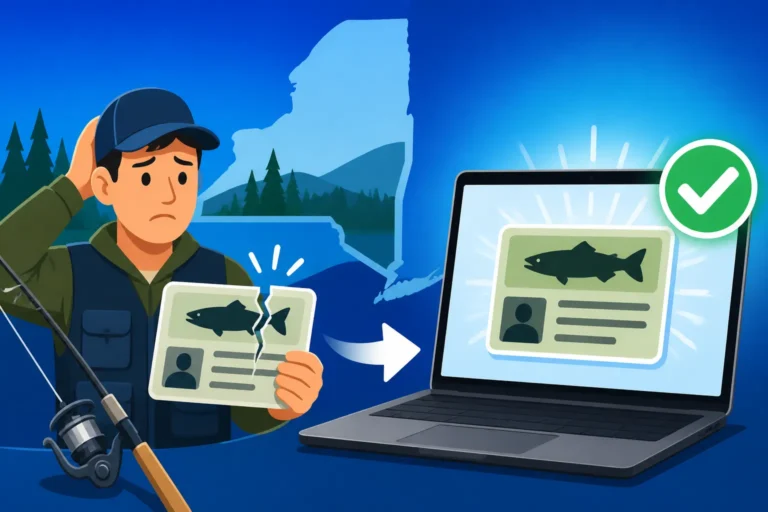
For years, the expectation has been simple: if you're fishing, you must have your valid New York fishing license physically on your person. This traditional requirement stems from a need for immediate, undeniable proof of licensure for law enforcement officers in the field. Imagine a busy stream bank or a remote boat launch – an officer needs to quickly verify an angler's compliance without access to databases or relying on potentially unreliable digital displays. The physical license, signed and dated, serves as that clear, tangible proof.
Many seasoned anglers will tell you it's simply part of the ritual – tucking that paper license into a wallet or a waterproof holder before heading out. It’s an act that solidifies your commitment to the sport and your respect for the regulations designed to protect our precious natural resources. It also ensures that if your phone dies or gets wet, you still have valid proof of your right to fish. You can learn more about specific requirements in our comprehensive New York Fishing License Guide.
Navigating Digital Proof: What's Allowed (and What Isn't)
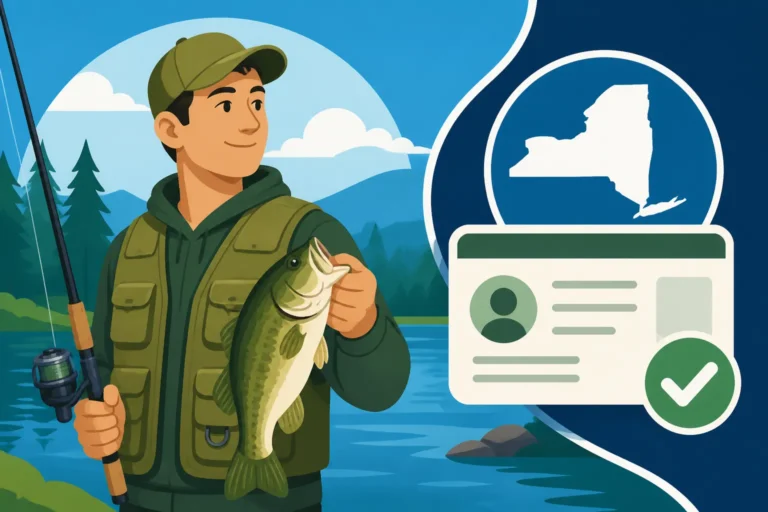
In an era where almost everyone carries a smartphone, the question of digital licenses is more relevant than ever. The good news is that New York has adapted, but with important distinctions. The DEC does permit displaying an official electronic version of your fishing license on your mobile device. This isn't just any photo or screenshot you took last year. It refers to the official digital copy you can access through the NY DEC's licensing system or their mobile app, which is a live, verifiable document.
The critical difference lies in its authenticity and the ability for a Conservation Officer (ECO) to verify its details. A simple photo might not allow an officer to confirm the license's validity, expiration date, or if it's been revoked. An official digital version, however, provides those details and, in many cases, can be updated in real-time. So, while you might be tempted to just snap a quick picture of your paper license, it’s always best practice to download the official electronic version to your device. This ensures you’re fully compliant and can avoid any potential misunderstandings or delays during a routine check. Remember that this digital option is specifically for display, so you still technically need to adhere to the core requirements.
Why Having Readily Available Proof Matters
Even if you’ve meticulously purchased your New York fishing license, not having it readily available can lead to uncomfortable situations, delays, and even penalties. It's not just about adhering to the letter of the law, but also about facilitating smooth interactions and respecting the work of our conservation officers.
Encounters with Law Enforcement: What to Expect
Imagine you're out on Lake George, enjoying a peaceful morning of casting, when a patrol boat from the New York DEC pulls alongside. A friendly but firm Environmental Conservation Officer (ECO) asks to see your fishing license. This isn't meant to spoil your day; it's a routine part of their job to ensure everyone is following the rules and that the fish populations remain healthy for future generations. If you fumble for your phone, only to find the battery dead, or you realize the "photo" you thought you had isn't the official digital version, things can get complicated quickly.
An ECO’s priority is resource protection, and verifying licenses is a primary tool. If you can't produce a physical license or a valid, official electronic version, it raises questions. They may need to spend more time trying to verify your information, which takes them away from other duties. In the worst-case scenario, if they can't confirm you have a license, they might assume you're fishing illegally, leading to a much more serious discussion. Understanding these New York Fishing Regulations Explained will help you anticipate such encounters.
Avoiding Unnecessary Fines and Headaches
The consequences of not having your fishing license on you can range from a stern warning to a substantial fine. While you might have purchased a license, the law often requires you to possess it while fishing. Think of it like a driver's license: you can be a licensed driver, but if you don't have your physical license in the car when pulled over, you could still face a citation.
If you're caught without your license, even if it's simply forgotten at home, an ECO has the discretion to issue a ticket for "failure to exhibit." The fine for such an infraction can be costly, and it’s an entirely avoidable expense. Beyond the monetary penalty, there's the significant hassle of dealing with the court system. You might need to appear in court to present proof of your license, taking time out of your busy schedule. This is far more inconvenient than simply reaching into your wallet or pulling up an official app on your phone. To truly understand the risks, it's worth reviewing Penalties for Fishing Without a License in New York. Ultimately, keeping your license accessible is an act of self-preservation and responsible angling.
Smart Strategies for License Security and Accessibility
Navigating the waters of fishing license requirements doesn't have to be a headache. With a few smart strategies, you can ensure your license is always secure, accessible, and compliant, whether you prefer the tangible feel of paper or the convenience of digital.
Physical Protection and Organization
For those who prefer the traditional paper license, protecting it from the elements and wear and tear is crucial. A paper license can quickly become soggy, torn, or unreadable after a few trips if not properly cared for. This is where a little preparation goes a long way.
One of the most popular methods is lamination. You can often get this done at a local office supply store, or you can purchase self-laminating pouches on platforms like Amazon and do it at home. Lamination creates a durable, waterproof barrier that protects your license from rain, sweat, and accidental dips in the water. Just make sure you've signed your license before laminating it, as signatures are a key part of its validity! Once laminated, it's much easier to slip into a wallet or a fishing vest pocket without worry.
Another excellent option is a dedicated waterproof wallet or a clear, waterproof lanyard. These are designed specifically to keep important documents dry and secure, often with a clear window that allows for easy display without needing to remove the license. Many anglers keep their license, boat registration, and even a small amount of cash in one of these for peace of mind. Remember, your physical license is often printed on standard paper when you use services like Can I Print My Fishing License at Home?, so treating it with care from the start is important. While the DEC doesn't mail a physical card, the print-at-home option means you're responsible for its physical integrity.
Digital Preparedness and Backup Plans
Even if you love the feel of a physical license, having a robust digital backup is an intelligent move in today’s world. As discussed, New York allows official electronic versions, so make the most of it. The first step is to download the official digital copy of your license to your phone. This isn't just a screenshot; it's the actual document provided by the DEC's online licensing system, often a PDF, that you can access without an internet connection once downloaded. This is different from a simple photo you might take.
Next, think about your phone's resilience. Fishing environments are inherently wet and sometimes muddy. Investing in a good waterproof phone case, readily available on sites like Amazon, is a no-brainer. This protects your device and ensures that your digital license remains accessible even if you get caught in a sudden downpour or accidentally drop your phone near the water. Additionally, a portable power bank can be a lifesaver. A dead phone means no digital license, which effectively puts you in the same predicament as if you’d left it at home.
The ultimate strategy is to employ both methods: carry your laminated physical license and have the official digital version downloaded to your phone. This provides redundancy. If your phone dies, you have the card. If you somehow lose the card, you have the digital proof. This dual approach offers the best of both worlds and maximum peace of mind. For details on how to get this digital copy, check out How to Buy a Fishing License Online in New York. Also, for specific clarity, refer to Can I Show a Digital Fishing License on My Phone?
What to Do If Your License Goes Missing
It happens to the best of us: despite all precautions, a license can get lost or damaged beyond recognition. The good news is that replacing it is usually a straightforward process, though it's always best to act quickly.
If you realize your license is missing while you're still out fishing, and you don't have a digital backup, the safest course of action is to stop fishing. Continuing to fish without proof of licensure, even if you know you purchased one, can still lead to fines. Once you're off the water, or if you discover it's lost before you even head out, you can usually obtain a replacement online through the NY DEC's licensing system. There might be a small processing fee, but it’s a small price to pay for compliance. Many sporting goods stores or town clerk offices (which are also New York Fishing License Vendor Locations) can also assist with reprinting a lost license.
Knowing how to swiftly get a replacement or temporary proof can save you a lot of anxiety and keep you on the right side of the law. Always remember to check your license's expiration date regularly, too, so you don’t get caught off guard. You can find more information about its validity in New York Fishing License Expiration Date Explained. For a detailed guide on how to replace it, our post on How to Replace a Lost Fishing License has you covered.
Here's a quick comparison of carrying methods:
| Method | Pros | Cons | Best Use Case |
|---|---|---|---|
| Physical Card | Universally accepted, no battery issues, easy visual inspection | Susceptible to damage (water, tears), can be lost | Traditionalists, areas with no phone signal |
| Official Digital App | Convenient, always updated, harder to lose (with phone) | Requires charged phone, dependent on signal (initially), official app/PDF needed (not just a screenshot) | Modern anglers, easy access, quick verification |
| Simple Screenshot | Very easy to create, no special apps needed | Not officially recognized as valid proof by NY DEC, may not contain all verifiable info, static image | Avoid this as your primary method |
| Laminated Physical + Official Digital | Maximum security, backup in case of phone failure or loss of card | Requires minor prep for physical card, need to manage two forms of proof | Optimal choice for all anglers, complete peace of mind |
Disclaimer
The information provided in this guide is for general informational purposes only and does not constitute legal advice. Fishing regulations in New York State can change, and specific rules may vary by location or species. Always consult the official New York State Department of Environmental Conservation (DEC) regulations guide or website for the most current and accurate information before fishing. Compliance with all state and local laws is the responsibility of the angler.