How to Sign Up for the Marine Fishing Registry
Trying to figure out all the different fishing regulations in New York State can feel like navigating a labyrinth, especially when you encounter terms like the "Marine Fishing Registry." It's not always clear who needs it, why it's different from a regular fishing license, or how to actually sign up. This guide aims to clear up all that confusion, walking you through the straightforward process of getting yourself registered so you can enjoy the fantastic saltwater fishing opportunities New York offers.
Understanding the New York Recreational Marine Fishing Registry
When you're dreaming of casting a line into the shimmering waters of the Atlantic, the Long Island Sound, or even the lower Hudson River, you're entering the realm of marine fishing. Unlike freshwater fishing, which almost always requires a purchased license, New York's marine waters have a slightly different system. This is where the New York Recreational Marine Fishing Registry comes into play. It's a critical component of the state's efforts to monitor and manage its precious marine fish populations, ensuring sustainable fishing for generations to come. Without this registration, even if you have a valid freshwater license, you're not legally covered for saltwater angling.
This registry isn't just a bureaucratic hurdle; it’s a vital tool for conservation. The data collected from registrations helps the New York State Department of Environmental Conservation (DEC) understand how many people are fishing, which areas are most popular, and how to allocate resources for stocking and enforcement. It also connects New York with federal requirements, as the state's registry serves as an alternative to the national registry, sparing anglers from needing two separate registrations. Think of it as your official entry pass to the marine fishing world, and it's essential for anyone planning to enjoy the bounties of our coastal waters.
Who Needs to Register for Marine Fishing
The short answer is: most recreational anglers fishing in New York's marine and coastal district waters. This includes anyone age 16 or older who intends to fish for anadromous species (fish that migrate between fresh and saltwater, like striped bass) in the marine district, or who plans to take fish, crabs, or other marine life from the state's marine waters. It doesn't matter if you're fishing from a boat, off a pier, or casting from the shore – if you're targeting marine species, you need to be registered.
There are a few specific exemptions, of course. For instance, if you're fishing on a licensed marine fishing charter boat, you typically don't need your own individual registry, as the vessel itself is covered. Children under 16 also don't need to register, which is great news for families introducing youngsters to the joys of fishing. Similarly, individuals holding a valid New York State Lifetime Fishing License are usually exempt from the annual registry requirement, as their comprehensive license covers both freshwater and marine activities. However, for the vast majority of adult recreational anglers, checking to see if you need to register is a crucial first step before heading out.
The Difference Between a Marine Registry and a Freshwater License
This is where a lot of anglers get tripped up, and it's a completely understandable point of confusion. Many states combine their fishing licenses, but New York treats freshwater and saltwater access quite differently. A traditional New York State fishing license, which you purchase annually, is specifically for freshwater fishing. This covers lakes, rivers, and streams like the Finger Lakes, Lake Ontario tributaries, and parts of the Hudson River above the marine district boundary. If you're planning to go after bass in Oneida Lake or trout in the Catskills, that's the license you'll need.
The Marine Fishing Registry, on the other hand, is exclusively for fishing in the marine and coastal district waters of New York. This means bays, harbors, estuaries, and the open ocean, including places like Long Island Sound, Great South Bay, and the Atlantic Ocean. While a freshwater license has an associated cost, the Marine Fishing Registry is actually free, which is a pleasant surprise for many. Understanding whether you need a freshwater license, the free marine registry, or even Do I Need Both a Freshwater License and a Marine Registry? is key to staying legal and avoiding potential penalties.
Here's a quick comparison to help clarify the distinction:
| Feature | New York Freshwater Fishing License | New York Recreational Marine Fishing Registry |
|---|---|---|
| Purpose | Fish in lakes, rivers, streams (freshwater) | Fish in marine/coastal district waters (saltwater) |
| Cost | Annual fee (varies by residency, age, duration) | FREE |
| Age Requirement | Generally 16 and older | Generally 16 and older |
| Coverage | Trout, bass, walleye, pike, panfish, etc. in freshwater | Striped bass, fluke, bluefish, tautog, porgy, etc. in saltwater |
| Where to Get | NY DEC website, license vendors, DEC offices | NY DEC website, by phone |
| Proof Required | Physical license or digital proof | Registration number or printed confirmation |
| Renewal | Annual purchase | Annual registration |
What the Registry Covers
Once you're registered, you're cleared for a wide array of marine fishing opportunities across New York's vast coastal waters. The registry covers you for catching popular species such as striped bass, bluefish, fluke (summer flounder), porgy (scup), tautog (blackfish), cod, weakfish, and many more of the diverse marine species that call our waters home. This includes fishing in well-known spots like Long Island Sound, the Great South Bay, Peconic Bay, and all the way out into the Atlantic Ocean from shore, kayaks, or private boats.
It's important to remember that while the registry grants you permission to fish, it doesn't exempt you from adhering to specific catch limits, size requirements, or season dates for individual species. These are critical components of the New York Fishing Regulations Explained and are constantly updated by the DEC to protect fish populations. For example, even with a valid registry, you still need to know the current slot limits for striped bass or the minimum size for fluke. Always check the latest regulations before you head out, as they can change annually. You can find detailed information on the DEC's website or by picking up a copy of the official fishing regulations guide, often available at local bait shops or sporting goods stores.
Step-by-Step Guide to Signing Up Online
Thankfully, signing up for the New York Recreational Marine Fishing Registry is a relatively painless process, especially when done online. The New York State Department of Environmental Conservation (DEC) has streamlined the digital pathway, making it accessible from your computer or smartphone. This convenience means you can get registered from the comfort of your home, without needing to visit a physical vendor. It’s definitely the quickest and most popular method for most anglers.
Before you start, make sure you have a few pieces of information handy. You'll need your basic personal details like your name, address, date of birth, and possibly some form of identification if you're a returning user with an existing DEC customer ID. Having these ready will make the online form-filling process much smoother and faster, ensuring you don't have to scramble for information mid-application.
Navigating the NY DEC Website
Your first stop is the official New York State DEC website. Specifically, you'll want to head to the DEC's online licensing and registration system. It's usually found under a section related to "Licenses, Permits, & Registrations" or "Sportsman Licenses." Don't worry if you don't have an existing DEC customer ID; the system is designed to allow new users to create one during the registration process. If you've ever purchased a freshwater license or participated in other DEC programs, you likely already have an ID, which will simplify things even further.
Once you're on the main licensing portal, look for an option that specifically mentions "Marine Fishing Registry" or "Recreational Marine Fishing Registry." It might be grouped with other fishing licenses. Click on that link to begin the application. The site is generally user-friendly, with clear prompts to guide you through each step. Take your time to read the instructions on each page to ensure you're entering accurate information.
Filling Out Your Information
The online form will ask for your personal details. This typically includes:
- Full Legal Name: As it appears on your identification.
- Date of Birth: To verify age and eligibility.
- Residential Address: For determining residency (though the marine registry is free for all, this is standard).
- Contact Information: Phone number and email address, which the DEC uses for sending confirmation and any future updates or reminders, such as a Marine Fishing Registry Renewal Reminder.
- Optional Information: You might be asked about your veteran status or if you have a disability, which can sometimes qualify for other licenses or discounts, though not directly for the free marine registry.
It's crucial to enter all information accurately. Any discrepancies could lead to issues with your registration or, worse, potential penalties if you're ever checked by an ECO (Environmental Conservation Officer). Double-check spellings, dates, and addresses before proceeding to the next step. The system is designed to catch common errors, but a quick review on your part is always a good idea.
Confirmation and Proof of Registration
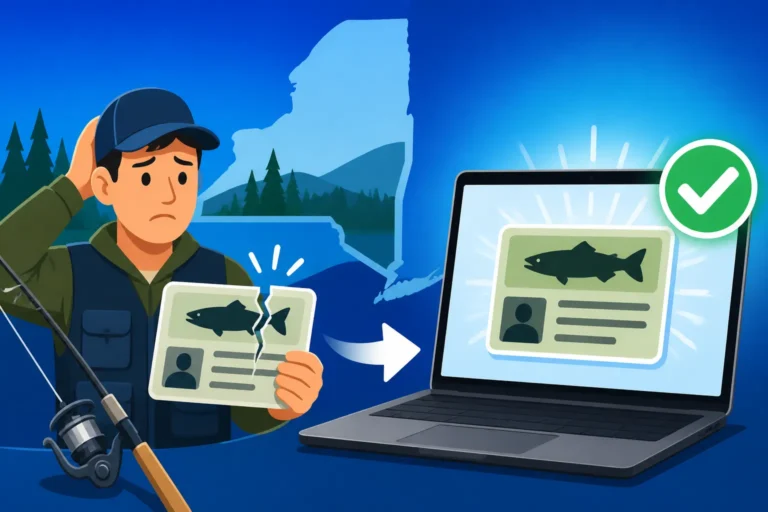
After you've filled in all the required fields and submitted your information, the system will process your registration. Almost immediately, you should receive a confirmation message on screen. This message will typically include a unique registration number, which serves as your official proof of being registered. It's incredibly important to save this information.
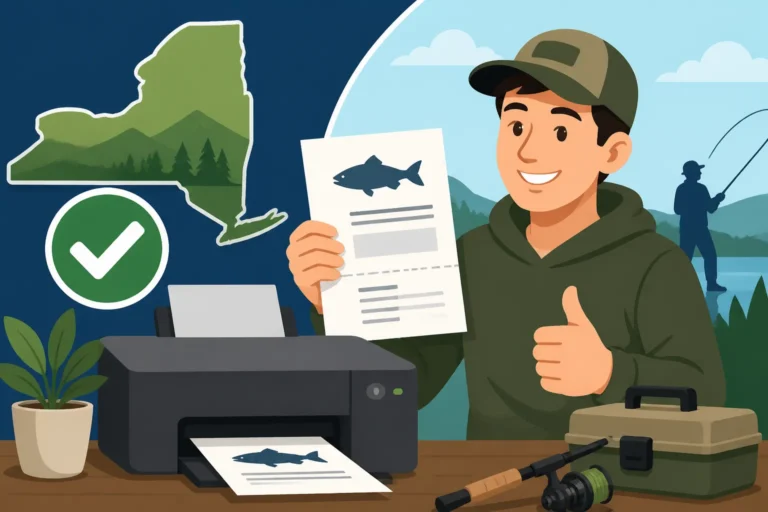
You'll also usually receive an email confirmation with your registration details. The best practice is to either print this email and carry it with you when fishing, or save a digital copy on your smartphone. While some states have dedicated apps or digital licenses, New York's marine registry primarily relies on this confirmation number. An ECO can look up your registration using your personal information, but having the number handy makes any interaction much quicker and smoother. If you don't have a printer at home, you could certainly save the email and print it out later at a local print shop or simply make sure it's easily accessible on your phone. Many anglers also jot down their registration number in their tackle box or on their fishing log.
Other Ways to Register for the Marine Fishing Registry
While the online method is undoubtedly the most convenient, the New York DEC understands that not everyone has easy access to a computer or prefers to handle things digitally. For these reasons, they offer alternative methods for signing up for the Marine Fishing Registry, ensuring that everyone who wants to enjoy New York's saltwater fishing can do so legally and easily. These options provide flexibility, catering to different needs and circumstances, so you can choose the method that works best for you.
It’s always a good idea to factor in processing times if you’re not registering online. Mailed applications, for instance, will naturally take longer to process and for you to receive your confirmation. If you’re planning a last-minute fishing trip, the online method remains your fastest bet. Otherwise, these alternative options are perfectly viable.
Registering by Phone or Mail
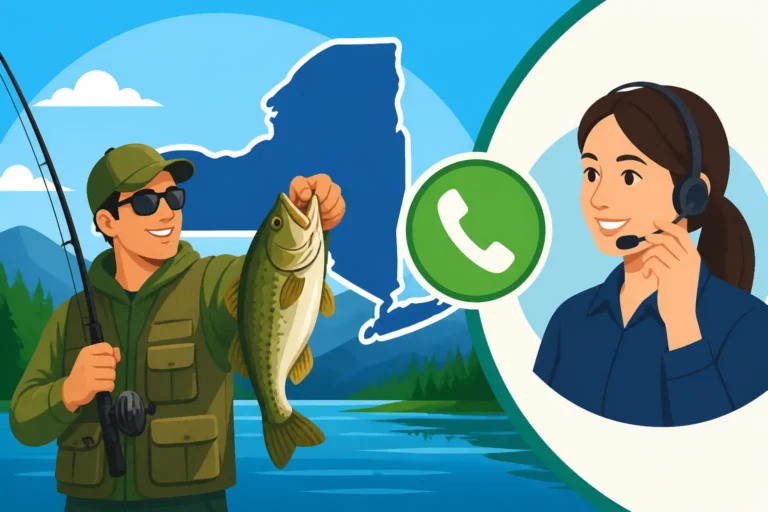
If you prefer to speak to a person or handle things through traditional mail, the DEC offers both telephone and postal mail registration options. For phone registration, you can call the DEC's dedicated customer service line. A representative will guide you through the process, collect your necessary information over the phone, and ensure your registration is processed. They can then usually provide you with your registration number immediately over the phone, and often follow up with an email confirmation if you provide an email address. This method is great for those who have questions or prefer direct assistance.
For those who prefer mail, you can typically download a registration form from the DEC website, print it out, fill it in by hand, and mail it to the address provided on the form. This method takes the longest, as it involves mail delivery and manual processing time. Once processed, the DEC will mail you a confirmation or email it if an address is provided. Make sure to clearly and legibly write all your information on the form to avoid any delays or errors.
In-Person Registration Options
While the Marine Fishing Registry is a free registration, it is typically not handled at the same local vendors where you might purchase a freshwater fishing license. Unlike purchasing a How to Get a Fishing License in New York from a sporting goods store like Dick's Sporting Goods or through an online retailer that sells licenses, the marine registry is more directly managed by the state. You generally won't find specific Marine Fishing Registry sign-up available at most bait and tackle shops, Walmart locations, or town clerk offices.
However, if you happen to be at a New York State DEC regional office, some locations might be able to assist you with the registration process in person. It's always best to call ahead to your nearest regional DEC office to confirm their specific services and hours for marine registry assistance. They can provide guidance or even help you complete the online process using their public computers, if available. For the vast majority of anglers, the online or phone methods will be the most efficient and accessible ways to get registered.
Important Details and Common Questions
Even though the Marine Fishing Registry is a straightforward process, a few common questions and important details tend to pop up repeatedly. It's natural to wonder about costs, validity, and what happens if you overlook this requirement. Understanding these specifics ensures you're not just registered, but also fully informed about your responsibilities as a marine angler in New York.
Knowing these details upfront can save you a headache later, whether it’s avoiding a fine or simply being prepared for your next fishing excursion. Let's dive into some of the most frequently asked questions and crucial points about the registry.
Is the Marine Fishing Registry Really Free?
Yes, absolutely! One of the most common and pleasant surprises for anglers is that the New York State Recreational Marine Fishing Registry is completely free. There are no fees associated with signing up, whether you do it online, by phone, or through any other available method. This is a significant difference compared to freshwater fishing licenses, which always come with a cost, varying based on residency, age, and license duration (e.g., annual, 7-day, 1-day).
The fact that it's free often leads people to question its necessity or legitimacy, but rest assured, it is a mandatory requirement for marine anglers 16 and older. The state still uses this registration to gather crucial data for managing fish populations and complying with federal mandates, even without a direct revenue stream from it. So, don't let the "free" aspect make you doubt its importance; it's a legitimate and essential part of legal marine fishing in New York, and it's a great deal for anglers! You can learn more about this in our article Is the Marine Fishing Registry Really Free?.
How Long Does the Registry Last?
The New York State Recreational Marine Fishing Registry is an annual registration, meaning it's valid for a specific period and needs to be renewed. Typically, the registry period runs from January 1st through December 31st of the calendar year. So, if you register in June 2024, your registration will be valid until December 31, 2024. This applies regardless of when you initially sign up during the year.
Because it's an annual requirement, you'll need to re-register each year if you plan to continue marine fishing. The process for renewal is just as simple as the initial sign-up, typically done online or by phone. It’s always a good idea to register early in the year to ensure you're covered for the entire fishing season. The DEC sometimes sends out reminders, but it’s ultimately your responsibility to ensure your registration is current. This is why our post on Does the Marine Registry Expire Every Year? is so important for keeping track.
What Happens If You Don't Register?
Fishing without a valid New York Recreational Marine Fishing Registry (if you are required to have one) is a violation of state law, and there can be consequences. Just like fishing without a freshwater license, being caught without proper registration can lead to fines and other penalties. The exact penalty can vary depending on the discretion of the Environmental Conservation Officer (ECO) and the specifics of the situation, but it's generally an offense that carries a monetary fine.
ECOs regularly patrol New York's marine waters, including popular fishing piers, beaches, and boat launches. They can and will ask to see proof of your registration. If you're unable to provide it, you could be issued a ticket. Beyond the financial cost, it can also lead to a temporary suspension of fishing privileges. It's simply not worth the risk when the registration is free and so easy to obtain. Make sure you're covered before you cast your line. You can find more detailed information on our pages like What Happens If You Get Caught Fishing Without a License? and Fishing Without a License in New York: What Happens. Always aim to be a responsible angler; it benefits both you and the health of New York's incredible fisheries.
Once you have your registration squared away, you're ready to explore the fantastic marine fishing opportunities New York has to offer. Make sure you're geared up with the right equipment for saltwater angling – everything from durable rods and reels to appropriate lures and bait. You can find a wide variety of fishing gear, including specialized saltwater tackle and even great fishing guides, on platforms like Amazon, making it easy to prepare for your adventures. Remember, a prepared angler is a successful and lawful angler!
Disclaimer
The information provided in this guide is for general informational purposes only and is not intended as legal advice. Fishing regulations and licensing requirements can change, and it is the sole responsibility of the angler to consult the official New York State Department of Environmental Conservation (DEC) website or contact the DEC directly for the most current and accurate information before engaging in any fishing activities. Compliance with all applicable laws and regulations is mandatory.