Deep Sea Fishing Charter Cost Out of Montauk
The dream of heading out to the deep blue waters off Montauk, feeling the salt spray, and battling a powerful offshore game fish is a common one for many anglers. However, a big question mark often hangs over that dream: "How much is this adventure really going to cost me?" It's not always a straightforward answer, and the sticker shock can be real if you don't know what to expect. This guide will meticulously break down the various elements that factor into deep sea fishing charter costs out of Montauk, helping you understand the price points and budget effectively for your ultimate offshore experience.
Understanding the Factors That Shape Montauk Deep Sea Charter Prices
When you're looking at deep sea fishing charters launching from Montauk, it's not just a flat rate; there are a multitude of variables that go into the final price. These aren't just arbitrary numbers captains pull out of thin air, but rather reflections of significant operational costs and the value of their expertise and equipment. Understanding these factors is the first step in decoding the cost.
First and foremost, the type of trip you're planning makes a huge difference. Are you looking for a half-day excursion close to shore, a full-day trip targeting species like fluke or bluefish, or are you dreaming of a far-flung canyon trip chasing tuna and marlin? The further offshore you go and the longer you're out, the more fuel is consumed, the more wear and tear on the vessel, and the more hours the crew is working. A canyon trip, for example, might take you 80-100 miles offshore, requiring significant fuel capacity and a full 24-hour commitment or even longer. This naturally commands a premium compared to a half-day outing focusing on bottom fishing for fluke closer to shore.
The size and amenities of the boat also play a crucial role. A smaller, older center console might be more economical, while a large, modern sportfishing yacht equipped with state-of-the-art electronics, multiple fighting chairs, and comfortable cabins will certainly have a higher price tag. Think about it: larger vessels require more fuel, more expensive maintenance, and often come with more sophisticated gear and a bigger crew. If you're planning a trip with a larger group, you'll likely need a bigger boat, which will directly impact the cost per trip, though it might reduce the cost per person if you divide it amongst many anglers.
Then there's the target species. Different fish require different gear, locations, and often, different amounts of fuel and time. Chasing tuna in the canyons, for instance, involves specialized heavy tackle, potentially live bait, and the aforementioned long-distance travel, all of which are costly. Conversely, a charter focused on porgies or sea bass might utilize lighter tackle and stay closer to port, reducing expenses. Captains specializing in high-demand, trophy species often command higher rates due to their specific knowledge, proven track record, and the investment in the gear needed for those bigger fish. If you're targeting specific species, make sure to communicate that with the charter captain when getting a quote. New York's Most Popular Saltwater Fish offers a good overview of what's out there.
Lastly, the experience and reputation of the captain and crew are invaluable. A highly sought-after captain with decades of experience navigating Montauk's challenging waters, a stellar safety record, and a consistent history of putting clients on fish might charge more than a newer operation. This isn't just about catching fish; it's about safety, local knowledge of currents and hotspots, and providing a truly memorable experience. Their expertise minimizes wasted time and maximizes your chances of a successful and safe trip. Remember, you're not just paying for a boat ride; you're paying for their knowledge and skill.
Deciphering Typical Cost Structures for Montauk Deep Sea Trips
While I can't give you exact dollar amounts, understanding the structure of deep sea fishing charter costs out of Montauk will help you budget effectively. Prices are generally quoted per trip, not per person, for a private charter, but you'll find different tiers based on duration and target species. When you're browsing options, you'll typically see charters advertised as half-day, full-day, or extended/canyon trips.
Half-Day Charters: These are generally the most accessible and budget-friendly options for deep sea fishing. A half-day trip typically runs for about 4-5 hours and focuses on closer-to-shore species. You might target bottom fish like fluke, porgies, or sea bass, or perhaps troll for bluefish or striped bass in the bays and nearshore waters. These trips are fantastic for beginners, families with younger kids, or those just looking for a shorter, more relaxed time on the water without the full-day commitment. Because they burn less fuel and involve fewer crew hours, they will naturally be at the lower end of the pricing spectrum.
Full-Day Charters: Stepping up to a full-day charter, which usually lasts 8-10 hours, opens up many more possibilities and is the most popular option for serious anglers. On a full-day trip, captains can venture further offshore, allowing for a wider range of target species and more time to find them. This could mean targeting striped bass and bluefish further out, or heading to deeper wrecks and reefs for substantial catches of cod, pollock, or even sharks depending on the season. Expect the cost for a full-day trip to be significantly higher than a half-day due to the increased fuel consumption and longer crew commitment. You can compare options and prices on platforms like FishingBooker to get a sense of the range. For those weighing their options, Half-Day vs Full-Day Fishing Charters provides a deeper dive into what each entails.
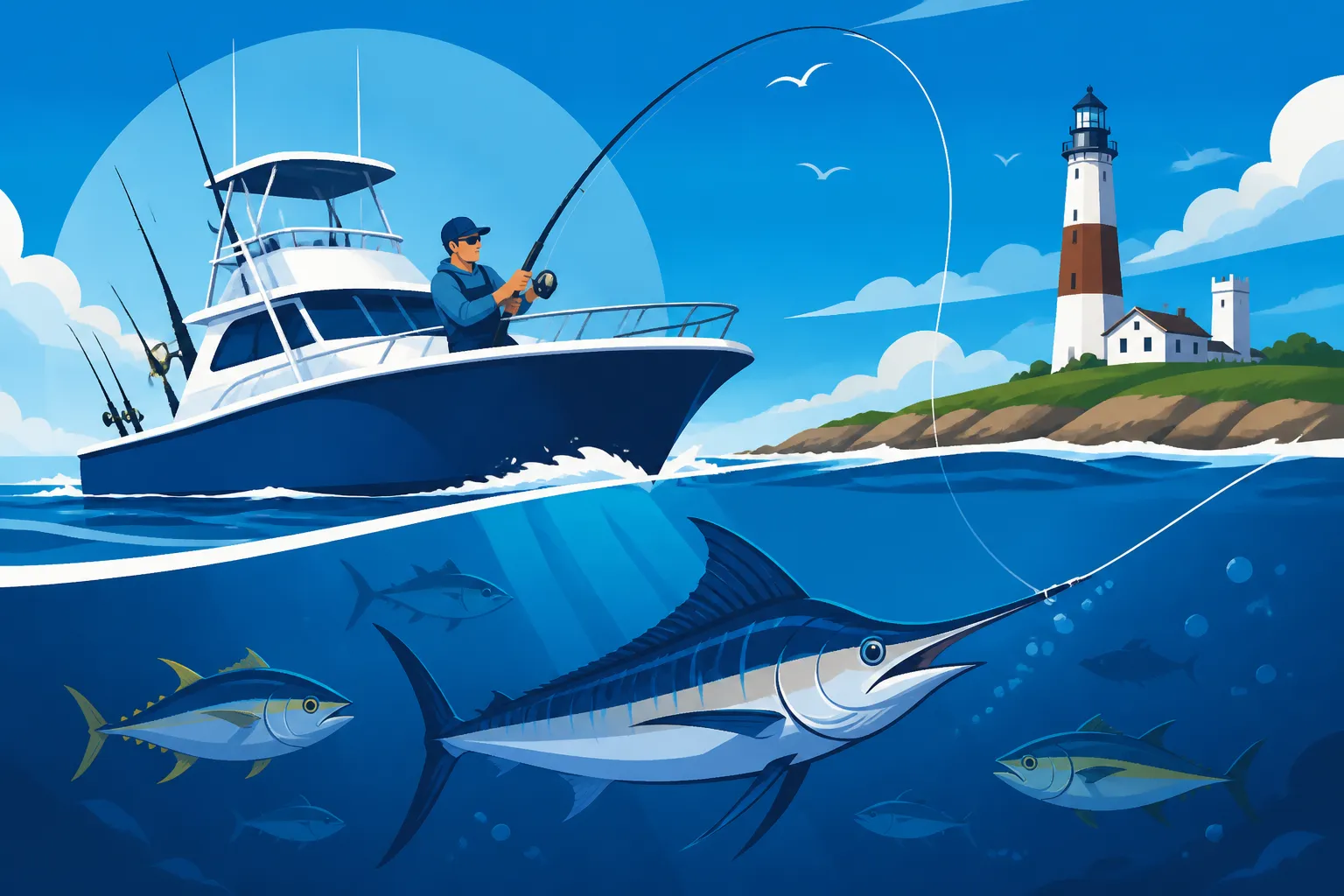
Extended and Canyon Trips: This is where the price jump becomes most noticeable, and for good reason. Extended trips, often 12-16 hours, might focus on specific offshore grounds for tunas or swordfish, requiring substantial travel time. Canyon trips, on the other hand, are the ultimate deep sea adventure, often lasting 24 hours or even multiple days. These expeditions take you far out to the edge of the continental shelf, where you can encounter highly prized pelagic species like yellowfin tuna, bigeye tuna, mahi-mahi, wahoo, and even marlin. The costs for canyon trips reflect massive fuel consumption, specialized overnight gear, extensive ice, food provisions, and the extended time and expertise of the captain and often a larger crew. This is a serious investment for a truly epic fishing experience, and it's essential to communicate clearly with the captain about what's included in such an extensive trip.
Here's a general breakdown of how these trip types typically compare in terms of cost impact:
| Trip Type | Typical Duration | Distance from Shore | Fuel Consumption | Crew Hours | General Cost Impact |
|---|---|---|---|---|---|
| Half-Day | 4-5 hours | Nearshore | Low | Low | Lower |
| Full-Day | 8-10 hours | Mid-range Offshore | Medium | Medium | Medium to Higher |
| Extended / Canyon | 12-48+ hours | Far Offshore | High | High | Significantly Higher |
Remember, these are relative comparisons, and the actual figures will vary from one charter to the next. For those looking for specific species, you might find charters specializing in Fluke Fishing Charters on Long Island or Bluefish Charters on Long Island Sound.
What's Usually Included and What You'll Need to Budget Extra For
One of the biggest sources of confusion and potential frustration for first-time charter clients is understanding what exactly is covered by the quoted price. It's crucial to clarify this upfront with your captain to avoid any surprises. Generally, Montauk deep sea fishing charters will include the essentials, but some important items often fall outside the base fee.
What's Typically Included:
- Boat and Crew: This is a given. You're paying for the vessel, the captain's expertise, and any deckhands on board. Their experience and knowledge of the local fishing grounds are a major part of the value.
- Fishing Gear: Most reputable charters provide all the necessary rods, reels, and terminal tackle (hooks, weights, lines). They'll have gear appropriate for the target species, from lighter setups for bottom fish to heavy-duty conventional gear for offshore giants. This is a huge convenience, saving you the expense and hassle of transporting your own specialized equipment.
- Bait and Lures: The cost of bait, whether live bait like bunker or eels, or various cut baits, is usually covered. Lures, jigs, and other artificials that might be lost during fishing are also typically included. However, if you're targeting specific, very expensive live bait for an extensive tuna trip, it's always worth confirming if there's an extra charge.
- Safety Equipment: All charters are legally required to have appropriate safety equipment on board, including life jackets, first-aid kits, communication devices, and navigation systems. This is part of the inherent cost of operating a vessel.
- Fuel (generally): For standard half-day and full-day trips, fuel is usually built into the overall charter price. However, for extended canyon trips, due to the sheer volume of fuel consumed, some captains might quote a base rate plus an estimated fuel surcharge, or charge for fuel used above a certain allowance. Always clarify this for longer trips.
What You'll Need to Budget Extra For:
- Fishing License: While the boat itself doesn't require individual licenses for everyone on board in saltwater (the captain's federal permit covers many situations, especially for deep-sea species), you generally will need a New York State fishing license for freshwater or a New York Recreational Marine Fishing Registry enrollment for saltwater, depending on where and what you're fishing. It's a common misconception that the charter covers this. Always check the specific requirements for your trip. For more details, see New York Saltwater Fishing Registration Guide or Do I Need a Fishing License to Fish in New York?.
- Food and Drinks: Unless explicitly stated as an "all-inclusive" package (which is rare for Montauk deep sea charters), you are responsible for bringing your own snacks, lunch, and beverages. Hydration is key on the water!
- Gratuities for the Crew: Tipping is customary and highly encouraged in the charter fishing industry, much like in restaurants. A standard tip for the captain and deckhands is typically 15-20% of the total charter cost, assuming they worked hard and provided good service. This should be a significant part of your budget, especially if they clean your catch. Don't underestimate the hard work that goes into a successful trip, both before, during, and after. Tipping Etiquette for New York Fishing Charters covers this in detail.
- Fish Cleaning and Packaging: While many crews will gladly fillet and bag your catch at the end of the day, some might offer this service for an additional fee, especially for large hauls or complicated species. It's good practice to ask about this when booking. You should also bring your own cooler with ice to transport your fish home. Can You Keep the Fish You Catch on a Charter? discusses limits and practices.
- Specialty Requests: If you want specific, expensive live bait not typically used, or have other unique requests, there might be an extra charge.
- "Fish Guarantee" or "No Fish, No Pay" Policies: These are incredibly rare in deep sea fishing. While captains will work tirelessly to find fish, the ocean is unpredictable. Don't expect a refund if the fish aren't biting; you're paying for the effort, the trip, and the opportunity, not a guaranteed cooler full of fish.
It's always best to have a clear conversation with your chosen captain or charter booking platform about what's included when you're getting a quote. Transparency upfront means a more enjoyable day on the water.
Smart Strategies for Finding a Montauk Deep Sea Charter That Fits Your Budget
Now that you understand what influences costs and what's included, let's talk about how you can find a Montauk deep sea charter that aligns with your budget without compromising on the experience. It's all about being smart, doing your homework, and communicating effectively.
1. Define Your Priorities: Before you even start looking, sit down and figure out what's most important to you. Is it a specific target species (like tuna)? Is it a certain boat size? Are you prioritizing a lower price point above all else? Or is the duration of the trip (half-day vs. full-day) your primary concern? Having clear priorities will help you narrow down your search. If a multi-day canyon trip is out of your budget, focus on full-day trips for striped bass or fluke.
2. Book in Advance, Especially for Peak Season: Montauk is a hugely popular fishing destination, especially during the summer and fall seasons. Reputable charters, particularly those with a strong track record, book up quickly. Booking several months in advance gives you more options and allows you to compare prices before the prime dates are gone. Last-minute bookings might leave you with fewer choices or potentially higher prices if demand is high.
3. Consider a Split Charter or Open Boat: If a private charter for your small group feels too expensive, ask about "split charters" or "open boat" trips. On a split charter, the captain will arrange for multiple individuals or small groups to share the cost of a private charter. You might be fishing with strangers, but you get to experience the deep sea at a fraction of the cost per person. Open boats (also known as party boats or head boats) are larger vessels that charge per person, carrying many anglers. While you have less personalized attention and might have to contend with tangles, they are often the most economical way to get offshore. Platforms like FishingBooker often have options to search for shared or open boat trips, which can be a great way to access deep sea fishing without breaking the bank.
4. Compare Multiple Charters and Read Reviews: Don't just book the first charter you find. Take the time to shop around. Contact several captains or use online platforms to gather quotes. Be sure to ask the same questions to each to ensure you're comparing apples to apples regarding inclusions. Reading reviews from previous clients is also incredibly valuable. Websites like FishingBooker allow you to read detailed reviews about captains, their boats, and the types of trips they offer, giving you insights into their professionalism, fishing success, and overall client satisfaction. This can save you from a disappointing experience. How to Choose a New York Fishing Charter has more advice on this.
5. Be Flexible with Dates and Times: If your schedule allows, being flexible with your dates can sometimes lead to better rates, especially if you can book a weekday instead of a weekend, or during the shoulder seasons (late spring, early fall) when demand isn't quite at its peak. Some charters might offer slight discounts during these less busy times. Always remember that New York Fishing Seasons Explained can help inform the best times to fish for specific species, so you can balance cost with your fishing goals.
6. Communicate Clearly: When contacting a charter, be specific about your group size, desired trip duration, and any target species. Don't be afraid to ask about their pricing structure, what's included, what's not, and their cancellation policy. A reputable captain will be happy to provide all this information transparently. For instance, knowing their Cancellation Policies for New York Fishing Charters upfront can save a lot of headaches if weather forces a change of plans.
Deep sea fishing out of Montauk is an incredible experience that many anglers cherish. By understanding the factors that influence costs, knowing what to expect in terms of inclusions, and utilizing smart budgeting strategies, you can plan an unforgettable trip that fits comfortably within your financial parameters. Tight lines!
Disclaimer
This article is for general informational purposes only and does not constitute professional advice. Laws, prices and regulations vary by location and change over time. Consult a qualified professional for guidance on your specific situation.