Fluke Fishing Charters on Long Island
Ah, the thrill of chasing fluke on Long Island! There's nothing quite like it, is there? You picture that flatfish ambush, the satisfying tug on your line, and the delicious thought of fresh fillets later. But let's be real, navigating the world of fishing charters, especially for a specific species like fluke, can feel a bit daunting. How do you pick the right boat? What should you expect? What about all those regulations? This guide is here to untangle all those questions, making sure your next Long Island fluke fishing adventure is nothing short of fantastic.
Why Fluke Fishing on Long Island is a Prime Angling Experience
Long Island, with its extensive coastline bordering both the Atlantic Ocean and Long Island Sound, offers an incredible diversity of marine environments, making it a hotspot for fluke fishing. Also known as summer flounder, fluke are a highly sought-after species, not just for their challenging fight but also for their reputation as superb table fare.
The Allure of Fluke on Long Island
Anglers from all over flock to Long Island for its fluke fishery, and for good reason. The waters here, from the shallow bays to the deeper offshore wrecks and reefs, create perfect habitats for these predatory flatfish. They love to lie in wait, camouflaged on the bottom, ready to ambush baitfish, crabs, and squid. This makes for an exciting and often productive fishing experience. Whether you're a seasoned pro looking for a trophy or a family introducing kids to saltwater fishing, fluke provide consistent action and the chance for a truly memorable day on the water.
The sheer variety of fishing grounds means that fluke can be targeted in different ways, offering something for every angler. From drifting sandy flats in Shinnecock Bay to targeting structure in the more open waters off Montauk, the techniques and locations vary, keeping things interesting. This diversity also means that if one spot isn't producing, a good captain knows a dozen other places to try, increasing your chances of success.
Understanding the Fluke Ecosystem on Long Island
Fluke are an integral part of the Long Island marine ecosystem. They migrate into our waters as the temperatures rise, typically arriving in late spring and staying through early fall. This migration brings them into a range of depths, from just a few feet in the estuaries to over a hundred feet on offshore grounds. Their preferred habitat is sandy or muddy bottoms, often near structure like oyster beds, rock piles, or channel edges where bait congregates.
The health of the fluke population is closely monitored, and regulations are put in place to ensure sustainable fishing. These regulations often include minimum size limits and daily bag limits, which can vary year to year, and sometimes even by specific body of water, like Long Island Sound versus the ocean-facing south shore. Reputable Long Island Fishing Charters will always be up-to-date on the latest rules, ensuring you're fishing legally and responsibly.
Choosing the Right Fluke Fishing Charter on Long Island
Selecting a fluke fishing charter can feel like a big decision. After all, you're investing time and money into this experience, and you want to make sure it's enjoyable and productive. There are many excellent captains and boats operating out of Long Island, but finding the right one for your specific trip involves considering a few key factors.
Researching Reputable Charter Operators
The first step is always research. Look for charters with a strong track record and positive reviews. Websites, social media, and word-of-mouth recommendations are invaluable resources. Many anglers find platforms like FishingBooker incredibly helpful for comparing different charters, checking their availability, and reading honest feedback from past customers. Pay attention to comments about the captain's knowledge of local waters, their friendliness, the condition of the boat, and their dedication to helping clients catch fish.
When you're researching, don't hesitate to contact the charter directly with questions. A good captain or booking agent will be happy to discuss their approach to fluke fishing, their typical fishing grounds, and what you can expect from a day out. Ask about their experience specifically targeting fluke, as some charters might specialize more in other species. Look for captains who are passionate about fluke fishing and are excited to share their expertise with you.
Factors to Consider When Booking
Beyond reputation, think about what kind of trip you're looking for. Are you hoping for a half-day outing with the family, or a full-day grind to target trophy Fluke in New York Waters? This choice significantly impacts the price, the amount of time on the water, and how far offshore the boat might travel. Half-Day vs Full-Day Fishing Charters is a common consideration.
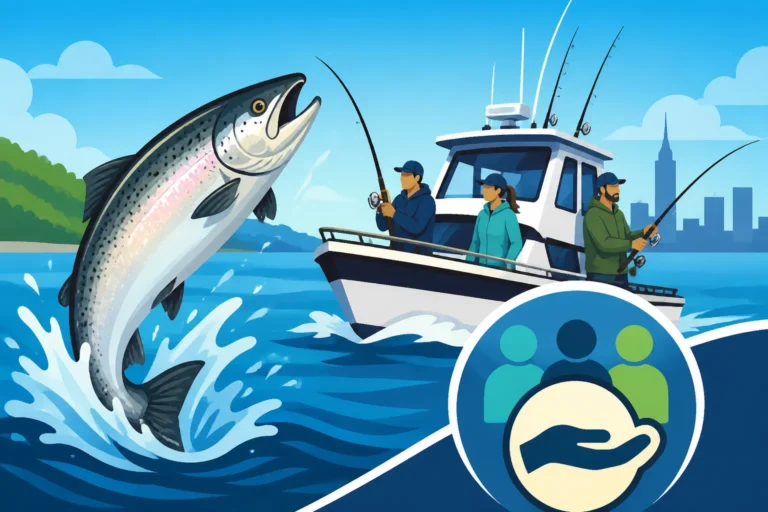
Consider the boat itself: is it comfortable, safe, and well-maintained? What amenities does it offer (restroom, covered seating)? How many people does it accommodate, and are you booking a private charter or joining an open boat trip with other anglers? A private charter offers more flexibility and personalized attention, which can be great for beginners or those seeking a specific experience. Open boat trips are often more budget-friendly and a great way to meet other fishing enthusiasts. Don't forget to inquire if they provide all the necessary fishing gear, bait, and tackle, or if you need to bring your own. Most reputable fluke charters will supply everything you need, making it a hassle-free experience.
What to Expect on a Long Island Fluke Charter Trip
Stepping onto a charter boat for a fluke trip is an exciting moment. Knowing what to expect can help you relax and fully enjoy the experience. While every trip is unique, there are some common elements you'll encounter on most Long Island fluke charters.
Typical Trip Itinerary and Fishing Methods
Your day will typically start early in the morning, often around 6 or 7 AM, though afternoon trips are also common. After a brief safety talk and introductions, your captain will steer the boat towards known fluke hotspots. Depending on conditions and recent reports, this could be anything from shallow bay flats to deeper ocean inlets, or even out to nearshore wrecks and reefs. The ride to the fishing grounds might take anywhere from 15 minutes to over an hour, so be prepared for some travel time.
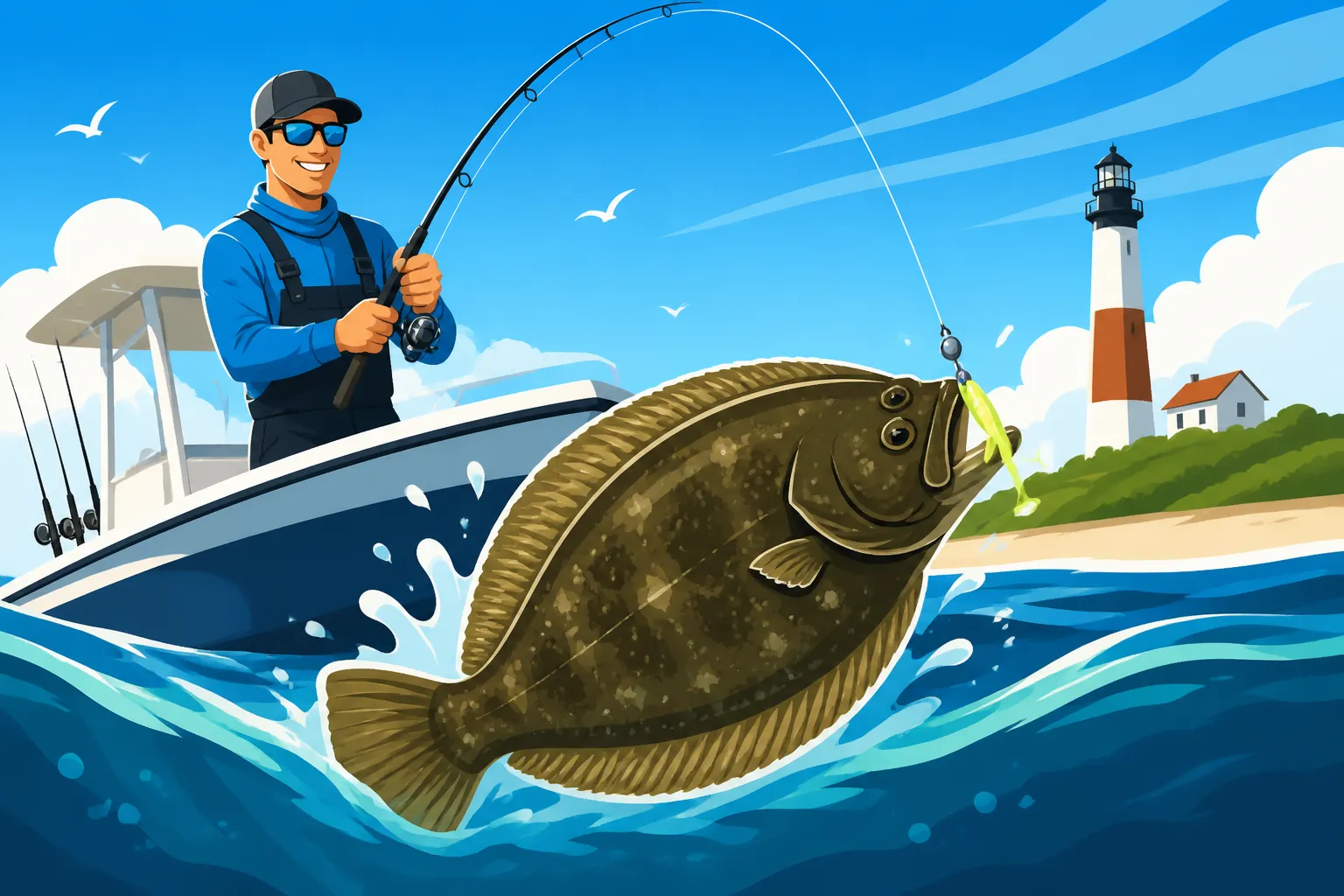
Once at the spot, the primary method for fluke fishing is drifting. The captain will position the boat to drift over productive areas, allowing your bait or lure to cover ground. You'll typically be using light to medium tackle, often equipped with a "fluke rig" — a setup designed to present bait just above the bottom. Anglers usually jig or bounce their baits along the seafloor to attract attention. The captain and mate will be on hand to assist with baiting, untangling lines, and providing tips on technique. Don't be shy about asking questions; they're there to help you catch fish!
Common Baits and Lures for Fluke
Fluke are opportunistic predators, and a variety of baits and lures can be highly effective. On most charters, you'll be provided with fresh or frozen bait, with squid strips and spearing (small baitfish) being classic choices. These are often threaded onto a hook, sometimes combined with a colorful teaser or skirt to add visual attraction. Gulp! artificial baits, particularly in natural colors, have also become incredibly popular and effective for fluke due to their scent and action.
Beyond bait, bucktail jigs are a favorite amongst experienced fluke anglers. These lead-headed jigs, adorned with deer hair or synthetic skirts, are bounced along the bottom and can be tipped with a strip of bait or Gulp! for added appeal. The mate will likely demonstrate the best way to rig and fish these, ensuring you're presenting your offering in the most enticing way possible. The key is to keep your bait or lure near the bottom, where fluke lie in wait. Understanding Best Drift Speed for Fluke Fishing is often a secret to success, as too fast or too slow can make a difference.
Essential Gear and Techniques for a Successful Fluke Trip
While most charters provide all the necessary gear, understanding the basics of fluke fishing tackle and techniques can enhance your enjoyment and success. Even if you're just showing up, knowing a little bit about what you'll be using can make you feel more confident.
Recommended Rods, Reels, and Lines
For fluke fishing, a medium-light to medium action spinning rod, around 6.5 to 7.5 feet long, is ideal. This length provides good casting distance if needed and enough sensitivity to detect subtle bites, while still having backbone to handle a good-sized fluke. Pair it with a 3000-4000 series spinning reel spooled with 15-20 pound braided line. Braided line is highly sensitive, allowing you to feel every bump and nibble, and has very little stretch, which aids in solid hooksets. A monofilament leader of 20-30 pound test is usually tied to the braid to provide abrasion resistance and make your rig less visible to the fish.
If you're bringing your own gear, make sure it's in good working order. A smooth drag is crucial when a large fluke makes a run, and a reel that can handle saltwater conditions will prevent frustrating malfunctions. Don't forget a small pair of pliers or a dehooker for safe fish handling, and a rag to keep your hands clean. Your charter crew will have these essentials, but it's always good to be prepared. For more specific rigging details, you might want to look into How to Rig a Fluke Fishing Rod.
Mastering the Fluke Drift
Drifting is the cornerstone of fluke fishing, and mastering the technique is key. The goal is to keep your bait or lure on or very near the bottom as the boat moves. This often involves an "up-and-down" motion, lifting your rod tip gently and letting your rig settle back down, mimicking a foraging baitfish or crab. Pay close attention to the bottom contour — if you feel a snag or a change in depth, adjust your retrieve.
The amount of weight you use is critical. You want just enough weight to hold the bottom without being so heavy that you can't feel the bite. The captain will advise on the appropriate sinker size based on current, wind, and depth. As you drift, keep an eye on your line. A fluke bite can range from a light tap to a solid thud. When you feel something, resist the urge to immediately set the hook. Fluke often "mouth" the bait first. Give it a second, let the fish commit, then set the hook with a firm, sweeping motion. Remember, practice makes perfect, and the crew is there to offer guidance.
Understanding Fluke Seasons, Limits, and Conservation
Being a responsible angler means understanding and respecting the regulations in place to protect our fisheries. Fluke have specific seasons and limits in New York waters, and these are subject to change.
Fluke Seasonality and Peak Times
Fluke typically arrive in Long Island waters in late spring, usually around May, as water temperatures warm up. The fishing generally heats up through the summer months, with July and August often being peak season for both numbers of fish and the chance at larger "doormats." As fall approaches, usually September and early October, many fluke begin their migration out of the bays and into deeper ocean waters as they prepare for their winter spawning grounds.
While fluke can be caught throughout their presence in our waters, the "best time" can vary based on specific location and annual conditions. For instance, early season often sees more fish in the bays, while mid-to-late summer might see larger fish moving to deeper channels and ocean structure. A good charter captain keeps abreast of these patterns and will take you to the most productive areas for that particular time of year. Don't forget to check the specific regulations for areas like Long Island Sound, as they sometimes differ from the open ocean.
Navigating Regulations and Sustainable Practices
New York State regulations for fluke fishing typically include minimum size limits and daily creel (bag) limits. These numbers can vary year to year based on stock assessments and management goals. For example, you might encounter a minimum length requirement and a limit of fish per person per day. It's not uncommon to catch several fish that are just shy of the legal limit, which can be frustrating but ensures future generations of healthy fish.
Reputable charters will always abide by these rules, and their crew will be diligent about measuring fish and ensuring compliance. They'll also promote ethical fishing practices, such as proper catch-and-release techniques for undersized fish. This means handling fish gently, minimizing their time out of water, and using a dehooker when possible. Knowing New York Fishing Regulations Explained can give you a broader understanding, but for fluke specifically, your charter captain will be your best resource.
Booking Your Fluke Charter: Tips for a Smooth Experience
Once you've done your research and you're ready to book, there are a few final considerations to ensure your trip goes off without a hitch. From understanding what's included to being prepared for the weather, a little foresight goes a long way.
What's Typically Included (and What's Not)
Most Fluke Fishing Charters on Long Island will include the essentials: the boat, the captain and mate, all necessary fishing gear (rods, reels, tackle), and bait. They'll also likely provide safety equipment like life jackets. What's often not included, and something you'll need to arrange yourself, is a New York fishing license (if required for the waters you'll be in, though many marine charters are covered under a blanket permit, always clarify!), food and drinks for your day on the water, sunscreen, sunglasses, and appropriate clothing.
It's also important to remember that tipping the mate is customary and greatly appreciated. The mate works incredibly hard, assisting anglers, baiting hooks, gaffing fish, and keeping the boat running smoothly. A typical tip for a good mate is 15-20% of the charter cost. Don't be shy about asking the charter company about their tipping expectations when you book; they'll appreciate your thoughtfulness.
Preparing for Your Day on the Water
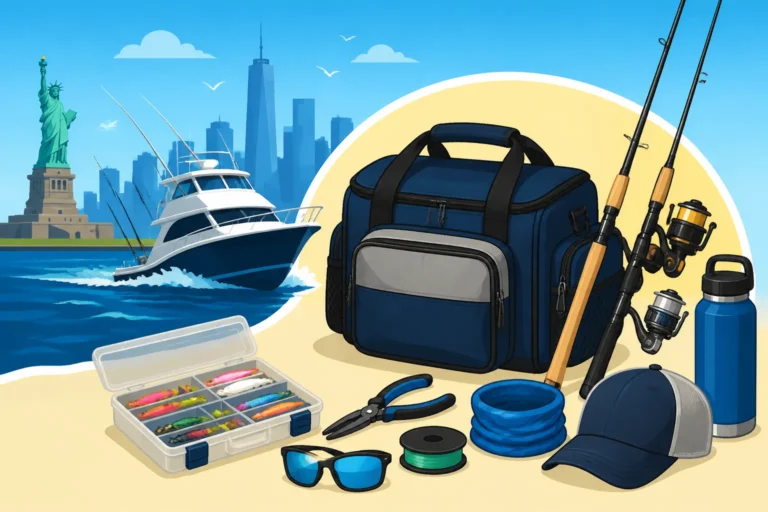
Even on the sunniest Long Island day, conditions can change quickly on the water. Dress in layers, as mornings can be cool and offshore winds can make it feel chillier than on land. A good waterproof jacket is always a smart idea, even if rain isn't in the forecast, as boat spray can be a factor. Wear comfortable, non-slip shoes. Sun protection is paramount: a wide-brimmed hat, sunglasses, and high-SPF sunscreen are non-negotiable.
Pack a small cooler with plenty of water, snacks, and any other beverages you might want. If you're prone to seasickness, take preventative medication well before the boat departs, not when you start feeling queasy. A camera to capture those memorable catches is also a must! And finally, double-check any specific items your charter company recommends you bring. Some charters, for instance, might suggest bringing your own cooler for your catch, while others provide fish bags. Having a clear idea of What to Bring on a New York Fishing Charter will ensure you’re ready for anything.
Long Island Fluke Hotspots and Charter Hubs
Long Island's coastline is dotted with prime fluke fishing areas and departure points, each offering a slightly different experience. Knowing where to go can help narrow down your charter choices.
Notable Fluke Fishing Locations on Long Island
The south shore of Long Island, facing the Atlantic Ocean, is famously productive for fluke. Towns like Montauk, known as "The End," are legendary fishing destinations. Montauk charters can quickly access the Block Island Sound and surrounding ocean waters, which hold large fluke, especially as the season progresses. Further west, ports like Shinnecock Bay and Moriches Bay offer excellent bay fishing, particularly in the spring and early summer when fluke move into shallower waters. Best Spots to Catch Fluke Near Montauk is a popular search for trophy hunters.
The Great South Bay, with its vast expanse and numerous channels, is another excellent area, accessible from ports like Freeport and Bay Shore. On the north side, the Long Island Sound also holds a healthy population of fluke, though often with slightly different regulations. Charters operating out of ports like Port Jefferson or Huntington can target fluke in the Sound. Each of these areas has its own charm and unique fishing characteristics, and a local captain will know the intricate details of their home waters.
Finding and Booking Charters in Key Areas
To find charters in these hotspots, a simple online search for "fluke charters Montauk," "fluke fishing Shinnecock," or "Long Island Sound fluke charters" will yield many results. Again, resources like FishingBooker allow you to filter by location, compare boats, and read reviews, making it easier to find a captain in your desired area. Look for charters that specifically mention fluke in their offerings, as their expertise will be tailored to this species.
When booking, be upfront about your experience level and expectations. If you're a beginner, mention it so the crew can provide extra guidance. If you're hoping for a specific type of trip, like targeting larger fish or focusing on jigging, communicate that as well. Most captains are eager to customize the experience to make it the best possible for their clients. A good conversation before you book can ensure everyone is on the same page for a fantastic day of Fluke Fishing Charters on Long Island.
| Trip Type | Duration | Typical Targets | Ideal For | Cost Expectation (Shape) | Notes |
|---|---|---|---|---|---|
| Half-Day | 4-5 hours | Abundant schoolie fluke, good action | Families, beginners, shorter timeframes | Moderate | Often stays closer to shore/bays. Less travel time. |
| Full-Day | 7-9 hours | Larger fluke, wider range of spots, trophy potential | Serious anglers, more experienced groups | Higher | More time for travel to offshore wrecks/reefs, more fishing time. |
| Private | Half or Full | Customized experience for your group | Corporate outings, friends, families | Premium | Exclusive use of the boat, personalized attention. |
| Open Boat | Half or Full | Shared experience with other anglers | Solo anglers, budget-conscious individuals | Per-person rate, typically | Less flexibility on fishing spots/techniques, but cost-effective. |
Disclaimer
This article is for general informational purposes only and does not constitute professional advice. Laws, prices and regulations vary by location and change over time. Consult a qualified professional for guidance on your specific situation.