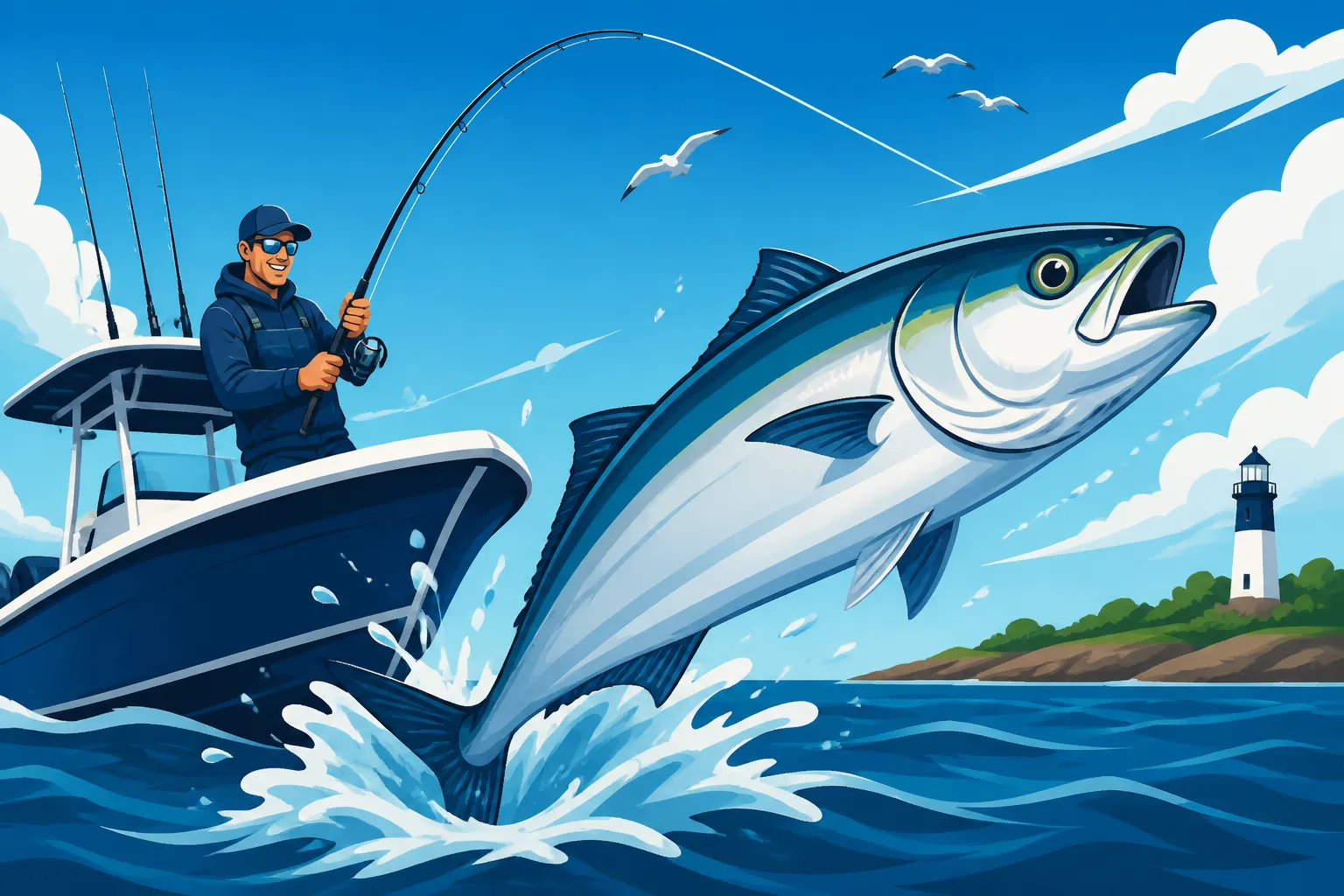
Bluefish Charters on Long Island Sound
There's nothing quite like the raw power of a bluefish hitting your line. It's an explosion of energy, a truly thrilling battle that many anglers dream of, especially on the legendary waters of Long Island Sound. But finding the right charter, one that knows the local waters and where those toothy critters are hiding, can feel like searching for a needle in a haystack. This guide is here to unravel the mystery, helping you understand how to choose and what to expect from bluefish charters on Long Island Sound, ensuring your next angling adventure is nothing short of spectacular.
Why Bluefish on Long Island Sound are a Thrill
Long Island Sound is a truly special place for anglers, offering a diverse fishery that draws people from all over. Among its many inhabitants, the bluefish stands out as a true game changer. These aren't your average, laid-back bottom feeders; bluefish are aggressive, voracious predators that can turn a calm morning into a frenzy of action in mere moments.
The Bluefish Phenomenon: What Makes Them Special
When you hook into a bluefish, you're not just reeling in a fish; you're engaging in a full-contact sport. Their fight is legendary: strong runs, headshakes, and often acrobatic leaps that test your tackle and your resolve. They're incredibly aggressive, hitting lures and baits with a force that can shock even seasoned anglers. This isn't a subtle nibble; it's often a violent strike that leaves no doubt something substantial is on the other end of your line. It's this sheer, unadulterated power and predatory nature that makes targeting bluefish on Long Island Sound such an addictive experience.
Beyond their fighting spirit, bluefish are also incredibly abundant throughout much of the year, making them a reliable target for charter captains. Their schooling behavior means that when you find one, you often find many, leading to exhilarating periods of non-stop action where multiple lines are screaming simultaneously. They're opportunistic feeders, meaning they'll readily strike a variety of lures and baits, which makes them accessible and exciting for anglers of all skill levels. Plus, their sharp teeth and distinctive blue-green backs make them visually striking creatures to behold, whether you're admiring your catch or releasing it back into the Sound.
Prime Seasons and Hotspots for Bluefish Action
Bluefish are migratory, so their presence in Long Island Sound is largely seasonal, though their movements within the Sound can vary based on water temperature and baitfish availability. Typically, you'll start seeing bluefish arrive in the Sound in late spring, usually around May, as the water warms and baitfish like bunker (Atlantic menhaden) become abundant. The summer months, from June through August, often offer consistent action, with blues aggressively feeding on dense schools of bait. As fall approaches, particularly in September and October, the fishing can become absolutely phenomenal. This is often when bluefish are at their largest and most aggressive, gorging themselves before their southward migration.
As for specific hotspots, Long Island Sound is vast, but certain areas consistently hold bluefish. Tidal rips and areas with strong currents, like those found around The Race or Plum Gut at the eastern end of the Sound, are magnets for bluefish as they ambush baitfish swept through these channels. Bays and harbors that serve as nurseries for baitfish, such as Hempstead Harbor, Port Jefferson Harbor, or the areas around the Thimble Islands in Connecticut, can also be bluefish havens. Furthermore, any visible structure like reefs, rock piles, or even submerged wrecks can concentrate bait and, by extension, bluefish. Your charter captain will have the most up-to-date knowledge on where the fish are biting, often relying on years of experience and real-time reports to put you on the schools. For more on where to find these fish, you might want to check out Best Fishing Spots on Long Island Sound.
Understanding Bluefish Charters on Long Island Sound
Deciding to book a charter for bluefish on Long Island Sound is a fantastic choice, especially if you're looking for an optimized fishing experience without the hassle of owning a boat or specialized gear. But what exactly does a bluefish charter entail, and what are your options?
What a Bluefish Charter Typically Offers
When you step aboard a bluefish charter on Long Island Sound, you're generally signing up for an "all-inclusive" experience focused on putting you on the fish. This means the boat, the experienced captain, and often a mate are all provided. More importantly, the charter typically includes all the necessary fishing tackle – rods, reels, lines, and an array of lures and baits specifically chosen to entice those aggressive bluefish. You won't need to worry about stocking your tackle box or buying expensive gear; it's all there, ready for action. Live bait, like fresh bunker or mackerel, is usually included, expertly caught or sourced by the crew.
Beyond the fishing essentials, your safety is paramount. Reputable charters will have all required safety equipment on board, from life jackets to communication devices. They also come equipped with the latest navigation and fish-finding technology, which is crucial for locating schools of bluefish in the vast expanse of Long Island Sound. The convenience factor of a charter cannot be overstated. You show up, fish, and the crew handles the boat, the navigation, and even the cleaning of your catch at the end of the day. This setup allows you to focus purely on the thrill of the chase, making for a truly relaxing and productive day on the water.
Half-Day vs. Full-Day Trips: Making the Right Choice
The choice between a half-day and a full-day bluefish charter often comes down to your budget, your schedule, and your desire for intense fishing action. A half-day trip, typically lasting around 4-5 hours, is a great option for beginners, families with young children, or those with limited time. It offers a taste of the action without committing to a full day on the water, and often, bluefish can be found relatively quickly, especially during peak seasons. You can still have a fantastic time and catch plenty of fish on a half-day outing, making it a very popular choice.
However, if you're a serious angler, truly want to maximize your chances, or are targeting larger blues, a full-day trip (usually 7-8 hours) is often the way to go. This extended time allows the captain to venture further out, explore more spots, and react to changing conditions, providing more opportunities to locate active schools of fish. It also offers a more relaxed pace, allowing you to try different techniques and truly soak in the experience of being on the Sound. While a full-day costs more, many find the extra time and potential for increased catches well worth the investment. For a more detailed comparison, check out Half-Day vs Full-Day Fishing Charters.
Private vs. Open Boat Charters for Bluefish
When booking a bluefish charter, you'll generally encounter two main types: private charters and open boat (or party boat) charters. Each offers a distinct experience, catering to different preferences and group sizes.
A private charter means you and your chosen group (family, friends, colleagues) have the entire boat and crew to yourselves. This option offers maximum flexibility and personalization. You can often discuss specific fishing goals with the captain, spend more time at desired spots, and enjoy a more intimate atmosphere. It's ideal for those seeking privacy, a tailored experience, or if you have a larger group that wants to fish together. While the upfront cost is higher, when divided among a full boat of anglers, it can be quite comparable to individual tickets on an open boat, offering significant value for the customized trip.
An open boat charter (often called a party boat) operates on an individual ticket basis. You buy a spot, and you share the boat with other anglers who have done the same. This is typically the most budget-friendly option for solo anglers or small groups who don't fill a private charter. It's a great way to meet fellow fishing enthusiasts and enjoy a more social atmosphere. While you have less say in the specific spots or techniques, party boat captains are usually excellent at finding fish for a crowd. It's a more communal experience, and the cost per person is generally lower. For a broader look at these options, you might find Private vs Shared Fishing Charters: What's the Difference? insightful.
What to Expect and How to Prepare for Your Bluefish Trip
Heading out on Long Island Sound for bluefish is an exciting prospect, but a little preparation can go a long way in ensuring a comfortable and successful trip. Knowing what to bring, how to handle your catch, and managing personal comfort are all key.
Essential Gear and What Your Charter Provides
As we touched on earlier, most bluefish charters on Long Island Sound are well-equipped to handle all your fishing needs. This means the boat is stocked with sturdy rods, reliable reels, and a wide array of lures and fresh bait perfectly suited for bluefish. You won't need to bring your own specialized fishing equipment, which is a huge relief for many anglers. The captain and crew will provide expert guidance on techniques and tackle selection throughout the trip.
However, there are still a few personal items you should absolutely bring to make your day more enjoyable. Sun protection is crucial: a wide-brimmed hat, polarized sunglasses, and plenty of high-SPF sunscreen are non-negotiables, as the sun's reflection off the water can be intense. Dress in layers, as conditions on the water can change rapidly; even on a warm day, a light jacket or rain gear can be a blessing. Don't forget snacks, lunch, and plenty of water or other non-alcoholic beverages to stay hydrated. A cooler to transport your filleted catch home is also a smart idea, though the boat will likely have one for drinks. For a comprehensive list, see What to Bring on a New York Fishing Charter.
Handling the Catch: Keeping or Releasing Bluefish
Bluefish are excellent table fare, especially when fresh, and many anglers love to take a few home for dinner. When kept, they should be bled immediately and placed on ice to preserve their quality. Your charter crew will typically handle the filleting of your catch at the end of the trip, making it easy for you to take home ready-to-cook portions. However, it's vital to be aware of and adhere to the current regulations for bluefish, which include minimum size limits and daily bag limits. These rules are in place to ensure the sustainability of the fishery, and your captain will be well-versed in them. Always ask if you're unsure about the limits. You can find general information on statewide rules in the New York Fishing Regulations Explained.
For those bluefish you choose to release, proper handling is essential to ensure their survival. Bluefish are tough, but they can still be harmed by improper handling. Try to minimize the time the fish is out of the water, use a dehooking tool if the hook is deep, and avoid touching their gills or eyes. If possible, keep the fish in the water while removing the hook. If you need a photo, do it quickly and support the fish horizontally with two hands. These simple practices help ensure that the released bluefish can swim away healthy and contribute to the population for future generations of anglers.
Seasickness and Comfort on Long Island Sound
The waters of Long Island Sound can range from glass-calm to choppy, depending on weather conditions and location. For some, the motion of the boat, even on relatively calm days, can lead to seasickness. There's nothing that can spoil an otherwise fantastic day on the water faster than feeling unwell.
The good news is there are plenty of strategies to mitigate seasickness. Over-the-counter medications like Dramamine or Bonine, taken before you board the boat, are often very effective. Acupressure wristbands can also provide relief for some individuals. During the trip, try to stay on deck in the fresh air, focus on the horizon, and avoid reading or looking down for extended periods. Staying hydrated and avoiding heavy, greasy foods before and during the trip can also help. Most importantly, communicate with your captain or mate if you start to feel queasy. They're experienced professionals who can offer advice and may be able to adjust the boat's position or speed to make you more comfortable. Planning for your comfort means you can fully enjoy the thrill of battling a bluefish without distraction.
Choosing the Best Bluefish Charter for Your Adventure
Selecting the right bluefish charter for your Long Island Sound adventure can feel like a big decision, but with a bit of research and knowing what to look for, you can ensure a fantastic experience. It's about more than just finding an available boat; it's about finding the right fit for your fishing style and expectations.
Key Factors in Selecting a Reputable Captain
The captain is the heart of any successful fishing charter. Their experience, knowledge, and dedication can make or break your trip. When looking for a reputable captain, start by considering their track record. How long have they been fishing Long Island Sound for bluefish? Local knowledge is invaluable; a captain who understands the specific currents, tides, and seasonal movements of baitfish in the Sound will consistently put you on the fish. Safety is paramount, so ensure your chosen captain is properly licensed and that their vessel meets all Coast Guard safety requirements. Don't hesitate to ask about their safety protocols.
Customer reviews are a treasure trove of information. Look for captains with consistently positive feedback, particularly concerning their fishing success, communication style, and how they interact with anglers of all experience levels. Platforms like FishingBooker are excellent resources for finding and vetting captains, as they often provide detailed profiles, photos of catches, and honest reviews from previous customers. It helps to see if they specialize in certain types of fishing or species, though many Long Island Sound captains are versatile. A great captain doesn't just put you on fish; they enhance the entire experience with their professionalism and passion. For more general advice, consider How to Choose a New York Fishing Charter.
Understanding Charter Costs and What Influences Them
Charter costs for bluefish trips on Long Island Sound can vary significantly, and it's important to understand what you're paying for. The primary factors influencing price are the duration of the trip (half-day versus full-day), whether it's a private or open boat charter, and the size and amenities of the vessel. Larger, more luxurious boats or those with advanced electronics might command a higher price. The number of anglers in your party will also affect the per-person cost, especially for private charters where the total boat fee is divided among your group.
While it's impossible to give exact figures here, generally, you can expect half-day trips to be less expensive than full-day excursions. Private charters, while a larger lump sum, can become quite economical per person for a full group. Open boat charters are usually the most budget-friendly per individual. Always ask what is included in the price: tackle, bait, fuel, and fish cleaning are typically part of the package, but some charters might have additional fees. Always check directly with the charter operator for their current rates and what their specific packages include. For example, some charters focusing on specific species like striped bass in the area might have similar pricing structures, as outlined in Long Island Sound Striped Bass Charters in New York.
Booking Your Trip: Tips for a Smooth Process
Once you've identified a few potential charters, the booking process itself should be smooth and transparent. The first step is to contact the captain or booking agent to inquire about availability on your preferred dates. Bluefish season, particularly during peak summer and fall, can be very popular, so booking well in advance is highly recommended, especially if you have specific dates in mind or are planning for a weekend trip.
When you make contact, don't be shy about asking questions! Clarify what's included, what you should bring, the cancellation policy (especially important for weather-related issues), and payment details. Most charters require a deposit to secure your booking, with the balance due on the day of the trip. Many captains now offer online booking options or work through reputable platforms like FishingBooker, which can streamline the process and offer an added layer of security. Always get confirmation of your booking in writing, whether it's an email or a printed receipt. This preparation ensures there are no surprises and you can look forward to your bluefish adventure with excitement.
Common Bluefish Fishing Techniques on the Sound
Bluefish are known for their aggressive nature, and thankfully, that means they respond well to a variety of fishing techniques. A good charter captain will employ the most effective methods based on current conditions and where the fish are holding, but it's helpful to have a general understanding of what to expect.
Trolling and Casting for Aggressive Bluefish
One of the most effective ways to cover water and locate schooling bluefish on Long Island Sound is through trolling. This involves dragging lures or baits behind a moving boat at a specific speed and depth. Charter captains often use a spread of multiple lines, each with different lures such as spoons, plugs (like lipped diving lures), or even umbrella rigs designed to imitate a school of baitfish. Trolling allows the boat to systematically search different depths and areas until the bluefish are located, and once a fish hits, it often signals the presence of a larger school.
Once a school of bluefish is found, or if they are actively busting on the surface, casting becomes incredibly exciting. This is where you grab a spinning rod and cast lures directly into the feeding frenzy. Poppers, which create a splashy commotion on the surface, are fantastic for drawing aggressive strikes. Metal jigs, stickbaits, or soft plastics can also be cast and retrieved to mimic fleeing baitfish. The sheer visual thrill of watching a bluefish explode on a surface lure is unparalleled and makes for truly memorable fishing. For more detailed techniques, consider How to Fish for Bluefish on Long Island Sound.
Live Bait and Chunking Strategies
While lures are highly effective, sometimes nothing beats the appeal of natural bait. Live bait fishing is a prime technique for bluefish, especially using bunker (Atlantic menhaden), which are a staple in their diet on Long Island Sound. Captains will often net or jig for fresh live bunker, then present them either free-lined or under a float near known bluefish haunts. The natural frantic movement of a live baitfish is irresistible to hungry blues, often resulting in incredibly strong takes.
Chunking, or using cut bait, is another potent strategy, particularly when bluefish are holding deeper or are less active on the surface. This involves cutting up oily baitfish like bunker, mackerel, or even squid into chunks and drifting them down-current. The scent trail created by the cut bait acts as an attractant, drawing bluefish from a distance. Anglers will typically fish these chunks on a bottom rig or a drift rig, often with a chum slick (small pieces of bait thrown overboard to attract fish) to keep the bluefish interested and around the boat. While often used for striped bass, the principles are similar, as discussed in Best Bait for Striped Bass.
Reading the Water and Targeting Bluefish
A skilled bluefish charter captain is a master at reading the water, and this ability is crucial for consistent success. They'll use advanced electronics like fish finders and radar to locate baitfish schools, identify underwater structures, and even mark individual fish. But technology is only part of the equation. Years of experience allow them to interpret subtle signs: changes in water temperature, current lines, and most importantly, bird activity.
When you see gulls, terns, or gannets diving aggressively, it's a sure sign that baitfish are being pushed to the surface, and bluefish (or striped bass) are usually the culprits below. Captains will also pay close attention to the tide and wind, understanding how these forces concentrate bait and influence bluefish feeding patterns. As an angler, observing these cues and listening to your captain's instructions will not only help you catch more fish but also deepen your understanding of the dynamic marine environment of Long Island Sound.
Ensuring a Successful and Memorable Bluefish Charter
A great fishing trip isn't just about catching fish; it's about the entire experience. To make your bluefish charter on Long Island Sound truly memorable, a few key elements come into play, from clear communication to respecting the marine environment.
Communication is Key: Before, During, and After
Open and honest communication is the cornerstone of a successful charter fishing trip. Before you even book, clearly communicate your expectations and goals with the captain. Are you hoping to catch a trophy bluefish? Are you bringing kids and prioritize a family-friendly experience? Do you want to learn new techniques? The more information you provide, the better the captain can tailor the trip to your desires.
During the trip, don't hesitate to ask questions. If you're unsure about a technique, feeling seasick, or simply curious about what the captain is doing, speak up. A good captain and crew are teachers and hosts, eager to share their knowledge and ensure your comfort. Conversely, if the fishing is slow, they can manage expectations and explain why. After the trip, if you had a fantastic time, consider leaving a positive review on platforms like FishingBooker – it's a great way to show appreciation and help other anglers find a great charter.
Tipping Your Captain and Crew
Just like in other service industries, tipping your fishing charter captain and mate is a standard practice and a crucial way to show your appreciation for their hard work and expertise. These professionals put in long hours, often starting well before dawn to prepare the boat, catch bait, and scout for fish, and they clean up long after you've gone home. They work tirelessly to ensure your safety and success on the water, often under challenging conditions.
While there's no strict rule, a customary tip for a good day of fishing and excellent service typically ranges from 15% to 20% of the total charter cost. If you had an exceptional experience, or if the crew went above and beyond, feel free to tip more. Presenting the tip directly to the mate, who often shares it with the captain, is generally the preferred method. Remember, tips are a significant part of their income and a direct reflection of your satisfaction. For more insights on this, refer to Tipping Etiquette for New York Fishing Charters.
Capturing Memories and Respecting the Resource
Beyond the thrill of the catch, a bluefish charter creates lasting memories. Don't forget to bring a camera or ensure your phone is charged to capture photos of your catches, the beautiful Long Island Sound scenery, and the camaraderie on board. These images will be cherished reminders of your adventure.
However, amidst the excitement, it's paramount to remember our responsibility to the fishery. Respecting the resource means adhering to all fishing regulations, practicing proper catch-and-release techniques for fish you don't intend to keep, and being mindful of the marine environment. Don't litter, and follow your captain's guidance on handling fish. By being a responsible angler, you help ensure that Long Island Sound remains a vibrant and productive fishery for bluefish and all its inhabitants, allowing future generations to enjoy the same thrilling experiences. It's a small but significant way to give back to the waters that provide so much enjoyment.
Disclaimer
This article is for general informational purposes only and does not constitute professional advice. Laws, prices and regulations vary by location and change over time. Consult a qualified professional for guidance on your specific situation.