How to Fish for Bluefish on Long Island Sound
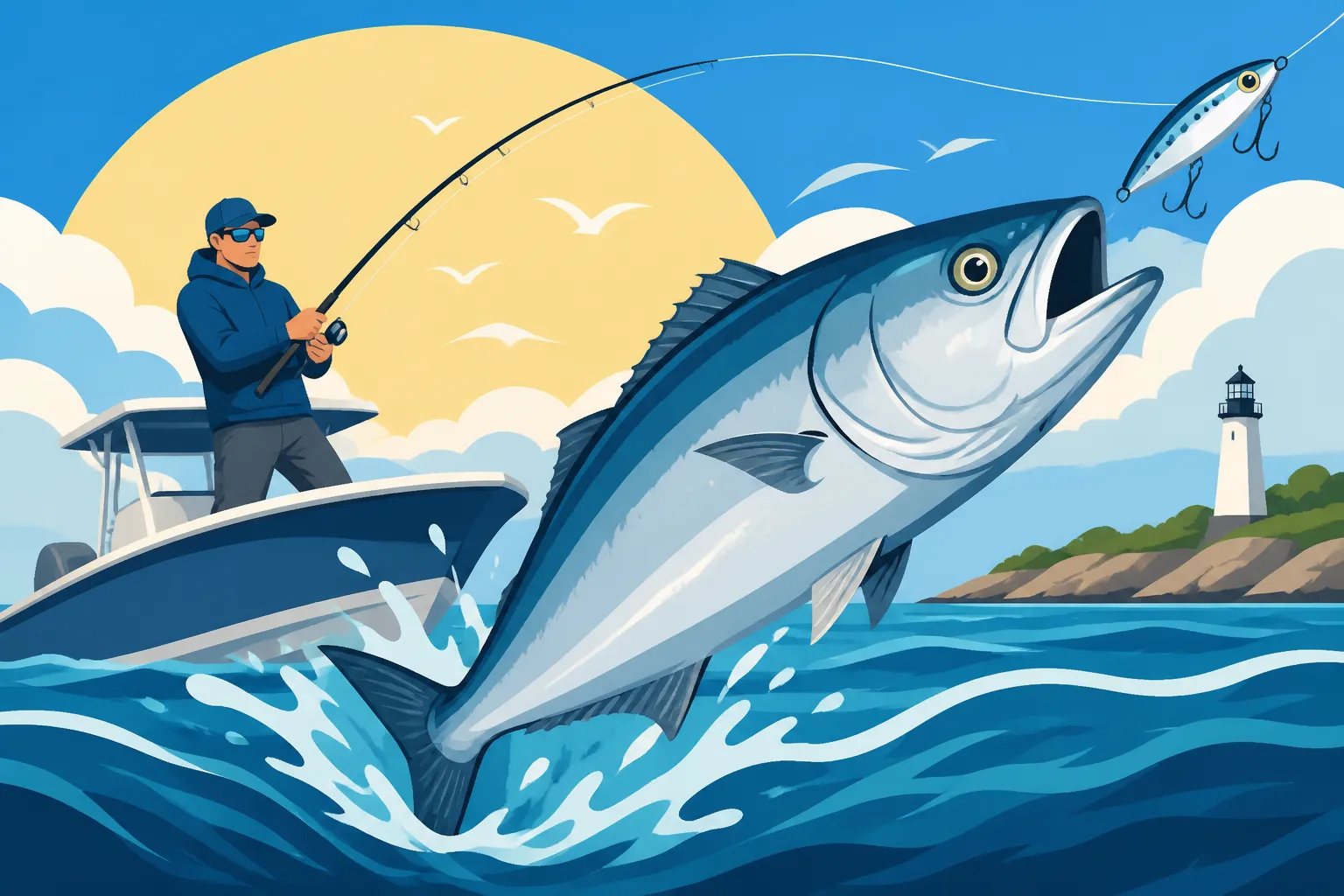
That heart-pounding tug on your line, followed by a screaming reel and the raw power of a fish that seems determined to strip your spool – that's the thrill of battling a bluefish, often called "choppers," in New York's Long Island Sound. Many anglers, especially those new to saltwater fishing, find themselves frustrated by gear failures or losing fish to their razor-sharp teeth. This comprehensive guide is here to equip you with all the knowledge, techniques, and insider tips you'll need to successfully target and land these aggressive, hard-fighting fish.
Getting to Know the Long Island Sound Bluefish
Bluefish are truly remarkable predators, renowned for their aggressive nature and insatiable appetites. They are a significant part of the marine ecosystem in the Long Island Sound, offering thrilling opportunities for anglers. Understanding their habits, preferred habitats, and migratory patterns is the first step to consistently finding them.
Understanding Bluefish Habits and Behavior
Bluefish are highly migratory, moving up and down the Atlantic coast with the seasons, driven by water temperature and the availability of their primary food sources. On Long Island Sound, they typically arrive in late spring or early summer, when the water temperatures begin to rise and baitfish like bunker (menhaden), mackerel, and squid become abundant. They'll generally stick around through the fall, offering a fantastic season of fishing before heading south as winter approaches.
These fish are known as "choppers" for a reason. They possess incredibly strong jaws lined with razor-sharp teeth, capable of slicing through schools of baitfish with alarming efficiency. When bluefish are feeding, they create a chaotic scene, often driving baitfish to the surface in a "blitz" that can be spotted from a distance by diving birds or disturbed water. This aggressive feeding behavior makes them a blast to catch, but also demands specific tackle to prevent frustrating bite-offs. They're not picky eaters when they're in a feeding frenzy, striking at almost anything that moves, which is both a blessing and a curse for anglers.
Prime Bluefish Habitats in Long Island Sound
Bluefish can be found throughout the Long Island Sound, but they tend to concentrate in areas where baitfish are plentiful and where structure creates ambush points or current breaks. This means you'll want to look for them around jetties, rocky shorelines, reefs, and tidal rips. Areas near river mouths or estuaries can also be hotspots, especially during outgoing tides when bait is flushed out.
Some of the most consistent fishing spots for bluefish on Long Island Sound include Montauk Point, known for its strong currents and rich baitfish populations, as well as areas around the various harbors and inlets along the Connecticut and New York shores. Places like the waters off Orient Point, Plum Gut, and The Race are notorious for holding large schools of bluefish due to the strong tidal flows. Even quieter bays can hold bluefish when they are chasing schools of bait into shallower waters. If you're looking for the best fishing spots on Long Island Sound, these areas are a great starting point, though local knowledge and real-time conditions are always your best friend.
The Best Time of Year to Target Bluefish
As mentioned, bluefish are migratory visitors to Long Island Sound. Their season generally kicks off in May or June and can run well into October or even early November, depending on water temperatures. The absolute peak for bluefish action often falls during the warmer summer months and into early fall, when the fish are most active and feeding heavily to build up reserves for their migration.
During these peak times, you'll often find bluefish feeding vigorously throughout the day. However, like many predatory fish, they can be particularly active during dawn and dusk, or when there's an incoming or outgoing tide creating strong currents. Checking the local tides and moon phases can often give you an edge in predicting when the fish might be most active. For a broader understanding of when various species are biting, a good resource to consult is New York Fishing Seasons Explained, which provides a general overview of seasonal angling opportunities across the state.
Assembling Your Bluefish Arsenal: Rods, Reels, and Tackle
Tackling bluefish successfully requires gear that can withstand their powerful runs and, more importantly, their sharp teeth. You don't need to break the bank, but investing in robust, saltwater-grade equipment will save you a lot of headaches (and lost lures) in the long run.
Rod and Reel Setups for Bluefish
For bluefish, you’ll want a rod and reel combination that offers both power and sensitivity. A medium-heavy to heavy action spinning rod, typically 7 to 9 feet long, is an excellent choice. This length provides good casting distance, whether you’re fishing from shore, a jetty, or a boat, and the heavy action gives you the backbone needed to turn a hard-fighting bluefish. Brands like Penn, Shimano, and Daiwa offer reliable spinning reels perfect for saltwater conditions. Look for reels in the 4000 to 6000 size range, known for their strong drag systems and ample line capacity.
Pair your rod with a reel spooled with 20 to 50-pound braided line. Braided line offers superior sensitivity, minimal stretch for solid hooksets, and incredible strength for its diameter. While braided line is fantastic for fishing, it's crucial to understand that bluefish teeth will slice through it like butter. This leads us to the most vital component of your tackle: the leader. A 30 to 60-pound monofilament or fluorocarbon leader, approximately 2 to 3 feet long, should be tied to your braided mainline. But even this isn't enough for direct contact with the fish's mouth.
The Indispensable Wire Leader
This is where many beginners make their biggest mistake: underestimating the bluefish's dental capabilities. Without a wire leader, you're almost guaranteed to lose lures and fish. A short section of steel or fluorocarbon-coated wire leader, typically 6 to 12 inches long, should be attached to the end of your mono/fluoro leader, directly before your lure or hook. I prefer a solid black snap swivel at the end of the wire leader for quick lure changes.
You can buy pre-made wire leaders, or you can make your own with various types of wire like single-strand steel wire, multi-strand wire, or titanium wire. I often stock up on these essentials from places like Amazon, where you can find a wide variety of wire leaders and components. Making sure you have the right leader material and strength is critical to not only landing fish but also preventing environmental pollution from lost tackle.
Essential Lures and Baits for Bluefish
Bluefish aren't particularly fussy when they're on the feed, but some offerings are undeniably more effective than others.
- Metal Jigs: These are absolute workhorses for bluefish. Diamond jigs, Kastmasters, and other casting jigs are incredibly versatile. You can cast them a country mile and retrieve them quickly, mimicking fleeing baitfish. Weight them appropriately for the conditions; heavier jigs for deeper water or strong currents, lighter ones for calmer, shallower areas.
- Poppers and Surface Plugs: Nothing beats the explosive strike of a bluefish on a topwater lure. Poppers create a commotion on the surface that drives bluefish into a frenzy. Chuggers, pencil poppers, and walking baits are all excellent choices. They are particularly effective during early morning or late evening blitzes.
- Swimming Plugs: Dive-and-rise plugs or minnow-imitation plugs can be deadly, especially when bluefish are holding a bit deeper in the water column. Yo-Zuri and Rapala make excellent options that can withstand a few bluefish attacks, though even these can get chewed up over time.
- Soft Plastics: Large soft plastic paddle tails or swimbaits, rigged on a heavy jig head, can be very effective, especially when bluefish are keyed in on a specific baitfish profile. Just remember that soft plastics are less durable than hard lures against those teeth!
- Live Bait: If you can get your hands on fresh live bait like bunker (menhaden), mackerel, or even large spearing, you're in for a treat. Live-lining these baits can be incredibly effective, especially when the bluefish are finicky. Just remember to use a stout hook and, of course, that wire leader. Best Bait for Striped Bass often overlaps significantly with what bluefish will hit, so researching those options can be a smart move.
| Lure Type | Best Conditions / Use Case | Retrieve Style | Durability vs. Bluefish Teeth |
|---|---|---|---|
| Metal Jigs | Deep water, strong currents, long casting, mimicking injured bait | Fast, erratic retrieve; jigging motion | High (but still needs wire leader) |
| Poppers/Plugs | Surface feeding, low light, calm water, imitating topwater bait | Erratic popping, chugging, or "walk-the-dog" action | Moderate (can get chewed) |
| Swimming Plugs | Subsurface feeding, trolling, imitating minnows | Steady retrieve, occasional twitch; suitable for trolling | Moderate (can get shredded) |
| Soft Plastics | Mimicking specific baitfish, calmer water, jigging | Jigging, steady retrieve, twitch-and-pause | Low (easily destroyed) |
| Live Bait | When fish are picky, calmer conditions, drifting/slow trolling | Drifting naturally with current, slow trolling, under a bobber | N/A (single use, but highly effective) |
Mastering the Techniques for Long Island Sound Choppers
Catching bluefish consistently involves understanding how to present your chosen bait or lure effectively, whether you're casting from shore or trolling from a boat.
Casting and Retrieving for Bluefish
One of the most exciting ways to catch bluefish is by casting into a feeding frenzy, or "blitz." Look for signs like diving birds, splashing water, or schools of baitfish breaking the surface. When you spot a blitz, cast your metal jig or topwater plug directly into or just past the activity.
For jigs, a fast, erratic retrieve is often best. Reel quickly, occasionally pausing or twitching your rod tip to make the lure dart and flash like a panicked baitfish. For poppers, work them aggressively, creating a lot of splash and noise to grab attention. The key is to retrieve quickly – bluefish are fast, and a rapidly moving lure often triggers their predatory instinct. Don't be shy about experimenting with retrieve speeds until you find what the fish are reacting to. This method is incredibly popular from shore, piers, and boats alike, especially in areas identified as Best Shore Fishing Spots on Long Island, New York.
Trolling for Consistent Strikes
Trolling is a highly effective method for covering large areas of Long Island Sound and locating scattered schools of bluefish. This technique is particularly useful when fish aren't actively blitzing on the surface. You can troll a variety of lures, including swimming plugs, metal spoons, or even rigged baits.
When trolling, vary your speed and the depth of your lures until you find what's working. Bluefish often hit trolled lures aggressively, so be prepared for a sudden strike. Using planer boards can help spread out your lines and cover a wider swath of water, while downriggers allow you to present lures at precise depths. Keep an eye on your fish finder for schools of bait or deeper-holding fish, and adjust your trolling depth accordingly. Many Long Island Fishing Charters utilize trolling as a primary method for targeting bluefish and other pelagic species.
Live-Baiting and Chumming Strategies
For those times when bluefish are a bit more selective, or when you want to target larger specimens, live-baiting can be incredibly productive. As discussed earlier, live bunker or mackerel are prime choices. You can fish them by simply drifting with the current, allowing the bait to swim naturally. Adding a small egg sinker above a swivel can help get the bait down into the strike zone.
Chumming involves slowly introducing small pieces of bait into the water to create a scent trail that attracts fish to your boat. A chum pot filled with ground bunker or a mix of fish scraps can be incredibly effective. Once the bluefish are drawn in by the chum, you can then cast a live bait or even a chunk of cut bait (like mackerel or bunker) into the slick. Remember to use a wire leader even with live bait, as bluefish will still find a way to bite through non-wire leaders.
Navigating Regulations and Ensuring a Safe Bluefish Adventure
Responsible angling means not only knowing how to catch fish but also adhering to regulations and prioritizing safety. Bluefish have specific rules, and marine environments demand respect.
Understanding New York Bluefish Regulations
Fishing regulations in New York, especially for marine species, can be dynamic, so it's always critical to consult the most current New York State Department of Environmental Conservation (DEC) guidelines before heading out. Generally, bluefish have specific catch limits and sometimes size restrictions. As of my last check, New York typically aligns with federal regulations for bluefish, which means recreational anglers might be limited to a certain number of fish per person per day (e.g., three fish per person per day for private boats, five fish per person per day for for-hire vessels). However, these rules can change based on stock assessments and conservation efforts.
It is absolutely essential to check the official DEC website or their latest marine fishing guide, which you can usually find under New York Fishing Regulations Explained. Always be aware of whether you're in state or federal waters, as different rules may apply. Failing to follow these regulations can result in hefty fines and penalties, not to mention impacting the sustainability of the fishery.
The Importance of the Marine Fishing Registry
For anyone 16 years of age or older fishing in the marine waters of New York State or landing marine fish in New York State, you must enroll in the New York State Recreational Marine Fishing Registry. While it might feel like another hoop to jump through, this registry is completely free and helps the DEC gather vital data on recreational fishing effort and catch, which is crucial for managing fish populations.
It’s easy to register online through the DEC website. You'll receive a confirmation, which you should carry with you while fishing. This is separate from a freshwater fishing license. So, if you're planning to fish for bluefish on Long Island Sound, make sure you're properly registered. For more details on this, you can refer to the New York Recreational Marine Fishing Registry guide.
Safety on the Water and Handling Bluefish
Safety should always be your top priority. When fishing Long Island Sound, be mindful of changing weather conditions, strong currents, and heavy boat traffic. Always wear a life jacket, especially if you're in a small boat or kayak, and let someone know your float plan.
When it comes to handling bluefish, extreme caution is warranted due to their sharp teeth. Never put your fingers near their mouths. Use pliers or a de-hooking tool to remove hooks. A lip gripper can be invaluable for safely controlling a thrashing bluefish boat-side. If you plan to keep a fish, dispatch it quickly and humanely. Bluefish make for decent table fare, especially when bled and iced down immediately after catching. For general information on the myriad of Fish Species You Can Catch in New York, bluefish certainly stand out for their vigor.
It's also a good practice to avoid unnecessary stress on fish you plan to release. Minimize their time out of the water, and handle them gently to ensure they swim away strong. If you're comparing notes with anglers who target other species, you'll find that handling techniques are just as crucial for How to Fish for Striped Bass on New York's Long Island Sound as they are for bluefish.
Disclaimer
Fishing regulations and best practices can change. Always consult the latest New York State Department of Environmental Conservation (DEC) regulations before fishing. This guide is for informational purposes only and does not constitute legal advice.