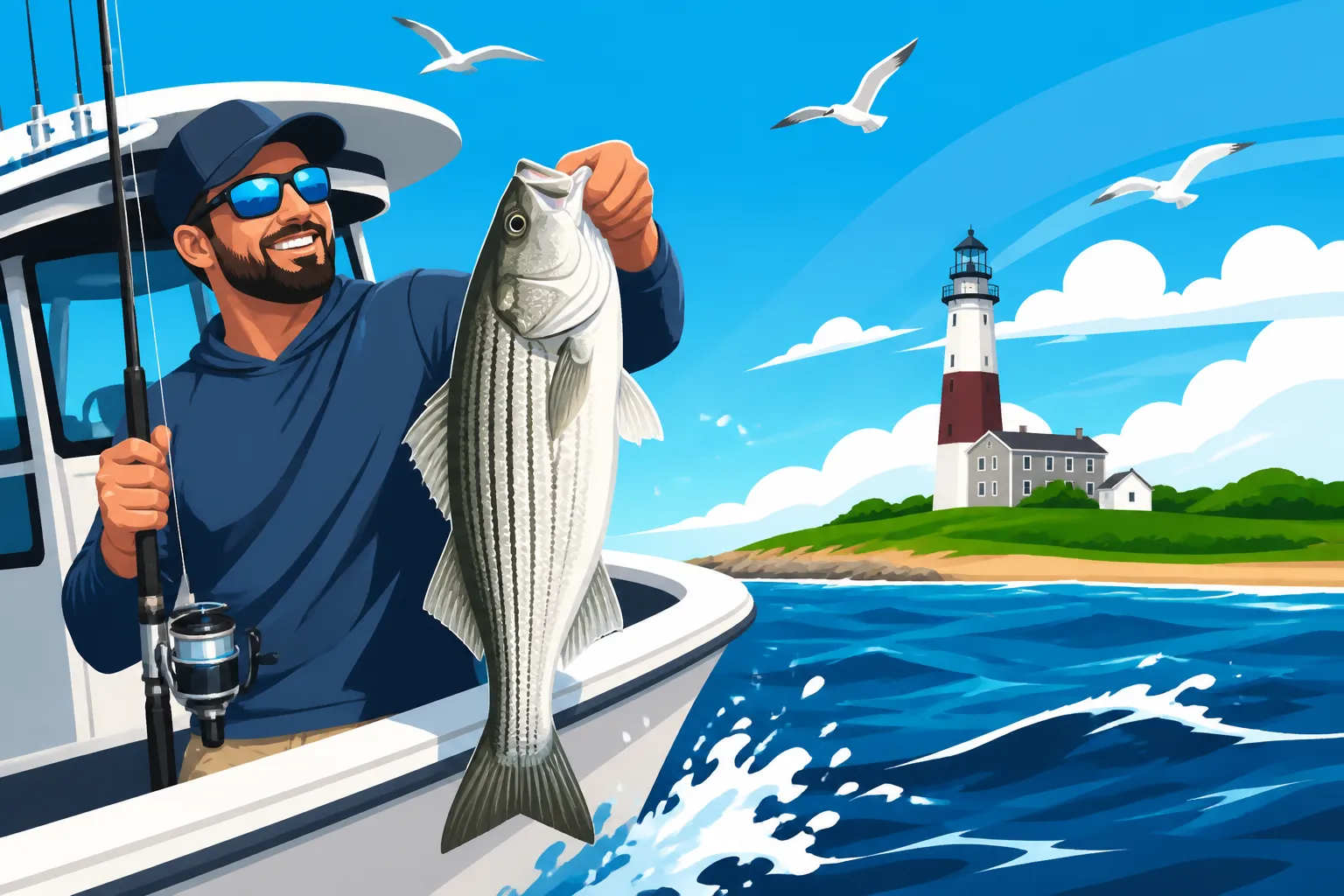
Long Island Fishing Charters
Oh, the allure of fishing on Long Island! It's a dream for many, but when you start looking into it, the sheer number of options can feel a bit like trying to untangle a hundred-pound fishing knot. From the calm bays to the roaring ocean, picking the right charter can be overwhelming. This guide is here to cut through the confusion, helping you understand the diverse world of Long Island fishing charters and how to plan your perfect angling adventure.
Why Long Island is a Premier Fishing Destination
Long Island, with its immense coastline and diverse aquatic environments, isn't just a stretch of land; it's a fishing paradise. For anglers, both seasoned and novice, it offers an incredible variety of experiences, species, and backdrops. The unique geography, encompassing sheltered bays, the vast Long Island Sound, and the open Atlantic Ocean, creates a multitude of habitats for a wide array of fish.
The Diversity of Long Island's Waters
Think about it: you've got the gentle, brackish waters of the Great South Bay, ideal for light tackle and family fun, then you transition to the more dynamic currents of the Long Island Sound, where larger game fish lurk. And beyond the sandy shores of Montauk, you're in the deep blue of the Atlantic, chasing pelagic species. This incredible range means that no matter your preference or skill level, there's a body of water on Long Island that calls your name. It's not just one type of fishing; it's a whole spectrum, each offering its own challenges and rewards.
From the quiet coves to the bustling inlets, the aquatic tapestry of Long Island supports a vibrant ecosystem. This diversity translates directly into fantastic fishing opportunities year-round, though the target species certainly change with the seasons. It’s this constant change and variety that keeps anglers coming back, always learning, always exploring.
A Haven for Popular Game Fish
If you're wondering what you can actually catch out here, the answer is usually "a lot!" Long Island is famous for its robust populations of many highly sought-after game fish. We're talking about species that put up a serious fight and make for an exhilarating day on the water.
Of course, the king of Long Island fishing, especially in the spring and fall, has to be the striped bass. These powerful fish draw anglers from all over, seeking the thrill of their legendary runs. Then there's the aggressive bluefish, known for their toothy grins and fierce strikes. But it doesn't stop there; fluke, porgies, sea bass, and tautog (blackfish) are staples of the inshore fishery, offering delicious table fare and plenty of action. Go offshore, and you're entering the realm of tuna, mahi-mahi, and even sharks, for those truly adventurous souls. Fish Species You Can Catch in New York covers a broader look at the state's aquatic inhabitants.
The sheer abundance of these species means that most charter trips, even on slower days, have a good chance of putting you on some fish. This consistent action is a huge draw and a significant reason why Long Island remains a top-tier fishing destination. The excitement of not knowing exactly what might hit your line next, but knowing it's probably going to be something exciting, is truly what makes it special.
Types of Long Island Fishing Charters
When you decide to book a fishing trip on Long Island, you'll quickly discover that not all charters are created equal. The type of charter you choose will heavily influence your experience, from the number of people on board to the species you target and even the cost. Understanding the distinctions between party boats, private charters, and their different specialties is key to finding the perfect fit for your angling goals.
Party Boats: Social Fishing at a Lower Cost
Party boats, often referred to as head boats, are a fantastic entry point into the world of Long Island fishing, especially if you're on a budget or looking for a social outing. On these vessels, you pay a per-person fee, and you fish alongside many other anglers. It’s a bit like a floating community where everyone shares the common goal of catching fish.
These boats typically accommodate anywhere from 20 to over 100 passengers, making them quite large and stable. They usually focus on more common, abundant species that are found closer to shore, such as porgies, sea bass, fluke, and sometimes cod or blackfish, depending on the season. The crew on a party boat is usually very experienced and incredibly helpful, offering advice, baiting hooks, and even helping to net your catch. It's a great way to learn the ropes, pick up new techniques, and enjoy the camaraderie of fellow fishermen. You'll find many of these operating out of ports like Captree State Park or Sheepshead Bay.
While you might not get the individualized attention of a private charter, party boats offer a unique communal experience. Many friendships are forged over shared lines and successful hauls. Plus, the sheer volume of lines in the water can sometimes lead to some truly impressive collective catches. It's important to remember that you'll be sharing space, so personal interaction with the crew and captain might be limited compared to a private trip.
Private Charters: Tailored Experiences for Smaller Groups
For those seeking a more personalized, intimate, and flexible fishing experience, a private charter is the way to go. You book the entire boat for your group, whether that's two people or six (the typical maximum, though some larger vessels can accommodate more). This means you have direct input into everything from the target species to the specific fishing grounds and even the departure time.
Private charters are perfect for families, groups of friends, or corporate outings where you want exclusive access to the boat and the undivided attention of the captain and mate. The captain can tailor the trip to your group's skill level and preferences, whether you want to focus on catching that trophy striped bass, drift for fluke, or even venture further offshore for tuna. The flexibility is unparalleled, and the instruction you receive is often invaluable, allowing you to refine your techniques and learn directly from seasoned pros. For instance, if you're really keen on Fluke Fishing on Long Island Sound, a private charter can dedicate the entire trip to that pursuit.
The cost for a private charter is naturally higher than a party boat since you're covering the entire vessel, but when you split it among a few people, it often becomes quite reasonable for the quality of the experience. Many Montauk fishing charters specialize in these kinds of trips. You get to decide the pace, the focus, and truly make the day your own. It's a fantastic option if you're serious about targeting specific fish or just want a truly memorable day out with your chosen companions.
Inshore vs. Offshore Charters: Picking Your Battleground
Beyond the type of vessel, you'll need to decide between an inshore or offshore experience. This distinction is crucial as it determines the species you'll encounter, the type of fishing gear used, and the overall adventure.
Inshore charters stick closer to the coast, typically within a few miles of land or within the bays and sounds. These trips are generally shorter, often half-day excursions, and are excellent for targeting species like striped bass, bluefish, fluke, porgies, and blackfish. The waters are usually calmer, making it a great choice for those prone to seasickness or families with younger children. Inshore fishing often involves techniques like bottom fishing, light tackle jigging, or trolling in shallower waters. It's accessible, often productive, and provides a wonderful taste of Long Island's diverse fishery without a lengthy journey. Best Shore Fishing Spots on Long Island, New York can give you an idea of the close-to-shore opportunities.
Offshore charters, on the other hand, venture far out into the Atlantic Ocean, sometimes 20 to 100 miles or more from shore. These are typically full-day trips, sometimes even overnight, and are geared towards targeting large pelagic species such as tuna (yellowfin, bluefin, bigeye), mahi-mahi (dorado), swordfish, and various shark species. The boats are larger, more robust, and equipped for long runs and battling big fish. The waters can be much rougher, and the journey is a significant part of the experience. It's a serious commitment for serious anglers, offering the chance to catch true trophy fish and experience the raw power of the open ocean.
| Charter Type | Group Size | Cost Structure | Typical Target Species | Water Type | Experience Level | Key Benefit |
|---|---|---|---|---|---|---|
| Party Boat | Large (20-100+) | Per Person | Porgies, Sea Bass, Fluke, Blackfish | Inshore | Beginner to Intermediate | Affordable, Social, Crew Assistance |
| Private Inshore | Small (2-6) | Whole Boat | Striped Bass, Bluefish, Fluke, Tautog | Inshore | All Levels | Customizable, Focused, Personalized Coaching |
| Private Offshore | Small (4-6) | Whole Boat | Tuna, Mahi-Mahi, Shark, Swordfish | Offshore | Intermediate to Advanced | Trophy Fish Potential, Deep Sea Adventure |
Popular Fish Species to Target on Long Island Charters
Long Island is a veritable smorgasbord for anglers, with different species providing excitement throughout the year. Knowing what fish are biting and when can help you plan your trip perfectly, ensuring you're targeting the species that most excites you.
Striped Bass: The Iconic Fighter
Ask any Long Island angler about their favorite fish, and chances are, striped bass will be high on the list. These magnificent fish are powerful, aggressive, and make for an unforgettable fight. They migrate along the Atlantic coast, passing by Long Island in significant numbers during the spring and fall.
Spring is when the larger "cow" stripers arrive, often heading for spawning grounds in rivers like the Hudson. Fishing for them can be incredibly productive, whether you're trolling bunker spoons, chunking with fresh bait, or casting large plugs. As the season progresses into summer, smaller, resident stripers can still be found in the bays and around structure, offering consistent action. Striped Bass Fishing on New York's Hudson River shares insight into this species' habits. Fall, however, brings another incredible run as they feed heavily before heading south for winter, often creating massive blitzes where they chase baitfish to the surface. It's a sight to behold and an angler's dream.
Charters often target striped bass using a variety of methods. Trolling is very effective, especially for locating schools of fish, while live baiting with bunker or eels can entice the biggest fish. For a more active approach, jigging or casting soft plastics around inlets and rips can be incredibly rewarding. The legal size and bag limits for striped bass are subject to change, so always check the most current New York Fishing Regulations Explained before you go.
Fluke (Summer Flounder): The Tasty Bottom Dweller
Fluke, also known as summer flounder, are another highly popular target for Long Island charters, primarily due to their delicious white meat and their abundance in the bays and nearshore waters. They are masters of camouflage, lying in wait on the bottom, ready to ambush unsuspecting baitfish.
Fluke fishing typically kicks off in late spring and continues strong through the summer months. Charters often focus on drift fishing, allowing the boat to move slowly over sandy or muddy bottoms, presenting baits or bucktails to hungry fluke. Key areas include the numerous inlets, channels, and shallow flats throughout Long Island's south shore bays, as well as the Long Island Sound. You can also find them around structure like mussel beds or rocky patches. Fluke Fishing on Long Island Sound provides specific details on these flatfish.
The bite for fluke can be subtle, sometimes just a gentle tap, while other times they'll hammer the bait. Many anglers swear by a "bucktail and gulp" combination, while others prefer classic squid and spearing rigs. Ensuring your bait is presented naturally as it drifts along the bottom is crucial for success. These fish are not only fun to catch but also make for an excellent dinner, making them a favorite for many family-friendly fishing trips.
Bluefish: The Aggressive Predators
If you're looking for an adrenaline rush, bluefish are your go-to species on Long Island. Known for their voracious appetites, sharp teeth, and powerful runs, these fish are pure excitement on the end of a line. They often travel in large schools, creating feeding frenzies that are visible from afar.
Bluefish typically arrive in Long Island waters in late spring and stay through the fall, often mingling with striped bass. Charters will target them in similar areas to stripers, particularly around inlets, rips, and baitfish schools in both the ocean and the sound. They are not picky eaters and will strike at almost anything that moves, from metal jigs and poppers to chunks of bunker or mackerel. Bluefish Fishing on Long Island Sound, New York details some great strategies for these toothy critters.
When a school of bluefish is on the feed, the action can be non-stop. They hit hard and fight dirty, making multiple blistering runs. Be prepared for some chaotic fun and consider using heavier leader material to prevent their razor-sharp teeth from cutting your line. While some anglers find their meat a bit strong, many enjoy them smoked or prepared fresh. Just be careful when handling them – those teeth are no joke!
Tuna: The Offshore Giants
For the ultimate big-game fishing experience, Long Island's offshore charters offer the chance to battle various species of tuna. These powerful pelagic fish are the epitome of deep-sea angling, demanding strength, endurance, and specialized gear.
Depending on the season and water temperatures, you might encounter bluefin, yellowfin, or even bigeye tuna off the coast of Long Island. These trips involve long runs far offshore to fishing grounds like the canyons, where warm-water currents create rich feeding grounds. Techniques include trolling with a spread of lures and baits, chunking with cut bait to attract them to the boat, or even jigging and popping once a school is located. These are typically multi-day or very long day trips, designed for serious anglers.
Catching a tuna is an epic battle that can last for hours. It's physically demanding but incredibly rewarding, often resulting in hundreds of pounds of prime sushi-grade fish. Offshore charters are equipped with heavy-duty tackle, outriggers, and advanced electronics to locate these elusive giants. It's a bucket-list experience for many and highlights the incredible diversity of fishing available right from Long Island's shores.
What to Expect on a Long Island Fishing Charter
Embarking on a fishing charter, especially if it's your first time, can bring a mix of excitement and a little bit of uncertainty. Knowing what the typical process entails, what gear is provided, and what you should bring can help calm any nerves and ensure you have a fantastic day on the water.
Booking Your Trip and Pre-Trip Communication
The journey to a successful fishing trip usually begins long before you step aboard the boat. Most charters, whether private or party boat, require reservations, especially during peak season. You'll want to communicate clearly about your group size, target species, preferred dates, and any special requests you might have.
Many charters utilize online booking platforms or have their own websites where you can check availability and book directly. Websites like FishingBooker are popular platforms where you can find and compare various Long Island charters, read reviews, and often book your trip with ease. Once booked, expect to receive confirmation details and sometimes a reminder closer to your trip date. It's always a good idea to confirm directly with the captain a day or two beforehand, especially concerning weather conditions. Don't hesitate to ask any questions that come to mind; a good captain will appreciate your preparedness.
During this pre-trip phase, the captain or booking agent should inform you about meeting points, departure times, and any specific requirements or recommendations for your trip. This ensures everyone is on the same page and minimizes any last-minute surprises. This open communication sets the tone for a smooth and enjoyable experience on the water.
Provided Gear and What to Bring Yourself
One of the great advantages of booking a fishing charter is that they typically provide all the necessary fishing gear. This means you don't need to worry about owning expensive rods, reels, tackle, or bait. The charter will have appropriate equipment for the target species and fishing style, ensuring you're using gear that can handle the fish you're after.
For a typical charter, rods, reels, line, hooks, weights, and bait will be supplied. The mate or crew will help set up your lines and show you how to use the gear. However, there are a few essentials you'll definitely want to bring along yourself to ensure comfort and preparedness. These include appropriate clothing layers, as temperatures on the water can change quickly, sun protection (hat, sunglasses, sunscreen), and non-slip shoes. Pack any personal medications you might need, especially if you're prone to seasickness, and consider bringing a camera to capture those memorable moments. Some charters might even recommend bringing your own small cooler for drinks and snacks. What to Bring on a New York Fishing Charter offers a comprehensive packing list.
It’s always a good idea to double-check with your specific charter what they recommend bringing. They know their boat and their typical trips best. Generally, keeping your personal items to a minimum is a good idea, as space can sometimes be limited, especially on party boats. The less you have to manage, the more you can focus on the fishing!
Fish Cleaning, Tipping, and Post-Trip Considerations
After a successful day of fishing, you might be wondering what happens to your catch. Most Long Island charters offer fish cleaning services, either included in the price or for a small additional fee. The mate or crew will expertly fillet and bag your fish, ready for you to take home and cook. This service is a huge convenience and well worth it, especially if you're not experienced in cleaning fish yourself.
Tipping the crew is customary and highly encouraged. Mates and deckhands work incredibly hard to ensure you have a good time, from preparing bait and untangling lines to netting fish and cleaning your catch. A general guideline is to tip 15-20% of the total charter cost for their excellent service. This is their livelihood and a reflection of your appreciation for their effort. Tipping Etiquette for New York Fishing Charters delves deeper into this important aspect.
Before you leave the dock, ensure you have all your belongings and your freshly cleaned fish securely stored. Take a moment to thank the captain and crew for their hard work. Many anglers also like to exchange contact information with new friends made on party boats, or share photos with their private charter captain. Reflecting on the day's successes and even the "ones that got away" is all part of the enduring joy of fishing.
Choosing the Right Long Island Fishing Charter
With so many options available, selecting the perfect Long Island fishing charter can feel like a big decision. It really comes down to aligning your expectations with what different charters offer. By considering your budget, group size, target species, and overall desired experience, you can narrow down the choices and find a trip that's just right for you.
Considering Your Budget and Group Size
These two factors often go hand-in-hand and are usually the first things to consider when looking for a charter. Your budget will largely dictate whether a party boat or a private charter is more feasible, and your group size will determine which size of vessel is appropriate.
Party boats are excellent for individuals or small groups on a tighter budget, as you only pay for your spot. The cost per person is significantly lower than that of a private charter, making it accessible for many. However, if you have a larger group, say 4-6 people, a private charter can actually become very cost-effective when the total price is split amongst everyone. It offers a premium experience without necessarily breaking the bank for each individual. Be sure to understand if the quoted price is per person or for the entire boat, and what's included or extra. Sometimes bait and tackle are included, other times they are an additional charge.
If you're planning a corporate event or a large family reunion, some bigger private charters can accommodate more people, but this will naturally come with a higher price tag. Conversely, if it's just you and a friend, a party boat might be the most economical and social choice. It’s all about finding that sweet spot where cost meets comfort and capability for your particular crew.
Identifying Your Target Species and Experience Level
What do you really want to catch? This is perhaps the most exciting question and one that dramatically influences your charter choice. As we've discussed, different charters specialize in different fish and different styles of fishing.
If your dream is to battle a giant tuna, then an offshore private charter is your only option. If you're hoping to fill a cooler with delicious fluke or porgies, then an inshore private charter or a party boat focusing on bottom fishing would be perfect. Always communicate your target species clearly when booking, as captains often specialize and know the best techniques and spots for particular fish. Some might be known as the Best Fishing Charters for Trophy Muskie (though not on Long Island), others for striped bass fishing on Long Island Sound, New York.
Your experience level also plays a role. Beginners or those new to saltwater fishing might find the guidance and communal atmosphere of a party boat less intimidating. The crew is there to assist, and there's less pressure. Experienced anglers looking to hone their skills, learn advanced techniques, or target specific trophy fish might prefer the personalized coaching and focused approach of a private charter. Don't be shy about letting the captain know your experience level; they can adjust the trip to ensure you have a challenging yet enjoyable time.
Choosing a Reputable Charter and Booking Safely
The reputation of your chosen charter is paramount for a safe and successful trip. In today's digital age, it's easier than ever to research captains and boats, but it also means sifting through a lot of information. Look for charters with consistent positive reviews and a strong track record.
Websites like FishingBooker provide a platform where anglers can leave detailed reviews, giving you valuable insights into a captain's professionalism, the condition of their boat, and their fishing expertise. Pay attention to comments about safety, communication, and how the crew interacts with guests. A captain with a US Coast Guard license is essential for safety and professionalism. Ensure the boat looks well-maintained and that safety equipment is readily available.
When booking, use secure payment methods and ensure you understand the charter's cancellation policy. Cancellation Policies for New York Fishing Charters are important to review, especially regarding weather-related cancellations. A reputable charter will be transparent about all aspects of the trip, from pricing to safety protocols. If something feels off, it's always better to look for another option. Your safety and enjoyment are worth the extra effort in research.
Top Long Island Fishing Regions and Ports
Long Island is a big place, and its coastline offers numerous launch points for fishing charters, each with its own unique characteristics and access to different fishing grounds. Understanding where these major ports are located and what they offer can help you choose the ideal starting point for your fishing adventure.
Montauk: The Fishing Capital of the Northeast
At the very eastern tip of Long Island lies Montauk, a legendary fishing destination often dubbed the "fishing capital of the Northeast." It's famous for its proximity to prime offshore fishing grounds and its incredible striped bass and tuna action.
Montauk's location means quick access to the open Atlantic Ocean, as well as the rich waters around Montauk Point, known for strong currents and abundant baitfish that attract large predators. Charters operating out of Montauk target a wide variety of species, from massive striped bass and bluefish inshore to the offshore giants like tuna, mahi-mahi, and sharks in the deeper waters. The town itself has a bustling fishing village atmosphere, with numerous marinas packed with charter boats. Montauk Fishing Charters are highly sought after, especially during the peak seasons.
If your dream is to catch a trophy striped bass, experience a true tuna fight, or simply immerse yourself in a vibrant fishing culture, Montauk is definitely a place to consider. The captains here are some of the most experienced on the coast, with generations of knowledge about these productive waters. Be prepared for a longer drive to get there, but many anglers agree it's well worth the journey for the quality of fishing.
Shinnecock and Moriches Inlets: Gateway to the South Shore
Further west along Long Island's south shore, the Shinnecock and Moriches Inlets serve as vital gateways between the calm, productive waters of the Great South Bay and the vast Atlantic Ocean. These inlets are dynamic fishing hotspots themselves and launch points for many charters.
Charters from ports near these inlets, such as Shinnecock, Hampton Bays, or East Moriches, have excellent access to both bay and ocean fishing. In the bays, you'll find plenty of fluke, porgies, and smaller striped bass, perfect for lighter tackle and family trips. The inlets themselves are famous for intense striped bass and bluefish action, especially during tide changes when baitfish are flushed through. Just outside the inlets, charters can quickly access nearshore ocean waters for sea bass, blackfish, and sometimes even a shot at larger migratory stripers.
These areas offer a fantastic balance of inshore and nearshore ocean fishing, often allowing charters to switch tactics or locations if one area isn't producing. They're typically a bit easier to reach than Montauk for many Long Islanders, offering a convenient starting point for a productive day on the water.
Captree State Park: Family-Friendly and Convenient
For a more centrally located and incredibly family-friendly option on Long Island's south shore, Captree State Park is a powerhouse. Home to one of the largest public fishing fleets, it's a popular spot for party boats and some private charters.
Captree offers easy access to the Great South Bay and the nearby Fire Island Inlet, leading out to the ocean. The party boats here primarily focus on species like fluke, porgies, sea bass, and bluefish in the bay and close to shore. Because of the calmer bay waters and the experienced crews, it's an ideal spot for beginners, families with children, or those who prefer a more relaxed fishing experience without long runs into rough seas. The park also provides ample parking, bait and tackle shops, and amenities.
Many anglers choose Captree for its convenience and reliability. The captains here have decades of experience fishing these waters and consistently put their clients on fish. If you're looking for a hassle-free, fun day of fishing with a high chance of success and a focus on common, tasty species, Captree is a superb choice.
North Shore Ports: Access to the Long Island Sound
While much of the focus on Long Island fishing is often on the south shore and the Atlantic, the North Shore offers excellent opportunities, primarily through access to the Long Island Sound. Ports like Port Washington, Oyster Bay, and Port Jefferson launch numerous charters.
The Long Island Sound is a rich, estuarine body of water that supports a diverse fishery. Charters here often target striped bass, bluefish, porgies, sea bass, and tautog (blackfish). The fishing can be exceptionally good around the many rocky structures, reefs, and mussel beds that line the Sound. The waters are generally calmer than the open ocean, making it another great option for those who prefer a less bumpy ride.
Fishing the North Shore provides a different perspective on Long Island angling, focusing on the unique challenges and rewards of the Sound. It's often a more local experience for residents of Nassau and western Suffolk counties, offering convenient access to quality fishing without a long drive to the ocean-facing ports. If you're interested in specific species or prefer the dynamics of the Sound, these northern ports are excellent choices.
Essential Preparation for Your Charter Trip
A successful fishing trip isn't just about the captain and the fish; it's also about how well you prepare yourself. A little forethought can make a huge difference in your comfort, safety, and overall enjoyment of the day.
Understanding License Requirements and Regulations
Before you even think about packing your bags, you absolutely need to address fishing licenses and understand the regulations. Fishing in New York requires either a freshwater fishing license or a marine fishing registration, depending on where you're fishing. For saltwater on Long Island, you'll need the New York Recreational Marine Fishing Registry, which is typically free and mandatory for anglers 16 and older.
While many charters operate under a federal permit that covers all passengers, it is your responsibility to verify this with your specific charter. Some captains may prefer or even require that each individual angler has their own registration. It’s better to be safe than sorry, so confirm with your charter operator well in advance. Ignorance of the law is not an excuse, and fines for fishing without proper documentation can be steep. You can typically sign up for the marine registry online through the New York State Department of Environmental Conservation (DEC) website.
Beyond the license itself, familiarize yourself with current catch limits, minimum size requirements, and open seasons for the species you plan to target. Your charter captain will certainly be up-to-date, but knowing the rules yourself adds to the experience and ensures you're a responsible angler. New York Fishing Regulations Explained is a great resource to review.
Packing Smart: Clothing, Sun Protection, and Comfort
Being comfortable on the water is critical for enjoying your day, regardless of how many fish you catch. The weather on the ocean can be unpredictable, often cooler and windier than on land, even on a sunny day. Layering your clothing is always the best strategy.
Start with a moisture-wicking base layer, add a fleece or sweatshirt for warmth, and top it off with a waterproof and windproof outer shell. Even in summer, a light jacket can be a lifesaver, especially during early morning runs or after sunset. Footwear should be non-slip and comfortable, preferably waterproof boots or boat shoes. Sun protection is non-negotiable: a wide-brimmed hat, polarized sunglasses, and high-SPF sunscreen are your best friends on the water. The sun's rays reflect off the water, intensifying their effect, so even on cloudy days, you can get a serious burn.
Consider bringing a small bag or backpack for your personal items. Include any necessary medications (especially motion sickness remedies, which should be taken before you board the boat), a camera, snacks, and plenty of water or other hydrating beverages. Avoiding sugary drinks can help prevent energy crashes later in the day. A small towel can also be handy for wiping hands or gear.
Battling Seasickness: Tips for a Smoother Ride
For some anglers, the thought of seasickness is the biggest deterrent to a great day of fishing. While not everyone experiences it, if you're prone to motion sickness, taking preventative measures is crucial. Don't let a queasy stomach ruin your trip!
The best advice for seasickness is prevention, not cure. Over-the-counter medications like Dramamine or Bonine should be taken before you get on the boat, ideally an hour or more in advance, to allow them to take effect. Patches like scopolamine, available by prescription, can also be very effective for some individuals. Many people find relief by staying on deck, focusing on the horizon, and avoiding looking down at books or phone screens. Eating a light, non-greasy breakfast can also help.
If you start to feel queasy, try to find fresh air, look at the horizon, and stay hydrated. Avoid rich or acidic foods, and definitely steer clear of alcohol the night before or during the trip. Inform the crew if you're feeling unwell; they're experienced and can often offer practical advice or a quiet spot on the boat. Most importantly, don't let the fear of seasickness keep you from experiencing the incredible fishing Long Island has to offer. A little preparation can go a long way.
Understanding Long Island Fishing Charter Costs
It’s natural to wonder about the price tag when planning a fishing adventure. Charter costs on Long Island can vary significantly, reflecting the type of experience, the duration, the number of people, and even the target species. While specific numbers change, understanding the factors that influence these costs can help you budget effectively.
Factors Influencing Charter Prices
Several key elements come into play when charters determine their pricing. The type of charter (party boat vs. private) is a primary differentiator. Party boats, with their per-person pricing, are generally the most economical entry point. Private charters, where you book the entire boat, have a higher overall cost but can become very reasonable when split among a group.
The duration of the trip is another major factor. Half-day trips (typically 4-5 hours) are less expensive than full-day trips (6-8 hours or more), which in turn cost less than extended overnight offshore excursions. Half-Day vs Full-Day Fishing Charters explores this comparison. Longer trips often mean more fuel consumption and more time for the captain and crew, hence the higher price. The target species also plays a role; specialized offshore trips for tuna, for example, often require more fuel, specific heavy-duty gear, and a higher level of expertise, all of which contribute to a higher cost.
The size and amenities of the boat also influence the price. Larger, newer boats with more comfortable cabins, advanced electronics, and top-tier fishing equipment will typically command a higher rate. The experience and reputation of the captain and crew can also factor into the pricing, as highly sought-after guides may charge a premium for their expertise and consistent success.
What's Typically Included and What's Extra
When you get a quote for a Long Island fishing charter, it's crucial to understand what is and isn't included in that price. This helps avoid any surprises and allows you to budget for potential extras.
Most charters generally include the boat, the captain, and a mate or deckhand. Standard fishing gear, including rods, reels, basic tackle, and bait, is almost always part of the package. Some charters might also provide ice for your catch or bottled water. The use of safety equipment, such as life jackets and first-aid supplies, is mandatory and always included.
However, there are several common extras that you should be aware of. Fish cleaning services, while usually offered, might come with an additional charge. Gratuities for the hard-working crew are almost always expected and are not included in the base price. Any special snacks, drinks beyond basic water, or alcoholic beverages are typically your responsibility. Some charters may also have optional add-ons, like specialized tackle or specific types of bait, that incur an extra fee. It's also worth confirming if a fishing license or marine registry is needed and if the charter covers it or if you need to secure it yourself. Do I Need a Fishing License to Fish in New York? is a good place to start for clarity on licensing.
Always ask for a clear breakdown of costs when booking. A reputable charter will be happy to provide this information, ensuring transparency and helping you plan your finances accurately for a stress-free day on the water.
Disclaimer
This article is for general informational purposes only and does not constitute professional advice. Laws, prices and regulations vary by location and change over time. Consult a qualified professional for guidance on your specific situation.