New York Fishing Charter Costs
It's no secret that a fishing trip in New York can be an incredible experience, but the thought of booking a charter often brings with it a big question mark: "How much is this actually going to cost me?" Many anglers feel overwhelmed by vague pricing or worry about hidden fees, making it tough to plan a budget for that dream outing on Lake Ontario or off Long Island. This guide is here to unravel the complexities of New York fishing charter costs, giving you a clear picture of what to expect and how to budget smartly for your next adventure.
Understanding the Factors Influencing Charter Costs
When you start looking into New York fishing charters, you'll quickly realize that prices aren't one-size-fits-all. There's a whole basket of variables that captains and guides consider when setting their rates, and understanding these can help you make an informed decision and find the perfect trip that fits your wallet and your fishing goals. It’s not just about the boat; it’s about the whole package.
Trip Duration: Half-Day, Full-Day, and Beyond
The length of your trip is often the most significant factor in determining the cost. Just like renting a car for a few hours versus a whole weekend, more time on the water generally means a higher price tag.
Most charters offer a few standard options. A "half-day" trip usually clocks in around 4-5 hours. This is a fantastic option for beginners, families with younger kids, or anyone looking for a taste of the action without committing to a full day. It’s typically the most budget-friendly choice, allowing you to experience a guided trip without a huge financial outlay. While you might not range as far or hit as many spots, a good captain can certainly put you on fish in that timeframe. Then there are "full-day" trips, which usually run 7-9 hours. These longer excursions offer more fishing time, allowing the captain to explore different locations, adapt to changing conditions, and target a wider variety of species. You'll often find that a full-day trip, while more expensive upfront, can offer better value per hour of fishing and increase your chances of a successful outing. For serious anglers, the extended time really makes a difference. Beyond these, some specialized trips, like offshore tuna charters or multi-day excursions, can extend even further, with costs escalating accordingly due to fuel, provisions, and the sheer effort involved.
Type of Fishing: Freshwater vs. Saltwater Excursions
New York is unique in its incredible diversity of fishing opportunities, from the vast freshwater Great Lakes to the expansive saltwater coastlines. The environment you choose to fish in plays a substantial role in the charter cost. Generally speaking, saltwater charters, especially those venturing offshore, tend to be more expensive than freshwater trips. This isn't just about the fish; it's about the equipment, the fuel, and the inherent risks.
Saltwater boats, particularly those designed for the open ocean or even large bays like Long Island Sound, are typically larger, heavier-duty vessels that require more maintenance, more powerful engines, and consume significantly more fuel. Think about the robust electronics, safety gear, and specialized tackle needed for battling large pelagic species or navigating unpredictable ocean swells. These factors directly translate into higher operating costs for the captain, which are then reflected in the charter price. Freshwater guiding, while still requiring specialized boats and gear, often involves smaller vessels suitable for lakes and rivers, or even drift boats for fly fishing, which can have lower overheads. However, don't mistake "lower cost" for "less value." A freshwater guide on a pristine trout stream or a bass lake provides an equally invaluable experience tailored to that specific environment. It's really about aligning the type of fishing with your expectations and budget.
Target Species and Techniques
The specific fish you hope to catch and the methods required to pursue them also heavily influence charter pricing. Some species demand more specialized gear, more extensive scouting, or more intensive fishing techniques, all of which add to the operational cost.
For example, chasing trophy muskellunge in the St. Lawrence River often requires heavy-duty rods and reels, a boat capable of handling large lures and fighting big fish, and immense patience from a guide who has spent countless hours learning the subtle patterns of these elusive giants. Similarly, targeting salmon on Lake Ontario with downriggers and complex trolling spreads involves expensive electronics, a vast array of specialized spoons and flasher/fly combinations, and a boat designed for big water. Compare this to a more casual panfish trip on a smaller inland lake, which might require simpler bait-and-bobber setups. Deep sea fishing for tuna, sharks, or swordfish necessitates robust offshore vessels, extensive fuel runs, highly specialized tackle, and often a larger crew, pushing costs significantly higher. Even within the same body of water, different techniques can alter the price. A fly fishing guide, for instance, offers a highly personalized experience, often focusing on teaching specific casting techniques and reading the water, which is a different skill set from operating a large trolling boat. Ultimately, the more specialized, extensive, or gear-intensive the pursuit, the more you can expect to pay for the expertise and equipment required.
Deconstructing Freshwater Charter Costs in New York
New York's freshwater fishing scene is incredibly diverse, offering everything from massive Great Lakes salmon runs to serene Catskill trout streams. Each distinct environment and target species comes with its own cost structure for charter services. Understanding these differences can help you plan your ideal freshwater angling adventure.
Great Lakes Salmon and Trout Charters (Lake Ontario/Erie)
When you dream of battling massive Chinook salmon or chrome-bright steelhead, New York's Great Lakes — especially Lake Ontario and Lake Erie — immediately come to mind. These charters are among the most popular and often represent a significant investment, but for good reason. Lake Ontario Salmon Charter Cost in New York can vary, but generally, expect these to be on the higher end of freshwater charters.
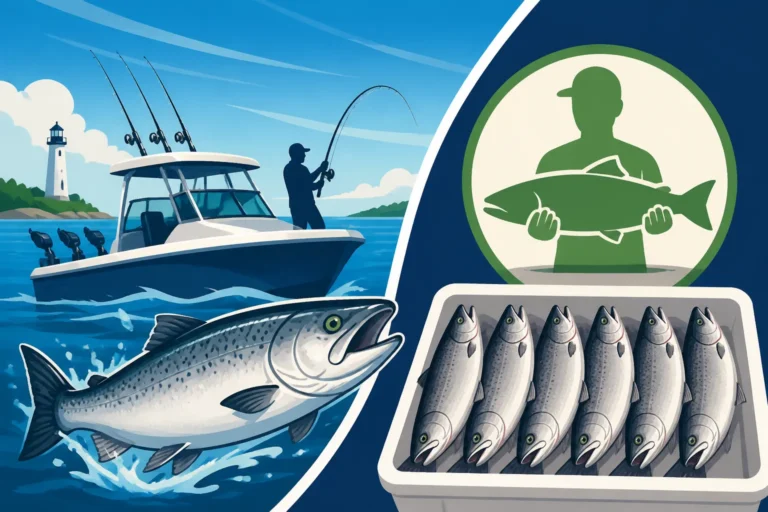
A typical full-day salmon or trout charter on Lake Ontario might run for 8 hours, often starting well before dawn to hit the best bite. The cost reflects the specialized equipment needed: large, well-maintained boats (often 25-30+ feet) equipped with multiple downriggers, planar boards, sophisticated sonar systems, and a vast arsenal of high-quality rods, reels, and lures designed to mimic baitfish at various depths. These boats consume a substantial amount of fuel, covering many miles in search of migratory fish. Captains running these operations possess a deep understanding of lake currents, thermoclines, and fish movements, accumulated over years of experience. They also bear the significant costs of boat maintenance, insurance, and licensing for commercial operation on such large bodies of water. Think about the expense of replacing a snapped downrigger cable or a broken rod during an intense fight! These aren't small investments, and the pricing reflects the scale of the operation and the expertise provided. If you're looking for a group outing, remember that the New York Lake Ontario Charter Cost for a Group of Four often represents a better per-person value than a solo trip.
Finger Lakes and Inland Lake Charters
Beyond the Great Lakes, New York's countless inland lakes, including the iconic Finger Lakes, offer fantastic freshwater fishing opportunities for species like lake trout, landlocked salmon, smallmouth and largemouth bass, and walleye. Charters on these waters tend to be a bit more moderate in price compared to their Great Lakes counterparts, primarily due to differences in boat size and operational complexity.
Guides on the Finger Lakes, like Cayuga or Seneca, typically operate smaller, though still highly capable, boats. These might be 20-24 foot fishing boats equipped for trolling or casting, but generally, they don't require the same heavy-duty equipment or fuel consumption as a large Lake Ontario salmon boat. The costs associated with maintenance and fuel for these types of vessels are usually lower. You'll find guides specializing in specific species, from trolling for deepwater lake trout with sophisticated electronics to casting for aggressive smallmouth bass along rocky shorelines. While the per-trip cost might be less than a Great Lakes charter, the value remains high, as these guides possess intimate knowledge of their specific lakes, including seasonal patterns, prime structure, and effective techniques. They also carry a full complement of rods, reels, and tackle tailored to the target species. A full-day trip on a Finger Lake might focus on covering a wider range of fishing spots, whereas a half-day might concentrate on a few productive areas.
River and Stream Guides (Fly Fishing/Drift Boats)
For those who prefer the tranquility of moving water or the artistry of fly fishing, New York's rivers and streams, particularly in the Catskills for trout or the Great Lakes tributaries for steelhead, offer unique guided experiences. These can range from highly personalized wading trips to drift boat excursions.
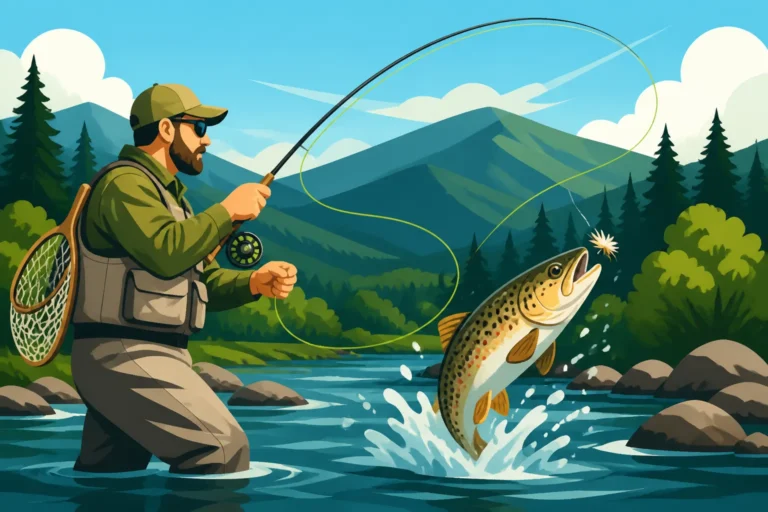
A fly fishing guide on a classic Catskill stream like the Beaverkill or Willowemoc provides an entirely different kind of service. Often, the "boat" is a drift boat, designed to navigate shallow rivers safely, or the trip might even be entirely on foot, wading alongside the angler. The cost for these guides reflects their highly specialized knowledge of entomology (insect life), water dynamics, and casting techniques, along with their ability to teach and instruct. They'll supply appropriate fly rods, reels, and a selection of hand-tied flies, guiding you to prime holding water and helping you "match the hatch." These trips are intensely focused on the experience of fly fishing itself, often with an emphasis on catch-and-release, rather than simply filling a cooler. Similarly, guides on Great Lakes tributaries, like the Salmon River, who target steelhead and salmon during their spawning runs, often use specialized drift boats or focus on wading techniques. Their expertise lies in understanding migratory patterns, river hydrology, and the subtle takes of these powerful fish in current. While the initial equipment investment for the guide might be less than a large offshore boat, the intellectual capital and physical exertion involved are substantial, and the costs reflect this highly personalized, often educational, experience.
Exploring Saltwater Charter Costs in New York
New York's saltwater frontier, stretching from the bustling waters of Long Island Sound to the offshore canyons beyond Montauk, presents a diverse and often thrilling array of fishing opportunities. Naturally, the costs associated with these charters vary widely depending on how far out you go and what you're targeting.
Long Island Sound and Nearshore Ocean Charters
For many anglers in New York, saltwater fishing begins with the abundant opportunities found in Long Island Sound and the nearshore ocean waters just off the coast. These areas are prime hunting grounds for striped bass, bluefish, fluke, scup (porgies), and blackfish (tautog). Charters here typically offer a more accessible entry point into saltwater fishing compared to their deep-sea counterparts, though costs still reflect the marine environment.
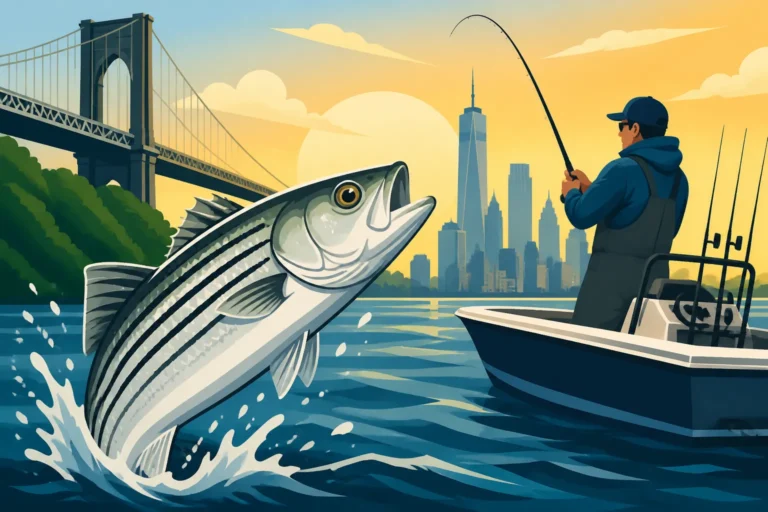
Captains operating in Long Island Sound or within a few miles of the coastline often use boats ranging from 20 to 30 feet, capable of handling coastal chop but not necessarily built for extended offshore runs. These vessels are equipped with sturdy rods and reels suitable for battling strong inshore species, along with standard navigation and fish-finding electronics. The fuel consumption is generally less than true offshore trips, contributing to a more moderate price point. Long Island Fishing Charters will focus on finding the best local spots, whether it's dropping baits over rocky structure for tautog, drifting for fluke over sandy bottoms, or casting lures into rips for striped bass and bluefish. Charters for these species often run for half-days or full-days, with half-day options being particularly popular for families or those new to saltwater angling. The cost typically covers the boat, captain's expertise, all necessary tackle, and usually bait. These trips offer a fantastic balance of exciting fishing and reasonable cost, making them a popular choice for many.
Offshore and Deep Sea Fishing Excursions (Montauk)
When the craving for truly massive fish like tuna, sharks, or even swordfish hits, New York anglers head to the open ocean, often out of ports like Montauk, which serves as a gateway to the rich fishing grounds of the Atlantic. These deep-sea and offshore excursions represent the pinnacle of New York fishing charter costs, and for good reason.
Offshore charters are an entirely different beast. The boats are typically larger (35-60+ feet), more robust, and built to withstand the rigors of the open ocean. They are equipped with powerful, fuel-guzzling engines that can travel 50-100 miles or more to reach distant canyons and offshore banks. The amount of fuel burned alone can be a staggering cost for the captain. Beyond fuel, these vessels house state-of-the-art electronics, including advanced radar, multiple GPS units, satellite phones, and powerful sonar to pinpoint pelagic species. The tackle is heavy-duty, designed to handle fish weighing hundreds of pounds, and is incredibly expensive to purchase and maintain. Furthermore, offshore trips often require a larger crew for safety, navigation, and assisting anglers with complex techniques like stand-up fighting or harpooning. These trips are typically full-day affairs, often lasting 10-16 hours, or even overnight, and their pricing reflects the immense operational costs, the specialized expertise required to navigate and fish these remote waters, and the potential for a truly once-in-a-lifetime trophy catch. If you're looking for a serious challenge and an epic adventure, be prepared for a premium price tag.
Party Boat vs. Private Charter Options
Beyond the type of water, how you choose to experience your saltwater trip also significantly impacts the cost. In New York, particularly in popular coastal towns, you generally have two main choices: a "party boat" (also known as a head boat) or a "private charter." Each offers a different experience at a vastly different price point.
A "party boat" is the most economical way to get out on the saltwater. You pay a per-person fee, and you fish alongside many other anglers, sometimes dozens of them. These boats are typically large, stable vessels, often designed to accommodate a crowd, and they make regular trips to productive inshore fishing grounds for species like fluke, porgies, blackfish, or sea bass. The cost is relatively low because it's divided among many passengers. You'll usually get basic bait and tackle provided, though many seasoned party boat anglers bring their own gear. While you might not get the individualized attention of a private trip, it's a fantastic, social way to go fishing, especially for beginners or those on a tighter budget. It's a great option to try saltwater fishing without a huge commitment.
In contrast, a "private charter" means you and your chosen group (family, friends, colleagues) have the entire boat and captain to yourselves. This offers unparalleled flexibility: you can often choose your target species, fishing technique, and even the pace of the day. The captain's sole focus is on your group, providing personalized instruction and attention. While the upfront cost of a private charter is significantly higher than a party boat's per-person fee, if you divide that cost among a group of 4-6 anglers, the per-person price can become much more palatable, sometimes even competitive with specialized party boat trips. Private vs Shared Fishing Charters: What's the Difference? often boils down to this: intimacy and customization versus affordability and a communal experience. A private charter is ideal for those seeking a bespoke fishing experience, more privacy, or specific instruction, while a party boat offers an accessible and fun communal outing.
What's Included (and Not Included) in Your Charter Fee
One of the biggest sources of confusion and potential frustration for anglers booking a New York fishing charter is understanding exactly what their hard-earned money covers. It's crucial to clarify these details upfront to avoid any unwelcome surprises on the day of your trip.
Standard Inclusions: Gear, Bait, and Expertise
The good news is that most reputable New York fishing charters include the essentials you'll need for a successful day on the water, taking a lot of the logistical burden off your shoulders. This is part of the value proposition of hiring a guide.
First and foremost, your charter fee almost universally covers the use of quality fishing rods, reels, and tackle. You don't need to haul your own gear or worry about having the right setup for the target species. Captains invest heavily in well-maintained, species-appropriate equipment, from light spinning gear for panfish to heavy-duty conventional setups for tuna. They'll also provide the necessary bait, whether it's live minnows for walleye, cut bunker for striped bass, or a spread of specialized lures for salmon. This saves you the time and expense of sourcing these perishable or expensive items yourself. Perhaps the most valuable inclusion, however, is the captain's expertise and local knowledge. These individuals spend hundreds, if not thousands, of hours on the water, honing their skills, understanding fish patterns, reading weather, and knowing the best spots at any given time. Their experience is what dramatically increases your chances of a productive day. Beyond the fishing, they ensure your safety, navigate the waters, and operate all the necessary equipment, providing a seamless experience. Many captains are also excellent teachers, happy to offer instruction on casting, rigging, and fighting fish, making a guided trip perfect for Best Fishing Charters for Beginners on New York's Lake Ontario or any other body of water.
Common Exclusions: Licenses, Food, and Fish Cleaning
While charters provide much of what you need, there are several common items and services that are almost always not included in the base fee. Being aware of these will help you accurately budget for your entire trip.
The first and most critical exclusion is your New York fishing license. Every angler of legal age is required to possess a valid New York State fishing license for freshwater fishing, and a marine registration for saltwater fishing, before stepping foot on the boat. While some charter boats might offer advice on where to purchase one, it is ultimately your responsibility to obtain it. Never assume it's included, and always ensure you have the correct type for the waters you'll be fishing. For freshwater, this means a standard fishing license, which you can read more about in our New York Fishing License Guide. For saltwater, you'll need to be registered with the New York State Recreational Marine Fishing Registry. The important question, Do I Need My Own Fishing License on a Charter Boat?, is almost always answered with a resounding "yes."
Beyond licenses, food and drinks are typically not provided, unless explicitly stated as part of a specialized, higher-end package. You'll need to bring your own snacks, sandwiches, and beverages to stay fueled and hydrated throughout the day. Many anglers also forget about sunscreen, hats, sunglasses, and appropriate clothing for the weather conditions. These personal comfort items are essential. Lastly, while your captain will certainly help net and handle your catch, fish cleaning and processing at the end of the day is often an additional service, sometimes for an extra fee or handled by a separate dockside service. Don't expect your captain to fillet every single fish without discussion beforehand; clarify this detail if it's important to you.
Tipping Etiquette: An Unwritten Rule of the Water
This is where many first-time charter clients feel a bit lost, but understanding tipping etiquette is crucial. Tipping your captain and crew is not just customary, it's an essential part of the industry, a way to acknowledge their hard work, expertise, and dedication to your experience.
Just like in other service industries, a tip is a token of appreciation for a job well done. The industry standard for tipping etiquette for New York fishing charters typically ranges from 15% to 20% of the total charter cost. This isn't just for putting you on fish; it's for their effort in preparing the boat, maintaining the gear, cleaning up afterward, providing instruction, ensuring your safety, and making your day enjoyable. Even if the fish aren't biting (which happens, it's fishing after all!), a good captain and crew are still working hard to find them and provide a positive experience. Therefore, the tip should primarily reflect the effort and service, not solely the size of your catch. If the crew went above and beyond, handled challenging conditions expertly, or provided exceptional instruction, consider tipping on the higher end of that range. It's polite to hand the tip directly to the captain or crew member in cash at the end of the trip. If you're unsure, or if you had an extraordinary experience, a quick, discreet chat with the captain at the end of the day can clarify the best way to show your appreciation. Always factor this additional cost into your budget, as it's a significant component of the overall expense.
Hidden Costs and Budgeting Tips for Your New York Fishing Trip
Planning a fishing charter means thinking beyond just the boat fee. There are often ancillary costs that can quickly add up, turning what seemed like an affordable trip into a budget-buster if not accounted for. Let's delve into these potential "hidden" expenses and how to plan for them.
Travel, Accommodation, and Pre-Trip Supplies
Unless you live right on the water, getting to your New York fishing charter location will involve travel, and often, an overnight stay. These can be significant additions to your overall trip cost.
Consider the cost of fuel for your vehicle if you're driving to a charter departure point like Oswego for Lake Ontario salmon or Montauk for offshore tuna. If you're coming from further away, flights and airport transfers will also need to be factored in. Then there's accommodation. Many popular fishing destinations in New York, especially during peak seasons, see inflated hotel or rental property prices. Booking well in advance can sometimes help mitigate this, but it's a cost you absolutely cannot ignore. You might need a place to stay the night before an early morning departure, or the night after a long, exhausting day on the water. Beyond travel and lodging, don't forget pre-trip supplies. We already discussed food and drinks for the boat, but think about specialized gear you might want, such as good rain gear, polarized sunglasses, a comfortable fishing hat, or sea-sickness medication. While charters provide the essential fishing tackle, having your own comfort items can make a world of difference. Even small things like ice for your cooler for the ride home can add up.
Fish Processing and Shipping
So, you've had an incredible day and the cooler is full of delicious New York fish. Fantastic! But now, how do you get it home, especially if you're traveling a long distance or want it professionally prepared?
Most charter captains will offer to clean a limited number of fish or point you towards a local fish processing service at the dock. These services often come with an additional fee, calculated per pound or per fish. This fee covers the filleting, skinning, and sometimes even vacuum-sealing of your catch, making it ready for cooking or freezing. If you're on a multi-day trip or caught a substantial amount, this service can be incredibly convenient and ensure your hard-earned catch is properly handled. If you're flying home, you'll need to consider shipping costs. Many processing centers can pack your fillets in insulated, airline-approved containers for transport, but this adds another layer of expense. Alternatively, you might need to buy a high-quality cooler and extra ice to ensure your fish stays fresh during your journey. Always inquire about these options and their associated costs at the time of booking or upon arrival at the dock. Don't let the excitement of a full cooler blind you to the practicalities and expenses of getting your bounty home in prime condition.
How to Save Money Without Sacrificing the Experience
While a fishing charter is an investment, there are smart ways to manage costs without completely sacrificing the experience or the quality of your trip. It's all about making informed choices.
One of the best strategies is to gather a group. The per-person cost of a private charter often drops significantly when shared among several anglers. For example, a charter that costs X amount for the boat might be intimidating for one or two people, but divide it by six, and it becomes much more affordable. You can learn more about New York Lake Ontario Charter Cost for a Group of Four to see how group size impacts pricing. Another great tip is to consider off-peak seasons or weekdays. Just like vacation travel, fishing charters can be more expensive and harder to book on weekends or during prime holiday weeks. Opting for a weekday trip or exploring fishing opportunities in the shoulder seasons (early spring or late fall, weather permitting) can sometimes lead to reduced rates or special offers. Always ask about such possibilities when inquiring. Furthermore, be realistic about trip duration. While a full-day trip offers more fishing time, a half-day charter is often a significantly more budget-friendly option and can still provide an exciting and memorable experience, especially for those new to charter fishing. Don't feel pressured into a full day if your budget or stamina doesn't allow for it. Finally, if you're traveling light, many charter booking platforms like FishingBooker allow you to compare prices and options, helping you find the best deal for your desired trip. Doing your homework can really pay off!
Comparing Charter Booking Platforms and Direct Booking
Once you've got a handle on what you want to fish for and what factors influence the cost, the next step is actually finding and booking your charter. In today's digital age, you have more options than ever, each with its own advantages and disadvantages.
Online Booking Platforms (e.g., FishingBooker)
One of the most popular and convenient ways to find and book a fishing charter in New York is through dedicated online booking platforms. These platforms act as a centralized marketplace, connecting anglers with charter captains and guides.
Platforms like FishingBooker have revolutionized how many people find their fishing trips. Their primary benefit is convenience and transparency. You can browse through a wide selection of charters in different New York locations, filtering by species, trip duration, boat type, and, crucially, price. Each listing typically provides detailed information about the captain, the boat, what's included, and often a calendar showing availability. One of the most valuable aspects of these platforms is the customer review system. You can read honest feedback from previous clients, which helps you gauge the quality of the captain, the boat, and the overall experience before you commit. This adds a layer of accountability that can be hard to find otherwise. Furthermore, these platforms often handle the booking and payment process securely, providing a layer of protection for both the angler and the captain. They can be particularly useful for comparing Weekly Fishing License Price Compared to Annual options or different charter durations like Half-Day vs Full-Day Fishing Charters side-by-side. While they might include a small booking fee, the ease of comparison, secure payment, and access to reviews often make them a worthwhile tool for planning your New York fishing adventure.
Direct Booking with Captains and Guides
While online platforms offer convenience, many anglers, especially seasoned ones, prefer the traditional route of booking directly with a captain or guide. This approach has its own set of unique benefits.
Booking directly means you're communicating one-on-one with the person who will be taking you fishing. This allows for a much more personalized conversation about your expectations, skill level, and target species. You can ask specific Questions to Ask Before Booking a Fishing Charter and get direct answers, fostering a personal connection before you even step on the boat. This direct communication can sometimes lead to more flexibility regarding trip customization or scheduling, as you're not constrained by the fixed structures of a booking platform. You might also find that some captains prefer direct bookings and occasionally offer slightly better rates or more flexible payment terms since they're not paying a commission to a third-party platform. To find guides for direct booking, you might rely on word-of-mouth recommendations, local fishing forums, or searching online for "New York fishing guides" in a specific area. While it requires a bit more legwork on your part to research and vet the captain, and you might need to handle payment directly, many anglers appreciate the personal touch and direct relationship forged through this method. Knowing How to Find a Reputable Fishing Guide in New York directly can be a game-changer.
Reading Reviews and Asking the Right Questions
Regardless of how you choose to book your New York fishing charter, doing your due diligence is absolutely paramount to ensuring a positive experience and getting good value for your money. Don't just pick the cheapest option!
Firstly, always read reviews. If you're using an online platform, pour over the client testimonials. Look for consistent themes: praise for the captain's knowledge, friendliness, the cleanliness of the boat, quality of gear, and overall professionalism. Be wary of listings with no reviews or a suspiciously high number of generic, glowing reviews. If booking directly, ask for references or check independent fishing forums and social media groups for mentions of the captain. Secondly, don't be afraid to ask questions before you commit. A good captain will welcome your inquiries and provide clear, honest answers. Ask about what's included and excluded (revisit our sections above!), the captain's experience targeting your desired species, their typical safety procedures, what happens in case of bad weather (cancellation policies are important!), and their policy on fish cleaning. Clarity upfront prevents disappointment later. You can also inquire about the specific type of boat and equipment they use. Remember, you're investing in an experience, and open communication is key to making sure that experience lives up to your expectations.
Is a New York Fishing Charter Worth the Investment?
After breaking down all the costs and considerations, you might be asking yourself if booking a New York fishing charter is truly worth the investment. For many, the answer is a resounding yes, and it goes far beyond simply catching fish.
The Value of Local Knowledge and Specialized Equipment
One of the most compelling reasons to book a charter is the unparalleled access it provides to local knowledge and specialized equipment that most recreational anglers simply don't possess.
Imagine trying to navigate the vastness of Lake Ontario to find salmon without a lifetime of experience, or attempting to locate elusive striped bass in the intricate channels of the Hudson River on your own. A charter captain has spent years, often decades, learning the nuances of their home waters – the subtle changes in current, the specific underwater structures where fish hold, the seasonal migratory patterns, and the most effective baits and techniques for any given day. This local knowledge is invaluable and can significantly increase your chances of a successful outing. Beyond that, the specialized equipment provided by a charter is often top-of-the-line. We're talking about high-end rods, reels, downriggers, advanced sonar, GPS systems, and safety gear – all meticulously maintained and specifically tailored for the target species and fishing conditions. Acquiring and maintaining such an arsenal on your own would be an astronomical expense for most anglers. By booking a charter, you're essentially renting all this expertise and equipment for the day, allowing you to fish at a level that would otherwise be out of reach. It's an investment in efficiency and opportunity.
Creating Unforgettable Memories on the Water
While catching fish is certainly a goal, the true value of a New York fishing charter often lies in the memories you create, whether it's with family, friends, or even on a solo adventure.
Think about the thrill of hooking into a powerful Chinook salmon that strips line off your reel, the satisfaction of landing a trophy walleye, or the sheer joy of watching a child catch their first fish. These are moments that stay with you long after the boat is back at the dock. A charter trip provides an opportunity to connect with nature, to escape the hustle and bustle of daily life, and to experience the stunning beauty of New York's waterways, from the serene Finger Lakes to the dramatic Atlantic coastline. It's a chance to bond with loved ones over a shared passion, to learn new skills from an experienced professional, and to simply enjoy being out on the water. These experiences, the stories you'll tell, and the photographs you'll cherish, often far outweigh the monetary cost of the trip. The investment is not just in a fishing trip, but in building lasting memories and fostering a deeper appreciation for the outdoors.
Beginner-Friendly and Family-Focused Options
For many, the idea of a fishing charter can seem intimidating, especially for those new to fishing or looking to bring their entire family. However, New York fishing charters offer numerous options that are incredibly welcoming and well-suited for beginners and families.
Many captains pride themselves on catering to novice anglers, patiently teaching them the basics of casting, rigging, and fighting fish. They understand that not everyone on board is a seasoned pro, and they adjust their approach accordingly, focusing on instruction and ensuring everyone has a positive experience. This makes a charter an excellent way to introduce kids to fishing in a safe, controlled, and exciting environment. There are numerous family-friendly fishing charters in New York that prioritize fun, comfort, and a gentle learning curve. They'll often target species that are generally easier to catch, ensuring plenty of action to keep everyone engaged. The captain and crew handle all the heavy lifting – navigating, baiting hooks, untangling lines – allowing parents to relax and enjoy the experience alongside their children. This ease of access, combined with the educational aspect and the high likelihood of catching fish, makes charters a fantastic investment for creating positive outdoor experiences for the whole family, fostering a love for fishing that can last a lifetime.
Disclaimer
This article is for general informational purposes only and does not constitute professional advice. Laws, prices and regulations vary by location and change over time. Consult a qualified professional for guidance on your specific situation.