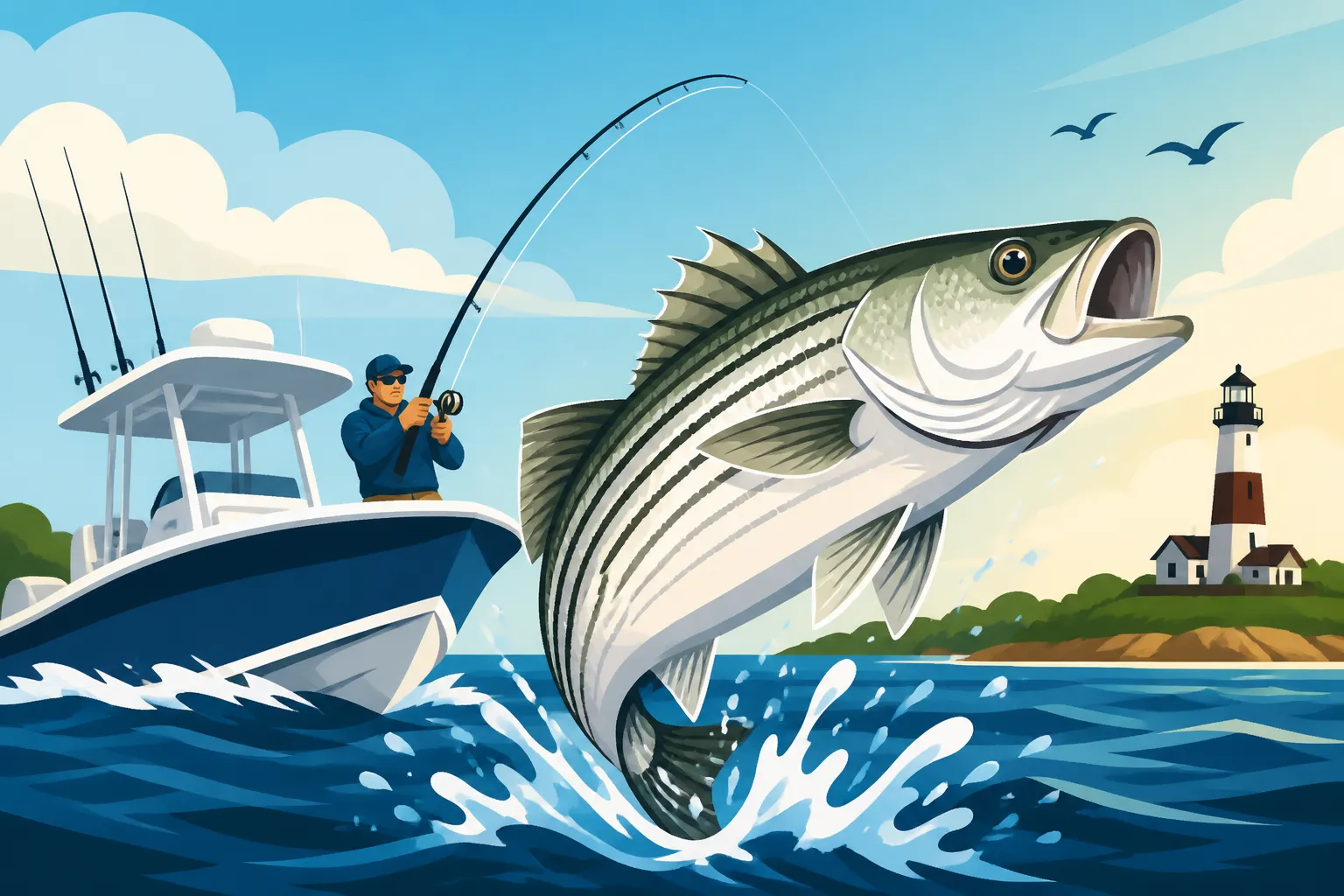
Long Island Sound Striped Bass Charters in New York
The thrill of chasing a powerful striped bass on the open water is something every angler dreams of, but for many, the idea of organizing a fishing trip on Long Island Sound can feel like navigating a maze. From finding a reliable captain to understanding the local nuances, it’s easy to get overwhelmed before you even cast a line. This comprehensive guide will cut through the confusion, helping you confidently book and prepare for an unforgettable Long Island Sound striped bass charter experience in New York.
Understanding Striped Bass Fishing on Long Island Sound
Long Island Sound is a truly remarkable body of water, offering some of the most exciting opportunities for striped bass fishing anywhere in the Northeast. It's a dynamic estuary, a mixing pot of freshwater and saltwater, creating a rich ecosystem that striped bass absolutely thrive in. If you're looking to tangle with these hard-fighting fish, this is definitely one of the prime locations.
Why Long Island Sound is a Prime Spot for Striped Bass
The geography of Long Island Sound creates a perfect highway and feeding ground for striped bass. From the East River and Block Island Sound feeding into it, to the numerous bays, coves, and river mouths that dot its shoreline, there are endless points of interest for migratory stripers. They come into the Sound to spawn, to feed on baitfish like bunker (Atlantic menhaden), spearing, and eels, and to escape the harsher conditions of the open ocean. This abundance of forage and diverse habitat makes it a consistent producer of both quantity and quality striped bass. You'll find a mix of resident fish that stay in the Sound year-round, alongside the larger migratory fish that pass through during their annual journeys, often making for incredible fishing, especially in the spring and fall.
The Best Seasons and Tides for Striped Bass
Timing is everything when it comes to striped bass, and Long Island Sound experiences distinct seasons for these magnificent fish. Generally, the spring run kicks off around April and can last into June, as stripers move into the Sound to feed aggressively after their winter fast. This is often when you'll find larger, hungry fish. The summer months, typically July and August, can be a bit more challenging as the water warms, pushing fish into deeper, cooler pockets or making them more nocturnal. However, dedicated captains know where to find them, often targeting cooler depths or fishing at dawn and dusk. The fall run, from September through November, is another fantastic time, as stripers gorge themselves in preparation for their migration south.
Beyond the season, tides play a critical role. Striped bass are often most active during moving tides – either the incoming or outgoing. These currents disorient baitfish, making them easier targets, and concentrate food in certain areas. Many captains prefer the hours around slack tide, either just before or after, as it can create predictable feeding lanes. Your charter captain, with their deep local knowledge, will choose the best tides for your trip to maximize your chances, a nuanced skill that comes from years of experience on the Sound.
Key Characteristics of Long Island Sound Striped Bass
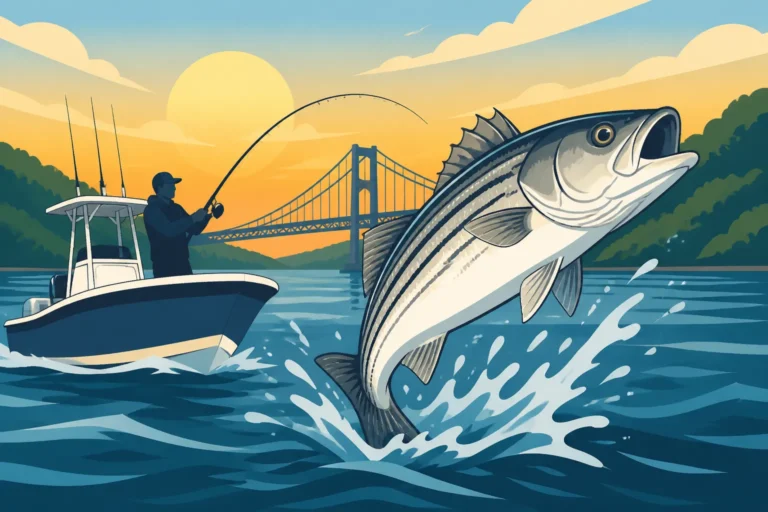
The striped bass (also known as "striper" or "rockfish") is instantly recognizable by its seven or eight prominent horizontal stripes along its silver body. They are incredibly powerful, known for their strong runs and dogged fights, making them a top target for sport anglers. In Long Island Sound, you can expect to encounter a wide range of sizes, from "schoolie" stripers that are under the legal keeping size, offering plenty of action, to impressive "cows" that can push well over 30 or even 40 pounds.
It's crucial to be aware of the specific New York Striped Bass Length Requirements and catch limits, which can change year to year based on conservation efforts. Charter captains are always up-to-date on these regulations and will ensure your trip adheres to them. You'll also learn about the importance of proper catch-and-release techniques for any fish you don't keep, especially larger breeding females. Striped bass are voracious predators, and their diet in the Sound largely consists of Atlantic menhaden (bunker), eels, squid, and various smaller baitfish, which influences the types of baits and lures captains use.
What to Expect from a Long Island Sound Striped Bass Charter
Booking a charter isn't just about hiring a boat; it's about gaining access to years of local knowledge, specialized equipment, and a higher chance of success. When you step aboard a Long Island Sound striped bass charter, you're tapping into an expert-led fishing adventure.
Types of Charters: Half-Day vs. Full-Day Options
Most Long Island Sound charters offer both half-day and full-day options, each with its own advantages. A half-day trip typically runs for 4-5 hours. These are excellent for beginners, families with younger children, or if you're just looking for a quick taste of the action without committing to a full day on the water. They are usually a bit less intensive and focus on readily accessible fishing grounds.
Full-day charters, which often span 7-9 hours, provide a more comprehensive experience. They allow the captain to travel further to target specific fishing grounds, explore different techniques, and adapt to changing conditions throughout the day. If you're serious about landing a trophy striper, want to try various fishing methods, or simply want more time to enjoy the experience, a full-day trip is usually the way to go. The choice often comes down to your budget, time commitment, and angling goals. Consider how much time you genuinely want to spend out there, especially if you're not used to being on a boat for extended periods. This might be a good point to review Half-Day vs Full-Day Fishing Charters.
Equipment and Techniques Provided by Charters
One of the biggest perks of booking a charter is that all the necessary gear is provided. This means high-quality rods, reels, tackle, and a variety of baits and lures, all chosen specifically for targeting striped bass on Long Island Sound. You won't need to worry about buying expensive equipment or figuring out what works best. Captains typically have a diverse arsenal of techniques they employ, depending on the conditions and the fish's behavior.
Common methods include:
- Live Bait Fishing: Using fresh bunker, eels, or other local baitfish, often slow-trolled or drifted near structure.
- Trolling: Pulling artificial lures (like Mojos, tube and worm rigs, or large swimming plugs) behind the boat at specific depths and speeds.
- Casting Artificials: Throwing topwater plugs, swimbaits, or soft plastics into rips, current lines, or around bait schools.
- Jigging: Dropping heavy jigs down to fish marked on the sonar, especially effective when fish are holding deep.
Your captain will guide you through these techniques, offering instruction and tips to help you maximize your success. This is an incredible learning opportunity for anglers of all skill levels.
Typical Catch Limits and Regulations for Striped Bass
New York State has specific regulations for striped bass, and these are often subject to change based on conservation needs. Generally, there are rules regarding the slot limit (a specific size range of fish that can be kept), daily bag limits (how many fish per person per day), and specific seasons. For instance, the New York Striped Bass Length Requirements are strictly enforced. Often, there is a slot limit, meaning fish must be within a certain minimum and maximum length to be legally retained. This is designed to protect both juvenile fish and large breeding adults.
Charter captains are legally required to know and abide by all current regulations. They will ensure your group stays compliant, measuring fish and releasing any that don't meet the criteria. Don't be surprised if your captain also emphasizes the use of How to Use Circle Hooks for Striped Bass when bait fishing, as these are often required by regulation to reduce "gut hooking" and improve survival rates for released fish. It's a testament to responsible angling, and your captain will be happy to explain the reasons behind such rules.
Choosing the Right Striped Bass Charter in New York
Selecting a charter can feel a bit like dating – you want a good fit! With so many options out there, it's wise to do a little homework to ensure you pick a captain and crew that will give you the best chance for a memorable day on Long Island Sound.
Key Factors to Consider When Selecting a Captain
When you're looking for a Long Island Sound striped bass charter, there are several things you'll want to think about. First and foremost, experience matters. Look for captains who have a long history of fishing the Sound, as they'll have an intimate understanding of its nuances, secret spots, and seasonal patterns. A captain's personality also plays a huge role; do you prefer a no-nonsense guide focused purely on fish, or someone more laid-back and keen on teaching?
Consider the type of boat: is it comfortable, well-maintained, and suitable for the number of people in your party? Smaller boats might offer a more intimate experience, while larger vessels can accommodate bigger groups and handle choppier waters more smoothly. Don't forget to inquire about what's included in the price – tackle, bait, ice, and fish cleaning are typically standard, but it's always good to confirm. Some charters even provide a cooler for your catch.
Reading Reviews and Checking Credentials
In today's digital age, reviews are gold. Platforms like FishingBooker (yes, that's one of those handy sites!) allow you to read honest feedback from previous clients, giving you a real sense of a captain's communication style, fishing success, and overall professionalism. Look for consistent positive reviews, especially those that mention good boat conditions, helpful crew, and successful trips. Pay attention to how a captain responds to any negative feedback, which can also tell you a lot.
Beyond reviews, verify credentials. Reputable charter captains hold a valid US Coast Guard Captain's License and are fully insured. While most platforms like FishingBooker vet their captains thoroughly, it never hurts to confirm directly. These licenses ensure they meet strict safety standards and have the necessary training to operate a passenger vessel. A seasoned captain will be proud to share their qualifications.
Booking Your Trip: Online Platforms and Direct Contact
There are generally two main ways to book your Long Island Sound striped bass charter. Many anglers find convenience in online booking platforms. Sites like FishingBooker offer a centralized place to browse numerous charters, compare prices, read reviews, and often book directly online. This can streamline the process, allowing you to filter by location, target species, and even amenities. It's especially helpful for finding charters that have immediate availability or for comparing multiple options side-by-side.
Alternatively, you can contact charter captains directly. Many captains have their own websites or social media pages where you can find their contact information. This direct approach allows for a more personal conversation, where you can ask specific questions, discuss custom trip options, and get a feel for the captain's personality before committing. Sometimes, you might even find better rates by booking direct, though online platforms often have competitive pricing and protection policies. Whether you go through a platform like FishingBooker or call directly, always make sure to clarify all details, including the deposit, cancellation policy, and what to bring.
Preparing for Your Striped Bass Charter Adventure
A little preparation goes a long way in ensuring your Long Island Sound striped bass charter is comfortable, enjoyable, and successful. Knowing what to pack and understanding the financial aspects will help you relax and focus on the fishing.
What to Bring: Essentials for a Day on the Water
While the charter provides the fishing gear, there are several personal items you'll want to bring to make your day more comfortable. Think layers for clothing; even on a warm day, it can be significantly cooler on the water, especially with the breeze. A light rain jacket is always a good idea, as weather can change quickly. Sun protection is crucial: a hat, sunglasses, and plenty of sunscreen will prevent a painful sunburn.
Consider packing your own snacks and drinks, especially for a full-day trip, as most charters don't provide meals. A small cooler with ice for your provisions and possibly for any fish you keep (after it's cleaned by the crew) is often welcome. Don't forget any personal medications you might need. And perhaps most importantly, if you're prone to seasickness, take preventative measures before you board the boat. Ginger chews or over-the-counter medications can make a huge difference in your comfort. For a more detailed list, check out What to Bring on a New York Fishing Charter. Remember your camera to capture those trophy moments!
Understanding Pricing and Tipping Etiquette
Charter pricing for Long Island Sound striped bass trips can vary significantly based on the duration (half-day vs. full-day), the size of the boat, and the number of anglers in your party. Generally, charters are priced for the entire boat, not per person, up to a certain capacity. Adding extra anglers beyond the standard number might incur an additional fee. It's always best to get a clear quote upfront that includes all expected costs.
Tipping the captain and mate is customary and very much appreciated, as they work hard to ensure your safety and success. A common guideline is to tip 15-20% of the total charter cost. If you feel they went above and beyond, provided excellent service, or put you on a lot of fish, a more generous tip is a fantastic way to show your gratitude. This is often handled at the end of the trip, usually in cash. This is a point where Tipping Etiquette for New York Fishing Charters could be a good resource.
Safety Considerations and Weather Contingencies
Your safety is paramount on any fishing charter. Reputable captains maintain well-equipped boats with all necessary safety gear, including life jackets, first-aid kits, and communication devices. They will typically go over basic safety instructions before leaving the dock. Always listen to your captain and crew's instructions, especially regarding moving around the boat, handling fish, and what to do in an emergency.
Weather on Long Island Sound can be unpredictable, and a responsible captain will always prioritize safety over fishing. This means that charters can be canceled or rescheduled due to severe weather, high winds, or dangerous sea conditions. While frustrating, it's for your own good. Most charters have a clear Cancellation Policies for New York Fishing Charters in their booking agreement, outlining how cancellations are handled, whether it's a refund or rescheduling. Always confirm this policy when you book, whether through a platform like FishingBooker or directly with the captain.
Popular Departure Points for Long Island Sound Charters
Long Island Sound offers a plethora of convenient departure points, whether you're coming from Long Island, Westchester, or even closer to New York City. The choice of departure point often depends on what part of the Sound the captain specializes in and what's most convenient for you.
Long Island's North Shore Hotspots
Long Island's North Shore is dotted with charming coastal towns and harbors that serve as excellent bases for striped bass charters. Places like Port Washington, Oyster Bay, Huntington, and Northport are popular choices. These areas offer easy access to productive fishing grounds known for strong currents and abundant baitfish, particularly during the spring and fall runs.
Captains departing from these locations often focus on the central and western parts of the Sound, targeting the many reefs, shoals, and rips where stripers congregate. The proximity to deep water and varied structure makes these ideal spots for both live bait and artificial lure presentations. Plus, many of these towns offer amenities like bait shops, restaurants, and comfortable marinas, making for a pleasant pre- and post-fishing experience.
Westchester County Access Points
For anglers coming from Westchester County or areas north of New York City, there are equally fantastic options along the Sound's northern coastline. Towns like New Rochelle, Mamaroneck, and Port Chester boast marinas and charter fleets that consistently put anglers on striped bass. These locations provide quick access to the fertile waters of the western Long Island Sound, including the mouths of rivers like the Mamaroneck and Byram, which can be hotspots for feeding stripers.
Charters from Westchester often navigate the intricate network of islands and reefs in this part of the Sound, using their local expertise to find fish-holding structure. The fishing here can be excellent throughout the season, with strong tidal flows contributing to active feeding patterns for both resident and migratory bass.
New York City Adjacent Options
Even if you're closer to the bustling heart of New York City, getting out on a Long Island Sound striped bass charter is entirely feasible. City Island in the Bronx and areas of Queens, like Little Neck Bay, serve as fantastic jumping-off points. These urban-adjacent locations surprisingly offer quick access to productive saltwater environments, proving that you don't have to travel far to find excellent fishing.
Captains operating from these spots are experts at navigating the often-busy waters near the city, quickly getting to prime striped bass grounds that might include the East River's strong currents or specific points and jetties within the western Sound. It’s a unique experience to catch a powerful striper with the city skyline in the distance, showcasing the incredible natural resources available even in metropolitan areas. These departure points are particularly convenient for day-trippers from the five boroughs looking for an accessible fishing adventure.
Preparing for a Successful and Ethical Trip
Beyond just catching fish, a truly great charter experience on Long Island Sound also involves respecting the environment, understanding local nuances, and contributing positively to the fishery. It's about being an educated angler.
Understanding the Marine Recreational Fishing Registry
Before heading out on any saltwater trip in New York, including a Long Island Sound striped bass charter, it's essential to understand the New York State Recreational Marine Fishing Registry. While most charter boats hold a federal permit that covers everyone on board, meaning you likely won't need to register yourself if fishing solely on a licensed charter, it's always smart to clarify this with your captain when booking. If you ever plan to fish independently from shore or your own boat, registering is a mandatory step for anglers aged 16 and older.
The registry helps the state track fishing effort and gather crucial data for managing fish stocks. It's usually free and relatively quick to complete online. Even if your charter covers you, understanding the registry is part of being a responsible saltwater angler in New York. You can find more information in our New York Saltwater Fishing Registration Guide.
Local Nuances and Best Practices on the Sound
Long Island Sound has its own character, distinct from the open ocean or other freshwater bodies. The presence of numerous islands, submerged structures, and varying bottom compositions means that local knowledge is incredibly valuable. Your charter captain will have spent countless hours learning these nuances. Listen to their advice on handling fish, casting techniques, and even what to look for when spotting baitfish or bird activity, which often indicates stripers below.
Practicing ethical angling is also key. This includes adhering to catch limits, properly identifying fish, and practicing safe catch-and-release methods for any fish you intend to let go. Using circle hooks when bait fishing, as often required for striped bass, is a great example of a best practice that helps ensure the future health of the fishery. Always dispose of trash properly and be mindful of other boaters and anglers on the water.
Why Conservation Matters on Long Island Sound
Striped bass are an iconic species, and their populations are carefully managed. The health of the Long Island Sound ecosystem is vital not just for fishing, but for the entire marine environment. When you embark on a charter, you become a part of this larger conservation effort. By supporting reputable captains who follow regulations and promote sustainable practices, you're helping to ensure that future generations can enjoy the same incredible striped bass fishing experiences.
Many charters will emphasize the importance of selective harvesting and taking only what you'll eat, releasing the rest. They often have specific tools and techniques for quickly and safely releasing fish, especially those outside the legal slot limit or larger breeding females. Being aware of the "why" behind the rules, such as specific New York Striped Bass Length Requirements or the Striped Bass Season Closure Dates on the Hudson (though the Hudson is distinct, the sentiment on conservation applies), can deepen your appreciation for the sport and the resources.
| Charter Type | Duration (Approx.) | Ideal For | Typical Focus | Key Benefits |
|---|---|---|---|---|
| Half-Day | 4-5 hours | Beginners, Families, Quick Trips | Accessible fishing grounds, consistent action | Less commitment, good introduction to charter fishing |
| Full-Day | 7-9 hours | Serious Anglers, Learning Techniques, Trophy Hunting | Deeper waters, varied techniques, exploring more grounds | Maximizes chances for larger fish, comprehensive experience, more time on water |
Disclaimer
This article is for general informational purposes only and does not constitute professional advice. Laws, prices and regulations vary by location and change over time. Consult a qualified professional for guidance on your specific situation.