Deep Sea Fishing Charters Out of Long Island
The call of the deep blue sea, the thrill of battling a powerful fish far from shore – it’s a dream for many anglers, but the sheer thought of organizing a deep sea fishing charter out of Long Island can feel like trying to untangle a hundred-pound snarl of fishing line. From figuring out where to leave from, what fish you might even catch, and what kind of boat you need, the questions pile up faster than fluke in a healthy bay. This guide is here to untangle that line for you, breaking down everything you need to know about embarking on a fantastic deep sea fishing adventure from Long Island.
What Exactly Is Deep Sea Fishing Off Long Island?
When we talk about deep sea fishing, or offshore fishing as it's often called, we're really talking about venturing beyond the calmer, shallower waters of the bays and nearshore areas into the expansive, often rougher, open ocean. It's a completely different ballgame from casting a line off a pier or drifting in a bay for flounder. The sheer scale of the environment changes everything – the fish are often larger, the journey is longer, and the feeling of solitude on the vast Atlantic is truly something special.
The Lure of the Open Ocean
The primary allure of deep sea fishing lies in the pursuit of pelagic species – those magnificent fish that roam the open ocean, often migratory and capable of incredible speed and power. These aren't your typical backyard pond dwellers; we're talking about apex predators and powerful swimmers that offer a true test of an angler's skill and endurance. The boat ride out itself is part of the experience, often taking several hours to reach productive canyons or offshore structures where these giants feed. You’ll leave the sights of Long Island behind, and soon, all you’ll see is the horizon meeting the endless expanse of water. This solitude, combined with the anticipation of what might strike your line, creates an unforgettable adventure that keeps anglers coming back for more.
Target Species You Might Encounter
Long Island's proximity to the Atlantic Ocean's rich fishing grounds means there's a fantastic variety of impressive game fish on offer for the deep-sea angler. While species can vary by season and water temperature, some consistent heavy hitters draw enthusiasts year after year. You're typically looking for larger, faster, and often more challenging fish than you'd find inshore.
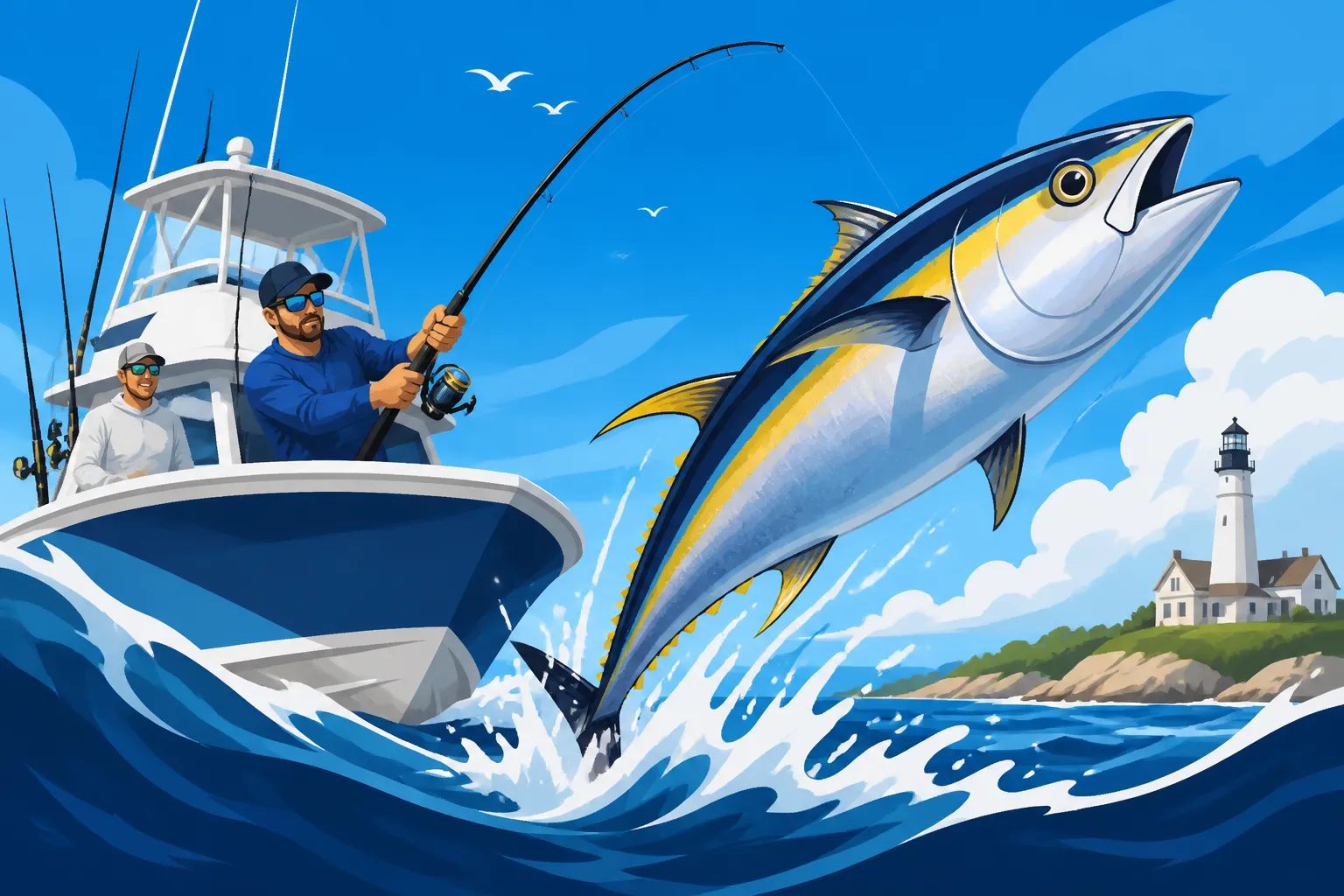
Primary targets often include various species of tuna, such as the formidable Bluefin tuna, known for its incredible strength and endurance, or the delicious Yellowfin tuna, a highly prized game fish. Mahi-Mahi, also known as Dorado, are beautiful, acrobatic fish often found around floating debris or weed lines. For those seeking the ultimate challenge, the waters off Long Island can also produce White Marlin and, less commonly, Blue Marlin, truly magnificent billfish that offer an unparalleled fight. Swordfish, the gladiators of the deep, are another highly sought-after species, often targeted on overnight trips when they are more active. Occasionally, anglers might also encounter various shark species, although targeting them is often a separate specialty trip. It's a truly diverse fishery, offering a chance at New York's Trophy Fish Species and some of New York's Most Popular Saltwater Fish.
Understanding Long Island's Deep Sea Charter Landscape
Long Island, with its extensive coastline and numerous harbors, offers several excellent points of departure for deep sea fishing adventures. Each port has its own character, fleet, and reputation, catering to slightly different angling preferences and proximity to specific fishing grounds. Knowing a bit about these hubs can help you narrow down your choices and find the perfect starting point for your offshore escapade.
Key Departure Ports and Their Vibe
When you're looking at deep sea fishing out of Long Island, a few names will pop up immediately as premier departure points. Each offers something a little different, from the bustling atmosphere of a major fishing town to a more laid-back community.
Montauk: Often heralded as "The Fishing Capital of the Northeast," Montauk is probably the most famous deep sea fishing hub on Long Island. Located at the very eastern tip of the island, its strategic position means shorter runs to the productive canyons and offshore banks of the Atlantic. The town itself has a strong maritime culture, with numerous seasoned captains, well-equipped marinas, and a vibrant angling community. Charters out of Montauk are renowned for targeting large pelagic species like tuna, marlin, and swordfish due to their advantageous location. You'll find a wide array of boats, from smaller fast boats to large offshore battlewagons, ready to take you on extended or overnight trips. It's a bit of a drive for many, but the fishing opportunities often make it worth every mile. Many anglers specifically look for Montauk Fishing Charters because of this reputation.
Shinnecock: Further west along the South Shore, Shinnecock Inlet provides another excellent access point to the Atlantic. This area offers a blend of inshore and offshore opportunities, but deep sea charters definitely operate from here. It's a slightly less frantic pace than Montauk, perhaps, but the captains are just as dedicated and knowledgeable. Shinnecock can be a great option if you're looking for a slightly shorter drive from central Long Island while still having access to excellent offshore fishing.
Freeport and Point Lookout: These South Shore towns, closer to the more populated western parts of Long Island, also host fleets of deep sea charters. While the run to the deep canyons might be a bit longer from these ports compared to Montauk, they offer convenience for anglers residing closer to New York City. The charters operating here are well-versed in navigating the Atlantic and will still put you on prime tuna, mahi, or shark grounds. These spots are popular for Long Island Fishing Charters that cater to a broader range of anglers seeking both inshore and offshore experiences.
Types of Deep Sea Charter Trips Available
Deep sea fishing isn't a one-size-fits-all experience. Charters offer a range of trip durations and focuses, each designed to maximize your chances for certain species or accommodate different budgets and time commitments. Understanding these options is key to choosing the right adventure for you.
The most common deep sea trips are full-day charters, typically running for 8 to 10 hours. These trips generally allow enough time to run out to productive offshore grounds, spend a good chunk of time fishing, and then make the run back. They're excellent for targeting species like mahi-mahi, some tuna, or even sharks that might be found on closer offshore wrecks or ridges. A full-day trip strikes a good balance between effort and reward, offering a solid taste of offshore action without the commitment of an overnight stay.
For anglers with their sights set on more elusive or distant species, or simply more time on the water, extended day trips are a popular choice. These can stretch from 12 to 16 hours, allowing the captain to venture further offshore to deeper canyons where larger pelagics like bigeye tuna, swordfish, and marlin are more likely to be found. The extra time means more travel, more fishing, and ultimately, a higher chance of encountering those trophy-sized fish.
Then there are the truly adventurous overnight or multi-day trips. These are typically reserved for serious tuna or swordfish enthusiasts. On an overnight trip, you’ll fish through the night, often drifting for swordfish, which are more active in the dark, and then targeting tuna at dawn. Multi-day trips expand on this, allowing even more time to cover vast amounts of water and adjust to changing conditions, truly immersing you in the offshore experience. These longer trips require more preparation and a higher investment, but they offer the ultimate deep sea fishing adventure. It’s a significant step up from your standard Half-Day vs Full-Day Fishing Charters.
What to Expect When Booking a Deep Sea Charter
Booking a deep sea fishing charter can feel a little daunting if you've never done it before. You're entrusting a significant portion of your hard-earned cash and precious time to someone else, hoping for a memorable and successful trip. Knowing what to expect during the booking process, what your money typically covers, and how to prepare yourself can make all the difference.
The Charter Booking Process and What to Ask
The journey to your deep sea adventure begins with the booking. In today's world, a great starting point is often online platforms that specialize in connecting anglers with reputable captains. Websites like FishingBooker, for instance, offer a wide selection of charters operating out of Long Island, allowing you to browse boats, read reviews, and compare offerings all in one place. It’s an efficient way to see what's out there and filter by location, target species, and trip duration.
Once you’ve found a few potential options, don't hesitate to pick up the phone or send an email. Clear communication is absolutely paramount. You’ll want to ask the captain or booking agent several crucial questions to ensure the trip aligns with your expectations. Inquire about their experience specifically with deep sea fishing in the Long Island area and their success rates with your desired target species. Ask about the boat itself: Is it well-maintained? What safety equipment is on board? Does the captain hold all necessary licenses and insurance? Confirm what gear, bait, and tackle are provided, and if there are any specific types of fishing (like jigging or chunking for tuna) that they specialize in. Don't forget to clarify their cancellation policy, especially regarding weather, as offshore trips are highly dependent on favorable conditions. Asking these questions upfront will help you How to Choose a New York Fishing Charter that’s right for you.
Typical Costs and What They Usually Cover
Let's be real, deep sea fishing charters aren't typically a budget-basement activity. The costs reflect the specialized equipment, fuel consumption for long runs, and the expertise of the captain and crew. The shape of the cost will vary significantly based on the duration of the trip (full-day vs. extended vs. overnight), the size of the boat, and whether you're booking a private or shared charter. Generally, you can expect private full-day charters to be a substantial investment, with extended and overnight trips escalating from there. Shared charters, where you book a single spot on a larger boat with other anglers, will naturally be less expensive per person but offer less flexibility.
What typically does that cost cover? Almost universally, it includes the services of the experienced captain and first mate (or crew), the boat and its expensive fuel, and all the necessary high-end rods, reels, tackle, and bait required for deep sea fishing. This means you don't have to invest in specialized offshore gear yourself, which is a huge benefit. However, there are usually extras. You’ll be responsible for your own food and drinks, as well as any personal items like sunscreen or hats. Fish cleaning services at the dock might be an additional fee, and a gratuity for the hard-working crew is customary and highly expected. Remember that while the charter covers the boat's license, you as an individual angler will still need to ensure you have your own New York Saltwater Fishing Registration Guide or equivalent, as explained in Do I Need My Own Fishing License on a Charter Boat?.
Essential Gear and Preparations for Anglers
Preparing for a deep sea fishing trip is a little different than packing for a day at the beach. You'll be spending hours on the open water, exposed to the elements, and potentially battling some seriously powerful fish. A little foresight in your packing can make a huge difference in your comfort and enjoyment.
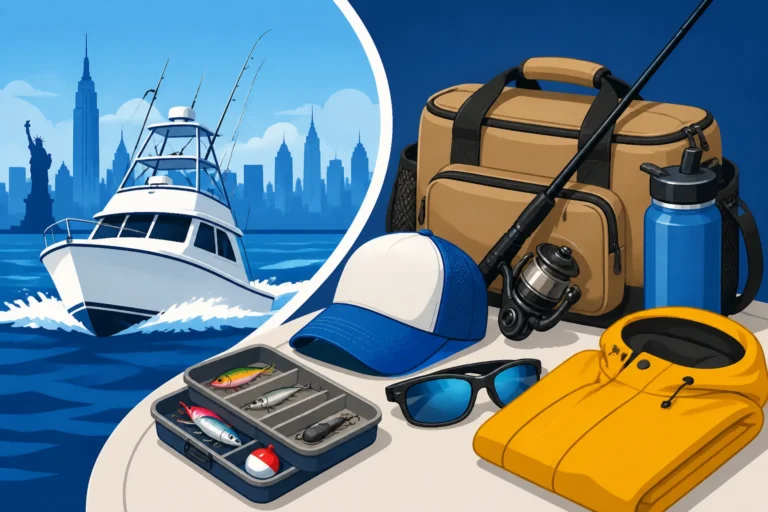
First and foremost, sun protection is critical. The sun's rays reflect off the water, intensifying their effect. Bring a wide-brimmed hat, polarized sunglasses (to reduce glare and spot fish), and high-SPF, water-resistant sunscreen. Apply it liberally and often! Layers of clothing are also a must. Even on a warm summer day, the ocean breeze can be chilly, especially during the early morning run out or late evening return. A waterproof or water-resistant jacket is a smart addition, regardless of the forecast, as sea spray is common. Comfortable, non-slip shoes are essential for safety on a wet deck.
If you are prone to seasickness, take motion sickness medication before you even board the boat, following the package directions. It's much easier to prevent it than to cure it once it starts. Beyond that, pack plenty of water and snacks, or a packed lunch. Offshore trips are long, and you'll burn a lot of energy. A small cooler with ice can keep your provisions fresh. Don't forget your camera to capture those epic moments! Lastly, a good attitude and willingness to listen to the crew are the best "gear" you can bring. For a complete list, check out What to Bring on a New York Fishing Charter.
Maximizing Your Deep Sea Fishing Experience
You've put in the effort to find and book your charter; now it's time to ensure you get the absolute most out of your deep sea adventure. This often comes down to understanding the nuances of the seasons, being prepared for the unpredictable nature of the ocean, and knowing how to interact respectfully with both the fish and your crew.
Best Seasons and Weather Considerations
Timing is everything in fishing, and deep sea angling off Long Island is no exception. While some species might be present year-round, there are definite peak seasons when your chances of success for specific targets are highest. Generally, the late spring through early fall offers the most consistent and productive deep sea fishing opportunities.
Summer (June-August) is prime time for many pelagic species. Mahi-mahi often move closer to shore, following warmer water and baitfish. Tuna, including bluefin and yellowfin, are actively feeding in the canyons. This is also when white marlin often make an appearance, offering exciting billfish action. Early Fall (September-October) can be spectacular, especially for tuna. The fish are often aggressive as they prepare for their migrations, and the cooler air temperatures can make for more comfortable fishing conditions on the boat. However, as the season progresses into late fall, fishing for many offshore species becomes more challenging as water temperatures drop.
Regardless of the season, weather is the ultimate deciding factor for deep sea trips. Offshore conditions can change rapidly and dramatically. A sunny, calm day inshore can quickly turn into rough seas miles offshore. Responsible captains will always prioritize safety and will not hesitate to postpone or cancel a trip if conditions are deemed unsafe or too uncomfortable. This is why it's crucial to confirm the charter's cancellation policy when booking, as mentioned in What Happens If a Charter Is Canceled for Weather?. Keep an eye on the marine forecast, but always trust your captain's judgment. For a broader look at prime fishing times, you might explore Best Time of Year to Fish in New York.
Tipping Etiquette and Fish Handling
When your deep sea adventure concludes, and you're back at the dock, there are a couple of important final considerations: showing appreciation to your crew and ensuring any fish you keep are handled properly.
Tipping the crew is a long-standing tradition in the charter fishing world and is an essential part of the crew's income. These individuals work incredibly hard, often starting before you arrive and finishing long after you leave, to ensure you have a successful and safe trip. They bait hooks, untangle lines, assist with fighting fish, and often clean the boat thoroughly after you depart. A standard tip for the mate is typically 15-20% of the total charter cost. If the crew went above and beyond, consider tipping closer to 20% or even a bit more. Hand the tip directly to the mate at the end of the trip. For more details on this important practice, you can read Tipping Etiquette for New York Fishing Charters.
Fish handling, especially for keepers, is also paramount. If you're fortunate enough to land a legal-sized fish you plan to take home, the crew will typically assist with bringing it aboard, dispatching it humanely, and getting it on ice immediately. This is crucial for maintaining the quality and freshness of the meat. If you're practicing catch-and-release for certain species, the crew will also guide you on the best practices to ensure the fish has the highest chance of survival. This includes minimizing fight time, handling the fish gently with wet hands, and using dehooking tools. For information on responsible angling, refer to Catch-and-Release Handling Rules. Always adhere to all New York fishing regulations regarding size limits, bag limits, and protected species.
Exploring Alternatives and Specialized Trips
The world of deep sea fishing off Long Island isn't just about general full-day trips. There are different ways to enjoy the experience, catering to various preferences, budgets, and specific angling goals. Understanding these alternatives can help you fine-tune your ideal offshore adventure.
Shared Charters vs. Private Charters
One of the biggest decisions you'll make when booking a deep sea charter is whether to opt for a private trip or join a shared, or "open boat," charter. Both have distinct advantages and disadvantages, and the best choice depends heavily on your group size, budget, and desired level of flexibility.
Private Charters:
- Pros: This is your boat for the day. You get to decide the target species (within reason and what the captain advises), the fishing methods, and the overall pace of the trip. It's an intimate experience, perfect for families, corporate outings, or a group of serious angling friends. You have the full attention and expertise of the captain and crew directed solely at your party.
- Cons: The cost is borne entirely by your group, making it a more expensive option per person unless you have a larger group to split the fare. If your group is smaller, say 2-3 people, the per-person cost can be quite high. You're also responsible for organizing all aspects for your specific party.
Shared Charters (Open Boat):
- Pros: Significantly more affordable per person, as the cost of the boat is divided among many individual anglers. It’s a great way for solo anglers or small groups (1-3 people) to experience deep sea fishing without breaking the bank. You also get to meet and fish alongside other passionate anglers, sharing stories and tips.
- Cons: You have less control over the trip. The captain will choose the target species and fishing locations, and you'll be fishing alongside strangers. Space on deck can be more limited, and you might have to share the crew's attention. If one angler has a lot of tangles or issues, it can slow down the overall fishing for everyone.
Here's a quick comparison:
| Feature | Private Charter | Shared Charter (Open Boat) |
|---|---|---|
| Cost | Higher overall, but can be cost-effective for larger groups | Lower per person, ideal for solo or small groups |
| Flexibility | High – choose species, methods, schedule (within limits) | Low – captain dictates species, methods, schedule |
| Group Size | Best for families, friends, corporate groups (typically 4-6+ anglers) | Best for solo anglers, couples, or very small groups |
| Privacy | Full privacy, intimate experience | Fish with strangers, less private |
| Crew Attention | Dedicated to your group | Shared among all anglers |
| Space | More room on deck, less crowded | Can be crowded, especially on busy days |
Deciding between the two really boils down to your budget and how much customization you desire for your offshore adventure. For a deeper dive into these options, read Private vs Shared Fishing Charters: What's the Difference?.
Targeting Specific Offshore Species
While many deep sea charters offer a general "mixed bag" approach to offshore fishing, especially on full-day trips, many also specialize in targeting particular species. If you have a specific trophy in mind, or a particular type of angling experience you're after, looking for these specialized trips is a smart move.
For instance, if you dream of battling a giant Bluefin tuna, you'll want to find a charter that specifically advertises tuna trips. These captains often have specialized gear, techniques (like chunking, jigging, or trolling specific spreads), and knowledge of the migratory patterns of tuna. Similarly, if swordfish is your quarry, you’ll likely need to book an extended day or, more commonly, an overnight trip, as swordfish are often targeted at night in deep canyons. Some charters also focus on shark fishing, which provides a different kind of thrill and often requires heavy-duty tackle and specific baiting strategies.
These specialized trips might be more expensive due to the expertise, specific gear, and longer distances involved, but they dramatically increase your chances of success for that particular fish. When searching on platforms like FishingBooker, you can often filter by target species, making it easier to find captains who excel in these niche fisheries. While it's not exactly about salmon, the principles are similar to knowing How to Fish for Salmon in New York – understanding the specific requirements for your target.
Safety First on the High Seas
Embarking on a deep sea fishing charter is an exhilarating experience, but it's important to remember that you're heading out into the vast and unpredictable Atlantic Ocean. While captains and crews are professionals, understanding their role in safety and taking personal precautions is paramount for an enjoyable and secure trip.
Understanding Your Captain's Role and Safety Protocols
Your captain is the ultimate authority on the vessel, and their primary responsibility is the safety of everyone on board. Before you even set foot on the boat, ensure your captain is properly licensed and insured. Reputable charters will always have these credentials readily available. They are required to meet stringent Coast Guard regulations for safety equipment and vessel maintenance.
Upon boarding, a good captain or mate will provide a safety briefing. This isn't just a formality; it's vital information. Pay attention to the location of life jackets (and how to use them), emergency exits, fire extinguishers, and first aid kits. Understand the vessel's communication systems, like the VHF radio, and what to do in an emergency. The captain continuously monitors weather conditions, navigates complex waters, and makes critical decisions for the safety of the trip. Trust their judgment, especially if they decide to alter plans due to changing weather – they have far more experience reading the ocean than most of us. Platforms like FishingBooker play a valuable role in connecting anglers with legitimate, reputable captains who adhere to all necessary safety standards.
Preparing for Sea Sickness and Other Comforts
Even the most seasoned angler can fall victim to seasickness, and nothing can ruin a deep sea trip faster. Prevention is always better than cure. If you're at all susceptible, or even if you're not sure, it's wise to take motion sickness medication (like Dramamine or Bonine) the night before your trip, and again in the morning, following the directions. Don't wait until you start feeling queasy; by then, it's often too late.
Beyond medication, there are other strategies: stay hydrated, avoid greasy or acidic foods before and during the trip, and try to stay on deck in the fresh air, focusing on the horizon. Avoid reading or looking down at your phone for extended periods.
Beyond seasickness, remember that comfort contributes significantly to enjoyment. The sun can be intense offshore, so wear plenty of sunscreen, a hat, and sunglasses. Dress in layers as temperatures can fluctuate from chilly mornings to warm afternoons, and a splash of ocean spray can leave you damp. Comfortable, non-slip footwear is essential for stability on a moving deck. Bring plenty of water and snacks, and a cooler for any fish you might be lucky enough to keep. Being well-prepared for these basic comforts will allow you to focus on the thrill of the catch rather than discomfort.
Disclaimer
This article is for general informational purposes only and does not constitute professional advice. Laws, prices and regulations vary by location and change over time. Consult a qualified professional for guidance on your specific situation.