Best Trout Streams in the Catskills
There’s a special kind of magic in the air when you dream of chasing wild trout, but finding that perfect, pristine stream in New York can feel like searching for a needle in a haystack. The Catskills, with its legendary fly fishing heritage, offers an incredible array of waters, yet knowing where to begin or which river truly suits your style can be overwhelming. This comprehensive guide is designed to cut through the noise, revealing the very best trout streams the Catskills have to offer, ensuring your next angling adventure is both fruitful and deeply satisfying.
Why the Catskills are a Trout Angler's Paradise
The Catskill Mountains aren't just a picturesque backdrop for hiking and quaint towns; they are the undisputed birthplace of American dry fly fishing. For generations, anglers have flocked to these clear, cold waters, drawn by the challenge of elusive wild trout and the sheer beauty of the surroundings. It's a place where history intertwines with nature, creating an angling experience unlike any other.
A Storied History of Fly Fishing
Imagine a time when gentlemen in tweed jackets cast long lines with bamboo rods, pioneering techniques that are still relevant today. That’s the legacy of the Catskills. It’s here that icons like Theodore Gordon, Edward Ringwood Hewitt, and Art Flick honed their craft, developing fly patterns and approaches that revolutionized how we fish for trout. They walked these very banks, learning from the trout themselves and leaving behind a rich tapestry of knowledge and passion. Visiting these streams isn't just a fishing trip; it's a pilgrimage for many fly anglers, connecting them to a tradition that runs deep. You can almost feel the presence of those who came before, silently urging you to make that perfect cast. This storied past is why towns like Roscoe proudly wear the moniker "Trout Town, USA."
Unique Geography and Water Quality
What makes these streams so special for trout? It comes down to their unique geography and hydrology. The Catskills' mountains are primarily composed of non-calcareous bedrock, which means the water flowing through them tends to be slightly acidic and exceptionally clean. More importantly, these mountains feature cold, spring-fed tributaries and deeply shaded stream beds that maintain ideal water temperatures, even during the warmer months. These conditions are absolutely critical for sustaining robust populations of wild brook trout, brown trout, and rainbow trout. The pristine water quality supports a diverse insect life, from prolific mayfly hatches to caddis and stoneflies, providing a constant food source for the fish and endless opportunities for matching the hatch. The rugged terrain also means many sections remain wild and undeveloped, offering a true wilderness experience just a few hours from major metropolitan areas.
Iconic Catskill Trout Streams You Must Explore
When it comes to the Catskills, certain names echo in the minds of trout anglers. These rivers and creeks have earned their legendary status for a reason, offering diverse fishing experiences from challenging wild trout pursuits to productive nymphing runs. Each one holds its own charm and particular challenges.
The Beaverkill River: A Legendary Water
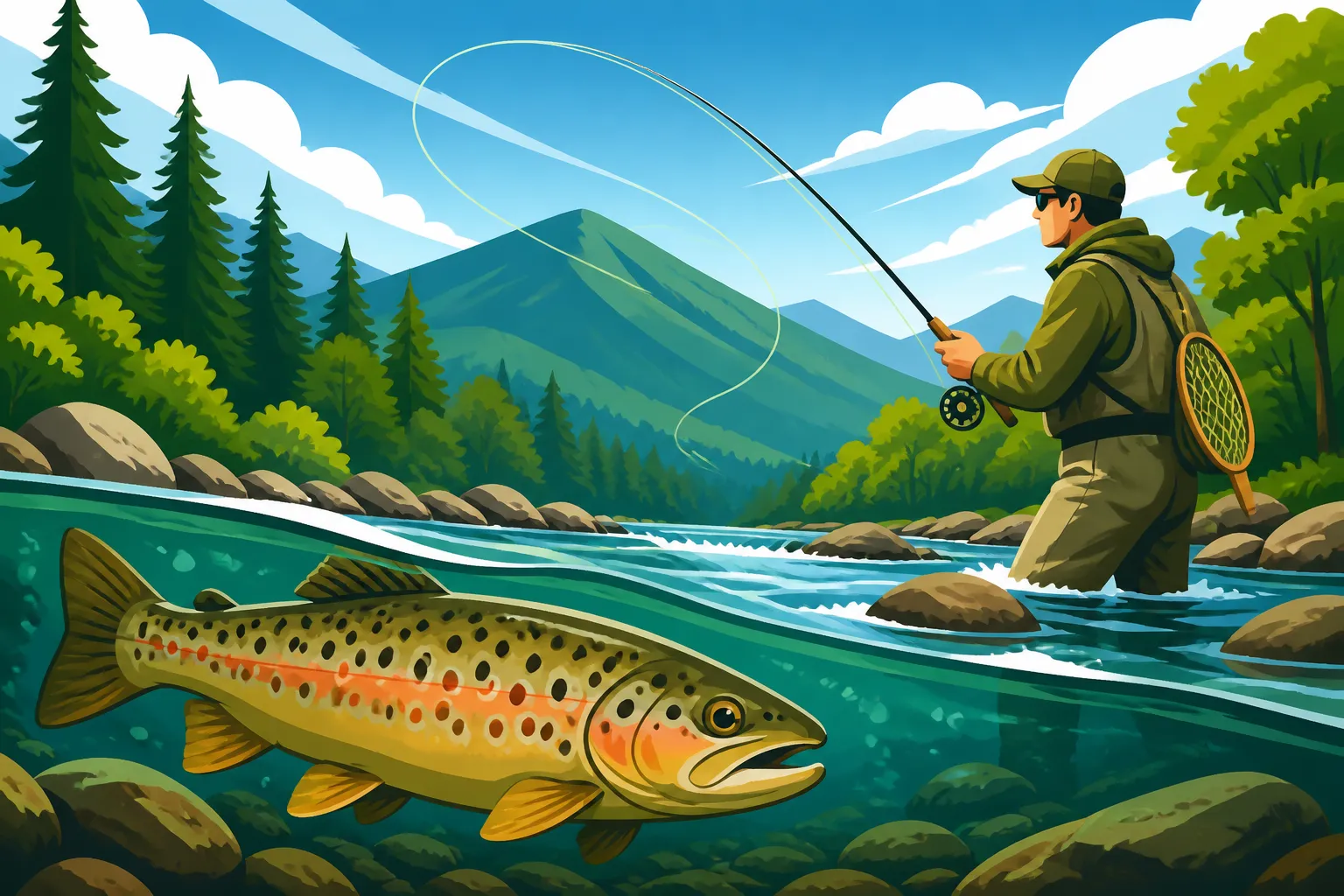
The Beaverkill, often referred to as simply "the Kill," is perhaps the most famous trout stream in the Catskills, if not all of New York. Flowing through picturesque valleys, its crystal-clear waters and classic runs have captivated anglers for over a century. It's known for its wild brown trout, as well as significant stockings by the New York Department of Environmental Conservation (DEC). The river's character changes as you move downstream, offering everything from tight, technical pools to wider, more forgiving stretches.
Many anglers consider the Beaverkill's upper stretches, particularly around the towns of Roscoe and Livingston Manor, to be the heart of its fly-fishing experience. Here, you'll find famous pools like Junction Pool, where the Willowemoc Creek meets the Beaverkill, and Barnhart's Pool. These spots can get crowded during prime hatches, but for good reason – they hold fish. The fishing can be challenging, demanding precise casts and careful wading, but the rewards of hooking into a strong, wild brown are immeasurable. For those looking to deepen their understanding of specific stretches, consider exploring our guide on the Fishing the Beaverkill River. Knowing the water well is key to success on a river with such a rich history.
The Willowemoc Creek: Classic Catskill Fly Fishing
Just as iconic as the Beaverkill, the Willowemoc Creek joins the Beaverkill at the famed Junction Pool in Roscoe. The "Willie," as locals affectionately call it, is a smaller, more intimate stream compared to the Beaverkill, but it is equally rich in history and trout. It features a mix of riffles, runs, and deep pools, providing excellent habitat for both wild and stocked brown trout. Its accessibility and consistent hatches make it a favorite for many anglers, from beginners to seasoned veterans.
The Willowemoc is particularly renowned for its consistent insect hatches, making it a dream for dry fly enthusiasts. During a good hatch, you'll see trout rising steadily, offering thrilling visual fishing opportunities. However, like any Catskill stream, it demands stealth and a delicate presentation. While it's generally more forgiving than some of the larger rivers, the fish are still wild and wary. Many anglers learn the ropes of Catskill fly fishing on the Willowemoc, appreciating its classic feel and generous nature. Check out our detailed article on Fishing the Willowemoc Creek for more in-depth information.
The Esopus Creek: Wild Rainbows and Classic Runs
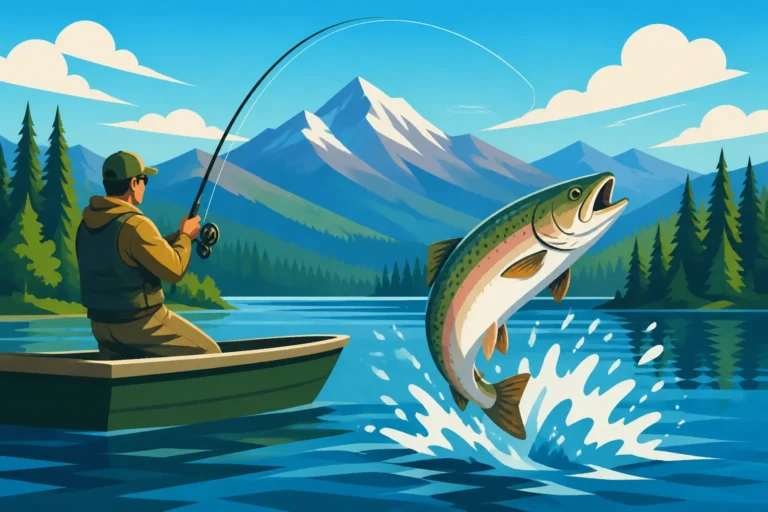
The Esopus Creek offers a distinctly different Catskill experience. Originating in the high peaks and eventually flowing into the Ashokan Reservoir, the Esopus is famous for its "dilution effect" rainbow trout, a unique phenomenon. These fish are essentially wild rainbow trout that spawn in the Esopus and its tributaries but spend much of their lives growing large in the rich waters of the reservoir before returning to the creek. This creates opportunities for catching exceptionally large, hard-fighting rainbows in a river that is mostly wadeable.
The Esopus is a rugged, freestone stream, meaning its flow is heavily dependent on rainfall and snowmelt. This gives it a more "wild" feel, with powerful currents, large boulders, and dramatic runs. The fishing here can be particularly good in the spring and fall when water levels are optimal. It's not uncommon to encounter fish well over 20 inches, making for an exhilarating fight. Keep an eye on local conditions, as high water can make certain sections unfishable. Towns like Phoenicia and Shokan offer good access points along this dynamic waterway.
The Delaware River System: A Tailwater Gem
While technically a bit west of the traditional Catskill core, the Upper Delaware River System – particularly the East Branch, West Branch, and the Main Stem – is an absolute powerhouse for trout fishing and is intrinsically linked to the Catskill angling experience. These rivers are cold-water tailwaters flowing out of large reservoirs (Cannonsville and Pepacton), which maintain consistently cold temperatures ideal for trout year-round. This makes the Delaware system a prime destination, especially during warmer summer months when other freestone streams might be too warm.
The Delaware is famous for its prolific hatches and large, wild brown and rainbow trout. It's often considered a graduate-level challenge for fly anglers, given the sophisticated nature of its trout, which are incredibly wary and selective. Nymphing and dry fly fishing are both highly effective, depending on the season and hatch activity. The sheer size of the river, especially the Main Stem near Hancock, offers expansive water to explore. For those interested in this magnificent system, our guide on Fishing the Delaware River in New York offers invaluable insights. The sheer volume of fish and the quality of the angling here are world-class, making it a must-visit for any serious trout angler in the region.
Essential Tips for Fishing Catskill Trout Streams
Fishing the Catskills isn't just about showing up with a rod; it's about understanding the subtle nuances of these historic waters. From the changing seasons to the right gear and knowing where you can even cast your line, a little preparation goes a long way.
Understanding Seasonal Changes and Hatches
The Catskills truly come alive with distinct fishing seasons, each offering unique opportunities and challenges. Understanding these shifts is paramount to success.
Spring (April – May): When the snowmelt subsides and water temperatures begin to rise, trout become more active. The official New York Trout Season Opening Day is April 1st, and this period sees some of the most consistent insect hatches, including Hendricksons, Blue Quills, and Quill Gordons. Fishing in early spring often involves nymphing or using streamers to target hungry, pre-spawn fish, but dry fly action can be explosive on warmer days. However, be mindful of cold fronts which can quickly shut down activity. Our guide on How to Trout Fish in Early Spring dives deeper into techniques for this time.
Summer (June – August): As water temperatures climb, trout often seek refuge in cooler, oxygenated water. Early mornings and late evenings become prime fishing times. Focus on terrestrial patterns (ants, beetles, hoppers) or small emergers during sporadic caddis or small mayfly hatches. Tailwater sections of the Delaware system often remain productive throughout the summer due to their consistently cold releases. Pay close attention to water temperatures; if they get too high (above 68°F), it's best to give the trout a break to avoid stressing them.
Fall (September – November): This is a truly magical time in the Catskills. The foliage is breathtaking, and the brown trout begin their spawning rituals. While tempting, remember to avoid targeting fish actively on redds. Fall also brings robust hatches of small BWO (Blue-Winged Olive) mayflies and Isonychias. Streamer fishing can be incredibly effective as trout feed aggressively, packing on weight before winter. The cooler water temperatures also make the fish more active throughout the day.
Winter (December – March): Winter fishing in the Catskills is a game of patience and perseverance. While often overlooked, hardy anglers can find success with nymphs and small streamers, especially on warmer, sunny days. Fish tend to congregate in deeper, slower pools. Ice fishing rules and seasons also come into play on some larger bodies of water, though not typically on the smaller, fast-flowing trout streams.
Learning to identify and "match the hatch" is a cornerstone of Catskill fly fishing. Carry a varied fly box with patterns for different life stages of common insects. Our article on How to Match the Hatch on Catskills Streams can be an excellent resource to prepare.
Gear Recommendations for Catskill Waters
Approaching Catskill trout streams with the right gear can significantly enhance your experience and success. These waters often demand a lighter touch and versatile equipment.
Rods and Reels: For most Catskill stream fishing, a 7.5 to 9-foot fly rod in a 3 to 5-weight is ideal. A 4-weight is a fantastic all-around choice, offering enough backbone to handle larger fish while providing the delicacy needed for subtle presentations with small flies. A matching, lightweight reel with a smooth drag is sufficient; you won't need a heavy-duty fighting machine for these waters, but reliable drag is always a plus.
Lines and Leaders: A weight-forward floating line is standard. For leaders, a 9-foot, 4x or 5x tapered leader is a good starting point for general dry fly and nymph fishing. You'll want to carry spools of tippet in various sizes (from 3x down to 7x) to adapt to different fly sizes and conditions. Catskill trout can be notoriously leader-shy, so being able to quickly change to finer tippet can make a huge difference.
Waders and Boots: Good quality waders (chest waders are often preferred for deeper crossings and cooler weather) and sturdy wading boots with felt soles or rubber soles with studs are essential. The river bottoms can be slick with algae-covered rocks, especially on rivers like the Esopus. Safety is paramount, so invest in good footwear. A wading staff can also be a literal lifesaver, providing stability in swift currents.
Fly Selection: Your fly box should be well-stocked for the prevalent hatches. Key dry flies include Quill Gordons, Hendricksons, Blue Quills, Sulphurs, Cahill's, Adams, Isonychias, and a variety of Caddis patterns. For nymphs, consider Pheasant Tails, Hare's Ears, Stoneflies, Walt's Worms, and various caddis pupae. Small streamers like Woolly Buggers or sculpin patterns can also be very effective, especially in higher water or during low light conditions. Don't forget terrestrial patterns for summer. Our guide to Best Dry Fly Patterns for Catskills Trout will give you a detailed list to get started.
Navigating Access and Regulations
Before you even make your first cast, understanding the local access points and fishing regulations is critical. The Catskills have a mix of public and private lands, and knowing where you can legally fish is essential to avoid issues.
Public Access: The New York State Department of Environmental Conservation (DEC) manages numerous Public Fishing Rights (PFR) easements along many of the major trout streams. These are clearly marked with yellow "Public Fishing Rights" signs. These easements typically grant anglers access to the stream bank and the stream bed itself, but often limit access to a narrow strip of land, so be respectful of private property boundaries. Online maps provided by the DEC are invaluable for locating these access points. Many towns also have public parks or bridges that offer easy access.
Private Land and Posted Areas: Be extremely mindful of "No Trespassing" or "Posted" signs. Fishing on private land without explicit permission can lead to fines and legal trouble. When in doubt, assume it's private. There are many fantastic public stretches, so there's no need to risk fishing illegally. Always carry a copy of your New York fishing license; you'll need one for anyone 16 years or older. Our comprehensive New York Fishing License Guide and New York Freshwater Fishing Rules are excellent resources to consult before your trip. Always double-check current regulations, as they can change annually. The New York Fishing Regulations Explained article covers everything you need to know.
Guides and Charters: For those unfamiliar with the Catskills or looking to learn advanced techniques, hiring a local guide can be an invaluable experience. A guide knows the water, the hatches, and the best techniques for the day. Platforms like FishingBooker are excellent resources for finding experienced guides in the Catskills region who can teach you the nuances of each stream and help you locate fish. Many guides will provide all the necessary gear and flies, taking the guesswork out of your trip. Just be sure to communicate your experience level and goals with them beforehand.
Overview of Key Catskill Trout Streams
Here's a quick reference table summarizing some key characteristics of the Catskill's premier trout streams:
| Stream Name | Primary Trout Species | Best Fishing Season | Typical Flow Character | Key Access Towns | Notes |
|---|---|---|---|---|---|
| Beaverkill River | Wild/Stocked Brown, Brook | Spring, Fall | Classic runs, pools, riffles | Roscoe, Livingston Manor | Legendary fly-fishing history, diverse water, can be technical |
| Willowemoc Creek | Wild/Stocked Brown, Brook | Spring, Fall | Smaller, intimate runs, pools | Roscoe, Livingston Manor | Excellent dry fly fishing, consistent hatches, accessible |
| Esopus Creek | Wild Rainbow, Brown | Spring, Fall | Freestone, strong currents, boulders | Phoenicia, Shokan | Famous for "dilution effect" rainbows, rugged and wild |
| East Branch Delaware | Wild Brown, Rainbow | Year-round (Tailwater) | Cold, clear tailwater, wide runs | Deposit, Hancock | Prolific hatches, wary fish, requires delicate presentation |
| West Branch Delaware | Wild Brown, Rainbow | Year-round (Tailwater) | Cold, clear tailwater, slow pools | Hancock, Deposit | Similar to East Branch, known for large fish, technical |
Remember, this table provides a general overview. Conditions on any given day can vary greatly depending on weather, water levels, and recent stocking efforts. Always check current reports before heading out. Using resources like local fly shops or fishing guides found on platforms like FishingBooker can provide the most up-to-date information.
Disclaimer
Fishing conditions, regulations, and access can change rapidly due to environmental factors, new legislation, or property management decisions. Always consult the official New York State Department of Environmental Conservation (DEC) website or local authorities for the most current and accurate information before planning any fishing trip. This guide is for informational purposes only and should not be considered a substitute for official resources.