Fishing at Robert Moses State Park in New York
Navigating the myriad of incredible fishing opportunities on Long Island can sometimes feel overwhelming, especially when you're trying to pinpoint that perfect spot that offers both accessibility and a great chance at a catch. If you’ve been contemplating a trip to Robert Moses State Park for your next angling escapade but aren't entirely sure what to expect or how to make the most of it, you've landed in just the right place. This comprehensive guide will break down everything from the unique features of the park that make it a fishing hotspot to the specific species you can target, the best techniques to employ, and all the essential regulations to ensure a smooth, successful, and thoroughly enjoyable fishing experience.
Exploring the Angling Allure of Robert Moses State Park
Robert Moses State Park, stretching across the western end of Fire Island, is truly a jewel in New York's fishing crown. It’s not just a popular beach destination; for anglers, it offers a fantastic blend of easy access and diverse fishing environments. Unlike some remote spots that require a long trek, much of Robert Moses is designed for user-friendly access, making it a favorite for families, seasoned surfcasters, and even beginners. But don't let the accessibility fool you – this park holds some serious fishing potential, drawing in countless enthusiasts each season.
The Park's Unique Geography for Anglers
What truly sets Robert Moses State Park apart for fishing is its varied geography. You're not just limited to one type of water. The park is flanked by the vast expanse of the Atlantic Ocean on its southern side, presenting prime surf fishing opportunities. Imagine standing on miles of sandy beach, feeling the ocean breeze, and casting into the breaking waves in search of striped bass or bluefish. This oceanfront access is precisely why so many anglers flock here.
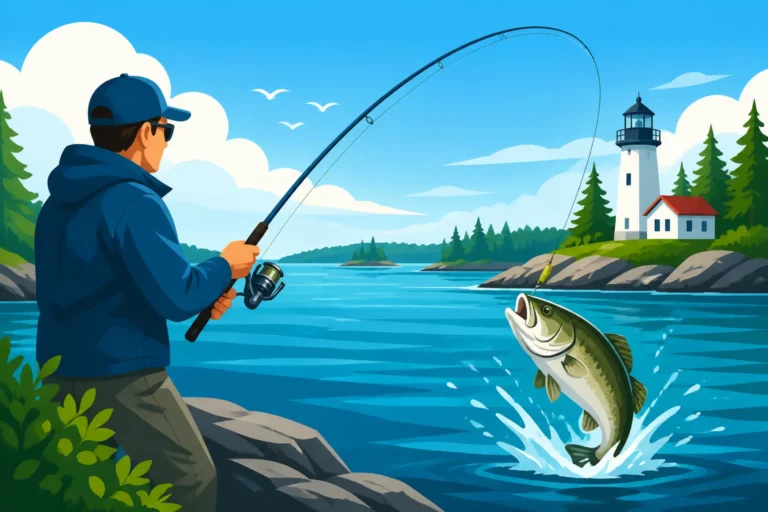
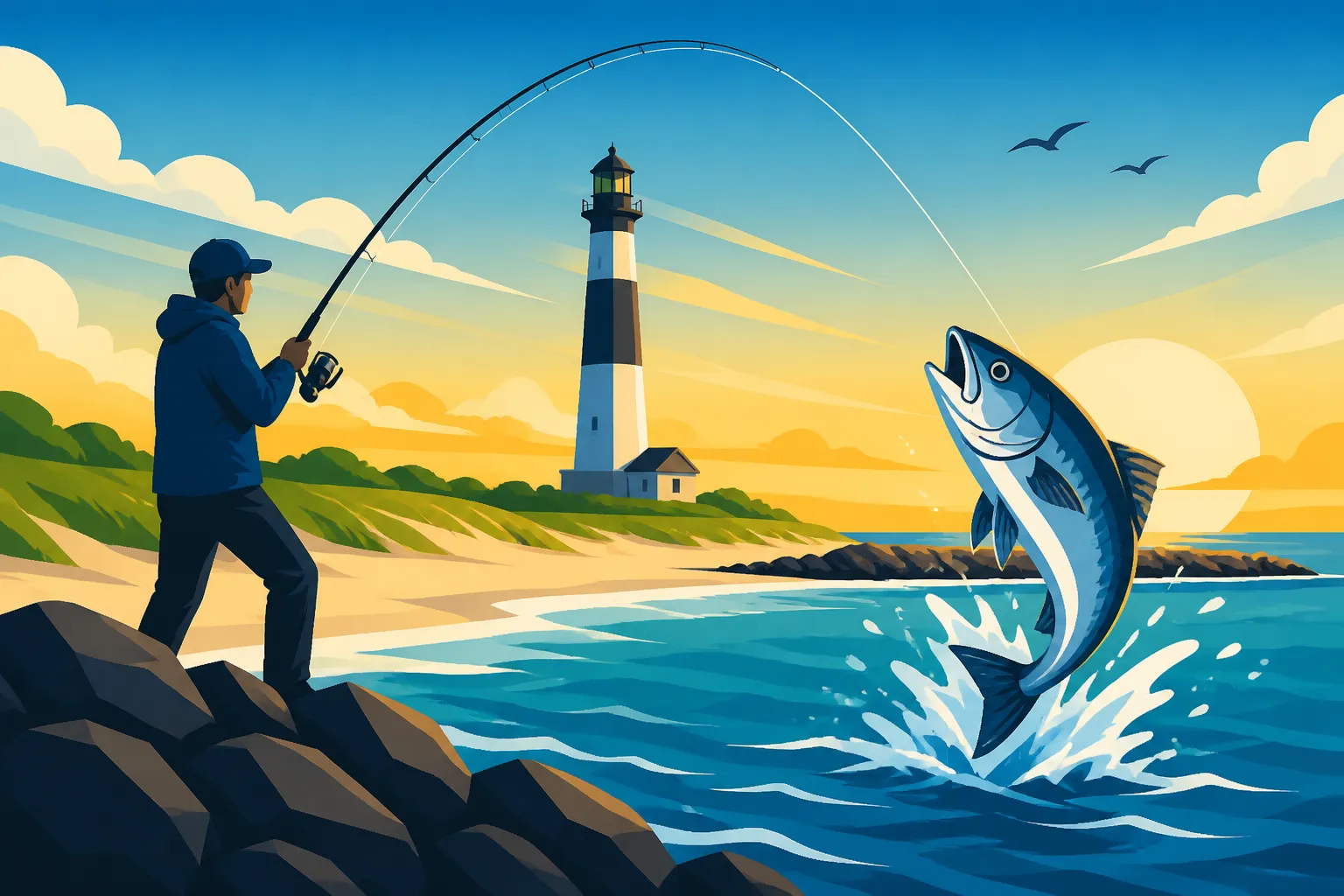
On the northern side, the park borders the Great South Bay, a sprawling, somewhat shallower estuary that offers an entirely different fishing dynamic. Here, you'll find calmer waters, often teeming with smaller baitfish and a host of species that prefer the more sheltered environment. This dual nature means that whether the ocean is too rough, or you're just looking for a different challenge, you have excellent alternatives within the same park. The park's famous lighthouse, while not a direct fishing spot, serves as an iconic landmark and often hints at deeper channels or current breaks offshore that hold fish.
General Fishing Accessibility and Environment
One of the biggest frustrations for anglers can be finding a spot with decent parking, facilities, and clear rules. Robert Moses State Park largely alleviates these concerns. The park is well-maintained and offers ample parking, though it can get very busy during peak summer weekends, especially around Field 2 and Field 5. Field 2, in particular, is a favored spot for surf fishing due to its direct access to the ocean and proximity to the famous "Moses Jetty," a popular structure that attracts a variety of fish. Field 5 provides access to the westernmost tip of Fire Island, which can be an excellent spot for targeting migratory species.
The environment itself is a mix of wide-open sandy beaches, some with jetties and rock structures, and the marshier, calmer waters of the Great South Bay. You'll find plenty of space to spread out, even on busy days, giving you room to cast without feeling crowded. This diverse environment means that you can adapt your fishing strategy based on the weather, tides, and what species you're hoping to encounter. Just remember that it’s a natural environment, so be prepared for varying conditions, from calm, sunny days to windy, challenging surf.
Target Species You Can Expect to Catch at Robert Moses
Robert Moses State Park is a fantastic destination because of the sheer variety of fish species that frequent its waters throughout the year. Depending on the season, the tides, and your chosen fishing method, you could be reeling in anything from powerful game fish to delicious panfish. Knowing what to expect helps you tailor your gear and approach, significantly increasing your chances of a successful outing.
Targeting Popular Game Fish
When most anglers think of saltwater fishing at Robert Moses, their minds often jump straight to the quintessential New York game fish: the striped bass. These powerful fish migrate along the coast and through the inlets, making the park's oceanfront and bay channels prime hunting grounds. The spring and fall migrations are particularly hot, with larger "cow" striped bass often feeding aggressively close to shore. You can learn more about New York Striped Bass Length Requirements to ensure you're fishing legally.
Another thrilling species often encountered is the bluefish. Known for their voracious appetites and fierce fighting capabilities, bluefish can turn a quiet morning into an adrenaline-pumping event. They travel in schools, and when they're around, the action can be non-stop. Their sharp teeth demand wire leaders, but the reward is a truly memorable fight. If you're looking for an intense battle, bluefish are definitely a target worth pursuing. For more on these aggressive fighters, check out our guide on Bluefish Fishing on Long Island Sound, New York.
During the warmer months, especially from late spring through early fall, fluke (also known as summer flounder) are a highly sought-after species, particularly in the calmer waters of the Great South Bay and around the inlets. These flatfish are delicious and offer a fun challenge to catch, often requiring a patient drift or slow retrieve. You can find excellent information on how to target them in our Fluke Fishing on Long Island Sound article.
Shoreline and Bay Species
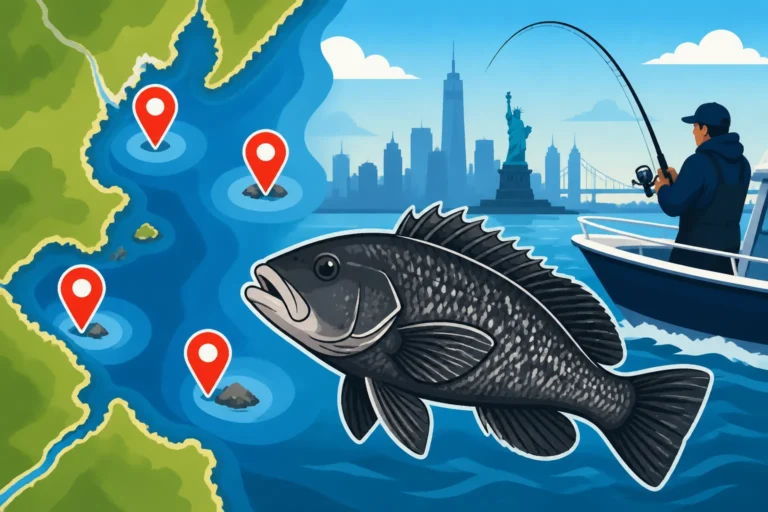
Beyond the big game fish, Robert Moses State Park offers a bounty of other species perfect for shore-based anglers. Blackfish (tautog) can be found around the jetties and rocky structures, particularly in cooler water. They're notoriously tricky to hook but offer a fantastic fight and are highly prized for their firm, white meat. They require specific techniques, often using green crabs or hermits as bait, and a stout rod to pull them from their rocky lairs.
In the Great South Bay, especially around the docks and grassy flats, you'll encounter a variety of panfish and smaller species like porgies (scup) and occasional weakfish. These are fantastic targets for lighter tackle, making for an enjoyable day, especially if you’re fishing with kids or looking for consistent action. Crabs are also abundant, and while not a fish, they're a popular catch for many visitors to the bay side.
The table below provides a quick overview of common species, their typical seasons, and where you're most likely to find them within the park:
| Species | Primary Season | Typical Location | Preferred Bait/Lures | Notes |
|---|---|---|---|---|
| Striped Bass | Spring (Apr-Jun), Fall (Sep-Nov) | Oceanfront (surf), Jetties, Inlet | Clams, Bunker (fresh/frozen), Plugs, Soft Plastics | Migratory, strong fighters |
| Bluefish | Summer (Jun-Oct) | Oceanfront (surf), Inlet | Metal Jigs, Poppers, Cut Bait | Aggressive, sharp teeth (use wire leader!) |
| Fluke | Late Spring-Fall (May-Oct) | Great South Bay, Inlet | Live Killies, Squid Strips, Gulp! | Bottom dwellers, excellent eating |
| Tautog | Spring (Apr-May), Fall (Oct-Dec) | Jetties, Rocky Structures | Green Crabs, Hermit Crabs | Tricky to hook, strong fighters |
| Porgies | Summer (Jun-Oct) | Great South Bay, Docks, Inlet | Clams, Worms, Squid | Abundant, great for light tackle |
| Weakfish | Summer (Jun-Sep) | Great South Bay, Inlet | Soft Plastics, Live Minnows, Squid | Delicate bite, beautiful iridescent scales |
Best Fishing Techniques and Seasons at Robert Moses
To truly succeed at Robert Moses State Park, it’s not just about knowing what fish are around, but how to catch them and when they're most active. The unique blend of ocean surf and calmer bay waters demands a versatile approach, and understanding seasonal patterns is key to maximizing your time on the water.
Surf Fishing Strategies
Surf fishing is arguably the most iconic angling experience at Robert Moses. The vast, sandy beaches offer endless opportunities, but success often hinges on reading the water. Look for "cuts" or "sloughs" – deeper channels running parallel to the beach – where baitfish gather and game fish patrol. Also, keep an eye out for submerged sandbars, which create troughs on the ocean side that funnel fish. The jetties, especially the famous Moses Jetty near Field 2, are magnets for fish, offering structure and current breaks.
For striped bass and bluefish, your tackle will typically involve a long, sturdy surf rod (10-12 feet) paired with a robust spinning reel spooled with 20-30 lb braided line. When using bait, a traditional "fish-finder" rig with a pyramid sinker is effective for holding bottom in the waves. Fresh clam or chunks of bunker are deadly for stripers, while bluefish will readily hit metal lures like Ava jigs or topwater poppers. Casting into the white wash where waves are breaking can often yield results, as fish ambush bait stunned by the turbulent water.
For those looking to explore a broader range of options, consider casting bucktail jigs or soft plastics retrieved slowly along the bottom or jigged through the water column. These can entice a variety of species, especially fluke near the bottom. Always pay attention to the tides; incoming or outgoing tides, particularly around new and full moons, tend to produce the best action as currents move bait and fish. Our guide on How to Fish for Striped Bass in New York offers even more in-depth strategies.
Bay and Inlet Techniques
The Great South Bay side of Robert Moses offers a completely different fishing experience, favoring lighter tackle and more finesse-oriented techniques. Access points around the marina area, the boat basin, and various points along the northern shoreline are productive. The bay is often shallower, making it ideal for targeting fluke, porgies, and weakfish.
Drifting with live bait, such as spearing or killifish, or a strip of squid on a fluke rig (a traditional two-hook rig with a sinker on the bottom) is incredibly effective for fluke. Many anglers also find success jigging small bucktails or soft plastics tipped with bait. For porgies and other panfish, a simple bottom rig with small hooks and pieces of clam or sandworms will usually get you plenty of bites. The key in the bay is often to be patient and let the bait or lure do its work, slowly covering ground by drifting or casting and retrieving at a moderate pace. For a deeper dive into targeting fluke, our article on How to Fish for Fluke on Long Island Sound provides excellent advice.
While much of Robert Moses is fantastic for independent shore anglers, if you're looking to explore deeper waters or try for specific offshore species that reside just beyond casting range, sometimes a charter is the way to go. You can find reputable local captains on platforms like FishingBooker, which makes planning those trips a breeze. These guides often specialize in bay fishing for fluke or even venturing into the ocean when conditions allow, providing all the gear and expertise you need.
Seasonal Hotspots and Timing
Understanding the seasonal movements of fish is paramount at Robert Moses. Spring (April-June) is fantastic for the first push of striped bass and bluefish along the oceanfront, fresh from their southern migrations. Fluke also start becoming active in the bay as water temperatures rise.
Summer (July-August) sees consistent bluefish action in the surf and bay, while fluke fishing remains strong. Porgies are abundant, making it a great time for family fishing trips with lighter tackle. However, the beaches can be very crowded, so early mornings or late evenings often provide the best fishing and fewer distractions. This is also when the water is warmest, so fish might move to deeper channels or jetties during the day.
Fall (September-November) is often considered the peak season for many anglers. The "fall run" brings large schools of striped bass and bluefish crashing baitfish along the oceanfront as they migrate south. This is when some of the biggest fish of the year are caught. Weakfish can also make a strong showing in the bay. Cooler temperatures and fewer crowds make fall an incredibly rewarding time to fish. To get a better sense of year-round opportunities, check out our guide on the Best Time of Year to Fish in New York.
Even in early winter, hearty anglers can find tautog around the jetties. While not a year-round destination for all species, Robert Moses offers productive fishing for a significant portion of the year, adapting to the dynamic New York fishing seasons.
Essential Regulations and Considerations for Robert Moses Fishing
While the fishing at Robert Moses State Park is incredible, it’s crucial to be aware of the rules and regulations to ensure you have a legal, safe, and respectful trip. New York State has specific requirements for saltwater fishing, and adhering to them is not just about avoiding fines, but also about protecting our precious fisheries for future generations.
Licensing and Registry Requirements
Unlike freshwater fishing, which always requires a traditional New York State fishing license, recreational saltwater anglers in New York typically need to register with the Free Recreational Marine Fishing Registry. This registry is mandatory for anyone 16 years of age or older fishing in marine waters or for migratory marine species, including those found at Robert Moses State Park. It's a quick and free process that helps the New York State Department of Environmental Conservation (DEC) collect vital data for managing fish populations. You can easily sign up online. Missing this step can lead to penalties, so always make sure you're registered before casting a line. For more details on this, consult the New York Recreational Marine Fishing Registry guide.
It's also important to remember that regulations like minimum size limits, daily creel limits (how many fish you can keep), and specific season dates vary by species. These rules are put in place to ensure sustainable fishing practices. For instance, striped bass often have a "slot limit," meaning you can only keep fish within a specific length range, not too small and not too large, to protect breeding stocks. Always carry a copy of the current New York Fishing Regulations Explained, which can usually be found on the DEC website or through a quick search, or pick up a physical copy at a local tackle shop.
Responsible Fishing Practices
Beyond the legal requirements, practicing responsible angling is vital at Robert Moses. This means being mindful of your fellow anglers, especially on crowded beaches or jetties. Maintain a reasonable distance, avoid casting over someone's line, and be respectful of everyone's space.
Leave no trace behind. This includes taking all your trash with you, especially discarded fishing line and bait containers, which can harm wildlife. If you're planning to catch and release, especially for species like striped bass which might have strict limits or be out of season, ensure you know proper catch-and-release handling techniques. Minimize the time the fish is out of water, handle it gently with wet hands, and use circle hooks when bait fishing for striped bass, as they are less likely to gut-hook a fish.
If you’re considering an offshore trip from one of the nearby marinas, perhaps through a charter found on FishingBooker, remember that even on a charter, the same fundamental principles of responsible fishing apply, and the captain will guide you on specific regulations for the day's target species. Always remember that fishing is a privilege, and we all have a role to play in preserving the marine environment. If you’re ever caught Fishing Without a License in New York: What Happens can be a rude awakening, so always be prepared.
Robert Moses State Park truly offers a diverse and exciting fishing experience for anglers of all skill levels. Whether you're chasing trophy stripers in the surf or enjoying a relaxed day catching porgies in the bay, understanding the park's unique features, target species, effective techniques, and crucial regulations will set you up for success. So pack your gear, check the tides, and get ready to enjoy some of the best fishing Long Island has to offer. For those eager to explore more great fishing opportunities on Long Island, our guide to Best Shore Fishing Spots on Long Island, New York is an excellent next read.
Disclaimer
The information provided in this guide is for general informational purposes only and is subject to change. Fishing regulations, season dates, and license requirements are set by the New York State Department of Environmental Conservation (DEC) and can be updated at any time. Always consult the official NYS DEC website or current fishing regulations guide before heading out to fish to ensure compliance with the most up-to-date rules.