Best Spots for Blackfish Near New York Harbor
Trying to pin down the best spots for blackfish, or tautog as they’re properly known, near the bustling New York Harbor can feel like searching for a needle in a haystack. The sheer volume of water, combined with the often-murky conditions and the notoriously shy nature of these fish, can leave even seasoned anglers scratching their heads. This guide is here to unravel that mystery, providing you with a detailed breakdown of where to find these elusive, hard-fighting bottom dwellers and what you’ll need to put them in your cooler.
Understanding Blackfish in New York Harbor Waters
Before we dive into the specific hotspots, it's crucial to understand a bit about blackfish themselves and why the unique environment of New York Harbor makes it such a prime location for targeting them. These aren't your typical open-water cruisers; tautog are masters of their rocky domain.
The Elusive Tautog and Its Habitat
Blackfish, or tautog, are truly unique characters in the New York fishing scene. They’re known for their powerful jaws, crushing teeth, and an almost uncanny ability to strip your bait clean off the hook without you ever feeling a bite. What makes them even more captivating for anglers is their strong association with structure. These fish absolutely adore rocky bottoms, mussel beds, old pilings, sunken debris, and just about anything else that provides cover, a food source, and a place to hide from currents and predators. If you’re fishing a sandy flat, you’re almost certainly in the wrong place for blackfish. You can dive deeper into the characteristics of these fascinating fish by checking out What a Tautog (Blackfish) Is. They are ambush predators, often lying in wait within their chosen hideouts, ready to snap up crabs, mussels, and other crustaceans that drift by.
Their diet is a major clue to their whereabouts. Tautog primarily feed on shellfish and crustaceans, which means they are inextricably linked to areas where these food sources thrive. Think of barnacle-encrusted pilings, mussel beds clinging to rocks, or crab-laden rubble piles. This explains why fishing close to structure is paramount. Unlike striped bass that might chase baitfish across open water, blackfish are homebodies. Once you find a good blackfish spot, it tends to be consistently good, provided the structure remains intact and the food supply is plentiful. This habitat preference also makes them incredibly challenging to land; they'll often try to dive back into the very structure you're trying to pull them away from, leading to brutal battles and many a broken line.
Why New York Harbor is Prime Blackfish Territory
New York Harbor might not immediately conjure images of pristine fishing grounds, but don't let its urban backdrop fool you. Beneath the busy shipping lanes and alongside the iconic skylines lies an incredibly rich and diverse marine ecosystem. The harbor's unique geography, with its convergence of freshwater rivers (like the Hudson) and saltwater from the Atlantic Ocean, creates a dynamic environment that supports a wide array of marine life, including an impressive population of blackfish. The consistent currents bring in a steady supply of nutrients, fueling the growth of the shellfish and crustacean populations that tautog feast upon.
Furthermore, the centuries of human activity, while sometimes detrimental, have also inadvertently created ideal blackfish habitat. Think about it: old docks, collapsed piers, forgotten bridges, and countless sunken objects litter the harbor floor. Each one of these structures, often encrusted with barnacles, mussels, and sponges, becomes a perfect condominium for blackfish. These man-made structures mimic the natural rocky reefs that tautog would seek out in less developed areas, concentrating the fish into identifiable, albeit challenging, fishing spots. The deeper channels and varying bottom contours also provide thermal refuge and migratory routes, making the harbor a year-round residence for a healthy population of tautog, even as anglers often seek them out during specific times of the year.
Top Blackfish Hotspots Near New York Harbor
Now that we understand the 'why,' let's get into the 'where.' New York Harbor offers a variety of blackfish opportunities, whether you prefer fishing from shore or by boat. The key is always to target structure.
Piers and Docks: Accessible Shoreline Options
For the angler without a boat, piers and docks offer some of the most accessible and often productive blackfish opportunities. These structures, by their very nature, attract bait and provide the kind of vertical and horizontal cover that tautog love. When looking at a pier, don't just cast out into the open water; focus your efforts directly along the pilings and underneath the dock itself. These are the blackfish's living rooms.
One fantastic example is the Brooklyn Bridge Park Piers (Piers 1, 5, and 6), which offer excellent public access and plenty of structure. The pilings here are covered in mussels and barnacles, providing an abundant food source. Similarly, the Gantry Plaza State Park Pier in Long Island City, Queens, offers a unique perspective with Manhattan as a backdrop, and its industrial-era pilings can hold some surprisingly large tautog. When fishing these spots, it’s crucial to use a heavy enough sinker to keep your bait pinned directly against the pilings, preventing the current from sweeping it away. A short leader with a strong hook is essential, as you'll be pulling fish directly out of heavy cover. You can learn more about general pier fishing tactics by researching Best Fishing Piers in New York City. Remember, patience is key, and don't be afraid to move a few feet down the pier and try a new piling if one isn't producing.
Another often overlooked gem for shore anglers is the area around Liberty State Park in Jersey City, just across the harbor. While it requires a bit of walking to find the prime spots, the decaying industrial structures and rocky seawalls here provide fantastic habitat. Anglers casting from the shoreline near these structures can often find success, especially during incoming and outgoing tides when the water movement dislodges food. The key is to get your bait as close to the submerged parts of the structure as possible without getting instantly snagged. This often means a delicate dance of casting, feeling the bottom, and quickly reeling up any slack line to keep tension and detect those subtle tog bites.
Reefs and Wrecks: Targeting Structure by Boat
For boat anglers, the world of reefs and wrecks opens up a whole new dimension for blackfish hunting. These underwater havens are tautog magnets, providing vast amounts of intricate structure and flourishing ecosystems of their favorite foods. The trick is not just finding them, but fishing them effectively.
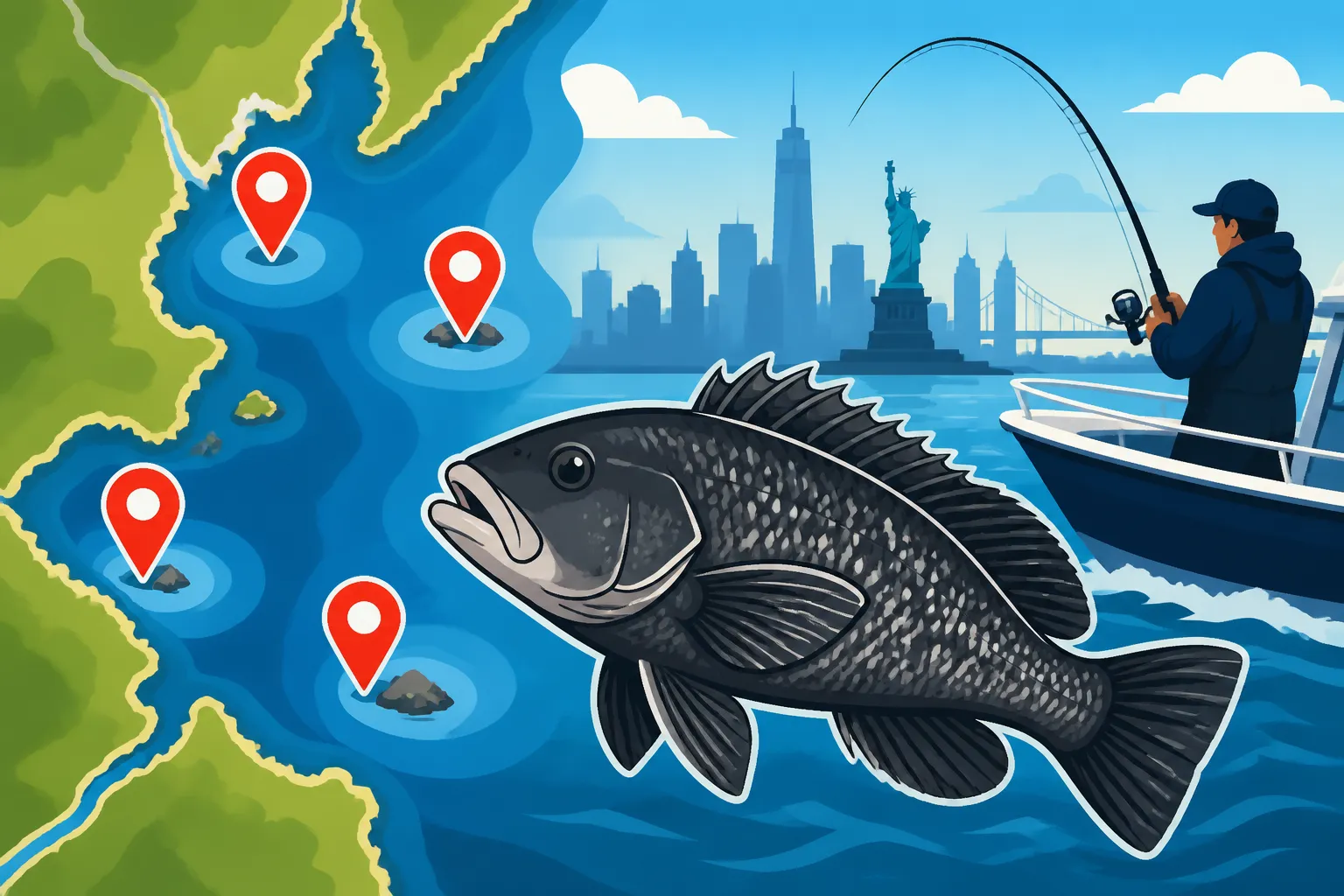
Within a reasonable boat ride of New York Harbor, there are numerous natural and artificial reefs. The Rockaway Reef, located a bit south of the harbor entrance, is a prime example of an artificial reef system designed to enhance marine life. It's composed of various materials, including old subway cars, military vehicles, and concrete structures, all of which create ideal tautog habitat. Similarly, the Sandy Hook Reef, off the coast of New Jersey, offers another expansive area of structure. These reefs are not just single points; they are large areas with varying depths and features. Using a good fish finder to locate the densest parts of the structure, often showing up as jagged lines or large blobs on your screen, is critical. Drop your anchor precisely so your boat is positioned directly over the structure, allowing your bait to fall straight down into the fish’s zone.
Beyond dedicated reefs, countless smaller, uncharted wrecks and rubble piles dot the entrance to the harbor and the surrounding waters of Raritan Bay and Sandy Hook Bay. These could be anything from sunken barges to rock outcrops that are simply too small to be named on a chart but hold massive potential. Many experienced local charter captains, like those you might find through a service like FishingBooker, have spent years mapping these hidden gems. They'll often guard their best numbers zealously, but booking a trip with a seasoned captain can be an invaluable way to learn these waters and pick up techniques specific to these types of spots. Fishing wrecks requires a good anchor system, plenty of patience, and a willingness to lose some tackle, as snags are almost guaranteed when fishing these jagged underwater landscapes.
Bridges and Pilings: Current-Swept Structures
Bridges and their associated pilings are another goldmine for blackfish, especially those located in areas with strong tidal currents. The constantly moving water brings a fresh supply of food to the tautog, which can be found clinging to the barnacle-encrusted pilings, out of the main force of the current.
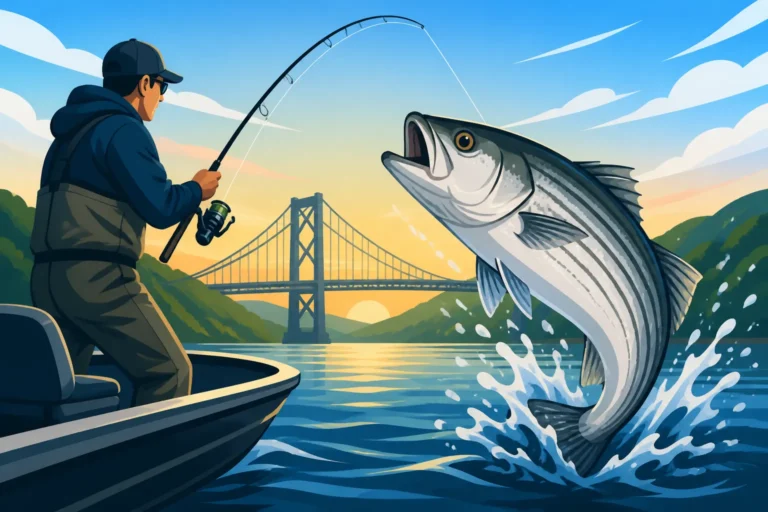
The Verrazzano-Narrows Bridge, connecting Brooklyn and Staten Island, is a monumental structure that creates an incredible amount of current-swept habitat. The massive concrete footings and pilings extend deep into the water, providing ample opportunities for blackfish. Fishing here demands heavy tackle and precise boat positioning. You'll need to drop your bait directly against the pilings, often right at the point where the current creates an eddy or slack water. The sheer size of this structure means there's a lot of ground to cover, so don't be afraid to move around until you find a productive area. Be extremely mindful of vessel traffic and safety regulations when fishing near such a prominent shipping channel.
Further north, the pilings of bridges spanning the Raritan River or Arthur Kill can also be excellent spots. These areas often have significant current, especially during tide changes, making them ideal feeding grounds for blackfish. When fishing pilings, a common strategy is to use a "short-drop" rig, which keeps your bait extremely close to the sinker, minimizing snags while still allowing the bait to be presented naturally. Experiment with depths – sometimes the fish are shallow, sometimes they are deep, depending on the current and water temperature. Remember to always check local regulations, as fishing from or too close to certain bridge structures may be restricted for safety or security reasons.
Essential Gear and Techniques for New York Harbor Blackfish
Catching blackfish is a specialized pursuit. Your general fishing gear for stripers or fluke might not cut it. Tautog demand robust tackle and specific approaches.
Rods, Reels, and Line: Building Your Tog Setup
When it comes to blackfish, robustness is the name of the game. These fish are notorious for their powerful initial runs and their immediate dive back into structure, so your gear needs to be up to the task. Forget finesse; think brute strength.
For rods, you'll want something stout and stiff, typically in the 6.5 to 7.5-foot range, with a fast action and a heavy power rating. A good quality conventional rod, often rated for 20-50 lb line, is ideal. The stiffness in the rod allows you to effectively set the hook on a tog's bony mouth and then quickly winch them away from snags before they can bury themselves. Many anglers opt for rods specifically designed for tautog fishing, which usually have a very sensitive tip for detecting bites but a powerful backbone. Look for brands like St. Croix or Penn that offer rods capable of handling the abuse of tog fishing.
Reels should be conventional, robust, and capable of holding a decent amount of heavy braided line. A star drag or lever drag reel in the 20-30 size range (e.g., Penn Fathom, Daiwa Saltist) is a solid choice. You need a strong drag system that won't slip under pressure, as you'll be putting a lot of force on these fish. Load your reel with 30-50 lb braided line. Braid's no-stretch properties are crucial for feeling those subtle bites and for delivering powerful hooksets. While braid is excellent for sensitivity and strength, always use a fluorocarbon leader of 30-50 lb test, about 18-24 inches long. This fluorocarbon provides abrasion resistance against the unforgiving structure and is less visible to the fish. When choosing a leader, prioritize quality and strength, as it's the most critical link in your setup when fighting a tog.
Baits and Rigs: What Togs Can't Resist
Tautog are primarily crustacean eaters, so your bait choices should reflect this. Hands down, the most effective baits for blackfish in New York Harbor are various types of crabs. Green crabs are the undisputed king, readily available at most tackle shops in the area. Other effective crab species include fiddler crabs, hermits, and sometimes even small blue crabs. The key is to present them naturally and securely.
When it comes to rigs, simplicity and strength are paramount. The most popular and effective rig for blackfish is a simple "two-hook tog rig" or a "hi-lo" rig. This typically involves a heavy lead sinker at the bottom, followed by two snelled hooks on short leaders extending from the main line. Hooks should be strong, sharp, and appropriately sized for the crabs you're using, usually a 3/0 to 5/0 octopus or Kahle style. You can also use a "snafu" rig, which involves two hooks tied back-to-back on a single leader, allowing for a double bait presentation. The goal is to keep your bait close to the bottom and right on the structure. For detailed instructions on rigging, many local tackle shops, like those on Long Island, can offer expert advice, or you might find a charter on FishingBooker that specializes in tog and can demonstrate the best setups.
Baiting your hook correctly is almost as important as the rig itself. When using green crabs, break off their legs and sometimes even cut the crab in half (especially larger ones) to expose more scent and make it easier for the tog to bite. Thread the hook through one of the leg sockets and out the shell, ensuring the point is exposed. For fiddler crabs, simply hook them through the body, making sure the hook is secure. The objective is for the crab to stay on the hook even after repeated nibbles from bait stealers or aggressive tog.
Optimal Tides and Conditions
Timing is everything in blackfish angling, and understanding the tides and conditions is perhaps the most crucial factor for success in New York Harbor. Tautog bite best when there's moving water, as the current stirs up food and makes their rocky homes more productive.
The sweet spot for blackfish activity is usually during the beginning and end of a tidal change, meaning the hour or so before and after high or low slack water. During these periods, the current is moving but not too strong, allowing the fish to feed more comfortably and making it easier for anglers to hold bottom with their sinkers. Strong currents in the middle of a tide can make it difficult to keep your bait in the strike zone and can push fish deep into their hiding spots. Conversely, during absolute slack tide, when the water is barely moving, the bite often shuts down completely. Anglers often refer to this as the "blackfish lull." You can often find a good bite by focusing on the "last hour of the outgoing" and the "first hour of the incoming" tide, or vice versa, depending on the specific location and current flow.
Beyond tides, water temperature plays a significant role in blackfish activity. While tautog can be caught throughout much of the year, their activity peaks in the cooler shoulder seasons – late fall and early spring. These are the times when the water temperatures are ideal for their metabolism, and they are actively feeding to bulk up for winter or after spawning. Sudden drops in temperature can sometimes put them off the bite, while stable cool weather usually means good fishing. Weather conditions like heavy winds can make fishing difficult or unsafe, especially in an exposed area like New York Harbor. Overcast days with light winds are often preferred, as bright sunshine can sometimes make the fish more skittish. Always check the marine forecast before heading out, especially if you're venturing out by boat, to ensure safe and productive conditions. Understanding Best Time of Year to Fish in New York and Best Time of Day to Fish in New York can significantly improve your chances.
Navigating Regulations and Responsible Angling
Before you even make your first cast, it's absolutely vital to be aware of and adhere to the current fishing regulations for blackfish in New York State. Ignoring these rules can lead to significant penalties, and more importantly, responsible angling ensures the health and sustainability of the fishery for future generations.
New York State Blackfish Regulations
New York State, like all coastal states, has specific regulations in place to manage its marine fisheries, and blackfish (tautog) are no exception. These regulations are subject to change, sometimes even within a single season, so always consult the most current information available from the New York State Department of Environmental Conservation (DEC) website or their annual marine fishing guide. Failing to check current regulations is a common mistake that can easily land you in trouble, and if you're wondering What Happens If You Get Caught Fishing Without a License, the consequences can be severe.
Key aspects of blackfish regulations typically include:
- Seasons: Tautog fishing is not open year-round. There are usually specific open seasons in the spring and fall. These seasons are designed to protect the fish during critical spawning periods.
- Minimum Size Limit: There is a minimum length a blackfish must be to be legally kept. Fish smaller than this must be immediately released. Measure your fish carefully from the tip of the snout to the end of the tail, making sure to lay it flat.
- Daily Bag Limit: This dictates how many blackfish you can keep per angler per day. This limit is often lower for private boat anglers than for those fishing on party or charter boats, so pay close attention to the specific rules for your situation.
- Licensing and Registration: For saltwater fishing in New York, residents and non-residents are typically required to register with the New York Recreational Marine Fishing Registry. While it's generally free for residents, it is still a mandatory step. This is separate from a freshwater fishing license. Make sure you understand all the requirements by looking into the New York Saltwater Fishing Registration Guide.
It's your responsibility as an angler to know these rules. Keep a copy of the current regulations handy, either digitally on your phone or a printed guide, whenever you're out fishing. Ignoring these rules not only puts you at risk of fines and penalties but also undermines conservation efforts.
Conservation and Catch-and-Release Practices
Beyond simply following the rules, responsible angling means actively participating in the conservation of the blackfish population. Tautog are a relatively slow-growing species, and overfishing can have a significant impact on their numbers. Practicing smart catch-and-release is vital for sustaining this incredible fishery.
When releasing blackfish, especially those caught in deeper water, handle them with care. Tautog have strong jaws and spines, so use a dehooking tool to remove the hook quickly and minimize stress. If the fish shows signs of barotrauma (swollen stomach, bulging eyes) from being brought up from deep water, consider using a fish descending device to return it to depth. This greatly increases their chances of survival. Avoid dropping fish onto hard surfaces or allowing them to flop around excessively. Get them back into the water as quickly and gently as possible.
Consider keeping only what you plan to eat and releasing the rest, even if you are under the legal bag limit. This voluntary conservation effort goes a long way in ensuring healthy populations for future anglers. Many anglers find immense satisfaction in targeting trophy-sized blackfish and then carefully releasing them, knowing they've contributed to the species' long-term health. Participating in local clean-up efforts around fishing spots and properly disposing of all trash, especially fishing line and bait containers, also contributes to a healthier environment for blackfish and all marine life in New York Harbor. Being a good steward of the environment is part of the joy and responsibility of being an angler.
Disclaimer
The information provided in this guide is for general informational purposes only. Fishing regulations, seasons, and licensing requirements are subject to change by the New York State Department of Environmental Conservation (DEC) and other governing bodies. Always consult the official DEC website or current fishing regulations guide before engaging in any fishing activities. Local conditions, fish populations, and access points can vary. The author and publisher are not responsible for any errors or omissions, or for any adverse events that may result from the use of this information. Fish responsibly and safely.