Black River Steelhead Fishing in New York
For any angler in New York, the dream of battling a powerful, chrome-bright steelhead in a cold, rushing river is a powerful draw. But if you’ve ever tried to tackle a challenging fishery like the Black River, you know the frustration of not knowing where to start, what gear to use, or when the fish are even there. This guide is here to cut through the confusion and equip you with the knowledge to confidently pursue steelhead on New York's incredible Black River.
The Undeniable Allure of Black River Steelhead
There's something truly special about steelhead fishing, and the Black River in New York offers a unique and exhilarating experience that keeps anglers coming back year after year. It's not just about catching fish; it's about the adventure, the challenge, and the raw beauty of the environment.
Why the Black River Stands Out for Steelhead
The Black River, flowing through Lewis and Jefferson counties before emptying into Lake Ontario near Watertown, holds a unique place in the hearts of New York anglers. Unlike some of the smaller, more manicured tributaries, the Black River offers a robust, wilder feel. Its substantial flow, diverse bottom structure, and numerous public access points make it an ideal destination for steelhead. The river’s character shifts as it flows from its upper reaches, which offer a more serene, almost wilderness-like experience, to the lower sections near Dexter and Watertown, where the river widens and the currents become more powerful. This variety means you can find different types of water to fish, catering to various techniques and preferences, from tight, intimate runs to broad, sweeping pools. It's a river that truly rewards exploration and understanding its unique personality.
The Thrill of Battling a Chrome Bullet
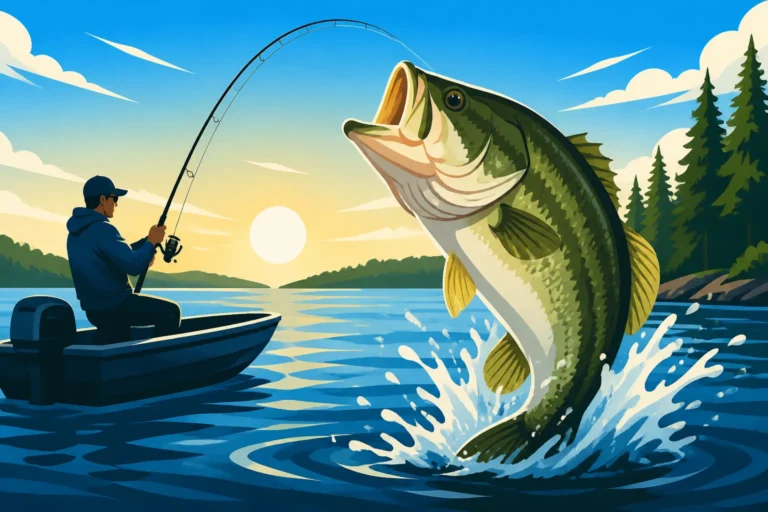
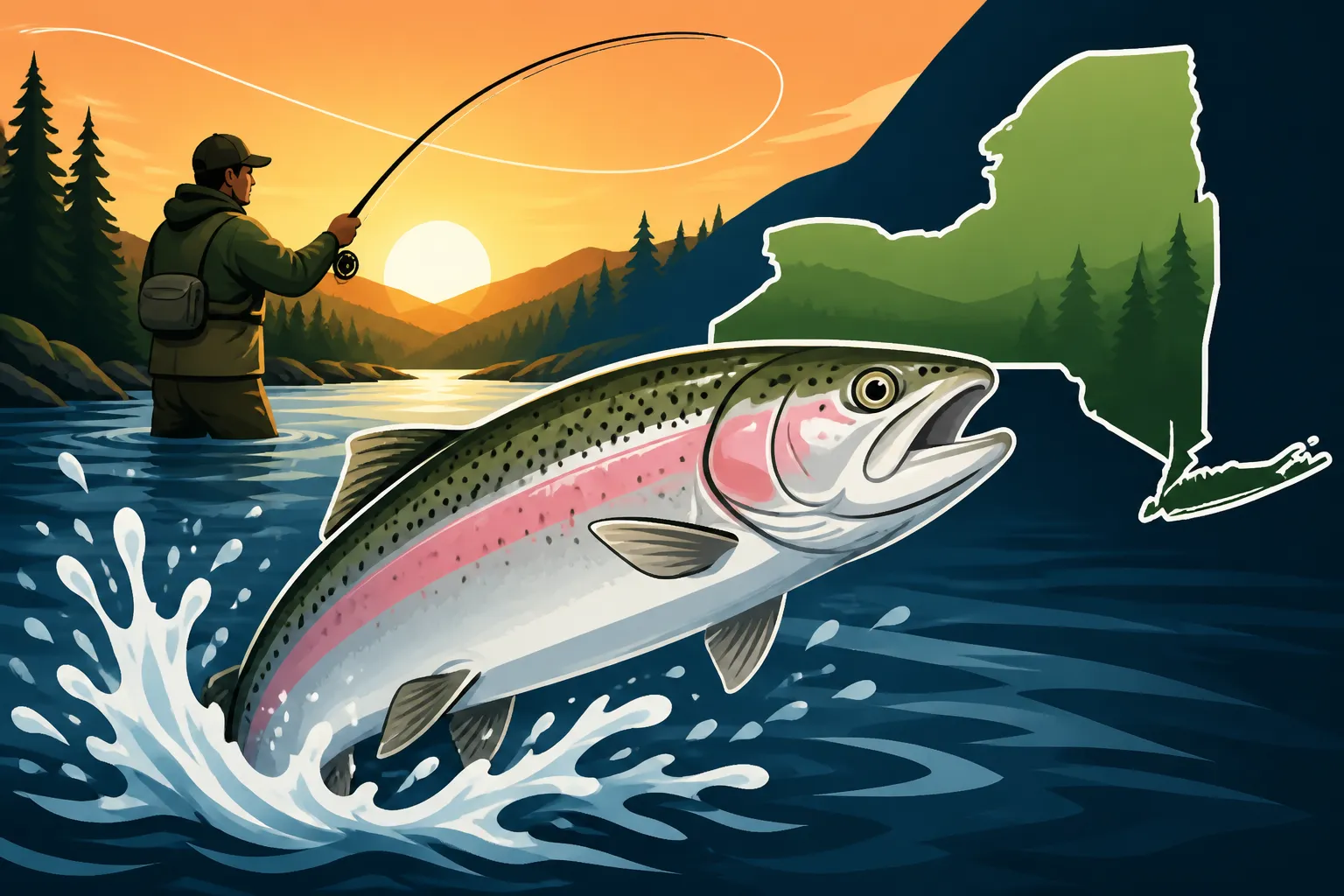
If you've never hooked into a fresh steelhead, prepare for an adrenaline rush unlike any other. These fish are often called "chrome bullets" for a reason. When a steelhead feels the hook, it explodes with incredible power, making blistering runs, acrobatic jumps, and using the river's current to its full advantage. They are not shy, and their strength, especially those coming directly from the vastness of Lake Ontario, is truly remarkable. The fight is often a test of patience, skill, and the integrity of your tackle. Many anglers describe it as a dance, a give-and-take that demands your full attention. Successfully landing one of these magnificent fish, seeing its shimmering silver flanks, and then releasing it back to continue its journey, is an incredibly rewarding experience that transcends simply "catching a fish." It's a profound connection to the wild.
The Steelhead's Incredible Journey
To truly appreciate steelhead fishing on the Black River, it helps to understand the incredible life cycle and migration patterns of these amazing fish. Steelhead, which are essentially an anadromous form of rainbow trout, spend most of their lives growing large in the open waters of Lake Ontario. They feast on baitfish and other aquatic life, developing the strength and size that make them such formidable fighters. As fall approaches and water temperatures begin to drop, an ancient instinct kicks in, and these powerful fish begin their arduous journey up rivers like the Black River to spawn. This migration isn't a simple swim; it's a monumental undertaking against strong currents, over rapids, and past countless obstacles. They return again in the spring, often holding over winter in the river system, making them accessible to anglers for much of the colder months. Understanding this journey helps us appreciate their resilience and gives insight into when and where they might be found. You can dive deeper into the biology of these magnificent fish by exploring our guide on Steelhead Trout in New York.
Decoding Black River Steelhead Seasons and Timing
One of the biggest hurdles for any steelhead angler is knowing when the fish are actually in the river and active. The Black River, like all Great Lakes tributaries, has distinct seasons for steelhead, each with its own characteristics and challenges. Timing is absolutely everything.
The Vibrant Fall Steelhead Run
As autumn paints the New York landscape with brilliant colors, the Black River comes alive with the first push of fall-run steelhead. Typically, this initial surge begins in late September and picks up momentum through October and November. These early-season fish are often aggressive, fresh from the lake, and eager to strike. Cooler water temperatures, spurred by crisp nights and falling leaves, signal to the steelhead that it's time to move upstream. You'll often find them congregating at the mouths of tributaries, in deeper pools, and near current breaks as they stage for their journey. Fall can be one of the most productive times, but it can also be highly dependent on water levels and clarity. A good rain can trigger a major push of fish, while prolonged dry spells might slow things down. Anglers often use techniques like float fishing with egg sacs, beads, or small jigs during this period, capitalizing on the fish's strong feeding instincts.
The Enduring Winter Steelhead Challenges
Don't hang up your waders just because winter arrives! The Black River offers a fantastic, albeit challenging, winter steelhead fishery. While the runs might not be as heavy as in the fall or spring, many steelhead will hold over in the deeper, slower pools of the river throughout the colder months. The key here is patience and understanding fish behavior in frigid water. Steelhead become less active in very cold temperatures, conserving energy, and often hold in predictable lies. You'll want to focus on slower, deeper runs, current seams, and any areas offering a slight reprieve from the main current. Ice formation can be a significant factor on the Black River, especially in shallower sections or backwater areas. While ice fishing for steelhead isn't as common as open-water techniques, knowing how to navigate around ice shelves and slush is crucial for safety and success. Warmer spells, often called "thaws," can provide excellent fishing windows as rising water temperatures briefly invigorate the fish.
The Explosive Spring Steelhead Bonanza
For many, the spring run is the pinnacle of Black River steelhead fishing. Starting typically in late March and continuing through April and into May, this is when the bulk of the steelhead make their spawning push. These fish are highly motivated, and their numbers in the river can be truly impressive. You'll encounter both "fresh" fish coming in from the lake and "dropbacks"—fish that have already spawned and are heading back to Lake Ontario, often ravenously feeding to regain strength. This mixed bag of fish means diverse opportunities. The spring run is characterized by fluctuating water levels due to snowmelt and rain, which can dictate access and fishing conditions. Understanding Spring Steelhead Run Timing in New York is vital for maximizing your success during this peak period. Anglers will find success with a variety of methods, as fish are both spawning and feeding. The action can be fast and furious, but also requires careful navigation of potentially high and turbid water.
Essential Gear and Tackle for Black River Steelhead
Success on the Black River isn't just about showing up; it's about being prepared with the right tools for the job. Steelhead are powerful fish, and the conditions on the Black River can be demanding, so having reliable gear is paramount.
Rods, Reels, and Lines for the Fight
When targeting Black River steelhead, your rod, reel, and line setup need to be robust enough to handle powerful fish and varying water conditions.
- Rods: For traditional drift fishing or float fishing, a long (10-13 feet), sensitive spinning or centerpin rod in the medium-light to medium-heavy action is ideal. The length helps with line control, mending, and absorbing runs. For fly fishing, a 9-10 foot rod in a 7-9 weight is generally preferred. This allows for casting larger flies and handling strong fish.
- Reels: A high-quality spinning reel with a smooth drag system and sufficient line capacity (size 2500-4000) is a must. For centerpin fishing, a dedicated centerpin reel offers unparalleled line control and a direct connection to the fish. Fly reels should match the rod weight and have a strong, reliable drag.
- Lines: A good quality monofilament or fluorocarbon main line (8-12 lb test) is common for spinning and centerpin setups, especially when using lighter leaders. Braided line can be used as a mainline for its sensitivity and strength, but it's usually paired with a fluorocarbon leader for stealth. For fly fishing, a weight-forward floating line is standard for indicator nymphing, while sinking tip lines are crucial for swinging streamers. Fluorocarbon leaders (6-10 lb test) are almost always preferred for their invisibility and abrasion resistance.
Remember, the goal is balance. Your setup should allow you to cast effectively, detect subtle bites, and have the backbone to turn a strong fish in swift current.
Baits, Lures, and Flies that Produce
Steelhead can be finicky eaters, but certain presentations consistently prove effective on the Black River.
- Egg Sacs: These are a tried-and-true steelhead killer. Fresh or cured salmon and trout eggs, tied into small mesh bags, imitate natural fish eggs, a primary food source for steelhead. Varying colors and sizes can make a huge difference depending on water clarity and fish preference. Learning How to Fish Egg Sacs for Steelhead is a fundamental skill for any tributary angler.
- Beads: Trout beads, typically made of plastic or glass, are designed to imitate single fish eggs. Rigged a short distance above the hook, they offer a subtle and natural presentation, especially in clear water. Like egg sacs, they come in a multitude of colors and sizes.
- Jigs: Small marabou jigs (1/32 to 1/8 oz) in various colors (pink, white, black, chartreuse) can be incredibly effective, especially when tipped with a wax worm or maggot. They offer a lifelike pulsing action in the current that steelhead find irresistible.
- Flies: For fly anglers, a diverse box is essential. Egg patterns (glo-bugs), stoneflies, caddis nymphs, and various attractor patterns are staples for nymphing. Streamers like Woolly Buggers, Sculpzillas, and articulated patterns can be deadly when swung through runs, particularly for aggressive fish. Don't forget to check out our comprehensive guide on Best Fly Patterns for New York's Lake Ontario Steelhead for more specific recommendations.
- Spoons and Crankbaits: While often thought of as summer lake lures, smaller spoons (e.g., Little Cleos, Koho spoons) and minnow-imitating crankbaits can occasionally tempt aggressive steelhead in larger pools or when fish are fresh from the lake.
Waders, Footwear, and Essential Safety Gear
Fishing cold rivers like the Black River demands proper attire and a strong emphasis on safety.
- Waders: Breathable chest waders are essential for staying dry and warm. Choose a quality brand that offers durability and comfort. Neoprene waders are warmer for colder temperatures but less breathable. Layering underneath your waders with fleece or synthetic materials is crucial.
- Wading Boots: Paired with your waders, sturdy wading boots with felt or rubber soles (and often studs or cleats) provide critical traction on slippery, rocky river bottoms. A slip and fall in cold, swift water can quickly become a serious situation.
- Life Vest/PFD: Especially if you plan to wade in deeper, faster currents, a personal flotation device (PFD) or inflatable wading vest is a non-negotiable safety item.
- Other Safety Gear: Always carry a wading staff for stability, especially when crossing unknown water or navigating swift currents. A sharp knife, a headlamp (for early mornings or late evenings), and a small first-aid kit are also wise additions to your pack. Inform someone of your fishing plans and expected return time, especially if fishing alone.
Effective Black River Steelhead Fishing Techniques
Approaching the Black River with a "one-size-fits-all" mentality will lead to frustration. Steelhead fishing requires adaptability, and understanding various techniques will significantly increase your chances of success.
Mastering the Art of Drift Fishing
Drift fishing is arguably the most popular and effective method for targeting steelhead in New York's tributaries, and the Black River is no exception. It involves presenting a bait or fly naturally with the current, allowing it to "drift" into the strike zone where steelhead are holding.
- Float Fishing (Indicator Nymphing): This technique uses a small bobber or float to suspend your bait or fly at a precise depth. The float acts as a visual strike indicator, signaling even the most subtle bites. Key to success is matching the current speed with your float, ensuring a drag-free drift. This means mending your line upstream to keep it from pulling the float unnaturally. Common baits for float fishing include egg sacs, beads, small jigs, or a combination. The Black River, with its varied current speeds, lends itself well to this technique, allowing you to cover long runs and deep pools effectively. Learning How to Drift Fish for Steelhead is foundational, and practicing your mend will pay dividends.
- Bottom Bouncing/Slinky Drifting: In heavier currents or deeper pockets, anglers sometimes employ a bottom-bouncing rig or a "slinky" weight setup. This allows the bait to tumble along the bottom, where steelhead often hug close to avoid the main current. This method is more prone to snags but can be very effective when fish are tight to the riverbed and not willing to rise for a float. It requires a keen feel for the bottom and quickly discerning between a snag and a subtle bite.
The Elegance of Fly Fishing for Steelhead
Fly fishing for steelhead on the Black River offers a truly immersive and rewarding experience. It demands a different kind of precision and understanding of presentation.
- Nymphing with Indicators: Similar to float fishing, indicator nymphing uses a strike indicator to detect bites while presenting weighted nymphs (e.g., stoneflies, caddis, egg patterns) at depth. The goal is a perfect, drag-free drift that mimics natural insect larvae or eggs tumbling downstream. This is a highly effective method, especially in the slower, deeper sections of the Black River or when fish are less aggressive.
- Swinging Streamers: For aggressive, lake-run steelhead, swinging streamers can be incredibly exciting. This involves casting a large, flashy fly (often imitating baitfish like sculpins or minnows) across and downstream, allowing the current to "swing" it through a potential holding lie. The take is often aggressive and violent. This technique is particularly effective in faster runs, tailouts of pools, and during periods of higher, colored water. If you're looking to get started, checking out our guide on How to Fly Fish for Steelhead can give you a solid foundation.
- Wet Flies and Soft Hackles: While less common for pure steelhead, traditional wet flies and soft hackles can be surprisingly effective in specific situations, particularly for dropback fish or when steelhead are keying in on emerging insects. They offer a subtle presentation, often fished on a short leader swung through softer currents.
Centerpin and Spin Fishing Advantages
While fly fishing holds a certain mystique, centerpin and spin fishing are incredibly effective and widely used methods on the Black River.
- Centerpin Fishing: Originating from British Columbia, centerpin fishing is gaining popularity for its incredible line control and sensitivity. The free-spooling design of a centerpin reel allows for perfectly drag-free drifts, presenting a bait as naturally as possible. This is particularly effective for presenting small baits like egg sacs or beads in long, undisturbed drifts. It has a steep learning curve but offers an unparalleled connection to the fish.
- Spin Fishing: The accessibility and versatility of spin fishing make it a go-to for many Black River anglers. With a good spinning rod and reel, you can effectively present egg sacs, beads, jigs, and even small spoons or crankbaits. The key is to choose the right lure or bait for the conditions and to focus on getting that natural drift. Techniques like "bottom bouncing" with a spinning rod, allowing your weight to tick the bottom, can also be very productive. Whether you're a seasoned spin angler or just starting, FishingBooker can help you find local guides who specialize in these techniques on the Black River, offering lessons and putting you on fish.
Key Fishing Spots and Access Points on the Black River
Knowing the techniques is one thing, but knowing where to apply them on the vast Black River can be the real challenge. The river offers diverse sections, each with its own character and prime fishing locations.
Navigating the Upper River Hotspots
The upper stretches of the Black River, generally considered above the city of Watertown, offer a different angling experience. Here, the river tends to be narrower, with more pronounced riffles, runs, and deeper pools carved out by the current.
- Felts Mills and Calcium Area: This section of the river, especially around Felts Mills, can be excellent for early-season steelhead. The river here presents a mix of faster water and deeper pockets where fish often rest. Access can be found via state land and some public parking areas. Anglers often target current breaks, submerged structure, and the deeper sections of pools. The slightly slower currents in some stretches can be ideal for longer float drifts or careful nymphing.
- Black River upstream to Castorland: While primarily known for its resident trout populations, steelhead will push further upstream during strong runs, particularly in spring. These areas often require more walking and can offer a more solitary fishing experience. Look for deep bends, log jams, and any significant changes in bottom contour that provide cover and current breaks for migrating fish. Always be mindful of private property when exploring these less-frequented sections.
Exploring the Lower River and Estuary
As the Black River nears Lake Ontario, its character changes dramatically, becoming wider, deeper, and subject to more direct influence from the lake. These lower sections are often the first to see the major runs of steelhead.
- Dexter and Black River Bay: The area around Dexter, where the Black River broadens into Black River Bay before meeting Lake Ontario, is a major staging ground for steelhead. Fish congregate here, waiting for the right conditions (usually rain and cooler temperatures) to push further upstream. This section often fishes well with casting spoons, small crankbaits, or larger streamers, particularly for fresh, aggressive fish. Shore access is available, and boat access into the bay offers more versatility.
- Watertown to Dexter Corridor: The stretch of river between Watertown and Dexter offers some of the most popular and productive steelhead fishing on the Black River. Here, you'll find a mix of rapids, deep runs, and large pools. Specific spots like the dam areas (where legal to fish) and below significant rapids tend to concentrate fish. Access points are numerous along this corridor, including state parks and public fishing rights (PFR) areas. These areas can be busy, especially during peak runs, so arriving early is often beneficial.
Public Access and Parking Guidance
Navigating access points on any river can be tricky, but the New York State Department of Environmental Conservation (DEC) has done an excellent job of providing public fishing rights (PFR) along the Black River.
- DEC Public Fishing Rights: Look for the distinctive brown and yellow DEC signs indicating public fishing access. These easements allow anglers to walk and fish along designated sections of the river. Always respect private property boundaries outside of these easements.
- State Parks and WMAs: Several state parks and Wildlife Management Areas (WMAs) in the Black River region offer additional public access. These can provide maintained parking lots and clearer trails to the river. A quick search on the DEC's website for "Black River Public Fishing" will yield detailed maps and access points.
- Local Bait Shops and Outfitters: These businesses are often invaluable sources of up-to-date information on current river conditions, fish movements, and specific hotspots. They can also provide advice on access points that might not be widely publicized. If you're considering a guided trip to maximize your time on the water, platforms like FishingBooker can connect you with experienced Black River guides who know the best spots and ensure you have proper access.
Table: Black River Steelhead Fishing Techniques Comparison
| Technique | Ideal River Section | Key Bait/Lure | Advantages | Considerations |
|---|---|---|---|---|
| Float Fishing | Mid-to-Lower River, Runs | Egg sacs, Beads, Jigs | Excellent for subtle bites, natural drift | Requires good line control, float visibility |
| Nymphing | Upper River, Slower Pools | Nymphs, Egg patterns | Very natural presentation, targets resting fish | Can be challenging to detect subtle strikes |
| Swinging Streamers | Lower River, Faster Runs | Streamer Flies | Exciting aggressive takes, covers water quickly | Best for active fish, may miss subtle biters |
| Spin Fishing | All sections | Jigs, Spoons, Crankbaits | Versatile, easy to learn, covers various depths | Can spook fish if not presented naturally |
| Centerpin Fishing | Mid-to-Lower River, Runs | Egg sacs, Beads | Ultimate drag-free drift, high sensitivity | Steep learning curve, specialized equipment |
Navigating Regulations and Ethical Angling
As with any cherished natural resource, fishing the Black River for steelhead comes with responsibilities. Understanding and adhering to regulations, and practicing ethical angling, are crucial for preserving this incredible fishery for generations to come.
Black River Specific Rules and Catch Limits
New York State has general fishing regulations, but many specific bodies of water, including sections of the Black River, have special regulations that differ from the statewide norms. These can include variations in season dates, minimum size limits, daily creel limits (how many fish you can keep), and tackle restrictions. For instance, some areas might be artificial lure only, or specific hook types (like single-point, barbless hooks) might be required. It’s absolutely vital to consult the current New York State Freshwater Fishing Regulations Guide, published annually by the DEC, specifically for the Black River and its tributaries. Ignoring these special regulations, even unintentionally, can lead to significant penalties. This guide often has a "Special Regulations by County" section that you'll want to pay close attention to for Jefferson and Lewis counties. You can find detailed explanations of these rules in our comprehensive guide, New York Fishing Regulations Explained.
Essential License Requirements
Before you even think about wetting a line in the Black River, you absolutely need to have the proper New York State fishing license. This isn't just a formality; it's a legal requirement, and fishing without one can result in hefty fines and penalties. Licenses are required for most anglers 16 years of age and older. There are various types of licenses available, including annual, 7-day, and 1-day options, catering to both residents and non-residents. Make sure you purchase the correct type for your situation. You can easily obtain a license online through the DEC website, at authorized license issuing agents (like sporting goods stores or town clerk offices), or even at some Walmart locations. For a detailed breakdown of how to get your license and its options, consult our guides: How to Get a Fishing License in New York and Where to Buy a New York Fishing License. Carrying your license with you while fishing, either digitally on your phone or a physical copy, is also a requirement.
Practicing Responsible Catch-and-Release
Steelhead are a precious resource, and many anglers choose to release most, if not all, of the steelhead they catch. Practicing responsible catch-and-release is critical for maintaining healthy fish populations, especially in pressured fisheries like the Black River.
- Minimize Fight Time: Use appropriate tackle that allows you to land the fish efficiently, reducing stress.
- Keep Fish in Water: Avoid removing the fish from the water as much as possible, especially during photos. Their gills are designed for water, and exposure to air can be very harmful.
- Wet Hands: Always wet your hands before handling a fish. Dry hands can remove the protective slime coat, making the fish vulnerable to disease.
- Support the Fish: If you must lift the fish for a quick photo, support its body horizontally with two hands (one near the tail, one gently under the belly) to prevent internal organ damage. Avoid holding fish vertically by the jaw.
- Remove Hook Quickly: Use a de-hooking tool or pliers to remove the hook gently and quickly. Barbless hooks make this process much easier and cause less damage to the fish. Consider fishing with barbless hooks to begin with.
- Revive Gently: If a fish seems sluggish, hold it gently in the current, facing upstream, until it regains its strength and can swim away on its own.
- Understand Catch-and-Release Handling Rules: Familiarize yourself with the best practices to ensure the fish has the best chance of survival.
- Respect Spawning Fish: While it can be tempting, avoid targeting fish that are actively spawning on redds (gravel nests). These fish are focused on reproduction, and disturbing them can harm future generations.
By following these guidelines, you contribute to a sustainable and thriving Black River steelhead fishery for everyone to enjoy.
Disclaimer
Fishing involves inherent risks, including but not limited to changing weather conditions, slippery surfaces, and wildlife encounters. Always prioritize your safety, wear appropriate gear, and be aware of your surroundings. This guide is for informational purposes only and does not substitute for official regulations or professional advice. Always consult the latest New York State Department of Environmental Conservation (DEC) regulations before fishing.