New York’s Oswego River Fishing Guide
The Oswego River is a true gem in the heart of New York, but for many anglers, its sheer size, diverse fisheries, and constantly shifting conditions can feel a bit overwhelming to conquer. This comprehensive guide will strip away the confusion, offering clear, actionable advice to help you successfully navigate its waters and catch some of New York's most sought-after fish species.
The Oswego River: An Overview for Anglers
The Oswego River isn't just another waterway; it's a vibrant artery flowing from the Finger Lakes region directly into the expansive waters of Lake Ontario, making it a critical migration route and a phenomenal fishery. Understanding its unique characteristics is the first step toward unlocking its angling potential.
A River of History and Opportunity
From its source at the confluence of the Seneca and Oneida Rivers near Three Rivers, the Oswego carves a path northward through Oswego County, eventually emptying into Lake Ontario at the city of Oswego. This river has a rich history, playing a crucial role in the Erie Canal system, which means you'll find navigation locks and dams that shape its flow and create distinct fishing environments. But for anglers, its historical significance pales in comparison to its biological importance. The Oswego River acts as a superhighway for countless fish species, especially those powerhouse Lake Ontario salmon and steelhead.
It’s not just a migratory corridor; the river itself holds a thriving population of resident fish. Imagine a place where you can target massive Chinook salmon one day and then switch gears to wrestle with a feisty smallmouth bass or a delicious walleye the next. That’s the Oswego River for you. It's truly a diverse fishery that offers something for every type of angler, whether you prefer casting from shore, wading a riffle, or navigating by boat. The river's connection to the larger Great Lakes ecosystem also means it benefits from robust stocking programs by the New York State Department of Environmental Conservation (DEC), ensuring healthy populations of game fish year after year.
Navigating the River's Distinct Sections
To truly understand the Oswego River, you have to think of it in segments, each offering its own challenges and rewards. The river runs roughly 23 miles, but the most significant fishing pressure and opportunities tend to concentrate in certain areas, particularly closer to Lake Ontario.
The upper sections of the river, from its origin down to Oswego Falls in Fulton, are heavily influenced by the locks and dams of the Erie Canal. Here, the river often widens into slow-moving pools and channels, resembling more of a lake or canal system in places. These areas are fantastic for resident species like largemouth bass, northern pike, and a variety of panfish. As you move downstream towards Fulton, the river starts to pick up speed and character, leading to the dramatic Oswego Falls. The falls, of course, create a natural barrier, but the water immediately below them can be incredible for concentrating fish, especially during migratory runs.
Below Oswego Falls, the river truly comes into its own as a Great Lakes tributary. This is where the world-class salmon and steelhead runs become the main event. The river here features a mix of deep pools, strong currents, and rocky bottoms, providing ideal habitat for migratory fish resting on their way upstream. The final stretch, as the river enters the city of Oswego and then Lake Ontario, is also incredibly productive. The Oswego Harbor and its breakwalls offer unique shore fishing opportunities, and the thermal discharge from the power plant can be a magnet for fish, especially in colder months. Understanding these transitions is key to selecting the right techniques and knowing where your target species will be holding.
Prime Fish Species and Seasons on the Oswego River
The Oswego River truly shines with its incredible variety of fish. Depending on the time of year, you can find yourself battling everything from massive salmon to feisty bass. Knowing what to target when is crucial for maximizing your success.
Targeting Lake Ontario's Migratory Giants
Without a doubt, the Oswego River is most famous for its incredible runs of migratory salmon and trout that push up from Lake Ontario. These are the fish that draw anglers from across the state and beyond.
Chinook Salmon (King Salmon): These are the kings of the river, living up to their name. Chinook salmon start their migrations in late summer, typically August, with the run intensifying through September and into October. They're big, powerful, and put up an unforgettable fight. Anglers often find them in the deeper pools and runs below the Oswego Falls dam and throughout the lower river. They come into the river to spawn, and after spawning, they naturally die. Fishing for them requires heavy tackle and robust techniques to handle their size and strength. If you’ve never battled a king salmon, the Oswego River in the fall is the place to experience it. For more detailed insights into these magnificent fish, you might want to read our guide on Chinook Salmon in New York
Coho Salmon (Silver Salmon): While not as large as Chinooks, Coho salmon offer a fantastic fight and are often found mixed in with their larger cousins. Their run typically starts a bit later than Chinooks, usually peaking in October and November. They are known for their acrobatic jumps and aggressive strikes. Cohos tend to be a bit more widespread in the river, often holding in shallower, faster water as well as deeper pools.
Steelhead (Rainbow Trout): Oh, steelhead! These chrome beauties are the bread and butter of the Oswego River's winter and spring fishery. Steelhead, which are essentially migratory rainbow trout, begin to enter the river in the fall, often right behind the salmon, to feed on salmon eggs. The fishing remains strong all winter, with a peak in late winter and early spring (February through April) as they stage for their own spawning run. They are incredibly strong, fast, and often go on spectacular aerial displays. You'll find steelhead throughout the lower river, from the harbor all the way up to the base of the falls. For everything you need to know about pursuing these incredible fish, check out our guide on Steelhead Trout in New York
Brown Trout: While less numerous than steelhead, trophy-sized brown trout also migrate into the Oswego River from Lake Ontario, especially in the fall and winter. These fish are incredibly wary and offer a serious challenge. They often lurk in deeper, darker pockets and undercuts. Catching a large Oswego River brown trout is a testament to an angler's skill and patience.
Resident Freshwater Favorites
Beyond the famous migratory runs, the Oswego River holds a fantastic year-round fishery for a variety of beloved freshwater species. Don't overlook these opportunities!
Walleye: These delicious game fish are a top target for many anglers on the Oswego. The river's lower stretches and connecting waters offer excellent walleye habitat. Spring and fall are prime times to target them, especially around structure and deeper holes. They are often found near the bottom and are famous for their excellent table fare. Many anglers find that fishing for walleye at night can be particularly productive. To learn more about optimal timing, refer to our guide on the Best Time to Fish for Walleye in New York
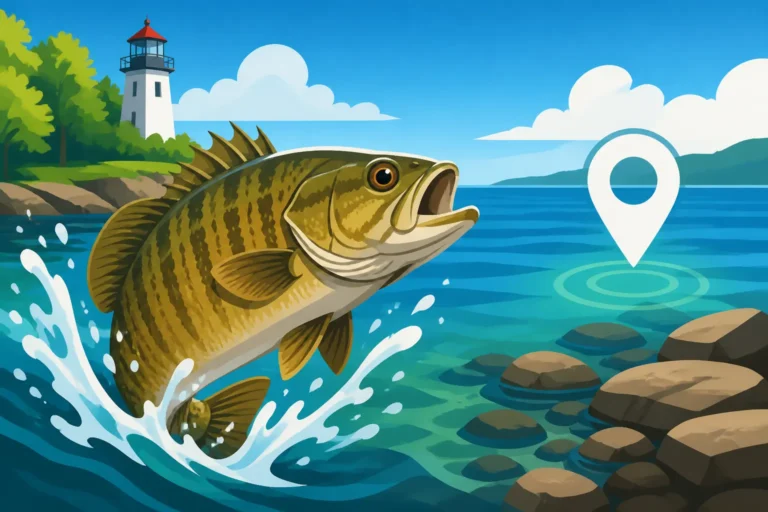
Smallmouth Bass: If you love a hard-fighting fish, the Oswego River's smallmouth bass population will not disappoint. These bronze-backed beauties thrive in the rocky, current-swept sections of the river, particularly in the lower stretches below the falls. Summer is prime time for smallmouth, but they can be caught throughout the warmer months. Look for them around bridge pilings, rock piles, and current breaks. They hit aggressively and fight with incredible tenacity.
Panfish (Perch, Crappie, Bluegill): For a more relaxed day of fishing, or if you're looking to introduce kids to the sport, the Oswego River's panfish populations are abundant. Yellow perch, crappie, and bluegill can be found in the slower sections, backwaters, and canal portions of the river. They provide consistent action and are great for a fresh fish fry. These fish are usually eager biters and can be caught using simple baits and light tackle.
Channel Catfish: The Oswego River also holds a healthy population of channel catfish, especially in the deeper, slower sections and into the canal system. These bottom-dwelling fish can grow quite large and provide a powerful fight. They are most active in warmer months and can be targeted with stink baits, cut bait, or worms fished on the bottom. They're another excellent eating fish, often overlooked by anglers focused on the more glamorous species.
Special Fishing Opportunities
The Oswego River occasionally offers up some other exciting angling prospects that are worth mentioning, adding even more diversity to its waters.
Northern Pike: While not as common in the fastest stretches of the lower river, northern pike can be found in the slower-moving, weedy areas of the upper Oswego River and its connected canal sections. These ambush predators are fun to catch and can reach impressive sizes. They're often targeted with large spoons, spinnerbaits, or live minnows. Look for them lurking in vegetation waiting for an unsuspecting meal.
Muskellunge: Though not a primary muskie fishery like the St. Lawrence River, there are occasionally muskellunge caught in the Oswego River, particularly in the lower river and harbor area, having ventured in from Lake Ontario. These elusive giants are the ultimate freshwater predator, and catching one is a true bucket-list experience. While you wouldn't specifically plan a trip to Oswego just for muskie, it's always a possibility that adds an extra layer of excitement to your outing.
Burbot: An interesting, often misunderstood fish, burbot (sometimes called freshwater cod) are also present in the Oswego River, especially during the colder months. They are bottom dwellers and can be caught on jigs or bait fished near the bottom, particularly at night. While not sought after by everyone, they offer a unique winter fishing challenge and are surprisingly good to eat.
Essential Techniques and Tackle for Oswego River Success
The Oswego River's diverse fisheries mean you'll need a versatile approach to your techniques and tackle. What works for a migrating salmon won't necessarily be ideal for a resident bass. Let's break down the most effective strategies.
Master the Art of Drifting and Bottom Bouncing
When it comes to targeting migratory salmon and steelhead on the Oswego River, drifting is often the most productive method. These fish are typically found near the bottom, and presenting a bait naturally in the current is key.
Steelhead and Salmon Specifics:
The absolute staple for steelhead and salmon in the Oswego River is drift fishing with natural baits. This primarily means using egg sacs (salmon or trout eggs tied into small mesh bags), single trout beads (imitating eggs), or sometimes small chunks of cured roe. The idea is to present these baits just above the river bottom, allowing them to tumble naturally with the current. This mimics dislodged eggs, a primary food source for river-dwelling trout and salmon, especially when other fish are spawning.
For a proper drift, you'll want to use a sensitive rod, usually 9 to 11 feet long with a medium-light to medium action, paired with a spinning reel spooled with 8-12 lb fluorocarbon or monofilament main line, and a lighter leader (6-10 lb fluorocarbon) for stealth. The terminal tackle consists of a small, sharp hook (size 6-10 depending on bait size) tied to the leader, with a series of split shots or pencil lead crimped onto the main line about 12-18 inches above the hook. The amount of weight is critical – just enough to tick the bottom occasionally without dragging. The goal is a controlled, natural drift through likely holding water like current seams, pools, and gravel bottoms. You're constantly feeling for that subtle thump or tick that indicates a bite, which often feels nothing more than snagging a leaf.
Bottom Bouncing:
A close relative to drifting, bottom bouncing involves using a heavier weight, often a "slinky" weight (pencil lead inside a piece of parachute cord) or a heavier bullet sinker, allowing you to maintain more consistent contact with the bottom in faster, deeper water. This method is particularly useful for covering ground from a boat or in areas with very strong current where lighter drift rigs get swept away. The bait is still presented just above the bottom, but the heavier weight helps keep it in the strike zone. This technique is especially effective for staging salmon and steelhead in deeper holes or runs. It's an active form of fishing, requiring constant vigilance to distinguish between a rock and a bite.
Spin Fishing and Trolling Strategies
While drifting is king for migratory species, spin fishing and even some light trolling can be incredibly effective for resident species like walleye and bass, and even occasionally for trout and salmon.
Spin Fishing for Resident Species:
For smallmouth bass, largemouth bass, and walleye, traditional spin fishing techniques are very productive.
- Jigging: Jigs, especially those tipped with soft plastics (grubs, tubes, swimbaits) or live bait like minnows or worms, are deadly for walleye and smallmouth. Cast upstream and let the jig bounce along the bottom, or work it with a lift-and-drop retrieve. Varying your retrieve speed and jig color based on water clarity and fish activity can make a huge difference. Walleye often prefer darker or glow-in-the-dark jigs in low light or stained water, while smallmouth will hit almost anything aggressively when they're active.
- Crankbaits and Stickbaits: These lures are excellent for covering water and mimicking baitfish. For walleye, lipped crankbaits that dive to the appropriate depth can be trolled or cast. For smallmouth, shallow-diving crankbaits and jerkbaits worked around structure can trigger explosive strikes. Fishing around bridge pilings, submerged logs, and rocky points will increase your chances.
- Spinnerbaits and Inline Spinners: These are great for searching for active bass or pike in the slower, weedier sections of the upper river. The flash and vibration can draw fish from cover.
Light Trolling:
In the wider, slower sections of the Oswego River, particularly in the lower river or connecting canal waters, light trolling can be an effective way to target walleye and occasionally brown trout or pike. Using small to medium-sized crankbaits behind a boat, varying your speed and depth, can cover large areas and find actively feeding fish. This is more common in the larger, lake-like stretches rather than the fast-moving sections below the falls. For those interested in deeper trolling strategies for similar Great Lakes species, our guide on Trolling Techniques for New York's Lakes
Fly Fishing for Migratory and Resident Species
The Oswego River offers fantastic fly fishing opportunities, particularly for the migratory species, and can also be rewarding for resident fish. It's a different rhythm and challenge, but incredibly satisfying.
Fly Fishing for Steelhead and Salmon:
This is where fly fishing truly shines on the Oswego. For steelhead, nymphing with egg patterns (Glo Bugs, Otter's Egg), stoneflies, or caddis larvae patterns is highly effective. You'll use an indicator to detect strikes and a weighted leader to get your flies down to the fish. Two-handed rods (spey or switch rods) are gaining popularity for covering large stretches of water and casting heavy rigs. Streamers, swung through runs, can also provoke aggressive strikes from both steelhead and salmon, especially fresh fish just entering the river. Popular patterns include Woolly Buggers, Sculpins, and various baitfish imitations in olive, black, or white.
For salmon, larger egg patterns, intruders, and baitfish streamers are often used. The sheer power of a hooked salmon on a fly rod is something to behold! Timing your approach with water levels and fish activity is crucial. Early morning or late evening often provides the best conditions, especially during heavy runs.
Fly Fishing for Resident Trout and Bass:
While not primarily a "trout stream" in the Catskills sense, the Oswego River does hold resident trout in some of its cooler tributaries and occasionally in the main stem. Dry flies, nymphs, and small streamers can all work. For smallmouth bass, poppers and deer-hair bugs on the surface can provide explosive topwater action in warmer months, especially around structure. Streamers that imitate baitfish or crayfish are also very effective, fished near rocks and current breaks. Fly fishing for panfish with small poppers or wet flies is also a delightful way to spend a summer afternoon.
Key Fishing Spots and Access Points Along the Oswego River
Knowing where to wet a line on the Oswego River can make all the difference. The river boasts several distinct areas, each with its own character and prime targets.
Downtown Oswego and Harbor Action
The City of Oswego sits right at the mouth of the river where it spills into Lake Ontario, and this area is a buzzing hub of angling activity, especially during the migratory runs.
The West and East Piers/Breakwalls: These iconic structures provide excellent shore access for anglers targeting salmon, steelhead, and brown trout entering or leaving the river. During the fall and spring runs, you'll see people casting spoons, stickbaits, or drifting egg sacs from these walls. The deeper water along the breakwalls can also hold walleye and even the occasional smallmouth bass. The constant movement of baitfish in and out of the harbor makes these spots attractive to predatory species. It's a social spot, often crowded, but the action can be incredible. Many local bait shops nearby cater specifically to pier and harbor anglers.
The Thermal Discharge: Near the harbor, there's a thermal discharge from a power generation facility. In colder months, this warm water plume acts like a magnet for fish, concentrating steelhead, brown trout, and even some resident species. Anglers often fish the edges of this warm water, where the baitfish gather, knowing that predatory fish won't be far behind. It's a renowned winter hotspot for good reason, offering a comfortable place to fish when other waters are frozen over.
Lower River Docks and Public Access: Within the downtown area, there are various public docks and access points along the lower river that can be productive. Casting spoons or crankbaits from these spots, particularly during low light conditions, can yield aggressive strikes from passing migratory fish or resident smallmouth bass. Keep an eye out for designated public fishing areas as posted by the city or the DEC. This part of the river can be busy with boat traffic, so shore anglers should be mindful of their surroundings.
Oswego Falls and Upstream Sections
Moving upstream from the lake, the Oswego Falls in Fulton represents a significant landmark and a natural concentration point for fish.
The Base of Oswego Falls (Fulton): The dam at Oswego Falls is the first major barrier to upstream migration for salmon and steelhead. This means the water immediately below the dam can become a fish-holding paradise, especially during peak runs. Anglers flock to this area, both from shore and by boat, to intercept these powerful fish. The turbulent, oxygenated water provides an ideal environment. Drifting egg sacs, beads, or small spoons through the currents below the dam is a common and highly effective technique. Be aware that specific regulations often apply to fishing directly below dams, so always consult the New York Fishing Regulations Explained guide. The sheer volume of fish here can be astounding, creating an electric atmosphere during the runs.
Upstream from Fulton (Canal Sections): Above Oswego Falls, the river transitions into a series of deeper, slower pools and canalized sections. While the incredible salmon and steelhead numbers dwindle, this area excels for resident fish. It's prime territory for largemouth bass, northern pike, channel catfish, and a variety of panfish. You'll find these fish around submerged structure, weed beds, and along the banks of the canal. Access here can be found at various boat launches and public parks along the canal system, such as those in the town of Phoenix or Three Rivers. This calmer water offers a different kind of fishing experience, often more peaceful and less crowded than the lower river.
Navigating the Erie Canal and Lower River
The Oswego River’s connection to the Erie Canal means certain sections embody a unique blend of river and canal characteristics, offering distinct fishing opportunities.
Erie Canal System's Influence: As the Oswego River winds its way, it becomes part of the navigable Erie Canal system. This means you'll encounter lock systems, wider channels, and deeper, slower-moving water in many stretches. These canalized portions are excellent for species that prefer less current, such as largemouth bass, northern pike, carp, and channel catfish. Look for areas with significant aquatic vegetation, submerged timber, or old canal structures, as these provide ideal ambush points and cover for fish. Accessing these areas often involves using canal-side parks or public boat launches designed for recreational boaters.
Mid-River Public Fishing Access Sites: The New York State DEC has established numerous Public Fishing Access (PFA) sites along the Oswego River. These are typically marked pull-offs with parking and designated pathways to the riverbank. They provide critical shore access for anglers who don't have a boat. Examples can be found around Phoenix, Minetto, and between Fulton and Oswego. These spots often include deeper pools, riffles, or current breaks that are well-known fish magnets. Always respect private property and only fish in clearly marked public areas. These sites make it much easier for anglers, especially those without boats, to experience the river's bounty. When planning your trip, consider using online resources or local bait shops to identify the most productive PFAs for your target species.
Best Fishing Spots Near Syracuse, New York might give you a broader idea of how canal systems and rivers integrate for fishing in the region.
Regulations, Licenses, and Responsible Angling Practices
Before you even think about casting a line in the Oswego River, it's absolutely essential to be prepared with the correct paperwork and understand the rules. Fishing responsibly is not just about avoiding fines; it's about protecting the incredible resource that is the Oswego River.
Understanding New York's Fishing Rules
Navigating fishing regulations can sometimes feel like trying to untangle a stubborn knot, but it's crucial for a legal and enjoyable trip. The Oswego River, being a significant fishery, has specific rules you need to know.
The All-Important Fishing License: First things first, anyone aged 16 and older needs a valid New York State fishing license to fish in the Oswego River. No exceptions. You can easily purchase one online through the NYS DEC website, at various sporting goods stores like Walmart and Dick's Sporting Goods, or at any local DEC office or town clerk. There are different types of licenses available, from annual resident and non-resident options to shorter 1-day or 7-day permits, perfect for visitors. You can find detailed information on costs and options in our comprehensive New York Fishing License Guide. Fishing without a license can lead to significant penalties, including fines and the confiscation of your gear, so it's simply not worth the risk.
Specific Oswego River Regulations: While general statewide regulations apply, the Oswego River, particularly for migratory species, often has special rules that supersede the general ones. These might include:
- Season Dates and Catch Limits: Salmon and steelhead runs have very specific open seasons and daily creel (catch) limits. These can vary year to year, so always check the most current DEC Freshwater Fishing Regulations Guide. For instance, there might be different limits for different salmon species or for brown trout versus steelhead. Our guide on New York Fishing Season Dates and Catch Limits can provide a great overview.
- Size Limits: Minimum and sometimes maximum size limits are in place for certain species to protect breeding populations.
- Gear Restrictions: The use of treble hooks, snagging, or certain bait restrictions might be in effect, especially during salmon and steelhead runs, to promote ethical angling and reduce incidental harm to fish. Snagging, which is intentionally hooking a fish anywhere other than its mouth, is strictly prohibited and heavily enforced.
- Special Regulation Zones: There might be specific stretches of the river, especially around dams or fish ladders, where different rules apply or where fishing might be entirely prohibited. Always pay attention to signage.
It's your responsibility as an angler to know and follow these regulations. The best way to stay current is to download or pick up the latest DEC Freshwater Fishing Regulations Guide. Ignorance of the law is not an excuse.
Conservation and Ethical Angling
Beyond just following the rules, practicing responsible angling is about respecting the fish, the environment, and your fellow anglers.
Catch-and-Release Best Practices: Many anglers choose to release fish, especially larger breeding stock or species caught outside of their preferred eating quality. If you're practicing catch-and-release, handle fish with extreme care.
- Minimize Stress: Land the fish quickly. Keep it in the water as much as possible.
- Wet Hands: Always wet your hands before touching a fish to protect its slime coat, which is vital for its immune system.
- Proper Tools: Use needle-nose pliers or a hook remover to quickly extract hooks. Barbless hooks can also make release much easier.
- Support the Fish: If you must take a photo, support the fish horizontally with two hands, never by the jaw alone, and get it back into the water as quickly as possible.
- Revive Gently: If a fish is lethargic, hold it upright in the current, facing upstream, until it swims away under its own power.
Avoiding Crowding and Maintaining Etiquette: The Oswego River, especially during peak migratory runs, can attract a lot of anglers. Good etiquette is vital for everyone's enjoyment.
- Give Space: Maintain a respectful distance from other anglers. Don't cast over someone else's line or crowd into their spot.
- Don't Claim Spots: No one "owns" a section of public water. If a spot is open, you can fish it, but be prepared to move if the angler next to you has been waiting or is moving through.
- Respect Property: Stick to public access points and do not trespass on private land.
- Leave No Trace: Pack out everything you pack in. Dispose of all trash, including discarded fishing line, properly.
Protecting the Resource: The health of the Oswego River's fishery depends on all of us.
- Prevent Invasive Species: Clean, Drain, Dry your boat, trailer, and gear thoroughly to prevent the spread of invasive species like zebra mussels or round gobies, which can harm native ecosystems.
- Report Poaching: If you witness any illegal fishing activity, such as snagging or exceeding limits, report it to the NYS DEC Environmental Conservation Police.
- Understand Fish Consumption Advisories: The DEC issues advisories for eating fish from certain waters due to contaminants. Always check these advisories, especially for larger, older fish that may have accumulated higher levels of pollutants.
Planning Your Oswego River Fishing Adventure
A successful fishing trip to the Oswego River goes beyond just knowing what fish are there; it involves smart planning, understanding conditions, and leveraging local knowledge.
Choosing the Right Time and Conditions
Timing and conditions are paramount when fishing a dynamic river system like the Oswego. A little planning goes a long way.
Best Times of Year for Specific Species:
- Late Summer/Fall (August – November): This is prime time for Chinook and Coho salmon. The run typically starts in August, builds through September, and peaks in October. Later in the fall, steelhead and brown trout also begin to enter the river, feeding on salmon eggs. This period offers explosive action and is arguably the most popular time to fish the river. For detailed insight into when salmon runs are strongest, refer to Chinook Salmon Run Peaks in Early October on Lake Ontario Tributaries.
- Winter (December – February): Steelhead remain the primary target throughout the winter months. The thermal discharge area in Oswego becomes a major hotspot during this period. While tough, winter fishing can yield some of the biggest and freshest steelhead.
- Early Spring (March – May): The steelhead spawning run is in full swing, offering fantastic action as they move upriver. This is also when walleye become highly active, staging for their own spawn, and smallmouth bass start to wake up as water temperatures rise. Early spring truly offers a blend of opportunities. Our guide on Spring Steelhead Fishing in New York Peaks Into Mid-May has excellent timing advice.
- Summer (June – August): With the migratory species largely absent from the river (except for early season salmon staging in the lake), summer is ideal for smallmouth bass, largemouth bass, walleye, channel catfish, and panfish. Look for these resident fish in the slower sections, around structure, and during low light hours.
Impact of Weather, Water Levels, and Temperature:
- Water Levels: This is perhaps the most critical factor on the Oswego. The river's flow is regulated by dams, but heavy rains or snowmelt can still significantly raise water levels and increase turbidity (cloudiness). High, muddy water generally makes fishing tougher. Ideal conditions often involve stable or slowly dropping water levels after a rain, with improving clarity. Low, clear water can make fish wary. Always check the USGS water data for the Oswego River before heading out.
- Water Temperature: Temperature dictates fish activity. Salmon and steelhead prefer cooler water, usually in the 40s and 50s Fahrenheit, which is why their runs are in fall and spring. Resident species like bass and walleye become more active as water temperatures rise into the 60s and 70s.
- Weather: Overcast days can sometimes be better for migratory fish as they feel less exposed. During the summer, bright sun can push resident fish into deeper water or heavy cover. Cold fronts can shut down bites, while a warming trend can ignite them. Always dress for the weather conditions, which can change rapidly, especially near Lake Ontario.
Lodging, Guides, and Local Resources
Making the most of your Oswego River trip often involves tapping into local knowledge and resources.
Local Bait Shops and Tackle Stores: These are invaluable resources. Stores like Port City Bait & Tackle in Oswego or Fat Nancy's Tackle Shop just north of the city are not just places to buy bait and lures; the staff are often lifelong anglers with up-to-the-minute reports on what's biting, what techniques are working, and current river conditions. They can tell you where the fish are holding and what specific colors or patterns are hot. Don't be shy about asking questions!
Hiring a Fishing Guide: If you're new to the Oswego River or want to maximize your chances of success, hiring a local fishing guide is an excellent investment. Guides have intimate knowledge of the river, where fish are holding, and what tackle is most effective at any given time. They also provide all the necessary gear and can teach you the ropes. Many guides specialize in specific techniques (e.g., drift fishing for steelhead, fly fishing for salmon). To find reputable guides and charters for the Oswego River or other New York waters, resources like FishingBooker allow you to compare options, read reviews, and book directly. Guides can save you valuable time by putting you on fish quickly and enhancing your learning curve.
Lodging and Amenities: The city of Oswego offers a variety of lodging options, from hotels and motels to vacation rentals. Fulton, located upstream, also has choices. Booking accommodations in advance, especially during peak salmon and steelhead seasons, is highly recommended as rooms can fill up quickly. Many local restaurants cater to anglers, offering hearty meals after a long day on the water.
Boat Launches and Marinas: For anglers with their own boats, there are several public and private boat launches along the river and in Oswego Harbor. These facilities are essential for accessing different sections of the river, especially the deeper pools and the open water of the harbor. Ensure your boat is properly registered and equipped with all necessary safety gear, including life jackets, as outlined in Life Jacket Requirements While Fishing.
By combining an understanding of the river's sections, prime seasons, effective techniques, and local resources, you'll be well on your way to a memorable and successful fishing adventure on New York's incredible Oswego River!
| Species | Prime Season on Oswego River | Key Locations | Preferred Techniques |
|---|---|---|---|
| Chinook Salmon | Late Summer (Aug) – Mid Fall (Oct) | Lower River, Below Oswego Falls | Drifting egg sacs, large spoons, skein |
| Coho Salmon | Mid Fall (Oct) – Late Fall (Nov) | Lower River, Below Oswego Falls | Drifting egg sacs, smaller spoons, beads |
| Steelhead | Fall (Oct) – Spring (May), Winter hotspot | Lower River, Thermal Discharge | Drifting eggs/beads, nymphing, small jigs |
| Brown Trout | Fall (Oct) – Early Spring (Apr) | Lower River, Deep pools | Drifting eggs, small crankbaits, streamers |
| Walleye | Spring (Apr-May), Fall (Oct-Nov), Summer | Lower River, Canal sections | Jigging, crankbaits, live bait |
| Smallmouth Bass | Late Spring (May) – Fall (Oct) | Rocky sections, Bridge pilings | Jigs, crankbaits, topwater, tubes |
| Panfish | Spring (Apr) – Fall (Nov) | Slower sections, Weed beds | Worms, small jigs, tiny spinners |
| Channel Catfish | Late Spring (May) – Early Fall (Sept) | Deeper, slower sections, Canal | Bottom fishing with stink bait, cut bait |
Disclaimer
The information provided in this guide is for general informational purposes only and is not intended as legal advice. Fishing regulations in New York State, particularly on specific bodies of water like the Oswego River, can change frequently. It is the angler's sole responsibility to consult the most current New York State Department of Environmental Conservation (DEC) fishing regulations guide before engaging in any fishing activity. Always verify season dates, catch limits, size restrictions, and any special regulations for the specific waters you plan to fish. Failure to do so may result in fines or penalties.