Best Catskills Fly Fishing Streams
There's nothing quite like the dream of casting a fly line on a pristine Catskills stream, but the reality of figuring out which stream, when to go, and what to use can feel like trying to solve a complex puzzle. It’s easy to get overwhelmed by the sheer number of rivers and creeks, each with its own quirks and legendary status. This guide is here to untangle that frustration, giving you a detailed breakdown of the best fly fishing streams in the Catskills, what makes them special, and how you can make your next angling adventure a true success.
Why the Catskills are a Fly Fishing Paradise
The Catskill Mountains, often referred to as the "Birthplace of American Fly Fishing," hold a special place in the hearts of anglers worldwide. It's not just about catching fish; it's about connecting with a rich history, navigating stunning natural landscapes, and testing your skills against some of the wariest trout around. The region offers a unique blend of challenging waters, abundant insect life, and a deep-rooted angling culture that makes every trip memorable.
The Legendary Four
When people talk about Catskills fly fishing, four rivers almost always come up: the Beaverkill, the Willowemoc, the Neversink, and the Esopus. These aren't just names on a map; they are institutions, each with a distinct personality and a storied past that has shaped modern fly fishing. From the classic dry fly fishing of the Beaverkill to the freestone challenges of the Esopus, these waters offer a full spectrum of experiences. Many dedicated anglers spend their entire lives exploring just these four, constantly learning and adapting to their ever-changing moods and flows. The sheer history contained within these riverbanks, often whispered about in local fly shops, adds an intangible layer to the experience.
Wild Trout and Healthy Ecosystems
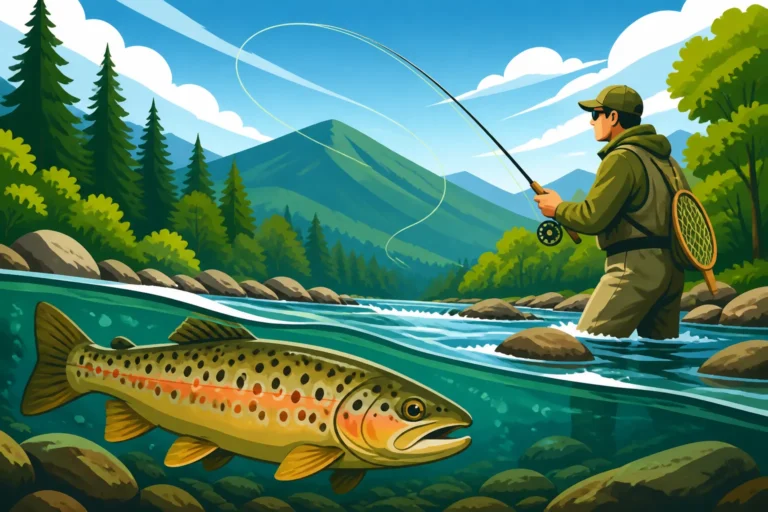
One of the Catskills' greatest draws is its robust population of wild trout, predominantly brown trout, rainbow trout, and native brook trout. Unlike many areas that rely heavily on hatchery-raised fish, a significant portion of the Catskills' angling success comes from naturally reproducing populations. This speaks volumes about the health of the ecosystems here. These wild fish are often more vibrant, more aggressive, and significantly more challenging to catch, making the reward all the sweeter. The cold, oxygen-rich waters, fed by mountain springs and dense forests, create ideal conditions for aquatic insects, which in turn support these thriving fish populations. Understanding how healthy these streams are helps us appreciate the importance of conservation and practicing proper Catch-and-Release Handling Rules These wild trout have seen it all, making them incredibly discerning, which is exactly why so many anglers flock to these waters – for the challenge.
Diving Deep into the Best Catskills Fly Fishing Streams
Let's cast our lines into the details of these legendary waters. Each stream presents its own unique challenges and rewards, catering to different styles and preferences.
The Beaverkill River: A Historic Icon
The Beaverkill is arguably the most famous fly fishing stream in the Catskills, if not the entire East Coast. Its reputation is well-earned, stretching back to the earliest days of American fly fishing. This river is a classic freestone stream, characterized by its riffles, runs, pools, and relatively consistent flow, though it can fluctuate with rain. The Beaverkill is famous for its prolific hatches of Mayflies, Caddisflies, and Stoneflies, making it a dry fly angler's dream.
You’ll find excellent access points along its length, including the legendary Junction Pool where the Beaverkill meets Willowemoc Creek. Here, during peak hatches, you might witness a flurry of activity as trout rise eagerly to insects. The upper sections tend to be smaller, more intimate waters, often holding native brook trout. As you move downstream, the river widens, offering more expansive runs and deeper pools where larger brown trout lurk. Learning How to Fly Fish the Beaverkill River effectively involves studying its currents and understanding the subtle signs of rising fish. It's not just about casting; it's about reading the water, anticipating the hatch, and presenting your fly with finesse. Many anglers find themselves lost in the rhythmic beauty of its flows, spending hours perfecting their drift.
The Willowemoc Creek: Accessibility and Abundance
Flowing parallel to the Beaverkill for much of its length, the Willowemoc Creek offers equally fantastic fishing, often with slightly easier access and a more manageable size for those newer to river fly fishing. Don't let its "creek" designation fool you; many sections are substantial rivers in their own right. The Willowemoc is celebrated for its strong populations of wild brown and rainbow trout, supplemented by strategic stocking.
The creek is a haven for both nymphing and dry fly fishing, with strong hatches throughout the spring and summer. The area around Livingston Manor, with its numerous public access points and quaint shops, serves as a popular hub for anglers looking to explore Fishing the Willowemoc Creek. The "Catskill Fly Fishing Center and Museum" is also located right on its banks, making it a perfect spot for both fishing and soaking in the history. While it can get crowded, especially on weekends, there are plenty of spots to find solitude. Its diverse stretches, from fast riffles to meandering bends, provide endless opportunities to hone your skills. Plus, the surrounding towns offer a welcoming atmosphere, with local eateries and lodging that cater to anglers.
The Neversink River: Where American Fly Fishing Began
The Neversink River holds a sacred place in fly fishing history, often credited as the very cradle of American dry fly fishing. It's a truly special river, known for its pristine waters, challenging currents, and often large, wary brown trout. The Neversink is typically considered a more technical fishery, demanding precise casts and stealthy approaches. This isn't a river where you simply fling a fly; it requires observation, patience, and a deep understanding of trout behavior.
Its unique structure, with long, deep pools and intricate current seams, provides ideal habitat for sophisticated trout. Access can be more challenging than on the Beaverkill or Willowemoc, with significant portions flowing through private land or requiring longer hikes to reach public easements. However, the reward for the effort can be truly phenomenal, with anglers often recounting battles with substantial, wild fish. If you’re looking to immerse yourself in the historical roots of the sport and test your mettle against truly selective trout, the Neversink is a pilgrimage worth making. Exploring Fishing the Neversink River, especially its fabled waters, feels like stepping back in time.
The Esopus Creek: A Unique Tailwater Fishery
The Esopus Creek stands apart from its Catskill counterparts due to its unique nature as a "tailwater fishery," meaning its flow is regulated by the Ashokan Reservoir. This regulation ensures a more consistent cold-water flow throughout the year, making it an excellent option even during warmer summer months when other streams might struggle. The Esopus is famous for its robust population of rainbow and brown trout, many of which grow to impressive sizes.
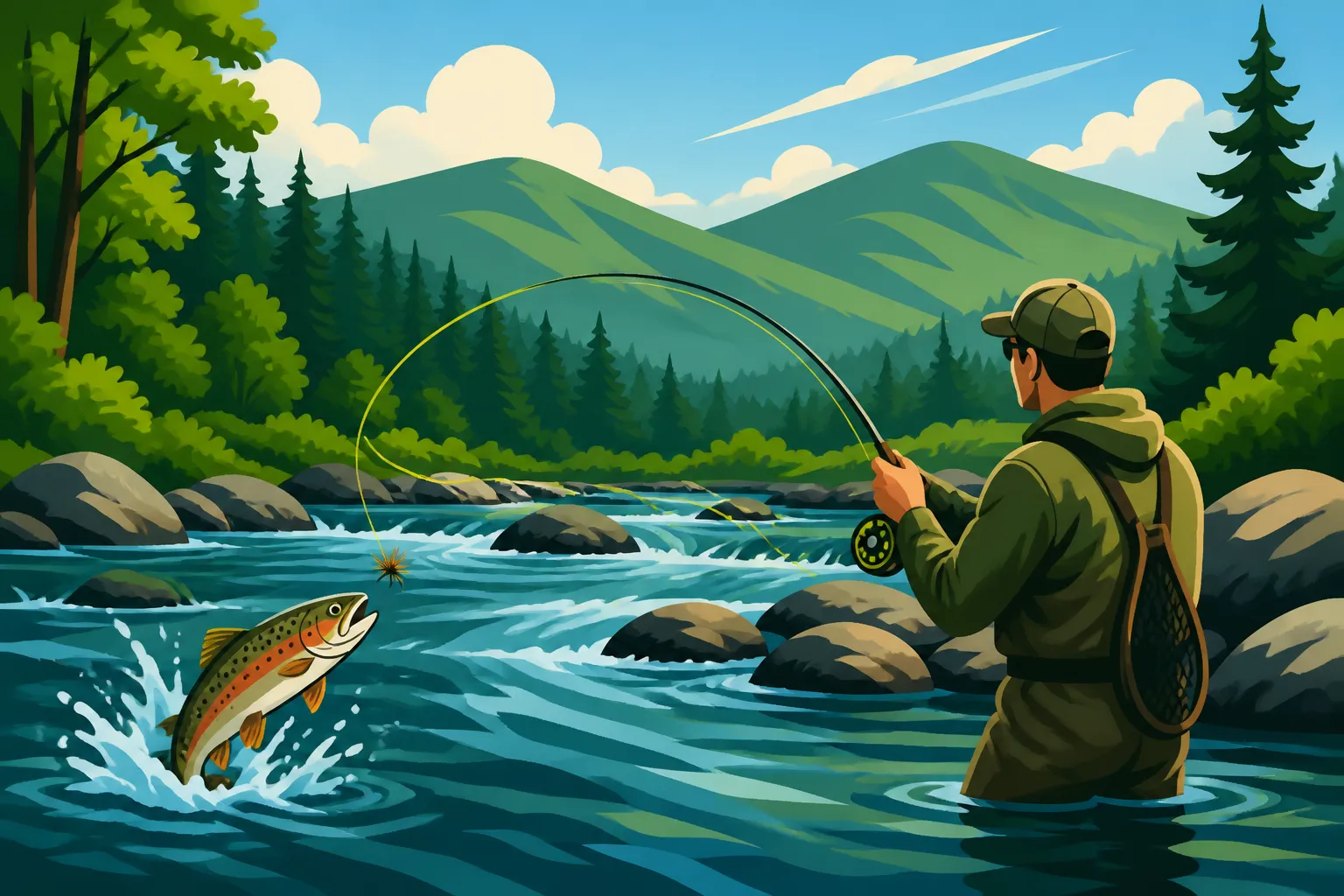
What makes the Esopus particularly distinct is the "controlled release" from the reservoir, which can sometimes create high, powerful flows. This often means different fishing techniques are required, with streamer fishing and heavy nymphing being particularly effective. Its unique "pocket water" characteristics, with numerous boulders and rapid currents creating small, fishable pockets, demand a different approach than the smoother glides of the Beaverkill. While it might not have the same dry fly purist reputation as some other Catskills streams, the Esopus offers thrilling action and the chance at truly large trout. Always check the reservoir release schedules before heading out, as conditions can change rapidly.
Lesser-Known Gems: Schoharie Creek and West Kill
Beyond the famous four, the Catskills boast numerous other fantastic, albeit lesser-known, streams that offer incredible fly fishing opportunities, often with less pressure. The Schoharie Creek, for example, is a beautiful freestone stream with excellent brown and rainbow trout populations, particularly in its upper reaches before it widens significantly downstream. It offers a more secluded experience, with picturesque stretches winding through forested valleys.
Similarly, the West Kill is a tributary to the Schoharie and provides a classic small stream experience. It's perfect for anglers who enjoy prospecting with dry flies or small nymphs in tighter quarters, targeting feisty wild brook trout and smaller browns. These streams might require a bit more exploration to find public access, but the peace and quiet, coupled with willing fish, make the effort worthwhile. Don't overlook these smaller waters; they can often be the most rewarding for those seeking solitude and a more intimate connection with nature.
Essential Tips for Fly Fishing in the Catskills
Success in the Catskills isn't just about showing up with a rod; it's about preparation, knowledge, and a respectful approach to the environment and the fish.
Gear Up for Success
When venturing out into the Catskills, your gear choices can significantly impact your experience. A 9-foot, 4 or 5-weight fly rod is a versatile choice for most situations, offering enough backbone to handle larger trout while still being delicate enough for subtle presentations. Pair this with a reliable reel and a floating line.
For leaders and tippets, fluorocarbon is often preferred, especially in clear water, as it's less visible to wary fish. Carry a range of tippet sizes, from 4X to 6X, to adapt to different conditions and fly sizes. As for flies, a well-stocked box is crucial. You'll want a selection of:
- Dry Flies: Imitations of common Mayflies (like Hendrickson, Sulphur, Green Drake), Caddisflies (Elk Hair Caddis), and Stoneflies (Stimulator). Don't forget terrestrial patterns like ant and beetle imitations for summer months. Make sure you have some of the Best Dry Fly Patterns for Catskills Trout.
- Nymphs: Pheasant Tail, Hare's Ear, Prince Nymph, and various stonefly nymphs are Catskills staples. Vary your sizes and weights to cover different water depths.
- Streamers: Woolly Buggers (black, olive, brown), Clouser Minnows, and Zonkers can be deadly, especially for larger predatory trout, or when conditions are high or off-color.
Always have waders and wading boots with good felt or rubber soles for traction on slippery streambeds. A net is essential for safely landing and releasing fish. Finally, don't forget essentials like polarized sunglasses (crucial for spotting fish and protecting your eyes), a hat, sunscreen, insect repellent, and plenty of water. A multi-tool or forceps is also invaluable for hook removal.
Understanding the Hatches and Seasons
Timing is everything in Catskills fly fishing. The fishing season generally runs from April 1st through November 30th for trout, with some waters having special regulations or year-round catch-and-release seasons. The prime time for dry fly fishing often aligns with the major insect hatches.
- Spring (April-May): This is when the famous Hendrickson, Blue Wing Olive, and later, Sulphur hatches begin. Water levels can be high, and fish are hungry after winter. It's an exciting, albeit sometimes chilly, time. This is often considered the Best Time of Year to Fish in New York.
- Summer (June-August): Hatches continue, with a focus on Caddisflies, Isonychias, and terrestrial insects. Early mornings and late evenings are often the most productive as water temperatures rise in the afternoon. The cooler, regulated tailwaters like the Esopus really shine during this period.
- Fall (September-November): Often overlooked, fall can offer fantastic fishing as trout become more active, feeding heavily before winter. BWOs, tiny Midges, and streamer fishing for spawning brown trout are highly effective. Many anglers appreciate the vibrant foliage and fewer crowds.
Understanding How to Match the Hatch on Catskills Streams will dramatically increase your success. Keep an eye on local fly shop reports and weather conditions. Local knowledge is invaluable, and a quick chat with staff at places like Catskill Flies or Dette Fly Shop can provide real-time insights into what’s hatching and where the fish are biting.
Respecting the Water and Fellow Anglers
The Catskills are a precious resource, and responsible angling is paramount. Always adhere to New York Fishing Regulations Explained, including size and bag limits, which can vary by stream and section. Practice catch-and-release, especially for wild trout, and handle fish minimally with wet hands to protect their slime coat. Consider going barbless to make releases easier on the fish.
Respect private property and access points. Many legendary spots are maintained through the goodwill of landowners, so always be mindful of where you are. Share the water; if a spot is occupied, move on or ask permission to fish nearby. Leave no trace – pack out everything you pack in, and perhaps even a little extra litter you find. The health of these streams depends on all of us. This also means being aware of boaters or other recreational users, ensuring everyone can enjoy the natural beauty safely.
Planning Your Catskills Fly Fishing Adventure
A little planning goes a long way in making your Catskills trip smooth and successful.
Finding Accommodations and Guides
The Catskills region is dotted with charming towns like Livingston Manor, Roscoe ("Trout Town, USA"), and Phoenicia, offering a range of accommodations from rustic cabins and bed-and-breakfasts to hotels. Many of these establishments cater specifically to anglers, offering early breakfasts and drying rooms for waders.
For those new to the area or looking to refine their skills, hiring a local fly fishing guide can be an invaluable investment. Guides not only know the prime spots and current conditions but can also teach you specific techniques tailored to Catskills trout. They often provide all the necessary gear and flies, making it a hassle-free experience. You can find reputable guides through local fly shops or by using online platforms like FishingBooker, which lists many experienced Catskills guides. While they might seem like an extra cost, the knowledge and access they provide can elevate your trip from good to unforgettable. When looking for Fly Fishing Guide Rates in New York's Catskills, remember that quality guides are worth the investment.
Licenses and Regulations
Before you even think about casting a line, you'll need a valid New York State fishing license. You can purchase these online through the NYS DEC website, at town clerk offices, or at many sporting goods stores, including larger retailers like Walmart or local bait and tackle shops. Be sure to understand the differences between resident and nonresident licenses. If you're wondering Where to Buy a New York Fishing License, you'll find plenty of options.
It's also crucial to familiarize yourself with the specific regulations for the waters you plan to fish. The Catskills have many "special regulations" sections, which might include different season dates, tackle restrictions (e.g., artificial lures only, catch-and-release only), or specific size and bag limits. Always carry a copy of the current New York DEC Fishing Regulations Guide, either a physical copy or a digital version on your phone, and consult it frequently. These regulations are in place to protect the valuable trout populations and ensure sustainable fishing for future generations. Make sure you also understand New York Fishing Season Dates and Catch Limits. FishingBooker, like other reliable resources, often provides a basic overview of requirements, but the official DEC guide is always the final authority.
| Stream Name | Primary Trout Species | Typical Flow Type | Key Features | Best Times for Dry Fly | Difficulty Level |
|---|---|---|---|---|---|
| Beaverkill River | Brown, Rainbow, Brook | Freestone | Legendary pools (Junction Pool), classic riffles and runs, strong hatches | April-June, September-Oct | Moderate |
| Willowemoc Creek | Brown, Rainbow, (some Brook) | Freestone | Accessible, diverse water types, good for all skill levels, near Livingston Manor | April-June, September-Oct | Easy-Moderate |
| Neversink River | Brown, Rainbow | Freestone | Historic, challenging, clear water, large wary trout, technical fishing | May-June, September-Oct | Moderate-Difficult |
| Esopus Creek | Rainbow, Brown | Tailwater (Reservoir) | Consistent cold water, powerful flows, pocket water, streamer & nymphing focus | July-August (cooler), Fall | Moderate |
| Schoharie Creek | Brown, Rainbow | Freestone | Scenic, less crowded, good for exploration in upper sections | May-June, September | Moderate |
| West Kill | Brook, Brown | Freestone (small) | Intimate, wild trout, small stream tactics, peaceful | May-June, September | Easy-Moderate |
Disclaimer
The information provided in this guide is for general informational purposes only and is subject to change. Fishing regulations, season dates, and conditions in New York can vary and are updated periodically by the New York State Department of Environmental Conservation (DEC). Always consult the most current official DEC fishing regulations before planning any fishing trip to ensure compliance and for your safety. We recommend checking local conditions and forecasts before heading out.