Chinook Salmon in New York
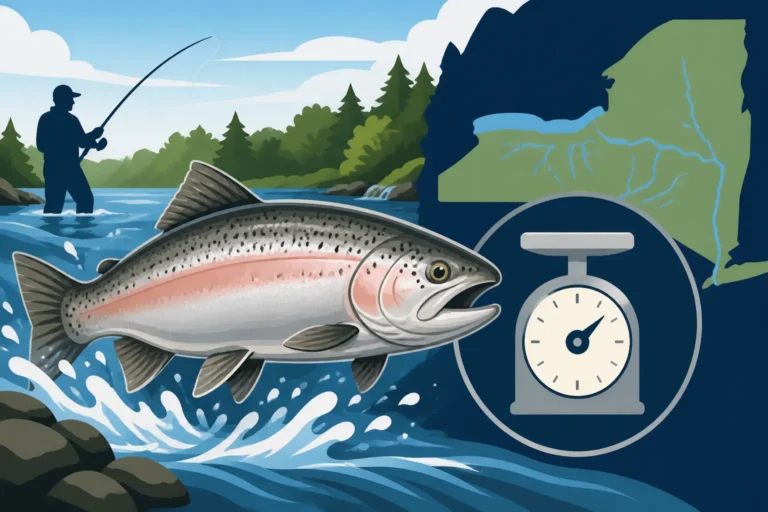
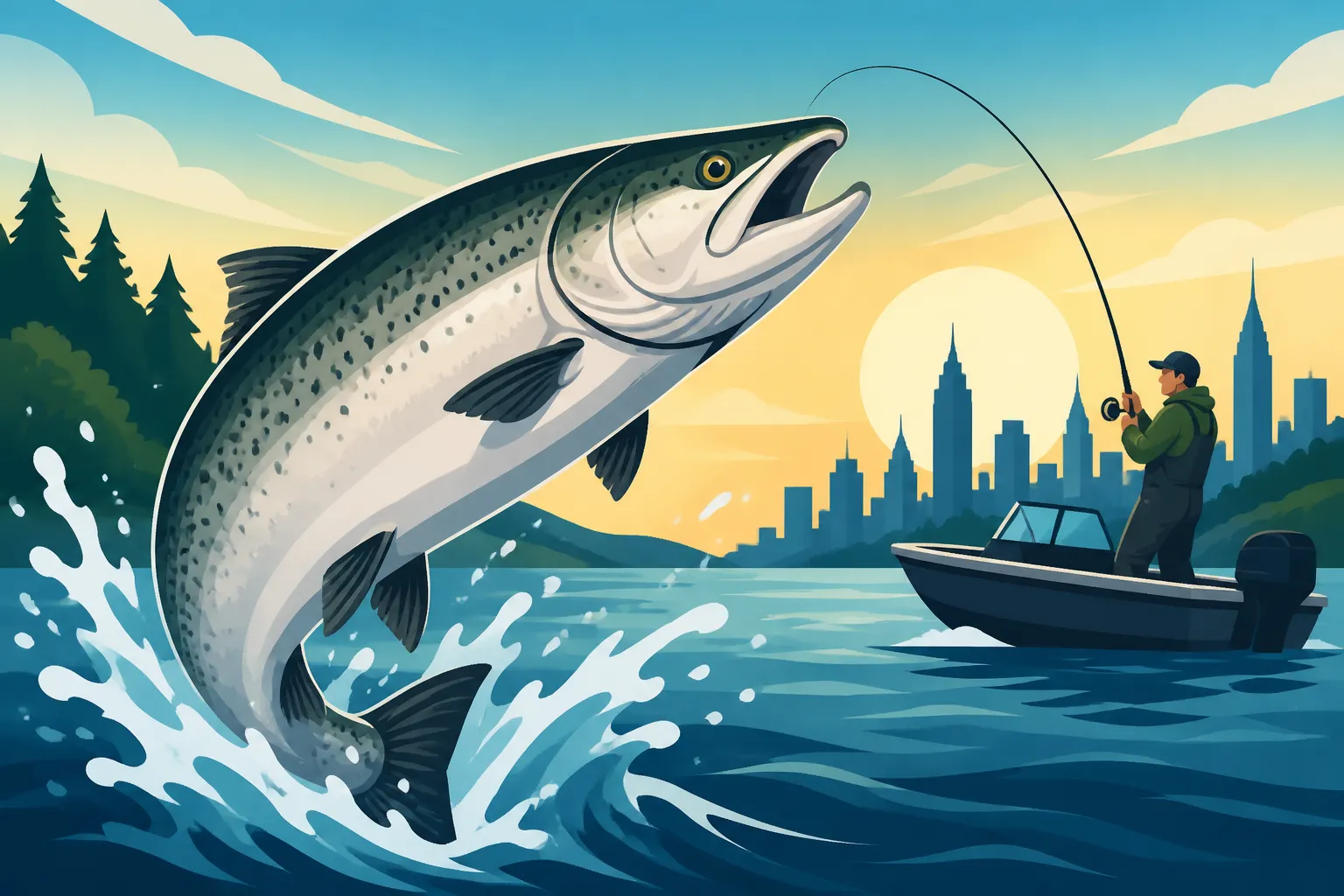
There's nothing quite like the thrill of feeling that powerful tug on your line, the unmistakable sign that you've hooked into a true fighting machine. If you're an angler in New York, you've likely heard whispers and legends about the colossal Chinook salmon that call our Great Lakes and their tributaries home. Many seasoned fishermen find them elusive, while newcomers might feel intimidated by their sheer size and aggressive nature. This comprehensive guide is here to demystify the pursuit of these incredible fish, offering practical insights into where, when, and how to successfully target Chinook salmon across the Empire State.
The Majestic Chinook Salmon: An Overview in New York
When we talk about freshwater giants in New York, the Chinook salmon, often affectionately called "King Salmon," stands head and shoulders above many other species. They represent one of the ultimate challenges and rewards for anglers, demanding respect and often delivering an unforgettable battle. Understanding their origins and biology in New York is the first step toward appreciating these magnificent fish.
What is a Chinook Salmon and Why are they in New York?
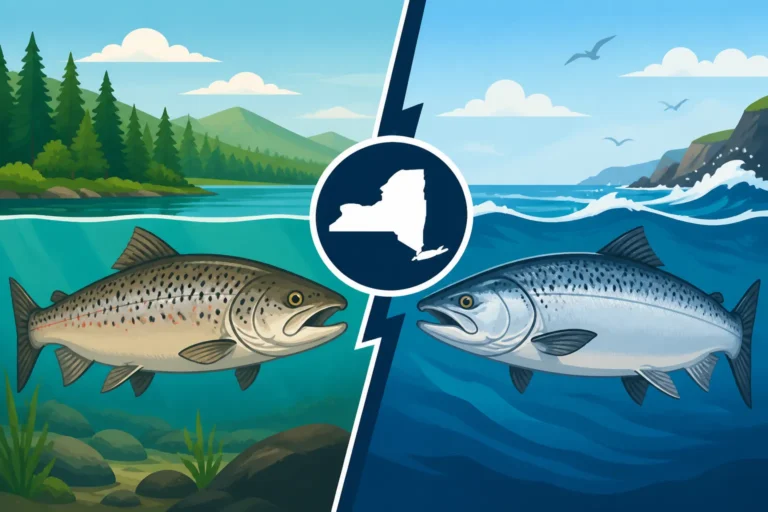
Chinook salmon, Oncorhynchus tshawytscha, are native to the Pacific Ocean and its tributary rivers in North America and Asia. Here in New York, specifically in the Great Lakes basin, they are an introduced species, brought in primarily to create a world-class sport fishery and to help manage populations of invasive alewives, a small forage fish that can negatively impact native species. The New York Department of Environmental Conservation (DEC) has maintained a successful stocking program for decades, turning Lake Ontario into a premier destination for anglers seeking these massive fish.
These fish exhibit an anadromous life cycle in their native Pacific habitat, meaning they hatch in freshwater, migrate to the ocean to grow, and then return to freshwater to spawn. In the Great Lakes, they follow a similar pattern, but instead of the ocean, they spend their adult lives growing large in the expansive, nutrient-rich waters of Lake Ontario. They'll spend anywhere from two to five years in the lake before making their final, arduous journey back to the rivers and streams where they were stocked or naturally reproduced, driven by an instinct to spawn. This journey is often what most excites river anglers, as it brings the kings within reach of shore and wading fishermen.
Identifying Chinook Salmon: Key Characteristics
Being able to properly identify a Chinook salmon isn't just a matter of bragging rights; it's crucial for adhering to fishing regulations and understanding the species you're targeting. While they share some similarities with other salmonids, several key features set them apart.
Chinook salmon are generally the largest of the Pacific salmon species, and in New York, they consistently achieve impressive sizes, often reaching 20-30 pounds, with some true monsters exceeding 40 pounds. Their body shape is robust and powerful, built for battling currents and offshore predators. When fresh from the lake, their coloration can be a beautiful silvery-blue or green on the back, fading to silvery sides and a white belly. As they approach spawning season and enter rivers, their colors transform dramatically, often becoming darker, bronze, or even reddish-brown, sometimes developing blotchy patterns.
One of the most reliable identification marks for a Chinook is the presence of black spots on both lobes of their tail fin. Other salmon species might have spots on only one lobe, or very few. Another definitive characteristic is their mouth: the inside of a Chinook's mouth, including the gums, will be entirely black. This "black mouth, black gums" is a classic identifier and a quick way to distinguish them from coho salmon, which typically have white gums or at least some white. Their dorsal fin and adipose fin are also present, typical of salmon and trout species. Remember to consult guides like How to Identify a Chinook vs a Coho Salmon for detailed comparisons if you're ever unsure.
Where to Find Chinook Salmon in New York
New York offers some fantastic opportunities to chase Chinook salmon, primarily centered around the immense freshwater sea that is Lake Ontario and the vibrant network of rivers that feed into it. Knowing these prime locations will significantly boost your chances of success.
The Great Lakes: Lake Ontario and its Tributaries
Without a doubt, Lake Ontario is the undisputed king of Chinook salmon fishing in New York. This massive body of water provides the ideal cold, deep, and nutrient-rich environment for these salmon to grow to incredible sizes. From spring through summer, Chinook spend their lives in the vast open waters of the lake, gorging on alewives and other baitfish, packing on muscle and fat. This is where charter captains and dedicated trolling anglers shine, chasing temperature breaks and bait balls miles offshore.
However, the Chinook's life cycle eventually calls them back to shallower waters and then into the rivers to spawn. This is where Lake Ontario's tributaries become critical. Iconic rivers like the Salmon River in Oswego County are world-renowned for their fall Chinook runs, drawing anglers from across the globe. But it's not just the Salmon River; other significant tributaries also see strong runs, including the Oswego River, Genesee River, Eighteenmile Creek, Oak Orchard Creek, and numerous smaller streams along the lake's southern shore. These rivers offer diverse fishing experiences, from wide, accessible stretches to more intimate, challenging pockets. If you're planning a trip, exploring Lake Ontario Fishing in New York: Where to Go will give you a broader perspective on the lake's hot spots, while New York's Salmon River Fishing Guide focuses on arguably the most famous river.
Seasonal Movements and Prime Locations
Understanding the seasonal migration patterns of Chinook salmon is paramount to consistent success. These powerful fish are constantly on the move, driven by temperature, food availability, and the irresistible urge to spawn.
During the warmer months of June, July, and August, Chinook salmon are typically found in the deeper, cooler waters of Lake Ontario. They follow the thermocline – the layer where warm surface water meets cold deep water – seeking out comfortable temperatures and abundant forage. This often means they can be found anywhere from 60 to 200 feet deep, or even deeper, and many miles offshore. Anglers targeting them during this period will often use specialized boats equipped with downriggers, divers, and a host of electronics to locate and present baits at the precise depth.
As late summer transitions into early fall, usually starting in late August and peaking in September and October, a dramatic shift occurs. The mature Chinook begin their staging process. They move from the deep open lake towards the nearshore areas, congregating near the mouths of their natal rivers. They might spend weeks cruising these staging areas, waiting for the right conditions—typically cooler water temperatures and significant rainfall to raise river levels—before making their final push upstream to spawn. During this staging phase, bank anglers and small boat fishermen can have excellent success near river mouths, harbors, and even off piers. Once they commit to the river, they push upstream, becoming accessible to wade and shore anglers. Their journey upriver is relentless, and they will hold in deeper pools, runs, and undercuts, providing fantastic opportunities for those willing to follow their migration.
When to Target Chinook Salmon in New York
Timing truly is everything when it comes to Chinook salmon fishing. While they are present in New York waters for much of the year, there are specific windows when your chances of hooking into a King are significantly higher. Missing these windows can mean a lot of effort for little reward.
The Epic Fall Run: Timing is Everything
For many anglers, the phrase "Chinook salmon fishing in New York" immediately conjures images of the legendary fall run. This is arguably the most exciting and accessible time to target these fish, as they leave the vastness of Lake Ontario and pack into the rivers and streams to spawn. The fall run typically kicks off in late August, gains momentum through September, and can extend well into October, depending on weather and water conditions.
The exact timing of the peak run can vary year to year, influenced by several factors. Water temperature is crucial; cooler lake water signals the salmon to begin staging. Significant rainfall events often act as the trigger for fish to enter the rivers from the lake, as increased flow and cooler temperatures make the upstream journey more manageable. When Do Chinook Salmon Start Running in Lake Ontario Tributaries? explains this phenomenon in greater detail. Once in the rivers, they will hold in deeper pools and runs, resting before continuing their migration. The intense competition for spawning grounds and the sheer number of fish concentrated in these relatively smaller waterways make for incredible angling opportunities, though it also means crowded banks in popular spots like the Salmon River. Anglers often pay close attention to lunar cycles, as full and new moons are sometimes believed to coincide with stronger pushes of fish into the rivers.
Open Water Trolling: Summer Strategies
While the fall run gets most of the glory, dedicated lake anglers know that summer offers prime opportunities for targeting Chinook salmon in the open waters of Lake Ontario. From June through August, these fish are in their prime, actively feeding and growing, and often at their peak fighting strength.
During these summer months, Chinook are typically found far offshore, where the water remains cold and oxygen-rich, and their primary food source, the alewife, is abundant. This necessitates specialized open-water tactics, primarily trolling with downriggers, planar boards, and dipsy divers. Anglers must meticulously track water temperature, depth, and baitfish schools using sophisticated fish finders and sonar equipment. The best times of day for summer trolling often mimic those for many other species: early morning and late evening tend to be the most productive periods, as the low light conditions can make salmon more aggressive feeders. However, given their deep-water habits, they can be caught throughout the day if you're able to find them and present your offerings correctly. Patience and persistence are key to successful summer Chinook fishing, as covering vast stretches of water is often required to locate active schools. Learning the nuances of Best Time of Day to Troll for Salmon in New York can make a real difference in your success rate during this period.
Gear and Techniques for Chinook Salmon Fishing
Catching a New York King Salmon requires more than just luck; it demands the right gear and a solid understanding of effective techniques. These fish are incredibly powerful, and underestimating them will likely result in a broken line and a lost fish. Investing in quality equipment and knowing how to use it properly will greatly increase your chances of landing one of these freshwater giants.
Essential Tackle for Lake and River
Whether you're battling a Chinook in the vast expanse of Lake Ontario or a tight river bend, your tackle needs to be up to the task.
For lake fishing, where trolling is the primary method, you'll want specialized rods and reels. Downrigger rods are typically stout, with a moderate action that allows them to load up under the pressure of the downrigger ball, but still have enough backbone to fight a heavy fish. Lengths often range from 7 to 10 feet. Reels should be heavy-duty conventional (baitcasting) reels with a large line capacity, capable of holding 300-400 yards of 20-30 pound monofilament or braided line. A good drag system is non-negotiable, as a screaming run from a 30-pound King will put any drag to the ultimate test. Many anglers also utilize specialized rods for dipsy divers and copper or lead core lines, which are designed to handle the specific properties of these trolling setups. Look for reputable brands like Penn, Shimano, or Daiwa when considering your investment. You can find a wide array of options and read reviews for many of these specialized items on sites like Amazon, ensuring you're getting gear that stands up to the challenge.
When it comes to river fishing during the fall run, the dynamics change. You're typically casting and drifting, often in tight quarters. Here, a strong, medium-heavy to heavy action spinning or baitcasting rod is preferred. Rods in the 8.5 to 10.5-foot range are popular, offering enough length for long casts, good line control, and shock absorption for powerful head shakes. Reels should have a very smooth, reliable drag and hold at least 200 yards of 15-20 pound monofilament or fluorocarbon, or 30-50 pound braided line with a fluorocarbon leader. A common setup is a 30-pound braided main line for sensitivity and strength, tied to a 15-20 pound fluorocarbon leader (6-10 feet long) for invisibility and abrasion resistance. Remember, these fish will often try to dive into snags, so a strong leader is vital.
Popular Baits, Lures, and Rigs
Chinook salmon are opportunistic predators, but certain baits and lures consistently prove more effective. The choice largely depends on whether you're fishing the lake or the river.
In Lake Ontario, the name of the game is imitation and attraction. Large spoons (like Stingers, Michigan Stinger, or Silver Streak) in metallic or bright colors that mimic alewives are extremely popular. Flasher/fly combinations are another staple; these involve a large, erratic flasher that attracts fish, followed by a smaller, often brightly colored fly (imitation of a small baitfish) on a short leader. Cut bait, particularly herring or alewife, fished behind a dodger or flasher, can also be deadly. Best Lures for Chinook Salmon offers a deeper dive into these options. The key in the lake is experimenting with color, depth, and speed until you find what the fish are hitting on that particular day.
For river fishing, baits and lures often focus on triggering a strike from fish that are no longer actively feeding but are highly aggressive due to spawning instincts. The most popular natural bait is cured salmon roe (often called "skein" or "egg sacs"). These are often drifted under a float or bottom-bounced. Artificial egg imitations, such as soft plastic beads or "glo-bugs," are also incredibly effective. Large, brightly colored crankbaits (like Kwikfish or MagLips) are excellent for back-trolling or casting into deeper pools, provoking an aggressive reaction strike. Spinners and even large streamer flies can also entice a strike. The challenge in the river is presenting your bait or lure naturally in the current, often requiring precise mending of your line and understanding how to drift-fish effectively.
Trolling and Downrigger Strategies
Trolling is the most effective method for targeting Chinook salmon in the open waters of Lake Ontario. This involves dragging multiple lines behind a boat at various depths and speeds. Downriggers are indispensable tools for this, allowing you to precisely control the depth of your lures. You attach your fishing line to a release clip on a heavy cannonball, which is then lowered to a desired depth. When a fish strikes, the line releases from the clip, and you fight the fish directly without the weight of the cannonball.
A typical trolling spread might involve several downriggers set at different depths, planar boards to spread lines out to the sides of the boat, and dipsy divers or lead core lines to get additional lures down. Experimenting with your spread is crucial. Varying lure colors, sizes, and depths, as well as changing your boat's speed and direction, can trigger strikes. Often, a slight turn of the boat or a subtle change in speed can make a lure 'dance' differently, prompting a salmon to strike. Pay close attention to your fish finder to locate bait schools and temperature breaks, as these are often where the Kings will be. Understanding variables like wind, current, and even boat traffic can impact your success. For more in-depth knowledge on optimizing your trolling efforts, check out Best Trolling Spreads for New York's Lake Ontario Salmon.
| Location/Season | Primary Method | Recommended Baits/Lures | Key Considerations |
|---|---|---|---|
| Lake Ontario (Summer) | Trolling with downriggers, divers, planar boards | Large spoons (Stingers, Silver Streak), flasher/fly combos, cut bait | Depth, speed, color changes, electronics for finding bait/temp breaks |
| Lake Ontario Tributaries (Fall) | Drift fishing, float fishing, casting | Cured salmon roe (skein/egg sacs), soft plastic beads, large crankbaits, spinners | Current speed, water clarity, stealth, precise presentation, strong leader |
Regulations and Conservation for Chinook Salmon
Fishing for Chinook salmon in New York isn't just about the thrill of the catch; it's also about respecting the resource and understanding the rules that govern this incredible fishery. Adhering to regulations and practicing ethical angling ensures that future generations can enjoy the same opportunities we do today.
New York Fishing License and Regulations
First and foremost, any angler aged 16 or older must possess a valid New York State fishing license to fish for Chinook salmon in New York waters, whether in Lake Ontario or its tributaries. This is a fundamental requirement, and fishing without one can lead to significant penalties. You can easily obtain a license online, at bait shops, or through various vendors across the state. For comprehensive details on licensing, refer to the New York Fishing License Guide and New York Fishing License Types Explained.
Beyond the license, it's absolutely critical to be familiar with the specific regulations pertaining to Chinook salmon. These regulations, set by the New York State Department of Environmental Conservation (DEC), cover aspects like minimum size limits, daily creel (bag) limits, and seasonal restrictions. These can vary not only by species but also by specific water body and time of year. For instance, the regulations for Lake Ontario might differ slightly from those for a specific tributary like the Salmon River during the fall run. Always check the most current DEC fishing regulations guide before heading out, as rules can change. This guide will clarify crucial details like New York Fishing Regulations Explained and New York Fishing Season Dates and Catch Limits. Always measure your fish carefully and release any that don't meet the legal size requirements. Ignorance of the law is not an excuse, and enforcement is quite common in popular salmon fishing areas.
Ethical Angling and Conservation
The popularity of Chinook salmon fishing, especially during the fall run, places a significant responsibility on anglers to practice ethical angling and contribute to conservation efforts. One key aspect is practicing responsible catch and release, particularly for fish that are not intended for the dinner table, are undersized, or are caught outside of harvest regulations.
When practicing catch and release, handle fish minimally and with wet hands to protect their delicate slime coat. Use de-barbed hooks or crimp down the barbs on your hooks to make removal easier and reduce damage to the fish's mouth. If a fish is deeply hooked, cut the line as close to the hook as possible rather than attempting to rip the hook out. Support the fish gently in the water until it regains its strength to swim away. Minimizing the time a fish is out of the water is critical, especially for a large, powerful species like Chinook. More tips can be found in Catch-and-Release Handling Rules.
During the fall spawning run, Chinook salmon are solely focused on reproduction. While they are legally targetable in many rivers, it's important to respect the process. Avoid snagging (intentionally hooking a fish anywhere other than the mouth), and be mindful of active spawning beds (redds), which are typically oval-shaped depressions in gravelly areas. Disturbing these can damage eggs. Additionally, the Great Lakes ecosystem is constantly threatened by invasive species. Always remember to "Clean, Drain, Dry" your boats, trailers, and fishing gear after each outing to prevent the spread of aquatic invasive species from one water body to another. By following these guidelines, we ensure that the exciting tradition of Chinook salmon fishing in New York remains vibrant for years to come. Understanding Why Chinook Salmon Die After Spawning also gives you a deeper appreciation for their incredible lifecycle and the importance of their final journey.
Disclaimer
This article is for general informational purposes only and does not constitute professional advice. Laws, prices and regulations vary by location and change over time. Consult a qualified professional for guidance on your specific situation.