Average Smallmouth Bass Size on New York’s St. Lawrence River
It's incredibly frustrating when you hear whispers of legendary fishing spots, but the details on what you can actually expect to catch feel a little hazy. You've heard the St. Lawrence River is a smallmouth bass paradise, but what does that really mean for the size of the fish you'll be reeling in? This guide is here to cut through the chatter and give you a realistic, in-depth look at the average smallmouth bass size on New York's St. Lawrence River, offering insights into why this river is a true gem and how you can maximize your chances of landing some beauties.
Understanding "Average" for St. Lawrence Smallmouth
When we talk about an "average" fish, it's not always a single, hard-and-fast number. The St. Lawrence River is a massive, dynamic system, and what's considered average can sometimes feel like a moving target. However, understanding the typical range and what factors influence it can give you a much clearer picture of what to expect when you drop a line in these famed waters.
What Defines an Average Bass?
For most anglers, "average" for a smallmouth bass usually refers to its length and, to a lesser extent, its weight. A smallmouth's age, its overall health, and the abundance of food available to it all play a crucial role in how big it gets. In a river system like the St. Lawrence, where smallmouth bass thrive, "average" doesn't necessarily mean small or unremarkable. In fact, many anglers consider the "average" St. Lawrence smallmouth to be a respectable catch in its own right, often outclassing the average size found in other waterways. We're talking about fish that put up a serious fight, with shoulders that reflect years of navigating strong currents and feasting on a rich diet. It's a testament to the river's robust ecosystem and the genetics of the bass population here.
Why the St. Lawrence is Special for Smallmouth
The St. Lawrence River isn't just another great smallmouth fishery; it's truly in a league of its own, particularly the stretch known as the Thousand Islands. This massive river, flowing from Lake Ontario and eventually to the Atlantic, provides an unparalleled habitat for smallmouth bass. Think about it: miles upon miles of diverse structure, ranging from rocky shoals and deep ledges to current seams and weed beds. This isn't a stagnant lake; it's a constantly moving body of water that keeps the oxygen levels high and food sources abundant. The sheer volume of water, combined with its complex underwater topography, creates an ideal environment where smallmouth can grow large, healthy, and exceptionally strong. The current forces them to fight harder, building muscle, which translates into powerful runs and jumps when hooked. It's an arena for truly athletic fish.
Typical Size Ranges You Can Expect
So, let's get down to brass tacks: what kind of fish are you most likely to encounter, and what's the upper limit of what this river can produce? The St. Lawrence truly delivers on its reputation for producing quality smallmouth bass, offering consistent action for a wide range of sizes.
The Common Catch
When you head out onto the St. Lawrence, especially in the Thousand Islands region, the smallmouth you'll most commonly encounter will likely fall into the 14 to 18-inch range. These are vibrant, hard-fighting fish that are an absolute blast to catch on light to medium tackle. They're chunky, healthy, and incredibly aggressive, readily hitting a variety of baits. For many, a day of consistently catching bass of this size is a phenomenal fishing experience. They are the backbone of the fishery, providing exciting action for anglers of all skill levels. Don't underestimate these "average" fish; they'll test your tackle and your angling prowess, often making spectacular leaps and strong, head-shaking runs.
Beyond this, it's not uncommon to land several fish in the 18 to 20-inch bracket during a good day. These are truly impressive smallmouth, displaying the powerful physique and broad shoulders that the St. Lawrence is famous for. While they might not be the absolute giants, they certainly feel like trophy fish to many. You might find yourself saying, "Wow, that's a nice one!" more often than you expected, even when you're just picking up what the river readily offers.
Trophy Potential: Beyond the Average
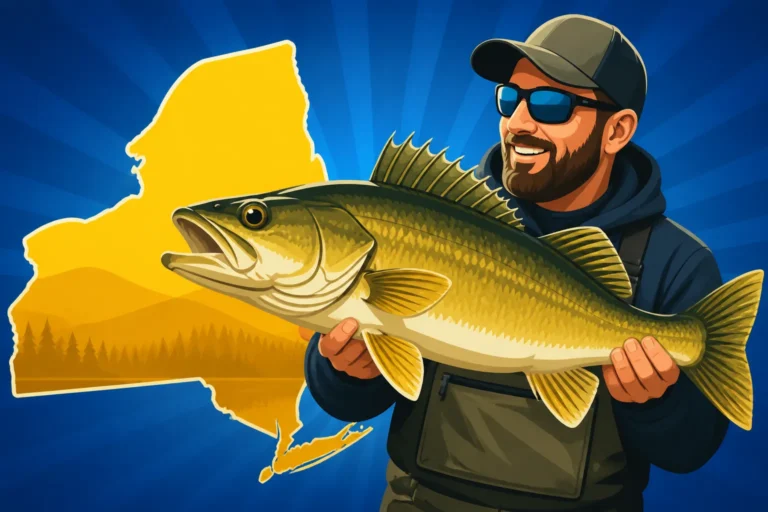
Now, if you're chasing truly monumental smallmouth bass, the St. Lawrence River absolutely has the potential to deliver. Trophy smallmouth in this system typically measure 20 inches or more, often pushing past the 5-pound mark, and some even exceeding 6 or 7 pounds. These are fish that have seen many seasons, mastered the currents, and grown to impressive proportions. Catching a smallmouth over 20 inches from the St. Lawrence is a definite badge of honor, a memorable angling achievement that will stick with you for years. This river is consistently talked about in fishing circles as a prime destination for such giants, a fact that draws anglers from far and wide.
What makes these fish so large? It's a combination of factors, including abundant food sources, excellent habitat, and the sheer longevity some of these fish achieve in a protected, well-managed fishery. While you won't catch them on every cast, the chance to tie into one of these bronze giants is a very real possibility every time you wet a line in these waters. Many anglers dedicate their entire trip to specifically targeting these larger fish, knowing the reward is well worth the effort.
Here's a quick look at what you might consider typical vs. trophy sizes on the St. Lawrence:
| Characteristic | Common Catch (Average) | Trophy Potential (Above Average) |
|---|---|---|
| Length | 14-18 inches | 20+ inches |
| Weight | 1.5-3 pounds | 5+ pounds |
| Age | 3-6 years | 7+ years |
| Condition | Healthy, strong | Exceptionally robust, broad |
| Fight | Vigorous, acrobatic | Powerful, sustained, unforgettable |
Factors Influencing Smallmouth Size on the St. Lawrence
Why does the St. Lawrence River consistently produce such outstanding smallmouth bass? It's not by accident. A delicate balance of environmental factors, food availability, and thoughtful management contribute to this thriving fishery. Understanding these elements can not only deepen your appreciation for the river but also help you strategize your fishing efforts.
Forage and Food Abundance
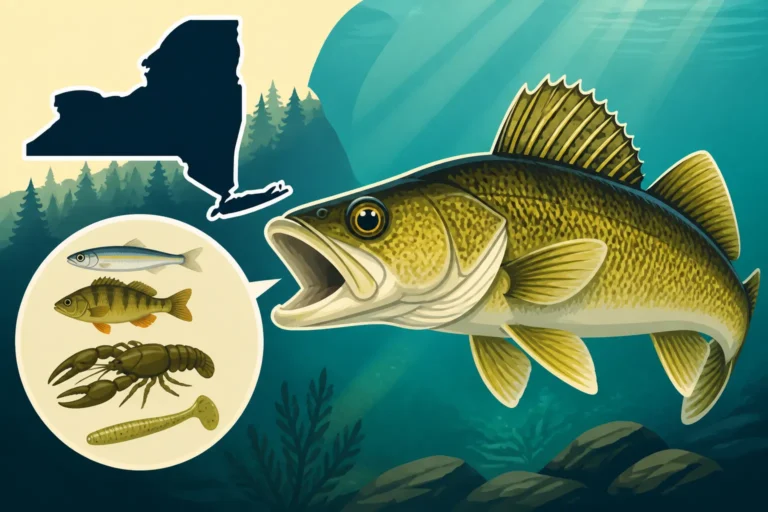
The phrase "you are what you eat" definitely applies to fish, and smallmouth bass in the St. Lawrence are eating well. One of the biggest drivers of their impressive size is the incredible abundance and variety of forage. The river is teeming with prey items, most notably the round goby. While gobies are an invasive species, they have become a significant, high-protein food source for smallmouth bass, essentially fueling their growth to larger sizes. Beyond gobies, smallmouth feast on crayfish, various baitfish like alewives and shiners, and even insects during certain times of the year. This diverse and plentiful buffet ensures that smallmouth have everything they need to grow quickly and maintain their robust, healthy physiques. Imagine a perpetual all-you-can-eat buffet for bass; that's essentially what the St. Lawrence offers.
Habitat and Water Quality
The St. Lawrence River boasts an incredibly diverse and pristine habitat that perfectly suits the needs of smallmouth bass. The countless islands, rocky reefs, submerged humps, and current breaks create ideal ambush points and protective cover. Smallmouth are structure-oriented fish, and this river provides endless options, from shallow rocky flats where they sun themselves to deep ledges where they can retreat during harsh conditions or simply await prey. The constant flow of the river also maintains excellent water quality and high oxygen levels, which are crucial for the health and growth of all fish, especially active predators like smallmouth. Clean, cool, and oxygenated water helps them metabolize food efficiently and thrive, leading to faster growth rates and overall healthier fish. You can find detailed information on Fishing New York's St. Lawrence River and Thousand Islands to explore these habitats further.
Angler Pressure and Management
While the St. Lawrence is a popular fishing destination, its vastness and the effective management strategies employed by New York State help maintain healthy populations. Catch-and-release practices, especially for larger fish, play a vital role in ensuring that trophy genetics are passed on and that the overall population remains robust. Many anglers, recognizing the value of this fishery, voluntarily practice catch-and-release, especially for the biggest bass. This ensures that those large breeding females can continue to reproduce and contribute to future generations of St. Lawrence giants. Understanding New York Fishing Regulations Explained and abiding by them, including the specific bass season dates, is crucial for sustaining this incredible resource. It's a collective effort that helps keep the "average" size as impressive as it is.
Environmental Conditions
Like all fish, smallmouth bass are influenced by their environment. Water temperature, oxygen levels, and seasonal changes all play a role in their growth and activity. During warmer months, when their metabolism is high and food is abundant, smallmouth grow at their fastest rate. Conversely, during colder periods, their growth slows, and they become less active. The St. Lawrence River, with its deep sections and strong currents, provides thermal refugia, allowing fish to find comfortable temperatures year-round. This stability, coupled with consistent water quality, creates optimal conditions for sustained growth over many years, leading to larger fish. Even seemingly small factors like a sustained period of good water temperatures can lead to a boom in smallmouth size.
Fishing for St. Lawrence Giants: Techniques and Tips
Now that you know what makes these smallmouth so special, let's talk about how you can increase your chances of hooking into one of the St. Lawrence's famous bronze-backed behemoths. It's not just about luck; it's about technique, timing, and understanding the fish.
Targeting Larger Smallmouth
To consistently catch bigger smallmouth, you need to think like a big bass. These larger fish are often more solitary or hold in specific, prime ambush locations. They're also not as easily fooled as their smaller counterparts. Focus on throwing larger baits that mimic their primary food sources. Swimbaits that imitate gobies, football jigs tipped with crayfish imitations, and jerkbaits worked around rocky points and drop-offs are often highly effective. Topwater baits can also entice explosive strikes from big smallmouth during low-light conditions or calm mornings. Experiment with colors and retrieve speeds until you find what triggers a strike. Sometimes, a subtle change in your lure presentation, such as a longer pause or a more aggressive twitch, can make all the difference. You can find a fantastic selection of these types of lures and specialized smallmouth tackle on platforms like Amazon, making it easy to gear up for your trip. For specific recommendations, check out Best Smallmouth Bass Lures for Clear Water.
Another key is locating the right structure. While smaller bass might be scattered, big smallmouth often relate to significant features: deep water access points, current seams next to large boulders, or transition lines where different types of bottom meet. Don't be afraid to fish deeper than you might in other fisheries, as the St. Lawrence often holds larger fish in greater depths, especially during the brighter parts of the day. Utilize your electronics to pinpoint these underwater structures and any signs of baitfish.
Importance of Proper Handling
Given the incredible trophy potential of the St. Lawrence, practicing proper catch-and-release is not just good etiquette; it's crucial for the future of the fishery. If you're targeting larger fish, be prepared to handle them with care. Use a rubberized net to minimize harm to their protective slime coat and fins. When you land a fish, try to keep it in the water as much as possible, especially if you plan to measure or photograph it. Support its full weight horizontally, never vertically by the jaw alone, as this can cause severe internal damage. Get your measurements and photos quickly, and then gently release the fish, allowing it to recover before swimming off. The goal is to return these magnificent creatures to the water in the best possible condition, ensuring they can grow even larger and spawn again. More detailed instructions can be found in our guide on Catch-and-Release Handling Rules.
Seasonal Considerations
The size and location of smallmouth bass on the St. Lawrence can shift throughout the year, driven by water temperature and spawning cycles.
- Spring (Pre-spawn & Spawn): As water temperatures rise, smallmouth move shallower, often congregating in bays and protected areas for spawning. During the pre-spawn, they are aggressive and feed heavily, making it a prime time for catching larger, heavier fish. Post-spawn, they might be a bit lethargic but will resume feeding quickly. Be mindful of New York Bass Season Dates as fishing during the actual spawn can be restricted or require specific catch-and-release practices.
- Summer: This is often the most consistent time for numbers of fish, with a good mix of sizes. Smallmouth will spread out, relating to various structures throughout the river. They're active and will readily chase moving baits. You might find bigger fish a bit deeper or in stronger current breaks.
- Fall: As water temperatures drop, smallmouth begin to feed aggressively again, fattening up for winter. This can be another excellent time to catch large, heavy fish, as they gorge on available forage. They might school up more tightly, making it possible to find multiple big fish in one spot.
Understanding these seasonal patterns, combined with checking Best Time of Year to Fish in New York, will significantly improve your success in finding those St. Lawrence giants.
Regulations and Conservation Efforts
Fishing in New York, especially on a revered waterway like the St. Lawrence, comes with responsibilities. Adhering to regulations and supporting conservation efforts are paramount to ensuring this incredible smallmouth fishery remains healthy and vibrant for generations to come.
New York State Regulations for Smallmouth Bass
New York State has specific regulations in place for smallmouth bass, including season dates, minimum size limits, and daily creel (bag) limits. These regulations are designed to protect the breeding population and ensure sustainable fishing. It's vital to remember that these rules can vary slightly by body of water and can change from year to year. Before any trip, it's your responsibility to consult the most current New York State Department of Environmental Conservation (DEC) fishing regulations guide. This guide will provide all the necessary details on when you can fish for bass, how many you can keep, and what minimum length they must be. Generally, you'll find that there's often a conservative approach to bass limits in prime areas like the St. Lawrence to protect those larger fish. Always carry a measuring tape and respect the rules. You can find detailed information by searching for New York Freshwater Fishing Rules or directly on the DEC website.
Role of Conservation
Every angler plays a role in conservation, whether they realize it or not. Beyond just following the rules, making conscious choices contributes significantly to the health of the fishery. This includes practicing careful catch-and-release, especially for those larger, genetically valuable smallmouth bass. Using appropriate tackle that minimizes harm, like single, barbless hooks where legal and practical, can also help. Supporting organizations that work to protect and enhance aquatic habitats, or even simply properly disposing of your trash and avoiding the spread of invasive species, all contribute to keeping the St. Lawrence robust. The smallmouth bass fishery on the St. Lawrence is a prime example of how effective conservation, coupled with responsible angling, can lead to world-class fishing opportunities. Let's all do our part to keep it that way, ensuring that the average smallmouth bass size continues to impress anglers for many years down the line.
Disclaimer
This article is for general informational purposes only and does not constitute professional advice. Laws, prices and regulations vary by location and change over time. Consult a qualified professional for guidance on your specific situation.