Which New York Fish Carry Mercury Warnings
It's easy to feel overwhelmed and a bit anxious when you start thinking about what's actually in the fish you're catching in New York's beautiful waters. We all love the thrill of a good catch, and the idea of bringing home a delicious meal is a huge part of the appeal. But then the nagging question creeps in: Is this fish safe to eat? This guide is here to cut through the confusion and explain which New York fish often come with mercury warnings, why these advisories exist, and how you can make informed choices to enjoy your angling safely.
Decoding New York's Fish Consumption Advisories
Let's be honest, trying to understand all the rules and recommendations around eating fish can feel like trying to untangle a particularly stubborn fishing knot. You just want to enjoy your hobby, but suddenly you're faced with complex tables and advisories. It's frustrating, I know! But these advisories are put in place by smart folks at the New York State Department of Health (DOH) and the Department of Environmental Conservation (DEC) for our safety, protecting us from potential contaminants like mercury that can accumulate in fish.
What Are Fish Consumption Advisories?
Think of a fish consumption advisory not as a ban, but more like a nutritional traffic light system for specific bodies of water and fish species. Instead of saying "don't eat this," they usually provide guidance like "eat no more than one meal per week" or "pregnant women and children should avoid eating this fish." These guidelines are based on extensive scientific studies that look at the levels of contaminants found in fish from particular lakes, rivers, and coastal areas across the state. They take into account the average size of the fish, the typical diet of that species, and how much a person might reasonably eat.
The advisories are designed to minimize your exposure to harmful substances over time, especially for sensitive populations. It's a proactive approach to public health, acknowledging that while fishing is a wonderful pastime and fish can be a healthy part of a diet, certain precautions are necessary. These advisories are regularly updated, so what was true a few years ago might have slightly changed today, which is why it's always worth a quick check before you head out. Understanding New York Fish Consumption Advisories Explained is crucial for any angler.
Why Do We Have These Warnings?
The primary reason for these warnings is the presence of contaminants like mercury, PCBs (polychlorinated biphenyls), and dioxins in certain waterways. These substances can enter the environment from various sources, sometimes historic industrial pollution, sometimes natural processes. Once in the water, they can be absorbed by aquatic organisms, and this is where the problem starts for our finned friends.
Fish, especially those higher up the food chain, accumulate these contaminants in their tissues. Mercury, in particular, becomes a potent neurotoxin called methylmercury once it enters the water and is consumed by fish. The larger and older a fish gets, and the higher its position in the food web, the more these contaminants can build up in its body. This process is called bioaccumulation and biomagnification, and it's a key reason why bigger, older predatory fish often carry the highest warnings. These advisories help us navigate which fish might be more problematic and ensure that we're making safe choices for ourselves and our families.
The Science Behind Mercury in Fish
Mercury is a naturally occurring element, but human activities have certainly increased its presence in our environment. When we talk about mercury in fish, we're really talking about methylmercury, a highly toxic organic compound that poses the biggest risk to human health. It's a nuanced topic, and understanding a little of the science behind it can help you make sense of those sometimes-confusing advisories.
How Mercury Enters the Aquatic Food Chain
Most of the mercury that ends up in our waters actually starts in the atmosphere, often from sources like coal-fired power plants, waste incinerators, and certain industrial processes. Once emitted into the air, it can travel long distances before settling back down to earth in rain or snow, eventually finding its way into lakes, rivers, and oceans. This atmospheric deposition is a major pathway for mercury pollution in even remote areas of New York.
Once elemental mercury is in the water, it undergoes a transformation. Microorganisms in the sediment and water convert it into methylmercury. This organic form is highly absorbable by aquatic organisms. Small organisms like plankton ingest it, then small fish eat the plankton, and bigger fish eat the smaller fish. This is where bioaccumulation begins, with mercury building up in the tissues of each successive creature. You can see how fish species in New York’s various waterways end up with different levels.
Why Certain Fish Accumulate More Mercury
It all comes down to diet, size, and age. Predatory fish, the ones that eat other fish, are at the top of the aquatic food chain. Every time they consume a smaller fish, they also ingest all the methylmercury accumulated in that smaller fish. This process, called biomagnification, means that mercury levels become increasingly concentrated as you move up the food chain. So, a walleye eating a perch will have more mercury than the perch, and a muskellunge eating the walleye will have even more.
Larger, older fish have had more time to accumulate mercury in their bodies. They've eaten more meals over a longer lifespan, leading to higher overall concentrations. That's why you often see advisories recommending limiting consumption of bigger, older specimens of certain species. For example, a trophy lake trout caught in the Finger Lakes will likely have more mercury than a younger, smaller one. It's not just about the species, but also the individual fish itself. If you’re interested in New York's Trophy Fish Species, remember that bigger often means more accumulated contaminants.
| Fish Characteristic | Impact on Mercury Level | Examples of Species |
|---|---|---|
| Diet | Eats other fish (predatory) accumulates more mercury through biomagnification. | Walleye, Northern Pike, Lake Trout, Bass, Striped Bass, Muskellunge, Salmon |
| Eats insects, plants (herbivores/omnivores) generally lower mercury. | Panfish (Sunfish, Bluegill), Perch, Catfish, Carp | |
| Size | Larger fish have had more time to accumulate mercury. | Older, bigger specimens of any predatory species |
| Age | Older fish have had more exposure and accumulation. | Often correlates with size; a long-lived species will accumulate more over its lifetime. |
| Location | Waters with higher industrial pollution or atmospheric deposition may have fish with higher levels. | Specific sections of rivers (e.g., Hudson River), certain industrial lakes |
Key New York Fish Species with Mercury Warnings
When you're out on the water, whether it's a quiet Adirondack lake or the vast expanse of Lake Ontario, knowing which fish might carry a higher mercury load is essential. It's not about fear-mongering, but about making smart choices to protect your health while still enjoying the bounty of New York's fishing opportunities.
Common Freshwater Fish with Higher Advisories
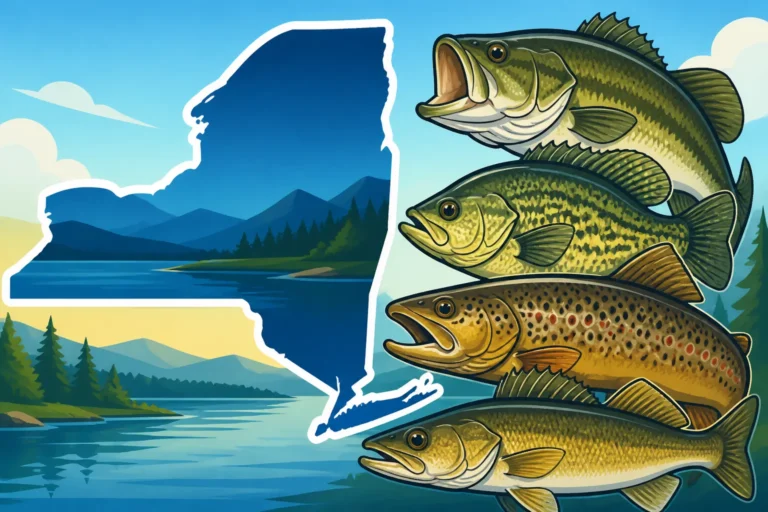
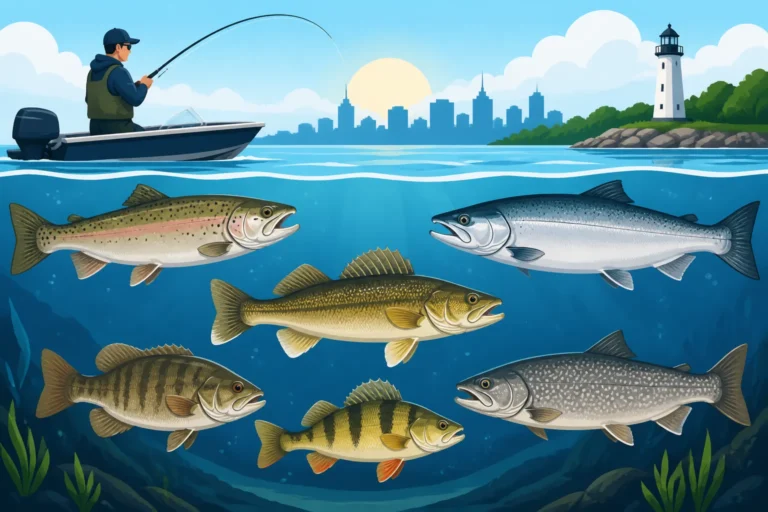
In the freshwater systems of New York, some of our most prized game fish are also the ones that tend to accumulate more mercury due to their predatory nature and longer lifespans. We're talking about species like Walleye, Northern Pike, Chain Pickerel, Lake Trout, Bass (both largemouth and smallmouth), and especially the mighty Muskellunge. These fish are at the top of the food chain in many lakes and rivers, meaning they've eaten many smaller fish that also contained mercury.
For example, a large walleye caught in Oneida Lake or Lake Erie is often subject to specific consumption limits, particularly for vulnerable populations. Similarly, the majestic lake trout found in the deeper, colder Finger Lakes or Lake George are frequently noted in advisories. While these fish are fantastic to catch, it's wise to check the specific guidelines for the body of water you're fishing. The DEC's comprehensive New York Fishing Regulations Explained often points to where to find these advisories.
It's a common misconception that all fish from a certain lake are equally affected. Often, the advisories are very specific, targeting certain species or even certain size ranges of a species from a particular body of water. So, while you might need to limit your consumption of a large bass from a particular pond, smaller panfish from the same water might be fine to eat more frequently. If you're looking for New York's Most Popular Freshwater Fish, remember to always cross-reference with the latest DOH advisories.
Saltwater Fish and Estuarine Species with Warnings
New York's coastline and estuarine waters, like Long Island Sound and the Hudson River, are also home to fish species that can carry mercury warnings. Here, we often look at top predators like Striped Bass and Bluefish. These highly migratory fish can accumulate mercury over their long lives and extensive travels.
The Hudson River, for instance, has long-standing advisories for several species, including striped bass, due to a combination of historical industrial contaminants and more general mercury pollution. While the advisories for the Hudson River often focus heavily on PCBs, mercury is also a factor. If you plan on Fishing the Hudson River in New York: Where to Go, you'll definitely want to check the specific advisories for that region.
Similarly, in coastal waters, larger bluefish are known to have higher mercury levels than smaller ones. Again, the principle of biomagnification applies: the bigger and older the fish, the more time it has had to accumulate these substances. It's not just mercury, but also other considerations, as seen in the New York Fish Consumption Advisories Explained from the DOH. For any angler planning to fish in saltwater, it's particularly important to distinguish between general statewide advisories and those specific to highly impacted local waterways.
Other Fish Species to Be Aware Of
Beyond the common game fish, there are other species that sometimes appear in advisories, often depending on the specific waterbody. For example, some larger Catfish species, particularly from waters with a history of industrial discharge, might have warnings. Similarly, large Carp can also be noted in some localized advisories. These fish are bottom feeders and can absorb contaminants present in sediments.
It's really important to stress that these warnings are not permanent. Environmental cleanups and changes in emissions can lead to improvements over time. That said, mercury is persistent, and it takes a long time for it to clear from ecosystems. This is why continuous monitoring is so important. When in doubt, always default to caution and check the official New York State Department of Health consumption advisories directly. They are the most accurate and up-to-date source of information. You can often find useful guides or even specific lake maps on websites like Amazon that help you understand fish populations and potential contaminant issues, though always verify current advisories with official state sources.
Navigating New York's Fish Consumption Guidelines
Alright, you've caught some beautiful fish, and now you want to know how to safely enjoy your hard-earned meal. The good news is, you absolutely can eat fish from New York waters, but it pays to be informed and make smart choices. It's about being a responsible angler and a thoughtful consumer, and trust me, it’s easier than you might think once you know where to look.
Where to Find the Most Up-to-Date Advisories
The absolute best source for current fish consumption advisories in New York State is the New York State Department of Health (DOH) website. They publish a comprehensive guide each year, often updated with the latest findings. This guide breaks down advisories by specific waterbody, fish species, and even size, and provides recommendations for different groups of people, such as women of childbearing age, young children, and the general population.
You can usually find these advisories by searching for "New York State Fish Consumption Advisories DOH." The DEC also plays a role in monitoring fish populations and water quality, and their website often links directly to the DOH advisories or provides general information within their New York Fishing Regulations Explained. Don't rely on old printouts or hearsay; always go to the official source for the most accurate and current information. It’s also wise to check local signage at boat launches or fishing piers, as these often have specific warnings for that body of water.
Practical Tips for Reducing Mercury Exposure
Even if a fish species or waterbody has a general advisory, there are often ways to reduce your potential exposure to contaminants, especially for non-mercury issues like PCBs. For mercury, which is largely stored in muscle tissue, there isn't much you can do to "clean" the fish. However, for other contaminants, proper cleaning and preparation can make a difference.
Here are a few general tips:
- Keep smaller, younger fish: As we discussed, smaller and younger predatory fish generally have lower mercury levels than their larger, older counterparts. So, while a trophy catch is exciting, consider releasing the biggest ones if you're planning to eat your catch, and keep the smaller, legal-sized fish for dinner.
- Diversify your catch: Don't just eat one type of fish from one specific location. Try to vary the species you eat and the waters you fish. This helps to spread out any potential exposure to specific contaminants.
- Trim the fat and skin: While mercury is in the meat, other contaminants like PCBs and dioxins tend to accumulate in the fatty tissues and skin of fish. Carefully skinning and trimming off all fat before cooking can significantly reduce your exposure to these other substances. Baking or broiling fish on a rack that allows fat to drain away can also help. Frying, which seals in fats, is less effective for reducing these particular contaminants.
- Check local advisories consistently: This is the golden rule. A waterbody might have unique advisories for certain fish, like specific sections of the Hudson River. Always check the DOH's latest guidance. If you're interested in Is It Safe to Eat Fish From the Hudson River?, you'll find that specific advisories are key.
- Consider fish species generally low in mercury: Some fish are consistently low in mercury across the board. These include many panfish like bluegill, perch, and crappie, as well as species like trout (especially stocked trout) and often smaller catfish.
By following these practical steps, you can still enjoy the delicious taste of fresh New York fish while minimizing your health risks. It's about making informed, conscious choices every time you cast a line and decide to keep your catch. You can even find great resources on Amazon for filleting guides or cooking techniques that specifically address how to prepare fish to reduce contaminants.
Disclaimer
This article is for general informational purposes only and does not constitute professional advice. Laws, prices and regulations vary by location and change over time. Consult a qualified professional for guidance on your specific situation.