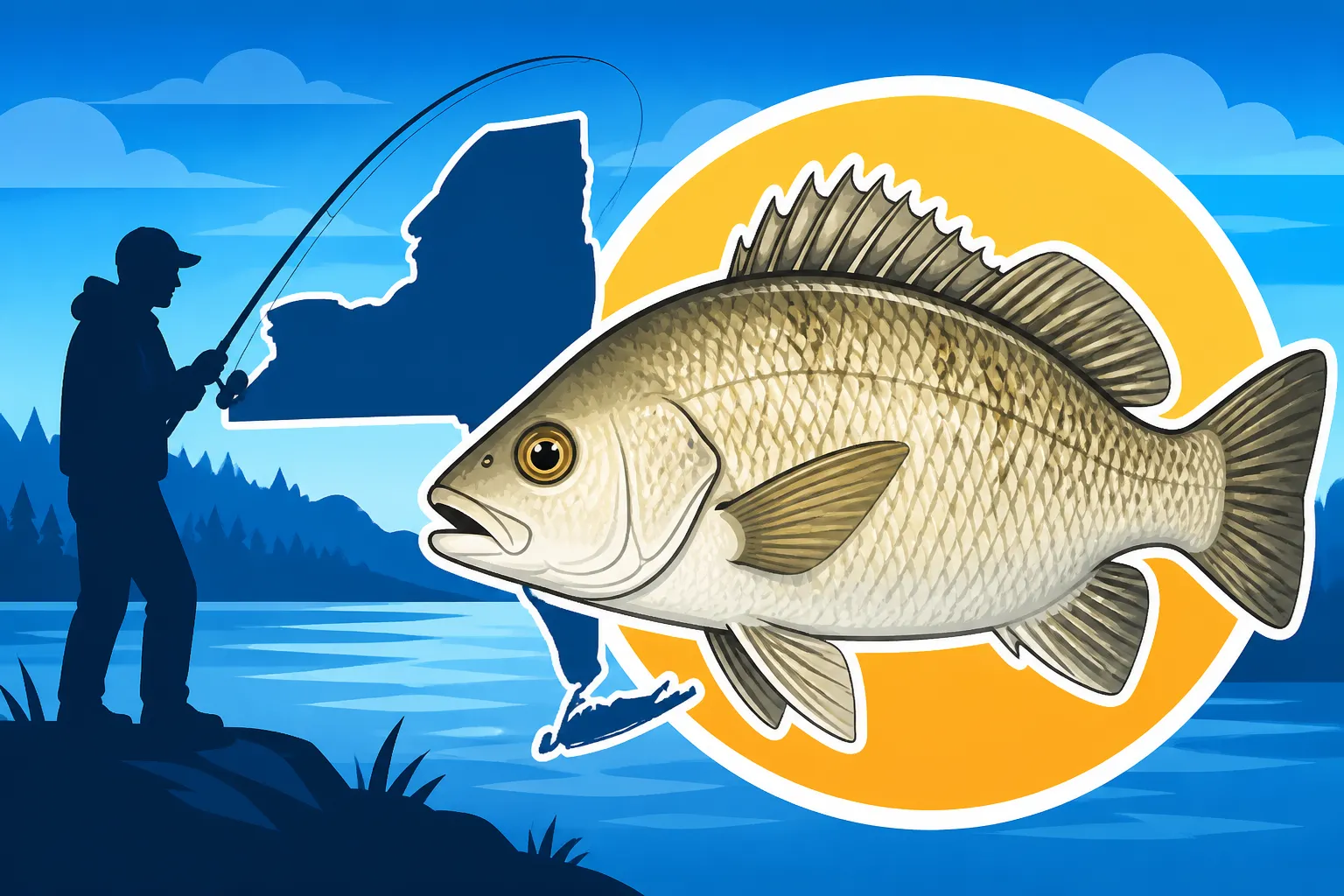
What a Freshwater Drum Is
You've probably heard the term "freshwater drum" tossed around, especially if you spend any time fishing the larger rivers and lakes of New York. But for many, it's a fish shrouded in a bit of mystery, often confused with other species or simply overlooked. This comprehensive guide is here to pull back the curtain on this unique, often misunderstood, and surprisingly fun-to-catch fish, answering all your questions about what a freshwater drum is and why it matters to New York anglers.
Understanding the Freshwater Drum
Let's dive right into what makes a freshwater drum, well, a freshwater drum. This isn't your average panfish, nor is it a gamefish like a trout or bass in the traditional sense for many anglers. It's an interesting creature with some very distinct characteristics that are worth getting to know.
What Exactly Is a Freshwater Drum?
The freshwater drum, scientifically known as Aplodinotus grunniens, is the only species in the drum family (Sciaenidae) to live entirely in freshwater. Unlike its saltwater cousins, which include red drum and black drum, our freshwater friend has adapted exclusively to inland waters. This fish is often referred to by a variety of local names, sometimes affectionately, sometimes less so, such as sheepshead, grunter, gaspergou, or croaker. The "drum" and "grunter" nicknames come from a fascinating ability: they can produce a distinctive drumming or grunting sound. This sound is made by vibrating specialized muscles against their swim bladder, and it's thought to be used for communication, especially during spawning. It’s quite an experience to hear it rumble from beneath your boat!
These fish typically have a deep, somewhat compressed body, often with a silvery-bronze color that can vary depending on their habitat. They boast a long dorsal fin, a rounded tail, and a small, downward-pointing mouth with blunt teeth, perfect for crushing shells. What truly sets them apart, though, are their large otoliths, or "ear stones," which are considered good luck charms by some and are often collected by anglers. These pearly white stones have distinct grooves on one side, resembling an "L" or "J," and are quite unique. They can grow to a respectable size, often reaching lengths of 10 to 20 inches, though much larger specimens are certainly out there, offering a surprising fight on the end of your line.
Where Do Freshwater Drum Live in New York?
Freshwater drum are quite adaptable and widespread, making themselves at home in many of New York's larger, murkier waterways. You won't typically find them in pristine, cold trout streams, but rather in the warmer, deeper sections of rivers and vast lakes. Think of places with soft, muddy, or sandy bottoms, often near structures like submerged logs, drop-offs, or bridge pilings where they can forage for food.
In New York, you'll find healthy populations of freshwater drum in many of our most prominent water bodies. They thrive in the Great Lakes, especially Lake Erie and Lake Ontario, where they are quite abundant. The mighty St. Lawrence River is another prime location for these fish, offering vast stretches of suitable habitat. Further south, the Hudson River, particularly its lower tidal sections, also holds a good number of drum. They're not just limited to these giants; you can also encounter them in some of the larger Finger Lakes and other significant rivers and reservoirs across the state. They are truly one of the Fish Species You Can Catch in New York in a wide variety of locations. Their preference for these larger, often slower-moving waters means they're not a fish you'll stumble upon in every small pond or creek, but when you find them, you often find them in numbers.
What Do Freshwater Drum Eat?
Freshwater drum are primarily bottom feeders, and their diet reflects their habitat and mouth structure. They have pharyngeal teeth, which are plate-like teeth located in their throat, specifically designed for crushing. This adaptation is key to their preferred menu items. They are omnivores, but a large part of their diet consists of benthic invertebrates – creatures that live on or in the bottom substrate.
Their favorite meals include small clams, snails, crayfish, and various insect larvae. They'll also happily munch on aquatic worms and other small crustaceans. Sometimes, they'll even prey on small fish, especially if they're readily available. This diverse diet makes them important members of the aquatic food web, helping to control populations of bottom-dwelling organisms. Because they're always rooting around on the bottom, stirring up sediment, they can often be found alongside other species that share similar foraging habits or are attracted to the disturbed bottom. If you're wondering about What Walleye Eat or What Yellow Perch Eat, you might find some overlap in their preferences for bottom-dwelling snacks.
Identifying and Catching Freshwater Drum
So, you're out on the water, you feel a tug, and you reel in a fish. How do you know if it's a freshwater drum? And once you know, how do you go about catching more of them? Let's break down the practical aspects.
Key Identification Features
Identifying a freshwater drum isn't too difficult once you know what to look for, but they can sometimes be confused with other species, particularly various types of carp or even smaller catfish, due to their bottom-dwelling habits and somewhat generic silvery appearance. However, there are a few tell-tale signs.
First, look at the body shape: it's generally deep and somewhat stout, but also compressed or flattened side-to-side, unlike the more cylindrical shape of a catfish or the chunky build of some carp. The coloring is usually silvery-gray or bronze, often with a white or lighter belly, and sometimes a faint lateral line. Their dorsal fin is very distinctive, with a long, continuous appearance, rather than the separate spiny and soft-rayed dorsal fins seen on many other species. The tail is typically rounded. Perhaps the most defining feature is their mouth, which is small and subterminal, meaning it's located on the underside of the head, perfectly adapted for sucking up food from the bottom. If you happen to catch one and hear a grunting sound when you handle it, that's your definitive clue – no other freshwater fish in New York makes that noise! If you're still unsure, checking for those unique otoliths (though you'd have to harvest the fish to find them) would confirm it, but the external features are usually enough.
Best Techniques for Catching Drum
Catching freshwater drum can be a lot of fun, and because they're so common, they offer a great opportunity for steady action, especially for beginners or when other species are finicky. The key is to fish on or near the bottom, where they do most of their feeding.
Bait Fishing: This is by far the most effective method. Drum aren't particularly picky, but they do have their favorites. Live bait like nightcrawlers, red worms, or pieces of shrimp are excellent choices. Many anglers have great success with cut bait as well, such as small strips of smelt or other oily fish. Even artificial baits with strong scents can sometimes entice them. You'll want to present your bait right on the bottom. A simple bottom rig, such as a Carolina rig or a three-way swivel rig, works perfectly. For a Carolina rig, use an egg sinker above a swivel, with a leader (about 12-24 inches) and a hook. This allows the bait to move naturally while the weight holds it near the bottom. For hooks, a size 2 to 4 bait holder or circle hook is usually ideal. Remember to check Rules on Using Live Bait in New York as some regulations might apply depending on the waterway.
Lure Fishing: While bait is king, drum will occasionally strike artificial lures. Jigs tipped with soft plastics, particularly those mimicking worms or crawfish, can be effective, especially when bounced along the bottom. Small crankbaits or spoons retrieved slowly near the bottom might also trigger a strike, especially if the fish are actively feeding. The retrieve should be slow and deliberate, allowing the lure to make contact with the bottom frequently. If you're looking to stock up on a good variety of soft plastics or jigs, you can find a fantastic selection on Amazon, which makes it easy to experiment with different colors and styles.
Time and Location: Drum are often most active during low light conditions, such as early morning or late evening, but they can be caught throughout the day, especially in deeper, darker waters. Look for them in slower currents, deep holes, or along the edges of channels. Places where tributaries meet larger rivers or lakes can also be hotspots, as these areas often concentrate bait and bottom-dwelling organisms.
Tackle and Gear Recommendations
You don't need highly specialized gear to catch freshwater drum, which is part of their appeal. Standard medium-action spinning or baitcasting setups will serve you well.
Rods and Reels: A medium-action spinning rod, around 6 to 7 feet long, paired with a reel spooled with 8-12 pound test line, is a versatile choice. This setup will give you enough backbone to handle a decent-sized drum, which can pull surprisingly hard, while still providing sensitivity for detecting subtle bites. If you prefer baitcasting, a similar medium-action rod and reel with comparable line strength will work just as effectively. You can easily browse and purchase a reliable spinning combo from Amazon if you're just starting out or looking to upgrade your basic gear.
Line: Monofilament line is perfectly fine for drum fishing, offering good knot strength and stretch. However, braided line with a fluorocarbon leader can offer increased sensitivity, which can be helpful for detecting those light bottom bites. The lack of stretch in braid means you'll feel every bump and nibble.
Terminal Tackle:
- Hooks: Size 2 to 4 bait holder hooks or circle hooks are excellent. Circle hooks are particularly good for drum as they tend to hook the fish in the corner of the mouth, reducing gut hooking and making release easier if you're practicing catch and release.
- Sinkers: Egg sinkers, pyramid sinkers, or bell sinkers ranging from 1/4 to 1 ounce are commonly used, depending on the current and depth.
- Swivels: Barrel swivels or three-way swivels are essential for your rigs, preventing line twist and allowing for proper bait presentation. Many anglers stock up on these essentials from Amazon before their trips.
- Bait: As mentioned, nightcrawlers, pieces of shrimp, or cut bait are highly effective. A small container of these can make a big difference in your success rate.
Having a selection of these basic terminal tackle components, easily procurable from any local tackle shop or online retailers like Amazon, will prepare you for a successful day of drum fishing.
Freshwater Drum in New York's Ecosystem and Table
Now that we know what they are and how to catch them, let's consider their place in the larger picture of New York's fishing scene, including their culinary potential and the rules governing their pursuit.
Are Freshwater Drum Good to Eat?
This is a question that often sparks debate among anglers. The truth is, freshwater drum are edible, and when prepared correctly, they can actually be quite tasty. Their flesh is firm, white, and flaky, with a mild flavor that isn't overly "fishy." However, like many fish, their taste can vary depending on the water quality, their diet, and how quickly and properly they are handled after being caught.
Many experienced anglers recommend harvesting drum from cleaner, colder waters, as this often results in a better-tasting fish. It's also crucial to clean them promptly and get them on ice to preserve their quality. Some people prefer to skin them rather than scale them due to their tough scales. Filleting is straightforward, and the firm flesh holds up well to various cooking methods like frying, baking, or grilling. However, it's always wise to be aware of any New York Fish Consumption Advisories Explained, especially in certain waterways, as environmental factors can sometimes affect the safety of eating any fish species. While they might not be everyone's first choice over, say, a freshly caught walleye or salmon, giving a drum a try for the dinner table might just surprise you.
Role in the New York Fishery
The freshwater drum plays a significant, though often unsung, role in New York's aquatic ecosystems. As prolific bottom feeders, they help to process benthic invertebrates, contributing to the overall health and balance of their habitats. They are also a food source for larger predatory fish, such as muskellunge and large northern pike, and even some birds of prey.
From an angler's perspective, freshwater drum are an accessible and abundant species, providing consistent action when other fish might be harder to find. They fight hard for their size, offering a spirited battle that can be particularly exciting on lighter tackle. While they might not carry the same "glamor" as trophy bass or salmon, they are an excellent target for family outings, beginner anglers, or anyone simply looking to bend a rod. Their prevalence in places like Lake Erie and Lake Ontario means they are a dependable part of the angling experience in those waters. For many, they are also a key species for honing angling skills, practicing different techniques, and simply enjoying the act of fishing without the pressure of targeting a rare or difficult catch.
Regulations for Fishing Freshwater Drum in New York
Fishing in New York, as anywhere, comes with rules, and freshwater drum are no exception. However, compared to many other species with strict size and creel limits, drum often fall into a more lenient category. Generally speaking, freshwater drum in New York are subject to statewide regulations, which typically means they have a generous, or even open, season and often very high or no daily creel limits and no minimum size limits. This means you can keep quite a few if you wish, and you don't have to worry about measuring them.
However, it's absolutely crucial to remember that regulations can change, and specific waters might have special regulations. Always, and I mean always, consult the most current New York State Department of Environmental Conservation (DEC) fishing regulations guide before you head out. This guide will provide up-to-date information on species-specific rules, as well as general statewide guidelines. You can often pick up a physical copy at places that sell Where to Buy a New York Fishing License or download it directly from the DEC website. Knowing the New York Fishing Regulations Explained is not just about avoiding penalties; it's about being a responsible angler and contributing to the sustainability of our fisheries.
Here's a quick overview of what you might typically find for freshwater drum regulations (always verify current rules!):
| Regulation Category | Typical New York State Rule (Always Verify!) | Notes |
|---|---|---|
| Season | Open year-round | May be subject to area-specific closures. |
| Minimum Size Limit | None | No minimum length required for harvest. |
| Daily Creel Limit | Generous or unlimited | Often a high number, like 25, or no limit at all. |
| Fishing License | Required for anglers 16 and older | A valid New York Fishing License Guide is mandatory. |
| Special Regulations | Check local postings for specific waters | Some waters may have unique rules for all species. |
Remember, fishing without a valid license or ignoring regulations can lead to fines and other penalties, so make sure you're always informed and compliant.
So there you have it – the freshwater drum, a ubiquitous yet often underappreciated member of New York's diverse aquatic population. They might not be as glamorous as a salmon or as elusive as a trophy muskie, but they offer a reliable and enjoyable fishing experience, a surprisingly good meal, and a fascinating study for any curious angler. Next time you're on a big lake or river, don't overlook these drumming dynamos!
Disclaimer
This article is for general informational purposes only and does not constitute professional advice. Laws, prices and regulations vary by location and change over time. Consult a qualified professional for guidance on your specific situation.