Where Freshwater Drum Are Found in New York
For many anglers in New York, the pursuit often revolves around the flashier species—the acrobatic trout, the mighty salmon, or the hard-fighting bass. But tucked away in our state's rich aquatic tapestry is a truly unique and often underestimated game fish: the freshwater drum. If you've ever wondered where you might encounter these fascinating, bottom-dwelling creatures, you've come to the right place. This guide will dive deep into the specific New York waters where freshwater drum thrive, helping you understand their habits and, hopefully, land one of your own.
Unraveling the Mystery: What Exactly is a Freshwater Drum?
The freshwater drum, often affectionately (or sometimes derisively) called "sheepshead," "grunter," or "gaspergou" by seasoned anglers, is a fish that truly marches to the beat of its own drum – quite literally! They're not always the first species people brag about catching, but they offer an incredibly strong fight and are a vital part of many New York aquatic ecosystems. Let's peel back the layers and understand what makes these fish so special.
The Uncommon Game Fish with a Unique Voice
It's true, the freshwater drum doesn't always get the same fanfare as a trophy largemouth or a leaping steelhead. Many anglers consider them a "rough fish" or a bycatch, but that's a real disservice to their sporting qualities. These fish are powerful fighters, especially in strong currents, and they can pull some serious line! Imagine hooking into something that feels like a brick wall suddenly decided to run with your bait—that's a drum for you.
What truly sets them apart, however, is their distinctive "drumming" sound. This isn't just a quirky nickname; male drum actually produce a rhythmic, drumming or croaking sound, particularly during spawning season, by vibrating special muscles against their swim bladder. It's an internal acoustic display, and if you're ever out on the water in a quiet boat near a concentration of them, you might just hear it! It's an amazing, almost alien sound that reminds you just how much life teems beneath the surface. For those looking to broaden their fishing horizons beyond the usual suspects, targeting drum can be a surprisingly rewarding experience.
Identifying a Freshwater Drum: The Tell-Tale Signs
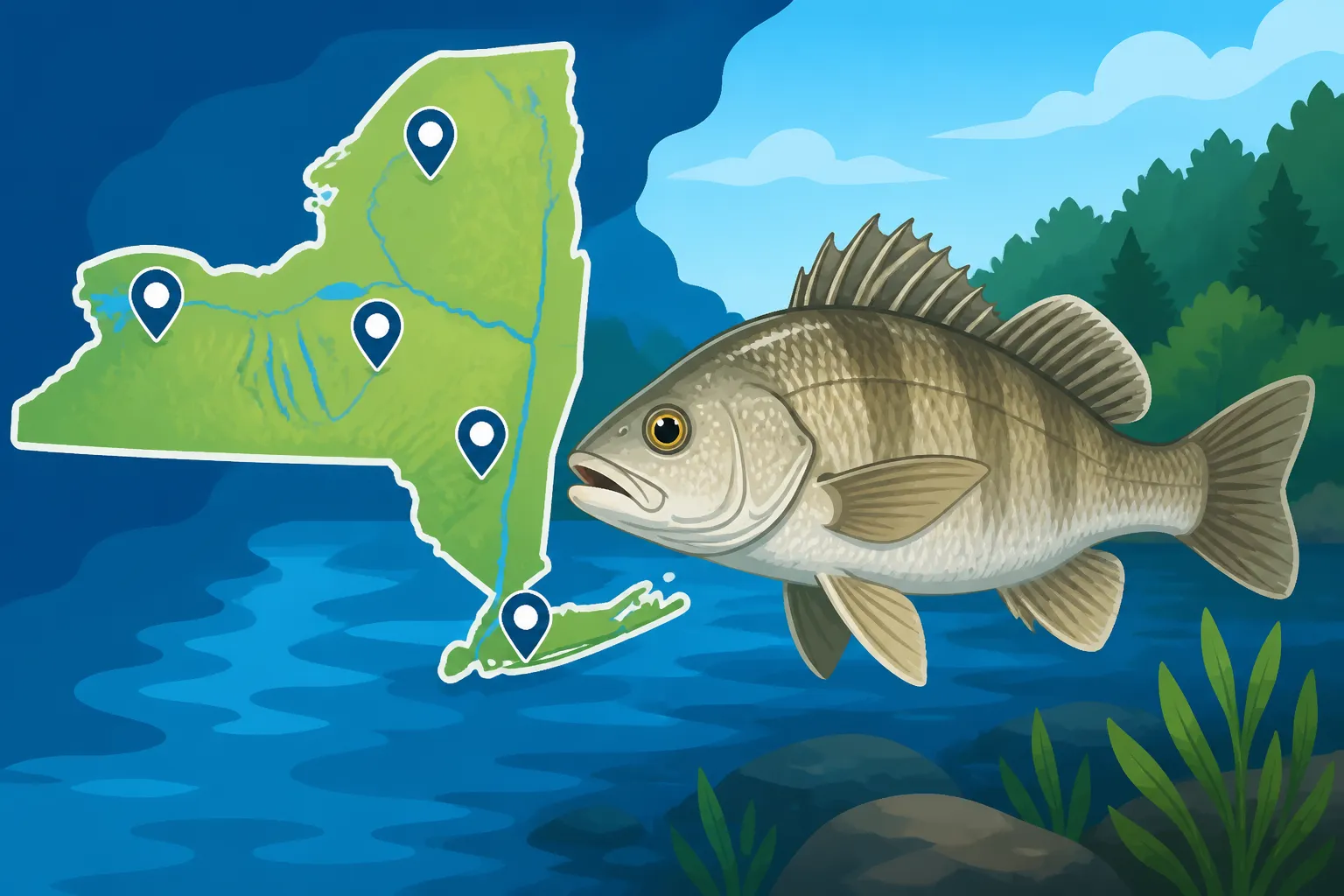
So, how do you know if you've actually caught a freshwater drum and not some other bottom feeder? They have a very distinct look once you know what to watch for. Typically, they possess a deep, somewhat humped body, giving them a rather stout appearance. Their coloration usually ranges from silvery-bronze to a darker gray or brown on their back, fading to a lighter belly.
One of their most defining features is their long dorsal fin, which is deeply notched, almost appearing as two separate fins. Their mouth is subterminal, meaning it's located on the underside of their head, perfect for grubbing along the bottom. But perhaps the coolest identifier, one that's steeped in folklore and makes for a great conversation piece, are their "otoliths" or "ear stones." These bony structures, found in their heads, are surprisingly large and resemble ornate pieces of pottery or carvings. Native American tribes historically used them as good luck charms or even currency. If you're curious about fish anatomy or want to teach kids about fish, these ear stones are a fantastic example. You can often find detailed fish identification guides, sometimes even bundled with tackle kits, on platforms like Amazon if you want to become a real expert in spotting various species.
Their Vital Role in New York's Aquatic Ecosystems
While some may view them as less glamorous, freshwater drum play an incredibly important ecological role in the waterbodies they inhabit. They are primarily bottom feeders, acting as nature's clean-up crew. Their diet consists largely of mollusks (like zebra mussels, where present, which is a big help!), crayfish, insects, and small fish. By consuming these organisms, especially invasive species like zebra mussels, they help keep aquatic populations in balance and contribute to the overall health of the ecosystem.
Their presence often indicates a robust and diverse aquatic environment, rich in the invertebrates they depend on. So, next time you reel in a freshwater drum, remember that you're holding a fish that's not just a good fighter, but also a hardworking steward of its watery home. They contribute significantly to the food chain, both as consumers and as a food source for larger predators. Understanding their ecological niche makes appreciating them as an angling target even more profound.
New York's Prime Drum Hotspots: Where to Find Them
New York State is blessed with an incredible diversity of freshwater fisheries, and thankfully, many of our largest and most productive waters are absolute havens for freshwater drum. They're not found in every small pond or fast-flowing trout stream, but in the big, open waters, you'll often find them in abundance.
The Great Lakes and Their Expansive Tributaries
When we talk about freshwater drum in New York, our minds immediately go to the colossal bodies of water that define our western and northern borders: Lake Erie and Lake Ontario. These vast inland seas provide the perfect conditions for drum to thrive, offering immense stretches of suitable bottom habitat and an endless buffet of their preferred food sources.
In Lake Erie, for instance, drum are incredibly common. Anglers targeting walleye or smallmouth bass often find themselves hooking into a drum or two. They tend to concentrate in areas with a mix of rock and soft bottom, especially around natural reefs, drop-offs, and even harbor areas. They're particularly prevalent in the eastern basin of Lake Erie, stretching from Buffalo down towards Dunkirk. This massive lake offers so many Best Fishing Spots on Lake Erie that you're bound to cross paths with a drum. The sheer volume of food and diverse bottom structure makes it a drum paradise.
Similarly, Lake Ontario is another hotspot. While salmon and trout often steal the spotlight here, freshwater drum are a consistent presence, especially in the shallower bays and nearshore areas. They can be found throughout the lake, from the Niagara River mouth all the way to Henderson Harbor and the eastern basin. If you're exploring Best Fishing Spots on Lake Ontario for other species, don't be surprised if a drum takes your bait. The mouths of major tributaries flowing into these lakes can also be productive, as food gets swept into the main lake, attracting these hungry bottom feeders. When considering Fish Species Found in Lake Ontario and Fish Species Found in Lake Erie, drum are undoubtedly a major player in the biomass.
The Mighty St. Lawrence River: A Northern Drum Stronghold
Moving north, the majestic St. Lawrence River, particularly its sprawling Thousand Islands region, is another premier destination for freshwater drum. This enormous river system, with its deep channels, rocky shoals, and diverse islands, creates a rich mosaic of habitats where drum absolutely flourish. They are a very common catch here, often surprising anglers who are primarily after the legendary muskellunge or trophy smallmouth bass that the St. Lawrence is famous for.
The river's consistent current and varied bottom structure—from rocky ledges to soft, silty flats—make it ideal for drum. You'll find them in the deeper pools, around bridge pilings, and in bays where the current slows and allows food to settle. Fishing any of the popular Best Fishing Spots on the St. Lawrence River will almost certainly put you in drum territory. Their robust populations in the St. Lawrence are a testament to the river's ecological health and bounty. It’s certainly one of the prime locations in New York to find this species. For a comprehensive look at other inhabitants, you might refer to Fish Species Found in the St. Lawrence River.
The Finger Lakes and Other Large Inland Bodies of Water
While the Great Lakes and St. Lawrence are undoubtedly the heavy hitters, several of New York's larger inland lakes, especially some of the Finger Lakes, also hold healthy populations of freshwater drum. These deep, ancient lakes, carved by glaciers, offer a combination of depth, cool waters, and ample forage that drum appreciate.
Lakes like Oneida Lake, Cayuga Lake, and Seneca Lake are known to host drum. Oneida Lake, despite being shallower than some of its Finger Lakes cousins, has vast expanses of ideal bottom habitat. In the Finger Lakes, you'll often find them in the deeper basins and along the thermocline during warmer months, moving shallower in spring and fall. When exploring Best Fishing Spots in the Finger Lakes or learning about Fish Species Found in the Finger Lakes, you'll definitely see the drum listed among the common catches. They might not be as widespread or numerous as in the Great Lakes, but they are certainly present and can provide some exciting action for the patient angler. Other large, connected waterways, like sections of the Erie Canal that are wide and deep enough, can also hold pockets of drum.
Here's a quick overview of some top drum locations in New York:
| Waterbody | Primary Location | Typical Habitat | Common Angler Encounter |
|---|---|---|---|
| Lake Erie | Eastern Basin (Buffalo to Dunkirk) | Reefs, drop-offs, harbor areas, mixed rock/soft bottom | High (bycatch & target) |
| Lake Ontario | Nearshore, bays, eastern basin, tributary mouths | Varied bottom, transition areas, deep flats | Moderate to High |
| St. Lawrence River | Thousand Islands region, deep channels | Rocky shoals, bridge pilings, current breaks, silty flats | High |
| Oneida Lake | Lake-wide, especially deeper basins | Vast soft bottom, humps, weed edges | Moderate |
| Cayuga Lake | Deeper basins, south end, structural elements | Rock humps, deep flats, transition zones | Moderate |
| Seneca Lake | Deeper basins, structural elements | Deep flats, shelves, points | Moderate |
Decoding Their Preferred Haunts: Understanding Drum Habitat
Knowing where drum are found broadly is one thing, but understanding why they choose certain spots within those large waterbodies is the key to consistently finding them. Freshwater drum are creatures of habit, and once you grasp their preferences, you can dramatically increase your chances of a successful outing.
Bottom Dwellers and Structure Lovers: Always Look Down
The number one rule for finding freshwater drum: look to the bottom. These fish are true benthic dwellers, meaning they spend almost all their time rooting around on the lake or riverbed. Their subterminal mouth is perfectly designed for this. You'll rarely catch a drum suspended high in the water column unless they're actively chasing a baitfish school, which isn't their primary mode of feeding.
They love areas with a mixed bottom composition – think gravel, sand, and muck. They're less common over purely bedrock bottoms and generally avoid extremely soft, deep mud. They use their mouths and barbels (small, whisker-like sensory organs, though drum's are very small and often overlooked) to detect food buried or camouflaged on the bottom.
Furthermore, freshwater drum are structure magnets. Anywhere there's a change in the bottom contour or a physical object providing cover or a current break, you're likely to find them. This includes:
- Rock piles and humps: These provide excellent ambush points and often host crayfish and mussels.
- Drop-offs and ledges: Transition zones between shallow and deep water are always productive.
- Old bridge abutments and pier pilings: Man-made structures offer shade, current breaks, and often harbor baitfish.
- Submerged timber and brush: These areas offer cover and collect detritus and insects.
- Edge of weed lines: Where weeds transition to open water, drum will often forage.
Think of it this way: if you were a fish that loved to eat small, crunchy things off the floor, where would you hang out? Near the kitchen! These structures are their kitchen and pantry, providing both food and shelter.
Current and Food Sources: Following the Dinner Bell
Current plays a significant role in where freshwater drum choose to reside, especially in river systems like the St. Lawrence or the Niagara. They often position themselves in areas where the current brings food to them, but not in the strongest, most strenuous current where they'd expend too much energy.
Look for them in:
- Eddies and current seams: These are calmer spots adjacent to stronger current where food particles and smaller organisms naturally accumulate.
- Behind structural elements: Large rocks, bridge pilings, or submerged logs create natural current breaks where drum can rest and wait for food.
- Flats downstream of narrows or rapids: Areas where the current slows down after passing through a constricted section can be incredibly productive as food settles out.
Their diet is quite diverse, but they have a particular fondness for crustaceans and mollusks. This means they're constantly foraging for:
- Crayfish: A drum's favorite snack, often found hiding under rocks.
- Clams and mussels: Their powerful pharyngeal teeth (throat teeth) are perfectly adapted for crushing shells. This is why they're so effective at eating invasive zebra mussels in the Great Lakes.
- Aquatic insects and larvae: Caddisfly larvae, mayfly nymphs, and other bugs are easy targets.
- Small fish: While not their primary diet, they won't pass up an easy meal like a gobies (another invasive species they help control) or a minnow.
Understanding what they eat helps you select the right bait, which we'll cover shortly. It also informs your choice of fishing location; if you find abundant signs of these prey species, you're likely in drum territory.
Depth Preferences Through the Seasons: Moving with the Water
Like most fish, freshwater drum adjust their depth preferences with the changing seasons and water temperatures.
- Spring: As waters warm up, drum will move into shallower areas, especially bays and flats, to feed actively and prepare for spawning. They can be found in 10-25 feet of water, sometimes even shallower if the sun has warmed the shallows.
- Summer: During the heat of summer, drum often retreat to deeper, cooler waters, typically 20-50 feet or more, especially during the day. They might move shallower during dawn, dusk, or overcast days. In the Great Lakes, finding the thermocline (the layer where warm surface water meets cooler deep water) can be key.
- Fall: As waters cool again, drum will start to move back into shallower feeding areas, fattening up before winter. Depths similar to spring (15-30 feet) can be productive.
- Winter: In ice-covered lakes, drum can still be caught, usually remaining in deeper basins but still close to the bottom. Ice anglers targeting perch or walleye often encounter them.
Being mindful of the season and prevailing water temperatures will help you adjust your depth presentation and significantly improve your odds of finding a school of active drum.
Hooking into a Drum: Best Practices and Gear
Now that you know what a freshwater drum is, where they live, and why they live there, let's talk about how to actually catch them. The good news is, drum fishing isn't overly complicated, and it doesn't require highly specialized gear. It's often about simplicity, patience, and presenting the right bait.
Simple Rigs for Effective Bottom Fishing
Because drum are bottom feeders, your rigging strategy should focus on presenting your bait right on the lake or riverbed. There are a few tried-and-true rigs that work exceptionally well:
- Carolina Rig: This is perhaps the most popular and effective rig for drum. It consists of a sliding egg sinker (or bullet weight) above a bead, followed by a swivel, and then a leader (usually 12-24 inches) tied to your hook. The sliding weight allows the fish to pick up the bait and move off without feeling the resistance of the sinker immediately, which can lead to more solid hooksets. It's excellent for fishing over varied bottoms.
- Three-Way Swivel Rig: This rig is fantastic in current. You tie your main line to one eye of a three-way swivel, a short leader (6-12 inches) with a pyramid or bell sinker to the second eye, and a longer leader (18-36 inches) with your hook to the third eye. This keeps your bait slightly off the bottom and allows it to drift naturally with the current, while the sinker holds it in place.
- Basic Bottom Rig (Fish-Finder Rig): Similar to a Carolina rig but often with a heavier sinker. A sinker slide is threaded onto your main line, allowing you to quickly change weights, then tied to a swivel, and a leader to the hook. This is simple and effective.
For hook sizes, a strong, sharp octopus hook or circle hook in sizes #1 to 3/0 is usually perfect, depending on the size of your bait and the average size of the drum in the area. Circle hooks are particularly good for drum as they tend to hook the fish in the corner of the mouth, making for easy release and reducing gut-hooking.
Bait Choices They Can't Resist: The Ultimate Drum Buffet
Drum aren't particularly picky eaters, which is one of their charms! They respond well to natural baits that mimic their favorite food sources. Here are some top choices:
- Nightcrawlers: You really can't go wrong with a classic. Thread a whole nightcrawler onto your hook, or use a piece of one. The scent and wiggling action are irresistible. This is probably the most common and effective bait.
- Cut Bait: Pieces of oily fish like shad, herring, or even a smaller perch or minnow (check local regulations for Rules on Using Live Bait in New York and baitfish usage) can be incredibly effective, especially for larger drum. The scent trail they put out in the water is a huge draw.
- Crayfish: If you can find live or dead crayfish, drum absolutely love them. Pinch off the tail and hook through the meaty part. Many anglers will also use store-bought "crayfish flavored" baits.
- Clams or Mussels: In areas where drum feed heavily on bivalves, pieces of fresh clam or mussel meat can be dynamite. Just make sure it stays on the hook!
- Shrimp: Small pieces of fresh or frozen raw shrimp are also a great option, especially in areas where marine influences might be present, though freshwater drum are strictly freshwater.
Using a combination of these baits, perhaps on multiple rods if regulations allow for How Many Fishing Rods Can I Use at Once?, can help you quickly figure out what the drum are keying in on that particular day. Sometimes, simplicity wins; a simple nightcrawler on a Carolina rig will often outperform more complex setups.
Rods, Reels, and Line: Ready for the Fight
You don't need highly specialized gear for drum, but don't underestimate their fight! A medium to medium-heavy action spinning or baitcasting combo is ideal.
- Rod: A 6'6" to 7'6" rod with a good backbone but a flexible tip will allow you to cast your weights and baits, detect subtle bites, and absorb the powerful runs of a drum.
- Reel: A reliable spinning reel in the 3000-4000 series size or a baitcasting reel capable of holding a decent amount of line will serve you well.
- Line: Spool up with 8-15 pound monofilament or fluorocarbon, or 15-30 pound braided line with a fluorocarbon leader. Braided line offers excellent sensitivity, which can be crucial for detecting light bites on the bottom.
If you're just starting out or looking to upgrade, you can find a huge selection of fishing gear, from full combos to specific types of line and tackle, on Amazon. It's a great place to compare options and read reviews to ensure you're getting something robust enough to handle these feisty fish. Investing in decent gear will make the experience much more enjoyable.
Patience and Persistence: The Drum Angler's Virtues
Drum fishing is often a game of patience. They don't always hit like a freight train; sometimes it's a subtle tap, a slight bend in the rod, or just a feeling of "dead weight" as they mouth the bait. If you feel anything out of the ordinary, it's worth setting the hook.
Once hooked, be prepared for a strong, dogged fight. Drum are known for their powerful head shakes and deep, sustained runs, especially when you think you've almost got them to the boat or shore. They might not jump like a salmon, but they will pull with surprising strength, making them a very fun and challenging catch for anglers of all skill levels. Remember, they are often overshadowed by other species, but their fight makes them a worthy target.
So, next time you're out on one of New York's great waterways, consider dropping a line for the freshwater drum. You might just discover a new favorite fish to target, one that offers a great fight and a fascinating glimpse into the underwater world. For beginners, they offer a great opportunity to practice Best Beginner Fishing Techniques for New York Lakes without needing overly technical approaches.
Disclaimer
This article is for general informational purposes only and does not constitute professional advice. Laws, prices and regulations vary by location and change over time. Consult a qualified professional for guidance on your specific situation.