Fish Species Found in the St. Lawrence River
Trying to figure out what fish lurk beneath the surface of the mighty St. Lawrence River can feel like a daunting task, especially with its sheer size and diverse waters. It’s easy to get overwhelmed by the sheer variety, wondering if you'll ever truly know what to expect when you drop a line in this iconic waterway. This comprehensive guide is here to unravel the mysteries of the St. Lawrence's aquatic inhabitants, providing you with a clear picture of the incredible fish species you can encounter and what makes this river a truly unique fishing destination.
The St. Lawrence River: A Fisher's Paradise
The St. Lawrence River isn't just a body of water; it's a living, breathing ecosystem that supports an astonishing array of aquatic life. For anglers, it represents one of the most exciting and productive fisheries in North America, offering opportunities to target everything from hard-fighting game fish to delectable panfish. Its immense size, varying depths, and connection to the Great Lakes and the Atlantic Ocean create a unique habitat that few other rivers can match.
A Dynamic Ecosystem and Its Influence
Originating from Lake Ontario, the St. Lawrence flows northeast, eventually emptying into the Atlantic. This journey means it carries characteristics from both freshwater giants and marine influences, creating a brackish zone further downstream that adds even more diversity. Near New York, particularly in the Thousand Islands region, it's primarily a freshwater system, but its breadth and depth are more akin to an inland sea than a typical river. This dynamic flow constantly cycles nutrients and provides a vast, ever-changing environment for fish. The sheer volume of water, combined with numerous islands, shoals, deep channels, and bays, offers an incredible variety of microhabitats where different species thrive.
The river's character isn't static; it changes dramatically along its course. From the deep, clear waters near Lake Ontario to the faster currents and rocky structures downstream, each segment presents unique challenges and rewards for anglers. This complexity is precisely what makes the St. Lawrence so captivating. You might find smallmouth bass schooling near rocky points in one area, while trophy muskellunge lie hidden in weed beds just a few miles away. This dynamic nature means that understanding the river's geography is almost as important as understanding the fish themselves. It's a place where adaptability pays off, and every fishing trip can feel like a new adventure.
Why the St. Lawrence is So Special for Anglers
For those of us who live to cast a line, the St. Lawrence River holds a special place. It’s known worldwide for its incredible fishing, particularly for some of the most sought-after freshwater species. Think about the thrill of a massive muskie strike, or the relentless fight of a feisty smallmouth bass. This river delivers on those dreams. What truly sets it apart, beyond the sheer size of the fish it produces, is the picturesque backdrop of the Thousand Islands region, where countless islands dot the expanse of the river, creating endless fishing structure and scenic beauty.
The river's health and robust fish populations are a testament to ongoing conservation efforts and its inherent natural richness. It's a place where anglers of all skill levels can find success, whether you're a seasoned pro looking for a personal best or a family just trying to catch some panfish for dinner. The sheer variety means you'll rarely get bored; if one species isn't biting, there's always another to target. Many anglers even visit specifically for the challenge of Fishing New York's St. Lawrence River and Thousand Islands, an experience that offers not just great fishing but also breathtaking views and a sense of connection to one of North America's greatest waterways.
Major Game Fish Species of the St. Lawrence River
When people talk about fishing the St. Lawrence, their minds often jump straight to the impressive game fish that call these waters home. These are the species that inspire epic tales, challenge our skills, and provide an adrenaline rush like no other. From toothy predators to acrobatic jumpers, the St. Lawrence truly is a big game angler's dream come true.
Mighty Muskellunge and Northern Pike
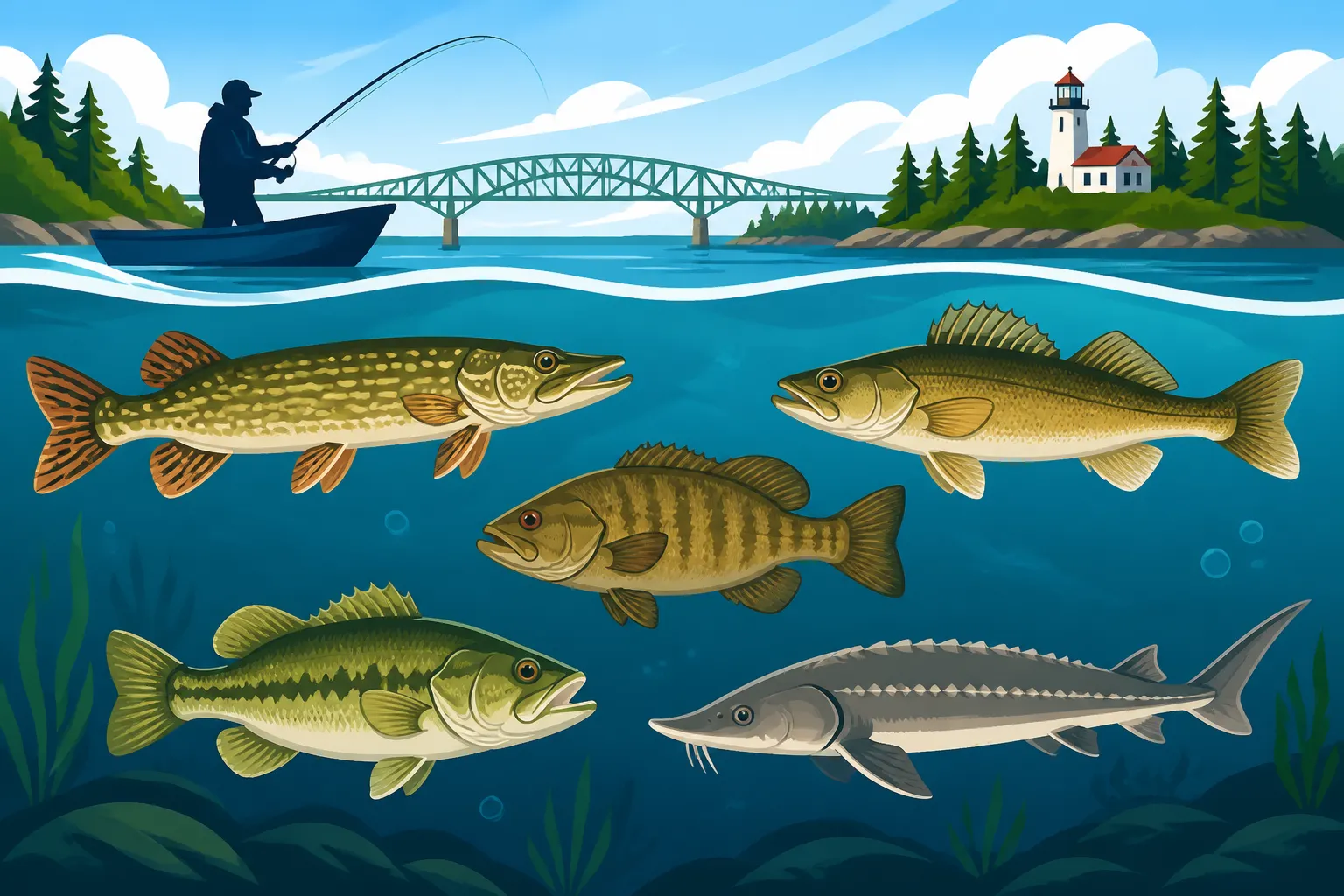
The St. Lawrence River is legendary for its muskellunge, often referred to simply as "muskies." These colossal predators are the apex hunters of the river, known for their immense size, voracious appetites, and notoriously difficult-to-catch nature. Anglers come from all over the world hoping for a chance to tangle with one of these freshwater giants. They inhabit various parts of the river, often lurking in ambush near weed lines, rocky points, and current breaks. Catching a muskie is often considered the pinnacle of freshwater angling, requiring immense patience, specialized gear, and a bit of luck. The fight is typically short but incredibly powerful, with explosive runs and head shakes. You'll definitely want heavy-duty rods and reels if you're targeting these beasts, and a good selection of large baits or lures. If you want to learn more about these fascinating fish, check out our guide on Muskellunge in New York.
Sharing similar habitats and often confused with muskies are northern pike. While perhaps not reaching the gargantuan sizes of muskellunge, northern pike are still formidable predators in their own right, offering explosive strikes and thrilling fights. They are more widespread and generally easier to catch than muskies, making them a popular target for many anglers. Pike are ambush predators, often found lurking in shallow, weedy bays, around submerged timber, or along rocky shorelines, waiting to dart out and engulf unsuspecting prey. Their sharp teeth demand wire leaders, and they readily hit a variety of spoons, spinnerbaits, and large crankbaits. For more detailed information, our article on Northern Pike in New York covers everything you need to know.
| Species Name | Average Size (New York) | Max Size (New York) | Primary Habitat | Key Characteristics |
|---|---|---|---|---|
| Muskellunge | 30-50 inches | 60+ inches, 60+ lbs | Weed edges, rocky points, deep channels | Long, cylindrical body; dark bars/spots on light background; fully scaled cheek/gill cover |
| Northern Pike | 20-35 inches | 45+ inches, 25+ lbs | Shallow, weedy bays, submerged timber | Elongated body; light spots on dark background; scaled only upper half of cheek/gill cover |
| Smallmouth Bass | 12-20 inches | 24 inches, 6+ lbs | Rocky shoals, current breaks, clear water | Bronze to olive green; vertical bars; upper jaw does not extend past eye |
| Largemouth Bass | 12-22 inches | 28 inches, 10+ lbs | Weedy flats, lily pads, submerged timber | Green; dark lateral stripe; upper jaw extends past eye |
| Walleye | 15-25 inches | 30+ inches, 10+ lbs | Deeper humps, reefs, current seams, low light | Olive green/gold; large, opaque eyes; white tip on lower caudal fin |
Battling Smallmouth Bass and Largemouth Bass
The St. Lawrence River is a world-renowned destination for smallmouth bass. These bronze-colored powerhouses are celebrated for their incredible fighting ability, often leaping clear out of the water when hooked. They thrive in the river's clear, rocky areas, gravitating towards current breaks, shoals, and points where they can ambush baitfish. Smallmouth bass are highly aggressive and will strike a wide variety of lures, from crankbaits and spinnerbaits to tube jigs and drop shots. Many anglers consider them one of the most exciting fish to catch, pound for pound. If you're looking for a thrilling fight and a beautiful fish, the St. Lawrence smallmouth won't disappoint. Our dedicated guide, Smallmouth Bass in New York, offers even more insights into targeting this species.
While smallmouth tend to get a lot of the spotlight, the St. Lawrence also boasts healthy populations of largemouth bass. These green giants prefer the shallower, weedier bays, backwaters, and areas with plenty of submerged structure like fallen trees and docks. They are ambush predators that rely on cover to surprise their prey. Largemouth bass will attack topwater lures, plastic worms, jigs, and spinnerbaits with explosive force. While they might not be as acrobatic as their smallmouth cousins, they offer a powerful, bulldog-like fight that can be just as exhilarating, especially when targeting larger specimens hidden deep in cover. If you're keen on finding those big green fish, our Largemouth Bass in New York article has some great tips.
Walleye: The Elusive Golden Predator
For many, the walleye is the king of table fare, and the St. Lawrence River provides excellent opportunities to catch these delicious fish. Known for their keen eyesight and preference for low-light conditions, walleye are often most active at dawn, dusk, or under cloudy skies. They typically inhabit deeper sections of the river, congregating around underwater humps, reefs, and current seams, but will move into shallower areas to feed. Targeting walleye often involves trolling with crankbaits or jigging with soft plastics or live bait near the bottom. Their bite can be subtle, sometimes feeling like just a bit of extra weight on your line, but once hooked, they put up a respectable fight. The reward, of course, is a tasty meal. To learn more about where and how to catch these "golden ghosts," check out Walleye in New York.
Other Notable Fish Species in the St. Lawrence
While the big game fish often steal the show, the St. Lawrence River is teeming with a wealth of other fascinating and enjoyable fish species. These species provide endless entertainment, especially for families or those looking for a more relaxed fishing experience, and are often excellent eating as well.
Panfish: Crappie, Perch, and Sunfish
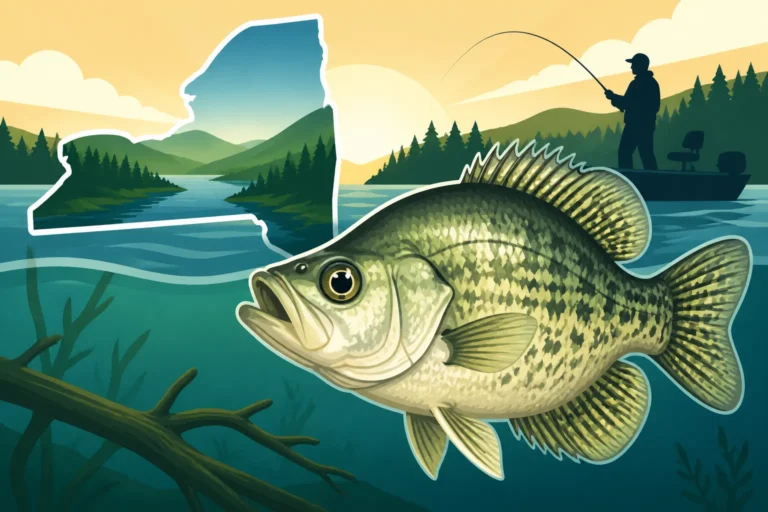
The St. Lawrence is a fantastic destination for panfish, which include several species that are fun to catch and wonderful on the dinner plate. Black crappie are a popular target, especially in the spring and fall when they move into shallower waters. They are often found in areas with submerged brush, docks, or weed beds, and can be caught using small jigs, minnows, or even tiny crankbaits. Crappie fishing can be fast and furious once you locate a school, making for a very productive and enjoyable outing. You can dive deeper into their habits and how to catch them in our guide on Crappie in New York.
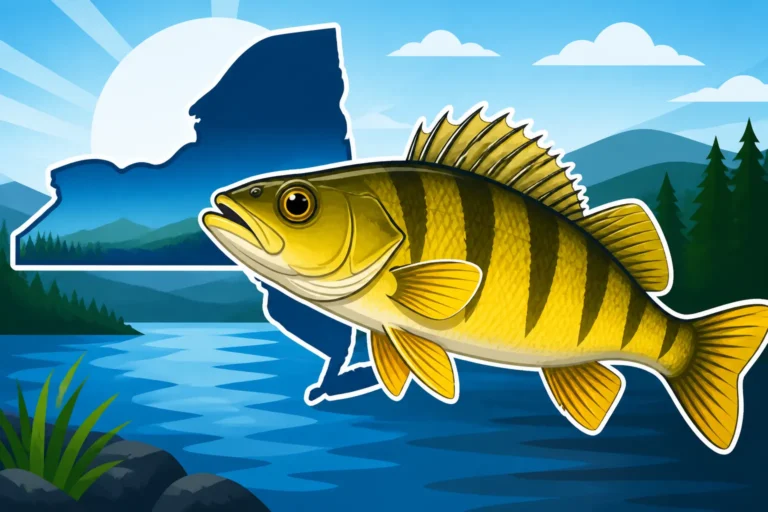
Another abundant and beloved panfish is the yellow perch. These striped beauties are common throughout the St. Lawrence, often found in schools over sandy or vegetated bottoms. They readily bite on small minnows, worms, and tiny jigs, making them perfect for younger anglers or anyone looking for consistent action. Perch are known for their flaky, sweet white meat, making them a highly sought-after species for the frying pan. Our article on Yellow Perch in New York offers more tips for reeling them in.
Rounding out the panfish category are various species of sunfish, including bluegill. These vibrant, colorful fish are ubiquitous in the river's calmer, shallower areas, especially around docks, lily pads, and weed beds. They are typically easy to catch on small hooks baited with worms, crickets, or artificial micro-lures, making them an excellent choice for introducing kids to fishing. While not large, their aggressive strikes and spirited fights on light tackle are incredibly fun. To get the scoop on these delightful fish, read Bluegill and Sunfish in New York. These panfish offer accessible and rewarding fishing experiences for everyone. If you're looking for gear to get started with panfishing, a quick search on Amazon for "ultralight fishing combo" will show you plenty of affordable options.
Catfish and Carp: Bottom Dwellers with a Fight
Don't overlook the powerful bottom dwellers of the St. Lawrence, which can offer some truly memorable battles. Channel catfish are prevalent in the river, particularly in deeper channels and slower currents. They are opportunistic feeders, often caught using smelly baits like cut bait, chicken livers, or commercial stink baits fished on the bottom. Channel cats are known for their strong, sustained runs and often impressive size, making for a challenging fight that will test your tackle and endurance. You can find more details about these whiskered wonders in Channel Catfish in New York.
Carp, particularly common carp, are also found in abundance throughout the St. Lawrence River. While sometimes overlooked by anglers targeting game fish, carp offer an incredibly powerful fight, making them a favorite among those who appreciate a true tug-of-war. They are bottom feeders, often found in shallower, muddier areas, and are typically caught using corn, dough balls, or specialized carp baits. Catching a large carp can be an exhilarating experience, and many anglers enjoy the challenge these strong fish present. If you're interested in giving it a try, Carp Fishing in New York provides some great strategies. Even if you're not planning to eat them, the fight alone is worth it.
Unique and Lesser-Known Species
Beyond the most popular targets, the St. Lawrence River also hosts a variety of other interesting and less commonly targeted fish species. You might encounter species like the longnose gar, with its prehistoric appearance and needle-sharp teeth, often seen basking near the surface in calm waters. Or perhaps the freshwater drum, sometimes called sheepshead, which can grow to respectable sizes and offer a decent fight. These fish, while not always the primary target, add to the rich biodiversity of the river and offer unique encounters for the curious angler. Remember to always be respectful of all species you encounter and practice proper catch-and-release techniques if you're not planning to keep them.
Understanding Regulations and Conservation
Fishing the St. Lawrence River, like any major waterway, comes with a responsibility to understand and adhere to local regulations. These rules are not arbitrary; they are carefully crafted to ensure the health and sustainability of the fishery for generations to come. Ignoring them isn't just a risk; it's a threat to the very resource we cherish.
Protecting the St. Lawrence Fishery
The New York State Department of Environmental Conservation (DEC) sets specific regulations for fishing in the St. Lawrence River, covering everything from season dates and size limits to daily creel limits for different species. These regulations can vary by species, and sometimes even by specific sections of the river, especially given its size and connection to international borders. For instance, muskellunge, being a trophy species, often have very restrictive size and bag limits to protect their populations. Similarly, bass seasons might have catch-and-release only periods before the regular season opens.
It's absolutely crucial that every angler has a valid New York fishing license and is familiar with the current regulations. You can find detailed information directly from the DEC, often available in handy guides at bait shops, sporting goods stores, or online. It's truly your responsibility to stay informed, and the consequences for non-compliance can range from hefty fines to the confiscation of your gear. Don't be that person who gets caught off guard; always double-check the rules before you head out. A quick search on Amazon for "New York fishing regulations guide" might even turn up a print version for your tackle box. For a deeper dive into the overall framework, check out our comprehensive article, New York Fishing Regulations Explained.
The Importance of Responsible Angling
Beyond simply following the rules, responsible angling practices are vital for the long-term health of the St. Lawrence River fishery. This includes practicing proper catch-and-release techniques for fish you don't intend to keep, especially for sensitive species like muskellunge or during catch-and-release only seasons. Minimizing handling time, using appropriate tackle to reduce stress on the fish, and having the right tools like de-hookers and measuring devices are all part of being a good steward of the resource.
Being mindful of invasive species is also critical. Always clean, drain, and dry your boat and gear after each outing to prevent the spread of aquatic invasive species that can harm native fish populations and ecosystems. The St. Lawrence is a jewel, and it's up to all of us to help keep it that way. Supporting local conservation efforts, participating in angler surveys, and simply being considerate of other anglers and the environment all contribute to ensuring that the St. Lawrence remains a world-class fishing destination for years to come.
The St. Lawrence River is an angler's dream, offering an unparalleled diversity of fish species and countless opportunities for memorable experiences. From the thrilling battles with legendary muskellunge and powerful smallmouth bass to the steady action provided by perch and crappie, there's truly something for everyone. Remember to respect its waters, adhere to regulations, and cherish the incredible natural beauty and abundant fishing it provides. Tight lines!
Disclaimer
This article is for general informational purposes only and does not constitute professional advice. Laws, prices and regulations vary by location and change over time. Consult a qualified professional for guidance on your specific situation.