Fish Species Found in the Finger Lakes
One of the most common frustrations for anglers looking to explore New York's famous Finger Lakes is the sheer variety and unique characteristics of each lake. It's not just "fishing in a lake"; each of these eleven glacially carved bodies of water holds distinct challenges and rewards. This guide will take a deep dive into the fascinating array of fish species you can encounter in the Finger Lakes, helping you understand what lurks beneath the surface and how to target them effectively.
Unveiling the Aquatic Diversity of New York's Finger Lakes
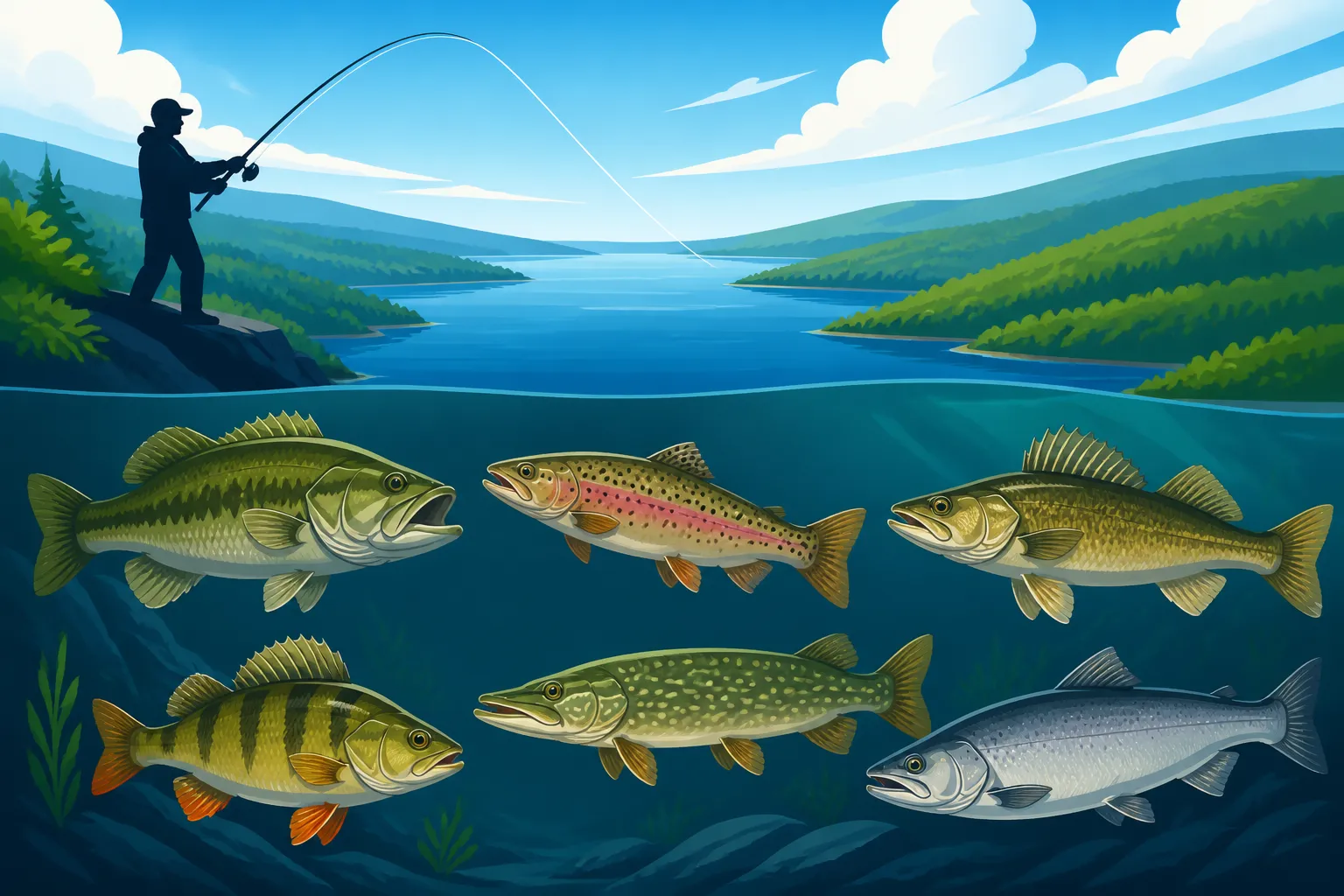
The Finger Lakes region is an angler's paradise, a collection of deep, clear, and incredibly productive lakes that stretch across central New York. From the cold, deep waters of Seneca and Cayuga to the shallower, warmer expanse of Oneida (often considered an honorary Finger Lake by many anglers), these bodies of water offer a diverse range of habitats. This diversity means a fantastic mix of fish species thrive here, from native coldwater giants to introduced warmwater favorites. It's a truly special place where you can spend a lifetime exploring and still discover new secrets.
What makes the Finger Lakes so special for fish, you ask? Well, their glacial origins left them with incredible depths, especially lakes like Seneca and Cayuga, which plunge to over 600 and 400 feet, respectively. These deep, cold waters are perfect for trout and salmon. Then you have the shallower ends and the slightly warmer lakes, which become havens for bass, pike, and a host of panfish. Plus, the numerous tributaries feeding into these lakes provide vital spawning grounds, creating a vibrant, self-sustaining ecosystem that supports a robust fishery. Understanding these nuances is key to appreciating the incredible fishing opportunities here.
Prized Game Fish of the Finger Lakes
When most folks think about fishing the Finger Lakes, their minds immediately go to the incredible game fish that call these waters home. And for good reason! These lakes are renowned for their trophy-potential trout, salmon, and bass.
Lake Trout: The Deepwater King
Ah, the Lake Trout – the true monarch of the deep, cold waters of the Finger Lakes. These native fish are a testament to the lakes' glacial heritage, thriving in the frigid, oxygen-rich depths where other species can't survive year-round. You'll find healthy populations in almost all the deeper Finger Lakes, including Seneca, Cayuga, Skaneateles, Keuka, and Owasco. They're built for endurance, often growing to impressive sizes, with the state record even coming from a Finger Lake! New York State Record Lake Trout Weight is something to behold, and catching one is a bucket-list item for many.
Targeting lake trout often means going deep, especially during the warmer months when they retreat from the surface. Downriggers are practically a necessity for trolling spoons, stickbaits, or even live bait like alewives at depths of 60 to 150 feet or more. In the colder months, especially early spring and late fall, they might venture into shallower waters, making them accessible to vertical jigging or even shore casting in certain areas. It's a challenging but incredibly rewarding pursuit, requiring patience and the right gear. Many dedicated lake trout anglers will spend hours scanning their fish finders, looking for temperature breaks and schools of baitfish, knowing that a massive laker could be lurking just below.
Brown Trout: The Hardy Stocked Fighter
Brown Trout aren't native to New York, but they've certainly made themselves at home in the Finger Lakes. Stocking programs have ensured a thriving population in many of these lakes, offering a fantastic alternative to the deeper-dwelling lake trout. You'll find them in places like Keuka, Owasco, Skaneateles, and particularly good numbers in Cayuga and Seneca, where they often grow large. They're known for their beautiful spotted patterns and, perhaps more importantly, their feisty fights. Brown Trout in New York are a favorite among many anglers for their aggressive strikes and acrobatic displays.
Brown trout are a bit more adaptable than their lake trout cousins, often found in shallower waters than lakers, especially during cooler periods. Trolling with stickbaits or spoons near the surface or along temperature breaks is a popular method. Anglers also have great success casting spoons, spinners, or even fly fishing streamers near tributary mouths or along rocky shorelines, particularly in the spring and fall. These fish can be surprisingly elusive, often requiring a bit of detective work to find their feeding lanes, but once hooked, they put up an unforgettable battle. For precise gear to handle their strong runs, a quick search on Amazon for "Finger Lakes trout rods" can help you find suitable medium-light setups.
Rainbow Trout: The Flashy Leaper
Rainbow Trout, much like browns, are primarily sustained in the Finger Lakes through stocking efforts, but they offer a different kind of angling excitement. Known for their vibrant iridescent colors and spectacular aerial acrobatics when hooked, they're a thrill to catch. You'll find them stocked in many of the same lakes as brown trout, providing even more diversity to your day on the water. Rainbow Trout in New York are a beloved sportfish that brings joy to countless anglers.
Rainbows tend to cruise shallower waters, particularly near the surface in cooler conditions, making them a prime target for trollers using light tackle. Spoons, small stickbaits, and even gang trolls followed by worms or small lures are highly effective. When they're in the upper water column, they often provide explosive strikes that are visible from the boat – a truly exciting experience! Bank anglers can also have success casting small spinners or powerbait near public access points, especially after recent stocking events. They are generally more active than lake trout and can be quite cooperative on the right day, making them a fantastic target for anglers of all skill levels.
Landlocked Atlantic Salmon: The Elusive Silver Streak
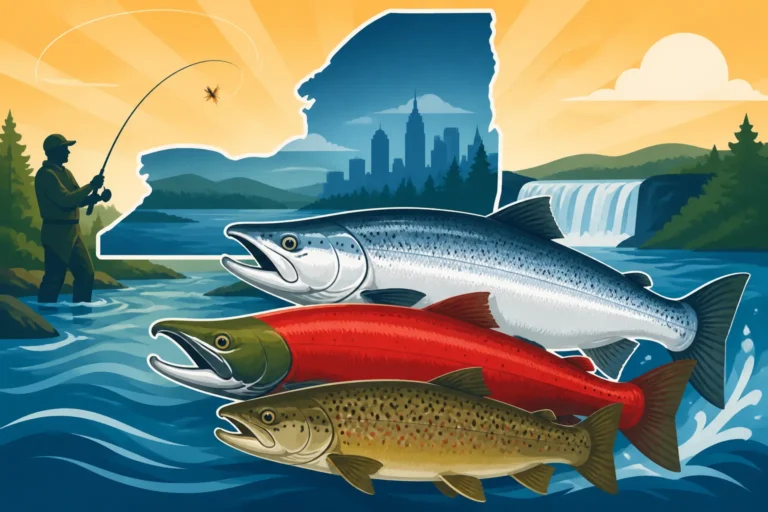
The Finger Lakes are one of the few places in New York where you can pursue the magnificent Landlocked Atlantic Salmon. These are truly special fish, descendants of ocean-dwelling salmon that became trapped in freshwater after the last ice age. They’re known for their sleek, silver bodies and incredible power, offering a fight that few other freshwater fish can match. You'll primarily find them in the deeper, colder lakes like Cayuga, Seneca, and some of the smaller, pristine lakes. Landlocked Atlantic Salmon in New York represent a unique and challenging angling opportunity.
Like their anadromous relatives, landlocked salmon are strong fighters and can be quite elusive. Trolling is the most common and effective method, using small spoons or flashy stickbaits that imitate their primary forage, alewives. They often feed in the upper to middle water columns, frequently cruising near temperature breaks or over deep water. Anglers often look for active schools of baitfish on their sonar to pinpoint prime salmon territory. These fish are finicky and demand patience, but the reward of landing one of these freshwater dynamos is immense. For specialized tackle to target these powerful fish, checking out "salmon trolling gear" on Amazon might give you a good starting point.
Smallmouth Bass: The Bronzeback Brawler
Switching gears to warmer water species, the Smallmouth Bass is an absolute powerhouse and a staple of the Finger Lakes fishery. Known for their powerful runs and incredible fighting spirit, they've earned the nickname "bronzebacks" for their distinctive coloration. They thrive in rocky habitats and clear water, which describes much of the Finger Lakes' expansive shorelines. Virtually all the Finger Lakes hold excellent smallmouth populations, with Cayuga, Seneca, Oneida, and Keuka often cited as top destinations. Smallmouth Bass in New York are a favorite sportfish among bass enthusiasts.
Smallmouth bass are structure-oriented fish, often found around rocky points, ledges, drop-offs, and shoals. Anglers target them with a variety of techniques, including drop-shotting, jigging tubes, casting crankbaits, or working topwater lures during low-light conditions. They are aggressive feeders and will readily strike a well-presented lure. Understanding the lake's bottom contours and finding those rocky transition zones are key to consistent smallmouth success. Whether you're casting from shore or working structure from a boat, the smallmouth will put your tackle to the test with its powerful dives and jumps. Many anglers also find success using soft plastics on a Carolina rig when fishing deeper structure.
Largemouth Bass: The Green Demon of the Weeds
While smallmouth bass prefer the rocky, open waters, Largemouth Bass are the masters of the Finger Lakes' shallower, weedier bays and coves. You'll find them in the more fertile, shallower lakes and the warmer sections of the deeper lakes, like the northern and southern ends of Cayuga and Seneca, as well as in Oneida Lake. They are ambush predators, perfectly camouflaged in the aquatic vegetation. Largemouth Bass in New York offer an exciting, sight-fishing heavy experience for many.
Targeting largemouth bass often involves flipping jigs or soft plastics into dense cover, working spinnerbaits through emergent vegetation, or throwing topwater frogs over lily pads. They are explosive strikers, often attacking lures with a loud splash that gets the adrenaline pumping. Finding those isolated weed clumps, fallen trees, or docks that offer shade and ambush points is crucial. Unlike the smallmouth, which often roams, largemouth tend to hold tight to cover, waiting for an unsuspecting meal to swim by. They require a heavier rod and stronger line to pull them out of their dense homes. When exploring new areas, a good pair of polarized sunglasses (which you can easily find on Amazon) can be incredibly helpful for spotting submerged vegetation and structure.
Walleye: The Elusive Golden Eye
Walleye are another highly sought-after game fish in some of the Finger Lakes, particularly Oneida Lake, which is nationally famous for its walleye fishery, and in some areas of Cayuga Lake. Known for their excellent table fare and elusive nature, they're a prized catch for many. They prefer clear, cool waters and often feed in low light conditions. Walleye in New York are a challenging but rewarding target for those who pursue them.
Walleye are often targeted by trolling crankbaits or worm harnesses along contours and drop-offs, especially during dusk and dawn when they move into shallower feeding grounds. Jigging with live bait or artificial lures over humps and deep structure can also be very effective. Their light-sensitive eyes make them more active at night or on cloudy days. Patience and a good understanding of their preferred habitats are essential for success with these "golden eyes." Many experienced walleye anglers will tell you that paying close attention to changes in barometric pressure and choosing the right lure color for water clarity can make all the difference.
Northern Pike and Chain Pickerel: The Freshwater Sharks
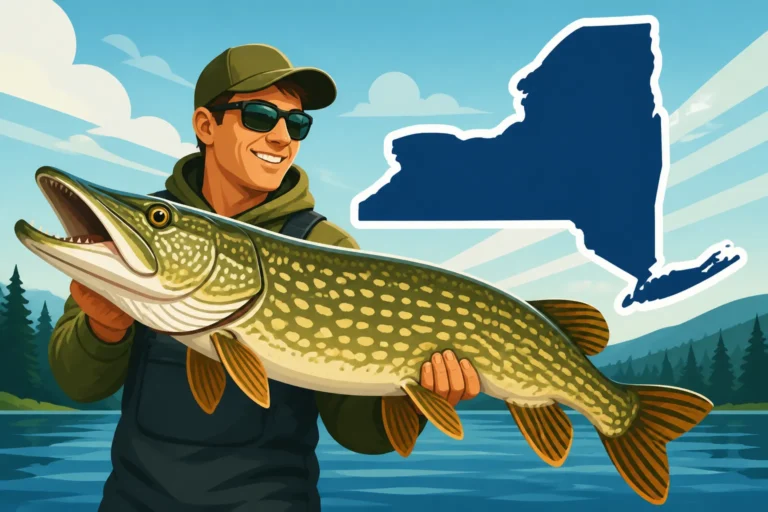
While not as widespread as trout or bass, Northern Pike and Chain Pickerel can be found in some of the shallower, weedier Finger Lakes and their connecting waterways. They are voracious predators, often lying in wait amidst aquatic vegetation to ambush their prey. Lakes like Cayuga, Oneida, and some of the smaller, shallower bodies of water might hold good populations. Northern Pike in New York are a strong fighting fish that can be a blast to catch.
These toothy predators are a blast to catch on heavy tackle. Large spoons, spinnerbaits, and big swimbaits are effective, especially when cast near weed lines or submerged timber. They're not particularly shy and will often strike aggressively. Be sure to use a wire leader, as their razor-sharp teeth can easily slice through monofilament or fluorocarbon lines. While pike tend to grow larger, pickerel are more abundant in some areas and offer similar exciting strikes. Handling them carefully is essential due to those sharp teeth!
Abundant Panfish and Other Resident Species
Beyond the headliner game fish, the Finger Lakes are teeming with a variety of panfish and other common species that provide fantastic angling opportunities, especially for families and those looking for consistent action.
Yellow Perch: The Delicious Schooling Fish
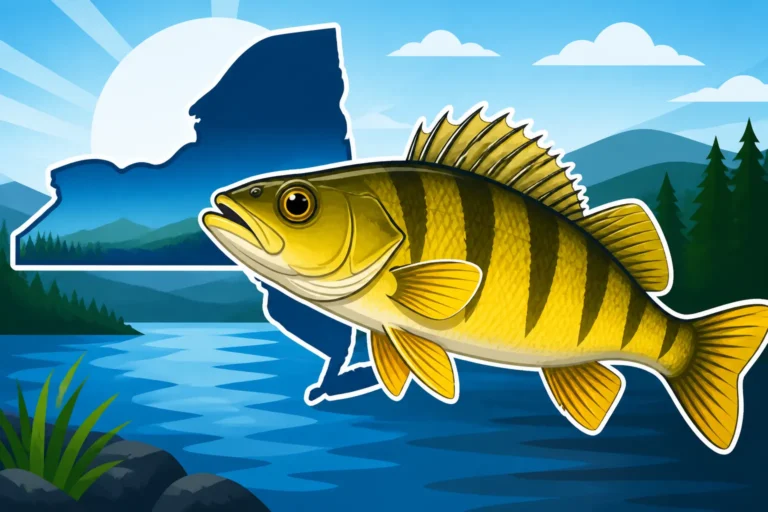
Yellow Perch are arguably one of the most popular panfish in the Finger Lakes, present in virtually every lake. They're highly sought after for their delicious white flesh and their tendency to school, meaning if you find one, you're likely to find many more. They are a staple for ice anglers, but also provide great open-water action. Yellow Perch in New York are a year-round target.
Perch are relatively easy to catch, making them perfect for beginners and kids. Small jigs tipped with a grub or a piece of worm, or simply a live minnow under a bobber, are deadly effective. They tend to hang out near weed lines, docks, and drop-offs. When ice fishing, a small spoon or jigging rapala is often all you need. They provide steady action and are a joy to bring home for a fresh fish fry. For a reliable selection of small jigs and bait holders, searching "panfish tackle kit" on Amazon is a good idea.
Bluegill and Sunfish: The Colorful & Cooperative Clan
Bluegill and various other sunfish species are ubiquitous throughout the Finger Lakes, especially in the shallower, warmer sections and bays. These vibrant, feisty little fish are incredibly cooperative and provide endless entertainment for anglers, particularly youngsters. Bluegill and Sunfish in New York are often the first fish many people catch.
A simple hook, bobber, and a piece of worm or corn are all you need to have a blast with bluegill and other sunfish. They congregate around docks, lily pads, submerged timber, and weed beds. While they don't grow huge, their aggressive bites and spirited fights on ultra-light tackle are incredibly fun. They are also excellent eating, though you need quite a few to make a meal! Many anglers consider bluegill fishing a fantastic way to introduce new people to the sport, building confidence before tackling larger, more challenging species.
Crappie: The Slabs of Spring
Both Black and White Crappie can be found in the Finger Lakes, with black crappie being more common in the clearer lakes and white crappie preferring slightly murkier waters. They are known for their distinctive "slab" sides and are another fantastic eating fish, often schooling in large numbers. Crappie in New York are particularly popular in spring.
Crappie are often found around submerged brush, fallen trees, docks, and bridge pilings. They are particularly active in spring when they move into shallower waters to spawn. Small jigs, tiny spinners, or live minnows suspended under a bobber are the go-to baits. When you find a school, the action can be non-stop. They have delicate mouths, so a light touch and a soft hook set are usually necessary to avoid tearing the hook out. For those looking to learn more about identifying specific crappie species or other panfish, the New York DEC provides an excellent guide to New York's Panfish Species Explained.
Channel Catfish: The Bottom Dwellers
For those who enjoy a strong pull and aren't afraid of some slime, Channel Catfish are present in several Finger Lakes, particularly Cayuga and Oneida, and their connecting rivers. They are powerful bottom feeders that can grow to impressive sizes, offering a unique angling experience. Channel Catfish in New York can be found in many parts of the state.
Catfish are primarily nocturnal feeders, making nighttime fishing a popular option. They respond well to smelly baits like cut bait, chicken livers, nightcrawlers, or specially prepared stink baits fished on the bottom. Heavy tackle is recommended, as these fish can put up a surprisingly strong fight. They are also excellent eating, especially smaller to medium-sized fish. You'll often find them in deeper holes, near river channels, or along soft, muddy bottoms.
Common Carp: The Freshwater Giants
Common Carp are another widespread species throughout the Finger Lakes, often underestimated by many anglers. While not native, they are powerful fighters and can grow to massive sizes, offering a unique challenge for those willing to pursue them. They are found in the shallower, more fertile areas of most lakes. Carp Fishing in New York is growing in popularity.
Carp are primarily vegetarian and bottom feeders. They are best targeted using baits like corn, bread, dough balls, or specialized carp baits fished on the bottom with strong tackle. They are known for their incredibly powerful runs and can strip line off a reel in an instant. While some anglers view them as a nuisance, dedicated carp anglers appreciate the strength and challenge these fish offer. They provide an intense battle that can last for quite some time, making for a truly memorable fight.
Here's a quick overview of some popular Finger Lakes fish and where they tend to thrive:
| Fish Species | Primary Finger Lakes (Examples) | Key Habitat Preference | Common Angling Method |
|---|---|---|---|
| Lake Trout | Seneca, Cayuga, Skaneateles, Keuka | Deep, cold, open water | Trolling (downriggers) |
| Brown Trout | Keuka, Owasco, Cayuga, Seneca | Cooler, shallower near shore/tributaries | Trolling, Casting |
| Rainbow Trout | Cayuga, Seneca, Skaneateles, Keuka | Upper water column, tributary mouths | Trolling, Casting |
| Landlocked Atlantic Salmon | Cayuga, Seneca, Owasco | Open water, following baitfish | Trolling |
| Smallmouth Bass | All Finger Lakes (especially rocky areas) | Rocky points, ledges, clear water | Drop-shotting, Jigging |
| Largemouth Bass | Cayuga (ends), Oneida, shallower bays | Weedy coves, submerged timber | Flipping, Topwater |
| Walleye | Oneida, Cayuga | Deep humps, structure, low light | Trolling, Jigging |
| Yellow Perch | All Finger Lakes | Weed lines, docks, drop-offs | Jigs, Minnows, Worms |
| Bluegill & Sunfish | All Finger Lakes (shallow, weedy areas) | Docks, lily pads, submerged cover | Worms, Corn, Small Jigs |
| Crappie | Oneida, Cayuga, shallower bays | Submerged brush, docks | Small Jigs, Minnows |
| Channel Catfish | Cayuga, Oneida | Deep holes, muddy bottoms | Cut Bait, Stink Bait |
| Common Carp | All Finger Lakes (shallow, fertile areas) | Weedy bays, soft bottoms | Corn, Dough Balls |
Angling Tips and Conservation in the Finger Lakes
Understanding the species is just the first step; knowing how to approach fishing them, and doing so responsibly, is equally important. Fishing New York's Finger Lakes: A Complete Guide will offer even more detailed strategies for these magnificent waters.
Gear Up for Success
Having the right gear makes a huge difference, especially when you're targeting specific species that require specialized presentations or tackle. For instance, chasing lake trout often means having stout rods and reels capable of handling heavy weights and strong runs from deep water. For bass, you might need a variety of setups, from finesse spinning gear for drop-shotting smallmouth to heavy baitcasting gear for flipping jigs into thick cover for largemouth.
Don't forget the essentials beyond rods and reels. A good quality fishing line is crucial, whether it's fluorocarbon for sensitivity and invisibility or braided line for strength and casting distance. Lure selection is critical – researching what local baits and colors are currently working will save you a lot of time. And always carry a pair of pliers for hook removal, a net, and a measuring tape to ensure you comply with regulations. You can find a vast array of specialized fishing gear, from downriggers to specific bass lures, by browsing the fishing section on Amazon.
Respecting Regulations and Seasons
New York State has specific New York Fishing Season Dates and Catch Limits for each species, and often for specific waters, including the Finger Lakes. These regulations are in place to ensure the health and sustainability of the fishery for future generations. Always consult the current New York Fishing Regulations Explained before heading out. Ignorance of the law is not an excuse, and fines for violations can be significant.
For instance, lake trout, brown trout, and rainbow trout often have different minimum size limits and daily creel limits depending on the lake and the time of year. Bass seasons might have catch-and-release periods before the full harvest season opens. The marine district even has its own set of rules! It's up to each of us to be responsible anglers, understand what we can and cannot keep, and practice ethical catch-and-release techniques when necessary. Proper handling of fish you intend to release, minimizing their time out of water and handling them gently, is vital for their survival.
Conservation and the Future of Finger Lakes Fishing
The incredible diversity of fish in the Finger Lakes doesn't happen by accident. It's the result of ongoing conservation efforts by the New York State Department of Environmental Conservation (DEC) and local angler groups. These efforts include extensive stocking programs for species like brown and rainbow trout, and landlocked salmon, which augment natural reproduction. Habitat protection and water quality monitoring are also critical components.
As anglers, we play a vital role in these conservation efforts. Practicing catch-and-release, especially for larger breeding-size fish of certain species, helps maintain healthy populations. Cleaning up litter, preventing the spread of invasive species by cleaning boats and gear, and simply adhering to all regulations contribute significantly. When we buy a New York Fishing License Guide, a portion of those funds directly supports these crucial management and conservation programs, ensuring that the Finger Lakes remain a world-class fishing destination for years to come. It’s a small investment with a huge payoff for the future of our favorite pastime.
Disclaimer
This article is for general informational purposes only and does not constitute professional advice. Laws, prices and regulations vary by location and change over time. Consult a qualified professional for guidance on your specific situation.