Fish That Are Illegal to Keep in New York
It can be incredibly frustrating to head out for a peaceful day of fishing, only to worry if the fish you reel in is even legal to keep. New York's waters are abundant, but the regulations surrounding what you can harvest can feel like a labyrinth, especially when it comes to protected species or fish under specific advisories. This guide will help demystify those rules, walking you through which fish you absolutely cannot keep in New York, why these rules are in place, and what to do if you accidentally catch one.
Understanding Why Some Fish Are Off-Limits
Before diving into the specific species, it’s important to understand the bigger picture. These regulations aren't there to make your life harder, even if it sometimes feels that way. They're designed with crucial conservation goals in mind, protecting vulnerable populations, ensuring healthy ecosystems, and safeguarding public health. Think of it as a delicate balance that we, as anglers, play a huge part in maintaining.
Conservation and Species Recovery Efforts
Many of the fish deemed "illegal to keep" are facing significant challenges in their populations. Overfishing, habitat loss, and environmental changes have put immense pressure on certain species. New York works diligently to protect and restore these populations, and one of the most effective tools is through strict catch and release mandates or complete prohibitions on keeping them. For example, some fish might be critical spawners, or they might be part of a long-term recovery program. Taking them out of the water permanently could set back years of conservation efforts. These measures ensure that future generations of anglers, just like us, will have vibrant fisheries to enjoy. This is why you'll often see specific rules about New York Fishing Season Dates and Catch Limits for various species.
Health Advisories and Consumption Concerns
Sometimes, a fish might be off-limits not because its population is low, but because it's not safe for human consumption. This is particularly true in waters that have historically faced pollution or have ongoing environmental concerns. Fish can accumulate toxins like mercury or PCBs over their lifespan, especially larger, older specimens at the top of the food chain. New York publishes detailed advisories about which fish to avoid eating, or how much is safe to consume, from particular bodies of water. While you could technically catch these fish, keeping and eating them would be a health risk, hence why in certain areas, specific species are essentially "illegal to keep for consumption." Always check the local advisories, which you can often find readily available in the official New York DEC Fishing Regulations Guide.
Preventing the Spread of Invasive Species
This is a less common reason for prohibiting keeping a native fish, but it's a critical aspect of preventing ecological damage. However, related regulations exist around transporting certain species, especially baitfish, to prevent invasive species from spreading. While you might be able to keep a common panfish, for instance, strict rules govern what you can use as live bait and where. Moving fish from one body of water to another, even accidentally, can introduce diseases or non-native species that wreak havoc on local ecosystems. It's a reminder that every angler has a role in protecting New York's diverse aquatic environments.
Primary Fish Species That Are Illegal to Keep in New York
Now, let's get down to brass tacks. While many regulations are nuanced with size and season limits, there are some species that are either entirely protected or have such restrictive rules that, for most anglers, they are practically illegal to keep. Knowing these will save you a lot of trouble and contribute positively to our fisheries.
Atlantic Sturgeon
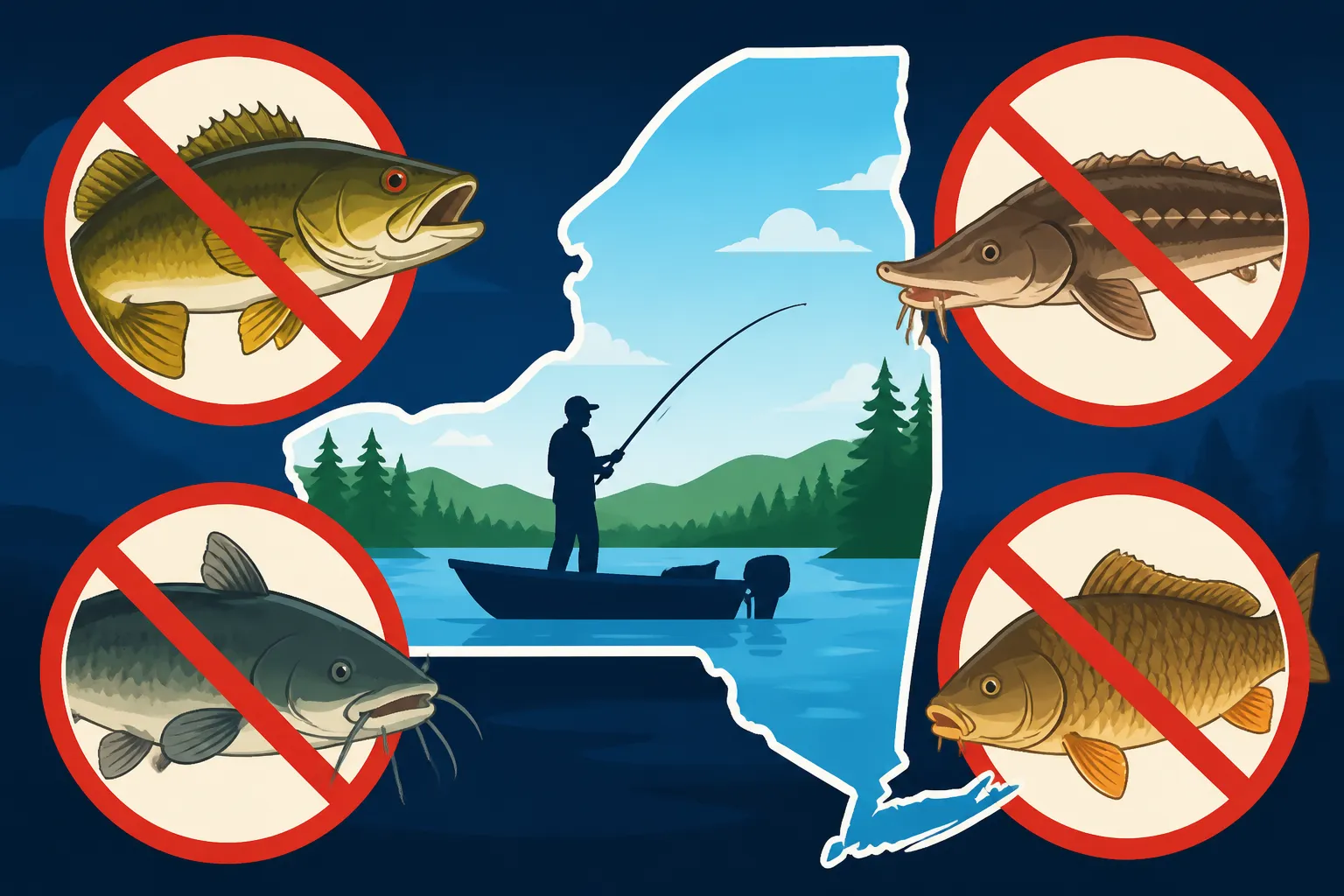
The Atlantic Sturgeon is perhaps the most iconic example of a completely protected fish in New York waters. These ancient, magnificent creatures can live for decades and grow to incredible sizes, but their populations have been severely impacted over the centuries. They are federally and state-protected, meaning it is strictly illegal to keep an Atlantic Sturgeon in New York. If you ever accidentally hook one while fishing, the law dictates that you must release it immediately and unharmed. This is not just a suggestion; it's a critical conservation mandate. Always be prepared to properly release any non-target species, and a good de-hooker, which you can find on sites like Amazon, is a valuable tool to have in your tackle box for such occasions.
Shortnose Sturgeon
Similar to their larger cousins, Shortnose Sturgeon are also federally and state-protected. While they don't grow as large as Atlantic Sturgeon, they are equally vital to New York's aquatic ecosystems. Keeping a Shortnose Sturgeon is strictly prohibited. These regulations reflect the urgent need to rebuild their populations. If you happen to catch one, handle it with extreme care, minimize its time out of water, and release it as quickly and gently as possible.
Certain Salmon and Trout Species (Depending on Location and Season)
This is where things get a bit more complex, as "illegal to keep" often means "illegal to keep at this specific time or place." While you can certainly keep many salmon and trout in New York, there are very important caveats.
Special Regulations Waters and Protected Stocks
New York has numerous "special regulations waters," which might include specific streams, rivers, or lakes where certain trout or salmon species are catch-and-release only, or have highly restrictive slot limits or harvest quotas. For instance, some wild brook trout streams in the Adirondacks might be designated catch-and-release to protect native populations. Similarly, certain stretches of rivers might be closed to trout harvesting during specific spawning periods to protect their delicate life cycles. Always consult the most current regulations for the specific body of water you intend to fish. Understanding New York's Trout Species Explained and New York's Salmon Species Explained will help you identify what you've caught.
Endangered or Threatened Salmonid Populations
While many trout and salmon are popular sport fish, there may be specific populations or strains that are listed as endangered or threatened. While rare for common angling, if you're in a highly specialized area, be acutely aware of any specific prohibitions. For most anglers, the more common scenario is encountering catch-and-release only sections or closed seasons for particular salmonid species. For example, some smaller, isolated populations of native brook trout are under intense protection, making them effectively illegal to keep.
Navigating Catch-and-Release Only Regulations
Beyond outright prohibitions on certain species, a significant portion of what might feel "illegal to keep" often falls under specific catch-and-release rules. These are equally important and carry similar legal weight to outright bans.
Size and Slot Limits
Many popular game fish, like bass, walleye, and even some panfish, have strict size regulations. This means fish that are too small (juveniles that need to grow) or sometimes too large (trophy breeders crucial for reproduction) are illegal to keep. A "slot limit" is a perfect example: you might be allowed to keep fish within a certain size range (e.g., 12-18 inches), but anything smaller or larger must be released. These limits are designed to protect immature fish and vital spawning stock. New York Bass Season Dates and New York Walleye Season and Limits will provide these details. Always measure your catch carefully. Carrying a reliable measuring tape, easily purchased from retailers like Amazon, is non-negotiable.
Closed Seasons and Protected Spawning Areas
Fishing seasons are designed to protect fish during vulnerable times, primarily during spawning. Catching a fish during a closed season, even if you intend to release it, can sometimes be considered illegal depending on the exact regulation, or at the very least, unethical. Some areas, like specific spawning beds or river sections, might be completely closed to fishing during certain times of the year to ensure fish can reproduce undisturbed. Always check local regulations before you go, as fishing in a closed area or during a closed season could result in penalties. You'll find specific dates for popular species in resources like New York Fishing Season Dates and Catch Limits.
Special Regulations for Vulnerable Populations
Beyond general seasons and limits, certain bodies of water in New York have unique "special regulations." These might be put in place for a specific tributary, a small lake, or even a particular stretch of a river. These rules often supersede general statewide regulations and are designed to protect locally vulnerable fish populations or specific management goals. Always, always look up the special regulations for the exact water you plan to fish. You might find that a species perfectly legal to keep statewide is catch-and-release only in that particular spot.
What to Do if You Accidentally Catch a Prohibited Fish
It happens to the best of us. You're fishing for bass, and suddenly you've hooked something that looks suspiciously like a protected sturgeon or an undersized trout in a catch-and-release zone. Don't panic, but act swiftly and responsibly.
Immediate and Gentle Release
The moment you identify a fish as one you cannot legally keep, your priority is to release it safely and quickly.
- Minimize Handling: Try to keep the fish in the water as much as possible. If you must bring it out, do so gently and support its full body weight. Avoid holding it by the gill plates or lips if it's a heavy fish, as this can cause internal damage.
- Use a De-hooker: Keep a pair of long-nose pliers or a de-hooking tool handy. These allow you to remove hooks quickly and efficiently, often without even touching the fish. If the hook is deeply swallowed, cut the line as close to the hook as possible rather than trying to rip it out. You can find quality de-hookers and other release tools on Amazon.
- Avoid Excessive Stress: Do not take prolonged photos, parade the fish around, or delay its return to the water. The longer it's out of its element, the lower its chances of survival.
- Revive if Necessary: If the fish seems sluggish, hold it gently in the water, facing upstream, allowing water to flow over its gills until it regains strength and swims away on its own power.
Remember, the goal is to leave the fish no worse for wear, ensuring it can continue its life cycle and contribute to the health of the fishery.
Understanding the Importance of Proper Release Techniques
Proper catch-and-release techniques are not just good etiquette; they are vital to the success of conservation efforts. A fish that is released improperly might die shortly after, negating the purpose of the regulation. This includes handling with wet hands (to protect their slime coat), avoiding dropping fish, and minimizing air exposure. Learn more about Catch-and-Release Handling Rules to ensure you're doing your part.
Consequences of Keeping Prohibited Fish
The regulations are in place for serious reasons, and violating them carries equally serious consequences. It's not just a slap on the wrist; depending on the severity and nature of the violation, you could face significant penalties.
Fines and Penalties
Getting caught keeping a fish that is illegal to keep can result in substantial fines. These fines vary widely depending on the species, the number of fish, and whether it's a first offense or a repeat violation. For instance, illegally keeping a protected species like a sturgeon would likely carry a much steeper fine than keeping an undersized panfish. These fines are often designed to be a significant deterrent, reflecting the value of the protected resource. You can find more details on general infractions in articles like Fine for Fishing Without a License in New York.
Loss of Fishing Privileges
Beyond monetary fines, you could also face the suspension or revocation of your fishing license. This means you might be prohibited from fishing in New York for a period, or even permanently in severe cases. This can be a devastating consequence for passionate anglers who cherish their time on the water.
Confiscation of Gear
In some instances, particularly with egregious violations, law enforcement may confiscate your fishing gear, including rods, reels, and even boats. This adds another layer of financial and personal loss to the consequences of violating fishing laws.
Legal Ramifications
For very serious violations, especially those involving highly protected or endangered species, charges could extend beyond administrative fines to criminal charges. This is less common for simple mistakes but a very real possibility for intentional or repeated poaching. Understanding Penalties for Fishing Without a License in New York gives you a sense of the seriousness the state applies to its fishing regulations. It’s always better to be over-informed and cautious than to face these kinds of repercussions.
In summary, being an angler in New York means being a responsible steward of its incredible aquatic resources. By understanding which fish are illegal to keep, why these rules exist, and how to properly release them, you contribute to a sustainable future for fishing in our beautiful state. Always carry your regulations guide, or at least have access to the digital version, and if in doubt, practice catch and release.
Disclaimer
This article is for general informational purposes only and does not constitute professional advice. Laws, prices and regulations vary by location and change over time. Consult a qualified professional for guidance on your specific situation.