Is the Brook Trout New York’s State Fish?
It’s a question many New Yorkers, from seasoned anglers to curious nature lovers, have asked: is the brook trout truly our state fish? The short answer is a resounding yes, but the story behind this beloved native species and its significance goes far deeper than a simple designation. This guide will dive into what makes the brook trout such an iconic symbol for New York, exploring its unique characteristics, preferred habitats, and the profound role it plays in our state's rich aquatic ecosystem.
The Brook Trout: A Beloved New York Icon
When you picture a quintessential cold-water stream in New York, teeming with vibrant life, chances are you're imagining the brook trout. This isn't just any fish; it's a living symbol of pristine waters and wild landscapes that are so dear to us. For many, catching a brook trout isn't just about the fight; it's about the connection to the wildness of New York itself.
Identifying the Beautiful Brook Trout
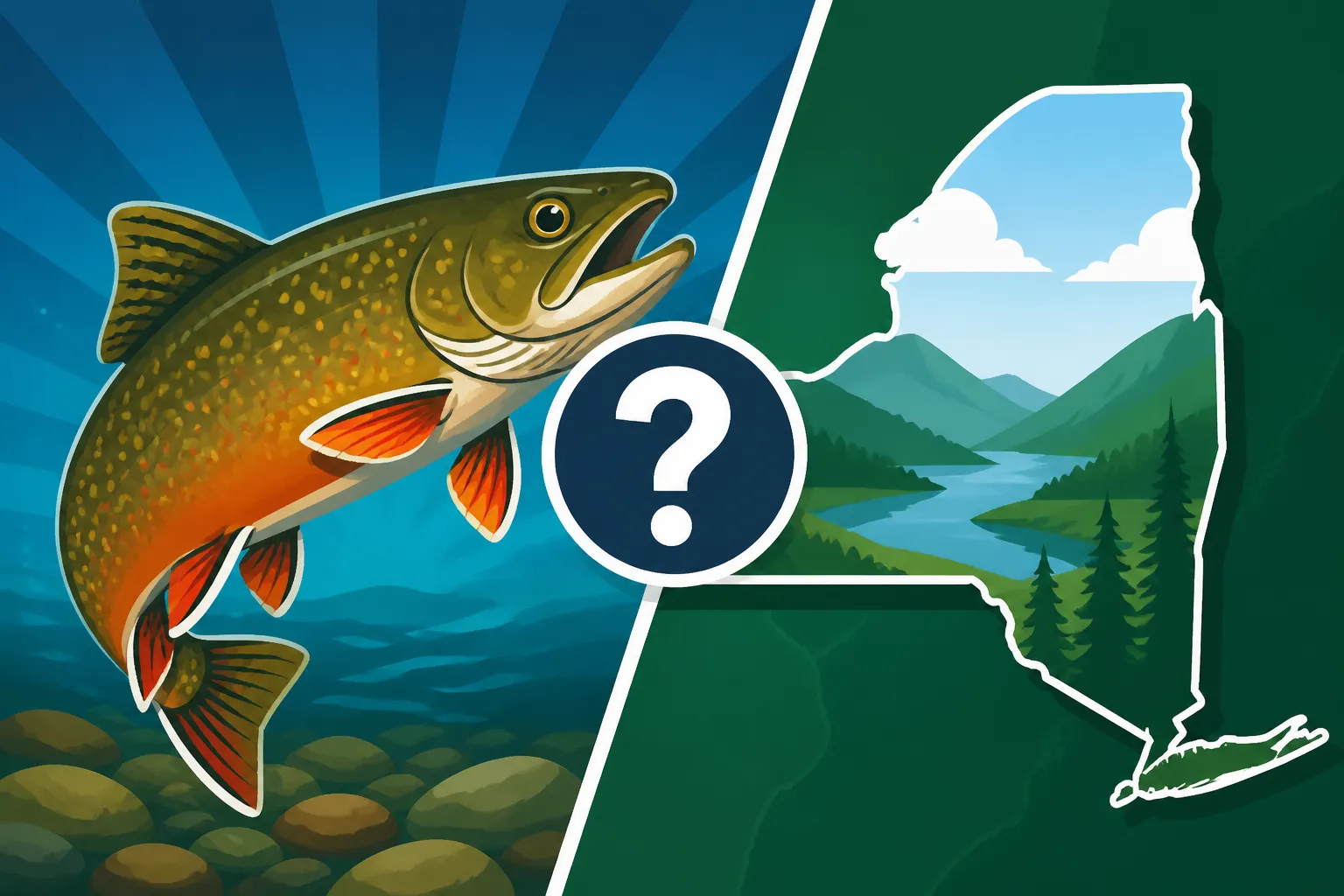
The brook trout, Salvelinus fontinalis, is an absolute stunner, a real gem of our freshwater streams and ponds. Unlike some of its more common relatives, you can often identify a brook trout by its distinctive appearance. They typically have a dark, worm-like pattern, known as vermiculation, across their olive-green to dark brown backs, which helps them camouflage perfectly against rocky stream beds and submerged logs. Their sides are often speckled with pale yellow spots and a few scattered red spots, each surrounded by a vivid blue halo – these are sometimes called "halos of distinction."
Their lower fins (pectoral, pelvic, and anal) are usually reddish-orange, edged with a striking white margin, followed by a black stripe. This white leading edge is a dead giveaway, often flashing as they dart through clear water. The belly can range from white to a beautiful deep orange or red, especially pronounced in spawning males, giving them a fiery, almost painted look. Size-wise, in many of our smaller, wild streams, they might only be six to ten inches, but in larger, nutrient-rich waters or specific managed fisheries, they can grow considerably larger. If you're ever lucky enough to land one, take a moment to admire its intricate beauty before carefully releasing it, as many of New York's brook trout fisheries are managed for conservation.
The Brook Trout's Natural Habitat in New York
These native beauties are intrinsically linked to the health of New York's coldest, cleanest waters. You'll find brook trout predominantly in the headwater streams and smaller tributaries of the Adirondack and Catskill Mountains, as well as in other high-elevation areas across the state. They absolutely thrive in waters that are exceptionally cold, highly oxygenated, and possess a gravel or rocky bottom crucial for spawning. Think about those crystal-clear mountain streams, often shaded by dense forest canopies, with plenty of fallen logs and undercut banks providing shelter from predators and strong currents.
These ideal conditions aren't just a preference; they're a necessity. Brook trout are incredibly sensitive to water temperature fluctuations and pollution. Even a slight increase in temperature or sediment can degrade their habitat, making it difficult for them to survive and reproduce. That's why their presence is often seen as a natural indicator of excellent water quality. If you find a stream teeming with brook trout, you can bet the ecosystem is generally healthy. They rely on a steady supply of aquatic insects, small crustaceans, and even tiny baitfish for sustenance, making them an important part of the food web in these fragile environments. Protecting these vital habitats is key to ensuring that future generations of New Yorkers can continue to enjoy fishing for our state fish. You can learn more about where these fish thrive by looking at resources like Best Adirondack Lakes for Fishing or Best Trout Streams in the Catskills.
The Official Status: What is New York's State Fish?
Given its deep roots in New York's natural history and its status as a native species, it feels intuitive that the brook trout would be our state fish. But what exactly does that mean, and when did this designation come to be? It's a testament to the fish's enduring appeal and ecological significance.
Unpacking the Designation
Yes, the brook trout is indeed New York's official State Fish. It was formally designated as such way back in 1975 by the state legislature. This wasn't a casual decision; it was a recognition of the brook trout's unique status as the only trout species native to all of New York's freshwaters. While other popular trout like brown trout and rainbow trout were introduced from Europe and the Pacific Northwest, respectively, the brook trout has called New York home for millennia.
This designation highlights not just its natural beauty, but its ecological importance and its role in the state's outdoor heritage. It's a fish that truly belongs here, a part of the original wild fabric of New York. The legislative act solidified what many anglers and naturalists already knew in their hearts: the brook trout perfectly embodies the spirit of New York's pristine streams and rugged wilderness. This official status helps raise awareness about the species and its habitat needs, encouraging conservation efforts to protect it for generations to come.
Why the Brook Trout Deserves Recognition
The brook trout’s recognition as New York's State Fish isn't merely symbolic; it’s richly deserved due to its historical, ecological, and recreational importance. Historically, brook trout were a vital food source for Indigenous peoples and early European settlers, and they have always been synonymous with the untouched wilderness of our state. Tales of anglers venturing into remote Adirondack ponds and Catskill streams in pursuit of "brookies" are woven into the fabric of New York's outdoor lore.
Ecologically, as mentioned, brook trout are an indicator species. A thriving population signals a healthy, clean aquatic environment, free from excessive pollution and thermal stress. They are also a crucial part of the food chain, both as predator and prey, contributing to the balance of their ecosystems. From a recreational standpoint, brook trout provide a unique and often challenging angling experience. They tend to be wary, requiring skill, stealth, and a deep understanding of their habitat. The thrill of catching a wild brook trout, especially on a fly rod in a secluded stream, is an experience many New York anglers cherish above all others. Their designation underscores the importance of conserving these delicate ecosystems, ensuring that the natural beauty and angling opportunities associated with our state fish continue to flourish.
| Characteristic | Description | Significance to New York |
|---|---|---|
| Native Status | Only trout species native to all of New York's freshwaters. | Represents the original wild heritage of the state. |
| Appearance | Olive-green back with worm-like patterns, yellow and red spots with blue halos, white-edged fins. | Distinctive beauty, easily recognizable. |
| Habitat | Prefers cold, clear, highly oxygenated waters with gravel bottoms; abundant in Adirondacks and Catskills. | Indicator of excellent water quality and healthy ecosystems. |
| Indicator Species | Presence signifies pristine environmental conditions. | Valuable for environmental monitoring and conservation efforts. |
| Angling Experience | Offers a challenging and rewarding fishing experience, particularly in wild, remote settings. | Cherished by anglers for its connection to wilderness. |
| Official Status | Designated as New York's State Fish in 1975. | Formal recognition of its historical, ecological, and recreational value. |
Beyond the Official Title: The Brook Trout's Enduring Legacy
The brook trout's journey in New York isn't just about its official title; it's about its ongoing survival, the efforts to protect it, and the unique place it holds in the hearts of anglers and conservationists alike. Its legacy is a testament to the value we place on our natural resources.
Conservation Efforts and Challenges
Protecting the brook trout in New York is an ongoing, vital mission. Despite its official status, the species faces numerous threats that require constant vigilance and dedicated conservation efforts. Habitat degradation is perhaps the biggest challenge. This includes sedimentation from land development and erosion, which smothers crucial spawning grounds, and pollution from various sources that diminishes water quality. Perhaps even more pressing is the impact of climate change, leading to warmer water temperatures that stress brook trout, making them more susceptible to disease and reducing their reproductive success.
Competition from non-native species, particularly brown trout and rainbow trout, which were introduced for sport fishing, also poses a threat. These introduced species can outcompete brook trout for food and habitat, sometimes even preying on young brookies. To combat these challenges, organizations like Trout Unlimited and the New York State Department of Environmental Conservation (DEC) work tirelessly. Their efforts include stream restoration projects to improve habitat, barrier removal to reconnect fragmented populations, and strict fishing regulations to manage wild populations responsibly. Many programs also focus on education, teaching anglers and landowners about the importance of protecting riparian buffers and minimizing environmental impact. For those looking to delve deeper into these crucial topics, a wealth of informational books and guides on aquatic conservation and local ecology can be found on platforms like Amazon. Engaging with these efforts ensures the brook trout's future in New York. You can also review New York Freshwater Fishing Rules to understand regulations better.
Fishing for Brook Trout in New York
Fishing for brook trout in New York is an experience that often feels like stepping back in time. It typically involves exploring remote, often smaller streams and ponds, requiring a sense of adventure and a willingness to hike into quieter corners of the state. For many, fly fishing is the quintessential method for targeting brook trout. Small, delicate presentations with dry flies, nymphs, or streamers that imitate the insects and small prey they feed on are often highly effective. Lightweight fly rods, typically 2 to 4 weights, are perfect for the tight quarters and smaller fish encountered in many brook trout streams.
Spin fishing can also be productive, using ultra-light gear with small spinners, spoons, or jigs. Live bait, like small worms or minnows where permitted, can also entice a bite. The key across all methods is stealth and a gentle approach, as wild brook trout are notoriously skittish. Always remember to check the specific regulations for the waterbody you plan to fish, as many brook trout streams have special catch-and-release or artificial lures-only rules to protect these precious native populations. Practicing careful catch-and-release techniques, such as minimizing handling and keeping the fish in the water, is crucial for their survival. Resources like How to Trout Fish in New York offer great starting points for planning your trip. When preparing for a trip, consider stocking up on specialized lures, leader materials, or even a good pair of waders, all easily accessible on Amazon.
Other Iconic New York Fish Species
While the brook trout holds the esteemed title of New York's State Fish, it's far from the only remarkable aquatic inhabitant in our diverse waters. The Empire State boasts an incredible array of fish, each playing its own role in our ecosystems and offering unique opportunities for anglers.
Diverse Aquatic Life
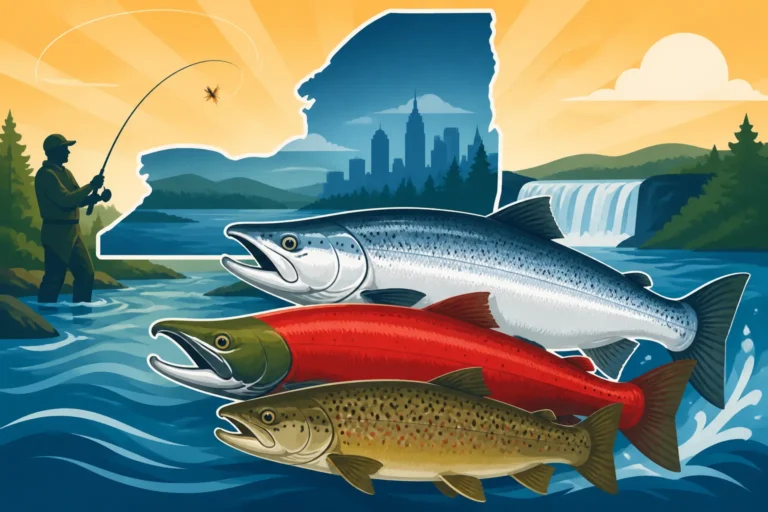
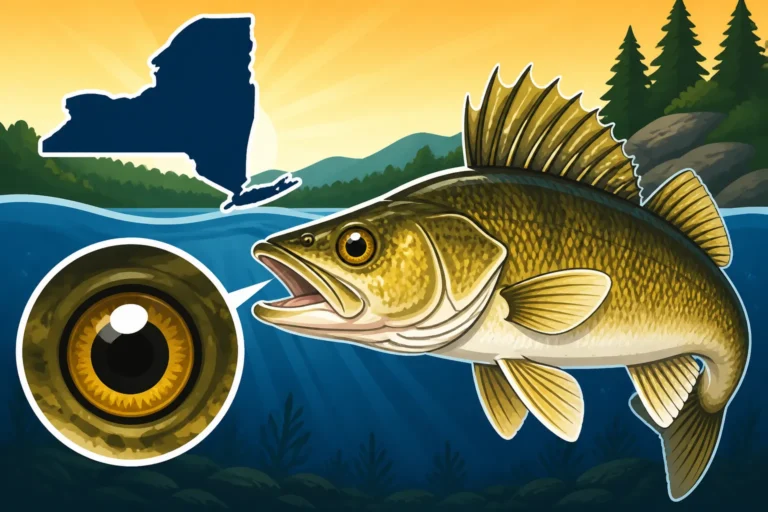
New York is truly a fishing paradise, offering everything from massive Great Lakes giants to coastal saltwater species. In our freshwater systems, beyond the brook trout, we have a thriving population of Brown Trout in New York and Rainbow Trout in New York, both highly popular among anglers, often growing to impressive sizes in our larger rivers and lakes. Our Great Lakes – Lake Ontario and Lake Erie – are world-renowned for their incredible salmon fisheries, including Chinook Salmon in New York and Coho Salmon in New York, which draw anglers from across the globe. These lakes also boast fantastic Walleye in New York and Steelhead Trout in New York fishing.
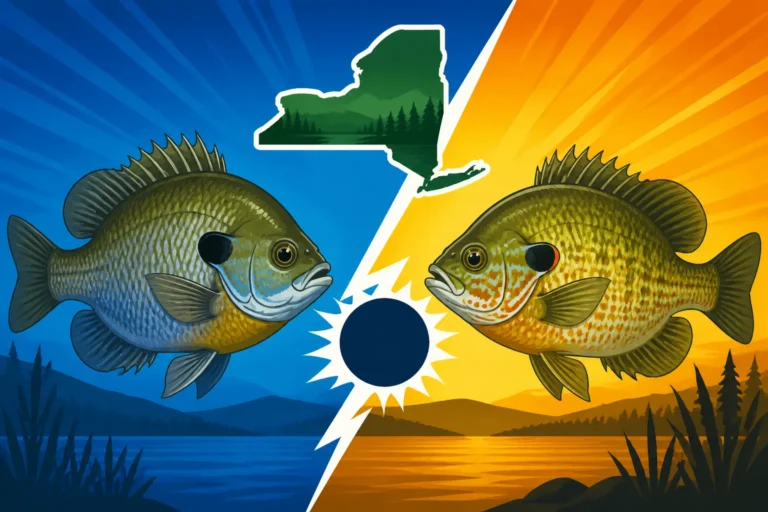
Move south to the mighty Hudson River and Long Island Sound, and you enter the realm of spectacular saltwater fishing. The Striped Bass in New York is a legendary game fish, pursued by countless coastal anglers, as are Bluefish in Long Island Sound and Fluke in New York Waters. Even closer to home, in ponds and slow-moving rivers across the state, you'll find a robust population of Largemouth Bass in New York and Smallmouth Bass in New York, offering exciting action for sport fishermen. And let's not forget the humble but abundant panfish like yellow perch, crappie, and bluegill, which provide countless hours of fun for families and beginners alike. This incredible diversity means there's always something new to target, no matter your preferred style or location.
New York's Rich Fishing Heritage
The sheer variety of fish species directly contributes to New York's rich and vibrant fishing heritage. It's a heritage built on diverse landscapes, from the wild, pristine streams of the Adirondacks to the bustling, historic fishing ports of Long Island. Generations of families have bonded over fishing trips, passing down knowledge, techniques, and a deep appreciation for the outdoors. Our waters have provided sustenance, recreation, and a profound connection to nature for centuries.
Whether it's the solitary pursuit of a wily brook trout in a remote mountain stream, the camaraderie of a salmon charter on Lake Ontario, or the thrill of surfcasting for striped bass on the Atlantic coast, fishing is an integral part of New Yorker identity. The regulations and seasons, like those outlined in New York Fishing Season Dates and Catch Limits, are carefully managed to protect this heritage, ensuring that the incredible fishing opportunities we enjoy today will remain for future generations. It’s a legacy that continues to evolve, embracing new technologies and conservation strategies, but always rooted in the timeless joy of casting a line into New York's abundant waters.
Disclaimer
This article is for general informational purposes only and does not constitute professional advice. Laws, prices and regulations vary by location and change over time. Consult a qualified professional for guidance on your specific situation.